Zkittlez in Australia 2026: The Genetics, the Family, What’s Available

Zkittlez in Australia 2026: The Genetics, the Family, What’s Available

Zkittlez was the strain that proved candy-terpene cannabis could win the room. The 2016 Emerald Cup. The mixed-fruit aroma that genuinely tasted like its name. The genetics that 3rd Gen Family and Terp Hogz built into a brand. For a few years it was everywhere — on magazine covers, in dispensary cases, at the top of every “best strains of the year” list. Then the candy revolution it kicked off moved on, and Zkittlez got left in an awkward middle ground.
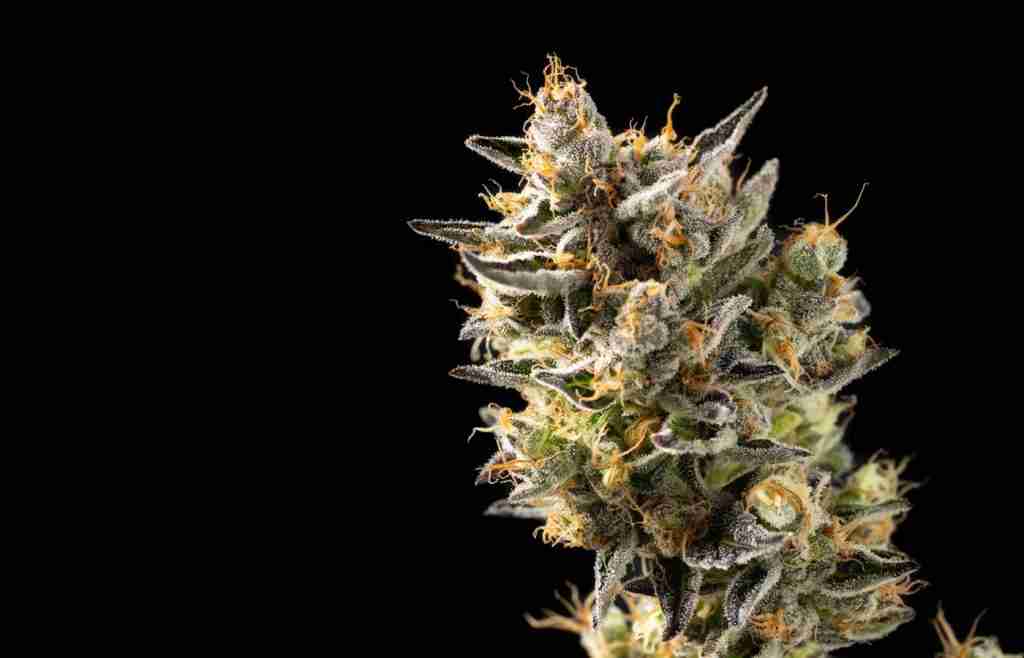
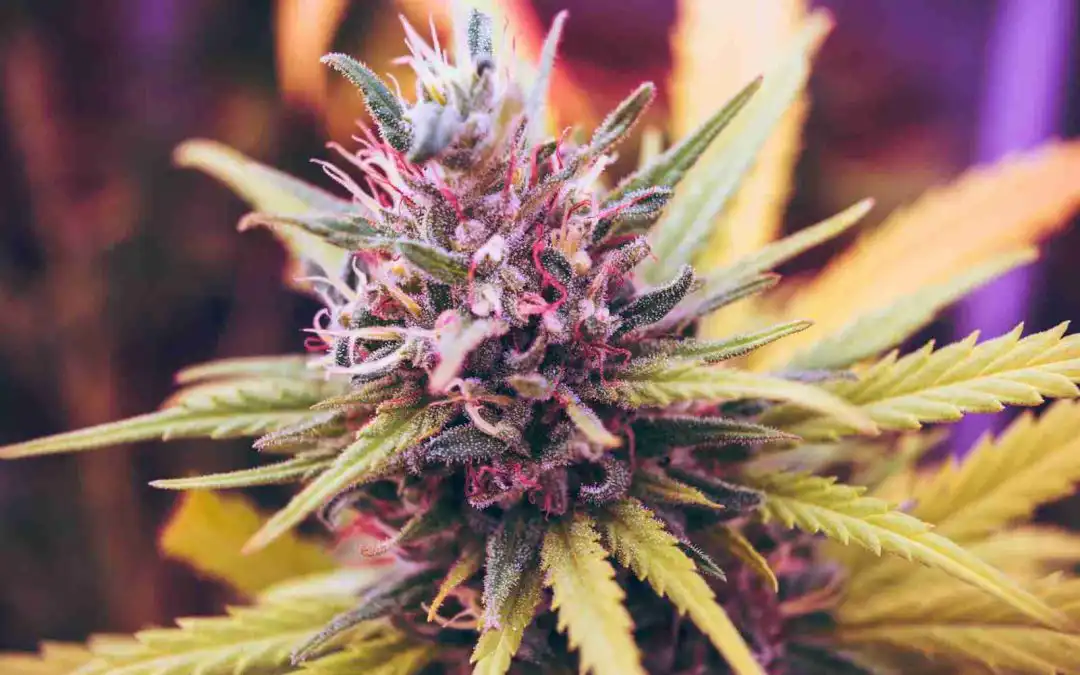
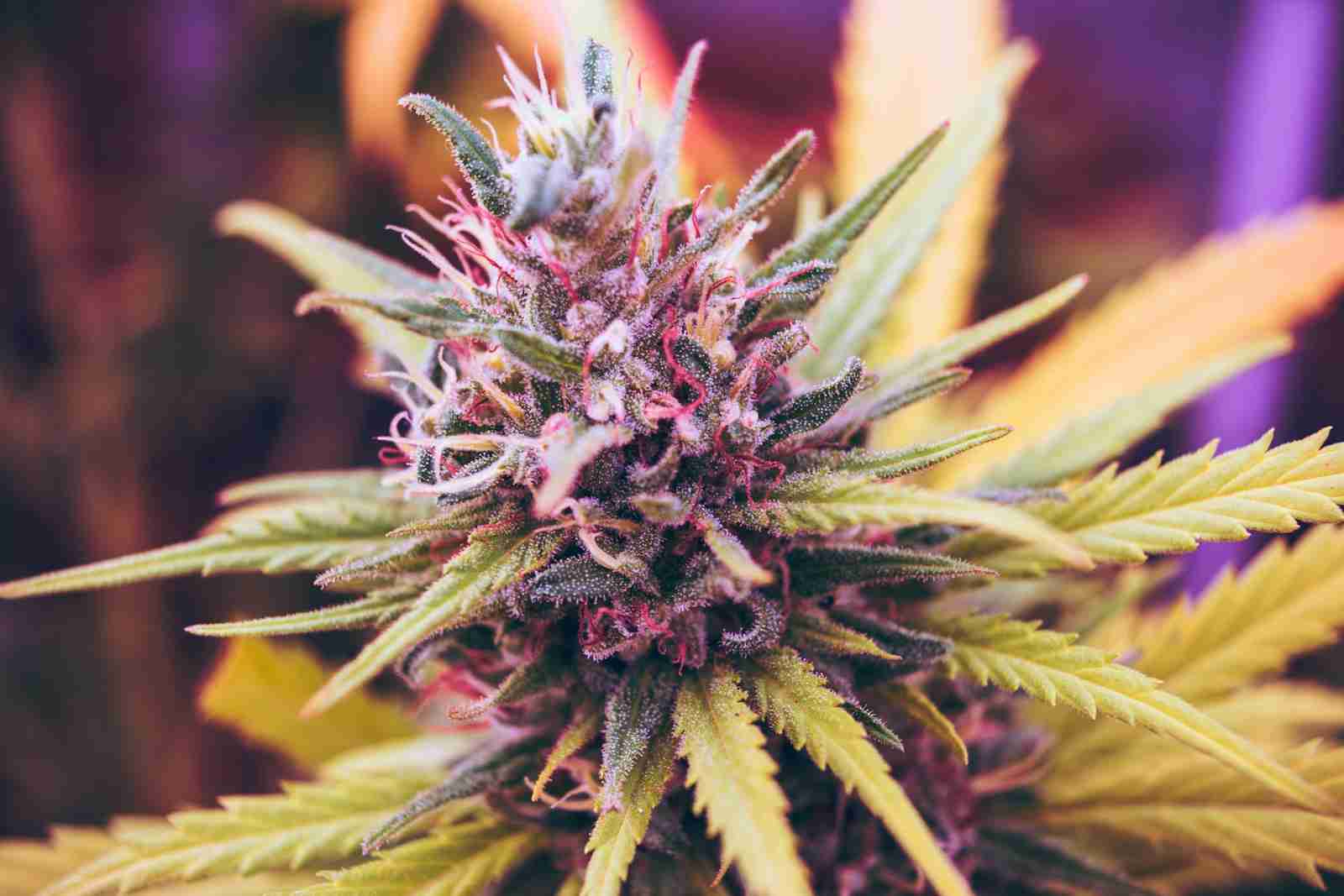
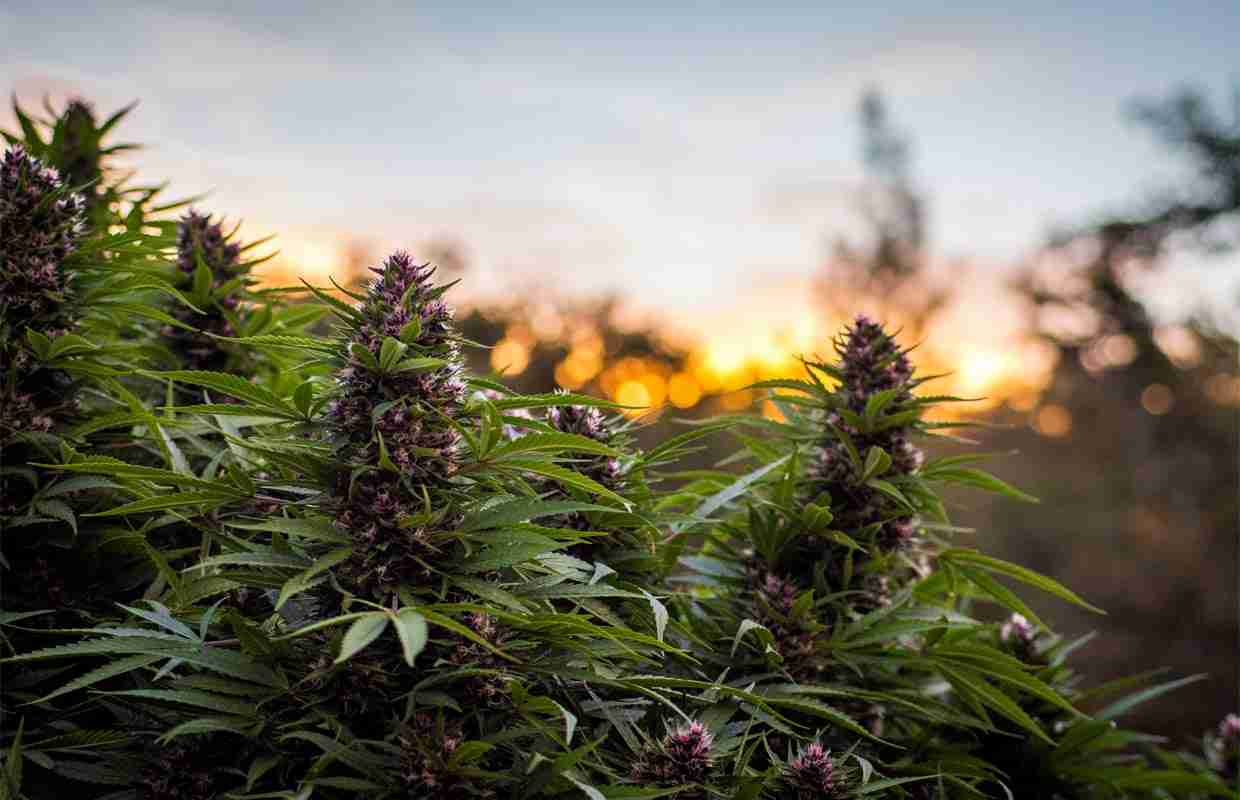
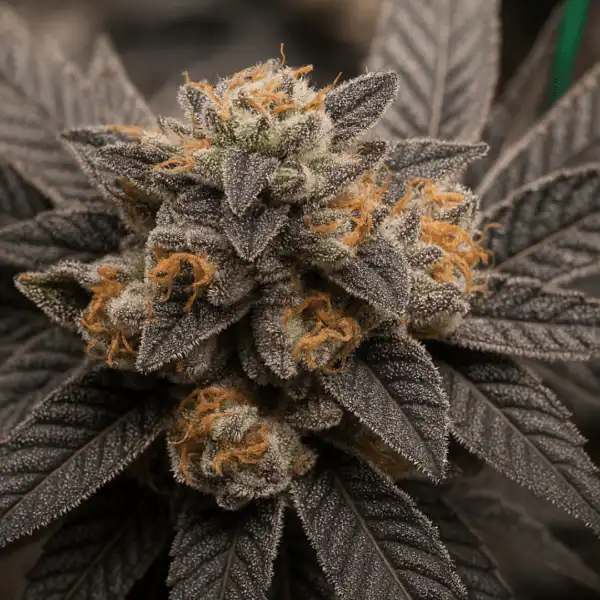
Zkittlez strain buds showing purple hues and trichome coverage

This guide is honest about where Zkittlez sits in 2026. The original genetics are still around overseas but they don’t really get planted much in Australia anymore — not because they’re bad, but because the audience moved. The Australian cannabis seeds market in 2026 is dominated by two segments: heritage production strains for old-school growers and post-2020 boutique exotics for modern phenohunters. Zkittlez doesn’t really fit either camp. What survived is the lineage: direct descendants like Gorilla Zkittlez and Runtz on Sacred, and the wider post-2020 candy-dessert exotic wave Zkittlez helped launch. This guide covers the Zkittlez story, what’s worth knowing about the genetics themselves, and which modern strains actually deliver what searchers landing on Zkittlez are usually looking for.

Zkittlez — At a Glance

Available in Australia Rarely. Sacred carries the direct descendants Gorilla Zkittlez and Runtz; Sigma carries RS11, which descends from the Zkittlez lineage via OZK.
Strain Type Indica-dominant hybrid (60/40)
THC Content 19–23%
Genetics Grape Ape × Grapefruit × Unknown (3rd Gen Family / Terp Hogz)
Flowering Time 8–10 weeks photoperiod
Flavour Profile Sweet berry, tropical fruit, grape, citrus — the original candy-terpene strain
Primary Terpenes Caryophyllene, humulene, limonene
Notable Recognition 1st Place, 2016 Emerald Cup

Zkittlez Genetics and History

Zkittlez was created by 3rd Gen Family and Terp Hogz in Northern California, released into the wider market in the mid-2010s. The genetics are Grape Ape × Grapefruit × an unknown third strain the breeders never disclosed. The mystery third parent is part of the story — it lets the breeders maintain control of the genetic line and adds a layer of mystique that competitors couldn’t replicate.

The strain’s commercial moment was the 2016 Emerald Cup, where it won 1st place in the Indica Flower category. That win mattered. The Emerald Cup is the most credible cannabis competition in the United States — judged by growers and breeders, not branding agencies — and a win there in 2016 was effectively a market validation for the entire candy-terpene direction. Zkittlez wasn’t the first strain to chase the fruity dessert profile, but it was the first to win at that level with it.

What Zkittlez proved is that the future of premium cannabis wasn’t necessarily about chasing higher THC or piling on more lineage layers. It could be about flavour identity — a strain that genuinely tastes like something specific and memorable. That commercial insight is still shaping cannabis breeding in 2026. The candy-dessert lineage that dominates modern boutique catalogues — Cookies family, Sherbert, Gelato, Runtz, Jealousy, Permanent Marker — all owes something to what Zkittlez proved was possible.

Why Zkittlez Doesn’t Really Get Planted in Australia Anymore

Zkittlez sits in an awkward middle ground in 2026, and the honest reason for that comes down to who actually wants to grow it.

Old-school growers reach for heritage genetics. Northern Lights, Skunk #1, Sour Diesel, OG Kush, the Afghani-lineage indicas — these are the strains with production-grower credibility, mould resistance built into the genetics, and decades of grower feedback validating their performance. Zkittlez isn’t part of that conversation. It’s not landrace-rooted, doesn’t carry the heritage genetics narrative, and doesn’t have the production-grower track record. For someone whose interest is in proven strains that perform reliably in Australian conditions, Zkittlez sits to the side of what they’re looking for.

Modern phenohunters and exotic-chasers have moved past it. The candy-dessert lineage Zkittlez helped launch has produced dozens of more compelling strains in the years since. Runtz (Zkittlez × Gelato), RS11, Jealousy, Permanent Marker, Cap Junky — these are what the post-2020 boutique market is built on. For growers chasing the cutting edge of dessert-terpene cannabis, original Zkittlez feels like 2018, not 2026. It’s the strain that started the wave, not the wave’s current crest.

The result: Zkittlez gets squeezed between two audiences. Not heritage enough for the production-strain crowd. Not novel enough for the exotic-strain crowd. Combined with the practical reality that the original 3rd Gen Family genetics don’t distribute reliably into Australian catalogues, the strain has effectively faded from active commercial relevance here. The genetics are still out there, the strain still has fans, but it’s not what most Australian growers planning a 2026 grow are reaching for.

What Zkittlez Actually Produced — The Lineage That Survived

The most useful way to think about Zkittlez in 2026 isn’t as a strain you’d plant. It’s as a genetic foundation that produced the strains people actually want to plant now.

There are two distinct legacies to track. The first is the literal genetic descendants — strains that carry Zkittlez parentage and express identifiable parts of the Zkittlez profile. Gorilla Zkittlez (GG4 × Zkittlez), Runtz (Zkittlez × Gelato), and RS11 (Pink Guava × OZK, where OZK descends from Zkittlez × Sunset Sherbet) are the cleanest examples. These strains carry actual Zkittlez genetics and the candy-terpene profile shows up in noticeable ways.

The second legacy is wider — the cultural and commercial wave Zkittlez helped launch but doesn’t share genetics with. Cookies-family strains, Sherbert crosses, Gelato derivatives, the entire dessert-terpene boutique market — these strains exist because Zkittlez and a few others proved the candy direction was commercially viable. They aren’t Zkittlez descendants strictly, but they came from the same moment in cannabis culture.

The next two sections cover both: direct descendants you can grow in Australia, and the wider exotic wave for anyone whose interest was always in modern candy-dessert cannabis rather than Zkittlez specifically.

Direct Zkittlez Descendants Available in Australia

These three strains carry actual Zkittlez genetics. If your interest is specifically in growing something connected to the Zkittlez line, this is where to start.

Gorilla Zkittlez (Sacred Seeds)

Gorilla Zkittlez is GG4 × Zkittlez — the cleanest direct cross available in Australia. The GG4 parent brings vigour, structure, and the gas profile that Zkittlez alone lacks; the Zkittlez parent brings the candy-terpene identity and indica-dominant effect. The result is a more grower-friendly version of Zkittlez with broader appeal — the candy expression survives but the plant produces better and handles Australian conditions more reliably than original Zkittlez genetics would. Gorilla Zkittlez also sits in the high-THC seed category at Sacred, testing reliably in the 22%+ range when grown well.

For Australian growers wanting the Zkittlez flavour identity in a strain that actually performs commercially, Gorilla Zkittlez is the practical answer. Available as both feminised photoperiod and autoflower.

Runtz (Sacred Seeds)

Runtz is Zkittlez × Gelato — the sister strain that became commercially bigger than Zkittlez itself. Where Gorilla Zkittlez emphasises the candy side with added GG4 vigour, Runtz emphasises the dessert side with Gelato’s smooth sweetness. The result is one of the most successful modern hybrid strains globally, with a distinctive sugar-and-cream flavour profile and balanced indica-leaning effects.

For growers who want the Zkittlez lineage but lean toward dessert-sweet rather than candy-fruity, Runtz is the better fit. Available as feminised photoperiod and autoflower — for the wider autoflower seed selection in Australia, Sacred carries Auto Gorilla Glue, Auto Northern Lights, Auto Godfather OG, and a full feminised autoflower catalogue alongside Runtz.

RS11 (Sigma Seeds)

RS11 — Rainbow Sherbet #11 — is Pink Guava × OZK from Wizard Trees, released around 2022 and rapidly becoming one of the most sought-after exotics in the post-2020 boutique market. The OZK parent descends from Zkittlez × Sunset Sherbet, so RS11 carries Zkittlez genetics two generations back. The expression is distinct from original Zkittlez but recognisably part of the family: berry-forward, gas-tinged, with the kind of complex layered flavour profile that modern phenohunters chase.

RS11 sits in Sigma’s catalogue rather than Sacred’s because the breeder profile — Wizard Trees, US post-2020 hype house, active phenohunting community — matches Sigma’s positioning around modern exotics. RS11 at Sigma.

Zkittlez feminised cannabis strain in early flower showing dense bud formation and deep green foliage

The Wider Candy-Exotic Wave Zkittlez Kicked Off

The strains in this section aren’t Zkittlez descendants in the genetic sense. They’re the post-2020 candy-dessert and gas-dessert exotics that came from the cultural wave Zkittlez helped launch. For anyone whose original interest in Zkittlez was about the flavour direction rather than the specific genetics, these are the modern strains that deliver on what Zkittlez originally promised — and in most cases, deliver it harder.

The boutique market for these post-2020 exotics has its own dynamics — small breeder houses, active phenohunting, scarcity-driven hype, and a different audience than the heritage-strain or production-strain markets. Sigma Seeds was set up specifically for this segment. The strains below sit in Sigma’s catalogue rather than Sacred’s because they fit that brand positioning rather than Sacred’s “real genetics, proven strains” identity.

Jealousy

Jealousy is Sherbert × Gelato 41 from Seed Junky Genetics — one of the most successful post-2020 hybrid releases globally and the strain that defined “Strain of the Year” energy for several consecutive years. Heavy dessert-sweet terpene profile, balanced effects, and the kind of commercial broad-appeal that makes it the obvious starting point for anyone exploring modern candy-dessert exotics. Jealousy at Sigma.

Permanent Marker

Permanent Marker is Biscotti × Jealousy × Sherb BX1 from Seed Junky Genetics — a more complex modern release that stacks dessert lineages on top of each other. The result is one of the most distinctive flavour profiles in the post-2020 catalogue: gas-tinged, sweet, with a pen-ink/sharpie aromatic note that gives the strain its name. Strong commercial performer and one of the cleanest examples of where modern boutique breeding has gone. Permanent Marker at Sigma.

MAC 1

MAC 1 — Miracle Alien Cookies, phenotype 1 — is Alien Cookies × Starfighter F2, originally bred by Capulator. The clean Cookies-family lineage and the “phenotype 1” designation tell you a lot about where this strain sits: in the boutique market where specific phenotypes carry their own market value beyond the strain name. Gas-forward dessert profile, distinctive terpene complexity, and one of the most respected modern hybrids in the post-2020 lineup. MAC 1 at Sigma.

Sigma’s wider catalogue includes Cap Junky, GMO, and the rest of the post-2020 exotic roster — for the full Sigma collection, see the Sigma catalogue.

Flavour, Aroma, and Terpene Profile

The name Zkittlez isn’t just clever branding — the strain genuinely delivers a candy-like flavour experience that set it apart when it emerged and still defines what the candy-terpene direction means. Properly cured Zkittlez opens up with intense sweet berry and tropical fruit aroma, with grape and citrus secondary notes and subtle earthy-herbal grounding underneath.

The terpene profile that produces this flavour:

Caryophyllene (dominant) — contributes the peppery, spicy undertones and is unusual for a candy-terpene strain. Also found in black pepper and cloves. Known for anti-inflammatory properties and may contribute to anxiolytic effects via CB2 receptor interaction.

Humulene — adds earthy, woody undertones. Common in hops. Provides the grounded backbone underneath Zkittlez’s sweeter front notes.

Limonene — delivers the bright citrus notes inherited from the Grapefruit parent. Uplifting and mood-enhancing properties. The terpene most associated with the sativa side of Zkittlez’s effect profile.

Secondary terpenes — myrcene, linalool, pinene — round out the profile and contribute to the relaxing body effects and floral notes. The combination is what makes Zkittlez a connoisseur strain rather than a one-note candy hit. The flavour layers shift from inhale to exhale, which is the technical achievement the 2016 Emerald Cup judges were rewarding.

For the wider context on how terpenes drive cannabis flavour and effect, the Sigma terpene guide covers the modern terpene landscape in depth.

Effects and THC Content

Zkittlez typically tests at 19–23% THC, with premium phenotypes occasionally higher. This puts it firmly in the high-potency category without reaching the 28–30% extremes of some modern hybrids. CBD content stays below 1%, so this is a THC-dominant strain focused on psychoactive effect rather than CBD-based therapeutic benefit.

The effect profile:

Onset comes on quickly when smoked or vaped — gentle pressure around the eyes, immediate mood lift, increased awareness, mild euphoria without anxiety. Peak effects develop over 15–60 minutes and combine enhanced creativity, social comfort, mild time dilation, and heightened sensory perception (especially taste and sound) on the mental side, with warm body relaxation, muscle tension release, and strong appetite stimulation on the physical side. Duration is moderate — 2–3 hours typical — with a gradual taper rather than a sudden drop-off.

What makes Zkittlez distinctive in the indica-dominant category is the absence of couch-lock. The relaxation is real but functional. Users stay mentally clear and physically capable, which makes the strain workable for afternoon use, social situations, creative work, and pre-bed evening relaxation. The Cookies-lineage modern exotics that came after Zkittlez generally chase harder effects in one direction or another. Zkittlez’s middle position is part of what made it commercially successful when it emerged.

Standard cannabis side effects apply at higher doses: dry mouth, dry eyes, increased appetite, mild dizziness in novice users, occasional dose-dependent paranoia. Start small and work up.

auto zkittlez strain- sensi seeds grow

Growing Zkittlez — Brief Snapshot

This section is a brief overview for context — the full grow specs for Zkittlez-family strains available in Australia live on the relevant product pages.

Flowering time: 8–10 weeks photoperiod, 10–12 weeks total for autoflower from germination to harvest.

Difficulty: Medium. Nutrient-sensitive during flowering, benefits from training (LST, ScrOG, topping), develops deficiencies if underfed. Not the most forgiving strain for absolute beginners but manageable with one or two grows of experience.

Yield range: 400–500g/m² indoor, 500–600g per plant outdoor in optimal conditions.

Australian climate suitability: Works in most climate zones but requires humidity management in tropical and subtropical regions. Photoperiod harvest in southern states falls late April to early May — tight against autumn rain windows in Victoria and Tasmania, where fast version or autoflower formats are the practical choice.

For full grow specs on the Zkittlez-family strains actually available in Australia, see the relevant product pages: Gorilla Zkittlez, Runtz, and RS11. The product pages cover Australian regional timing, week-by-week grow detail, and yield expectations specific to each strain.

What to Plant Instead of Zkittlez

If you arrived at this article because you were thinking about growing Zkittlez and want a practical recommendation, here’s how to choose based on what you’re actually after.

If you want the closest direct expression of original Zkittlez — the candy flavour, the indica-leaning balance, the recognisable Zkittlez profile — Gorilla Zkittlez is the answer. Direct Zkittlez cross, better grower performance than original Zkittlez, available in both photo and auto formats.

If you want the dessert-sweet evolution of the Zkittlez line — sugar, cream, the modern Runtz flavour profile that’s defined the post-2020 dessert wave — Runtz is the cleanest expression. Zkittlez × Gelato, balanced effects, broad appeal.

If your real interest was always in modern candy-dessert exotics rather than Zkittlez specifically — the boutique post-2020 lineup that came after Zkittlez — Jealousy is the obvious starting point. Beyond that, RS11 for berry-gas complexity, Permanent Marker for layered dessert, or browse the full Sigma catalogue for the wider exotic roster.

Key Takeaways — Zkittlez in Australia

Zkittlez was the strain that proved candy-terpene cannabis could win at the highest level — 2016 Emerald Cup, the genetics that launched the modern dessert wave. In 2026, it sits between two boats: not heritage enough for production growers, not novel enough for modern phenohunters. What survived is the lineage. Gorilla Zkittlez (Sacred) carries the cleanest direct Zkittlez genetics with better grower performance. Runtz (Sacred) is the Zkittlez × Gelato cross that became commercially bigger than Zkittlez itself. RS11 (Sigma) descends from Zkittlez two generations back through OZK. For anyone whose interest was always in modern candy-dessert exotics rather than original Zkittlez specifically, Sigma’s post-2020 boutique roster — Jealousy, Permanent Marker, MAC 1, Cap Junky, GMO — is where the genre has actually gone since Zkittlez kicked it off.

Related Reading

Browse all cannabis seeds at Sacred Seeds — feminised, autoflower, and fast version strains shipped from within Australia.

High-THC cannabis seeds Australia — verified high-THC genetics including Gorilla Zkittlez, Godfather OG, Bruce Banner, and Permanent Marker.

Autoflower cannabis seeds Australia — autoflower selection including Auto Gorilla Zkittlez, Auto Runtz, and the wider Sacred auto catalogue.

Australian seed bank vs overseas — the honest comparison — why Australian-dispatched seeds outperform overseas suppliers on shipping, customs risk, and verified germination.

Sacred Seeds germination guarantee — how every batch is tested before dispatch and what’s covered if germination falls short.

Sacred Seeds customer reviews — verified grower reviews from Australian customers across every state.

Sigma Seeds catalogue — Sacred’s sister brand for modern post-2020 boutique exotics including RS11, Jealousy, Permanent Marker, Cap Junky, MAC 1, and GMO.

Zkittlez in Australia — Frequently Asked Questions

Is Zkittlez available in Australia?

Original Zkittlez genetics from 3rd Gen Family and Terp Hogz don’t distribute reliably into Australian seed bank catalogues, and the strain has effectively faded from active commercial relevance here. What is available is the direct Zkittlez descendants: Gorilla Zkittlez and Runtz on Sacred Seeds, and RS11 (which descends from Zkittlez via OZK) on Sigma Seeds. For most Australian growers interested in the Zkittlez line, these are the practical options.

Why doesn’t Sacred Seeds carry original Zkittlez?

Zkittlez sits in an awkward middle ground commercially — not heritage-rooted enough for old-school growers focused on production strains, and not novel enough for modern phenohunters chasing post-2020 exotics. The strain that once dominated the candy-terpene category has been overtaken by its own descendants (Runtz, Gorilla Zkittlez, RS11) and the wider candy-dessert wave (Jealousy, Permanent Marker, MAC 1). Sacred carries the direct Zkittlez descendants that perform commercially; the original genetics don’t.

What’s the difference between Zkittlez and Gorilla Zkittlez?

Gorilla Zkittlez is GG4 × Zkittlez — a cross that keeps the Zkittlez candy-terpene profile but adds GG4’s vigour, structure, and grower performance. Original Zkittlez can be nutrient-sensitive and slower to produce; Gorilla Zkittlez handles Australian conditions more reliably and yields better while keeping the family flavour identity. For most Australian growers wanting the Zkittlez experience, Gorilla Zkittlez is the practical choice.

What’s the difference between Zkittlez and Runtz?

Runtz is Zkittlez × Gelato — the cross that became commercially bigger than Zkittlez itself. Where original Zkittlez emphasises candy-fruit terpenes (berry, grape, tropical), Runtz leans dessert-sweet (sugar, cream, Gelato influence). Both are indica-dominant with balanced effects, but the flavour identity and the cultural positioning are different. Runtz defines the modern dessert wave; Zkittlez defined the earlier candy wave that Runtz came out of.

Is RS11 the same as Zkittlez?

No — RS11 is two generations downstream from Zkittlez via the OZK parent (Zkittlez × Sunset Sherbet). The Zkittlez genetics are present but expressed differently, blended with Pink Guava on the other side of the cross. RS11 is part of the wider post-2020 boutique exotic wave rather than a direct Zkittlez expression. For growers who want a modern strain with Zkittlez genetics in its background, RS11 is the right choice. For growers who want closer-to-original Zkittlez expression, Gorilla Zkittlez or Runtz are better fits.

What does Zkittlez taste like?

Zkittlez delivers a sweet, candy-like flavour featuring berry, grape, and citrus notes with subtle earthy-herbal grounding underneath. Properly cured Zkittlez resembles mixed fruit candy — the strain name is descriptive rather than marketing. The terpene profile is caryophyllene-dominant with humulene and limonene as secondary contributors, which creates the candy-front-note with peppery-earthy depth that judges rewarded at the 2016 Emerald Cup.

What are the effects of Zkittlez?

Zkittlez produces balanced indica-leaning effects — uplifting cerebral onset, then warm body relaxation that releases tension without couch-lock. Mental clarity stays intact, which makes the strain workable for afternoon use, social situations, and creative work as well as evening relaxation. Effects typically last 2–3 hours with a gradual taper.

Which modern strain is closest to Zkittlez?

For closest-to-original Zkittlez expression: Gorilla Zkittlez (GG4 × Zkittlez) carries the candy flavour identity with better grower performance. For the dessert evolution of the line: Runtz (Zkittlez × Gelato) is the sister strain that became commercially bigger. For the modern boutique market that came out of the Zkittlez moment: Jealousy and RS11 are the strongest current expressions of where the candy-dessert wave has gone.

Top Indica Weed Seeds for Your Thriving Cannabis Garden

Top Indica Weed Seeds for Your Thriving Cannabis Garden

You’ve probably heard the old saying, “Indica puts you in-da-couch.” It’s a simple way to remember its relaxing reputation. But there’s a lot more to this type of cannabis than just a body high. If your priority is strong, body-focused effects that stick, then you’re looking for indica weed seeds.

A Grower’s Guide to Indica Weed Seeds

Most people who look to buy indica seeds are chasing that heavy, relaxing body high. And that’s ok. It’s what the classic indica strains are known for. But the really interesting bit is why they have that effect.

We’ll get into all of that here, from the plant’s tough shape to the science behind its super-sticky resin.

Those are the traits that define Indica, and knowing them is your key to finding a great strain.

Key Takeaways

  • Short and Strong. Indica plants are typically short, bushy, and tough, with wide, dark green leaves. They’re built to be resilient.
  • Faster Finishes. A huge advantage for growers is that Indica strains have shorter flowering times than their sativa counterparts, leading to quicker harvests.
  • The “Body High.” The classic Indica effect is a relaxing, full-body sensation. It’s often used to help with stress, anxiety, and chronic pain.
  • They’re Resin Factories. Indica strains naturally produce more sticky resin than sativa strains. Resin is filled with THC and terpenes that create potent, relaxing effects.

.

permanent marker indica weed seed

What Do Indica Plants Look Like?

You can often spot an Indica plant just by its shape. Unlike tall, lanky sativa plants, Cannabis Indica produces short, dense, and bushy plants with thick stems and characteristic broad leaves.

According to CBD Alchemy, the traits are the result of the plant’s evolution in the cold, dry, and harsh mountain regions of places like Afghanistan, Pakistan, and the Hindu Kush. They are tough, compact plants built for survival, which is a great trait for growers.

So, Where Would You Find The Best Indica Seeds in Australia?

It’s best to go with a trusted source that works with top breeders.

That’s our focus at Sacred Seeds Australia. We offer a curated, extensive selection of proven Indica cannabis seeds and Indica-dominant strains, including legendary names like Northern Lights, Granddaddy Purple, Master Grand Kush, and modern heavy hitters like Godfather OG, Runtz, and Permanent Marker.

We provide fast, discreet shipping nationwide. You’ll get your seeds without the long wait or customs risks.

What to Know Before Growing Indica Weed Seeds

Here’s what to keep in mind when growing an Indica strain:

  • Great for Small Spaces: Their compact, bushy size makes them a perfect fit for tents or smaller grow rooms where height is an issue.

  • Enjoy Quicker Harvests: With a fast flowering time of only 45-60 days, you get to the finish line sooner than with most Sativas.

Indica seeds are very popular among Australian growers for a few practical reasons.

First, their shorter flowering times (often just 45 to 60 days) mean they are well-suited to climates with a shorter warm season if you are growing outdoors. For those growing indoors, that means you can achieve quicker harvests. Also, the plants work fine in small spaces because they are naturally short and compact.

However, their famously dense buds are a double-edged sword. You need to make sure you have good airflow around the plants to prevent moisture from getting trapped and causing issues like mold.

Effects Users Should Expect from Indica

The high resin content and unique terpene profile of Indica cannabis lead to its famous relaxing effects.

The feeling is often described as a heavy, pleasant body sensation, great for melting away tension.

A report on WebMD highlights that because of its strong effects, people often use Indica strains to help with:

  • Anxiety and stress reduction

  • Easing muscle spasms and chronic pain

  • Insomnia and sleep issues

The Big Difference: Why Indicas Are So Sticky

Have you ever noticed how Indica buds are often super dense and frosty with crystals? That’s resin.

A 2023 report in the Trade Cannabis Industry Journal explains that heavy resin production was a defense mechanism. It protected the plant’s flowers from the harsh mountain sun and cold.

As a result, Indica strains produce, on average, 20-30% more resin than sativa strains, according to Zamnesia.

That sticky resin is where all the good stuff is: the cannabinoids like THC and the terpenes that are responsible for the strain’s aroma and effects. More resin often means more potency and more flavour. And that’s what makes Indica Weed Seeds so popular.

Enjoy Indica Responsibly

Indica strains are a classic for a reason, and they deserve a place in any serious collection. Just remember to respect the hobby by respecting the law.

Germination is illegal in most of Australia, and that’s why at Sacred Seeds Australia, all our seeds are sold strictly as adult souvenirs for your collection. Stay informed and collect responsibly.

indica weed seed fan leaves

FAQs

What does ‘indica dominant’ mean?

It means the strain is a hybrid, but its genetics are mostly Indica, so it will show more Indica characteristics. It’ll likely be a shorter plant with relaxing and body-focused effects, but it might have some subtle traits from its sativa side.

What do indica strains taste like?

You’ll often find they have a sweet, fruity taste, like the famous Blueberry strain, or a deep, earthy aroma with hints of pine or hash.

Will an indica always make me sleepy?

While Indica strains are known for their sedative effects, the experience isn’t the same for everyone. Some people find that a lower dose can be pleasantly relaxing without being sleep-inducing. However, if you’re looking for a strain to use during the daytime, a sativa or a sativa-dominant hybrid might be a better choice.

Are indica seeds a good choice for beginners?

Yes, because they are easier to manage in an indoor grow space compared to the often large and stretchy sativa varieties. Their tough nature, compact size, and faster flowering time make them more forgiving for new growers.

Is there a famous indica autoflower strain?

Yes, Northern Lights Auto is one of the most famous and beloved Indica autoflowers. It combines the legendary relaxing effects and ease-of-growth of Northern Lights with the speed and simplicity of an autoflowering strain.

Do I need to prune an indica plant?

Because Indica plants grow so bushy with large, broad leaves, it’s often a good idea to do some light pruning. Removing some of the larger fan leaves that are shading lower bud sites can improve light penetration and good airflow, leading to better buds and bigger high yields.

🧑‍🎓 Need helping choosing what to buy? Have a read of this strain guide.

🧑‍🎓 Learn here how we test our seeds. 

🧑‍🎓 Check out this strain guide for Runtz seeds


How to Germinate Cannabis Seeds — The Complete Australian Guide

How to Germinate Cannabis Seeds — The Complete Australian Guide

People make germinating cannabis seeds sound like delicate surgery, and it isn’t. You don’t need a laboratory or special equipment. You need to give a seed what it has been waiting for: warmth, moisture and darkness. That is the whole mechanism. Every germination method is just a different way of delivering those three conditions, and once you understand that, the choice between methods becomes a lot less mysterious.

This guide covers the full journey from choosing a seed through to the end of the first week, at which point you have an established seedling and the job changes. It covers how to germinate cannabis seeds using the paper towel method we use and recommend, two alternatives with an honest assessment of each, and then what happens next: planting into medium, the first watering, introducing light, and getting through the first seven days without losing the plant.

Cannabis Seed Germination at a Glance

Recommended method Paper towel, for visible confirmation before soil contact
Ideal temperature 22 to 25 °C, consistent. A heat mat is the most reliable way to hold it
Water to use Filtered, distilled or collected rainwater at pH 6.0 to 6.5, never tap
Typical timeframe 24 to 120 hours. Most viable seeds show a taproot within 48 to 72
Planting depth 0.5 to 1 cm, taproot pointing down, covered lightly
Light during germination None. Darkness encourages the taproot to emerge and anchor
How we test at Sacred Seeds Paper towel at 22 °C, every batch before dispatch

The sections below run in the order you will actually need them, so you can work straight down the page from the moment you choose a seed to the moment the first true leaves open.

Stage 1: Choosing a Seed

Good technique will not rescue a bad seed. A seed with compromised viability, whether from age, poor storage or physical damage, does not have the stored energy to complete germination no matter how carefully you manage temperature and moisture. The genetics inside the shell determine what is possible before you start.

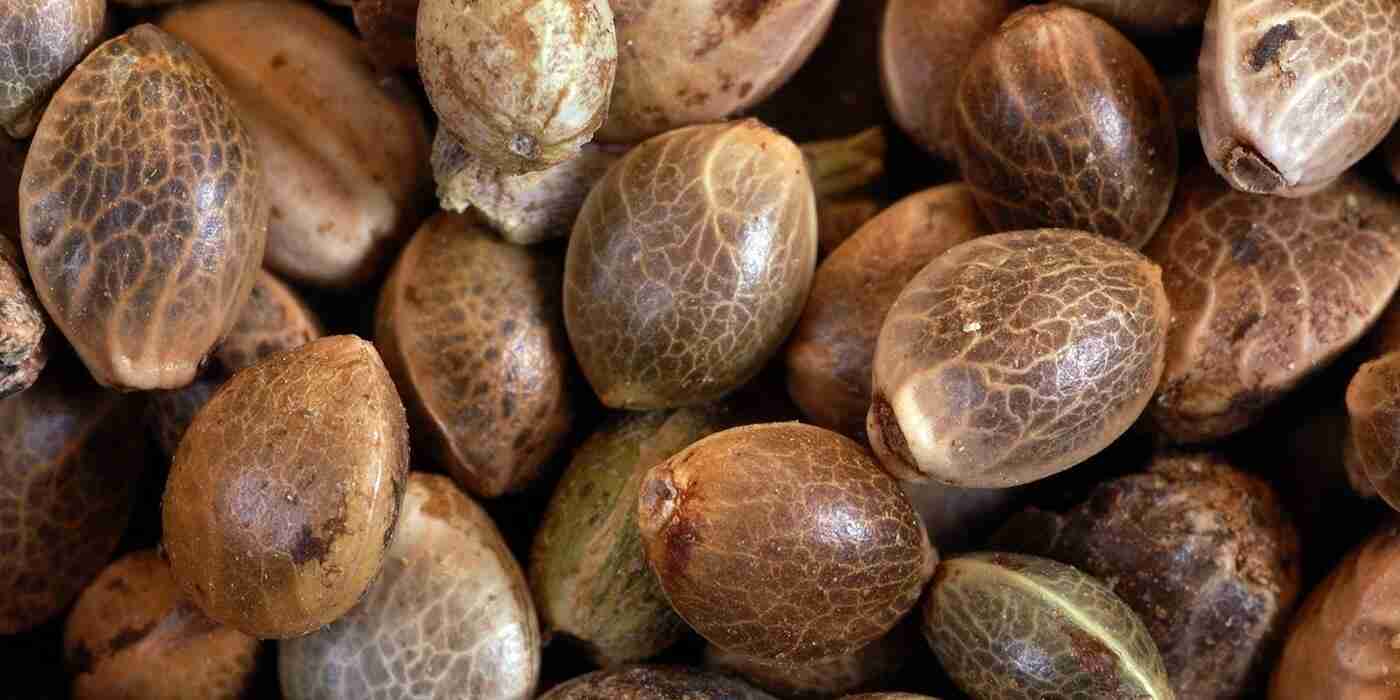
Healthy, viable cannabis seeds are firm and hard when pressed between your fingers, and they do not compress. They are typically dark, brown or grey-brown or striped, with a slight waxy sheen on the surface. Seeds that are pale green, white, very small or soft under pressure are unlikely to germinate. Size variation within a batch is normal, and larger seeds do not germinate faster or grow more vigorously than smaller ones from the same genetics.

Age matters as much as appearance. Seeds stored badly lose viability noticeably after two to three years, and even well-stored seeds show declining rates past five. If you are working from an older stash, the guide to how long cannabis seeds last sets out realistic expectations, and the seed storage guide for Australian conditions covers keeping the next batch viable.

Choosing the right type for your setup

Beyond viability, there are three decisions worth making before you germinate anything, because they are much harder to change later.

The first is feminised or regular. Feminised seeds produce female plants, which is what almost every grower wants, and they remove the need to identify and remove males partway through the grow. The second is autoflower or photoperiod. An autoflowering plant runs to a fixed timeline and finishes fast, which suits short seasons and small spaces, but the fixed clock means there is no recovery window if something goes wrong early. A photoperiod plant is slower and more forgiving, and for a first grow that forgiveness is worth more than speed.

The third is climate fit, and in Australia it is the one people skip. A dense indica bred for an arid mountain climate behaves very differently through a humid Queensland autumn than it does in Tasmania. Our guide to the best strains for the Australian climate works through the regional picture, and the beginner strain guide narrows it further if this is your first run.

If you would rather answer a few questions than read three guides, the strain finder matches you to three options based on your setup and experience, and the full cannabis seeds Australia catalogue is there when you have decided.

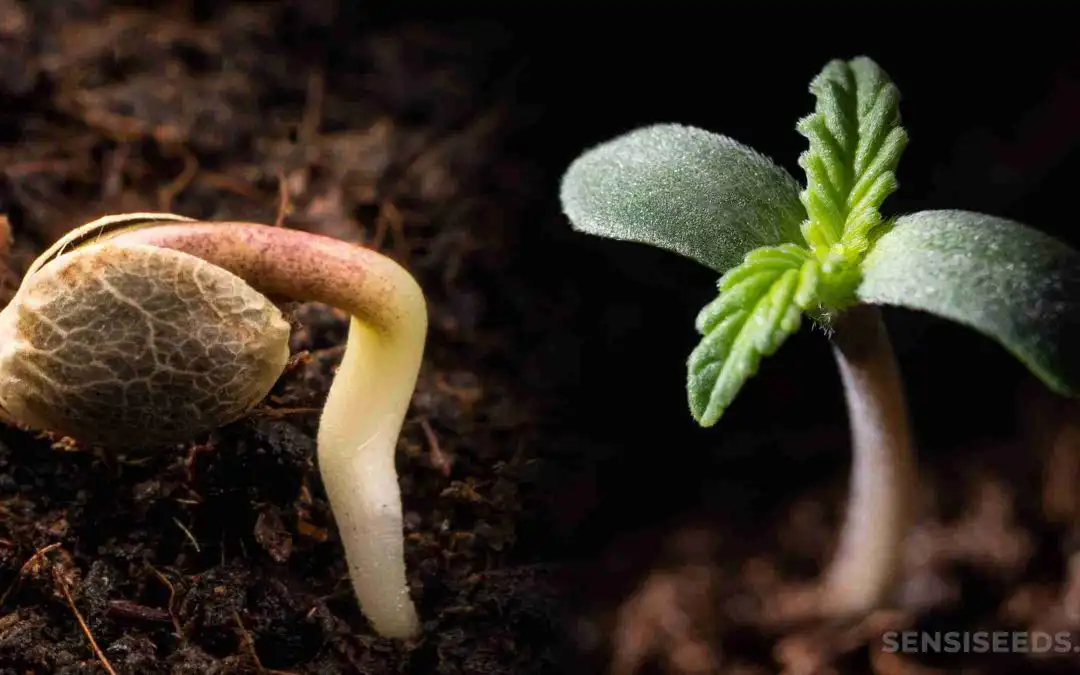
How To Germinate Weed Seeds CLOSEUP SEEDLING

Seed quality beats technique

We batch-test every seed line we stock using the paper towel method at 22 °C before dispatch. The germination guarantee page explains how that testing works. Starting from genetics that have been tested and confirmed viable is the single most useful thing you can do before germination begins, because everything after this point is damage limitation on a decision you already made.

The Three Things Every Cannabis Seed Needs

Before getting into methods it helps to understand what is actually happening, because every method is just delivering the same three conditions in a slightly different way.

A cannabis seed in dormancy is a complete plant in suspended animation, waiting for environmental signals that tell it conditions are safe. The signals it is waiting for are warmth, moisture and darkness.

Warmth signals that winter has passed. Cannabis seeds germinate most reliably at 22 to 25 °C. Below 18 °C the process slows badly and pathogen risk climbs, because the seed is developing slowly while the environment has more time to work against it. Above 28 °C the enzymes involved become heat-stressed. Consistency matters more than hitting an exact number inside that range, and fluctuation does more damage than sitting a degree or two outside it. A seedling heat mat under the setup is the most reliable way to hold temperature regardless of what the room is doing.

Moisture is the trigger that starts everything. Water penetrates the seed coat, activates the enzyme systems that convert stored nutrients into usable energy, and initiates the cell division that produces the taproot. The level needs to be steady: not so wet that the seed drowns or turns vulnerable to fungal infection, not so dry that the process stalls. Moist, not soaked, is the target.

Darkness encourages the emerging taproot to grow downward and anchor rather than reacting to light. A germinating seed has no use for light. That comes later, once the seedling has emerged and needs to photosynthesise.

Jason on germination basics

We test every batch we stock using the paper towel method at 22 °C before it goes out. What I have learned from doing that across hundreds of batches is that failures almost always come down to one of two things: the seed was not viable, or the conditions were not right. Temperature is the most commonly underestimated variable. People assume room temperature is adequate and it often isn’t, particularly through an Australian winter or in an air-conditioned room. A heat mat is a cheap fix that removes temperature as a variable entirely. After that it is water quality and patience.

Why Water Quality Matters

The water you germinate in is not a minor detail. Australian tap water contains chlorine or chloramines, fluoride, and in older pipe infrastructure some trace heavy metals. These interfere with the enzyme systems driving germination and damage the beneficial microbiology in a seed-starting medium at exactly the point the seed is most sensitive to it.

Use filtered water, collected rainwater or distilled water, pH adjusted to 6.0 to 6.5. On a chlorinated municipal supply, leaving tap water uncovered for 24 hours lets the chlorine off-gas. On a chloraminated supply, and Sydney Water is the common Australian example, standing it overnight achieves nothing, because chloramines need carbon filtration to remove.

For the full detail on what is in Australian tap water and how it affects germination, the water quality and seed germination guide covers it properly. The short version: use the best water you have access to, and untreated tap water is the worst option available to most growers.

Stage 2, Method 1: The Paper Towel Method

The paper towel method is what we use to batch-test every seed line before dispatch, and it is what we recommend to growers for one reason above the others: you can visually confirm germination before the seed ever touches soil. That visibility means you know a seed has germinated before you commit it to a pot, and it lets you catch a temperature or moisture problem while there is still time to fix it.

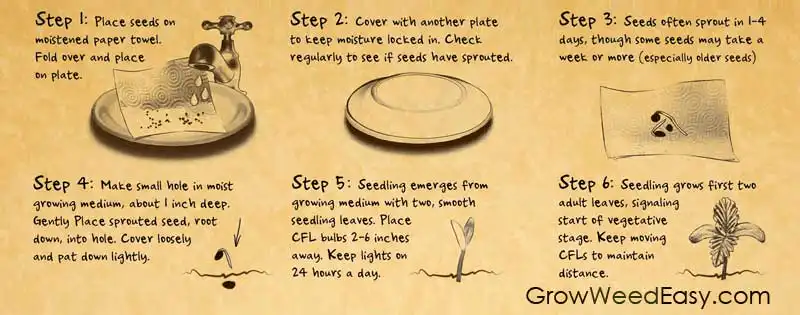
The setup is simple. Moisten a paper towel with clean, pH-adjusted water so it is damp throughout but not dripping. Place your seeds on one half with enough space that emerging taproots will not tangle, then fold the other half over. Put the folded towel between two plates or inside a zip-lock bag to hold humidity steady, and place it somewhere warm and dark: a drawer, a cupboard, or on a heat mat under something opaque.

Check every 12 to 24 hours. You are looking for the white taproot emerging, which typically appears within 24 to 72 hours for a viable seed in the right conditions, though some take up to five days. Once the taproot reaches 0.5 to 1 cm the seed is ready to plant. Handle it by the seed body and never by the taproot, which is fragile enough that bending or breaking it at this stage ends the plant.


paper towel method- simple diagram

Paper towel method, step by step

Step 1. Moisten a paper towel with clean, pH-adjusted water at 6.0 to 6.5. Damp throughout, not dripping when lifted.

Step 2. Place seeds on one half with 2 to 3 cm spacing. Fold the towel over to cover them.

Step 3. Put the folded towel between two plates or in a zip-lock bag, somewhere warm at 22 to 25 °C and dark.

Step 4. Check every 12 to 24 hours without disturbing the setup. Remoisten lightly if the towel has dried.

Step 5. Once the taproot reaches 0.5 to 1 cm, plant taproot-down in pre-moistened medium at 0.5 to 1 cm depth.

Step 6. Cover lightly. Do not water again immediately, because the pre-moistened medium will sustain the seedling for the first few days.

For the complete version with troubleshooting for every common problem, see the dedicated paper towel germination guide.

Method 2: Water Soaking

Soaking means placing seeds in a glass of clean, lukewarm water at 22 to 25 °C in a dark, warm spot for 24 to 48 hours. The seed absorbs water directly, which softens the coat and triggers germination. Seeds sinking as they saturate is a positive sign, and a small crack in the shell with an emerging taproot means it is ready to plant.

The real use case is seeds with particularly hard or thick coats that have been slow to respond to the paper towel. Direct water contact ensures full saturation where a damp towel might take longer. For most seeds from quality genetics the paper towel method is both sufficient and preferable, because soaking leaves no margin for error on timing. A seed left in water after the taproot emerges will drown. If you use this method, check every 12 hours from the 24-hour mark and plant the moment the taproot appears.

Never soak in tap water. The seed sits in direct, extended contact with whatever is in it, so any chlorine, chloramines or heavy metals are working on the seed for the entire soak. Distilled or filtered only.

Method 3: Direct Planting

Direct planting is what it sounds like, placing a seed straight into moist growing medium with no separate germination step. It is how cannabis seeds sprout in nature and it works. The advantage is that the seedling is never handled or transferred during its most fragile stage, because it germinates and establishes its root system in the medium it will grow in.

Pre-moisten the medium thoroughly so it is evenly damp throughout, poke a hole 0.5 to 1 cm deep in the centre of the container, and place the seed in. With an ungerminated seed any orientation is fine, since the taproot will orient itself downward. Cover lightly, and optionally cover the container with plastic wrap to create a humidity dome for the first few days.

The limitation is visibility. You cannot confirm germination until the seedling breaks the surface, so any seed that fails is only discovered after several days of waiting. With reliable genetics and a settled setup that is a minor cost. For a first grow, or for anyone already troubleshooting germination problems, the paper towel method’s visibility is worth the extra step.

Stage 3: Planting Into Medium

This is the moment most beginners get wrong, and the mistakes are all in the same direction: too deep, too big, too rich.

Too deep is the most common. Half a centimetre to one centimetre is the whole range. The seedling is running on the energy stored inside the seed and nothing else until the cotyledons open and start photosynthesising, so every extra centimetre of medium it has to push through is drawn from a fixed and small fuel tank. Plant at two or three centimetres and a viable seed can simply run out of energy before it reaches the surface.

Too big is the next one. A germinated seed does not go into a twenty litre pot. A small container, a party cup with drainage holes or a small nursery pot, gives the root system a volume of medium it can actually colonise, which means the medium dries at a sensible rate. In a large pot the tiny root system cannot use the surrounding moisture, the medium stays wet for far too long, and you get the conditions that damping off thrives in. The container sizing guide covers what to start in and when to move up.

Too rich is the quiet one. Seedlings need almost nothing in the way of nutrients for the first two weeks, and a hot pre-fertilised potting mix will burn them before they have leaves to show it. A light seed-raising mix, or coco, or a gently amended soil is what you want. The guide to soil for cannabis seedlings in Australia covers the specifics of what to use and what to avoid.

Practically: pre-moisten the medium so it is evenly damp before the seed goes anywhere near it, make the hole with a pencil or your finger, place the germinated seed taproot-down, and cover lightly without compacting. Do not press the medium down over the top.


Cannabis seed planting depth diagram showing correct 1 cm depth compared with planting too deep 

Stage 4: The First Watering

The counterintuitive part is that if you pre-moistened the medium properly, the first watering is not on planting day. It is three to five days later.

Overwatering kills more seedlings than anything else, and it does not look like overwatering while it is happening. It looks like drooping, which reads as thirst, which prompts more water. The root system at this stage is a taproot a centimetre or two long with a few fine laterals. It cannot drink meaningfully, and saturated medium starves it of oxygen while creating exactly the conditions fungal pathogens want.

When you do water, water in a ring around the seedling rather than at the stem. Roots grow toward moisture, so a ring encourages outward development and gets the root system spreading rather than sitting in a wet column directly under the crown. Keep the volume small, enough to dampen the surrounding medium and no more, and let the surface dry slightly between waterings. Lifting the container is the most reliable gauge you have, since the weight difference between damp and dry is obvious once you have felt it twice.

Use the same clean, pH-adjusted water you germinated in. The seedling is no less sensitive now than the seed was.

Stage 5: The First Light

Light goes on when the seedling breaks the surface, not before. Until then the seed is working in darkness by design.

Once it emerges it needs 12 to 16 hours of light a day if you are indoors. A seedling under insufficient light stretches, producing a long thin stem reaching for a source that is too far away or too weak, and a stretched seedling is structurally fragile and much more vulnerable to damping off and physical damage. If the stem between the medium and the cotyledons is getting long and pale, the light is too far away or not strong enough.

The opposite error is less common but real. Too much intensity too close will bleach and stress a seedling that has barely any leaf area to work with. Under LED, start further back than you think and close the distance over the first week as the plant shows it can handle it. A gentle, generous light period beats an intense short one at this stage.

Outdoors the equivalent mistake is putting a fresh seedling straight into full Australian summer sun. Start it somewhere with bright indirect light or morning sun only, and harden it off over several days. The outdoor growing guide for Australia covers timing and placement in more detail.

Stage 6: The First Week

Knowing what normal looks like is most of the battle here, because almost every first-week intervention makes things worse and the temptation to intervene is strongest when you don’t know what you are looking at.

Days one to three. Nothing visible above the surface, or a bent stem pushing up. This is the phase where people dig the seed up to check on it, which ends the plant. Leave it alone.

Days two to four. The seedling breaks the surface and the cotyledons open, the two smooth rounded leaves that came packed inside the seed. They are not true leaves and they will yellow and drop later, which is normal and not a deficiency. Occasionally the seed shell comes up still attached, which growers call helmet head. Mist it lightly and leave it, because it usually falls away within a day or two once softened.

Days four to seven. The first true leaves appear, single-bladed at first, then the familiar serrated shape. Growth looks slow above the surface because the plant is investing in roots. That is exactly what you want.

Through all of it, hold humidity around 70 to 80 percent for the first few days and ease it down to 60 to 65 percent as the cotyledons open fully. Keep temperature steady in the low twenties. Do not feed. A seedling in a decent medium has everything it needs for the first two weeks, and the most common cause of first-week damage after overwatering is a well-meaning early feed. The guide to when to start feeding seedlings sets out the actual trigger to watch for, which is the third node rather than a date on a calendar.

Two things to watch for. If a seedling collapses at the base with a pinched, darkened stem, that is damping off, and the damping off and stem rot guide covers prevention, since treatment after the fact rarely works. If leaves yellow in a pattern that is not the cotyledons fading, the yellowing leaves guide will help you separate a real problem from a normal one.


Cannabis seedling first week timeline showing germination through to first true leaves

Stage 7: Where to Go From Here

At the end of the first week you have an established seedling with true leaves and a working root system, and the job changes. The germination questions are behind you and the seedling questions begin: feeding schedules, transplant timing, training, and the transition into vegetative growth.

The cannabis seedling care guide picks up exactly where this one finishes and carries you through to early vegetative growth. When the roots fill that first small container, the transplanting guide covers moving up a pot size without checking the plant’s growth. If you are running an autoflower, the week by week autoflower guide maps the whole fixed timeline from here to harvest.

Everything from this point rewards patience more than intervention, which is the same lesson the first week teaches.

Key takeaways

Every germination method delivers the same three conditions: warmth at 22 to 25 °C, steady moisture, and darkness. The paper towel method is our recommendation because it confirms germination visually before the seed touches soil.

Use clean, pH-adjusted water at 6.0 to 6.5, whether filtered, rainwater or distilled. Australian tap water contains chlorine, chloramines and fluoride that work against germination.

Plant shallow at 0.5 to 1 cm, in a small container, in a light medium. Too deep, too big and too rich are the three planting errors that cost most beginners their first seedling.

Do not water on planting day if the medium was pre-moistened, do not feed in the first fortnight, and do not dig the seed up to check on it. The first week rewards leaving things alone.

How to Germinate Cannabis Seeds: Frequently Asked Questions

What is the best way to germinate cannabis seeds?

The paper towel method is the most reliable for most growers. It gives you consistent temperature and moisture control and lets you confirm germination visually before the seed contacts soil. Place seeds between moist paper towels, hold 22 to 25 °C in the dark, and check every 12 to 24 hours. It is also what we use to batch-test every line before dispatch. The paper towel method guide has the full step-by-step.

How long does it take for cannabis seeds to germinate?

Most viable seeds in correct conditions show a taproot within 24 to 72 hours. Older seeds and those with hard coats can take up to five days. If nothing has happened after seven days in good conditions the seed is unlikely to be viable. Do not give up at 24 hours. If yours are not germinating despite correct conditions, the germination troubleshooting guide works through the causes.

Can I use tap water to germinate cannabis seeds?

Australian tap water contains chlorine or chloramines, fluoride, and in older infrastructure some trace heavy metals, all of which interfere with germination. Use filtered, collected rainwater or distilled at pH 6.0 to 6.5. On a chlorinated supply, standing tap water uncovered for 24 hours off-gasses the chlorine. On a chloraminated supply such as Sydney Water, standing it does nothing and you need carbon filtration. The water quality guide covers it in full.

What temperature is best for germinating cannabis seeds?

22 to 25 °C, held consistently. Below 18 °C germination slows and pathogen risk rises. Above 28 °C the enzyme systems involved get heat-stressed. A seedling heat mat is the most reliable and inexpensive way to hold that range regardless of ambient temperature, which matters through an Australian winter or in an air-conditioned room where the air is cooler than it feels.

How deep should I plant a germinated seed?

Half a centimetre to one centimetre, taproot pointing down, covered lightly without compacting. Deeper is the most common beginner error. The seedling runs purely on energy stored in the seed until the cotyledons open, so every extra centimetre it has to push through comes out of a small fixed supply. Planting at two or three centimetres can exhaust a perfectly viable seed before it reaches the surface.

What should I plant my seedling into?

A small container with drainage, a party cup or small nursery pot, filled with a light seed-raising mix, coco, or gently amended soil. Avoid hot pre-fertilised potting mixes, which will burn a seedling before it has leaves to show the damage. The seedling medium guide covers the options, and the container sizing guide covers when to move up.

When should I water for the first time?

If you pre-moistened the medium before planting, three to five days after, not on planting day. Water in a ring around the seedling rather than at the stem, keep the volume small, and let the surface dry slightly between waterings. Overwatering is the leading killer of seedlings and it presents as drooping, which is easily mistaken for thirst.

When do I turn the light on?

When the seedling breaks the surface, not before. Then 12 to 16 hours a day. Too little light produces a stretched, fragile stem, and too much intensity too close will stress a plant with almost no leaf area. Under LED, start further back than feels right and close the distance across the first week.

Should I feed my seedling in the first week?

No. A seedling in a decent medium has everything it needs for roughly the first fortnight, and early feeding is one of the most common causes of first-week damage. The feeding guide explains the trigger to watch for, which is the third node rather than a set number of days.

What if my cannabis seeds are old?

Older seeds germinate at lower rates. Viability drops noticeably after two to three years without proper storage and declines even in good storage past five. Light scarification, gently rubbing the coat on fine sandpaper to thin it, can help moisture penetrate. Soaking is also worth trying for hard-coated older seeds. The seed longevity guide sets out what to expect by age.

My seedling came up with the shell stuck on it. What should I do?

That is helmet head, where the seed coat has not separated cleanly. Leave it alone and mist it lightly with clean water to soften the shell. It usually falls off on its own within 24 to 48 hours. Pulling it off manually frequently decapitates the seedling, because the cotyledons inside are attached to the shell and tear if forced before the coat has softened.

Do I need a heat mat?

Not strictly, but it is worth having. A heat mat provides consistent gentle warmth and removes temperature as a variable, which is the most commonly underestimated factor in germination failure. In Australia it matters most through the cooler months or in air-conditioned rooms, where ambient temperature sits well below 22 °C without feeling cold.

What do healthy cannabis seeds look like?

Firm and hard, not compressing when pressed between your fingers. Typically dark, brown or grey or striped brown and tan, with a slight waxy sheen. Pale green, white, very small or soft seeds are unlikely to germinate. Size variation inside a batch is normal, and larger seeds do not germinate faster or grow more vigorously than smaller ones from the same genetics.

Should I start with feminised or autoflower seeds?

For a first grow, feminised photoperiod seeds are the more forgiving choice, because a photoperiod plant has a recovery window if something goes wrong early while an autoflower runs to a fixed clock. The autoflower versus photoperiod comparison works through the tradeoffs, and the beginner strain guide narrows down which genetics suit a first run.

What happens after the first week?

You have an established seedling and the job shifts to seedling care: feeding, transplant timing, and the move into vegetative growth. The seedling care guide picks up precisely where this guide ends.

Related Reading

Paper towel germination method, the full step-by-step with troubleshooting for every common problem.

Water quality and seed germination, why Australian tap water undermines germination rates and what to use instead.

Why aren’t my cannabis seeds germinating, a diagnostic guide for failed attempts covering temperature, water, seed age and the seeds that crack but never sprout.

Cannabis seedling care in Australia, the complete guide to the fortnight after germination.

Why seedlings die: damping off and stem rot, the most common cause of failure in the first two weeks and how to prevent it.

Sacred Seeds germination guarantee, how we test every batch before dispatch.

Browse the full range, feminised, autoflower and photoperiod genetics shipped from within Australia.

Seeds are sold strictly as novelty collector’s items. They contain no THC or CBD. This page does not constitute medical or legal advice. By purchasing you agree to our terms and conditions. Always check the laws that apply where you live before germinating or cultivating.

Cannabis Sativa Seeds in Australia: What to Know Before You Buy

Cannabis Sativa Seeds in Australia: What to Know Before You Buy

Finding truly reliable cannabis sativa seeds in Australia might sometimes feel like a gamble. You’re looking for two things: premium genetic quality and a supplier who gets them to you without international shipping risks. Once you get it right, you’ll discover the difference between a thriving collection and a complete waste of money and effort.

A Grower’s Guide to Cannabis Sativa Seeds in Australia

If you are a collector or grower in Australia, you know securing top-tier cannabis sativa seeds means dealing with a difficult market.

Sacred Seeds Australia (SSA) offers a direct solution to that. With SSA, you get nothing but the finest curated selection of genetics from the world’s premier breeders.

As a local, family-operated seed bank, the focus is on quality and reliability to help you bypass the common pitfalls of international orders.

Here’s a guide designed to give you all the information to source premium seeds with confidence.


Key Takeaways

  • The Local Advantage: Sourcing seeds from an Australian seed bank like Sacred Seeds means you get fast, discreet delivery and eliminate the risk of customs seizing your purchase.

  • Genetics are Foundational: The genetic quality of your seeds is the single most important factor for a successful harvest, dictating potency, yield, and plant health.

  • A Reputation is Earned: Look for verifiable proof of quality and service. Sacred Seeds is an established Australian family business with well over a thousand positive reviews, highlighting our trustworthiness.

amnesia haze cannabis sativa seeds

Why Buying Seeds in Australia Makes Sense

The primary advantage is reliability. When you purchase from an overseas seed bank, your package must go through Australian customs, a process that could result in seizure or long delays.

Sacred Seeds operates within Australia, which removes that factor entirely. All orders are shipped via Australia Post, so expect your package in 1-4 business days if you choose express post.

Our packaging is discreet and compostable. We make sure your privacy is respected always. That straightforward process means you get your premium cannabis seeds without the stress and uncertainty of an international order.

Consider Genetics Before Everything else. Here’s Why:

The genetics within a cannabis seed are the blueprint for its entire life cycle. That code determines the plant’s final characteristics; its potency, flavors, yield, and even its resistance to pests.

Sacred Seeds focuses on providing premium, stable genetics. All products in our stock have a tested viability rate of over 95%. As experienced growers often report, plants from a stable line will grow uniformly, a clear sign of quality breeding.

Data from publications like the Journal of Agricultural Sciences and Food Research confirms that seed maturity and quality dramatically affect germination success, so starting with professionally sourced seeds gives you a powerful head start.


Finding the Right Cannabis Strain for Your Needs


  • A diverse selection is key to finding the perfect match for your specific goals.
  • A reputable seed bank should cater to a wide range of needs.
  • The Sacred Seeds catalogue features over 50 distinct cannabis strains, including feminized seeds, modern autoflower seeds, and traditional photoperiod varieties.
  • You get to explore legendary high THC strains like Godfather OG and Permanent Marker, or find high-CBD options such as Charlotte’s Web designed for medicinal use.

How to Know You’re Dealing with a Legit Seed Bank

Always look for a track record you can verify. Sacred Seeds has amassed over 1,800 reviews from Australian customers who have gotten a transparent view of their service and product quality. Users consistently vouch for our legitimacy, fast shipping, and high-quality genetics.

Choosing a known Australian family business over a faceless international website provides a layer of trust and accountability. Sacred Seeds offers both a shipping guarantee and a Quality Guarantee. 

Considerations for Growing for Medical Relief

For those using cannabis therapeutically, the ability to source high-CBD or particular indica strains could make a real difference in managing conditions like chronic pain or anxiety.

A 2024 study in the Harm Reduction Journal found that an incredible 97% of Australian medical cannabis patients reported symptom improvement with its use. Such outcomes depend on using the right strain, and having a reliable domestic source surely helps.

Final Word: Take Responsible Cultivation Seriously

Starting with excellent seeds is the first step, but responsible use is just as important.

Many modern cannabis strains contain very high levels of THC. It is important to be mindful of potency and dosage, as research in the British Journal of Psychiatry has noted a correlation between daily high-potency cannabis use and certain health risks.

Never operate a vehicle after consumption. Always be aware of your local laws; while personal cultivation is permitted in the ACT, seeds are sold in all other states as adult souvenirs for collection purposes only.

durban poison cannabis sativa seeds

Frequently Asked Questions


How do I physically tell the difference between Sativa and Indica plants?

Sativa plants have very unique characteristics that set them apart. They are known for their vigorous growth, becoming tall and slender with narrow, finger-like leaves. It’s a classic trait adapted from their origins in tropical regions and is a stark contrast to the short, bushy Indica plants with their wide, broad leaves.

I’ve heard Sativa cannabis has a longer flowering time. Why is that?

Yes, many pure Sativa genetics have a long flowering period, often 10 to 14 weeks. It is an evolutionary trait from growing in equatorial regions with extended, consistent sunlight. For cannabis growers, that requires more patience, but the trade-off is often massive yields and very potent effects.

Are there any Sativa weed seeds with a faster flowering time?

Absolutely. If the traditional longer flowering time is a concern, a sativa-dominant hybrid is the perfect strain for you. Top breeders have crossed sativa genetics with faster Indicas to create a cannabis plant with a much faster flowering time that still provides those sought-after uplifting effects. The classic strain Blue Dream is a great example.

Is it true that Sativa plants are difficult to grow indoors?

They can be more challenging than Indicas if you have limited vertical space. Because Sativa plants are genetically programmed to grow tall, managing their height is one of the best tips for successful indoor growing.

What does the “open bud structure” of some Sativa plants mean?

The open bud structure is a natural adaptation to the warmer climates and high humidity found in their native environments. The less dense, airy buds allow for better airflow throughout the cannabis plant, which is a major benefit that helps prevent mould during a long flowering period.

Should You Buy Cannabis Seeds From Australia or Overseas?

Should You Buy Cannabis Seeds From Australia or Overseas?

Choosing cannabis seeds in Australia used to mean taking a calculated risk on overseas seed banks and hoping the parcel made it through customs. Royal Queen Seeds, Seed Supreme, Herbies — the big international names offer impressive catalogues, but the reality for Australian buyers has often been customs delays, seized parcels, and seeds that have been in transit long enough to affect germination rates. That picture has changed. Local Australian seed banks now stock the same premium genetics with domestic shipping, Australian customer support, and germination rates that overseas competitors struggle to match on delivery.

This guide compares overseas seed banks (Royal Queen Seeds, Seed Supreme, Herbies, Sensi, Barney’s Farm) against Australian seed banks on the variables that actually matter to buyers in 2026 — shipping reliability, customs risk, germination rates on delivery, breeder relationships, and storage practices. We address the overseas vs local question directly, because it’s the question every Australian buyer is working through. If you’re looking for real customer experiences with Sacred Seeds specifically, the verified reviews page covers that separately.

Australian Seed Bank vs Overseas — At a Glance

Australian seed bank Overseas seed bank
Shipping time 1–4 days, tracked Australia Post 2–6 weeks, often longer
Customs risk None — domestic dispatch Real and increasing — parcels are routinely screened
Germination on delivery 95%+ from batch-tested suppliers Variable — transit conditions affect viability
Strain breadth Curated catalogue, focused selection Hundreds of strains from dozens of breeders
Storage conditions before dispatch Climate-controlled, accountable Unknown — varies by supplier and warehouse
Customer support Local time zone, accountable, problem resolution Email-only, time zone delays, limited recourse
Refund/replacement Practical and enforceable under Australian consumer law Theoretical only — limited practical recourse from overseas
best cannabis seeds australia

Australian vs Overseas Seed Banks — The Honest Comparison

The Australian seed bank vs overseas decision is the question every Australian buyer is working through, so it deserves a direct answer rather than a marketing pitch.

The case for overseas seed banks

Royal Queen Seeds, Seed Supreme, and Herbies have earned their reputations. RQS in particular has a genuinely impressive breeding programme and consistent genetics — their catalogue is large and well-documented. If you have a specific strain that’s only available from an overseas source and you’re prepared to manage the import risk, ordering international is a legitimate choice that many Australian growers make successfully.

The strain variety argument is the strongest case for overseas. Major international banks carry hundreds of strains from dozens of breeders. No Australian seed bank matches that breadth of catalogue.

The case for domestic suppliers

The practical reality of ordering cannabis seeds internationally to Australia in 2026 involves customs screening that is more sophisticated than it was five years ago. Australian Border Force actively screens international mail and parcels for prohibited items. Seeds that are intercepted are seized. There is no recourse, no replacement, and no refund from most overseas suppliers for customs seizures — the risk sits entirely with the buyer.

Beyond seizure risk, international shipping introduces transit time that affects seed viability. A parcel spending three to six weeks in shipping conditions — variable temperature, handling, humidity — is not the same as a seed dispatched domestically in 1–4 days in moisture-resistant packaging stored correctly until it leaves the warehouse.

Domestic suppliers ship under Australian consumer law with the full protections that entails. Customer support is in your timezone. Returns, replacements, and queries are handled by people who understand the Australian context. And for outdoor growers working to seasonal planting windows, waiting three to six weeks for international shipping against a September–October planting deadline is a real planning problem that domestic supply eliminates.

🧠 Jason — On Local vs International

We’ve watched the international shipping picture change significantly over the past few years. Five years ago, ordering from European seed banks was lower risk than it is now. The screening has improved and the seizure rate on international cannabis seed orders has increased measurably. We hear from growers regularly who’ve had parcels from RQS or Seed Supreme stopped at the border. That’s money gone, genetics gone, and often a planting window missed. We started Sacred Seeds partly because Jess and I had that experience ourselves and thought there had to be a better option for Australian growers. There is now.

What Makes a Quality Cannabis Seed?

The quality of a cannabis seed is determined before you ever see it — by the breeding programme that produced it, the conditions it was stored in, and how long it’s been sitting between harvest and dispatch. This is where the overseas vs Australian seed bank question gets real: a seed that’s spent six weeks in international transit and uncontrolled warehouse conditions is structurally different from one stored locally and dispatched in four days. Most buyers focus on strain names and THC numbers. Experienced growers focus on germination rates, breeder reputation, and storage practices, because those are what actually determine whether the seed in your hand is viable.

Genetics and breeder relationships

Cannabis seed quality starts at the breeding level. A feminised seed from a reputable breeder with stable, well-documented genetics will consistently outperform a cheaper seed from an unstated source, regardless of what the packaging claims about THC percentages. The best seed banks source directly from established breeders with verified breeding programmes — not repackaged bulk genetics with a new label.

The breeders that have built reputations worth caring about — Blimburn Seeds, Barney’s Farm, FastBuds, Dutch Passion — are the ones whose genetics appear in catalogues like ours because the relationship is built on consistency and verifiable results. Strain names mean nothing without a trustworthy breeding source behind them.

Storage and handling

Cannabis seeds are living organisms in a dormant state. They remain viable for years under the right conditions — cool temperatures (4–8°C), low humidity (20–30% RH), darkness, and minimal oxygen exposure. They degrade rapidly under the wrong ones: warmth, humidity, light, and heat all accelerate deterioration. A seed that has been stored improperly before it reaches you has already lost viability regardless of its genetic quality. This is where transit time matters: a parcel spending weeks in international shipping is exposed to all the conditions that degrade seeds — temperature swings in transit hubs, humidity changes, and handling that domestic dispatch avoids entirely.

At Sacred Seeds, every batch is stored cold and dry and tested before dispatch using the paper towel method at 22°C. Any seed that doesn’t meet our germination standard doesn’t go on sale. That testing process adds time and cost, but it’s the only honest way to represent germination rates. The germination guarantee page covers the process in detail.

🧠 Jason — On Seed Quality

The question I get asked most is “what’s your best strain?” The question I wish people asked more is “how do you store and test your seeds?” Because the answer to the second question tells you more about what you’re actually buying. A Gorilla Glue seed from a reputable breeder stored correctly and batch-tested is a completely different proposition to one that’s been sitting in a warm warehouse for six months with a claimed 95% germination rate based on nothing. We test every batch ourselves. If it doesn’t germinate reliably, we don’t sell it.

Germination Rates — What to Expect and What to Demand

Germination rate claims in the cannabis seed industry are largely unverified marketing. “95% germination guaranteed” appears on packaging from suppliers whose actual rates — based on grower reports across forums like r/ausents and 420forum — are often significantly lower. The honest number depends entirely on how the claim is generated: is it a tested rate from the current batch, a historical average, or a number someone decided sounded good?

What a genuine 95%+ germination rate requires: seeds harvested from a stable breeding programme, stored correctly from harvest through to dispatch, tested in a standardised germination environment before being listed for sale, and dispatched in moisture-resistant packaging that maintains viability through the shipping window. That’s the process. Any supplier claiming high germination rates without describing that process is making an unverified claim.

This is one of the clearest practical differences between Australian seed banks operating with batch testing and overseas suppliers shipping to Australia: the local supplier can verify germination on the batch you’re buying. The overseas supplier can verify it before the parcel leaves their warehouse, but they can’t verify what arrives at your door three to six weeks later. That gap is where international germination rates fall in practice.

Growers on r/ausents consistently report germination rates from Sacred Seeds in the 95–100% range — not because we claim it on packaging, but because the batch testing process catches failures before they reach customers. When a batch tests below our standard, it doesn’t go on sale.

For more on the germination process itself — paper towel method, timing, what to look for — the paper towel germination guide covers the method we use and recommend.

Feminised, Autoflower, Fast Version — Which Format Suits You?

Once you’ve chosen between an Australian seed bank and an overseas supplier, the format decision is the next variable that matters most. The three main formats — feminised photoperiod, autoflowering, and fast version — suit different growing situations, and choosing the wrong format wastes the genetics regardless of where you bought them.

Feminised photoperiod

Photoperiod strains flower in response to the 12/12 light cycle — indoors, you control this with a timer; outdoors, the plant follows the natural shortening of days in late summer and autumn. The advantage is full control over vegetative development time — you can grow the plant to whatever size and structure you want before triggering flower. Yields per plant are higher than autoflowers, potency can be maximised with extended veg, and the genetics express themselves most fully without the Ruderalis influence of an auto cross. The limitation is the seasonal window outdoors and the need for light management indoors. Browse feminised photoperiod seeds.

Autoflowering

Autoflowering strains flower on a fixed genetic timeline from germination — typically 70–85 days — regardless of light cycle. No light flip required, no seasonal window dependency outdoors, and multiple runs per season are achievable. The trade-off is yield per plant (lower than photoperiod), slightly reduced THC relative to the photoperiod version of the same genetics, and no recovery time for mistakes — the fixed timeline means errors in the first three weeks follow you to harvest. For Australian outdoor growers who can’t manage light control or want season flexibility, autos are the practical choice. Browse autoflowering seeds.

Fast version

Fast version seeds are photoperiod genetics crossed with early-finishing strains to reduce flowering time — typically by two to four weeks compared to the standard photoperiod version. They retain the yield potential and potency of the photoperiod format while finishing faster, which is particularly valuable for Australian outdoor growers in southern states where the harvest window before autumn rains closes earlier. The best of both worlds for growers who have light control but want to get in and out of flower quickly. Fast version is also where the dispatch speed advantage of an Australian seed bank matters most — if you need to plant within two weeks of ordering to hit the autumn flower window, international shipping isn’t an option. Browse fast version seeds.

Best Cannabis Seeds in Australia

Strains Worth Growing in Australia

Strain selection for Australia is different from strain selection for a European or North American grower. The Australian outdoor season, the humidity profiles of different climate zones, and the April harvest deadline in southern states all affect which genetics will perform and which will struggle. For Australian conditions, Northern Lights remains the most dependable indica across every climate zone — 7–9 week flower, Afghani mould resistance, and a compact structure that suits any setup. For the high-THC end of the catalogue, Godfather OG and Gorilla Glue deliver verifiable 22%+ potency for experienced growers. Autoflower equivalents of both — Auto Gorilla Glue and Auto Godfather OG — are the quality ceiling of the auto catalogue for growers who can’t manage a 12/12 flip. For sativa lovers, Durban Poison is a pure African landrace that produces clear-headed, functional effects unlike anything else in the catalogue.

For the full range across feminised photoperiod, autoflower, fast version, high-THC and CBD categories, browse the complete cannabis seeds catalogue.

🧠 Jason — On Buying Well

The best advice I can give any Australian grower buying seeds is: narrow your decision to two or three strains before you look at who stocks them, then buy from whoever has the best combination of verifiable germination rates, domestic shipping, and a replacement policy that actually means something. Don’t buy six strains at once to “try them out.” Grow one or two well rather than six badly. The genetics will do what they’re capable of if you give them the conditions to do it. That’s the whole game.

Not sure which strain to start with?

Answer six questions and Jess will match you to three strains based on your setup, experience, and goals.

Find Your Strain →

Key Takeaways — Australian vs Overseas Seed Banks

Australian seed banks now offer the same premium genetics as the major overseas suppliers — Royal Queen Seeds, Seed Supreme, Herbies — with three structural advantages: domestic shipping in 1–4 days, no customs seizure risk, and germination rates verified through actual batch testing rather than claimed on packaging. Overseas suppliers still hold the catalogue-breadth advantage if you need a specific rare strain, but the practical realities of customs screening, transit degradation, and missed planting windows have shifted the calculation for most Australian buyers. Germination rate claims are meaningless without a described testing process; a supplier who can explain how they verify their rates is more credible than one who states a number. Format selection — feminised photoperiod, autoflower, or fast version — matters as much as the supplier decision once you’ve chosen between local and overseas.

Australian vs Overseas Seed Banks — Frequently Asked Questions

Is it legal to buy cannabis seeds in Australia?

Cannabis seeds are sold as novelty collector’s items in Australia. The legal status of germinating or cultivating cannabis varies by state — the ACT permits limited personal cultivation for adults; all other states prohibit it. Sacred Seeds sells seeds strictly as collectibles in accordance with local laws. Always check the laws in your state before germinating or cultivating.

Are overseas seed banks like Royal Queen Seeds worth the risk for Australian buyers?

The risk calculation has shifted in recent years. Australian Border Force screening of international mail has increased and seizure rates on overseas cannabis seed orders are higher than they were five years ago. RQS has strong genetics and a good reputation, but for Australian buyers the practical reality is: no recourse on seized parcels, no replacement from most overseas suppliers for customs losses, and shipping times that can miss seasonal planting windows. For growers with a specific strain only available internationally, the risk may be worth calculating. For most Australian growers, domestic supply is the lower-risk, lower-friction option.

How long does it take to receive cannabis seeds from an Australian seed bank vs overseas?

From a domestic Australian seed bank like Sacred Seeds, 1–4 business days with express post available. From international suppliers, typically 2–6 weeks, with the added risk of customs seizure at the Australian border. For outdoor growers working to a spring planting window, the difference between four days and four weeks is the difference between hitting the season and missing it.

What germination rate should I expect from a quality Australian seed bank?

95%+ from a supplier who batch-tests their seeds before dispatch. Be sceptical of germination rate claims that aren’t accompanied by a description of the testing process. Germination rates are affected by storage conditions, transit time, and handling — a claimed rate from a seed that has spent weeks in international shipping is not the same as a tested rate from a domestically stored and dispatched seed.

What happens if my seeds get seized by Australian customs?

Most overseas seed banks do not replace seeds seized by Australian customs. The risk and cost sit entirely with the buyer. Some international suppliers offer “stealth shipping” claims but these are not a guarantee and seizure rates have increased as screening has improved. Domestic Australian seed banks dispatch within the country and have no customs exposure — the parcel goes via Australia Post, fully tracked, with no border crossing.

Do Australian seed banks have the same strain selection as overseas?

The honest answer is no — overseas seed banks carry hundreds of strains from dozens of breeders that no single Australian seed bank matches in breadth. What Australian seed banks offer instead is a curated catalogue of strains that have been selected for performance in Australian conditions, verified through batch testing, and stocked because they consistently work — rather than because they fill a catalogue slot. For most growers, the curated approach produces better outcomes than choosing from an unfiltered international catalogue.

What’s the difference between autoflower and feminised seeds?

Feminised photoperiod seeds flower in response to the 12/12 light cycle — outdoors, they follow the natural season; indoors, you control the flip. Autoflowering seeds flower on a fixed timeline from germination regardless of light cycle — 70–85 days depending on the strain. Autos suit growers who want season flexibility outdoors or multiple runs per year without managing separate veg and flower environments.

How should I store cannabis seeds once I receive them?

Cool (4–8°C), dark, and dry (20–30% RH) — a sealed container in the fridge is the standard approach for medium-term storage. For long-term storage, a vacuum-sealed container in the freezer extends viability significantly. The cannabis seed storage guide covers the process in full.

Related Reading

Browse all cannabis seeds at Sacred Seeds — feminised, autoflower, and fast version strains shipped from within Australia.

Paper towel germination method — how to germinate cannabis seeds correctly once they arrive.

Cannabis seedling care — the first two weeks from germination to established seedling, covering the most common early mistakes.

Sacred Seeds customer reviews — verified reviews from Australian growers across every state.

Sacred Seeds germination guarantee — how we test and store seeds before dispatch.

Seeds are sold strictly as novelty collector’s items. They contain no THC or CBD. This page does not constitute medical or legal advice. By purchasing you agree to our terms and conditions. Always check local laws before germinating or cultivating cannabis.

Jack Herer Strain Review — The Hemperor’s Living Legacy

Jack Herer Strain Review — The Hemperor’s Living Legacy

We’re publishing this article in honour of Jack Herer, the man they called the Hemperor, who was born on 18 June 1939. It would have been his 86th birthday today.

Jack Herer is one of the few strains where the name actually means something. Not a marketing decision, not a hype play — a genuine tribute by Sensi Seeds to a man who spent four decades fighting for cannabis freedom before most of the world was paying attention. The strain has won nine Cannabis Cup awards. It’s been distributed through Dutch pharmacies as a recognised medical-grade cultivar. And three decades after it was first bred, searches for it are as strong as ever — not because of nostalgia, but because it delivers something the newer genetics often don’t: a clean, functional, genuinely uplifting sativa high that suits a full day and doesn’t leave you wrecked at the end of it.

If you’re considering Jack Herer feminised seeds or the Auto Jack Herer, this is the full picture — the man, the genetics, the effect profile, and what it actually takes to grow it well in Australia.

jack herer strain guide sacred seeds australia


The Man Behind the Legend: Jack Herer’s Unlikely Journey

Jack Herer’s story doesn’t start where you’d expect. This cannabis revolutionary began life as a patriotic Vietnam veteran from a traditional Jewish family in upstate New York — about as far from hippie counterculture as you could get. During the Reefer Madness era, Jack actually criticised the developing 1960s anti-war movement because he saw it as un-American.

But something shifted when Jack discovered cannabis. Not just the plant’s effects, but its incredible potential that had been hidden from the world. His boundless curiosity took over, and he devoured every piece of cannabis information he could find. The therapeutic possibilities moved him. The fact that hemp could provide sustainable paper, fibre, food, fuel, and medicine absolutely infuriated him — especially knowing that his own government was suppressing this knowledge.

From that moment, Jack transformed his patriotic duty. Instead of defending the status quo, he decided to fight for Americans’ freedom to legally access cannabis, for a sustainable environment, and for a peaceful planet. His mission became educating the world with truth and transforming a government that was holding everyone back.

jack herer activist strain guide sacred seeds australia

Cannabis Activism That Started on the Streets

Beginning in 1972, Jack’s grassroots passion took him to the streets where he organised rallies and protests, collected petition signatures, and helped people register to vote. Everyone who met Jack experienced his rare combination of dazzling wisdom, fierce intensity, and gigantic heart. He opened the world’s first hemp store in Venice Beach, California, teaching people to see past the lies about hemp while promoting legalisation initiatives.

Jack’s commitment ran so deep that in 1983, he refused to pay a $5 fine for registering voters in a parking lot and spent two weeks in federal prison. Those two weeks changed everything. Sitting in his cell, Jack began outlining what would become his bestseller: The Emperor Wears No Clothes.

His 1985 masterpiece revealed the lost history of hemp and its potential as a renewable source of medicine, food, and fuel. Selling almost one million copies in five languages, it painted a new picture of a plant demonised for decades and transformed Jack into the legendary father of the hemp movement. The Emperor Wears No Clothes remains in print today and is still cited by those fighting prohibition worldwide.

A Legacy That Burns On

Jack spent almost 40 years travelling across America speaking and campaigning for cannabis decriminalisation. His fire burned fiercely right up to the end — he suffered a heart attack after giving an empowering speech at Portland’s Hempstalk 2009 and passed away from complications in 2010.

Although Jack never saw full legalisation, he lived long enough to watch his ideas enter mainstream American thought. His refusal to give up pushed those ideas to the forefront of culture, to a place where lawmakers could no longer ignore the truth.

Dan Herer, Jack’s son, continues his father’s legacy through The Original Jack Herer™ brand and the Jack Herer Foundation — working as a global advocate for cannabis acceptance and legalisation, ensuring that Jack’s vision keeps pushing the movement forward.

jack herer quote cannabis

Why Sensi Seeds Honoured Him

When Sensi Seeds decided to create a strain honouring Jack Herer in the mid-1990s, they understood the responsibility. This couldn’t be just another hybrid with a famous name attached. The strain needed to embody what the man stood for: clarity, inspiration, and the kind of positive energy that changes minds.

After years of breeding and testing, they got it right. Nine Cannabis Cup wins followed. The strain was later distributed through Dutch pharmacies as a recognised medical-grade cultivar — one of very few to receive that designation. It remains one of the most respected genetics in the world three decades on, not because of the name, but because of what it produces when it’s grown properly.


🧬 Jack Herer Genetics — Three Legends, One Strain

Jack Herer is a 55% sativa, 45% indica hybrid built from three of the most influential genetics in cannabis history. Sensi Seeds crossed a Haze hybrid with a Northern Lights #5 and Shiva Skunk cross — a combination designed specifically to capture cerebral sativa elevation alongside the resin production and stability that the indica genetics deliver.

What each parent contributes is worth understanding because it explains why different Jack Herer phenotypes behave so differently from each other:

Haze: The cerebral engine. The uplifting, creative, mentally stimulating character of the high comes from here. Haze genetics are responsible for the terpinolene dominance that makes Jack Herer smell and perform unlike most other sativa-dominant strains. They also contribute the extended flowering time and the tall, open sativa structure that requires training to manage indoors.

Northern Lights #5: The stabilising foundation. Afghan-dominant genetics that provide resin production, structural robustness, and the manageable flowering window that makes Jack Herer more practical than a pure Haze. Without this component the strain would be a 14–16 week project rather than a 9–10 week one.

Shiva Skunk: The vigour and branching. Shiva Skunk adds robust growth characteristics, branch strength to support heavy flowering colas, and a subtle skunky depth to the terpene profile that prevents the Haze character from being the only thing you smell.

The result of this combination is a strain with multiple distinct phenotypes — something worth knowing before you grow. The Haze-dominant phenotype runs taller, slower, with more pronounced cerebral effects and a stronger citrus terpene expression. The NL#5-influenced phenotype is more compact, faster-finishing, with a spicier terpene profile and slightly more physical body effect. Most phenotypes land somewhere between these poles — moderate stretch, 65–70 day flower, balanced effects. Understanding which phenotype you have affects training decisions, feeding, and harvest timing significantly.

The Terpinolene Factor — Why Jack Herer Smells and Feels Different

Most cannabis strains are dominated by myrcene or caryophyllene. Jack Herer is terpinolene-dominant — a relatively rare profile that shows up in roughly 30–37% of measured terpene content depending on phenotype and grow conditions. This is a significant part of why Jack Herer smells unlike most other cannabis and why its effect profile is distinctly different from high-myrcene indica-dominant strains.

Terpinolene has a complex fresh-pine, citrus, and slightly floral character — it’s what produces the pine forest aroma that opens a jar of well-grown Jack Herer. In terms of effect, a 2011 study documented terpinolene’s interaction with THC as producing a more energetic, less sedating effect compared to myrcene-dominant pairings — which matches exactly what growers and users have reported from Jack Herer for three decades. It’s one of the clearest examples of the entourage effect producing a predictable and documented outcome.

The secondary terpenes complete the picture. Ocimene contributes the herbal, slightly sweet top note — clean rather than funky — and is among the more volatile terpenes, meaning it fades quickly in improperly stored or rushed-cured material. Caryophyllene adds the spicy pepper note on the exhale and activates CB2 receptors directly. Myrcene provides earthy balance and prevents the terpinolene character from being one-dimensional.

The practical implication for growers: the terpinolene and ocimene profile is volatile. A rushed dry or a short cure degrades the most distinctive aspects of what makes Jack Herer smell and perform the way it does. The pine-citrus freshness that defines properly grown Jack Herer disappears quickly under poor post-harvest conditions. This strain specifically rewards the patience of a slow dry and a proper cure.

🍋 Jack Herer Effects — What to Actually Expect

THC range: 18–24%, with some phenotypes pushing toward 26%. CBD: 0.1–0.3%.

Onset (5–15 minutes): Fast and clean. The terpinolene-dominant profile facilitates rapid onset — a clear mood lift that arrives without the foggy warmth of myrcene-dominant strains. This is not a creeper. Within ten minutes there’s a noticeable shift in mental state — brighter, more alert, more interested in whatever is in front of you.

Early phase (15–45 minutes): The cerebral character establishes fully. Focus sharpens without becoming anxious or scattered. The 55% sativa genetics produce motivated, directed energy rather than the expansive psychedelic drift of a pure Haze strain. Growers consistently describe it as functional — the kind of high that makes a task easier rather than more interesting at the expense of getting it done.

Mid-phase (45–90 minutes): The Northern Lights indica genetics begin contributing. A gentle physical ease settles in alongside the still-active cerebral clarity. This is the balance point that made Jack Herer famous — you’re clear-headed and motivated, but not wired. The body effect is present without being sedating. It’s exactly what the Sensi Seeds breeding programme was trying to achieve.

Duration: 2–4 hours at typical doses. The terpinolene profile keeps the effect clean through the full window — no notable mid-high fog, no sudden drop. The comedown is gradual and the mood remains elevated through the end.

One honest note: At high doses, particularly with phenotypes pushing above 22% THC, the terpinolene profile that makes Jack Herer energising can amplify anxiety in susceptible individuals. This is well-documented. It’s a sativa — treat it accordingly. Start lower than you think you need to, particularly if sativa sensitivity is a known issue.

🌱 Growing Jack Herer in Australia — Complete Guide

(The following is provided for ACT licence holders and growers in legal jurisdictions overseas.)

Experience level: Intermediate. Jack Herer is not a first-grow strain. The sativa stretch during early flower requires either adequate indoor ceiling height or trained management via SCROG or topping. The phenotype variation — Haze-dominant versus NL-dominant expressions behaving quite differently — means you need enough growing experience to adapt rather than follow a fixed script. Growers who’ve completed two or three runs and understand their setup will handle it well. First-time growers are better served by Northern Lights or Blue Dream first.

The key growing principle: Jack Herer is nutrient-sensitive — this is consistent across grow diary data and matches what I’ve seen personally. The terpene profile is the first thing to suffer when feeding is pushed too hard. Start at 50% of label strength and build from the plant’s response. EC range of 0.8–1.2 in veg, building to 1.4–1.6 at peak flower. The pine and citrus terpene expression that defines properly grown Jack Herer is directly at risk from nitrogen excess in the second half of flower — back off nitrogen earlier than you would with a more robust genetic.

Jack Herer — Australian Outdoor Growing Calendar

Timing by climate zone — photoperiod feminised

Region Plant Flower starts Harvest window Key consideration
QLD / Far North NSW Late Oct Jan Late March – early April 8–10 week flower suits the QLD calendar well. Monitor humidity from week 6 — dense buds vulnerable to bud rot in humid conditions.
Central NSW / ACT Late Oct – early Nov Jan – Feb Early to mid-April Cool autumn nights from late March enhance the terpinolene expression. One of the better Australian climates for this strain’s terpene profile.
Victoria / SA Early Nov Feb Mid to late April SA’s dry autumn is excellent. VIC growers watch for cold snaps in late April — the Haze-dominant phenotype especially prefers warm dry finishes.
Western Australia Early Nov Feb Mid to late April WA’s Mediterranean-type climate is close to ideal — warm days, low humidity through April, excellent for terpene development in the final weeks.
Tasmania / S. Victoria Indoor/greenhouse only Controlled environment Outdoor autumn conditions are too cold and wet for the Haze genetics. Indoor or greenhouse only.

🏠 Growing Jack Herer Indoors

The stretch: Expect 60–80% height increase when you flip to 12/12. A plant at 70cm when you flip will reach 115–125cm before the stretch is done. The Haze-dominant phenotype stretches more aggressively — up to 100% in some cases. Know your phenotype as early as possible and flip before the screen is fully filled if running SCROG. The general rule: flip at 60–70% screen coverage and let the stretch fill the rest.

Training: SCROG works well for the same reasons it works with Amnesia Haze — the open sativa branching structure fills a screen naturally and the 30–40% yield improvement over an untrained plant is consistent. Topping at week 3–4 of veg is a solid alternative that limits height and creates multiple main colas. LST from early veg is the minimum intervention needed for indoor height management.

Light: 600–700 µmol/m²/s PPFD in veg, 800–1000 in flower. The Haze genetics want intensity — airy, underdeveloped buds in late flower are almost always a light problem rather than a genetics problem when Jack Herer is involved.

Nutrients: Moderate feeder, sensitive to overfeeding. Start at 50% of label strength. EC 0.8–1.2 in veg, 1.4–1.6 at peak flower. Critically: pull nitrogen down from week 4–5 of flower and don’t try to keep the leaves dark green through the end. The terpinolene and ocimene profile that makes this strain exceptional is nitrogen-sensitive — excess nitrogen in late flower produces more foliage and less resin expression. Some leaf yellowing in late flower is normal and not a deficiency signal. Let it happen.

Temperature and humidity: 22–26°C through veg and early flower, 20–24°C in late flower. Drop night temperatures slightly in the final two weeks — the temperature differential enhances terpene expression. Humidity: 55–65% RH in veg, 40–50% in flower, 35–40% in the final two weeks. Good airflow through the canopy is important — the dense bud clusters that Jack Herer produces in good conditions are vulnerable to mould without adequate air movement.

Indoor yield: 500–600 g/m² with proper training and lighting. The yield figures are achievable rather than theoretical — but they assume SCROG or topping, quality lighting at appropriate intensity, and the full 9–10 week flowering window. Untrained plants under average lighting produce considerably less.

🌿 Growing Jack Herer Outdoors in Australia

Jack Herer performs well across most of Australia’s outdoor growing calendar. The 8–10 week flowering window is shorter than Amnesia Haze, which means more flexibility in timing and less exposure to autumn weather risk. The Mediterranean-type climate that WA and SA offer is essentially ideal — the same conditions the genetics were bred to express in.

The main outdoor management requirement is structural support. From week 5–6 of flower, the lateral branches carrying heavy cola development need staking. The Shiva Skunk genetics give Jack Herer strong branch structure relative to pure Haze crosses, but outdoor plants producing 500–700g per plant in good conditions still need support. Stake before you think you need to.

Mould resistance is solid — one of Jack Herer’s acknowledged strengths. It handles the humidity variation of Australian autumns better than Haze-dominant strains without this indica backbone. That said, monitor QLD and northern NSW plants from week 6 of flower when autumn humidity can rise. The dense flowering sites benefit from good airflow around the plant regardless of climate.

🧠 Jason’s Tip — Growing Jack Herer

The thing that catches most growers with Jack Herer is the phenotype variation. I’ve run this strain many times and the difference between a Haze-dominant and an NL-dominant expression is significant enough that they feel like different plants to manage. The Haze pheno stretches hard, wants lower EC in flower, and takes the full 10 weeks. The NL pheno is compact, finishes at 65 days, and handles feeding more robustly.

By week 2–3 of veg you can usually tell which way the plant is going — the Haze pheno has longer internodal spacing, lighter green colouration, and more open branching. The NL pheno is denser, darker, more compact. Adjust your training and feeding plan based on what you’re looking at, not what the seed bank says to expect.

On harvest timing specifically: I target 85–90% cloudy trichomes with 5–10% amber for the full terpene and effect expression. The terpinolene profile peaks and then starts degrading as amber trichomes develop — more amber than 15–20% on Jack Herer starts producing a heavier, more sedating effect that’s not what this strain is about. Harvest on the earlier side of the amber window compared to Amnesia Haze or Godfather OG. The goal is cloudy-dominant with just the beginnings of amber — that’s where the clean, motivated clarity lives.

Post-harvest: slow dry at 15–18°C and 55–60% RH for 10–14 days minimum. The ocimene and terpinolene that make Jack Herer smell the way it does are among the most volatile terpenes in cannabis — they evaporate fast under high-temperature drying. A rushed dry on Jack Herer is where the signature pine-citrus profile disappears and you’re left with something that tastes like generic cannabis. Don’t let that happen to a 9-week grow.

🗓️ Jack Herer Week-by-Week Grow Guide — Indoor Photoperiod

Phase / Week What’s Happening Key Actions Watch Out For
Veg Weeks 1–3
Seedling / early veg
Sativa structure emerging — long internodal spacing, lighter green colouration. Phenotype starting to show by week 2–3. Lateral branching developing. 18/6 light. Nutrients at 50% strength. Begin LST at week 2. Identify phenotype — Haze or NL expression — and plan training accordingly. Overfeeding — nutrient sensitivity shows early. Dark, clawing leaves mean back off nutrients immediately. Jack Herer reacts faster than indica-dominant strains.
Veg Weeks 4–6
Mid-late veg
Vigorous growth. Branching extending rapidly. SCROG screen filling faster than expected if running Haze-dominant phenotype. Build nutrients to full strength. Fill SCROG screen to 60–70% then flip. Top or FIM at week 4 if not running SCROG. Don’t wait for the screen to be fully filled. Flipping too late. Haze-dominant phenotypes especially — if the screen is fully filled before the flip, the stretch will push plants into lights.
Flower Weeks 1–3
Stretch / early flower
Stretch begins — 60–80% height increase. White pistils at all bud sites. Haze phenotype stretches more aggressively than NL phenotype. Raise lights as needed. Transition to bloom nutrients — reduce nitrogen, increase phosphorus. EC 1.2–1.4. Continue screen management. Light burn from plants growing into the canopy. Check daily during stretch. Maintain 40–50cm minimum from LED panels.
Flower Weeks 4–6
Mid flower / bud development
Stretch complete. Bud sites stacking. Pine and citrus aroma building from week 5 — the terpinolene expression is distinct and identifiable. Resin production increasing. Peak feeding: EC 1.4–1.6. Pull nitrogen down from week 5. P and K emphasis. Support main colas. Maintain 40–50% RH. Carbon filter running. Nitrogen excess — the terpene profile suffers before tip burn appears. If the canopy is getting leafier rather than budding up, EC is too high or nitrogen ratio is wrong.
Flower Weeks 7–9
Late flower / ripening
Buds fattening and resin density at peak. Trichomes developing from clear to cloudy. Pine-citrus terpene profile at full intensity. Leaf yellowing beginning naturally. Check trichomes from day 55. Target 85–90% cloudy with 5–10% amber. Begin flush at this point. Drop RH to 35–40%. Cool nights where possible. Over-ambering — more than 15–20% amber on Jack Herer shifts the effect profile toward sedation. Harvest earlier in the amber window than you would with indica-dominant strains.
Week 9–10
Flush & harvest
Final ripening. Dense, resinous colas. The pine-citrus terpene profile at maximum expression before harvest. Plain pH-adjusted water for 7–10 days. Harvest at 85–90% cloudy, 5–10% amber. Slow dry at 15–18°C, 55–60% RH for 10–14 days minimum. Fast drying. Terpinolene and ocimene are volatile — high-temperature fast drying destroys the signature aroma. This is the most common post-harvest error with Jack Herer.
Post-harvest
Cure
The full pine-citrus terpene expression develops in the jar. Fresh-harvested Jack Herer loses the most distinctive aspects of its aroma quickly — curing is essential, not optional. Jar at 60–65% RH. Burp daily for two weeks. Four weeks minimum. Six weeks significantly better for full terpene development. Opening early. The ocimene top note fades fastest — it’s what gives fresh Jack Herer that almost medicinal-clean freshness. It needs time in the jar to stabilise.

🔍 Jack Herer — Myths vs Reality

The Myth The Reality
“Jack Herer is a beginner-friendly strain.” It’s intermediate. The phenotype variation, sativa stretch, nutrient sensitivity, and 9–10 week flowering window all require more attention than compact indica-dominant or ruderalis-heavy auto strains. Growers with two or three grows behind them handle it well. True beginners are better served by Northern Lights or White Widow first.
“All Jack Herer plants grow the same way.” Multiple distinct phenotypes exist within Jack Herer — the Haze-dominant expression and the Northern Lights-influenced expression behave differently enough in terms of stretch, feeding, and harvest timing that treating them identically produces suboptimal results. Identify your phenotype early and adapt your plan accordingly.
“More amber trichomes means better potency.” For Jack Herer specifically, this is backwards. The strain’s defining character — clean, clear-headed, motivated energy — exists in the cloudy-dominant trichome window. As amber develops beyond 15–20%, the effect profile shifts toward sedation. Harvest on the earlier side of the amber window compared to heavier indica-dominant strains.
“Jack Herer’s terpene profile is robust and survives drying well.” The opposite. Terpinolene and ocimene — the terpenes that make Jack Herer smell the way it does — are among the most volatile in cannabis. They degrade rapidly under high-temperature drying. A slow dry at 15–18°C is non-negotiable for this strain. A rushed dry at 25°C+ produces material that smells and tastes like generic cannabis rather than the pine-citrus freshness the strain is known for.
“The auto version is basically the same grow.” Different experience, same genetics at the foundation. The auto version is faster, more compact, and doesn’t require light schedule management — but the fixed timeline means less room to adapt to the phenotype variation that photoperiod Jack Herer can express. The terpene profile is present but reduced relative to a well-grown photoperiod. For the full expression, the photoperiod is the version to run.

🌿 Jack Herer Feminised vs Auto Jack Herer — Which One?

Feature Jack Herer Feminised Auto Jack Herer
Type Photoperiod Autoflower
Seed to harvest Season-dependent outdoor / 9–10 weeks flower indoor ~9–11 weeks fixed timeline
THC 18–24% (some phenotypes to 26%) Lower — Ruderalis cross reduces potency
Indoor yield 500–600 g/m² with training 60–120g per plant depending on setup
Height 100–150cm indoors, 180–250cm outdoors Compact — more manageable indoors
Light schedule 12/12 to flower Any schedule — no flip required
Terpene expression Full — terpinolene/ocimene profile requires slow dry and cure Good — reduced relative to photoperiod
Phenotype variation Multiple phenotypes — Haze vs NL expression More uniform — Ruderalis stabilises expression
Best for Full Jack Herer experience, outdoor Australian season, maximum terpene expression Season flexibility, faster turnaround, less setup complexity

Choose the feminised photoperiod if you want the full Jack Herer experience — the terpene profile, the effect quality, and the yields the strain is capable of. Choose the Auto Jack Herer if the timeline or grow situation makes the photoperiod impractical, or if you want to explore the genetics without committing to a full photoperiod setup.

🌿 Is Jack Herer Right for Your Grow?

✅ Right choice if:

  • You want a clean, functional daytime sativa with three decades of documented performance
  • The terpinolene-dominant pine-citrus terpene profile is what you’re chasing — it’s genuinely unlike most other cannabis
  • You’re growing outdoors in WA, SA, NSW or QLD where the 8–10 week flower fits the season comfortably
  • You have intermediate growing experience and understand how to manage a sativa stretch indoors
  • You want genetics with documented Cup wins and pharmacy-grade recognition behind them

❌ Consider an alternative if:

  • This is your first grow — phenotype variation and nutrient sensitivity require experience to navigate
  • Your indoor ceiling is under 2m without a SCROG setup — the stretch will be a problem
  • You want a heavy, sedating indica effect — Jack Herer is the wrong strain for that
  • Sativa-induced anxiety sensitivity is a known issue — the terpinolene profile that makes it energising can amplify anxiety at high doses
  • You’re growing outdoors in Tasmania or cold southern Victoria — Haze genetics don’t suit those conditions

Browse the full range of Jack Herer feminised seeds and Auto Jack Herer seeds at Sacred Seeds Australia — batch-tested, express Australian shipping, sold strictly as novelty collector’s items.

jack herer smoking a doobie


❓ Frequently Asked Questions — Jack Herer Strain

What is the Jack Herer strain?

Jack Herer is a 55% sativa, 45% indica hybrid created by Sensi Seeds in the mid-1990s as a tribute to the cannabis activist and author of The Emperor Wears No Clothes. Built from a Haze hybrid crossed with Northern Lights #5 and Shiva Skunk, it has won nine Cannabis Cup awards and was distributed through Dutch pharmacies as a recognised medical-grade cultivar. It’s known for a clean, functional, energising effect profile, a distinctive terpinolene-dominant terpene character producing pine and citrus aroma, and 9–10 week flowering time that suits the Australian outdoor calendar well.

What does Jack Herer smell and taste like?

Terpinolene-dominant — fresh pine, citrus, and a slightly floral herbal note from ocimene that makes it smell clean rather than earthy or fuel-forward. Caryophyllene adds a peppery spice on the exhale. The aroma is one of the most distinctive in cannabis — if you’ve smelled a pine forest after rain with a citrus edge, you’re close. The profile is volatile and degrades quickly under poor drying or storage conditions — the full expression requires a slow dry and a 4–6 week cure.

How long does Jack Herer take to flower?

9–10 weeks indoors from the flip to 12/12. The NL-dominant phenotype can finish as early as 63–65 days. The Haze-dominant phenotype typically runs the full 70 days. Check trichomes from day 55 onward — target 85–90% cloudy with 5–10% amber. Harvesting with more amber than this shifts the effect profile toward sedation, which isn’t what this strain is about.

Is Jack Herer good for outdoor growing in Australia?

Yes — the 8–10 week flowering window suits the Australian outdoor calendar well across most states. Plants started late October finish late March to mid-April in most regions, well within the autumn window. WA and SA’s Mediterranean-type climates are particularly well-suited. The only problematic regions are Tasmania and cold southern Victoria where the Haze genetics don’t finish well in outdoor conditions.

Is Jack Herer hard to grow?

Intermediate difficulty. The phenotype variation, sativa stretch, and nutrient sensitivity require more experience than compact indica or ruderalis-heavy auto strains. The key requirements are: managing the 60–80% height increase during flower, starting nutrients at 50% label strength and building carefully, pulling nitrogen down from week 4–5 of flower, and harvesting on the earlier side of the amber trichome window. Growers with two or three successful runs behind them handle it well.

How does Auto Jack Herer compare to the photoperiod?

The Auto Jack Herer delivers the same genetic foundation on a fixed 9–11 week timeline with no light flip required. Trade-offs are lower THC, reduced terpene intensity, smaller yield, and more uniform phenotype expression. The auto is practical and produces good results — but for the full Jack Herer terpene profile and effect quality, the photoperiod is the definitive version.

What makes Jack Herer different from other sativa strains?

Two things: the terpinolene-dominant terpene profile and the genetic balance. Most sativa-dominant strains are either too Haze-heavy for practical growing or too indica-influenced for a genuine sativa experience. Jack Herer’s Haze × NL#5 × Shiva Skunk combination hits a middle point that produces clean, functional effects without the extreme flowering time or anxiety risk of pure Haze genetics. The terpinolene profile — rare as a dominant terpene, and documented to produce more energising effects than myrcene-dominant pairings — is what makes it smell and perform unlike most other cannabis.

Where can I buy Jack Herer seeds in Australia?

Sacred Seeds Australia stocks both Jack Herer feminised seeds and Auto Jack Herer seeds with express Australian shipping and batch-tested seed quality. Both are sold strictly as novelty collector’s items in accordance with local laws.