

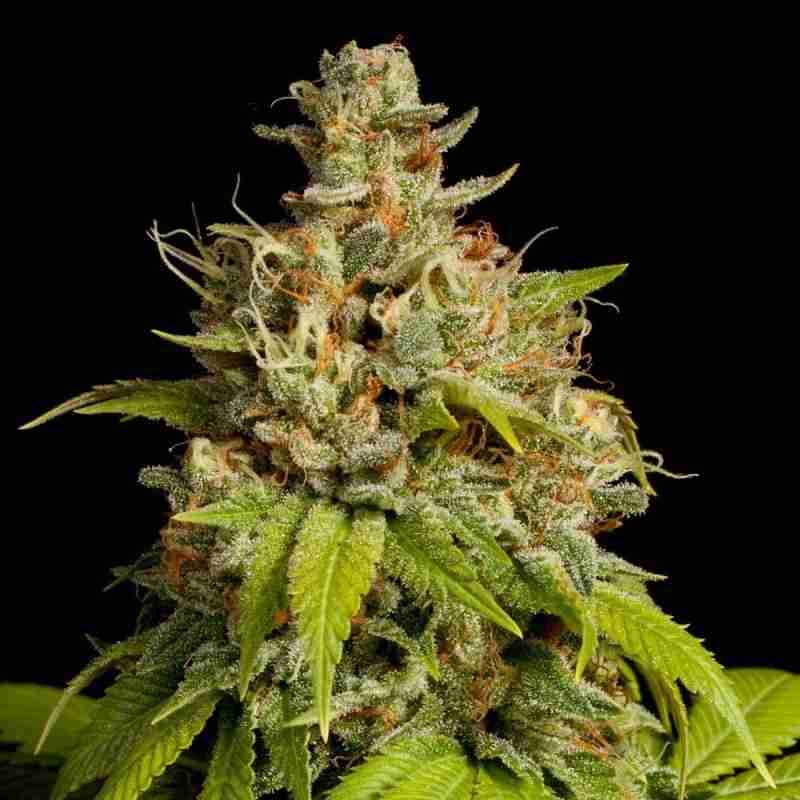

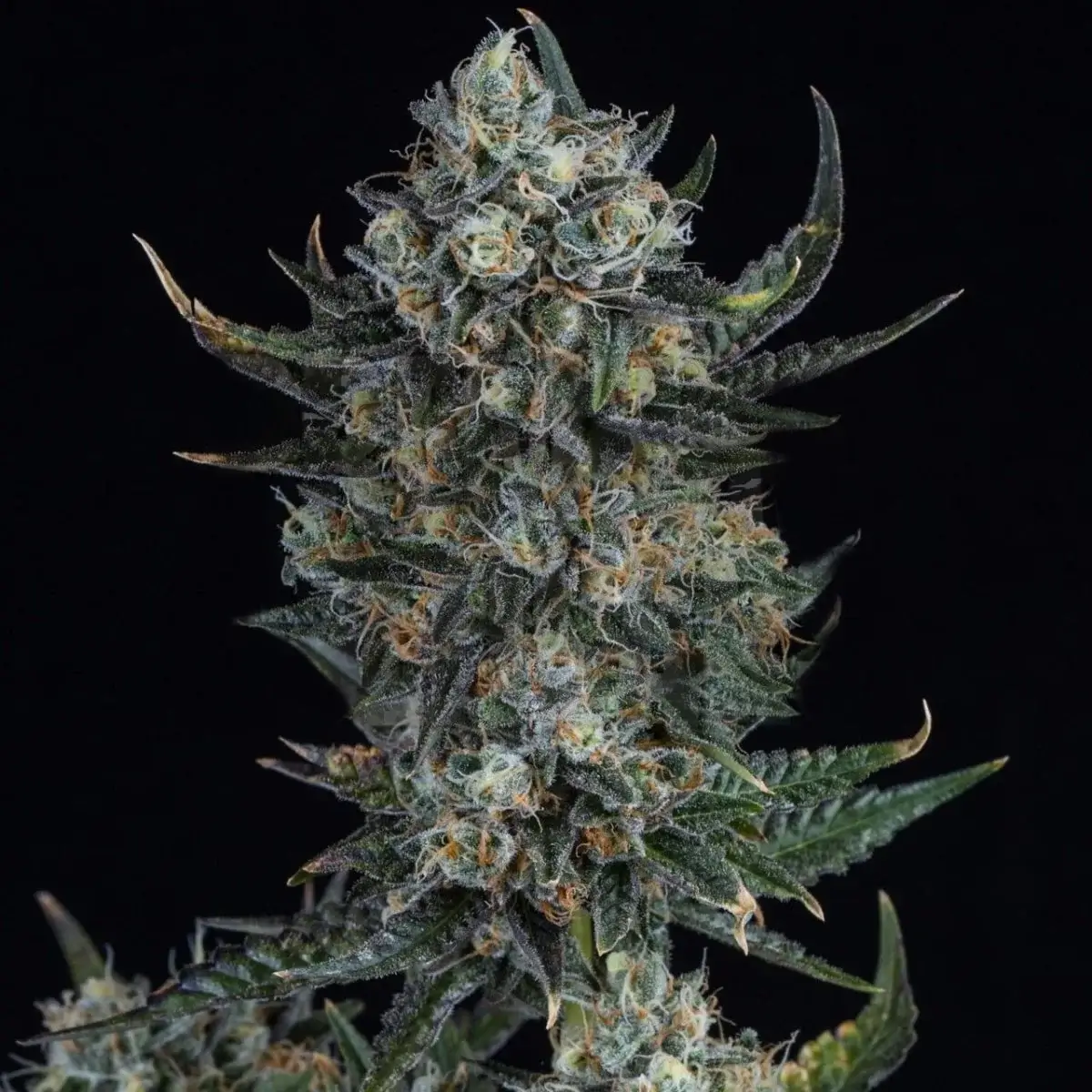
Durban Poison Feminized Seeds
From Original price was: $80.00.$75.00Current price is: $75.00.
Born from pure African landrace genetics, Durban Poison seeds deliver a clean, stimulating high like no other. This energizing, clear-headed sativa is legendary for boosting creativity, focus, and mood — all while offering the unique benefits of naturally high THCV levels. A must-have strain for daytime energy and inspired living. 🚀
Every order ships with bonus seeds. One free seed per five purchased — added automatically, no catch. Contact us for bulk order pricing.
🌿 Durban Poison Seeds: The Pure Landrace Sativa with Rare THCV
Durban Poison is a 100% sativa landrace from the coastal hills around Durban, South Africa: clear, energetic, fast-flowering for a pure sativa, and carrying an unusually high THCV level (3 to 5%) that gives it a clean daytime character no modern hybrid quite matches.
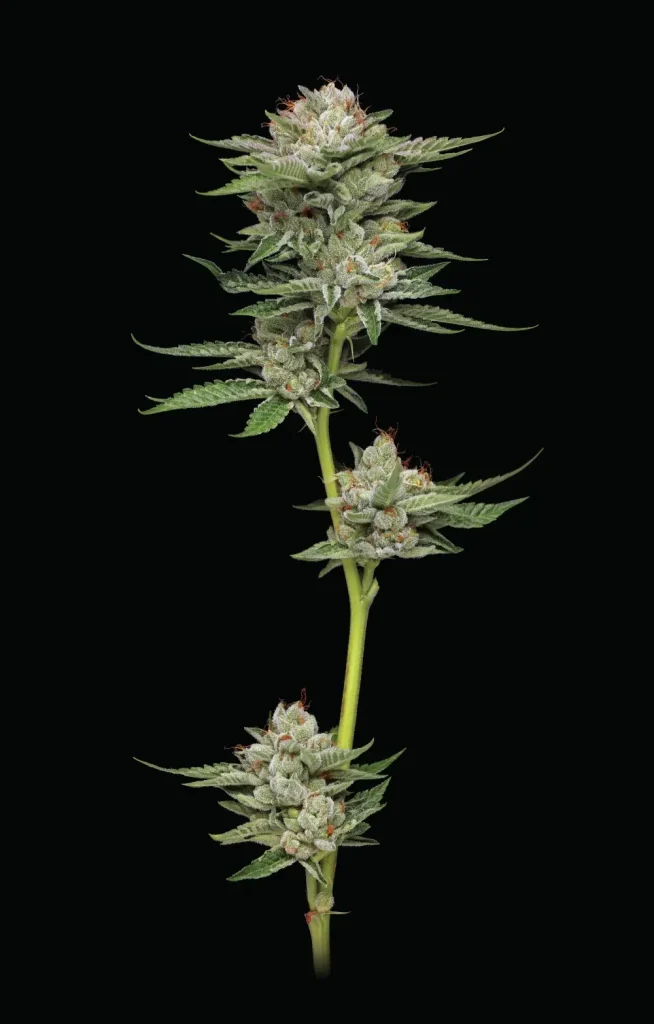
This is genetics with real history. Durban Poison evolved naturally over generations in South Africa's warm coastal climate, with no human cross-breeding, developing tall vigorous growth, genuine pest and mould resistance, and a flowering time short enough to finish before the autumn rains. Cannabis writer Ed Rosenthal is widely credited with bringing it to the wider world, collecting seed during travels to South Africa in the 1970s and introducing the line to growers and breeders abroad. It went on to become one of the most respected sativas in cultivation, and one of the purest options in our sativa-dominant range. For the wider story of how landraces like this shaped the modern catalogue, Jason's landrace-to-hybrid genetics guide is worth a read.
The standout trait is the THCV. Most strains carry under 0.5%, while Durban Poison runs 3 to 5%, among the highest of any strain. In practice that tends to mean a faster onset, a shorter and cleaner session, bright daytime energy and focus, and notably little of the appetite spike most cannabis brings on. It is the reference high-THCV sativa, and for the detail on what that cannabinoid actually does, see Jason's THCV guide. Durban Poison Seeds have earned their reputation as the go-to for functional, energetic daytime use. Our Durban Poison strain review tells the full story.
What makes Durban Poison stand apart:
- Rare high-THCV character: 3 to 5% THCV against under 0.5% in most strains, for a fast, clean, energetic experience
- Fast flowering for a pure sativa: 8 to 10 weeks, where equatorial landraces like Thai or Colombian often need 12 to 16
- True landrace genetics: naturally evolved, genetically stable, with decades of proven performance behind it
- Natural resilience: the landrace heritage brings real resistance to pests and mould, and the open structure keeps airflow high
- Old-school terpinolene flavour: a spicy, sweet, anise-led profile that stands apart from the fruity candy hybrids
- Foundational pedigree: one parent of Girl Scout Cookies (Durban Poison × OG Kush), and through it the genetic backbone of countless modern hybrids
Durban Poison Origin
🌿 Durban Poison Seeds Effects and Experience
Durban Poison is pure cerebral activation: a fast, bright, energetic lift with very little body weight to it. The THCV shapes the whole experience, making it quicker to arrive and cleaner on the way out than a comparable THC-only strain.
Onset (5–10 minutes): Effects arrive quickly, noticeably faster than most strains, a trait the high THCV contributes to. Mental fog clears, perception sharpens, and mood lifts. There is a distinct bright, alert feeling rather than any heaviness.
Peak (10–45 minutes): Energy and clarity reach full intensity. Focus is sharp and sustained, ideas connect easily, and conversation flows. Physical energy is high and directed, motivating without restlessness. Stimulating but controlled, not overwhelming.
Mid-phase (45–90 minutes): The intensity settles into steady, functional energy. Still engaged and focused, just more even. Good for sustained activity. The appetite spike most cannabis brings on stays largely absent through this window, a hallmark of the high THCV.
Late-phase and duration: Energy tapers gently over 90 to 150 minutes, total experience around 2 to 3 hours. The THCV makes for a shorter, cleaner session than a pure-THC strain, and the comedown is smooth, returning to baseline feeling positive rather than depleted or foggy.
Potency note: At 18 to 22% THC plus 3 to 5% THCV, the effect feels stronger and brighter than the THC figure alone suggests, because the THCV amplifies the clarity and energy. Start with one or two draws and wait. At higher doses the energy can tip into racy or edgy for some people, so pace it.
When it suits: Morning and daytime, clearly. Creative work, study, exercise, hiking, surfing, housework, social settings, anything that benefits from energy and focus. Decidedly not an evening strain, the lift makes winding down difficult, so keep it well clear of the hours before sleep.
Flavour: Spicy and sweet on the inhale with a distinctive anise (licorice) note, earthy on the exhale with subtle citrus and pine. The terpinolene dominance gives it a herbal, complex, old-school character rather than anything fruity or candied. Smooth when properly cured, though the sativa genetics can expand a little more than an indica.
🍇 Terpene Profile
The aroma is where Durban Poison shows its landrace roots, spicy-sweet with that signature anise note over an earthy base, layered and immediately recognisable to anyone who knows old-school genetics. The chemistry behind it:
- Terpinolene (dominant): floral, herbal and piney, the source of the spicy-sweet character and the bright, uplifting quality
- Myrcene: an earthy, musky base that adds depth beneath the top notes
- Ocimene: a sweet, citrus lift
- Pinene: a clean pine note that adds to the clear-headed feel
Terpinolene dominance is relatively rare, which is a large part of why this strain smells unlike modern hybrids. For how these compounds shape flavour and effect, see our cannabis terpenes guide.
🌱 Growing Durban Poison Seeds in Australia
(Strictly for ACT residents with a licence or those overseas where cultivation is legal.)
Experience level: intermediate to advanced. This is not a beginner strain. The tall sativa structure demands active height management, the substantial stretch (100 to 200% in early flower) catches out unprepared growers, and the 8 to 10 week flower plus a long veg asks for patience. If you have a few grows behind you and are comfortable with training and tall plants, it is very manageable. Complete beginners are better starting with a compact indica. For the early weeks, our cannabis seedling care guide covers a strong start.
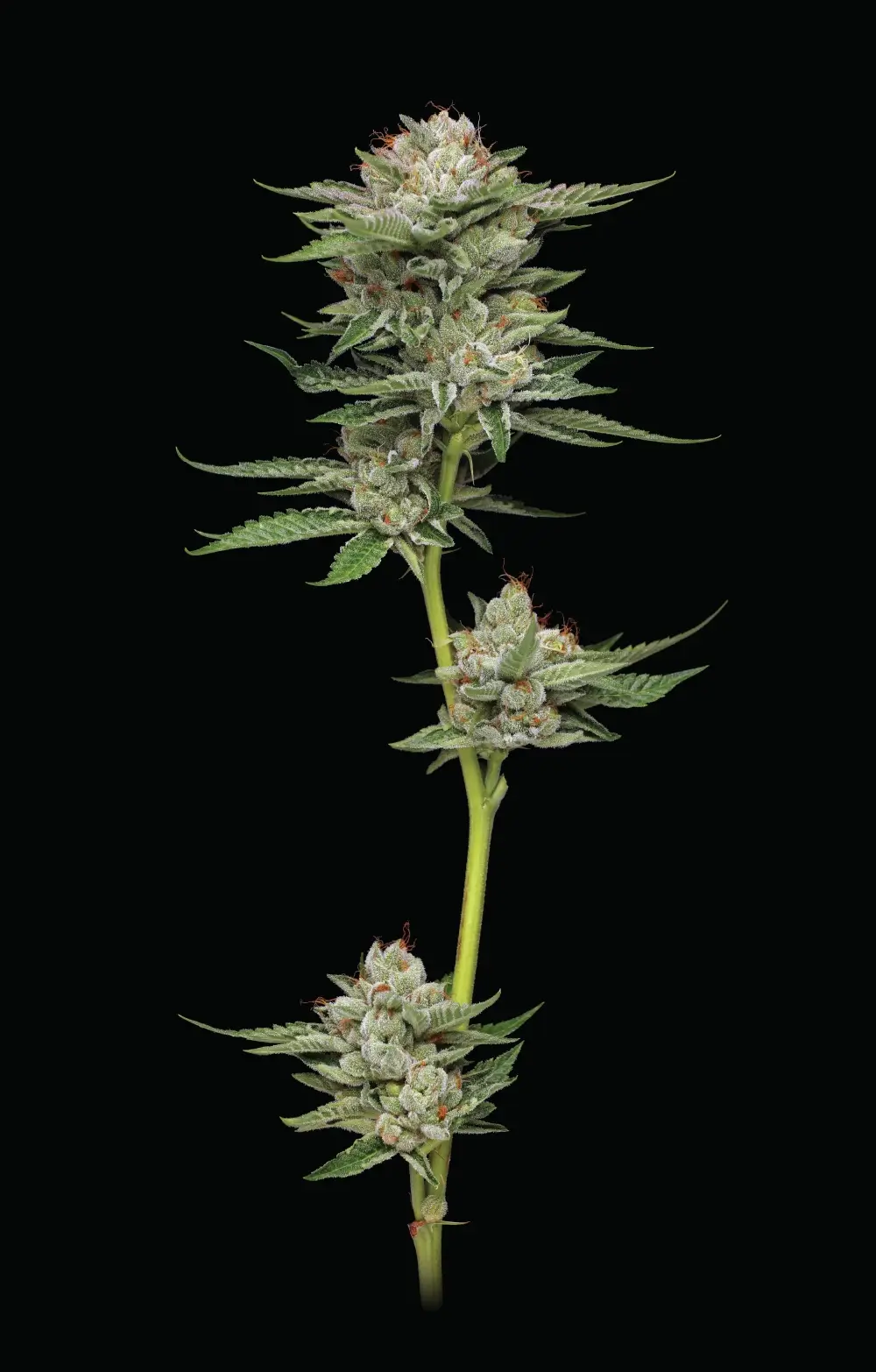
Structure and stretch: classic sativa, long internodal spacing, thin serrated leaves, and a dramatic stretch in the first three weeks of flower. A plant flipped at 50 cm can finish at 150 to 200 cm, and outdoor plants with a long veg routinely pass 250 cm. Height management is mandatory indoors. Plan for it before you flip, not after.
Training: topping is effectively essential indoors. Top three to four times through veg (first at the 4th to 5th node) to build a bushier, lower structure and cut final height by 30 to 40%. It recovers from topping in three to five days, the vigour barely registers it. SCROG works extremely well: veg until the screen is only 40 to 50% full, since the stretch will fill the rest fast, and weave aggressively through the stretch. LST and supercropping are both useful for keeping the canopy in check.
Feeding: a moderate to heavy feeder, especially through the long veg and the stretch. Keep nitrogen up to support the explosive early-flower growth, then shift phosphorus and potassium forward through mid and late flower. It tolerates a higher EC than many strains. Sativas show hunger quickly, so yellowing in mid-flower usually means underfeeding rather than anything else. A silica supplement helps the stems carry the tall frame.
Airflow and defoliation: the open sativa structure resists mould well, but the vigorous foliage can shade lower bud sites, so defoliate more freely than you would an indica, removing blocking fan leaves in early and mid flower. Strong air circulation throughout the tall canopy keeps things healthy. Our amber trichomes guide covers reading the harvest window.
🏠 Indoor Growing
- Flowering time: 8 to 10 weeks from the 12/12 flip, typically 9
- Yield: up to 550 g/m² under 600W+ LED or HPS with SCROG and proper feeding
- Height management: flip at only 30 to 40 cm in a standard 200 to 220 cm tent, the 100 to 200% stretch does the rest. Taller tents (240 cm+) allow flipping at 50 to 60 cm
- Training: top three to four times in veg, train under a SCROG screen, flip at 40 to 50% screen fill
- Containers: 20 to 30 L fabric pots for soil, 15 to 25 L for coco, the vigorous roots need room
- Lighting: high light pays off here. Quality 600W+ LED or HPS; budget lighting limits the genetic potential
- Cycles: 2 to 3 per year with a 9 week flower and a 10 week veg
🌿 Outdoor Growing (Australia)
- Harvest window: mid-late April in the north, late April to early May in central regions, early May in the south
- Yield: 500 to 650 g per plant in-ground or in very large containers (150 L+) with a long veg; 350 to 500 g in medium (80 to 120 L) containers
- Timing: plant late October to early November once frost risk passes. Flowering triggers as daylight drops, so harvest falls later than most strains
- Best regions: excellent in warm, sunny areas, Queensland, Northern NSW, and WA suit it best. It handles Australian heat well but dislikes prolonged high humidity. Our Australian climate strain guide breaks this down by region
- Support: a full-season plant gets large and heavy. Stake the main stem by mid-flower, and individual branches if needed
- Late rain: the late finish is the main risk in cooler southern states, so watch May forecasts and have cover ready. The open structure resists mould better than dense buds, but prolonged wet still causes problems
📅 Durban Poison Seeds Week-by-Week Grow Log
| Phase / Week | What's Happening | Key Actions | Watch Out For |
|---|---|---|---|
| Veg weeks 1–4 Seedling / early veg |
Roots establish, vigorous early growth, strong lateral branching shows quickly. | Build feed from half to full strength. First top at the 4th to 5th node. Begin LST. | Don't underfeed, sativas get hungry fast. Plan your height budget now. |
| Veg weeks 5–10 Mid-late veg / SCROG fill |
Heavy lateral development, canopy fills the screen, multiple bud sites form. | Top again, weave under the screen, add silica for stem strength. Flip at 40 to 50% fill. | Don't over-veg. The stretch will overfill the screen if you flip too late. |
| Flower weeks 1–3 Stretch |
Explosive 100 to 200% stretch. Pre-flowers form, aroma begins. The critical window. | Weave and tuck daily. Hold nitrogen up to support the stretch. Defoliate shade leaves. | Outgrowing the light. Supercrop if a cola runs away on you. |
| Flower weeks 4–6 Mid flower |
Long colas stack and frost. Resin climbs. The spicy-anise aroma comes through. | Phosphorus and potassium forward, EC up (it tolerates 2.0 to 2.4). Ease nitrogen from week 5. | Hunger shows fast. Defoliate for light to the lower sites. |
| Flower weeks 7–9 Late flower / ripening |
Trichomes mature, the anise note sharpens, pistils darken. | Check trichomes from day 49. Begin the flush at 50 to 60% cloudy. Hold airflow. | Don't harvest early. The final two weeks are where the terpenes lock in. |
| Flush & harvest Final 10–14 days |
Fan leaves yellow, frosty colas at peak. | Plain pH water only. Harvest at 70 to 80% cloudy, 10 to 20% amber. Slow dry at 15 to 18 °C, 55 to 60% RH for 10 to 14 days. | Outdoors, watch late autumn rain. A clean flush protects the anise flavour. |
| Post-harvest Cure |
The spicy-sweet-anise complexity sharpens in the jar. | Jar at 60 to 65% RH, burp daily for two weeks, 4 weeks minimum. Our drying and curing guide covers it. | A rushed dry flattens the terpinolene that makes the strain distinctive. |
🧠 Jason's Tip: Growing Durban Poison
The stretch is wild, wilder than any other strain I grow regularly. I have had Durban Poison plants triple in height through the first three weeks of flower. Not double, triple. If you are not ready for it, the plant grows into your lights by week two.
My approach is to flip at 35 to 40 cm maximum in a standard 200 cm tent. Even experienced growers want to veg longer because the plant looks small. Do not. A 40 cm Durban Poison becomes 120 to 140 cm by the end of stretch, and once you account for light clearance and pot height you are using every centimetre of tent. Top it three to four times in veg too: first at the 5th node, then the resulting branches at the 3rd. It barely notices.
And feed it. This strain is hungry through the stretch and mid-flower, and I run 2.2 to 2.4 EC in coco from weeks four to eight without burn. Sativas need fuel. If you see yellowing in week five or six, that is underfeeding, bump it straight away. The long veg and heavy feed are what get you to 550 g/m² consistently.
⚖️ Durban Poison vs Other Landrace Sativas
| Feature | Durban Poison (this page) |
Thai | Colombian |
|---|---|---|---|
| Flowering | 8–10 weeks | 12–16 weeks | 12–14 weeks |
| THCV | High (3–5%) | Low | Low |
| Effect | Clean, energetic, focused | Racy, soaring | Energetic, uplifting |
| Grow difficulty | Intermediate | Advanced | Advanced |
| Flavour | Spicy-sweet anise | Sweet, incense-like | Citrus, skunky |
| AU outdoor fit | Excellent in warm regions | Hard, very long flower | Long flower, warm only |
Durban Poison is the most practical pure landrace sativa to actually grow, pairing authentic genetics with a flowering time that finishes in an Australian season. The high THCV and the fast finish are what set it apart from the equatorial landraces.
🎯 Is Durban Poison Right for Your Grow?
✅ Durban Poison is the right choice if:
- You have the vertical space (a tall tent or open outdoor) and a few grows behind you
- You want true landrace sativa genetics with real heritage
- You want clear, energetic daytime effects without a heavy body drop
- The rare high-THCV character appeals, fast, clean, with little of the munchies
- You grow outdoors in a warm region (QLD, Northern NSW, WA, warm temperate)
- You value old-school terpinolene flavour over fruity hybrids
❌ Consider another strain if:
- You are new to growing or short on height, the stretch is extreme
- You want a heavy, sedating, evening strain rather than a daytime one
- You need a fast total grow time or dense, round indica buds
- You are in a cool, wet southern climate with no cover for the early-May finish
- You prefer sweet, fruity, candy flavours over old-school spice
Still deciding? Our full strain lineup guide covers the range, or browse the sativa-dominant range, the feminised photoperiod range, or the complete cannabis seeds catalogue.
🌟 Durban Poison Customer Experiences
Paraphrased from verified customer reviews and grower communications.
⭐⭐⭐⭐⭐ "My go-to for getting through a task list. Clean energy, sharp focus, and none of the munchies. That anise flavour is unmistakable.", Daytime user
⭐⭐⭐⭐⭐ "Clear-headed and bright, like a cannabis espresso. Wakes the mind up without any jitters. Perfect for a creative morning.", Creative professional
⭐⭐⭐⭐ "Grew it outdoors in Queensland, pulled about 580 g off one massive three-metre plant. Topped twice, staked heavily, finished late April. The energy off it is unmatched for surf mornings and beach days.", Outdoor grower, Queensland
❓ Frequently Asked Questions: Durban Poison Seeds
What is Durban Poison?
Durban Poison is a 100% sativa landrace from the coastal region around Durban, South Africa, naturally evolved rather than bred. It stands out for an exceptionally high THCV level (3 to 5%, against under 0.5% in most strains), a fast flowering time for a pure sativa (8 to 10 weeks), and a clean, energetic daytime character. Brought to wider attention by Ed Rosenthal in the 1970s, it is also one parent of Girl Scout Cookies. Our Durban Poison strain review goes deeper on the genetics, the history, and the effect.
What does the high THCV actually do?
At 3 to 5%, the THCV shapes the whole session: a faster onset (around 5 to 10 minutes), a shorter and cleaner experience (2 to 3 hours), brighter energy and focus, and notably little of the appetite spike most cannabis brings on. It is what gives Durban Poison its functional, daytime feel. Jason's THCV guide covers the cannabinoid in detail.
Is Durban Poison beginner-friendly?
No. It needs intermediate to advanced handling. The extreme stretch (100 to 200% in early flower), the tall final height, and the long total timeline all reward experience. If you have grown a few strains and have the vertical space, you will be fine. Complete beginners are better off with a compact indica first.
How long does flowering take?
8 to 10 weeks from the 12/12 flip, usually around 9. That is remarkably fast for a pure sativa, where equatorial landraces often need 12 to 16 weeks. Total seed-to-harvest indoors is roughly 19 to 24 weeks once you add the veg.
How tall does it get, and can I grow it in a standard tent?
Tall. Indoors, a plant flipped at 40 cm finishes around 120 to 160 cm; flipped at 60 cm it can pass 200 cm. Outdoors with a long veg it routinely reaches 250 to 350 cm. A standard 200 to 220 cm tent works only with aggressive topping and a very early flip (30 to 40 cm). Short tents under 180 cm are not suitable.
What yields can I expect?
Indoors, up to 550 g/m² under good lighting with SCROG and proper feeding. Outdoors, 500 to 650 g per plant in-ground or in very large containers with a long veg, and 350 to 500 g in medium containers. Solid yields that show landrace genetics can keep pace with modern hybrids.
What does it taste and smell like?
Distinctive spicy-sweet with a clear anise (licorice) note, earthy on the exhale with subtle citrus and pine. The terpinolene dominance gives it an old-school, herbal character unlike fruity modern hybrids. The aroma is moderate to strong from around week five, so indoor growers should run carbon filtration. More on this in our cannabis terpenes guide.
How potent is it?
18 to 22% THC plus 3 to 5% THCV. The combination feels brighter and stronger than the THC figure alone, because the THCV sharpens the clarity and energy. Start with one or two draws and wait, the energy can tip into racy or edgy at higher doses for some people.
Should I top it, and what training works best?
Yes, top it, three to four times through veg, which is effectively essential indoors for height control. SCROG is the most effective method: train under the screen and flip at 40 to 50% fill, since the stretch overfills the rest. LST and supercropping help, and heavy defoliation is fine, it regrows foliage quickly and benefits from the light penetration.
What about outdoor growing in Australia?
Excellent in warm states with long autumns. Queensland and Northern NSW are ideal, with WA's Mediterranean climate also a strong fit. Plant late October to early November and harvest late April to early May. Victoria and SA are more marginal, the late finish risks rain and cold, so have cover ready. Our Australian climate strain guide covers regional fit.
Is it a parent of other strains?
Yes, and an influential one. Durban Poison is one parent of Girl Scout Cookies (Durban Poison × OG Kush), which in turn spawned a huge family of modern hybrids including Gelato and Wedding Cake. Growing it connects you to the genetic foundation of a lot of contemporary cannabis.
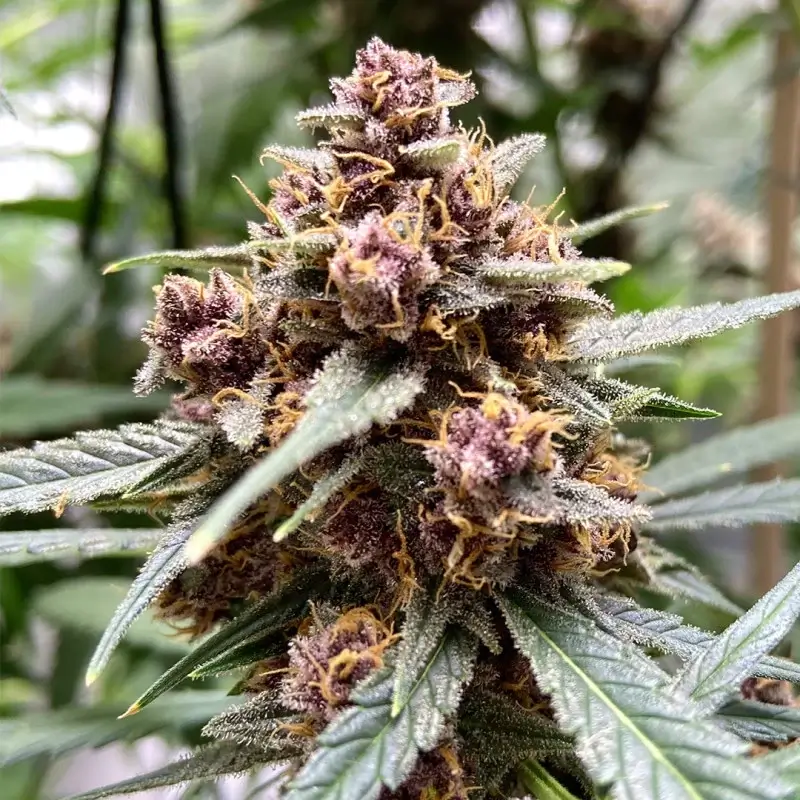
Does it turn purple?
Rarely, and not strongly. Durban Poison typically finishes bright green with orange pistils. Some phenotypes show a touch of purple in the leaves if late-flower nights drop to 16 to 18 °C, but vibrant colour is not characteristic, the appeal is the effect, the terpenes, and the THCV.
Is it good for hash or concentrates?
Yes. The resin production is solid and the clean terpinolene profile carries the spicy-anise character through to the extract, with the THCV coming along for the ride. Rosin, bubble hash, and dry sift all work well. Not the absolute highest-yielding strain for extraction, but the quality and the distinctive effect justify it.
Do you ship Durban Poison seeds across Australia?
Yes, with fast domestic shipping and discreet packaging, and most orders arrive within a few business days. All seeds are batch-tested with the paper towel method at ~22 °C and stored cold and dry to preserve viability.
55 reviews for Durban Poison Feminized Seeds
Not sure this is the right strain for you?
Answer six quick questions and we will give you three strains we feel best for you based on your setup, experience, and goals.
Related products
-

Girl Scout Cookies Feminized Seeds
From Original price was: $80.00.$75.00Current price is: $75.00. -

Blue Dream Feminized Seeds
From Original price was: $80.00.$75.00Current price is: $75.00. -
Medicinal Indica Mix Feminised cannabis seeds – 20 seeds
Original price was: $320.00.$240.00Current price is: $240.00. -
 AUTO
AUTOClassic Mix-Auto Feminised cannabis seeds
Original price was: $320.00.$240.00Current price is: $240.00. -

Classic Mix – Feminised cannabis seeds
Original price was: $320.00.$240.00Current price is: $240.00. -

Amnesia Haze Feminized Seeds
From Original price was: $80.00.$75.00Current price is: $75.00. -

White Widow Feminised Seeds
From Original price was: $80.00.$75.00Current price is: $75.00. -
 AUTO
AUTOAuto Purple Kush Feminized Seeds
From Original price was: $80.00.$75.00Current price is: $75.00.

All popped and going strong
Strong and healthy looking seedlings.
No problems just great service
Great service.
Hopefully they do their thing. Thank you.
It couldn't more convenient,
I find the service second to none to be honest. I'm definitely a returning customer.
Thanks again sacred seeds.
3 of 4 are following the sun. Reflecting on early 80's Hmmmm
They're now curing away nicely.
It's a lovely smoke and a great high.