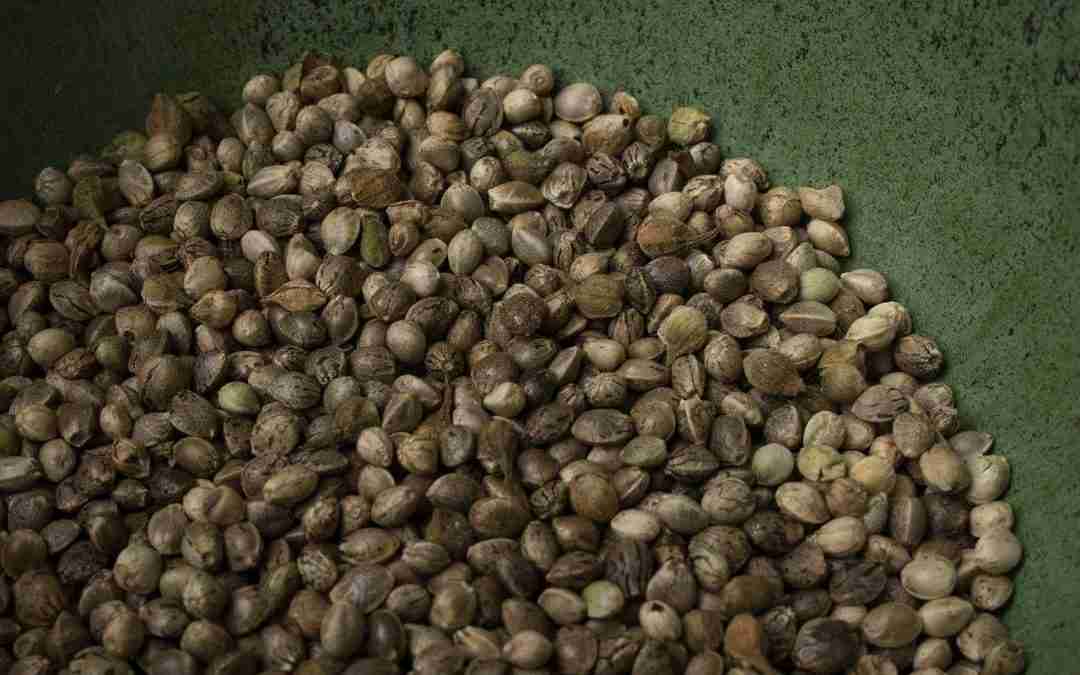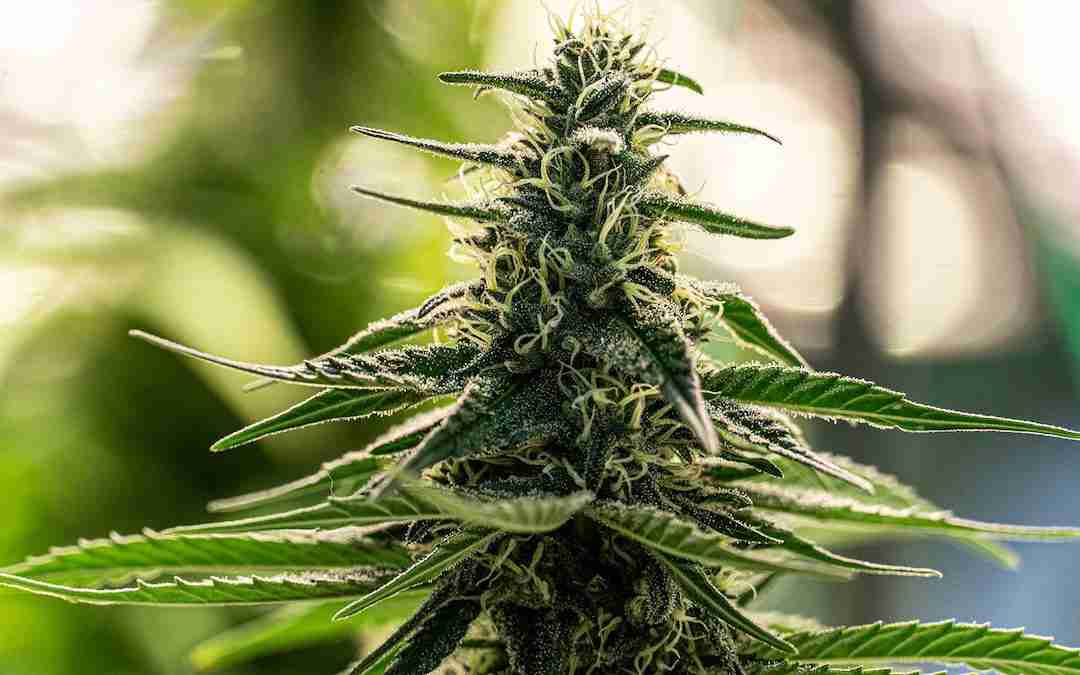
Understanding Male and Female Weed Seeds: Key Differences Explained

Understanding Male and Female Weed Seeds: Key Differences Explained

Ever put weeks into a plant just to find out it won’t give you any buds? It’s a gut punch. It all comes down to knowing about male and female weed seeds. Get this right, and you’re on your way.

Your Crash Course on Male and Female Weed Seeds

Figuring out the difference between male and female weed seeds is probably the first real lesson for anyone getting into growing cannabis.

It’s pretty straightforward, really. You want the female plants. They’re the ones that grow the dense, sticky buds everyone is after. The male plants have a different job. They make pollen. If that pollen gets on your females, you get a crop full of seeds, not the quality buds you were hoping for.


Key Takeaways

  • Female plants are what you’re after for a harvest. They are the ones that produce buds.

  • Male plants are for breeding. They make pollen, which creates more seeds. Most growers get rid of them on sight.

  • Feminized seeds are a way to make sure you only grow female cannabis plants. A huge time and space saver.

  • Regular seeds will give you both males and females. They’re for people who want to breed or don’t mind the extra work of weeding out the males.
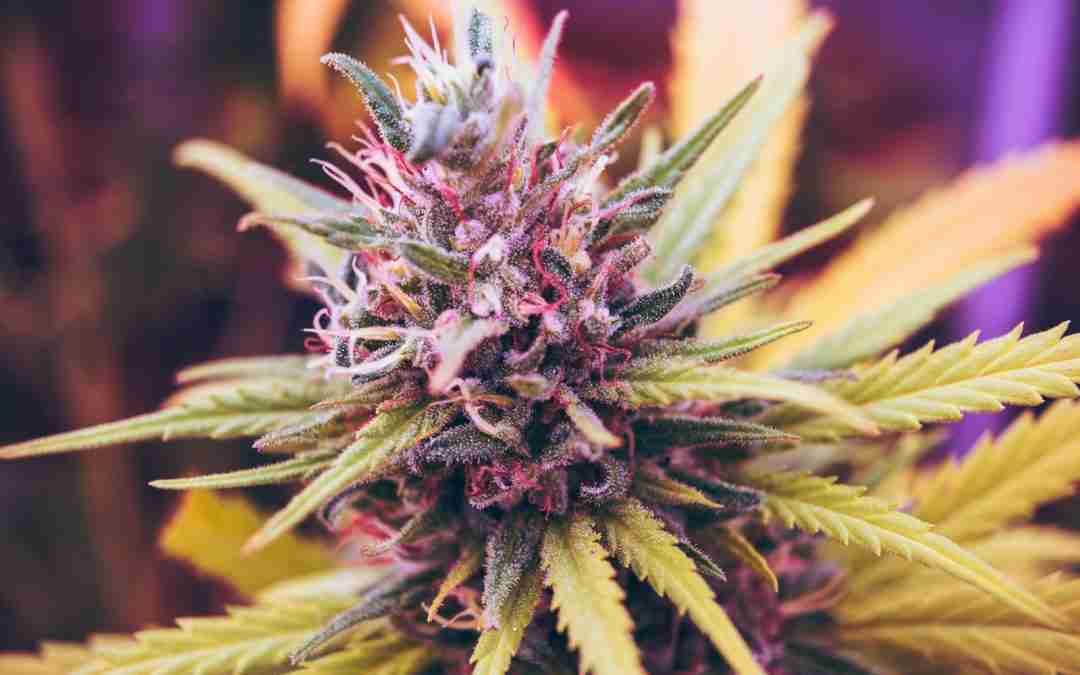
Male And Female Weed Seeds

So, Why are Female Plants That Important?

A study in Frontiers in Plant Science from 2020 points out that cannabis is a dioecious plant. That’s a science-y way of saying it produces separate male and female plants.

The females grow the flowers with all the good stuff. The males grow little pollen sacs. If those sacs burst open near your females, it messes things up. The female plant’s whole mission changes. It stops putting energy into making big, frosty buds and starts making cannabis seeds instead. For most growers, that’s a failed crop.

How to Tell the ‘Boys’ from the ‘Girls’

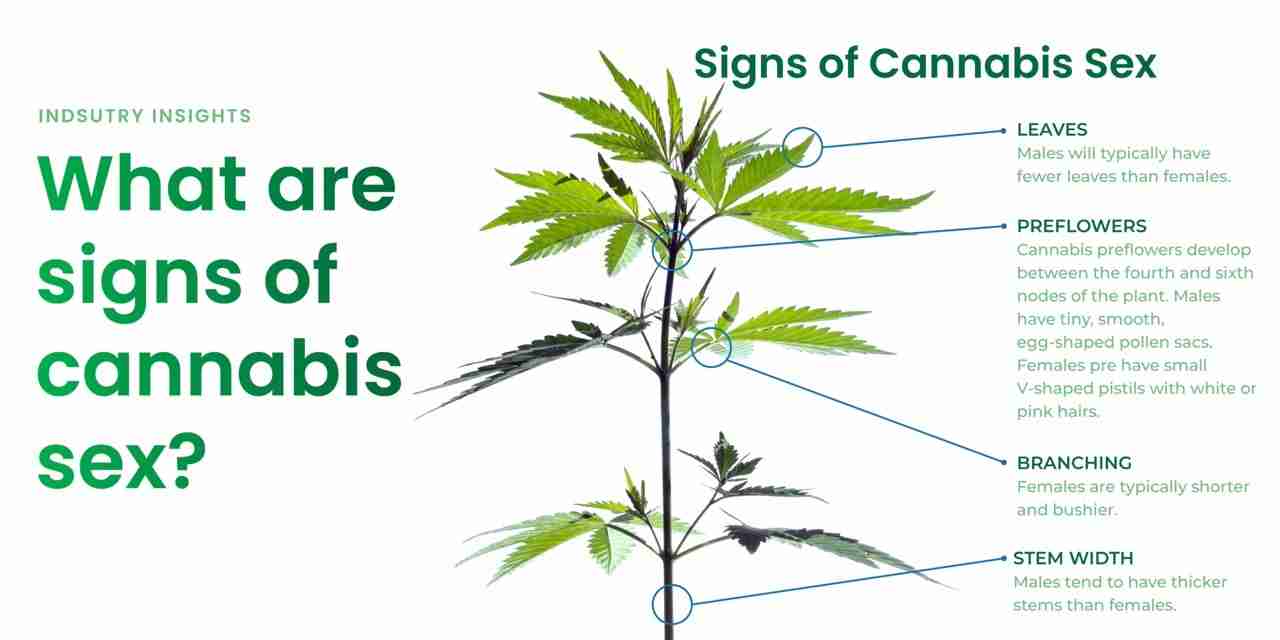
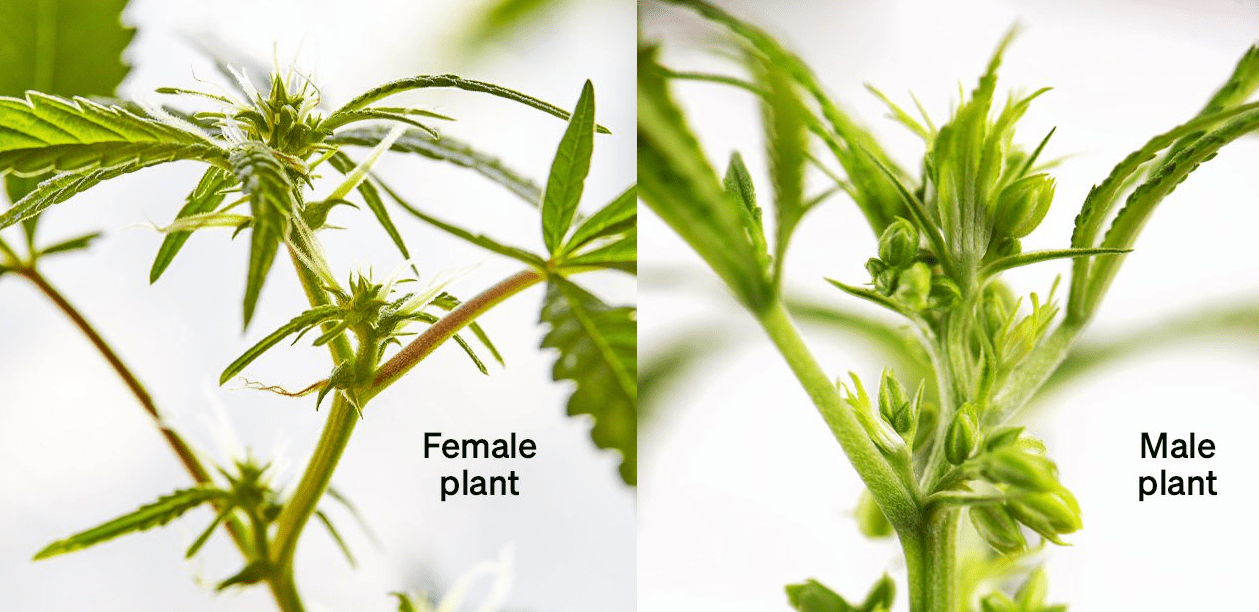
You save yourself a world of pain by spotting the males early. The trick is to look for the ‘pre-flowers’. These are tiny signs of sex that pop up where the branches meet the main stalk.

A male plant shows little green balls. They look like tiny bunches of grapes. Those are the pollen sacs.

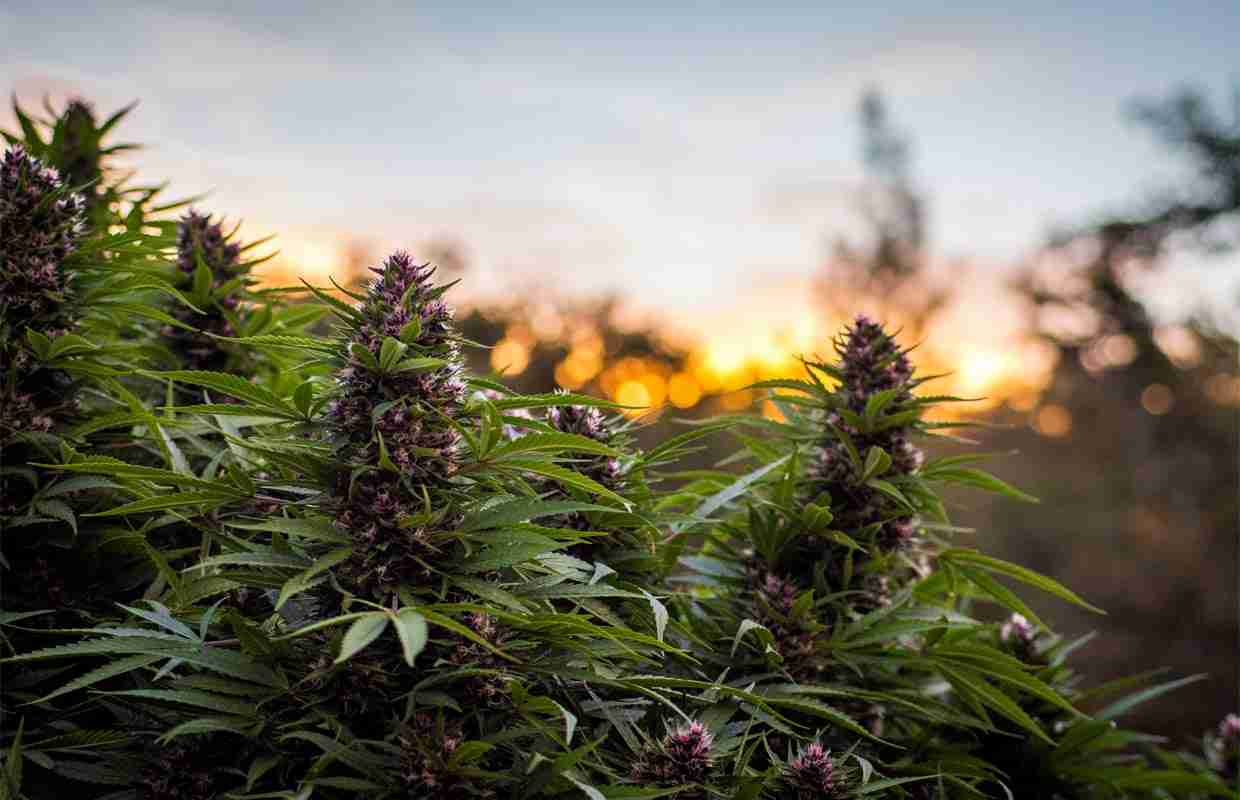
A female plant shows a small teardrop-shaped pod with a couple of white hairs, called pistils, poking out of the top.

You’ll see these appear a few weeks into the vegetative stage. Get the males out before they open up and release that pollen.

Choosing Your Seeds: The Big Decision

Alright, so you know you need female plants. The next question is, how do you make sure you get them?

Getting poor-quality seeds is a waste of money and months of your time. You need a source that provides solid genetics. Below are a few reasons why thousands of Aussie growers trust a local, family-run operation like Sacred Seeds Australia.

1. Fast Local Shipping – No Customs Delays or Risks

There’s nothing worse than waiting weeks for an order from overseas, just to have it nabbed by customs. Because Sacred Seeds Australia is right here in the country, you get your order fast. We ship with Australia Post, and orders usually arrive in a few business days.

Everything is sent in discreet, compostable packaging, too.

2. Great Selection of Premium Strains (High THC, CBD, Autoflowers)

We have over 50 different strains from top breeders. You can get famous high-THC strains or find something with high CBD for medicinal purposes. We’ve got feminized photoperiods, and we’ve got autoflowering seeds, which are great for beginners because they are almost always feminized and flower automatically. You find the right seeds for your plans, whatever that is.

3. Proven Genetics and High Success Rates

The genetics inside that little seed shell determine everything. Bad genetics lead to weak plants or plants that turn hermaphrodite under stress.

We focus on premium, stable genetics. One Aussie grower on a forum said our seeds produced “almost twin plants with every strain, so if that ain’t stable I don’t know what is.”
That stability is what you pay for. It means your female plants will grow the way they’re supposed to.

4. Rave Customer Reviews and Trustworthiness

Talk is cheap. Results matter. Our website has over 1,800 verified reviews from real customers. People talk about the fast delivery and high germination rates.

One Reddit user put it plainly: “the business is definitely legit, safe payment with competitive pricing and quick shipping from within Australia.”

We’re an Aussie family that values our reputation.


Benefits of Getting Quality Seeds

Good seeds make everything easier.

  • Better Yields and Potency: Good genetics mean your plants have the blueprint to grow big and strong. With our feminized seeds, you’re not wasting space on non-budding males.

  • Major Cost Savings: It saves you a lot of money in the long run. One single seed that costs maybe $15 can produce hundreds of dollars’ worth of flowers.

  • Fewer Legal Headaches: For those in the ACT or with a licence, using a local supplier like us avoids the legal troubles of importing. We ship discreetly from within Australia, which is a much safer bet.
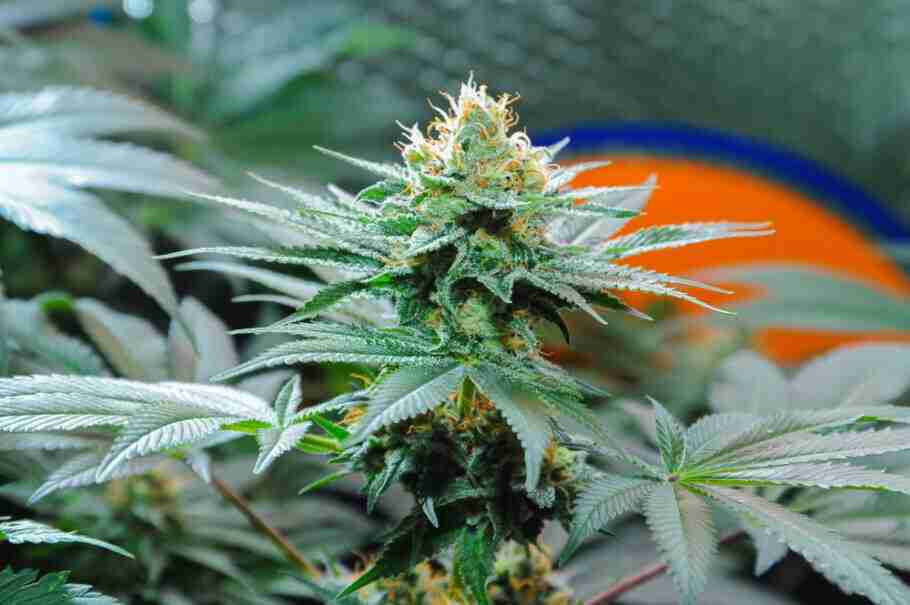
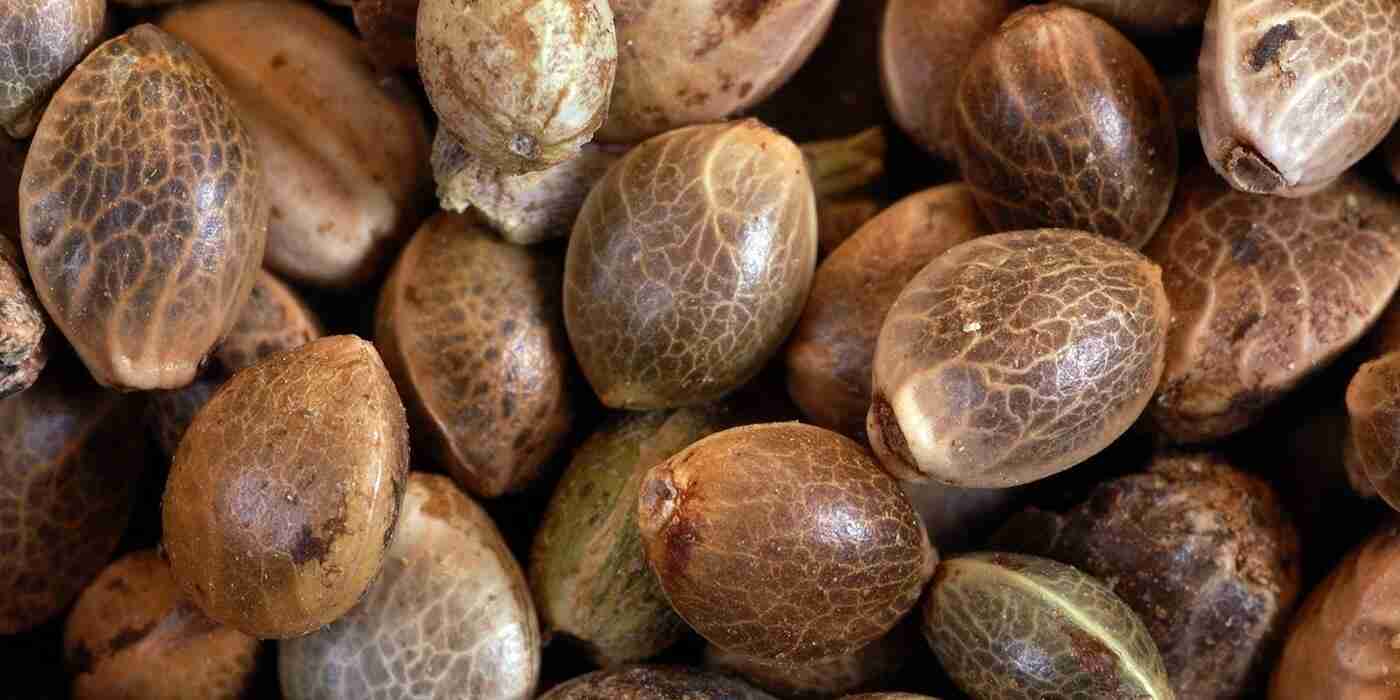
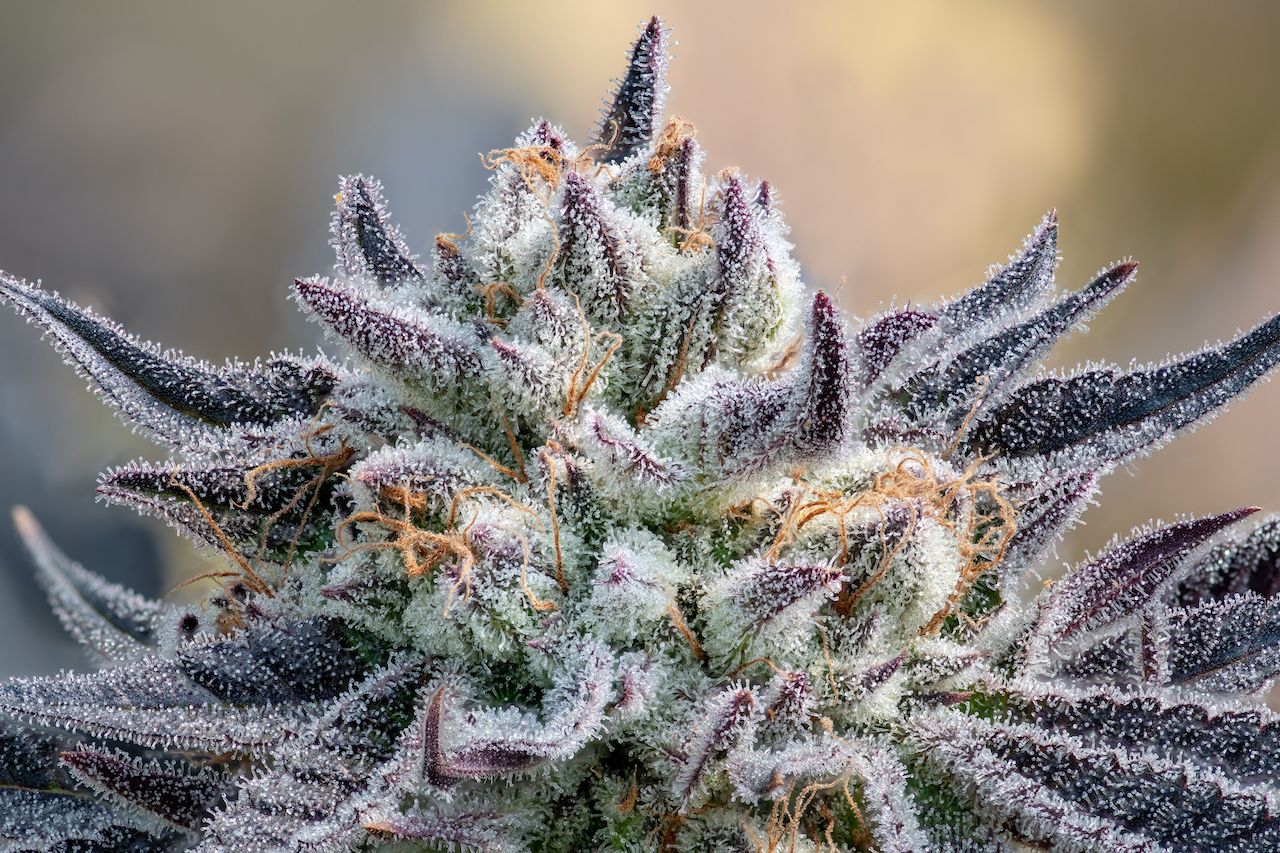
close up Male And Female Weed Seeds

Few Things To Be Careful About

Today’s high-THC strains are very strong. Research from the British Journal of Psychiatry found links between heavy use of strong cannabis and psychosis, especially in younger people. So go slow and know your limits.

And while it feels like a harmless plant, about 1 in 10 regular users might develop a dependence, according to Australian health data. Be mindful of your use.

Finally, know your local laws. Outside of the ACT, germinating marijuana seeds is illegal. Seeds are sold as souvenirs for adults. Always follow the law in your state.


FAQs


What are hermaphrodite plants?

A hermaphrodite or “hermie” is a single cannabis plant that develops both male pollen sacs and female flowers. It often happens due to stress and is bad because the plant can pollinate itself and your other female plants, filling your buds with seeds.

If I find a male, how quickly do I need to remove it?

You should remove it immediately. The pollen sacs can open very quickly once they are mature. Check your plants daily once they start showing pre-flowers.

What’s the main benefit of autoflowering strains again?

Their biggest advantage is speed and simplicity. They switch to the flowering stage automatically based on age, not a light schedule. This, combined with them being feminized, makes them perfect for new growers.

How long do baby cannabis plants take to show sex?

Baby cannabis plants usually show pre-flowers around week four to six of the vegetative stage. Experienced growers check carefully to determine sex before pollen sacs form.

What’s the difference between feminised seeds and female seeds?

Female seeds is a loose term some people use, but feminised seeds are specifically bred to produce only female cannabis plants. They’re the safest choice for people who want only females.

Do male or female plants grow faster?

Male or female plants grow at similar rates early on. Male cannabis plants often show pre-flowers earlier, which helps growers spot them before they produce pollen.

Are there guaranteed female plants?

Using feminised cannabis seeds is the closest you’ll get to guaranteed female plants. Most growers prefer them to regular marijuana seeds because they save time and space.

What’s the difference between feminized plants and feminised strains?

Feminized plants are the actual marijuana plants grown from feminised seeds. Feminised strains are the specific cannabis strain genetics bred to reliably produce female plants.

🧑‍🎓 Need helping choosing what to buy? Have a read of this strain guide.

🧑‍🎓 Learn here how we test our seeds. 
 

Cannabis Sativa Seeds in Australia: What to Know Before You Buy

Cannabis Sativa Seeds in Australia: What to Know Before You Buy

Finding truly reliable cannabis sativa seeds in Australia might sometimes feel like a gamble. You’re looking for two things: premium genetic quality and a supplier who gets them to you without international shipping risks. Once you get it right, you’ll discover the difference between a thriving collection and a complete waste of money and effort.

A Grower’s Guide to Cannabis Sativa Seeds in Australia

If you are a collector or grower in Australia, you know securing top-tier cannabis sativa seeds means dealing with a difficult market.

Sacred Seeds Australia (SSA) offers a direct solution to that. With SSA, you get nothing but the finest curated selection of genetics from the world’s premier breeders.

As a local, family-operated seed bank, the focus is on quality and reliability to help you bypass the common pitfalls of international orders.

Here’s a guide designed to give you all the information to source premium seeds with confidence.


Key Takeaways

  • The Local Advantage: Sourcing seeds from an Australian seed bank like Sacred Seeds means you get fast, discreet delivery and eliminate the risk of customs seizing your purchase.

  • Genetics are Foundational: The genetic quality of your seeds is the single most important factor for a successful harvest, dictating potency, yield, and plant health.

  • A Reputation is Earned: Look for verifiable proof of quality and service. Sacred Seeds is an established Australian family business with well over a thousand positive reviews, highlighting our trustworthiness.

amnesia haze cannabis sativa seeds

Why Buying Seeds in Australia Makes Sense

The primary advantage is reliability. When you purchase from an overseas seed bank, your package must go through Australian customs, a process that could result in seizure or long delays.

Sacred Seeds operates within Australia, which removes that factor entirely. All orders are shipped via Australia Post, so expect your package in 1-4 business days if you choose express post.

Our packaging is discreet and compostable. We make sure your privacy is respected always. That straightforward process means you get your premium cannabis seeds without the stress and uncertainty of an international order.

Consider Genetics Before Everything else. Here’s Why:

The genetics within a cannabis seed are the blueprint for its entire life cycle. That code determines the plant’s final characteristics; its potency, flavors, yield, and even its resistance to pests.

Sacred Seeds focuses on providing premium, stable genetics. All products in our stock have a tested viability rate of over 95%. As experienced growers often report, plants from a stable line will grow uniformly, a clear sign of quality breeding.

Data from publications like the Journal of Agricultural Sciences and Food Research confirms that seed maturity and quality dramatically affect germination success, so starting with professionally sourced seeds gives you a powerful head start.


Finding the Right Cannabis Strain for Your Needs


  • A diverse selection is key to finding the perfect match for your specific goals.
  • A reputable seed bank should cater to a wide range of needs.
  • The Sacred Seeds catalogue features over 50 distinct cannabis strains, including feminized seeds, modern autoflower seeds, and traditional photoperiod varieties.
  • You get to explore legendary high THC strains like Godfather OG and Permanent Marker, or find high-CBD options such as Charlotte’s Web designed for medicinal use.

How to Know You’re Dealing with a Legit Seed Bank

Always look for a track record you can verify. Sacred Seeds has amassed over 1,800 reviews from Australian customers who have gotten a transparent view of their service and product quality. Users consistently vouch for our legitimacy, fast shipping, and high-quality genetics.

Choosing a known Australian family business over a faceless international website provides a layer of trust and accountability. Sacred Seeds offers both a shipping guarantee and a Quality Guarantee. 

Considerations for Growing for Medical Relief

For those using cannabis therapeutically, the ability to source high-CBD or particular indica strains could make a real difference in managing conditions like chronic pain or anxiety.

A 2024 study in the Harm Reduction Journal found that an incredible 97% of Australian medical cannabis patients reported symptom improvement with its use. Such outcomes depend on using the right strain, and having a reliable domestic source surely helps.

Final Word: Take Responsible Cultivation Seriously

Starting with excellent seeds is the first step, but responsible use is just as important.

Many modern cannabis strains contain very high levels of THC. It is important to be mindful of potency and dosage, as research in the British Journal of Psychiatry has noted a correlation between daily high-potency cannabis use and certain health risks.

Never operate a vehicle after consumption. Always be aware of your local laws; while personal cultivation is permitted in the ACT, seeds are sold in all other states as adult souvenirs for collection purposes only.

durban poison cannabis sativa seeds

Frequently Asked Questions


How do I physically tell the difference between Sativa and Indica plants?

Sativa plants have very unique characteristics that set them apart. They are known for their vigorous growth, becoming tall and slender with narrow, finger-like leaves. It’s a classic trait adapted from their origins in tropical regions and is a stark contrast to the short, bushy Indica plants with their wide, broad leaves.

I’ve heard Sativa cannabis has a longer flowering time. Why is that?

Yes, many pure Sativa genetics have a long flowering period, often 10 to 14 weeks. It is an evolutionary trait from growing in equatorial regions with extended, consistent sunlight. For cannabis growers, that requires more patience, but the trade-off is often massive yields and very potent effects.

Are there any Sativa weed seeds with a faster flowering time?

Absolutely. If the traditional longer flowering time is a concern, a sativa-dominant hybrid is the perfect strain for you. Top breeders have crossed sativa genetics with faster Indicas to create a cannabis plant with a much faster flowering time that still provides those sought-after uplifting effects. The classic strain Blue Dream is a great example.

Is it true that Sativa plants are difficult to grow indoors?

They can be more challenging than Indicas if you have limited vertical space. Because Sativa plants are genetically programmed to grow tall, managing their height is one of the best tips for successful indoor growing.

What does the “open bud structure” of some Sativa plants mean?

The open bud structure is a natural adaptation to the warmer climates and high humidity found in their native environments. The less dense, airy buds allow for better airflow throughout the cannabis plant, which is a major benefit that helps prevent mould during a long flowering period.

The Complete Runtz Strain Guide

The Complete Runtz Strain Guide

Premium Genetics. Exceptional Results.

Most cannabis enthusiasts search for that perfect strain — one that delivers incredible flavor, potent effects, and rewarding cultivation. The truth? Runtz checks every box.

This legendary hybrid cannabis strain combines the best of Zkittlez and Gelato to create something truly special. If you’ve ever wondered, “What makes Runtz so popular among growers and consumers alike?” — this guide has your answers.

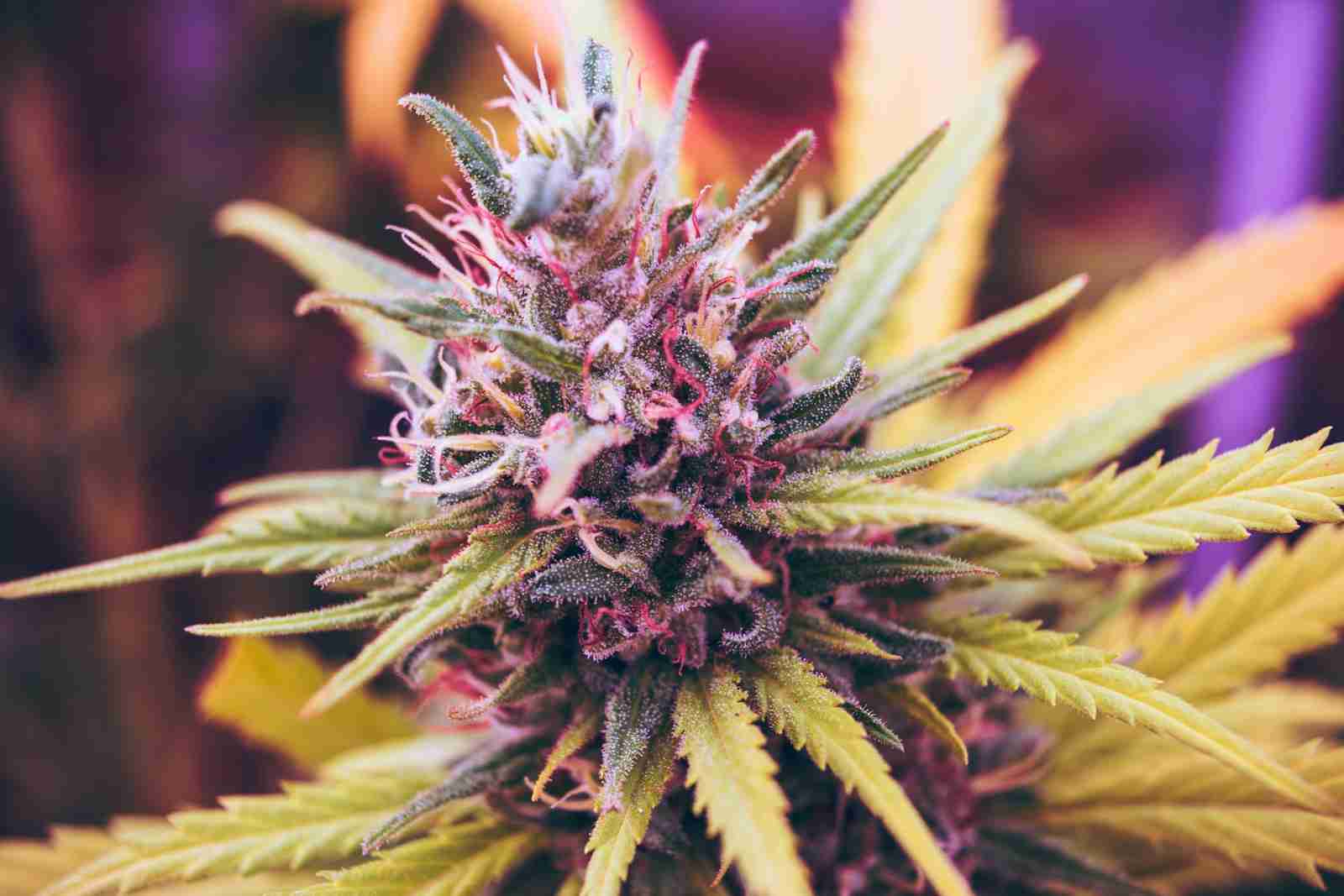
runtz strain guide

What You’ll Discover About Runtz Strain

  • Complete genetic background and lineage analysis

    • Understanding how this unique hybrid strain emerged from award-winning parent strains to create the perfect 50/50 indica dominant hybrid profile that quickly gained popularity worldwide.

  • Proven cultivation techniques for maximum yields

    • Indoor and outdoor growing methods, optimal flowering time (8-9 weeks), environmental conditions, and realistic yield expectations of 450-500g/m² that make this an excellent strain for both beginners and advanced growers.

  • Comprehensive effects and usage guide

    • THC levels ranging 19-29% with balanced high combining euphoric high and relaxing effects, plus therapeutic applications for chronic pain, appetite loss, and stress management.

  • Complete flavor and aroma profile breakdown

    • Sweet and fruity aroma with candy like flavor profile, featuring fruity flavors and sweet flavors driven by specific terpenes that create its signature creamy smoke experience.

  • All major Runtz variants compared

    • Pink Runtz, White Runtz, Black Runtz, and other popular strains in the Runtz family, including autoflower options with detailed cultivation and potency comparisons.

“Grew Runtz for the first time last season and got 500g/m² with those incredible candy flavors. Best strain I’ve cultivated in 10 years of growing.”

— Sarah M., Home Cultivator

Who This Guide Is For

  • Cannabis cultivators seeking premium genetics with proven results

  • Consumers looking for well rounded effects and exceptional flavor

  • Anyone curious about award-winning strains and their cultivation

Whether you’re interested in growing Auto Runtz plants indoors or prefer growing outdoors, this versatile strain adapts to various growing conditions while maintaining its potent effects and amazing strain characteristics.

A view of a runtz feminized bud against a green background

Why Runtz Dominates Today’s Cannabis Market

The Runtz crew created something extraordinary when they developed this strain. Runtz won Leafly’s “Strain of the Year” in 2020 and remains one of the most sought-after potent strains available. Here’s what makes Runtz special:

  • Perfect genetic balance – This indica dominant hybrid delivers both uplifting effects and deeply relaxing effects

  • Exceptional potency – With THC levels averaging 24%, it provides potent effects without overwhelming new users at low doses

  • Superior flavor profile – The sweet and fruity aroma translates into incredible taste that satisfies even the most demanding taste buds

  • Reliable cultivation – Consistent yields and robust plant health make it ideal for both indoor plants and outdoor plants

The strain’s lime green buds with their thick layer of frosty trichomes and resinous buds create an unmistakable visual appeal that’s backed up by exceptional quality.


The Story Behind Runtz

Runtz came out of Los Angeles but went global almost overnight. By crossing Gelato (for creamy dessert vibes) with Zkittlez (for that tropical fruit punch), the breeders hit on a nearly perfect 50/50 hybrid. Some phenos lean slightly indica, others more balanced, but all deliver that signature mix of happy head-high with chilled body relaxation.

A mate of mine grew it outdoors last summer and swore his veggie patch smelled like a lolly shop. His kids thought someone had spilled Skittles in the compost bin (he had to play dumb).


Start Your Runtz Journey Today


High-quality Runtz feminised seeds are available from Sacred Seeds Australia. We offer stealth shipping and (shhhh!) we usually include free seeds with larger orders. Here’s what to expect:

The good news: Runtz is beginner-friendly. It’s forgiving, resilient, and doesn’t demand anything fancy.

  • Flowering Time: 8–9 weeks indoors

  • Indoor Yields: 450–500 g/m²

  • Outdoor Yields: 400–600 g per plant (with good sun and care)

  • Climate: Mediterranean-style works best, but she’ll adapt to most Aussie backyards with decent humidity control.

Tips for success:

  • Keep the soil well-draining.

  • Watch humidity during late flower (Runtz is resinous and can attract mould if airflow’s poor).

  • Gradually step up nutrients during veg rather than blasting all at once.

The vegetative stage requires proper care with gradually increasing nutrients to maintain overall plant health throughout the life cycle. Whether you grow Runtz indoors or outdoors, attention to environmental conditions and humidity levels will prevent mold and maximize your harvest.

Many users report that what makes Runtz particularly appealing is its forgiving nature – even novice growers can achieve excellent results with basic growing knowledge and optimal conditions.

Effects & Potency

Runtz packs THC levels ranging from 19–29%. That’s no joke — but it’s also surprisingly smooth.

  • Mental: Euphoric, creative, sociable (good for a backyard BBQ or an evening on the deck).

  • Physical: Relaxing without couch-locking, a nice wind-down after work.

  • Medical reports: Many users find it helps with stress, appetite loss, and chronic pain.

Take it slow if you’re new — the candy flavour can trick you into overdoing it.


Flavour & Terpenes

This is where Runtz shines. The smoke is like fruit candy with a creamy twist. The terpene mix usually leans:

  • Limonene → citrus zing

  • Caryophyllene → a bit of spice/pepper

  • Linalool → floral smoothness

Put simply: it tastes how you wish every bag of mixed lollies did.


Common Questions About Runtz Strain

Is Runtz indica or sativa dominant?
Runtz is a balanced 50/50 hybrid strain with slight indica dominance in some phenotypes. This creates the perfect combination of cerebral head high and physical relaxation, making it an ideal strain for various medical conditions and recreational use.

How difficult is Runtz to grow?
This amazing strain is surprisingly beginner-friendly. Runtz plants are resilient and respond well to standard growing techniques. The flowering time is predictable, and with proper care, both indoor and outdoor plants thrive in optimal conditions.

What’s the strongest Runtz variant?
While standard Runtz averages 24% THC, variants like Black Runtz and other potent strains in the family can reach up to 29% THC. Pink Runtz and other Gelato strains crosses also offer unique profiles for different preferences.

What does Runtz taste like?
The candy like flavor profile features sweet flavors reminiscent of fruit candy, with creamy smoke and a fruity aroma that comes from its unique terpene profile. The taste perfectly matches its sweet and fruity aroma, creating an exceptional sensory experience.

Can Runtz help with medical conditions?
Many users report that Runtz helps alleviate stress, manage chronic pain, and address appetite loss. The balanced high provides both mental relief and physical relaxation, though individual responses vary. Always consult healthcare providers for medical advice.

Runtz represents the pinnacle of modern cannabis breeding — where exceptional genetics meet incredible flavor and reliable cultivation success.

🧑‍🎓 Need helping choosing what to buy? Have a read of this strain guide.

🧑‍🎓 Learn here how we test our seeds. 
🧑‍🎓 read our strain guide for Northern Lights


How We Test Our Seeds

How We Test Our Seeds

 How We Test Our Seeds

At Sacred Seeds, we know that seed quality of utmost importance. That is why every batch we release is put through 2 layers of internal testing to make sure it meets our expectations for freshness, structure, and viability.

This post gives you a look behind the curtain at how we test seeds before they ever reach our shelves.

To learn more about seed storage, click here.


Why We Test

Cannabis seeds are living material. That means natural variation is unavoidable — some will always be stronger than others. To keep our quality consistent, our breeders sample and test each batch, and then we do the same. If results don’t meet their benchmark, the entire lot is pulled and replaced before it reaches us, and if what reaches us doesn’t meet our 95% benchmark, we pull it and replace before it reaches any customers. This double testing method ensures we know that what we ship to customers has been thoroughly vetted for quality.

 How We Test: The Paper Towel Method

For consistency, we only use one process: the paper towel method. It’s simple, repeatable, and reliable. This is the gold standard across the industry for a good reason. The beauty of this method is that you can see what is going on before transferring to medium.

Here’s how we do it:

1: A layer of damp tissue is placed on a plate, container or in a jiffy bag. We prefer open jiffy bag for some air flow. We use distilled or rain water. (NOT TOWN WATER)

2: Seeds are spread out evenly on top. Always use tweezers. Not not touch with fingers. 

3: Another damp tissue is placed over them, and a second plate is inverted over the top to keep the environment dark and moist. 

4: The setup is kept at a steady ~22-25 °C. We check every couple of days and mist tissues if needed.

Under these conditions, most seeds show signs of life within a few days, while some may take a little longer. Please give it up to 7 days.


What We Look For

  • Speed of response — strong seeds usually show activity quickly.

  • Consistency across the batch — we look for uniform results, not just one or two standouts.

  • Healthy structure — emerging roots should be clean and robust, not weak or discoloured.


What Happens If a Batch Fails

On the rare occasion a batch performs below our standards, it never reaches our customers. We replace it with new stock from the same breeder line and retest before offering it for sale.


Why It Matters

This process is part of what makes our seeds collector-grade. By standardising how we test, we can keep our quality high and our results consistent.


Our  Germination Guarantee

Because we know this method works, this is the only method by which our Germination guarantee can be invoked. All other methods (direct in soil, cubes, plugs etc) fall outside our zone of support and guarantee. 

FAQ: How We Test Our Seeds

Q: What type of water do you use in your tests?
We only use pure, clean water — ideally rainwater or filtered water. Tap water can contain chlorine or other additives that may interfere with testing.


Q: Why do you always use tweezers?
Handling seeds directly with fingers can introduce oils, dirt, or pressure that damages delicate seed coats. We always use clean tweezers when moving seeds during testing to keep the process sterile and consistent.


Q: Why the paper towel method and not soil or pellets?
The paper towel method gives us a controlled, repeatable environment: stable temperature, moisture, and light. Soil, peat pellets, or hydro setups add too many outside variables, so they aren’t part of our testing process.


Q: How do you control moisture levels?
Towels are kept damp but never soaked. We make sure there’s no standing water, which can suffocate seeds or encourage mould.


Q: Why keep seeds in the dark?
Light isn’t needed at this stage. We keep seeds enclosed with a plate or foil so they stay in a dark, humid environment, which mirrors how they’d naturally start underground.


Q: How long do you run your tests?
We typically check once daily for up to five days (120 hours). Some seeds show activity sooner, but we allow the full time to account for natural variation. For some strains we have seen them take up to 7/8 days, but with strong results. This is because some strains have a naturally thicker shell than others. 


Q: What happens if a seed shows signs of stress or mould during testing?
That seed is marked as non-viable. If a pattern emerges across the batch, we pull the entire lot from sale and replace it before it ever reaches customers.


Q: How do you decide if a batch passes or fails?
We look at overall consistency, speed of response, and root health. A healthy batch should show strong, clean taproots across the sample. Anything below our threshold is rejected.

Want to learn more about this method? Click here. 

What Are the Best Cannabis Seeds in Australia? A Grower’s Buying Guide

What Are the Best Cannabis Seeds in Australia? A Grower’s Buying Guide

Choosing cannabis seeds in Australia used to mean taking a calculated risk on overseas seed banks and hoping the parcel made it through customs. Royal Queen Seeds, Seed Supreme, Herbies — the big international names offer impressive catalogues, but the reality for Australian buyers has often been customs delays, seized parcels, and seeds that have been in transit long enough to affect germination rates. That picture has changed. Local seed banks now stock the same premium genetics with domestic shipping, Australian customer support, and germination rates that overseas competitors struggle to match on delivery.

This guide covers what actually matters when buying cannabis seeds in Australia — germination rates, genetics quality, storage and handling, shipping reliability, and which strains are worth growing in Australian conditions. We’ll address the overseas vs local question directly, because it’s the question every Australian buyer is actually asking.

What to Look For — Cannabis Seeds Australia

Germination rate 95%+ from a reputable supplier — batch-tested, not claimed
Storage before dispatch Cold, dark, low humidity — seeds degrade in heat and light
Shipping — domestic 1–4 days, no customs risk, express post available
Shipping — overseas 2–6 weeks, customs seizure risk, transit degradation
Genetics Verified breeder relationships — not repackaged bulk
Formats available Feminised photoperiod, autoflower, fast version
Australian suitability Strain selection matched to Australian climate zones and seasons
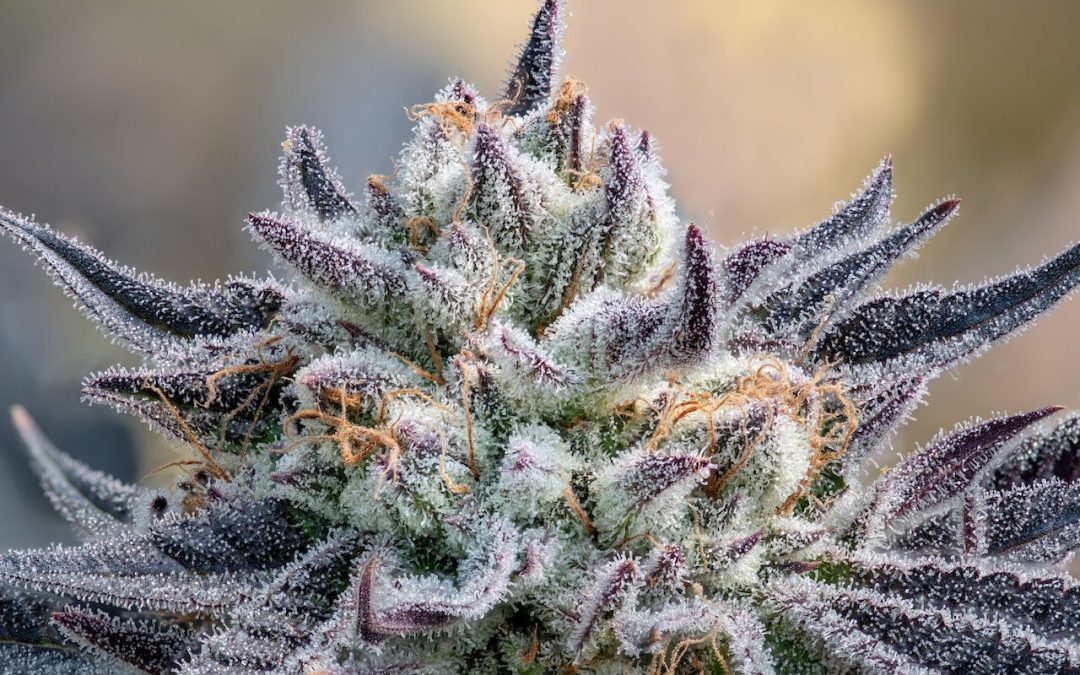
best cannabis seeds australia

What Makes a Quality Cannabis Seed?

The quality of a cannabis seed is determined before you ever see it — by the breeding programme that produced it, the conditions it was stored in, and how long it’s been sitting between harvest and dispatch. Most buyers focus on strain names and THC numbers. Experienced growers focus on germination rates, breeder reputation, and storage practices, because those are what actually determine whether the seed in your hand is viable.

Genetics and breeder relationships

Cannabis seed quality starts at the breeding level. A feminised seed from a reputable breeder with stable, well-documented genetics will consistently outperform a cheaper seed from an unstated source, regardless of what the packaging claims about THC percentages. The best seed banks source directly from established breeders with verified breeding programmes — not repackaged bulk genetics with a new label.

The breeders that have built reputations worth caring about — Blimburn Seeds, Barney’s Farm, FastBuds, Dutch Passion — are the ones whose genetics appear in catalogues like ours because the relationship is built on consistency and verifiable results. Strain names mean nothing without a trustworthy breeding source behind them.

Storage and handling

Cannabis seeds are living organisms in a dormant state. They remain viable for years under the right conditions — cool temperatures (4–8°C), low humidity (20–30% RH), darkness, and minimal oxygen exposure. They degrade rapidly under the wrong ones: warmth, humidity, light, and heat all accelerate deterioration. A seed that has been stored improperly before it reaches you has already lost viability regardless of its genetic quality.

At Sacred Seeds, every batch is stored cold and dry and tested before dispatch using the paper towel method at 22°C. Any seed that doesn’t meet our germination standard doesn’t go on sale. That testing process adds time and cost, but it’s the only honest way to represent germination rates. The quality guarantee page covers the process in detail.

🧠 Jason — On Seed Quality

The question I get asked most is “what’s your best strain?” The question I wish people asked more is “how do you store and test your seeds?” Because the answer to the second question tells you more about what you’re actually buying. A Gorilla Glue seed from a reputable breeder stored correctly and batch-tested is a completely different proposition to one that’s been sitting in a warm warehouse for six months with a claimed 95% germination rate based on nothing. We test every batch ourselves. If it doesn’t germinate reliably, we don’t sell it.

Overseas vs Local Seed Banks — The Honest Comparison

This is the question every Australian buyer is working through, so it deserves a direct answer rather than a marketing pitch.

The case for overseas seed banks

Royal Queen Seeds, Seed Supreme, and Herbies have earned their reputations. RQS in particular has a genuinely impressive breeding programme and consistent genetics — their catalogue is large and well-documented. If you have a specific strain that’s only available from an overseas source and you’re prepared to manage the import risk, ordering international is a legitimate choice that many Australian growers make successfully.

The strain variety argument is the strongest case for overseas. Major international banks carry hundreds of strains from dozens of breeders. No Australian seed bank matches that breadth of catalogue.

The case for domestic suppliers

The practical reality of ordering cannabis seeds internationally to Australia in 2026 involves customs screening that is more sophisticated than it was five years ago. Australian Border Force actively screens international mail and parcels for prohibited items. Seeds that are intercepted are seized. There is no recourse, no replacement, and no refund from most overseas suppliers for customs seizures — the risk sits entirely with the buyer.

Beyond seizure risk, international shipping introduces transit time that affects seed viability. A parcel spending three to six weeks in shipping conditions — variable temperature, handling, humidity — is not the same as a seed dispatched domestically in 1–4 days in moisture-resistant packaging stored correctly until it leaves the warehouse.

Domestic suppliers ship under Australian consumer law with the full protections that entails. Customer support is in your timezone. Returns, replacements, and queries are handled by people who understand the Australian context. And for outdoor growers working to seasonal planting windows, waiting three to six weeks for international shipping against a September–October planting deadline is a real planning problem that domestic supply eliminates.

🧠 Jason — On Local vs International

We’ve watched the international shipping picture change significantly over the past few years. Five years ago, ordering from European seed banks was lower risk than it is now. The screening has improved and the seizure rate on international cannabis seed orders has increased measurably. We hear from growers regularly who’ve had parcels from RQS or Seed Supreme stopped at the border. That’s money gone, genetics gone, and often a planting window missed. We started Sacred Seeds partly because Jess and I had that experience ourselves and thought there had to be a better option for Australian growers. There is now.

Germination Rates — What to Expect and What to Demand

Germination rate claims in the cannabis seed industry are largely unverified marketing. “95% germination guaranteed” appears on packaging from suppliers whose actual rates — based on grower reports across forums like r/ausents and 420forum — are often significantly lower. The honest number depends entirely on how the claim is generated: is it a tested rate from the current batch, a historical average, or a number someone decided sounded good?

What a genuine 95%+ germination rate requires: seeds harvested from a stable breeding programme, stored correctly from harvest through to dispatch, tested in a standardised germination environment before being listed for sale, and dispatched in moisture-resistant packaging that maintains viability through the shipping window. That’s the process. Any supplier claiming high germination rates without describing that process is making an unverified claim.

Growers on r/ausents consistently report germination rates from Sacred Seeds in the 95–100% range — not because we claim it on packaging, but because the batch testing process catches failures before they reach customers. When a batch tests below our standard, it doesn’t go on sale. That’s a costlier approach than claiming rates we haven’t verified, but it’s the only one that produces consistent results.

For more on the germination process itself — paper towel method, timing, what to look for — the paper towel germination guide covers the method we use and recommend.

Feminised, Autoflower, Fast Version — Which Format Suits You?

The format decision is as important as the strain decision for Australian growers, and it’s frequently underweighted. The three main formats available — feminised photoperiod, autoflowering, and fast version — suit different growing situations, and choosing the wrong format for your setup wastes the genetics regardless of their quality.

Feminised photoperiod

Photoperiod strains flower in response to the 12/12 light cycle — indoors, you control this with a timer; outdoors, the plant follows the natural shortening of days in late summer and autumn. The advantage is full control over vegetative development time — you can grow the plant to whatever size and structure you want before triggering flower. Yields per plant are higher than autoflowers, potency can be maximised with extended veg, and the genetics express themselves most fully without the Ruderalis influence of an auto cross. The limitation is the seasonal window outdoors and the need for light management indoors. Browse feminised photoperiod seeds.

Autoflowering

Autoflowering strains flower on a fixed genetic timeline from germination — typically 70–85 days — regardless of light cycle. No light flip required, no seasonal window dependency outdoors, and multiple runs per season are achievable. The trade-off is yield per plant (lower than photoperiod), slightly reduced THC relative to the photoperiod version of the same genetics, and no recovery time for mistakes — the fixed timeline means errors in the first three weeks follow you to harvest. For Australian outdoor growers who can’t manage light control or want season flexibility, autos are the practical choice. Browse autoflowering seeds.

Fast version

Fast version seeds are photoperiod genetics crossed with early-finishing strains to reduce flowering time — typically by two to four weeks compared to the standard photoperiod version. They retain the yield potential and potency of the photoperiod format while finishing faster, which is particularly valuable for Australian outdoor growers in southern states where the harvest window before autumn rains closes earlier. The best of both worlds for growers who have light control but want to get in and out of flower quickly. Browse fast version seeds.

The autoflower vs photoperiod comparison guide covers the format decision in full detail if you’re working through which suits your setup.

Best Cannabis Seeds in Australia

Best Cannabis Strains for Australian Conditions

Strain selection for Australia is different from strain selection for a European or North American grower. The Australian outdoor season, the humidity profiles of different climate zones, and the April harvest deadline in southern states all affect which genetics will perform and which will struggle. Here are the categories that consistently deliver for Australian growers.

Best indica strains — reliable, fast, high-quality

Northern Lights remains one of the most dependable strains in the catalogue for any Australian climate zone. The 7–9 week flower, Afghani mould resistance, compact structure, and consistent myrcene-dominant terpene profile make it practical for growers from Queensland to Tasmania. It’s Jason’s personal go-to for end-of-day relaxation and one of the most rewarding grows in the catalogue. Godfather OG sits at the higher-potency end of the indica spectrum — 22–28% THC, complex OG terpene profile, more demanding grow but exceptional results for experienced growers who can manage the temperature sensitivity in flower.

Best autoflowers — season flexibility without sacrificing quality

Auto Gorilla Glue and Auto Godfather OG represent the higher end of the autoflower catalogue — OG-lineage genetics that carry genuine potency and terpene complexity into the auto format. Both deliver 70–75 day fixed timelines with the characteristic effect profiles of their photoperiod parents, at a slightly reduced THC relative to the full photoperiod version. For growers who want multiple outdoor runs per season or can’t manage a 12/12 flip, these are the quality ceiling of the auto catalogue.

Best high-THC strains

The high-THC category covers strains testing above 25% reliably — Godfather OG, Gorilla Glue #4, Permanent Marker, and Bruce Banner. These are not beginner genetics — they require controlled environments, experienced feeding management, and understanding that THC percentage is one factor in a complex effect picture. For growers specifically seeking maximum potency, the high-THC category is the right starting point, with the caveat that grow quality determines the ceiling more than the genetics do.

Best sativa for Australian conditions

Durban Poison is Jess’s pick for anyone who wants something genuinely different from the indica-heavy end of the catalogue. It’s a pure African sativa landrace, one of the highest-THCV strains commercially available, and produces a clear-headed, energising, functional effect that experienced users consistently rate as one of the most distinctive in the catalogue. Long-season strain that suits Queensland and NSW particularly well.

Outdoor Growing in Australia — Seasonal Timing by State

Queensland and Northern NSW

Plant from September onward. The long warm season suits both photoperiod and long-season sativa genetics. Harvest window: late March through April. Coastal humidity from February onward requires mould-resistant genetics — Afghani-lineage indicas and fast-finishing strains manage this better than large-budded sativas in humid conditions. Autoflowers: two outdoor runs per season achievable, September and January starts.

NSW and VIC — Temperate

Plant late September through October. Harvest target: early to mid April before autumn rains become consistent. Strains with 7–9 week flower windows like Northern Lights and fast version genetics suit the temperate season better than 10–12 week photoperiods. Fast version seeds are particularly well-suited to Victorian and Southern NSW growers — the two to four week reduction in flowering time makes the harvest window significantly more comfortable.

Tasmania and Southern VIC

Short season — stick to fast-finishing genetics. Northern Lights, fast version strains, and autoflowers are the practical choices. Plant October, harvest mid April hard deadline. For the most flexibility, autoflowers eliminate the light-cycle dependency entirely and the 70–80 day fixed timeline fits the Tasmanian season reliably.

WA and SA

The drier climate suits most indica genetics well — lower humidity means mould risk is more manageable than on the east coast. Standard timing applies: plant September–October, harvest April. WA growers particularly benefit from the flexibility of the season — the drier autumn means harvest windows are less stressed than they are in coastal Queensland or NSW.

What to Look For When Buying Cannabis Seeds in Australia

Buyer’s Checklist

Germination rate — how is it verified? Ask whether the claimed rate comes from batch testing or is a general claim. A supplier who can describe their testing process is more credible than one who lists a percentage without context.

Storage conditions before dispatch. Seeds should be stored cold and dry. If a supplier doesn’t mention storage conditions anywhere on their site, that’s information.

Breeder relationships. Who are the genetics from? Named breeders with established reputations are a positive signal. Unnamed “house genetics” or unlabelled sources are a risk.

Shipping timeline and method. Domestic suppliers should be dispatching in 1–4 business days. Express post should be available. Track and trace is standard for any reputable domestic supplier.

Replacement policy. What happens if seeds don’t germinate? A supplier confident in their germination rates will have a clear replacement policy. Vague terms around “no returns on seeds” is a warning sign.

Community reputation. r/ausents and 420forum are the most useful Australian-specific sources of grower feedback. Search the supplier name and read actual grow reports rather than relying on the supplier’s own review section.

🧠 Jason — On Buying Well

The best advice I can give any Australian grower buying seeds is: narrow your decision to two or three strains before you look at who stocks them, then buy from whoever has the best combination of verifiable germination rates, domestic shipping, and a replacement policy that actually means something. Don’t buy six strains at once to “try them out.” Grow one or two well rather than six badly. The genetics will do what they’re capable of if you give them the conditions to do it. That’s the whole game.

Not sure which strain to start with?

Answer six questions and Jess will match you to three strains based on your setup, experience, and goals.

Find Your Strain →

Key Takeaways — Buying Cannabis Seeds in Australia

Domestic Australian seed banks now offer the same premium genetics as major international suppliers with domestic shipping, no customs risk, and germination rates verified through actual batch testing rather than claimed on packaging. The format decision — feminised photoperiod, autoflower, or fast version — matters as much as strain selection for Australian growers working within seasonal planting windows. Germination rate claims are meaningless without a described testing process; a supplier who can explain how they verify their rates is more credible than one who states a number. For outdoor Australian growers, strain selection should start with climate zone and harvest window, not THC percentage. The Australian climate strain guide covers regional timing and strain recommendations in full detail.

Buying Cannabis Seeds in Australia — Frequently Asked Questions

Cannabis seeds are sold as novelty collector’s items in Australia. The legal status of germinating or cultivating cannabis varies by state — the ACT permits limited personal cultivation for adults; all other states prohibit it. Sacred Seeds sells seeds strictly as collectibles in accordance with local laws. Always check the laws in your state before germinating or cultivating.

What is the best cannabis seed bank in Australia?

The best Australian seed bank for your needs depends on what you’re prioritising — strain selection, germination rates, shipping speed, or customer support. For domestic shipping, verified germination rates, and Australian-specific strain guidance, Sacred Seeds has built a strong reputation on forums like r/ausents, with growers consistently reporting 95–100% germination rates and fast dispatch. For the broadest international catalogue, RQS and Herbies carry more strains but with the associated overseas shipping risks.

How long does it take to receive cannabis seeds in Australia?

From a domestic supplier like Sacred Seeds, 1–4 business days with express post available. From international suppliers, typically 2–6 weeks, with the added risk of customs seizure at the Australian border. For outdoor growers working to a spring planting window, domestic supply is the practical choice.

What germination rate should I expect from quality seeds?

95%+ from a supplier who batch-tests their seeds before dispatch. Be sceptical of germination rate claims that aren’t accompanied by a description of the testing process. Germination rates are affected by storage conditions, transit time, and handling — a claimed rate from a seed that has spent weeks in international shipping is not the same as a tested rate from a domestically stored and dispatched seed.

What’s the difference between autoflower and feminised seeds?

Feminised photoperiod seeds flower in response to the 12/12 light cycle — outdoors, they follow the natural season; indoors, you control the flip. Autoflowering seeds flower on a fixed timeline from germination regardless of light cycle — 70–85 days depending on the strain. Autos suit growers who want season flexibility outdoors or multiple runs per year without managing separate veg and flower environments. The autoflower vs photoperiod guide covers the decision in full.

Which cannabis strains are best for Australian outdoor growing?

Northern Lights for reliability across all climate zones, fast version strains for southern states with short seasons, Durban Poison for Queensland and NSW growers wanting a sativa-dominant experience, and autoflowers for maximum season flexibility. The Australian climate strain guide covers regional timing in detail.

Are overseas seed banks like Royal Queen Seeds worth the risk for Australian buyers?

The risk calculation has shifted in recent years. Australian Border Force screening of international mail has increased and seizure rates on overseas cannabis seed orders are higher than they were five years ago. RQS has strong genetics and a good reputation, but for Australian buyers the practical reality is: no recourse on seized parcels, no replacement from most overseas suppliers for customs losses, and shipping times that can miss seasonal planting windows. For growers with a specific strain only available internationally, the risk may be worth calculating. For most Australian growers, domestic supply is the lower-risk, lower-friction option.

How should I store cannabis seeds once I receive them?

Cool (4–8°C), dark, and dry (20–30% RH) — a sealed container in the fridge is the standard approach for medium-term storage. For long-term storage, a vacuum-sealed container in the freezer extends viability significantly. The cannabis seed storage guide covers the process in full.

Best cannabis strains for Australian conditions — regional strain selection and seasonal timing for all Australian states.

Autoflower vs photoperiod seeds — the format decision explained in full, including which suits different growing situations.

Paper towel germination method — how to germinate cannabis seeds correctly once they arrive.

Cannabis seedling care — the first two weeks from germination to established seedling, covering the most common early mistakes.

Sacred Seeds quality guarantee — how we test and store seeds before dispatch.

Browse all cannabis seeds — over 50 feminised, autoflower, and photoperiod strains shipped from Australia.

Seeds are sold strictly as novelty collector’s items. They contain no THC or CBD. This page does not constitute medical or legal advice. By purchasing you agree to our terms and conditions. Always check local laws before germinating or cultivating cannabis.

Cannabis Seed Myths Debunked: Separating Fact from Fiction

Cannabis Seed Myths Debunked: Separating Fact from Fiction

Key Takeaways


  • Cannabis seed viability isn’t determined by appearance or floating tests alone
  • Genetics play a more significant role in plant outcomes than growing techniques
  • Feminized seeds are not inherently weaker or less stable than regular seeds
  • Proper storage can maintain seed viability for 5+ years under optimal conditions
  • Seeds from the same strain can produce plants with varying characteristics

In the rapidly evolving cannabis cultivation landscape, misinformation about cannabis seeds spreads as quickly as the plants themselves. Whether you’re a commercial grower, home cultivator, or simply curious about cannabis horticulture, understanding the truth behind common seed myths is essential for making informed decisions. This article separates scientific facts from persistent fiction surrounding cannabis seeds, genetics, and industry marketing claims.

Myth #1: You Can Judge Seed Quality by Appearance Alone


Many cultivators believe they can determine a seed’s viability and genetic quality simply by examining its appearance. This myth suggests that dark, tiger-striped seeds are superior, while pale or greenish seeds are immature and worthless.

The Reality: While appearance can provide some basic information, it’s far from definitive. Research from agricultural universities shows that:

  • Seed coloration varies naturally between strains and phenotypes
  • Some perfectly viable seeds may appear lighter or lack tiger striping
  • Properly matured seeds come in various colors from light tan to nearly black
  • Immature seeds tend to be soft and easily crushed, regardless of color

The definitive test of a seed’s quality is whether it germinates successfully and produces a healthy plant—not how it looks. Internal genetic quality simply cannot be determined through visual inspection.

Myth #2: The Float Test Accurately Determines Seed Viability


A common practice among growers is placing seeds in water and discarding those that float, based on the belief that floating seeds are non-viable.

The Reality: While the float test can provide some indication of seed density, it’s not a reliable method for determining viability. Research demonstrates that:

  • Some viable seeds may float due to their natural composition
  • Some non-viable seeds may sink due to water absorption
  • Various cannabis strains naturally produce seeds with different densities
  • Environmental factors during seed formation affect density

More reliable germination testing methods include proper germination in quality growing medium or using standardized paper towel germination procedures under controlled temperature and humidity conditions.

Myth #3: Growing Techniques Matter More Than Genetics

A persistent myth suggests that with the right growing techniques, nutrients, and equipment, any cannabis seed can produce exceptional results.

The Reality: While cultivation practices are undeniably important, they can’t fundamentally transform genetic potential. Scientific breeding studies confirm that:

  • Genetic factors determine 70-80% of a plant’s potential characteristics
  • Environmental factors and growing techniques can only optimize what’s genetically possible
  • No amount of cultivation skill can make genetically average seeds produce elite results
  • Genetic ceiling is real—plants can only express traits contained in their DNA

This explains why experienced growers prioritize genetic selection first, then optimize growing conditions to fully express that genetic potential.

Myth #4: Feminized Seeds Are Genetically Weaker Than Regular Seeds

Some traditional growers maintain that feminized seeds produce weaker plants more prone to hermaphroditism and genetic issues compared to regular (non-feminized) seeds.

The Reality: Modern feminization techniques have evolved significantly. Contemporary research indicates:

  • Properly produced feminized seeds from reputable breeders show no inherent genetic weaknesses
  • Modern feminization uses controlled stress techniques or silver thiosulfate rather than harmful chemicals
  • Hermaphroditic tendencies are primarily genetic traits passed down from parent plants, not a result of feminization itself
  • Today’s feminized seeds undergo multiple testing generations to ensure stability

Stress-induced hermaphroditism can occur in both feminized and regular seed plants when exposed to environmental stressors like light leaks, temperature extremes, or physical damage.

Myth #5: Cannabis Seeds Expire Quickly

Many cultivators believe cannabis seeds remain viable for only a year or two after production.

The Reality: With proper storage, cannabis seeds can remain viable for much longer periods:

  • Under optimal conditions (cool, dark, dry, and stable), seeds can remain viable for 5+ years
  • Germination rates gradually decline over time rather than suddenly dropping to zero
  • Proper refrigeration in airtight containers with desiccants can extend viability to 10+ years
  • Different genetic strains have varying natural seed longevity

The key factors affecting seed longevity are temperature stability, humidity control, light exposure, and physical protection from damage.

Myth #6: F1 Hybrids Always Produce Consistent Plants


Many growers believe that F1 hybrid seeds (first-generation crosses between two stable parent lines) always produce identical plants with uniform characteristics.

The Reality: While F1 hybrids do offer greater consistency than later generations, perfect uniformity is a misconception:

  • Natural genetic variation exists even among F1 siblings
  • Environmental factors influence phenotypic expression
  • Different phenotypes can emerge from the same seed batch
  • True uniformity requires vegetative cloning, not seed propagation

F1 hybrids do typically show more consistency than F2 or later generations, but some variation should still be expected.

Myth #7: Autoflowering Strains Always Produce Lower Quality Cannabis


A persistent myth suggests that autoflowering varieties inherently produce lower quality cannabis with reduced potency compared to photoperiod strains.

The Reality: Modern autoflowering genetics have evolved dramatically:

  • Early autoflower generations (2008-2012) did produce lower cannabinoid levels
  • Modern autoflowering strains (post-2015) can produce THC levels comparable to photoperiod varieties
  • Breeding programs have successfully maintained terpene profiles in autoflowering versions
  • Yield differences have narrowed significantly through selective breeding

Today’s premium autoflowering genetics represent sophisticated breeding combining Cannabis ruderalis with high-quality photoperiod genetics over multiple generations of selective breeding.

Myth #8: All Seeds from the Same Strain Are Genetically Identical

Many novice growers assume all seeds labeled with the same strain name will produce identical plants.

The Reality: Cannabis strain names represent broad categories rather than genetically identical populations:

  • Seeds from the same strain batch contain genetic variation
  • Different seed banks may sell dramatically different genetic versions of identically named strains
  • Without protected genetic patents, strain names are used inconsistently across the industry
  • Even stabilized strains exhibit natural variation between individual seeds

This explains why experiences with the “same strain” can vary significantly between growers or seed banks.


Conclusion

The cannabis seed market thrives partly due to persistent myths that confuse beginners and sometimes even experienced growers. By understanding the scientific reality behind these misconceptions, cultivators can make better-informed decisions, set realistic expectations, and achieve more successful outcomes.

As cannabis cultivation continues to professionalize and expand, evidence-based practices will increasingly replace folklore and marketing claims. The future of cannabis cultivation lies not in chasing myths but in understanding the genuine interaction between genetics, environment, and growing practices.

Glossary of Cannabis Seed Terminology

Allele: Alternative forms of a gene that influence how genetic traits are expressed in a plant.

Backcrossing: The process of crossing a hybrid with one of its parent plants to reinforce specific genetic traits.

Breeder’s Pack: Original seeds directly from the breeder, typically containing a larger number of seeds than retail packs.

Dioecious: Plants (like cannabis) that typically produce separate male and female plants.

F1 Hybrid: First-generation cross between two different pure breeding lines.

F2 Generation: The second generation produced by breeding two F1 plants together.

Feminized Seeds: Seeds genetically engineered to produce only female plants.

Genotype: The complete genetic makeup of a cannabis plant.

Hermaphrodite: A plant that develops both male and female reproductive organs.

Heterozygous: Containing different alleles of a particular gene or genes.

Homozygous: Containing identical alleles of a particular gene or genes, leading to consistent trait expression.

IBL (Inbred Line): A strain that has been inbred to produce consistent offspring.

Landrace: Naturally occurring, indigenous cannabis variety that has adapted to its local environment.

Phenotype: The observable characteristics of a cannabis plant resulting from the interaction of its genotype with the environment.

Phenohunting: The process of growing multiple plants from the same seed stock to identify individuals with superior traits.

Regular Seeds: Non-feminized seeds that produce approximately equal numbers of male and female plants.

Stabilized Genetics: Cannabis strains that have been bred over multiple generations to produce consistent traits.

Frequently Asked Questions

How can I tell if cannabis seeds are viable without germinating them?

While no method is 100% accurate without actual germination, viable seeds typically have a hard outer shell, are dark in color (though color varies by strain), and feel firm when gently squeezed. The float test provides limited information but isn’t definitive. The only absolutely reliable viability test is attempting germination under optimal conditions.

Do old cannabis seeds produce weaker plants?

No, older seeds that successfully germinate do not inherently produce weaker plants. While germination rates decline with age, seeds that do germinate typically develop normally. The plant’s strength and quality are determined by genetics and growing conditions, not seed age. However, very old seeds may have slower initial growth during the seedling stage.

Are white or light-colored cannabis seeds always immature?

Not necessarily. While seed color can indicate maturity in some strains, certain cannabis varieties naturally produce lighter-colored seeds even when fully mature. Premature seeds are typically small, fragile, and easily crushed between fingers, regardless of color. Viable light-colored seeds will still have a complete, hard seed coat and proper development.

Why do seeds from the same strain produce different plants?

Cannabis strains are not genetically identical clones but rather populations sharing similar characteristics. Natural genetic variation, different phenotypic expressions, and varying environmental conditions all contribute to differences between plants grown from the same strain’s seeds. True genetic uniformity can only be achieved through cloning, not seed propagation.

Do feminized seeds have a higher chance of becoming hermaphrodites?

Modern, properly produced feminized seeds from reputable breeders do not have inherently higher hermaphroditic tendencies than regular seeds. Hermaphroditism is primarily determined by the genetic stability of the parent plants and environmental stress factors. Low-quality feminized seeds produced using harsh chemical methods may show higher hermaphroditic tendencies, which is why source matters significantly.

Can you tell a strain’s effects from looking at the seeds?

No, it’s impossible to determine a strain’s effects, potency, or chemical profile by examining the seeds. These characteristics are determined by genetics and growing conditions, which cannot be visually assessed from seed appearance. The only way to determine a strain’s effects is to grow it to maturity, properly cure the harvest, and either consume it or have it laboratory tested.

References and Further Reading

  1. Small, E., & Cronquist, A. (2022). A practical and natural taxonomy for Cannabis. Taxon, 71(2), 207-249. https://doi.org/10.1002/tax.12594
  2. Salentijn, E. M., Zhang, Q., Amaducci, S., Yang, M., & Trindade, L. M. (2019). New developments in fiber hemp (Cannabis sativa L.) breeding. Industrial Crops and Products, 68, 32-41. https://doi.org/10.1016/j.indcrop.2014.08.011
  3. Russo, E. B. (2019). The Case for the Entourage Effect and Conventional Breeding of Clinical Cannabis: No “Strain,” No Gain. Frontiers in Plant Science, 9, 1969. https://doi.org/10.3389/fpls.2018.01969
  4. Olaizola, M. A., Campbell, B. J., Lowe, S. J., & Darling, J. A. (2021). Cannabis Genetics and Genomics: A Call to Action. Plants, 10(9), 1764. https://doi.org/10.3390/plants10091764
  5. Journal of Cannabis Research. (2021). Special Issue: Cannabis Breeding and Genetics. Journal of Cannabis Research, 3. https://jcannabisresearch.biomedcentral.com/articles/collections/cannabis-breeding-and-genetics
  6. Clarke, R. C., & Merlin, M. D. (2016). Cannabis: Evolution and Ethnobotany. University of California Press. https://www.ucpress.edu/book/9780520292482/cannabis
  7. Greene, M. (2020). Testing stability in cannabis indica L. and cannabis ruderalis feminized seeds. Industrial Crops and Products, 154, 112709. https://doi.org/10.1016/j.indcrop.2020.112709
  8. Davidson, C. G., & Potter, D. J. (2022). The Association between Storage Conditions and Germination Rate in Cannabis sativa L. Seeds. Plants, 11(2), 147. https://doi.org/10.3390/plants11020147