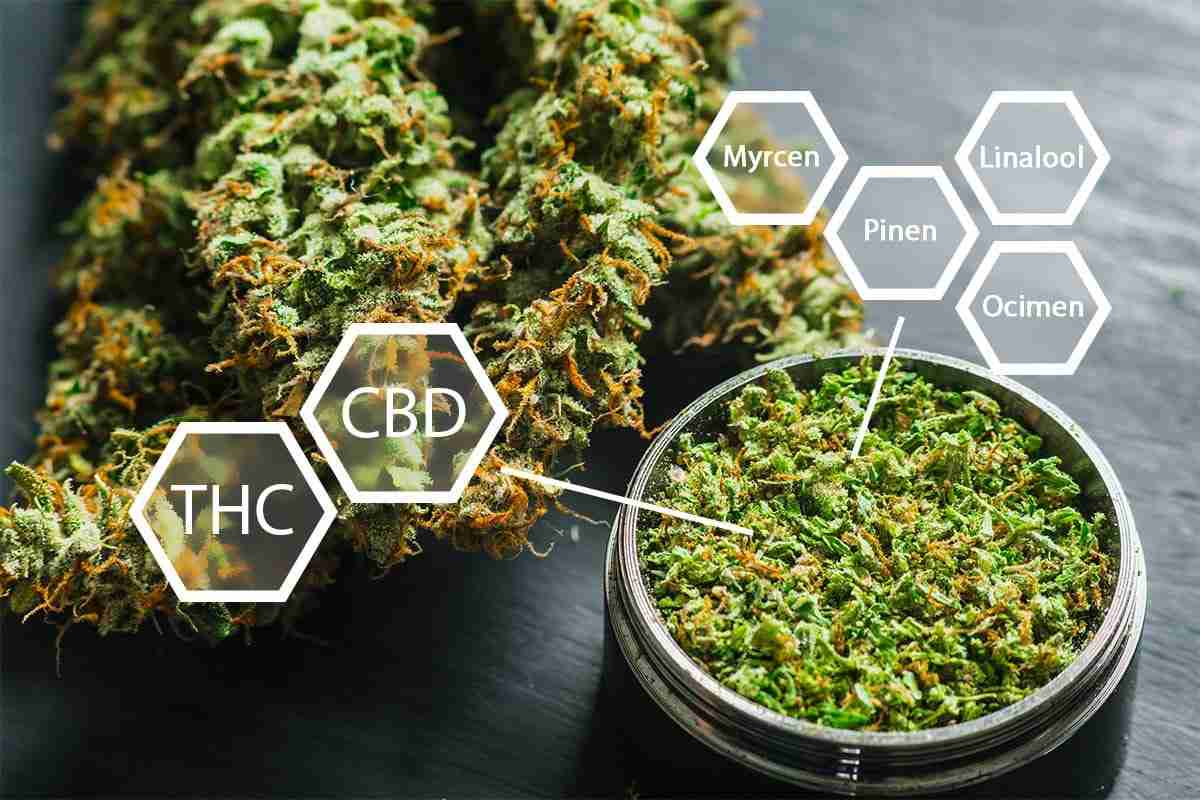
Purchasing cannabis seeds in Australia requires careful consideration and knowledge of the available options. Whether you’re a collector seeking rare genetics or a hobbyist looking to understand seed varieties, navigating the Australian market involves understanding seed types, quality indicators, and legal considerations. This comprehensive guide walks you through every step of acquiring premium cannabis seeds whilst ensuring you make informed decisions that align with your collection goals.
The process of buying cannabis seeds in Australia centres on selecting reputable suppliers, understanding seed genetics, and choosing the right varieties for your purposes. Start by researching established seed banks that offer quality assurance, discrete shipping, and germination guarantees. Focus on suppliers who stock feminised seeds for guaranteed female plants, understand the difference between photoperiod and autoflowering varieties, and provide detailed strain information including THC/CBD profiles, growth characteristics, and expected outcomes. With proper research and careful selection, you can build a valuable seed collection that meets your specific interests.
Step 1: Research Reputable Australian Seed Banks
The foundation of acquiring quality cannabis seeds begins with identifying trustworthy suppliers within Australia. Look for seed banks with established reputations, transparent business practices, and positive customer feedback. Reputable suppliers typically maintain detailed websites showcasing their complete catalogue, provide comprehensive strain descriptions, and offer customer support channels. Additionally, check for germination guarantees which demonstrate the supplier’s confidence in their seed viability.
When evaluating potential suppliers, examine their shipping policies and packaging methods. Premium seed banks employ discrete packaging to ensure privacy whilst protecting seeds during transit. Furthermore, assess their payment options—established businesses offer multiple secure payment methods and maintain SSL-encrypted checkout processes. Reading customer testimonials on independent review platforms provides valuable insights into shipping times, seed quality, and overall customer satisfaction. Take time to compare several suppliers before making your decision, as this research phase significantly impacts your overall experience.
Step 2: Understand Seed Types and Genetics
Comprehending the fundamental differences between seed varieties empowers you to make informed selections. Cannabis seeds primarily fall into three categories: regular seeds (producing both male and female plants), feminised seeds (producing exclusively female plants), and autoflowering seeds (flowering based on age rather than light cycles). For most collectors and enthusiasts, feminised seeds represent the optimal choice as they eliminate male plants, ensuring your collection focuses on desirable genetics.
Beyond gender determination, understanding photoperiod versus autoflowering characteristics proves essential. Photoperiod seeds require specific light schedules to transition from vegetative growth to flowering, offering greater control over plant size and harvest timing. Conversely, autoflowering varieties complete their lifecycle regardless of light schedules, typically maturing faster with more compact growth patterns. Our detailed comparison of autoflower versus photoperiod seeds explores these differences comprehensively, helping you determine which genetics suit your interests best.
Genetic Lineage Matters
Investigate each strain’s genetic background to understand its characteristics. Indica-dominant varieties typically exhibit compact growth and sedating effects, whilst sativa-dominant strains tend toward taller plants with energising properties. Hybrid genetics combine these traits in varying ratios, offering balanced characteristics. The botanical classification of Cannabis indica provides scientific context for understanding these genetic differences.
Step 3: Select Strains Based on Your Requirements
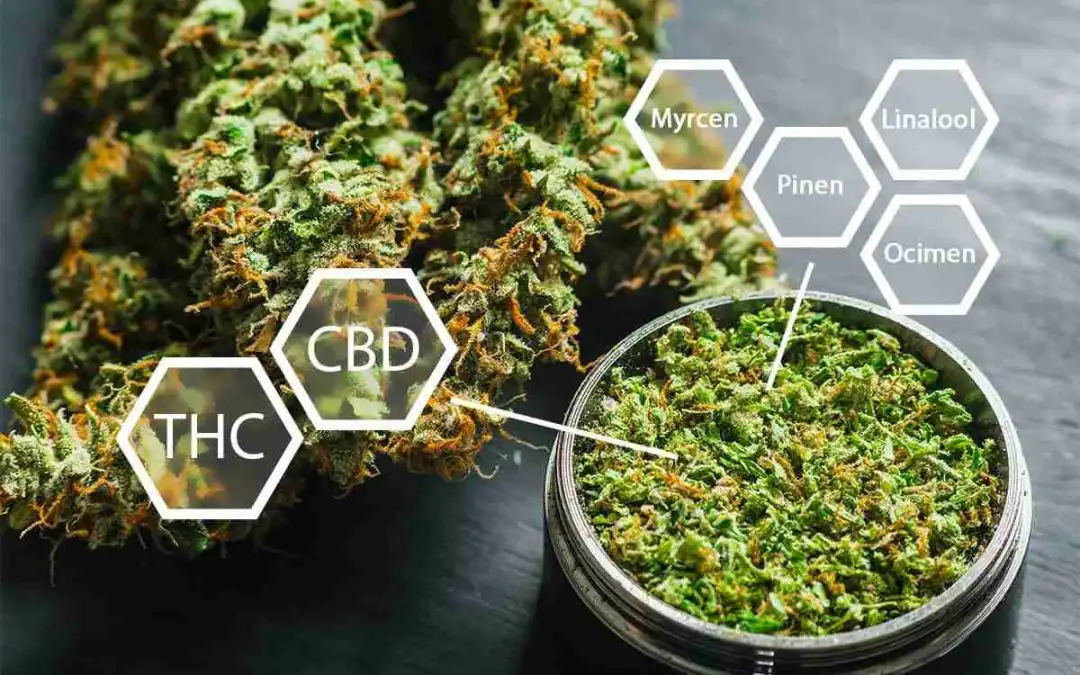
Choosing specific strains requires aligning seed characteristics with your collection goals. Consider factors including cannabinoid profiles (THC, CBD, THCV), terpene compositions affecting aroma and flavour, growth difficulty levels, and expected plant sizes. Beginning collectors often prefer robust, forgiving strains like Northern Lights or Blue Dream, whilst experienced enthusiasts might seek exotic genetics or landrace varieties.
For those interested in high-potency genetics, strains with elevated THC levels offer compelling characteristics worth studying. The Auto Gorilla Glue Feminized Seeds combine the renowned Gorilla Glue genetics with autoflowering convenience, delivering impressive resin production and robust growth traits that make them excellent specimens for any collection. Similarly, the Auto Runtz Feminized Seeds showcase modern breeding achievements with their distinctive purple hues and exceptional cannabinoid profiles.
When building a diverse collection, consider including various genetic backgrounds. Indica-dominant varieties offer compact growth patterns, whilst sativa genetics provide unique terpene profiles. Balanced hybrids deliver the best characteristics from both lineages, creating well-rounded specimens. Additionally, examine flowering times—autoflowers typically complete their cycle in 8-10 weeks, whilst photoperiod strains may require 10-14 weeks depending on the variety.
Step 4: Verify Quality Assurance and Testing
Premium seed banks implement rigorous quality control measures ensuring genetic stability and high germination rates. Look for suppliers who conduct regular germination testing, maintain climate-controlled storage facilities, and source genetics from reputable breeders. Quality assurance extends beyond basic viability—it encompasses genetic authenticity, meaning the seeds you receive accurately represent the advertised strain characteristics.
Transparency regarding seed testing procedures distinguishes professional operations from unreliable sources. Established seed banks often publish their testing methodologies, germination success rates, and storage protocols. Moreover, they typically offer fresh stock rotation, ensuring you receive recently harvested seeds with optimal viability rather than outdated inventory. Some suppliers even provide batch numbers or harvest dates, allowing you to track seed freshness accurately.
Examine Seed Appearance
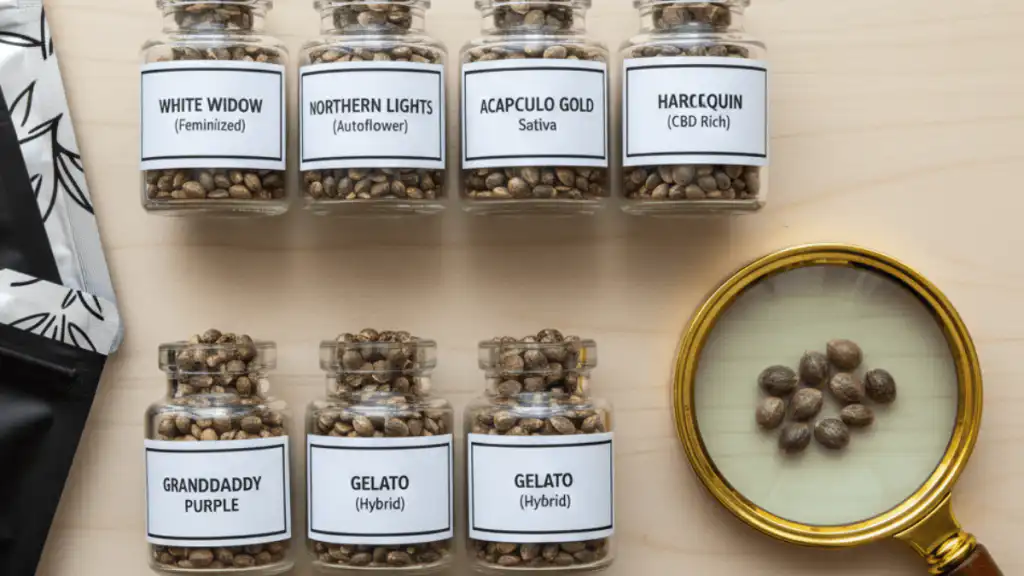
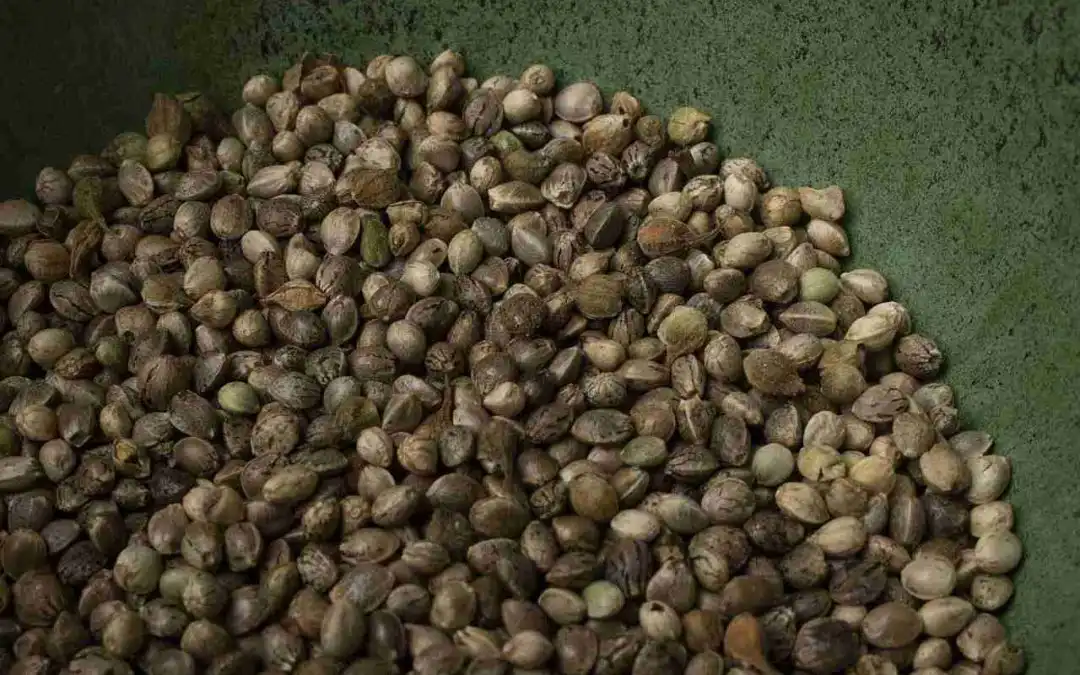
Whilst visual inspection cannot guarantee germination, healthy cannabis seeds display characteristic traits. Quality seeds exhibit dark colouration (brown, grey, or black), a waxy coating providing moisture protection, and a firm, intact outer shell. Conversely, pale green seeds, cracked shells, or soft textures often indicate immaturity or improper storage. Reputable suppliers provide high-resolution photographs allowing you to assess seed appearance before purchasing.
Step 5: Complete Your Purchase Securely
Once you’ve selected your desired strains, proceeding through checkout requires attention to security and accuracy. Verify that the website employs SSL encryption (indicated by “https://” in the URL and a padlock icon). Review your order carefully, confirming strain names, quantities, and pricing before finalising. Most Australian seed banks accept various payment methods including credit cards, bank transfers, and sometimes cryptocurrency for enhanced privacy.
During checkout, provide accurate shipping information whilst being mindful of privacy preferences. Premium suppliers offer discrete packaging without external branding or identifiable markings. Additionally, consider purchasing during promotional periods when many seed banks offer discounted pricing or bonus seeds with orders. Some suppliers maintain loyalty programmes rewarding repeat customers with exclusive access to limited releases or preferential pricing on popular genetics.
After completing your purchase, reputable seed banks provide order confirmation emails containing tracking information once your package ships. Typical delivery timeframes within Australia range from 3-7 business days depending on your location and the supplier’s shipping methods. Throughout this process, legitimate businesses maintain professional communication channels should you require assistance or have questions regarding your order.
Proper Storage After Purchase
Preserving seed viability after purchase demands appropriate storage conditions. Cannabis seeds remain viable for extended periods when stored correctly, maintaining germination potential for several years under optimal conditions. The three primary factors affecting seed longevity include temperature, humidity, and light exposure. Ideal storage involves cool, dark, and dry environments, with many collectors utilising refrigerators for long-term preservation.
For those building extensive collections, the Master Kush Grand Feminized Seeds represent classic genetics worth preserving properly, as this legendary indica lineage has withstood the test of time through decades of breeding programmes.
Store seeds in airtight containers such as glass jars or vacuum-sealed bags to prevent moisture infiltration and oxidation. Silica gel packets placed within storage containers absorb residual moisture, further protecting seed integrity. Label containers with strain names and purchase dates to maintain organised collections. For comprehensive guidance on extending seed lifespan, consult our detailed article on how long cannabis seeds last under various storage conditions.
Temperature stability proves equally important—avoid locations experiencing significant temperature fluctuations such as windowsills or garages. Refrigerator storage maintains consistent cool temperatures, though seeds should reach room temperature before opening their containers to prevent condensation formation. When properly stored, quality cannabis seeds retain germination viability exceeding 80% for multiple years, preserving your investment and allowing you to expand your collection gradually over time.
Understanding Legal Considerations
Whilst this guide focuses on the practical aspects of purchasing cannabis seeds, understanding the legal framework proves essential for responsible collecting. In Australia, regulations vary between states and territories, with some jurisdictions permitting seed possession for collecting purposes whilst others maintain stricter interpretations. Cannabis seeds themselves contain negligible cannabinoid content, distinguishing them legally from mature plants in many contexts. However, collectors should research their local regulations thoroughly before purchasing.
Reputable seed banks operating within Australia structure their businesses around the collecting and preservation of cannabis genetics as botanical specimens. They typically include disclaimers regarding intended use and clearly state that seeds are sold strictly for collection, preservation, or as souvenirs. Responsible collectors maintain their acquisitions within legal frameworks, appreciating the genetic diversity and breeding achievements these seeds represent without crossing into prohibited activities. For current information regarding cannabis regulations, refer to resources from government health departments and legal advisories specific to your jurisdiction.
Building a Diverse Collection
As you develop your seed collection, diversity enhances both educational value and genetic preservation efforts. Consider acquiring representatives from different genetic families—classic landrace varieties, modern polyhybrids, and specialty genetics focusing on unique cannabinoid profiles. Cannabis seed bundles offer economical approaches to diversifying collections, often featuring curated selections showcasing particular characteristics such as high THC content, CBD-rich varieties, or specific terpene profiles.
Documenting your collection adds significant value to the collecting experience. Maintain records including strain names, breeders, purchase dates, and genetic lineages. This information proves invaluable when assessing genetic diversity within your collection and planning future acquisitions. Furthermore, staying informed about breeding developments through resources like our guide to cannabis genetics evolution deepens your appreciation for the specimens you’ve acquired and helps identify emerging genetics worth adding to your collection.
Additionally, consider joining collector communities and forums where enthusiasts share knowledge, discuss breeding achievements, and exchange insights about rare genetics. These communities often provide early information about upcoming releases, limited edition drops, and sought-after genetics that might otherwise escape notice. Building relationships within the collecting community enhances your understanding whilst connecting you with like-minded individuals who share your passion for cannabis genetics preservation and appreciation.
Growing Bruce Banner in Australia requires understanding the precise harvest timing that maximizes this legendary strain’s potent THC content and complex terpene profile. This sativa-dominant powerhouse—named after the Hulk’s alter ego—delivers impressive yields when cultivated properly, but choosing between autoflower and photoperiod versions significantly impacts your harvest timeline and approach. Australian growers face unique challenges including variable climate conditions and seasonal light patterns that directly influence optimal harvest windows.
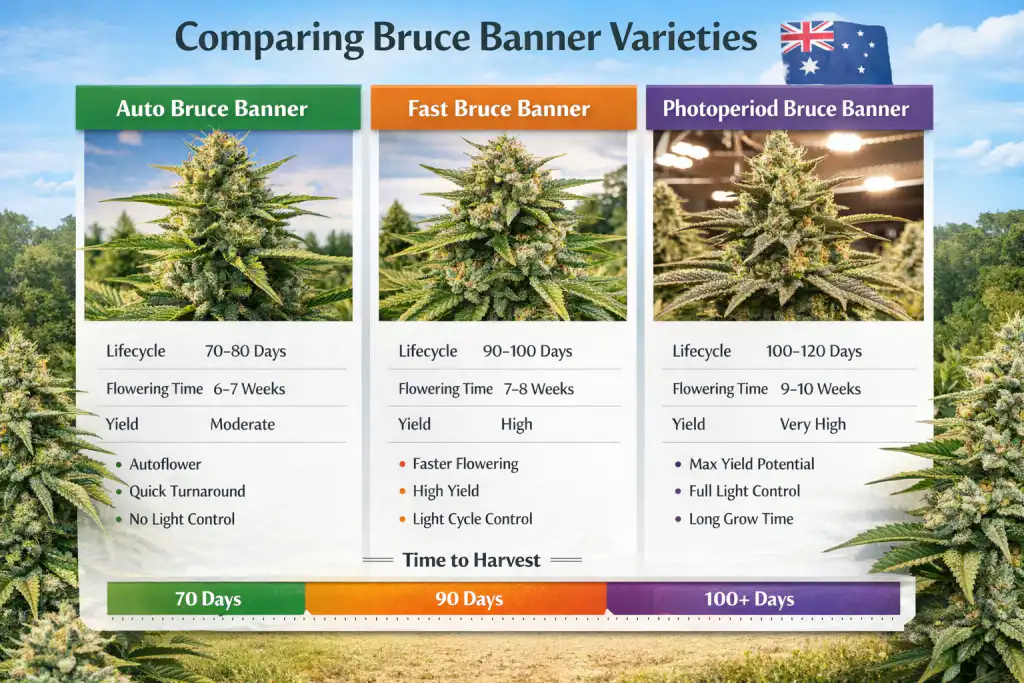
For Australian growers, Bruce Banner autoflower versions typically reach harvest readiness in 8-9 weeks from germination, while photoperiod versions require 9-10 weeks of flowering after the vegetative stage. The optimal harvest window occurs when 60-70% of trichomes display a cloudy appearance with approximately 20% amber coloration, indicating peak THC levels. Auto Bruce Banner varieties offer faster turnaround with multiple yearly harvests possible, while photoperiod versions provide larger yields per plant with greater control over plant size through vegetative manipulation.
Auto Bruce Banner vs Photoperiod: Harvest Timeline Comparison
The fundamental distinction between autoflowering and photoperiod Bruce Banner varieties centers on their harvest schedules and cultivation requirements. Autoflower genetics incorporate ruderalis heritage that triggers flowering based on plant maturity rather than light cycle changes, creating predictable timelines regardless of seasonal variations. This characteristic makes Auto Bruce Banner particularly valuable for Australian growers working within restricted growing seasons or seeking multiple harvests annually.
Photoperiod Bruce Banner requires specific light cycle manipulation—typically 12 hours of darkness—to initiate flowering, giving cultivators precise control over vegetative growth duration. This flexibility allows experienced growers to develop larger plants with extensive canopy development before triggering the flowering phase. However, outdoor photoperiod cultivation in Australia becomes constrained by natural seasonal light patterns, limiting harvest opportunities to specific annual windows determined by latitude and regional daylight variations.
Auto Bruce Banner completes its entire lifecycle in approximately 70-80 days from seed germination to harvest readiness. This compressed timeline includes a brief 2-3 week vegetative period followed by 6-7 weeks of flowering development. The Auto Bruce Banner Feminised Seeds from Sacred Seeds Australia exemplify this rapid cultivation cycle, delivering impressive potency despite the accelerated growth schedule.
Photoperiod Bruce Banner demands substantially longer total cultivation periods, though flowering duration remains comparable at 9-10 weeks once initiated. The vegetative phase can extend anywhere from 4-8 weeks depending on grower preferences and space constraints, bringing total cultivation time to 13-18 weeks minimum. This extended timeline creates opportunities for training techniques like topping, LST (low-stress training), and SCROG (screen of green) methods that significantly boost final yields beyond autoflower capabilities.
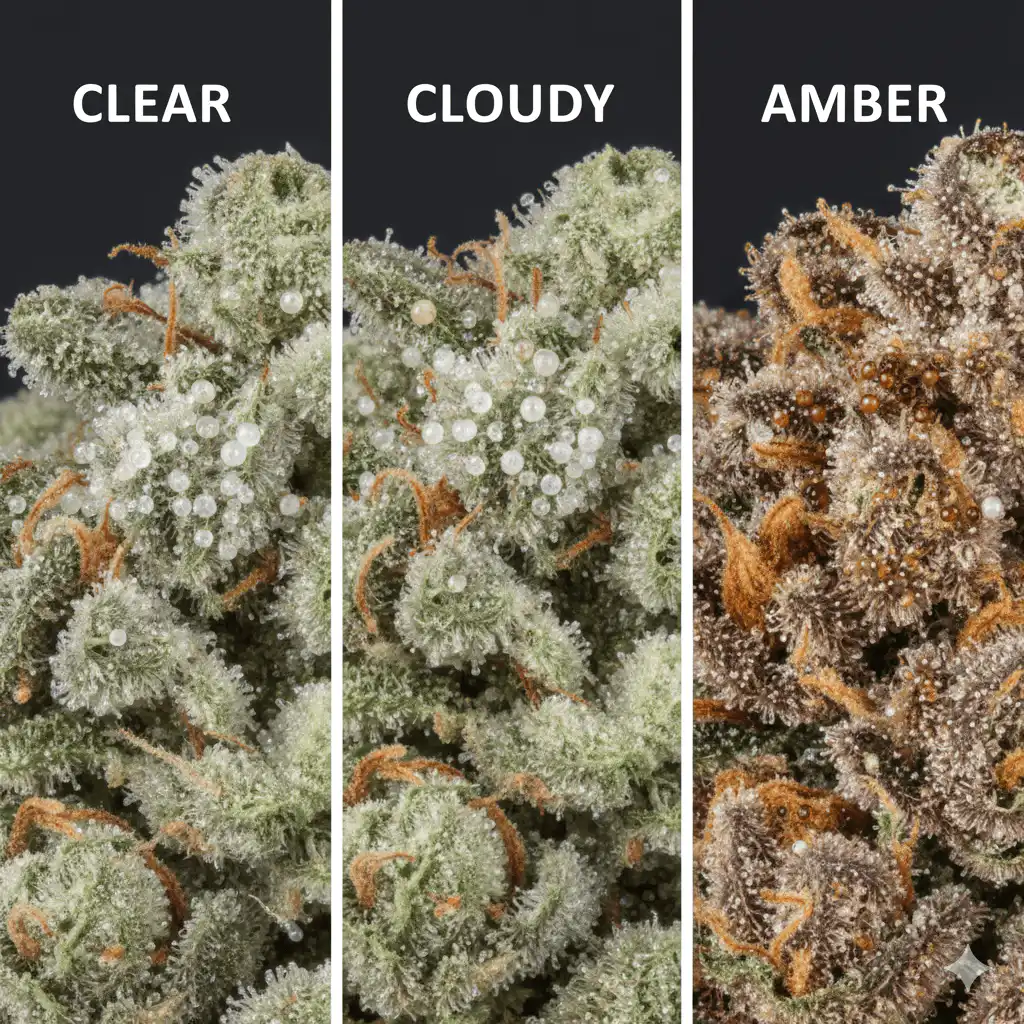
Accurate harvest timing determination requires systematic trichome examination using quality magnification equipment. Jeweler’s loupes with 60x magnification or digital microscopes provide sufficient detail to assess trichome maturity across Bruce Banner’s dense flower structures. Trichome development progresses through three distinct phases: clear (immature), cloudy (peak THC), and amber (THC degrading to CBN), with optimal harvest occurring during the cloudy-dominant phase mixed with early amber development.
For Bruce Banner specifically, harvest timing dramatically influences the experiential profile. Early harvests during the predominantly clear-to-cloudy transition produce more cerebral, energetic effects characteristic of sativa-dominant genetics. Conversely, waiting until 30-40% amber trichomes develop creates heavier, more sedative effects as THC converts to CBN. Most Australian growers targeting Bruce Banner’s signature potent, uplifting experience harvest when trichomes display 60-70% cloudy appearance with 20-30% amber coloration.
Beyond trichome assessment, secondary harvest indicators include pistil coloration changes and overall flower density. Bruce Banner pistils transition from bright white to deep orange-brown as maturity progresses, with 70-90% darkened pistils typically correlating with optimal harvest windows. Additionally, flower calyxes swell noticeably during final ripening stages, creating the dense, resinous buds Bruce Banner is renowned for producing. Monitoring these multiple indicators simultaneously provides comprehensive harvest readiness confirmation.
Australian growers should examine trichomes from multiple plant locations, as outer canopy flowers often mature faster than lower branches receiving reduced light exposure. This maturity variance occasionally necessitates staged harvesting, where top colas are removed first while allowing lower flowers additional ripening time. Understanding amber trichome development and harvest timing becomes crucial for maximizing both yield quantity and quality across the entire plant structure.
Australian Climate Zones: Regional Harvest Variations
Australia’s diverse climate zones create substantially different growing conditions that impact Bruce Banner harvest timing and cultivation approaches. Northern tropical and subtropical regions experience minimal seasonal temperature variation with extended growing seasons, allowing multiple autoflower crops or year-round photoperiod cultivation in controlled environments. Queensland’s coastal areas and Northern Territory regions provide particularly favorable conditions for extended outdoor photoperiod cultivation with natural light cycle transitions occurring gradually.
Southern temperate zones including Victoria, Tasmania, and southern coastal regions present more constrained outdoor growing windows due to pronounced seasonal variations and cooler winter temperatures. Photoperiod Bruce Banner cultivation in these areas typically requires spring planting for autumn harvest, aligning flowering periods with naturally decreasing daylight hours. Autoflower varieties offer greater flexibility in these regions, with potential for spring and summer plantings that complete before autumn temperature drops compromise plant health.
Central arid regions experience extreme temperature fluctuations between day and night, creating additional cultivation challenges that impact harvest planning. While these areas receive abundant sunlight ideal for cannabis cultivation, water availability and temperature management become critical factors. Bruce Banner’s robust genetics handle moderate environmental stress reasonably well, though extreme heat during flowering can degrade terpene profiles and reduce final potency regardless of optimal harvest timing.
Coastal humidity levels across northern Australia require careful attention to mold and fungal issues, particularly during Bruce Banner’s dense flower development. High humidity during late flowering stages increases botrytis (bud rot) risks that can devastate crops approaching harvest readiness. Growers in these regions often prefer slightly earlier harvests—sacrificing minor potency gains—to minimize mold exposure risks during extended humid periods. Understanding regional climate patterns becomes essential for successful Bruce Banner cultivation planning.
Yield Expectations: Auto vs Photoperiod Performance
Yield potential represents one of the most significant distinctions between Auto Bruce Banner and photoperiod versions. Photoperiod Bruce Banner plants, given adequate vegetative time and proper training, regularly produce 400-600 grams per square meter indoors or 600-800 grams per plant outdoors under optimal conditions. This substantial yield potential stems from extended vegetative periods allowing extensive root system development and canopy expansion before flowering initiation.
Auto Bruce Banner varieties typically yield 350-450 grams per square meter indoors or 100-200 grams per plant outdoors, reflecting their compressed growth timeline and limited vegetative development. However, this reduced per-plant yield becomes offset by dramatically faster harvest cycles enabling multiple crops annually. Australian growers can potentially achieve 3-4 autoflower harvests in the same timeframe required for single photoperiod crop completion, potentially matching or exceeding total annual production.
Plant density considerations further impact comparative yield analysis. Autoflower varieties’ compact stature permits higher plant counts per square meter—often 9-16 plants compared to 4-6 photoperiod plants—partially compensating for reduced individual plant production. This density advantage proves particularly valuable for Australian growers with space limitations or those cultivating in discrete indoor environments where vertical space constraints limit large plant development.
Environmental optimization significantly influences yield outcomes for both varieties. Bruce Banner responds exceptionally well to proper nutrient management, with balanced feeding schedules supporting the strain’s heavy flower production. Photoperiod versions tolerate aggressive training techniques and higher nutrient concentrations during extended vegetative growth, while autoflowers require gentler approaches due to limited recovery time during their accelerated lifecycle. Those interested in exploring detailed autoflower cultivation techniques can maximize yields despite genetic limitations.
Harvest Timing Strategies for Maximum Potency
Strategic harvest timing maximizes Bruce Banner’s legendary potency while preserving its complex terpene profile. This strain naturally produces exceptional THC levels—often testing 25-29%—making proper harvest timing crucial for capturing peak cannabinoid concentrations. Research indicates THC production peaks during the cloudy trichome phase, with extended ripening periods converting THC to less psychoactive cannabinoids like CBN and CBD.
For maximum THC content and characteristic Bruce Banner effects, harvest should occur when trichomes transition from predominantly cloudy to approximately 10-20% amber. This narrow window—typically lasting only 3-5 days—requires vigilant monitoring during final flowering stages. Delaying harvest beyond this point gradually reduces potency while shifting effects toward sedative profiles inconsistent with Bruce Banner’s energetic, creativity-enhancing reputation.
Terpene preservation requires additional consideration beyond cannabinoid optimization. Bruce Banner’s distinctive diesel-fuel aroma with sweet berry undertones derives from complex terpene combinations including caryophyllene, limonene, and myrcene. These volatile compounds begin degrading once trichome production ceases, making timely harvest essential for preserving aromatic and flavor complexity. Excessive ripening—indicated by 40%+ amber trichomes—typically correlates with noticeable terpene degradation regardless of maintained THC levels.
Pre-harvest flushing practices impact final product quality and smoothness. Most experienced cultivators implement 7-14 day flushing periods using plain pH-balanced water to remove residual nutrients from plant tissues. This process should begin strategically—timed to conclude precisely at optimal trichome maturity—requiring harvest planning that accounts for both trichome development rates and flushing duration. Understanding fundamental differences between autoflower and photoperiod cultivation helps growers time flushing appropriately for each variety type.
Environmental Stress and Harvest Timing
Environmental stressors during late flowering impact optimal harvest windows and final product quality. Temperature fluctuations, light cycle interruptions, or nutrient imbalances can trigger premature trichome degradation or arrested development, complicating standard harvest timing protocols. Bruce Banner demonstrates moderate stress tolerance, though severe environmental issues may necessitate earlier harvests to preserve viable flower material.
Deliberate late-stage environmental manipulation—like reduced temperatures or modified light spectrums—can enhance trichome production and anthocyanin development in Bruce Banner’s Hulk phenotypes. However, these techniques require careful implementation to avoid counterproductive stress responses. Australian growers should consider regional climate patterns when planning harvest timing strategies, as unexpected weather events can necessitate premature harvesting to prevent crop loss.
Post-Harvest Processing Comparison
Post-harvest processing requirements differ subtly between Auto Bruce Banner and photoperiod versions, primarily relating to flower density and moisture content. Photoperiod Bruce Banner typically develops larger, denser colas requiring extended drying periods to prevent interior moisture retention that promotes mold development. Optimal drying occurs over 10-14 days at 60-65°F with 55-60% relative humidity, though dense photoperiod flowers occasionally require extended periods approaching 16-18 days for thorough moisture removal.
Auto Bruce Banner’s generally smaller, less dense flower structure facilitates slightly faster drying—typically 7-10 days under identical environmental conditions. This accelerated drying timeline reduces mold risks while requiring vigilant monitoring to prevent over-drying that degrades terpene profiles and creates harsh smoke characteristics. Proper drying represents the critical first step in post-harvest processing, directly impacting final product quality regardless of cultivation method excellence.
Curing processes remain consistent across both varieties, requiring 2-8 weeks in sealed containers with periodic burping to release accumulated moisture and gases. Bruce Banner’s high resin content benefits from extended curing periods—minimum 4 weeks—that mellow harsh flavor notes while enhancing terpene complexity. Properly cured Bruce Banner develops smooth smoke characteristics with pronounced flavor profiles reflecting the strain’s genetic heritage, whether derived from autoflower or photoperiod sources.
Trimming approaches vary based on personal preference and intended use. Wet trimming—removing leaves immediately after harvest—facilitates faster, more even drying particularly beneficial for Bruce Banner’s dense flower structures. Dry trimming—waiting until after drying completion—provides superior terpene preservation and slower, more controlled moisture removal, though requiring additional labor during more delicate dried material handling. Many Australian cultivators explore feminised seed benefits that eliminate male plant concerns, simplifying harvest planning and processing logistics.
Storage Optimization for Long-Term Quality
Proper storage extends Bruce Banner’s potency and flavor profile preservation for 12-24 months beyond harvest completion. Storage containers should provide airtight seals preventing oxygen exposure while blocking light penetration that degrades cannabinoids. Glass mason jars represent the gold standard for home storage, though commercial-grade vacuum-sealed bags offer superior long-term preservation for larger quantities.
Storage environment maintenance requires consistent cool temperatures (60-70°F) and low humidity (55-62% RH) preventing mold development while minimizing cannabinoid degradation. Humidity control packs specifically designed for cannabis storage help maintain optimal moisture levels, preventing both over-drying and excess moisture accumulation. Understanding proper storage techniques for cannabis materials maximizes return on cultivation investment by preserving harvest quality over extended periods.
Quality Assessment Post-Cure
Evaluating Bruce Banner quality after curing completion involves multiple sensory and visual assessments. Properly processed Bruce Banner displays vibrant coloration—typically lime green with occasional purple hues—and intact trichome coverage appearing frosty under lighting. The distinctive aroma should present prominently without excessive hay or grass notes indicating improper drying or curing processes.
Physical flower characteristics provide additional quality indicators. Properly dried and cured Bruce Banner should feel slightly springy when squeezed, not crumbling excessively (over-dried) or feeling moist and pliable (under-dried). The burn quality test—observing ash color and smoke smoothness—offers practical quality assessment, with white ash and smooth inhalation indicating thorough flushing and proper post-harvest processing. According to cannabis cultivation research, proper post-harvest handling significantly impacts final product quality regardless of cultivation excellence.
Selecting Your Bruce Banner Variety
Choosing between Auto Bruce Banner and photoperiod versions ultimately depends on individual growing circumstances and priorities. Autoflower varieties excel for Australian growers seeking rapid harvests, discrete cultivation, or multiple annual crops within space-constrained environments. The compressed timeline and predictable scheduling eliminate photoperiod lighting complexities while delivering impressive potency despite genetic yield limitations.
Photoperiod Bruce Banner suits experienced cultivators prioritizing maximum yields and complete environmental control throughout extended cultivation periods. The ability to manipulate vegetative duration, implement aggressive training techniques, and precisely time flowering initiation provides optimization opportunities unavailable with autoflower genetics. For those building comprehensive seed collections, exploring Sacred Seeds’ complete catalog reveals diverse genetic options beyond Bruce Banner varieties.
Both varieties deliver Bruce Banner’s legendary potency and distinctive effects when cultivated properly with attention to strain-specific requirements. Australian growers should assess their regional climate patterns, available space, experience level, and harvest timeline preferences when selecting appropriate Bruce Banner genetics. Regardless of variety selection, understanding optimal harvest timing and post-harvest processing techniques remains essential for maximizing this exceptional strain’s potential.
Fast Bruce Banner: The Middle Path
Fast Bruce Banner offers a practical middle ground between autoflower convenience and photoperiod performance. Created by crossing Bruce Banner photoperiod genetics with a ruderalis-derived fast-flowering line, Fast Version plants retain the structure, potency, and yield potential of traditional photoperiod Bruce Banner while significantly reducing flowering time.
For Australian growers, Fast Bruce Banner typically flowers in 7–8 weeks, roughly 1–2 weeks faster than standard photoperiod Bruce Banner, making it especially valuable in regions with shorter outdoor seasons or unpredictable late-season weather. This reduced flowering window lowers the risk of mold, humidity damage, and early autumn temperature drops while still allowing growers to use familiar photoperiod training techniques.
Unlike autoflower varieties, Fast Bruce Banner still relies on light cycle changes to initiate flowering, meaning growers retain full control over vegetative growth duration and plant size. This makes Fast Version genetics ideal for cultivators who want photoperiod yields and control with a more forgiving harvest timeline.
In practice, Fast Bruce Banner often delivers larger yields than autoflower versions while finishing earlier than standard photoperiod plants, making it one of the most flexible Bruce Banner options available to Australian growers.
Ever put weeks into a plant just to find out it won’t give you any buds? It’s a gut punch. It all comes down to knowing about male and female weed seeds. Get this right, and you’re on your way.
Your Crash Course on Male and Female Weed Seeds
Figuring out the difference between male and female weed seeds is probably the first real lesson for anyone getting into growing cannabis.
It’s pretty straightforward, really. You want the female plants. They’re the ones that grow the dense, sticky buds everyone is after. The male plants have a different job. They make pollen. If that pollen gets on your females, you get a crop full of seeds, not the quality buds you were hoping for.
Key Takeaways
Female plants are what you’re after for a harvest. They are the ones that produce buds.
Male plants are for breeding. They make pollen, which creates more seeds. Most growers get rid of them on sight.
Feminized seeds are a way to make sure you only grow female cannabis plants. A huge time and space saver.
Regular seeds will give you both males and females. They’re for people who want to breed or don’t mind the extra work of weeding out the males.
So, Why are Female Plants That Important?
A study in Frontiers in Plant Science from 2020 points out that cannabis is a dioecious plant. That’s a science-y way of saying it produces separate male and female plants.
The females grow the flowers with all the good stuff. The males grow little pollen sacs. If those sacs burst open near your females, it messes things up. The female plant’s whole mission changes. It stops putting energy into making big, frosty buds and starts making cannabis seeds instead. For most growers, that’s a failed crop.
How to Tell the ‘Boys’ from the ‘Girls’
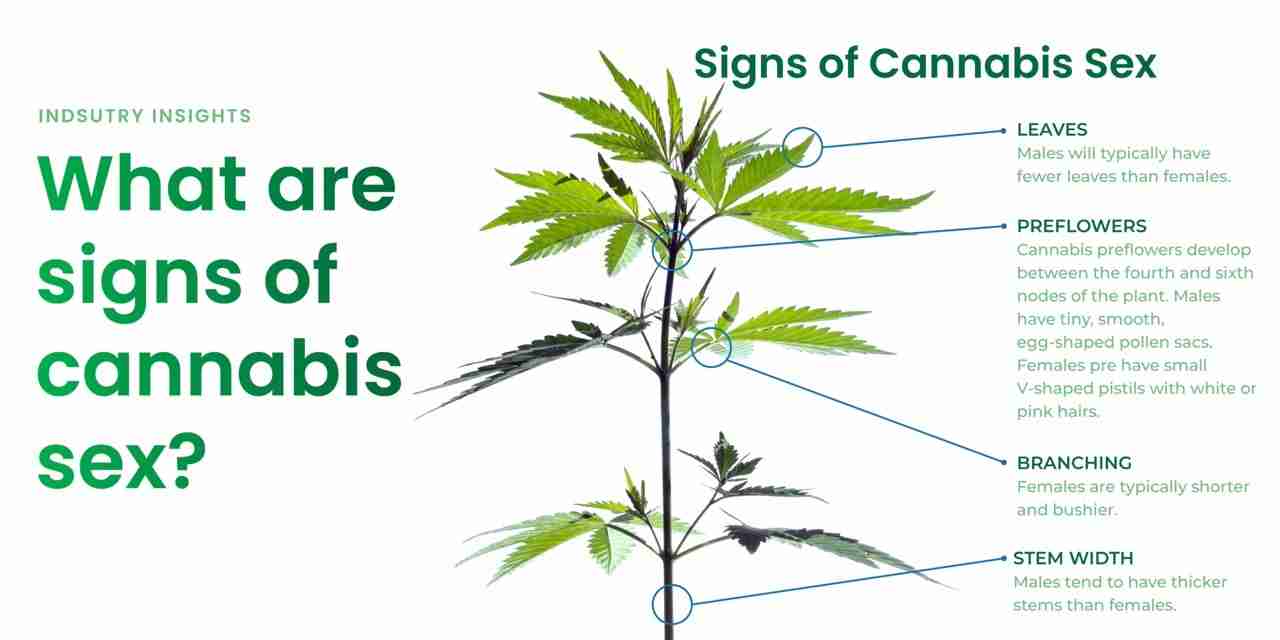
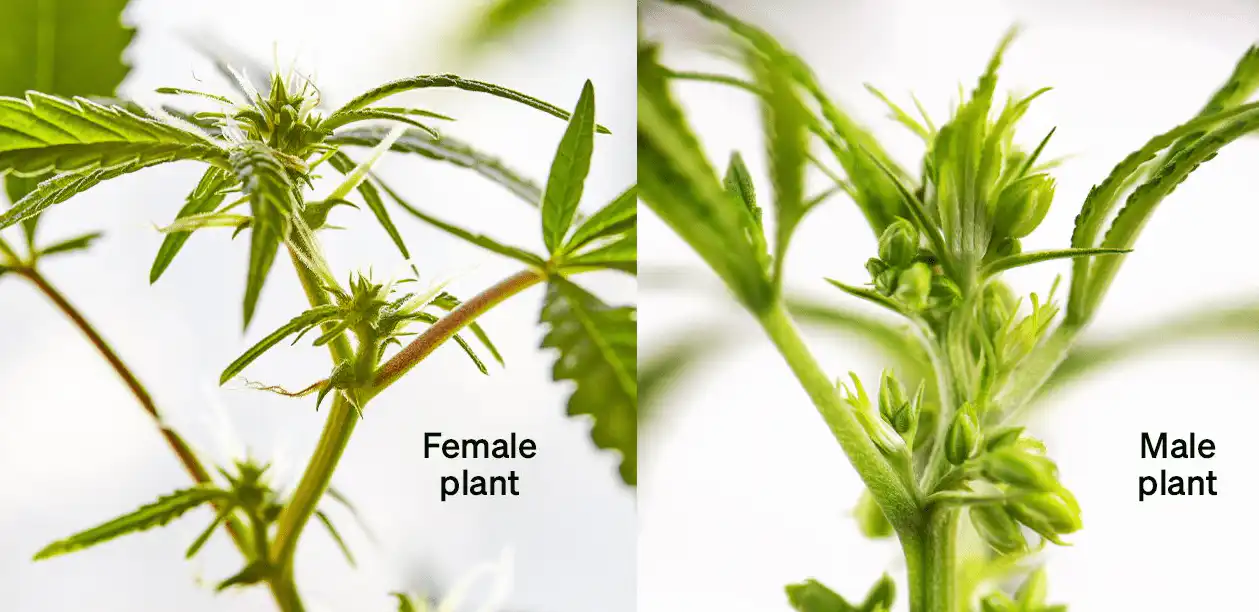
You save yourself a world of pain by spotting the males early. The trick is to look for the ‘pre-flowers’. These are tiny signs of sex that pop up where the branches meet the main stalk.
A male plant shows little green balls. They look like tiny bunches of grapes. Those are the pollen sacs.
A female plant shows a small teardrop-shaped pod with a couple of white hairs, called pistils, poking out of the top.
You’ll see these appear a few weeks into the vegetative stage. Get the males out before they open up and release that pollen.
Choosing Your Seeds: The Big Decision
Alright, so you know you need female plants. The next question is, how do you make sure you get them?
Getting poor-quality seeds is a waste of money and months of your time. You need a source that provides solid genetics. Below are a few reasons why thousands of Aussie growers trust a local, family-run operation like Sacred Seeds Australia.
1. Fast Local Shipping – No Customs Delays or Risks
There’s nothing worse than waiting weeks for an order from overseas, just to have it nabbed by customs. Because Sacred Seeds Australia is right here in the country, you get your order fast. We ship with Australia Post, and orders usually arrive in a few business days.
Everything is sent in discreet, compostable packaging, too.
2. Great Selection of Premium Strains (High THC, CBD, Autoflowers)
We have over 50 different strains from top breeders. You can get famous high-THC strains or find something with high CBD for medicinal purposes. We’ve got feminized photoperiods, and we’ve got autoflowering seeds, which are great for beginners because they are almost always feminized and flower automatically. You find the right seeds for your plans, whatever that is.
3. Proven Genetics and High Success Rates
The genetics inside that little seed shell determine everything. Bad genetics lead to weak plants or plants that turn hermaphrodite under stress.
We focus on premium, stable genetics. One Aussie grower on a forum said our seeds produced “almost twin plants with every strain, so if that ain’t stable I don’t know what is.” That stability is what you pay for. It means your female plants will grow the way they’re supposed to.
Talk is cheap. Results matter. Our website has over 1,800 verified reviews from real customers. People talk about the fast delivery and high germination rates.
One Reddit user put it plainly: “the business is definitely legit, safe payment with competitive pricing and quick shipping from within Australia.”
We’re an Aussie family that values our reputation.
Benefits of Getting Quality Seeds
Good seeds make everything easier.
Better Yields and Potency: Good genetics mean your plants have the blueprint to grow big and strong. With our feminized seeds, you’re not wasting space on non-budding males.
Major Cost Savings: It saves you a lot of money in the long run. One single seed that costs maybe $15 can produce hundreds of dollars’ worth of flowers.
Fewer Legal Headaches: For those in the ACT or with a licence, using a local supplier like us avoids the legal troubles of importing. We ship discreetly from within Australia, which is a much safer bet.
Few Things To Be Careful About
Today’s high-THC strains are very strong. Research from the British Journal of Psychiatry found links between heavy use of strong cannabis and psychosis, especially in younger people. So go slow and know your limits.
And while it feels like a harmless plant, about 1 in 10 regular users might develop a dependence, according to Australian health data. Be mindful of your use.
Finally, know your local laws. Outside of the ACT, germinating marijuana seeds is illegal. Seeds are sold as souvenirs for adults. Always follow the law in your state.
FAQs
What are hermaphrodite plants?
A hermaphrodite or “hermie” is a single cannabis plant that develops both male pollen sacs and female flowers. It often happens due to stress and is bad because the plant can pollinate itself and your other female plants, filling your buds with seeds.
If I find a male, how quickly do I need to remove it?
You should remove it immediately. The pollen sacs can open very quickly once they are mature. Check your plants daily once they start showing pre-flowers.
What’s the main benefit of autoflowering strains again?
Their biggest advantage is speed and simplicity. They switch to the flowering stage automatically based on age, not a light schedule. This, combined with them being feminized, makes them perfect for new growers.
How long do baby cannabis plants take to show sex?
Baby cannabis plants usually show pre-flowers around week four to six of the vegetative stage. Experienced growers check carefully to determine sex before pollen sacs form.
What’s the difference between feminised seeds and female seeds?
Female seeds is a loose term some people use, but feminised seeds are specifically bred to produce only female cannabis plants. They’re the safest choice for people who want only females.
Do male or female plants grow faster?
Male or female plants grow at similar rates early on. Male cannabis plants often show pre-flowers earlier, which helps growers spot them before they produce pollen.
Are there guaranteed female plants?
Using feminised cannabis seeds is the closest you’ll get to guaranteed female plants. Most growers prefer them to regular marijuana seeds because they save time and space.
What’s the difference between feminized plants and feminised strains?
Feminized plants are the actual marijuana plants grown from feminised seeds. Feminised strains are the specific cannabis strain genetics bred to reliably produce female plants.
At Sacred Seeds, we know that seed quality of utmost importance. That is why every batch we release is put through 2 layers of internal testing to make sure it meets our expectations for freshness, structure, and viability.
This post gives you a look behind the curtain at how we test seeds before they ever reach our shelves.
Cannabis seeds are living material. That means natural variation is unavoidable — some will always be stronger than others. To keep our quality consistent, our breeders sample and test each batch, and then we do the same. If results don’t meet their benchmark, the entire lot is pulled and replaced before it reaches us, and if what reaches us doesn’t meet our 95% benchmark, we pull it and replace before it reaches any customers. This double testing method ensures we know that what we ship to customers has been thoroughly vetted for quality.
How We Test: The Paper Towel Method
For consistency, we only use one process: the paper towel method. It’s simple, repeatable, and reliable. This is the gold standard across the industry for a good reason. The beauty of this method is that you can see what is going on before transferring to medium.
Here’s how we do it:
1: A layer of damp tissue is placed on a plate, container or in a jiffy bag. We prefer open jiffy bag for some air flow. We use distilled or rain water. (NOT TOWN WATER)
2: Seeds are spread out evenly on top. Always use tweezers. Not not touch with fingers.
3: Another damp tissue is placed over them, and a second plate is inverted over the top to keep the environment dark and moist.
4: The setup is kept at a steady ~22-25 °C. We check every couple of days and mist tissues if needed.
Under these conditions, most seeds show signs of life within a few days, while some may take a little longer. Please give it up to 7 days.
What We Look For
Speed of response — strong seeds usually show activity quickly.
Consistency across the batch — we look for uniform results, not just one or two standouts.
Healthy structure — emerging roots should be clean and robust, not weak or discoloured.
What Happens If a Batch Fails
On the rare occasion a batch performs below our standards, it never reaches our customers. We replace it with new stock from the same breeder line and retest before offering it for sale.
Why It Matters
This process is part of what makes our seeds collector-grade. By standardising how we test, we can keep our quality high and our results consistent.
Our Germination Guarantee
Because we know this method works, this is the only method by which our Germination guarantee can be invoked. All other methods (direct in soil, cubes, plugs etc) fall outside our zone of support and guarantee.
FAQ: How We Test Our Seeds
Q: What type of water do you use in your tests? We only use pure, clean water — ideally rainwater or filtered water. Tap water can contain chlorine or other additives that may interfere with testing.
Q: Why do you always use tweezers? Handling seeds directly with fingers can introduce oils, dirt, or pressure that damages delicate seed coats. We always use clean tweezers when moving seeds during testing to keep the process sterile and consistent.
Q: Why the paper towel method and not soil or pellets? The paper towel method gives us a controlled, repeatable environment: stable temperature, moisture, and light. Soil, peat pellets, or hydro setups add too many outside variables, so they aren’t part of our testing process.
Q: How do you control moisture levels? Towels are kept damp but never soaked. We make sure there’s no standing water, which can suffocate seeds or encourage mould.
Q: Why keep seeds in the dark? Light isn’t needed at this stage. We keep seeds enclosed with a plate or foil so they stay in a dark, humid environment, which mirrors how they’d naturally start underground.
Q: How long do you run your tests? We typically check once daily for up to five days (120 hours). Some seeds show activity sooner, but we allow the full time to account for natural variation. For some strains we have seen them take up to 7/8 days, but with strong results. This is because some strains have a naturally thicker shell than others.
Q: What happens if a seed shows signs of stress or mould during testing? That seed is marked as non-viable. If a pattern emerges across the batch, we pull the entire lot from sale and replace it before it ever reaches customers.
Q: How do you decide if a batch passes or fails? We look at overall consistency, speed of response, and root health. A healthy batch should show strong, clean taproots across the sample. Anything below our threshold is rejected.
The cannabis entourage effect is the reason two strains with identical THC percentages can produce completely different experiences. It’s also the reason experienced growers pay close attention to terpene profiles rather than just cannabinoid numbers — and why the 25% THC figure on a seed bank’s product page tells you less about what you’ll actually experience than the dominant terpenes in that strain’s chemical fingerprint.
The concept was first formally described by researchers Raphael Mechoulam and Shimon Ben-Shabat in 1998, and the scientific evidence supporting it has grown substantially since. The core idea is straightforward: the hundreds of compounds in cannabis — cannabinoids, terpenes, flavonoids — don’t operate independently. They interact with each other and with the body’s endocannabinoid system in ways that produce effects none of them could produce alone. Understanding the cannabis entourage effect changes how you think about strain selection, terpene profiles, and what THC percentage actually means.
For years, cannabis research focused almost entirely on isolated cannabinoids — THC and CBD in particular. This made scientific sense: isolating variables is the foundation of controlled research. But it produced a persistent problem. Whole-plant cannabis preparations consistently demonstrated different therapeutic profiles and experiential qualities compared to isolated compounds, even at equivalent cannabinoid doses. The reductionist model couldn’t account for what anyone who’d spent time with actual cannabis already knew — that two strains with identical THC could be profoundly different.
The entourage effect is the framework that explains this. When multiple cannabis compounds interact simultaneously, they produce effects that wouldn’t be achievable from any single component. They enhance each other’s beneficial properties, mitigate each other’s unwanted effects, improve bioavailability, and engage biological pathways that isolated compounds can’t access alone. The result is a “chemical fingerprint” unique to each strain — the specific combination and concentration of cannabinoids, terpenes, and flavonoids that determines what that strain actually does.
🧠 Jason — On Why Terpenes Matter More Than THC Percentages
I’ve been saying for years that chasing THC percentage is the wrong way to select genetics. The entourage effect is the science behind why. A strain with 18% THC and high myrcene content will hit harder and sedate more effectively than a 24% THC strain with a terpinolene-dominant profile — not because the percentages are wrong, but because myrcene facilitates THC crossing the blood-brain barrier and synergises with CB1 receptor activation in ways that raw THC content doesn’t capture. When I describe a strain’s terpene profile in a grow guide, this is why it matters. The terpenes aren’t just the flavour. They’re part of what the plant actually does.
Cannabinoid Interactions — THC, CBD, and the Minor Players
Cannabis contains over 100 different cannabinoids. THC and CBD receive the most attention because they’re present in the highest concentrations, but the interactions between all the cannabinoids — including the minor ones — meaningfully influence the character of a strain’s effects.
THC and CBD — the primary interaction
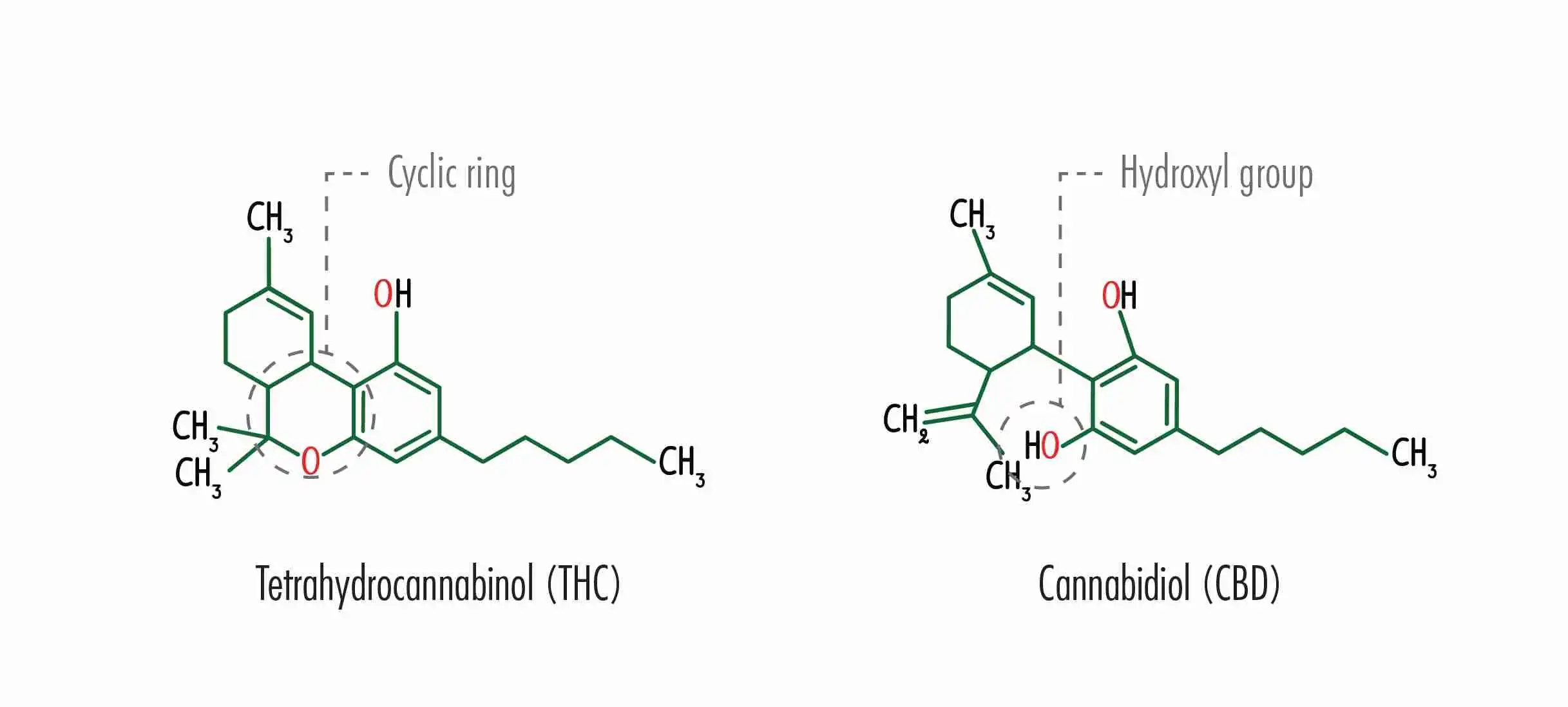
The ratio between THC and CBD is the most significant single variable in predicting cannabis effects. CBD acts as a negative allosteric modulator of the CB1 receptor — it changes the receptor’s shape when THC attempts to bind, reducing THC’s psychoactive effects while maintaining its therapeutic properties. This is the molecular mechanism behind the commonly observed phenomenon of CBD softening a THC experience. At higher CBD ratios the psychoactivity becomes more muted; at lower ratios the THC expression is more pronounced.
CBD also inhibits CYP2C9, the liver enzyme primarily responsible for metabolising THC, which extends THC’s duration in the system. And CBD engages serotonin receptors (5-HT1A) in ways that counter THC-induced anxiety — a separate pathway that explains why CBD-rich preparations produce less anxiety than equivalent high-THC preparations even when the THC content is identical.
In practice: high-THC, low-CBD strains like Gorilla Glue or Godfather OG produce stronger psychoactive and sedative effects. Balanced THC:CBD preparations moderate the psychoactivity while enhancing pain and inflammation relief. High-CBD, low-THC strains like White Widow CBD produce minimal psychoactivity with pronounced anti-inflammatory and anxiolytic properties.
The minor cannabinoids — supporting roles that matter
CBG (Cannabigerol) is the chemical precursor to most other cannabinoids — THC, CBD, and CBC all derive from CBGA during plant development. In the finished plant CBG is typically present in low concentrations, but it demonstrates its own receptor activity and synergises with other cannabinoids to enhance muscle-relaxant effects.
CBC (Cannabichromene) shows significant anti-inflammatory activity and promotes neurogenesis — the growth of new brain cells — in ways that neither THC nor CBD do independently. It works synergistically with THC for pain management and shows particular promise in combination with other cannabinoids for neurological applications.
CBN (Cannabinol) forms as THC degrades over time — it’s the oxidation product of THC and is why properly stored cannabis produces different effects to poorly stored material. CBN has mild sedative properties that become more pronounced when combined with myrcene, and it contributes meaningfully to the deeper sedation of late-harvest, amber-trichome cannabis where the THC-to-CBN conversion is more advanced. This is the mechanism behind harvesting at 20–25% amber for maximum sleep effect — covered in detail in the cannabis for sleep guide.
THCV (Tetrahydrocannabivarin) acts as a CB1 antagonist at low doses — the opposite of THC — producing appetite suppression, focus enhancement, and energy rather than the sedation and hunger that high-myrcene THC produces. It’s the compound responsible for the characteristically clear-headed, energising quality of Durban Poison and other THCV-rich African sativa genetics. The full THCV profile is covered in the THCV guide.
Terpenes — How They Modify Cannabinoid Effects
Terpenes are aromatic compounds found throughout the plant kingdom — they’re what gives lavender its scent, pine forests their smell, and cannabis its enormous variation in aroma and flavour. In cannabis they’re produced in the same trichomes as cannabinoids, and they do considerably more than contribute to aroma. They modify cannabinoid activity through multiple pharmacological mechanisms: altering blood-brain barrier permeability, influencing neurotransmitter levels, modulating receptor activity, and in the case of caryophyllene, directly activating cannabinoid receptors themselves.
Primary Cannabis Terpenes and Their Mechanisms
Myrcene — earthy, musky, herbal. The most abundant terpene in most modern cannabis varieties. Myrcene increases cell membrane permeability, facilitating THC crossing the blood-brain barrier and producing faster, more pronounced onset. It synergises with THC at CB1 receptors to amplify sedative effects and enhance analgesia. High myrcene content is what distinguishes a deeply sedating indica from a moderately relaxing one at the same THC percentage. Found in: Northern Lights, Godfather OG, Granddaddy Purple, Blue Dream.
Caryophyllene — spicy, peppery, fuel-adjacent. The only terpene known to directly activate cannabinoid receptors — specifically CB2, the receptor primarily associated with anti-inflammatory and immune effects. This makes caryophyllene unique among terpenes: it contributes to the cannabis experience through a cannabinoid receptor pathway independent of THC. It enhances the anti-inflammatory properties of CBD and works with THC for pronounced physical pain relief. Found in: Gorilla Glue, GSC, OG-lineage strains including Godfather OG.
Limonene — citrus, bright, uplifting. Elevates mood through serotonin pathway modulation and enhances CBD’s anxiolytic effects. Improves absorption of other terpenes through skin and mucous membranes. At the concentrations found in limonene-dominant strains it can offset THC-induced anxiety — one mechanism behind why some high-THC strains produce less anxiety than others at equivalent doses. Found in: Sativa-dominant and Cookies-lineage strains with citrus profiles.
Linalool — floral, lavender-like. Known for anxiolytic and sedative properties through GABA modulation — the same mechanism as benzodiazepine anxiolytics, though with significantly weaker effect. Enhances the anticonvulsant properties of cannabinoids and works synergistically with CBN for improved sleep quality. The combination of myrcene and linalool in strains like Granddaddy Purple produces one of the more pronounced sleep-promoting terpene profiles in the catalogue. Found in: Granddaddy Purple, some Afghani-lineage indicas.
Pinene — fresh pine, clean. Improves alertness and counteracts some of THC’s short-term memory effects through acetylcholinesterase inhibition. Works synergistically with CBD for anti-inflammatory effects and helps open bronchial pathways. The clean, alert quality of strains like Jack Herer and Blue Dream is partly attributable to the pinene contribution alongside the Haze sativa genetics.
Humulene — earthy, herbal, woody. Synergises with THCV to produce appetite suppression — the two compounds working through different mechanisms toward the same outcome. Enhances anti-inflammatory effects in combination with caryophyllene. Found in hops (Cannabis’s closest botanical relative), and in cannabis strains with earthy, herbal aroma profiles including White Widow.
🧠 Jason — On Terpene Biochemistry in Practice
The caryophyllene mechanism is the one I find most interesting because it’s pharmacologically unusual. Most terpenes influence the cannabis experience indirectly — through membrane permeability, neurotransmitter levels, receptor modulation. Caryophyllene actually binds to CB2 receptors directly. It’s technically a dietary cannabinoid as well as a terpene. When I talk about the anti-inflammatory and analgesic character of OG-lineage strains like Gorilla Glue and Godfather OG, the caryophyllene dominance is a significant part of what produces that. It’s not just the THC. The physical body effect in those strains is caryophyllene working through CB2 while the myrcene amplifies the THC at CB1. Understanding that changes how you think about what makes a strain genuinely effective for pain rather than just strongly psychoactive.
The Endocannabinoid System — The Biological Foundation
The endocannabinoid system (ECS) is a biological regulatory network present in all vertebrates. It consists of endocannabinoids — natural cannabis-like molecules produced by the body — along with the receptors they bind to and the enzymes that synthesise and break them down. The ECS regulates an extraordinary range of physiological processes: pain perception, mood, appetite, sleep, immune function, memory, and more. This breadth of function is why cannabis compounds, which interact directly with this system, produce such diverse effects.
The two primary cannabinoid receptors are CB1 and CB2. CB1 receptors are concentrated in the brain and central nervous system — they’re responsible for THC’s psychoactive effects and for cannabis’s role in pain perception, mood, and memory. CB2 receptors are primarily in immune tissue and the peripheral nervous system — they’re the site of cannabis’s anti-inflammatory and immunomodulatory effects.
But the entourage effect stems from cannabis compounds engaging far more than just these two receptor types. CBD acts on serotonin receptors (5-HT1A) — relevant to anxiety and mood. THC and CBD both interact with TRPV1 receptors involved in pain and temperature sensation. Minor cannabinoids and terpenes engage GPR55 receptors, PPAR receptors, and multiple neurotransmitter systems. The simultaneous engagement of this multi-receptor landscape is what produces the distinct experiential quality of whole-plant cannabis that isolated compounds can’t replicate — because isolated compounds access only a subset of these pathways.
Scientific Evidence for Synergistic Cannabis Interactions
The entourage effect moved from theoretical framework to scientifically supported phenomenon through a series of well-designed studies. These are the key ones worth knowing.
Russo (2019) — the most cited paper on the entourage effect — made the case for conventional breeding of cannabis strains with specific chemotypes rather than isolated compound development. The argument: because whole-plant preparations consistently outperform isolated compounds in clinical contexts, the breeding focus should be on producing consistent chemotypes rather than on isolating and purifying individual molecules. Published in Frontiers in Plant Science and directly linked from the journal’s open access repository.
Pamplona et al. (2018) demonstrated in an analysis of epilepsy patients that CBD-rich cannabis extracts were approximately four times more potent than purified CBD at equivalent doses — requiring significantly lower doses for seizure control. This dose-potency difference is a clean demonstration of synergistic interaction: the minor cannabinoids and terpenes present in the extract amplifying the CBD’s effectiveness in ways that weren’t present in the isolate. Published in Frontiers in Neurology.
LaVigne et al. (2021) demonstrated directly in animal models that cannabis terpenes enhance THC’s pain-relieving effects — showing that terpenes combined with cannabinoids required lower doses for effective pain relief than either alone. The terpenes showed “cannabimimetic” activity — producing cannabis-like effects through mechanisms separate from direct cannabinoid receptor binding. Published in Scientific Reports.
Blasco-Benito et al. (2018) found that whole cannabis extracts showed superior anti-tumour effects compared to THC alone in preclinical breast cancer models, identifying specific synergies between cannabinoids and terpenes. Published in Biochemical Pharmacology.
The consistent finding across this body of research is that whole-plant preparations outperform isolated compounds — at lower doses, with reduced side effects, and with greater efficacy across a range of applications. The science increasingly supports what growers working with quality whole-plant genetics have understood experientially for decades.
Why Indica/Sativa Tells You Less Than Terpene Profile
The indica/sativa classification system has practical value as a rough shorthand — indica-dominant genetics tend toward certain growth patterns and effect qualities, sativa-dominant toward others. But the entourage effect research reveals why this shorthand is an unreliable predictor of a specific strain’s experience.
Modern cannabis strains are almost universally complex hybrids with Afghani, Southeast Asian, African, South American, and other genetic contributions in varying proportions. The “indica” and “sativa” labels describe morphological and growth characteristics more accurately than they predict chemical composition. Genetic analysis of strains sold as indicas and sativas frequently shows more chemical similarity between strains across those categories than within them.
What actually predicts a strain’s experience is its chemotype — the specific combination and concentration of cannabinoids and terpenes in its chemical profile. A myrcene-dominant, high-THC strain will produce sedative, body-heavy effects regardless of whether it’s labelled indica or sativa. A terpinolene-dominant strain with THCV content will produce uplifting, clear-headed effects regardless of its classification. This is why experienced growers look at terpene profiles when choosing genetics, and why the sativa vs indica guide addresses the limitations of the classification alongside its practical usefulness.
What the Entourage Effect Means for Strain Selection
Understanding the entourage effect changes strain selection from “choose the highest THC” to “choose the right terpene-cannabinoid combination for the experience or outcome you’re seeking.” These are the practical implications.
For sleep: Prioritise myrcene-dominant, high-THC indicas harvested at the later end of the trichome window where CBN content is higher. Northern Lights, Godfather OG, Granddaddy Purple, and Black Domina all fit this profile. The myrcene amplifies THC’s CB1 sedation; the CBN adds its own mild sedative effect; the linalool in GDP adds anxiolytic action through GABA pathways. The combination produces deeper sleep support than any of these compounds alone.
For daytime functional use: Prioritise pinene and limonene-dominant strains where the terpene profile counteracts THC’s memory and cognitive effects while maintaining mood elevation. Jack Herer and Blue Dream both sit in this space — the sativa genetics and terpene profiles produce a more alert, functional experience than the myrcene-heavy indicas at equivalent THC.
For pain with minimal psychoactivity: A balanced THC:CBD ratio with caryophyllene dominance engages both CB1 (via THC) and CB2 (via caryophyllene and CBD’s indirect action) while CBD moderates the psychoactivity. This is why White Widow CBD and similar balanced strains are useful for pain management where staying functional matters.
For potency-focused recreational use: High myrcene, high caryophyllene, high THC — the combination that makes GG4 and Godfather OG hit harder than their raw THC percentage suggests. The terpene-cannabinoid synergy amplifies the experience beyond what the cannabinoid numbers alone predict. This is why GG4 at 24–28% THC with a caryophyllene-myrcene profile hits differently to a 28% THC strain with a terpinolene-limonene profile.
Want to find the right terpene profile for your goals?
Answer six questions and Jess will match you to three strains based on your setup, experience, and goals.
The entourage effect describes synergistic interactions between cannabis compounds — cannabinoids, terpenes, and flavonoids — that produce effects impossible from any single component alone. It explains why identical THC percentages produce different experiences and why whole-plant preparations consistently outperform isolated compounds in research settings. Terpenes are not just aroma compounds: myrcene facilitates THC crossing the blood-brain barrier; caryophyllene directly activates CB2 receptors; linalool modulates GABA; pinene counteracts THC’s memory effects. The THC:CBD ratio is the most significant cannabinoid interaction — CBD as a negative allosteric modulator of CB1 reduces THC’s psychoactivity while maintaining therapeutic properties. Minor cannabinoids — CBG, CBC, CBN, THCV — each contribute distinct effects and synergies that influence the overall character of a strain’s experience. The indica/sativa classification is a less reliable predictor of experience than terpene profile — chemotype determines effects more accurately than morphological category. For strain selection, the practical application is matching terpene-cannabinoid profiles to desired outcomes rather than maximising THC percentage.
The entourage effect describes synergistic interactions between the hundreds of compounds in cannabis — cannabinoids, terpenes, and flavonoids — that work together to produce effects greater than any single compound could achieve alone. It explains why whole-plant cannabis preparations consistently demonstrate different therapeutic and experiential profiles compared to isolated compounds like pure THC or CBD, even at equivalent doses. The concept was first formally described by Raphael Mechoulam and Shimon Ben-Shabat in 1998 and is supported by a growing body of peer-reviewed research.
Do all cannabis products produce the entourage effect?
Only full-spectrum preparations — containing the complete range of naturally occurring cannabinoids, terpenes, and flavonoids — produce the full entourage effect. Broad-spectrum products containing multiple cannabinoids but no THC offer a partial version. Isolates containing only a single purified compound — CBD isolate, THC isolate — don’t produce the entourage effect at all. Growing your own cannabis from quality genetics and consuming the whole-plant material is the most direct way to access the full spectrum of compounds and their interactions.
Why do strains with the same THC percentage produce different effects?
Because THC percentage is only one variable in a complex chemical profile. A 20% THC strain with myrcene and linalool dominance will produce heavy sedation and pronounced body effect. A 20% THC strain with terpinolene and THCV content will produce uplifting, clear-headed, appetite-suppressing effects. The terpenes modify how cannabinoids interact with the endocannabinoid system, alter blood-brain barrier permeability, influence neurotransmitter levels, and in some cases (caryophyllene) directly activate cannabinoid receptors themselves. THC percentage predicts potency ceiling; terpene profile predicts experiential character.
Is there scientific proof of the entourage effect?
Yes — substantial peer-reviewed evidence supports it. Pamplona et al. (2018) found CBD-rich whole-plant extracts were approximately four times more potent than purified CBD in epilepsy patients at equivalent doses. LaVigne et al. (2021) demonstrated directly that terpenes enhance THC’s pain-relieving effects in animal models. Blasco-Benito et al. (2018) showed whole cannabis extracts outperformed isolated THC in anti-tumour applications. Russo’s (2019) comprehensive review in Frontiers in Plant Science — openly available here — remains the most cited paper on the subject.
What is caryophyllene’s role in the entourage effect?
Caryophyllene is pharmacologically unusual among terpenes because it directly activates CB2 receptors — the same receptor type engaged by cannabinoids. This makes it the only terpene that functions simultaneously as a cannabinoid through the endocannabinoid system. It contributes to anti-inflammatory and analgesic effects through the CB2 pathway while also enhancing CBD’s anti-inflammatory properties and modifying the physical character of high-THC strains. The pronounced body effect and pain-relieving quality of OG-lineage strains like Gorilla Glue and Godfather OG is partly attributable to their caryophyllene dominance working through CB2 alongside THC’s CB1 activation.
How does myrcene affect the cannabis experience?
Myrcene increases cell membrane permeability, facilitating THC crossing the blood-brain barrier more readily and producing faster, more pronounced onset. It synergises with THC at CB1 receptors to amplify sedative effects beyond what the THC content alone would produce. High myrcene content is the primary terpene-level explanation for why indica-dominant strains produce heavier sedation than sativa-dominant strains at equivalent THC — the myrcene is amplifying the THC’s sedative effect. It’s the most abundant terpene in most modern cannabis varieties and the dominant compound in the terpene profiles of strains like Northern Lights, Godfather OG, and Granddaddy Purple.
Does the entourage effect explain why cannabis affects people differently?
Partly. The entourage effect explains why different strains produce different experiences. Why the same strain produces different experiences in different people involves additional variables: individual endocannabinoid tone (baseline ECS activity varies significantly between people), genetic variations in cannabinoid receptor density and sensitivity, liver enzyme activity affecting cannabinoid metabolism, tolerance from prior cannabis use, and individual neurochemistry affecting how terpene-neurotransmitter interactions manifest. The entourage effect is the strain-level explanation; individual variation sits on top of that.
Cannabis for sleep in Australia — the entourage effect applied to sleep specifically — why myrcene, linalool, CBN, and harvest timing combine to produce the most effective sleep-supporting profiles.
Sativa vs indica cannabis seeds — why the classification has practical value while being a less precise predictor of effects than terpene profile.
Russo, E. B. (2019). The Case for the Entourage Effect and Conventional Breeding of Clinical Cannabis. Frontiers in Plant Science, 9. doi.org/10.3389/fpls.2018.01969
Pamplona, F. A., da Silva, L. R., & Coan, A. C. (2018). Potential Clinical Benefits of CBD-Rich Cannabis Extracts Over Purified CBD in Treatment-Resistant Epilepsy. Frontiers in Neurology, 9. doi.org/10.3389/fneur.2018.00759
LaVigne, J. E. et al. (2021). Cannabis sativa terpenes are cannabimimetic and selectively enhance cannabinoid activity. Scientific Reports, 11(1). doi.org/10.1038/s41598-021-87740-8
Blasco-Benito, S. et al. (2018). Appraising the “entourage effect”: Antitumor action of a pure cannabinoid versus a botanical drug preparation. Biochemical Pharmacology, 157. doi.org/10.1016/j.bcp.2018.06.025
Ferber, S. G. et al. (2020). The “Entourage Effect”: Terpenes Coupled with Cannabinoids for the Treatment of Mood Disorders. Current Neuropharmacology, 18(2). doi.org/10.2174/1570159X17666190903103923
McPartland, J. M., & Russo, E. B. (2014). Cannabis and Cannabis Extracts: Greater Than the Sum of Their Parts? Journal of Cannabis Therapeutics, 1(3-4). doi.org/10.1300/J175v01n03_08
Seeds are sold strictly as novelty collector’s items. They contain no THC or CBD. This page does not constitute medical or legal advice. By purchasing you agree to our terms and conditions. Always check local laws before germinating or cultivating cannabis.
The indica vs sativa distinction is one of the most widely used frameworks in cannabis — and one of the least accurate. The idea that indica means sedating body high and sativa means energising cerebral high is a useful shorthand that the industry has largely moved past, because it doesn’t map reliably onto what strains actually do. Understanding why leads to much better strain selection decisions.
This post covers the real differences between indica and sativa as plant types, why the indica/sativa effect model breaks down, what actually drives a strain’s effects, and how to use that knowledge when choosing genetics.
Indica and Sativa as Plant Types — What’s Actually Different
The indica/sativa distinction is botanically real at the morphology level. Cannabis indica originated in the Hindu Kush mountain range — Afghanistan, Pakistan, northern India — and evolved in a harsh, high-altitude, short-season environment. The plants are compact and bushy, with broad dark leaves, dense bud structure, and a relatively fast flowering time. That fast flowering is an adaptation to a short growing season, not a coincidence.
Cannabis sativa originated in equatorial regions — Southeast Asia, Central America, parts of Africa — where the growing season is long and the climate warm and humid year-round. Sativa plants grew tall to compete for light, developed narrow leaves, and evolved long flowering cycles because there was no environmental pressure to finish quickly. The airy, open bud structure that makes sativas less prone to mould in humid conditions is another adaptation to the climate they evolved in.
These morphological differences are real and they matter for growers. Indica-dominant genetics suit small indoor grows and short outdoor seasons. Indica-dominant strains finish faster, stay compact, and produce dense buds. Sativa-dominant genetics need space, time, and warmth — they’re not practical for small tents or cool short-season climates, but they thrive outdoors in Queensland and Northern NSW where the season accommodates the timeline.
Where the indica/sativa model falls apart is when it’s applied to effects.
Why “Indica = Body, Sativa = Head” Isn’t Reliable
The reason the effect model breaks down is that virtually no commercially available cannabis is a true landrace indica or sativa anymore. The strains available from any seed bank — including ours — are the product of decades of deliberate crossbreeding between indica and sativa genetics. A strain labelled “indica-dominant” may be 70% indica by genetics but carry a terpene profile that produces effects closer to what you’d expect from a sativa, or vice versa. The label tells you about plant structure and flowering time more reliably than it tells you about effects.
The more accurate predictor of a strain’s effects is its chemical profile — specifically, the combination of cannabinoids and terpenes it produces.
Jason: I’ve grown indica-dominant strains that produce a surprisingly cerebral, functional high — and I’ve grown sativa-dominant strains that put people on the couch. The label is useful for planning your grow space and timing your outdoor season. It’s not a reliable guide to what the smoke will feel like. For that you need to look at the terpene profile.
What Actually Drives Effects — Terpenes and Cannabinoids
THC is the primary psychoactive cannabinoid — it binds to CB1 receptors in the brain and central nervous system and produces the intoxicating effect. CBD is non-intoxicating and modulates the effects of THC when both are present, generally softening the psychoactive intensity and contributing its own therapeutic properties. The ratio of THC to CBD matters, but it’s not the whole picture.
Terpenes — the aromatic compounds that give each strain its distinctive smell — have a more significant influence on the character of the effect than most growers realise. They’re not just flavour compounds. Several major terpenes interact directly with the endocannabinoid system and with neurotransmitter pathways, shaping the quality of the high in ways that THC percentage alone doesn’t capture.
Myrcene is the most common terpene in cannabis and is found at high levels in most indica-dominant strains. It has sedative properties and facilitates THC crossing the blood-brain barrier, which is why myrcene-dominant strains tend to produce the heavy, couch-lock effect people associate with indicas. The effect isn’t from the indica genetics per se — it’s from the myrcene.
Caryophyllene is the only terpene that directly activates cannabinoid receptors — specifically CB2 receptors, which are involved in inflammation and pain response. Strains with dominant caryophyllene tend to produce a more physically relaxing effect with notable anti-inflammatory properties. Girl Scout Cookies and Gorilla Glue #4 are both caryophyllene-dominant — which is part of why they hit the way they do despite being different genetics.
Limonene is associated with mood elevation and anxiety reduction. Strains with high limonene — many Haze genetics, Amnesia Haze in particular — produce the uplifting, clear-headed effect that gets attributed to “sativa” genetics. Again, it’s the terpene driving the character of the high, not the botanical classification.
Linalool has calming, anxiolytic properties. Pinene improves alertness and memory retention and counteracts some of the cognitive fog associated with high-THC use. Humulene suppresses appetite — which is why some strains don’t produce the munchies despite high THC.
Jason: When I’m recommending a strain to someone, the first question is always what effect they’re after. A grower chasing therapeutic sedation and pain relief needs myrcene and caryophyllene dominance — something like Godfather OG or Northern Lights. Someone who wants to stay functional needs a strain where limonene or pinene is prominent enough to counteract the myrcene. THC percentage is almost a secondary consideration once you understand what the terpenes are doing.
Key Terpenes and What They Do
Myrcene — Sedative, facilitates THC uptake. Dominant in most indica-dominant strains. Drives the heavy body effect. High in Godfather OG, Northern Lights, most Kush genetics.
Caryophyllene — Anti-inflammatory, activates CB2 receptors. Physical relaxation without heavy sedation. Dominant in Gorilla Glue #4, Girl Scout Cookies, Permanent Marker.
Limonene — Mood elevation, anxiety reduction. The terpene behind uplifting “sativa” effects. Prominent in citrus-forward strains, many Haze genetics.
Linalool — Calming, anxiolytic. Reduces anxiety associated with high-THC use. Common in Lavender and some Kush crosses.
Pinene — Alertness, memory retention. Counteracts THC-induced cognitive fog. Common in strains with a sharp pine aroma.
Humulene — Appetite suppression, anti-inflammatory. Found in Gelato, some OG genetics. Explains why some high-THC strains don’t trigger strong munchies.
Hybrids — What the Label Actually Means
Almost everything in the modern cannabis catalogue is a hybrid. The question isn’t whether a strain is a hybrid — it’s what the indica/sativa ratio means in practical terms for growing and for effects.
An indica-dominant hybrid like Gorilla Glue #4 will have the compact, manageable structure and the relatively fast flowering time of indica genetics, but its caryophyllene and myrcene terpene profile drives a deep physical effect that’s more complex than a simple classification suggests. Girl Scout Cookies is technically indica-dominant but the Durban Poison sativa genetics in the lineage give it a euphoric, sociable opening phase that a pure indica wouldn’t produce — then the body relaxation follows.
On the sativa-dominant side, Amnesia Haze is the clearest example of genuine sativa expression — long flowering time, tall structure, sharp lemon terpene profile driven by limonene, and a cerebral effect that lasts. It’s not the easiest strain to manage but the effect is genuinely distinctive and can’t be replicated with a faster-finishing indica-dominant hybrid.
Balanced hybrids are the most practical choice for growers who want a manageable plant that doesn’t sacrifice the complexity of effect. The 50/50 indica/sativa genetics typically means medium height, medium flowering time, and an effect that combines the body relaxation of indica dominance with the mental lift of sativa influence.
What This Means for Australian Growers
For outdoor Australian growers, the morphological differences between indica and sativa are more practically relevant than the effect differences. Queensland and Northern NSW growers have the season length to run sativa-dominant genetics properly — the long flowering window that makes Amnesia Haze impractical in Victoria is manageable in subtropical climates. The open bud structure of sativa-dominant strains is also an advantage in coastal climates where humidity through February and March can cause problems for dense indica buds.
In Victoria, SA, and Tasmania, indica-dominant genetics and fast version strains are the practical choice outdoors. The season doesn’t accommodate 10–11 week sativa flowering times, and the risk of autumn rain hitting dense indica buds is already real enough without adding weeks to the timeline. Fast version genetics — photoperiod strains with a Ruderalis cross that shortens flowering by one to three weeks — are worth considering here specifically.
For indoor growers, the indica/sativa distinction matters mainly for canopy management and grow space. Sativa-dominant strains stretch significantly in early flower — 50–100% height increase is common — which makes them impractical in low-ceiling tents without aggressive training. Indica-dominant genetics stay compact and are generally easier to manage in a fixed indoor space.
High-myrcene, indica-dominant strains are the strongest choice for sleep. Myrcene is sedative and facilitates THC uptake, which is why indica-dominant genetics with a myrcene-dominant terpene profile — Godfather OG, Northern Lights, Master Kush — consistently outperform sativa-dominant strains for sleep. The indica/sativa label is a reasonable proxy here, but the terpene profile is the more reliable predictor than the botanical classification.
Is sativa stronger than indica?
Not inherently. THC percentage varies across both types and is determined by genetics and growing conditions, not by whether a strain is indica or sativa dominant. Sativa-dominant strains tend to produce a more cerebral, stimulating effect because of their terpene profiles — typically higher limonene — rather than because they contain more THC. Some of the highest-THC strains in our range are indica-dominant.
What’s the difference between indica and sativa plants to grow?
Indica-dominant plants are shorter, bushier, faster-flowering, and more compact — suited to small indoor spaces and short outdoor seasons. Sativa-dominant plants stretch significantly, take longer to flower (often 10–12 weeks from flip), and need space and warmth. For most Australian indoor growers and for outdoor growers in the southern states, indica-dominant or balanced hybrid genetics are more practical than sativa-dominant strains.
What are hybrid strains?
Virtually all modern cannabis strains are hybrids — crosses between indica and sativa genetics bred for specific combinations of structure, yield, flowering time, and chemical profile. An indica-dominant hybrid will typically have the compact structure and faster finish of indica genetics with terpene complexity introduced by the sativa lineage. The indica/sativa ratio in a hybrid is most useful as a guide to growing behaviour rather than as a precise predictor of effects.
Does the indica/sativa distinction still matter?
For growing decisions — yes, it’s still a useful starting point. Indica-dominant genetics for compact spaces and short seasons, sativa-dominant for long warm outdoor seasons and growers who want the specific sativa effect profile. For predicting effects — less so. The terpene profile is a more accurate guide to what a strain will feel like than the indica/sativa label, and the two don’t always correlate the way the traditional model suggests.
What terpenes should I look for in a strain I want to grow?
It depends on the effect you’re after. For sedation and pain relief, look for myrcene and caryophyllene dominance. For uplifting, functional effects, look for limonene and pinene. For anxiety reduction without heavy sedation, linalool. The terpene profiles of specific strains are listed on each product page — this is more useful information than the indica/sativa classification for understanding what a strain will actually produce.
Seeds are sold strictly as novelty collector’s items. They contain no THC or CBD. This page does not constitute medical or legal advice. By purchasing you agree to our terms and conditions. Always check local laws before germinating or cultivating cannabis.
{
“@context”: “https://schema.org”,
“@type”: “FAQPage”,
“mainEntity”: [
{
“@type”: “Question”,
“name”: “Is indica or sativa better for sleep?”,
“acceptedAnswer”: {
“@type”: “Answer”,
“text”: “High-myrcene, indica-dominant strains are the strongest choice for sleep. Myrcene is sedative and facilitates THC uptake — indica-dominant genetics with a myrcene-dominant terpene profile consistently outperform sativa-dominant strains for sleep.”
}
},
{
“@type”: “Question”,
“name”: “Is sativa stronger than indica?”,
“acceptedAnswer”: {
“@type”: “Answer”,
“text”: “Not inherently. THC percentage varies across both types and is determined by genetics and growing conditions, not botanical classification. Sativa-dominant strains tend to produce a more cerebral effect because of their terpene profiles — typically higher limonene — rather than because they contain more THC.”
}
},
{
“@type”: “Question”,
“name”: “What’s the difference between indica and sativa plants to grow?”,
“acceptedAnswer”: {
“@type”: “Answer”,
“text”: “Indica-dominant plants are shorter, bushier, faster-flowering, and more compact — suited to small indoor spaces and short outdoor seasons. Sativa-dominant plants stretch significantly, take longer to flower (often 10–12 weeks from flip), and need space and warmth.”
}
},
{
“@type”: “Question”,
“name”: “What are hybrid strains?”,
“acceptedAnswer”: {
“@type”: “Answer”,
“text”: “Virtually all modern cannabis strains are hybrids — crosses between indica and sativa genetics. The indica/sativa ratio in a hybrid is most useful as a guide to growing behaviour — compact vs tall, fast vs slow — rather than as a precise predictor of effects.”
}
},
{
“@type”: “Question”,
“name”: “Does the indica/sativa distinction still matter?”,
“acceptedAnswer”: {
“@type”: “Answer”,
“text”: “For growing decisions yes — indica-dominant for compact spaces and short seasons, sativa-dominant for long warm outdoor seasons. For predicting effects, the terpene profile is more accurate than the indica/sativa label, and the two don’t always correlate the way the traditional model suggests.”
}
},
{
“@type”: “Question”,
“name”: “What terpenes should I look for in a strain I want to grow?”,
“acceptedAnswer”: {
“@type”: “Answer”,
“text”: “For sedation and pain relief, look for myrcene and caryophyllene dominance. For uplifting functional effects, look for limonene and pinene. For anxiety reduction without heavy sedation, linalool. Terpene profiles are listed on each product page.”
}
}
]
}
Get Top-Genetics & fresh seeds delivered fast!
We offer top-quality heirloom, herb and cannabis seeds for souvenir purchases. We offer genuine domestic Australia shipping and support, and ship our seeds using 100% Earth-friendly and compostable packaging.
Get fresh Australia cannabis seeds delivered to your door in less than a week from payment.