You’ve heard of the big names like White Widow and Northern Lights. But after a while, you start to wonder what else is out there.
There’s a whole world of rare, unusual, and powerful cannabis strains that offer completely new flavours and experiences. Let’s get into it.
🔥 What’s the Big Deal About Exotic Cannabis Seeds?
The term “exotic cannabis seeds” describes strains with rare lineage, unique characteristics, and often very high potency.
The demand for premium genetics is growing fast. A 2025 report from Cognitive Market Research points to a rapid rise in sales for the exotic cannabis seed market, driven by a clear consumer preference for novelty and potency.
It’s easy to see why breeders are producing exotic strains with incredible THC levels — some, like Future #1 by Anesia Seeds, have lab-tested THC levels of 37%!
🌿 Key Takeaways
💎 It’s About Rarity and Quality
Exotic strains are defined by their unique and hard-to-find genetics. They are often a cross of award-winning or legendary parent strains.
🍋 Expect Unique Flavours and Aromas
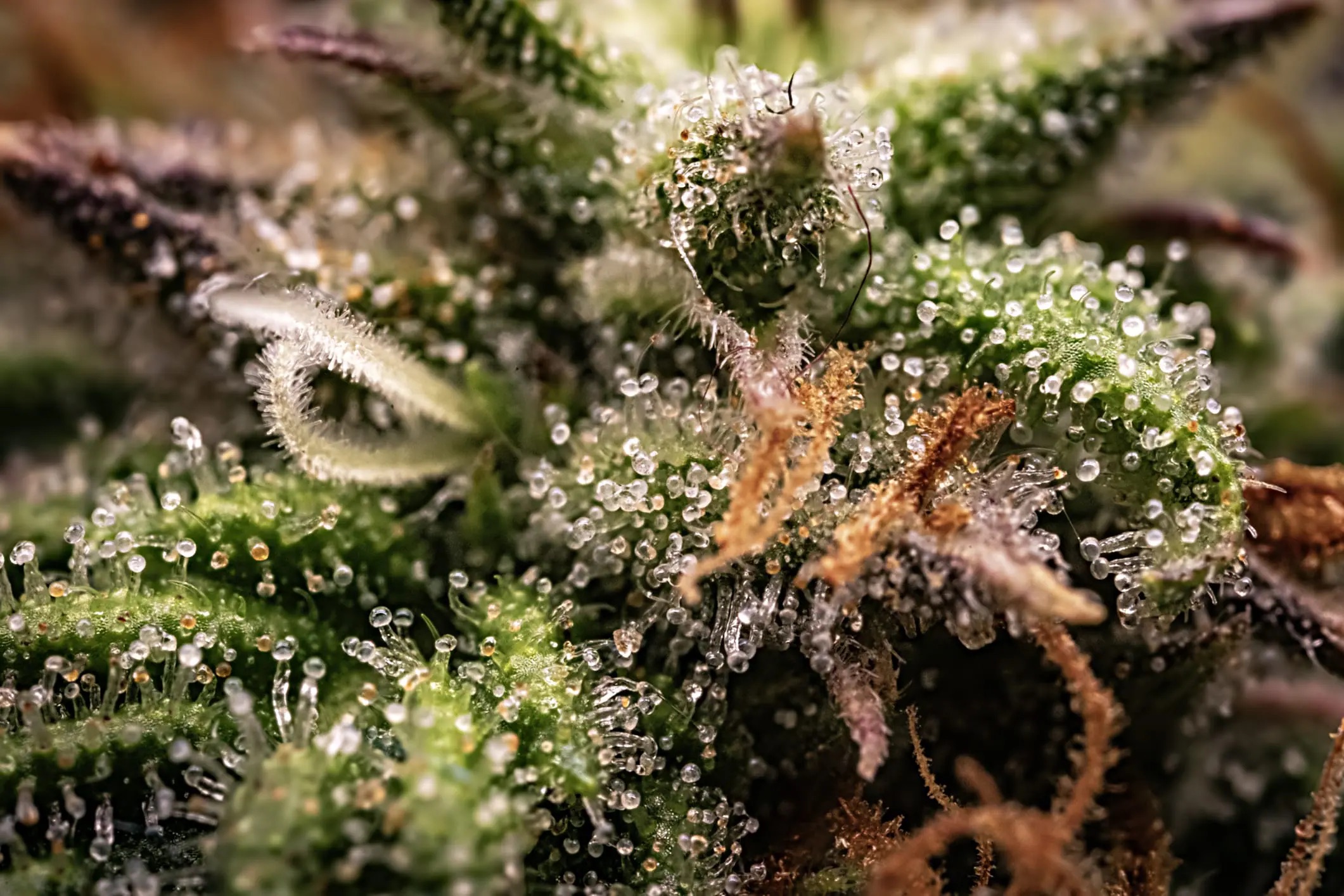
A major part of what makes these strains exotic is their complex terpene profiles. That results in unusual and powerful flavours and aromas you won’t find in more common varieties.
⚡ Potency Is Often High
Many exotic cannabis strains are bred for extreme THC levels. It’s not uncommon to see them test well over 20% or even 30% THC.
🧠 They’re for the Connoisseur
Exotic marijuana seeds are made for the grower or collector who wants to explore something new and appreciates the fine qualities of top-shelf cannabis.
🌿 What Makes a Strain “Exotic”?
First, it comes down to genetics. Many exotic weed strains are the result of cutting-edge breeding projects. According to a report from Extreme Seeds, breeders often create them by crossing highly sought-after American strains with classic Dutch and Spanish varieties. The goal is to produce something new and exciting.
Next are the terpene profiles. A study in the journal PLOS One highlights how terpenes create the distinct flavours and smells of a strain. Exotic strains are famous for having unusual aromas — think mint, strawberry, grape, or even gasoline.
Finally, there’s the potency. While not always the case, many exotic cannabis strains are known for their incredibly high THC levels.
🇦🇺 Where to Find Real Exotic Genetics in Australia
The key to getting your hands on real exotic genetics is to go through a reputable seed bank that is transparent about where seeds come from.
That’s why a trusted local source is so important for cannabis enthusiasts. At Sacred Seeds Australia, we have direct relationships with the breeders who create these exotic cannabis seeds. We spend a lot of time and energy finding and building relationships with artisan, expert breeders.
Our collection of exotic weed seeds is carefully selected.
🌸 A Look at Some Examples
Some strains that were once considered exotic, like Girl Scout Cookies and Cherry Pie, have become so popular that they are now modern classics.
Today’s exotic marijuana strains continue to push the boundaries. You have strains like Blue Dream and Durban Poison, which are sativa-dominant and known for a high that sparks creativity.
On the other end, you might find a heavy indica-dominant hybrid like Purple Kush, famous for its deep, relaxing effects and sweet berry flavours. The goal of these unique cannabis strains is to always offer you a brand-new experience.
🍓 Why Exotic Strains Smell and Taste Different
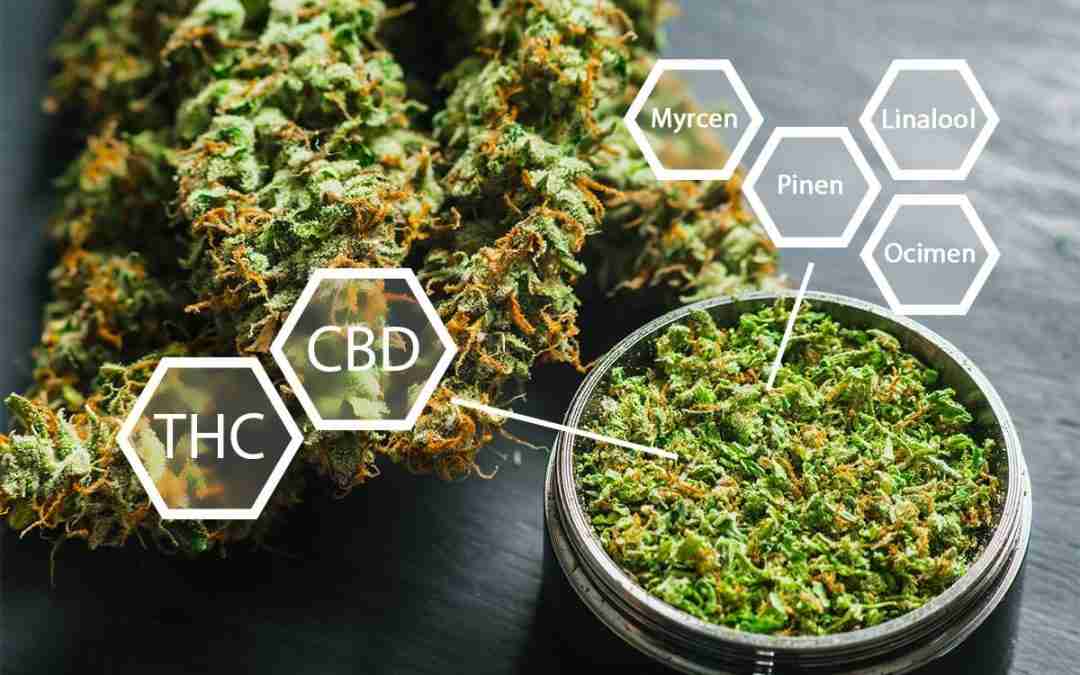
While high THC levels get a lot of attention, the real magic of exotic cannabis strains is in their terpenes. Terpenes are the aromatic compounds in the plant that create the incredible range of flavours and smells.
Standard strains might smell earthy, piney, or citrusy — but exotic weed strains are where you find truly strange and wonderful aromas: strawberry, mint, candy, cookies, and even gasoline.
A study in the PLOS One journal highlighted how these complex terpene profiles are directly linked to a strain’s unique qualities. They don’t just create the flavours; they also work with cannabinoids to influence the effects — helping to create a high that sparks creativity or produces deep relaxation.
You might think that something so rare would be difficult to cultivate- but that’s not always the case. A report from Extreme Seeds notes that many modern exotic seeds are specifically bred to be robust and grower-friendly.
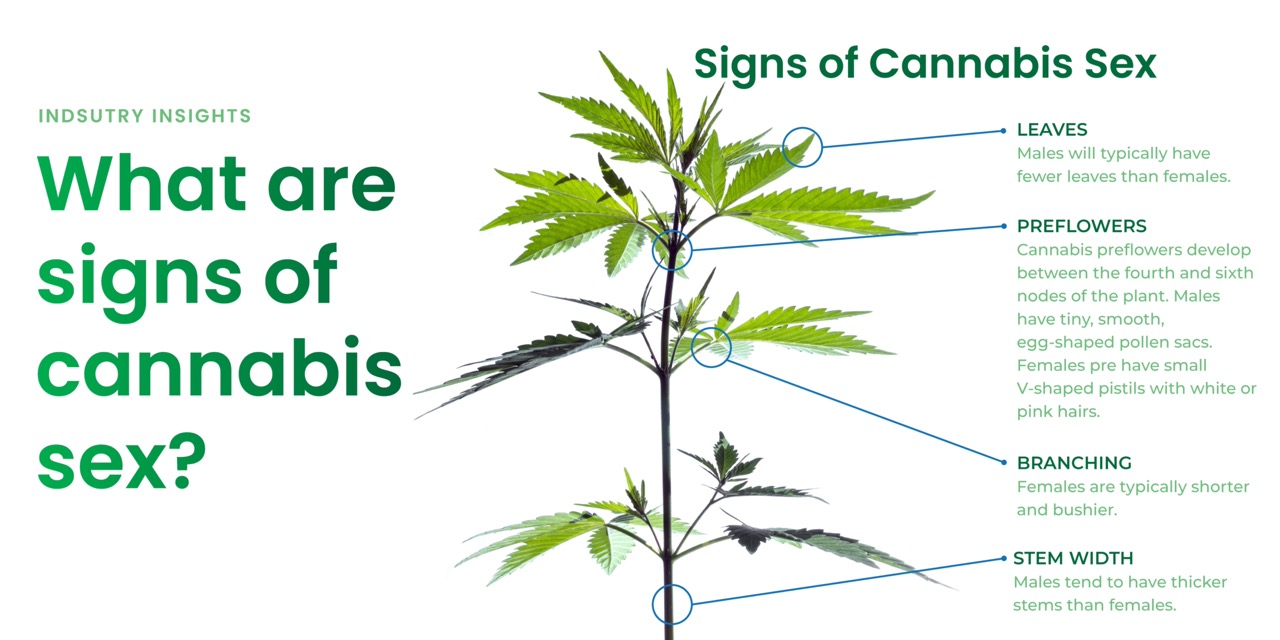
Most are sold as feminized seeds, meaning you don’t have to worry about identifying and removing male plants. Many are also available as autoflowering varieties- plants that begin to flower automatically after a few weeks, allowing for faster harvests.
These advancements make many exotic strains accessible even to less experienced growers.
🌬️ Don’t Ruin Your Harvest: How to Dry and Cure
Growing the plant is only half the battle. The final steps — drying and curing — are where you either preserve those exotic flavours or destroy them. Here’s how to do it right.
🪴 1. The Slow Dry Is Key
After you harvest, hang the individual branches in a cool, dark room with gentle air movement. A closet or tent with a small fan works well.
You’re aiming for a slow dry over 7 to 14 days. You’ll know it’s ready when the smaller stems snap instead of bending.
⚠️ Rushing this process with heat or too much air will make your buds taste like hay.
🍯 2. The Cure Develops the Flavour
Once the buds are dry, trim them off the branches and place them into airtight glass jars. For the first couple of weeks, open each jar once a day for 5–10 minutes — a process called burping — to release moisture and prevent mould.
This step is essential for developing the rich, complex aromas of your strain. After two weeks, burp every few days. A good cure should last at least a month.
💬 Frequently Asked Questions (FAQs)
💰 Are exotic seeds more expensive?
Yes, they often are. The price of exotic marijuana seeds reflects their rarity, the difficulty in breeding them, and the high demand. According to Premium Cultivars, pricing often fluctuates based on these factors.
🌿 Do exotic strains always have high THC?
Not always, but many are bred for high potency. While you will find plenty of exotic cannabis strains with very high THC levels, others are considered exotic because of their rare terpene profiles, unique flavours, or unusual lineage.
🌸 What are some other examples of exotic strains?
The list is always growing. Some other popular strains that are often considered exotic include Pink Panties, Blue Moonrock, and a wide range of Cherry Pie and Girl Scout Cookies crosses. Each one offers a distinct and memorable experience.
⚡ Do exotic seeds come in autoflowering versions?
Yes. Many breeders now offer their best exotic strains as autoflowering feminized seeds, giving growers access to top-shelf genetics in a fast and easy-to-grow format.
A lot of the talk around cannabis can be confusing. You hear all about THC, but then there’s a whole other thing called CBD, and you’re wondering if you’ll ever completely understand it. It’s time to get a straight answer- and find out why so many people are looking for this side of the plant.
🌿 CBD Cannabis Seeds Explained in Clear Language
CBD cannabis seeds are focused on wellness and therapeutic effects, not intoxication. Interest in cannabis for medicinal purposes in Australia is huge- and growing fast.
At Sacred Seeds Australia, we see a lot of customers looking for specific high-CBD strains, so we know how important good, clear information really is.
✨ Key Takeaways
CBD Is Not THC. The key thing to remember is that CBD is non-psychoactive- it’s not the compound that gets you “stoned.”
The Ratio Is Everything. The effects of a CBD strain are determined by the ratio of CBD to THC. Decide whether you want an almost-pure CBD strain or a balanced mix.
It’s About Wellness, Not a Party. People seek high-CBD strains for reasons like easing anxiety, managing chronic pain, or reducing inflammation — it’s a wellness tool, not a high-THC experience.
Genetics Matter. To get the advertised CBD content, start with stable, high-quality seeds. Poor genetics lead to unpredictable results every time.
🌿 First Things First: CBD Won’t Get You High
Let’s get the most important point straight. CBD, or cannabidiol, is one of the main cannabinoids in cannabis, but it works very differently from THC.
It doesn’t cause euphoric highs. Because of this, a strain with high CBD and very low THC will not give you the strong psychoactive effects you might associate with marijuana. If you want to get stoned, you’ll need something other than CBD.
💆 So, Why Do People Use CBD?
Many people dealing with day-to-day anxiety and looking for stress relief use CBD. It also provides mental clarity without sedation.
Its anti-inflammatory and therapeutic properties make it a popular choice for medicinal users managing chronic pain.
A 2024 survey from the Harm Reduction Journal backs this up, showing that an overwhelming 97% of Australian medicinal users reported improvement in their symptoms from using cannabis.
⚖️ What’s the CBD to THC Ratio You Need?
The ratio of CBD to THC in a strain dictates its effects. Breeders have created many variants to suit different needs.
Some seeds produce plants with very high levels of CBD and almost no THC (often under 1%). These are perfect for people who want maximum therapeutic benefits with zero psychoactive feeling.
Then there are balanced 1:1 strains, which have equal parts CBD and THC. In these, the CBD smooths out the intensity of the THC, creating a mild and manageable effect. That interaction between cannabinoids is often called the entourage effect.
🌱 What to Expect When You Grow CBD Plants
If you’re used to growing higher-THC varieties, you might wonder if high-CBD plants are any different. For the most part, the growing process is exactly the same.
CBD plants look, smell, and grow just like their THC-rich counterparts — you can’t tell a plant’s cannabinoid profile just by looking at it.
The flowering time, yield, and structure of the plant are all determined by its core genetics (Indica, Sativa, or Hybrid), not its CBD content.
Modern breeders have done an excellent job of developing high-CBD varieties that are just as vigorous and productive as any other cannabis strains. You can still expect good yields of dense, resinous buds.
The only real difference is in the final product: the plant you harvest will simply have a different chemical makeup, delivering the therapeutic benefits you were aiming for from the start.
🔬 The Hard Part: How to Find Quality Genetics You Can Trust
When you’re looking for specific therapeutic benefits, you need to be absolutely sure that the plant you grow has the high CBD content it’s supposed to.
A seed with unstable genetics is a lottery- you might end up with a plant that has higher THC and lower CBD than you wanted.
This is where your source is everything. You need to get your CBD cannabis seeds from a seed bank that takes genetics seriously.
At Sacred Seeds Australia, all our seeds are carefully selected from world-class breeders and rigorously tested for quality and viability. We offer a diverse selection of feminised and autoflowering CBD varieties, including trusted balanced strains like Charlottes Web because consistency is everything for our growers.
FAQs
What’s the flowering time on a typical CBD strain?
The flowering time is determined by the strain’s genetics, not its CBD content. Many popular CBD strains have an Indica background, giving them a quick flowering time of around 8-9 weeks. Autoflower seeds with high CBD are even faster.
How do I properly store my CBD seeds?
To make sure your seeds remain viable, you have to protect them from light, heat, and moisture. The best way is to keep them in a sealed, airtight container in the back of your fridge. Stored correctly, quality seeds will last for years.
Do high CBD plants produce smaller yields?
Not anymore. In the early days of breeding, some high CBD strains had lower yields. But today, modern breeders have developed a huge range of high-CBD cannabis strains that produce very good yields of dense, resinous buds.
Do you offer a germination guarantee in Australia?
To comply with local laws in Australia, we sell our seeds strictly as adult souvenirs, as it is illegal to start growing them in most places. For that reason, a germination guarantee isn’t possible. What we do guarantee is the quality of your collectible purchase: fresh, high-quality cannabis seeds with great genetics, rigorously tested for success, plus a full delivery guarantee with discreet delivery.
How can I tell if the seeds I received are fresh and healthy?
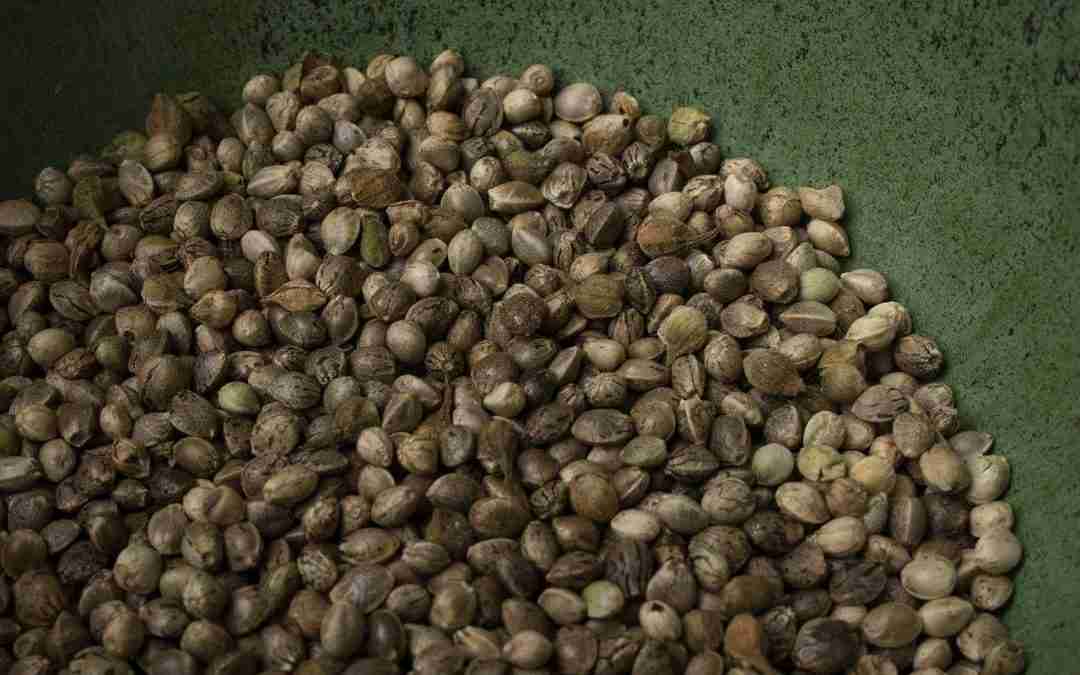
High-quality cannabis seeds have a certain look and feel. They should be hard, dry, and have a dark, mottled colour. If your seeds are pale green, white, or feel squishy, they are likely immature or old and won’t be viable. Fresh, healthy seeds are key to success.
Is it legal to cultivate plants for personal use in Australia?
In most of Australia, it is illegal to cultivate plants or even start growing them. The Australian Capital Territory (ACT) has an exception for limited personal use. For everywhere else, seeds are sold strictly as adult souvenirs.
How can I find real reviews to verify a seed bank’s quality?
Look for feedback on independent platforms like Reddit, forums, or review sites. Real reviews from other growers are the best way to confirm if a company provides great genetics, an excellent product, and great service before you make a purchase.
People make germinating seeds sound like delicate surgery. It’s not. You don’t need a science lab or secret potions; you only need to give a seed what it’s naturally waiting for to germinate properly. Let’s clear up the confusion and look at the simple ways to get it done.
How to Germinate Weed Seeds
The first step in any grow is figuring out how to germinate weed seeds. That’s just the fancy term for getting a seed to send out its first root. The goal is to signal to the seed that it’s safe to come out. We’ll cover the different ways you can send that signal, from a simple glass of water to letting it happen naturally right in the pot.
Warmth and Moisture Are King. No matter how you do it, every attempt at successful germination needs warmth, darkness, and consistent moisture (please only use pure/ distilled or rain water/ no town water). Without those two things, a seed will stay a seed.
A Good Seed Is Everything. Your choice of germination method matters, but not nearly as much as the quality of the seed itself.
3 Things You Need to Wake Up Your Seeds
Before we get into the different techniques, remember that they are all trying to achieve the same simple goal. They are designed to trick a seed into thinking it’s springtime. To do this, you only need to provide three things:
Warmth: A steady, warm temperature signals that winter is over. Research from Royal Queen Seeds suggests that a temperature between 22-25°C is perfect.
Moisture: Water is the key to everything. It penetrates the seed’s outer shell and tells the life inside to get going.
Darkness: A seed’s first root—the taproot—hates light. Keeping the seed in a dark, moist place encourages the root to push out and search for a place to anchor itself.
Best Weed Germination Methods (All DIY)
Every method below is just a different way of delivering the same amazing result.
Method 1: The Paper Towel Method (The Famous One & the only method we support)
This is the one everyone talks about, and for good reason. It works, and you get to see it happen. You just lay your marijuana seeds on a moist paper towel, fold it over, place it between two plates, and leave it in a warm, dark place.
Its popularity comes from the fact that you can visually confirm your seeds germinate before you even touch any soil. Learn more here.
Method 2: The Soaking Method: (we do NOT recommend this method)
This is a fantastic, low-effort way to germinate marijuana seeds. It’s especially good for seeds with very hard shells, as it guarantees they get fully saturated with water.
All you need is a glass of water or another small container. Many growers use lukewarm water, which could either be spring water, distilled water, or just tap water that’s been sitting out for a few hours. The idea of letting it sit out is to let the chlorine evaporate.
Simply place seeds in the glass and put it in a dark, warm spot like a cupboard.
Now, you just wait.
A 24-48 hour soak is usually enough to soften the seed coat. You’ll see the seeds sink after a while.
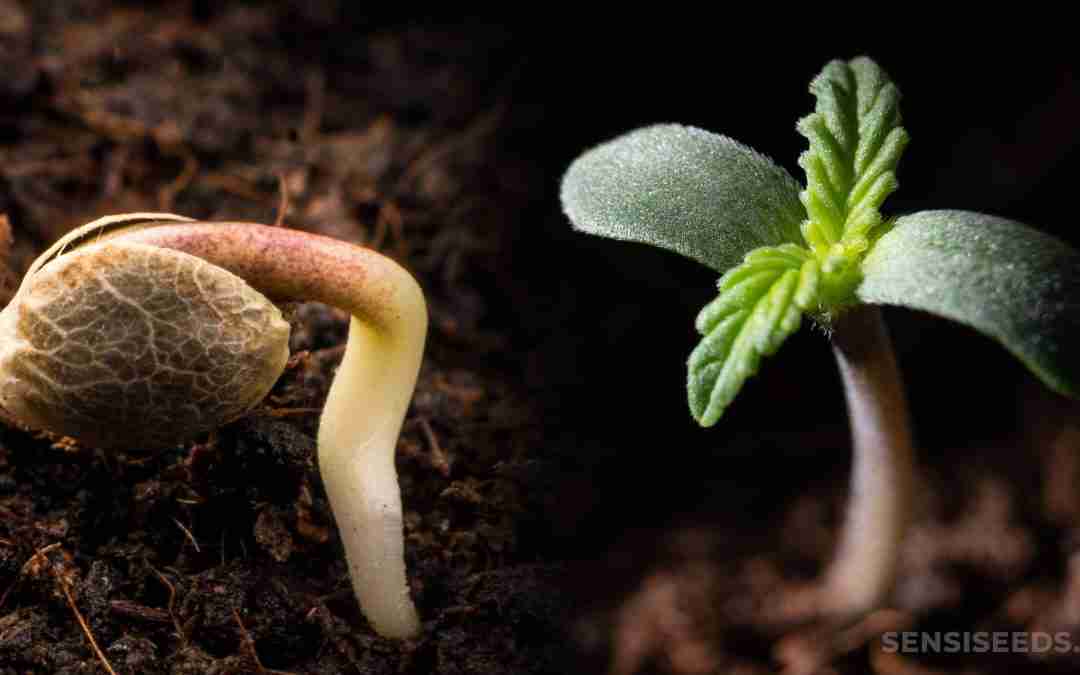
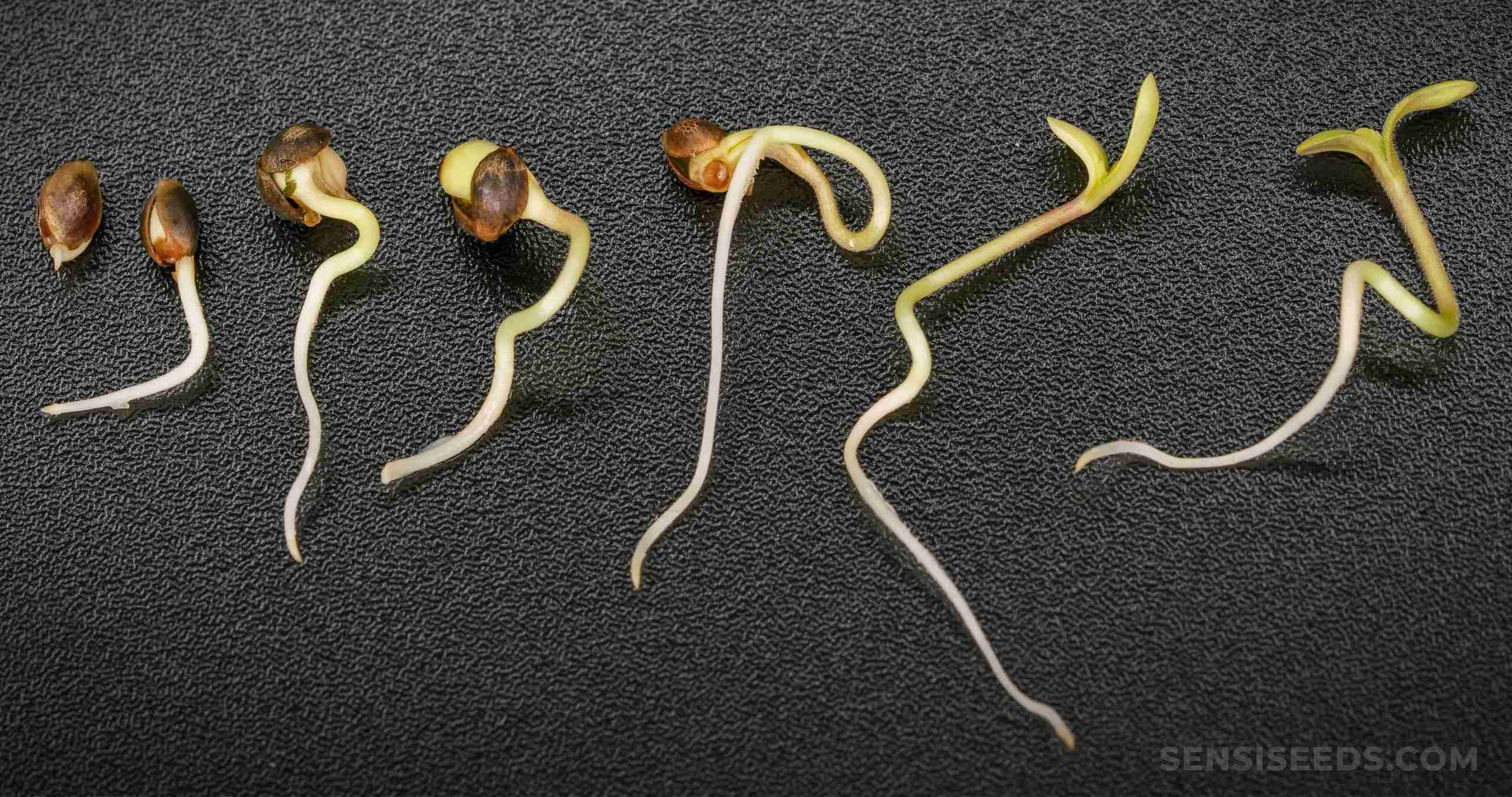
After a day or two, you should see a tiny crack in the shell and the little white taproot starting to emerge.
The moment you see that root, it’s time to plant germinated seeds. If you leave a sprouted seed in water for too long, it will drown.
Method 3: Direct Planting (we do NOT recommend this method)
This is how seeds sprout in nature, and it’s a great method if you want to avoid disturbing the young plants in their earliest, most fragile moments.
First, prepare your starter pot with a light, loose growing medium. Water the soil before you plant, so it’s nicely moist all the way through.
Then, poke a small hole in the centre of the soil. A depth of about 10-15mm is perfect, according to Royal Queen Seeds.
Gently place the dry seed into the hole and lightly brush some soil over it. You can cover the pot with some plastic wrap, if you like. That creates a mini humidity dome effect, which keeps the humidity high.
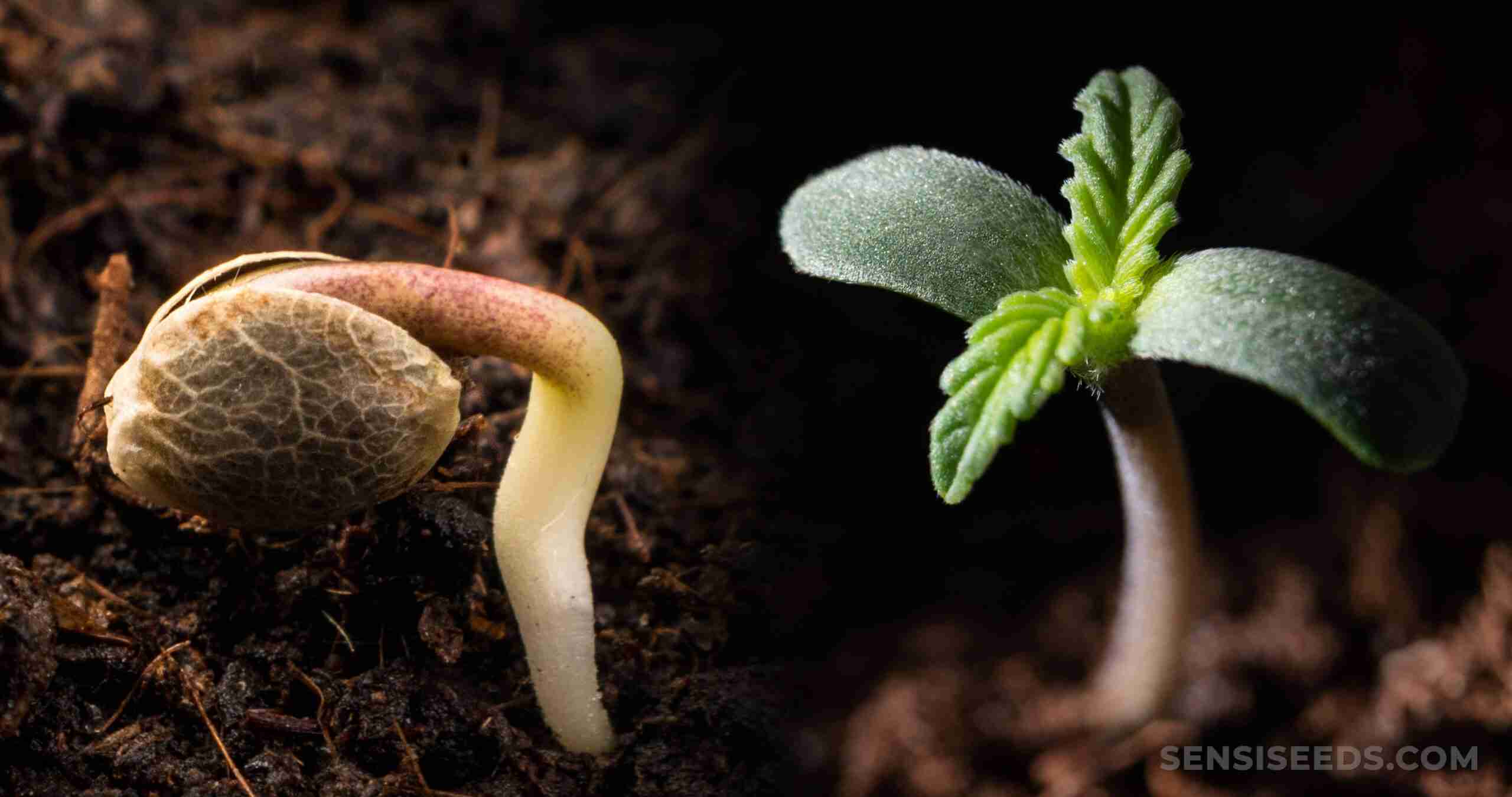
Put the pot in a warm spot and keep the soil moist. Within just a few days to a week, you should see your seedling pop its head out of the soil.
The only real drawback here is that you can’t be 100% sure germination has happened until you see the sprout.
Final Thought: Seed Quality Matters More Than Planting Techniques
Great technique won’t rescue a bad seed. Old, pale green, white seeds, or damaged seeds just don’t have the stored energy required to sprout. The genetic code inside that shell dictates the entire future of your cannabis plant.
That’s why starting with fresh, viable weed seeds from a trusted source is the real first step to success when you grow your own cannabis. Providing those quality genetics is what we do at Sacred Seeds Australia.
FAQs
What if my seeds are old? Is there any way to help them?
Older seeds have lower germination rates. Some growers try to gently scuff the outer shell of an old seed with a piece of fine sandpaper to help moisture penetrate. Soaking them is also a good idea, sometimes with a tiny drop of hydrogen peroxide.
How many seeds should I try to germinate at once?
Only as many as you have space for and are legally allowed to grow. Even with the best seeds, you might have one that doesn’t pop, so some people germinate an extra one just in case.
Why lukewarm water for soaking? Is cold or hot water okay?
Cold water can shock the seed and slow down the process, while hot water can damage or even cook it. Lukewarm water mimics the gentle warmth of springtime conditions in the soil.
How do I know if a seed is a dud without trying to germinate it?
It’s tough to know for sure, but you can look for visual cues. Healthy, viable seeds are usually hard, dark seeds that feel solid. Soft, pale, or cracked seeds are unlikely to sprout.
My seedling came up, but still has the seed shell stuck on it. Should I pull it off?
This is called “helmet head.” It’s best to leave it alone. You can mist it with a spray bottle to soften the shell, which usually helps it fall off on its own. Trying to pull it off often results in you accidentally decapitating your new seedling.
Do I need a heat mat?
You don’t need one, but it’s a useful tool. A heat mat placed under your germination setup provides a gentle, consistent temperature, which can speed up the process and increase your germination rates, especially if your house is a bit cold.
What happens after my seeds sprout?
After your seeds have sprouted, the first week is spent as young seedlings. For the first few weeks, they need gentle light, so keep grow lights at a normal distance. Once they are stronger and have a few sets of leaves, they will enter the vegetative stage.
Why no town water/ tap water?
Chlorine and heavy metals are terrible for seeds and seedlings. Make sure you get a quality filter for your garden hose.
At Sacred Seeds, we know that seed quality of utmost importance. That is why every batch we release is put through 2 layers of internal testing to make sure it meets our expectations for freshness, structure, and viability.
This post gives you a look behind the curtain at how we test seeds before they ever reach our shelves.
Cannabis seeds are living material. That means natural variation is unavoidable — some will always be stronger than others. To keep our quality consistent, our breeders sample and test each batch, and then we do the same. If results don’t meet their benchmark, the entire lot is pulled and replaced before it reaches us, and if what reaches us doesn’t meet our 95% benchmark, we pull it and replace before it reaches any customers. This double testing method ensures we know that what we ship to customers has been thoroughly vetted for quality.
How We Test: The Paper Towel Method
For consistency, we only use one process: the paper towel method. It’s simple, repeatable, and reliable. This is the gold standard across the industry for a good reason. The beauty of this method is that you can see what is going on before transferring to medium.
Here’s how we do it:
1: A layer of damp tissue is placed on a plate, container or in a jiffy bag. We prefer open jiffy bag for some air flow. We use distilled or rain water. (NOT TOWN WATER)
2: Seeds are spread out evenly on top. Always use tweezers. Not not touch with fingers.
3: Another damp tissue is placed over them, and a second plate is inverted over the top to keep the environment dark and moist.
4: The setup is kept at a steady ~22-25 °C. We check every couple of days and mist tissues if needed.
Under these conditions, most seeds show signs of life within a few days, while some may take a little longer. Please give it up to 7 days.
What We Look For
Speed of response — strong seeds usually show activity quickly.
Consistency across the batch — we look for uniform results, not just one or two standouts.
Healthy structure — emerging roots should be clean and robust, not weak or discoloured.
What Happens If a Batch Fails
On the rare occasion a batch performs below our standards, it never reaches our customers. We replace it with new stock from the same breeder line and retest before offering it for sale.
Why It Matters
This process is part of what makes our seeds collector-grade. By standardising how we test, we can keep our quality high and our results consistent.
Our Germination Guarantee
Because we know this method works, this is the only method by which our Germination guarantee can be invoked. All other methods (direct in soil, cubes, plugs etc) fall outside our zone of support and guarantee.
FAQ: How We Test Our Seeds
Q: What type of water do you use in your tests? We only use pure, clean water — ideally rainwater or filtered water. Tap water can contain chlorine or other additives that may interfere with testing.
Q: Why do you always use tweezers? Handling seeds directly with fingers can introduce oils, dirt, or pressure that damages delicate seed coats. We always use clean tweezers when moving seeds during testing to keep the process sterile and consistent.
Q: Why the paper towel method and not soil or pellets? The paper towel method gives us a controlled, repeatable environment: stable temperature, moisture, and light. Soil, peat pellets, or hydro setups add too many outside variables, so they aren’t part of our testing process.
Q: How do you control moisture levels? Towels are kept damp but never soaked. We make sure there’s no standing water, which can suffocate seeds or encourage mould.
Q: Why keep seeds in the dark? Light isn’t needed at this stage. We keep seeds enclosed with a plate or foil so they stay in a dark, humid environment, which mirrors how they’d naturally start underground.
Q: How long do you run your tests? We typically check once daily for up to five days (120 hours). Some seeds show activity sooner, but we allow the full time to account for natural variation. For some strains we have seen them take up to 7/8 days, but with strong results. This is because some strains have a naturally thicker shell than others.
Q: What happens if a seed shows signs of stress or mould during testing? That seed is marked as non-viable. If a pattern emerges across the batch, we pull the entire lot from sale and replace it before it ever reaches customers.
Q: How do you decide if a batch passes or fails? We look at overall consistency, speed of response, and root health. A healthy batch should show strong, clean taproots across the sample. Anything below our threshold is rejected.
This article explores something we find quite fascinating: the cannabis entourage effect.
Why does one strain provide energetic creativity while another induces deep relaxation?
The answer lies in a complex phenomenon known as the entourage effect—a scientific principle that explains how the hundreds of compounds in cannabis work together to produce distinct experiences.
Key Takeaways
The entourage effect describes how cannabis compounds work synergistically to create effects greater than isolated components
Terpenes significantly modify how cannabinoids interact with the body’s endocannabinoid system
Cannabinoid ratios (particularly THC:CBD) profoundly influence the overall effects experienced
Minor cannabinoids like THCV, CBG, CBC, and CBN contribute unique therapeutic properties
Strain-specific effects result from the precise combination of hundreds of bioactive compounds working together
Consumer experiences stem from complex biochemical interactions rather than simplistic indica/sativa classifications
Understanding the Entourage Effect: Beyond THC and CBD
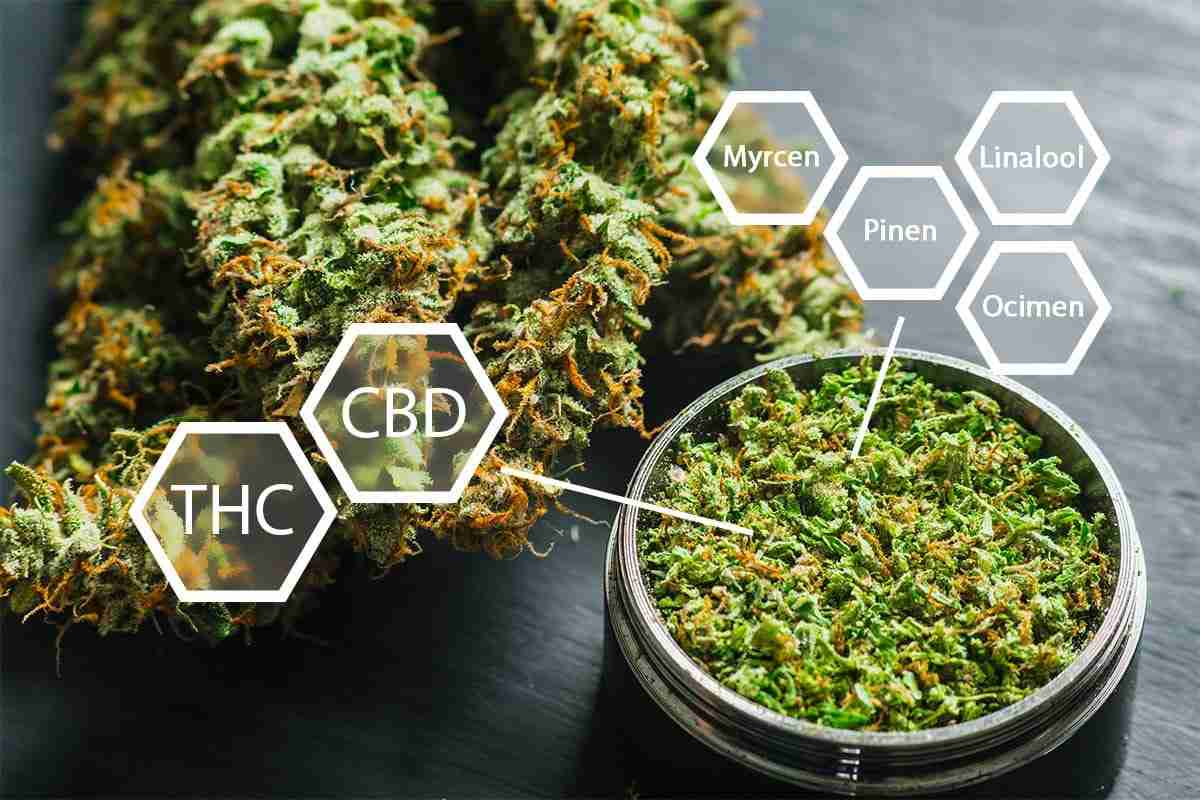
For years, cannabis research focused almost exclusively on isolated cannabinoids, particularly THC and CBD. However, this reductionist approach failed to explain why whole-plant preparations often demonstrated greater therapeutic efficacy than purified compounds.
The entourage effect, first proposed by researchers Raphael Mechoulam and Shimon Ben-Shabat in 1998, suggests that cannabis compounds work in concert, producing effects that wouldn’t be possible from any single component. This synergistic interaction explains why different cannabis varieties create such diverse experiences despite similar THC or CBD percentages.
How Synergy Works: When multiple cannabis compounds interact, they may:
Create entirely novel effects not present in isolated compounds
Research now confirms that focusing solely on THC or CBD content provides an incomplete picture of a strain’s potential effects. The full spectrum of cannabinoids, terpenes, and flavonoids creates a complex “chemical fingerprint” unique to each variety.
The Major Players: Cannabinoids and Their Interactions
Cannabis contains over 100 different cannabinoids, each with distinct properties. While THC and CBD receive the most attention, the interactions between multiple cannabinoids significantly influence the overall experience.
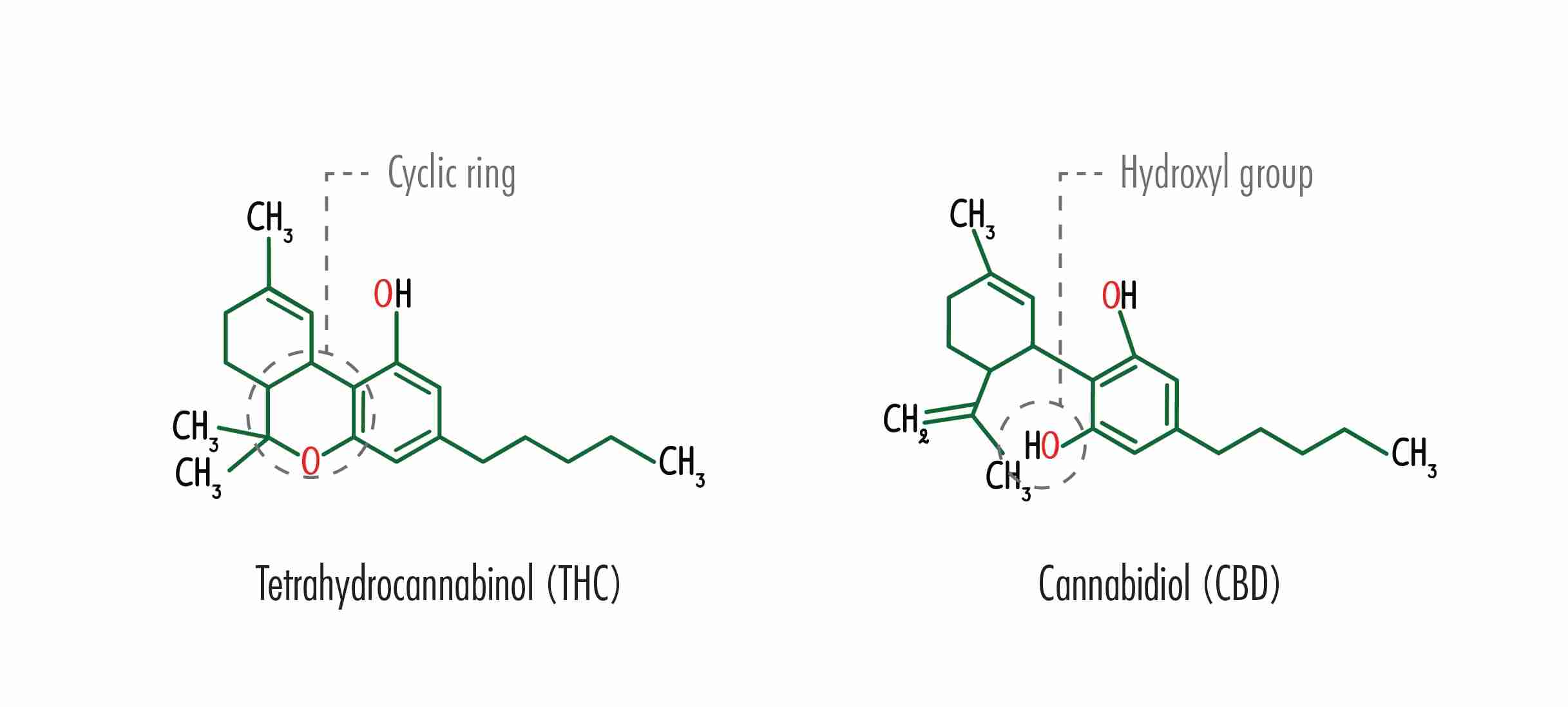
THC:CBD Ratios: The Primary Modulators
The ratio between THC and CBD represents one of the most important factors in predicting effects:
THC-Dominant (High THC, Low CBD)
Stronger psychoactive effects
More pronounced euphoria and sensory alteration
Potential for anxiety or paranoia in sensitive individuals
Examples: Many recreational strains like Super Silver Haze or Gorilla Glue
Balanced (Equal THC:CBD)
Moderated psychoactive effects
Enhanced pain and inflammation relief
Reduced THC-associated anxiety
Examples: Harlequin, Cannatonic, ACDC
CBD-Dominant (High CBD, Low THC)
Minimal psychoactivity
Pronounced anti-inflammatory and anxiolytic properties
Potential anticonvulsant effects
Examples: White widow CBD, Charlotte’s Web, Ringo’s Gift, Harle-Tsu
Research demonstrates that CBD directly modulates THC effects by altering how it binds to receptors. At the molecular level, CBD acts as a negative allosteric modulator of the CB1 receptor, changing its shape when THC attempts to bind, thus reducing psychoactivity while maintaining therapeutic benefits.
Minor Cannabinoids: The Supporting Cast
Beyond THC and CBD, minor cannabinoids play crucial roles in the entourage effect:
CBG (Cannabigerol)
Acts as precursor to other cannabinoids
Shows promise for glaucoma and inflammatory bowel conditions
Demonstrates antibacterial properties
Potentially enhances the muscle-relaxant effects of other cannabinoids
These minor cannabinoids rarely work in isolation; instead, they modify each other’s effects while simultaneously interacting with terpenes—creating a multidimensional matrix of possible experiences.
Terpenes: The Aromatic Influencers
Terpenes—aromatic compounds found throughout the plant kingdom—constitute another critical component of the entourage effect. Originally evolved to protect plants from predators and attract pollinators, these volatile molecules significantly influence cannabis effects through both pharmacological actions and aromatic effects on mood.
Primary Cannabis Terpenes and Their Synergistic Effects
Myrcene
Most abundant terpene in modern cannabis varieties
Enhances cell membrane permeability, allowing cannabinoids to take effect more rapidly
Synergizes with THC to produce stronger sedation
May enhance analgesic (pain-relieving) properties of cannabinoids
These terpenes don’t just contribute aroma—research shows they actively modify cannabinoid effects through multiple mechanisms, including affecting neurotransmitter levels, modulating receptor activity, altering blood-brain barrier permeability, and influencing endocannabinoid system function.
The Endocannabinoid System: The Biological Foundation
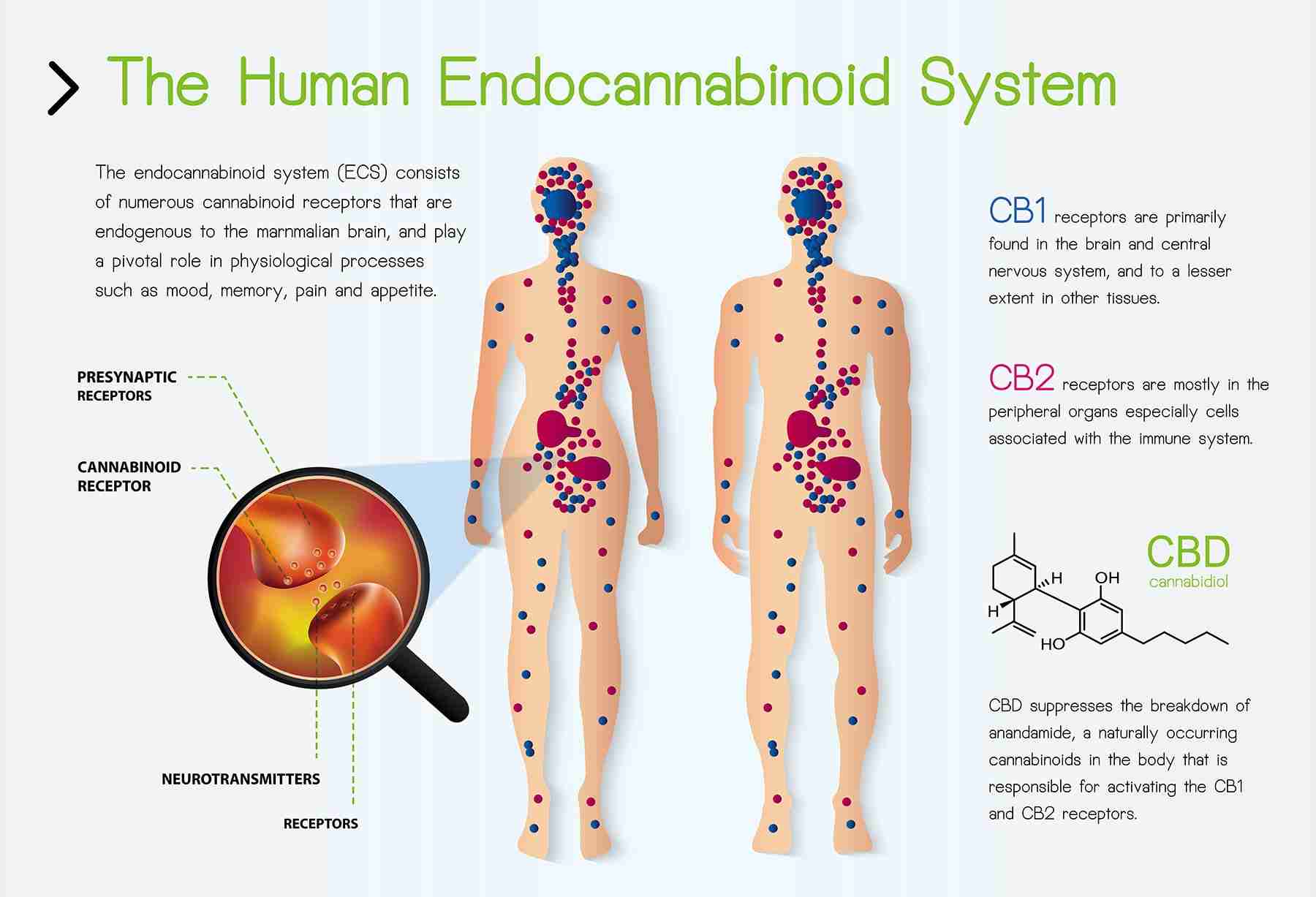
Understanding the entourage effect requires knowledge of the endocannabinoid system (ECS)—a complex biological network present in all vertebrates. This system consists of endocannabinoids (natural cannabis-like molecules produced by the body), receptors, and enzymes that regulate numerous physiological processes.
How Cannabis Compounds Interact with the ECS
Cannabis compounds affect the ECS in diverse ways:
CB1 Receptor Interactions
Primary target for THC (strong binding)
Indirectly influenced by CBD (weak binding, allosteric modulation)
Also affected by certain terpenes like beta-caryophyllene
Located primarily in the brain and central nervous system
Responsible for psychoactive effects and pain perception modulation
CB2 Receptor Interactions
Engaged by multiple cannabinoids with varying affinities
Directly activated by beta-caryophyllene
Present primarily in immune tissues and peripheral nervous system
Responsible for anti-inflammatory and immunomodulatory effects
Beyond Cannabinoid Receptors Cannabis compounds also interact with:
Serotonin receptors (mood and anxiety)
TRPV1 receptors (pain and temperature sensation)
GPR55 receptors (bone density and blood pressure)
PPAR receptors (metabolism and energy homeostasis)
The entourage effect stems from cannabis compounds simultaneously engaging multiple receptor systems, creating effects impossible to achieve with isolated compounds. For example, CBD’s anxiolytic effects work through serotonin receptors while simultaneously modulating how THC binds to CB1 receptors—a multi-target approach enhanced further by terpenes.
Scientific Evidence for the Entourage Effect
While anecdotal evidence has long suggested synergistic interactions between cannabis compounds, scientific research increasingly supports the entourage effect:
Key Research Supporting Synergistic Interactions
Russo and Guy (2006)
Demonstrated that CBD-rich cannabis extracts required lower doses for therapeutic effects compared to purified CBD
Showed reduced side effects compared to isolated cannabinoids
Published in Medical Hypotheses
Blasco-Benito et al. (2018)
Found that whole cannabis extracts showed superior anti-tumor effects compared to THC alone
Identified specific synergies between cannabinoids and terpenes
Published in Biochemical Pharmacology
Pamplona et al. (2018)
Analysis of epilepsy patients showed CBD-rich cannabis extracts were 4 times more potent than purified CBD
Required significantly lower doses for seizure control
Published in Frontiers in Neurology
LaVigne et al. (2021)
Demonstrated that cannabis terpenes enhance the pain-relieving effects of THC in animal models
Showed the combination required lower doses for effective pain relief
Published in Scientific Reports
These studies and others provide growing scientific validation for what cannabis consumers have intuitively understood—that whole-plant preparations offer different effects than isolated compounds.
Strain-Specific Effects: Science vs. Marketing
The cannabis industry has traditionally classified strains as indica, sativa, or hybrid—categories that supposedly predict effects. However, scientific analysis reveals these designations have little correlation with chemical composition or effects.
Beyond Indica vs. Sativa
Modern research demonstrates that strain effects stem from their specific chemical profiles rather than broad categories:
Chemotype Analysis
Gas chromatography and mass spectrometry can identify specific compound ratios
These chemical fingerprints better predict effects than traditional classifications
Strains with similar chemotypes typically produce similar effects regardless of their indica/sativa designation
Genetic Inconsistency
Most modern strains are hybrids with complex genetic backgrounds
Decades of crossbreeding have blurred traditional distinctions
Genetic testing often contradicts reported lineages
The scientific community increasingly advocates for chemotype-based classification using specific cannabinoid and terpene profiles rather than outdated morphology-based categories.
Practical Applications: Medical and Recreational Implications
Understanding the entourage effect has profound implications for both medical and recreational cannabis use:
Medical Applications
Targeted Formulations
Epilepsy patients respond better to specific cannabinoid-terpene combinations
Pain management benefits from THC+CBD+myrcene+beta-caryophyllene profiles
Anxiety disorders may respond to high-CBD preparations with limonene and linalool
Sleep disorders show improved outcomes with CBN+myrcene+linalool combinations
Precision Dosing
Lower doses often required with full-spectrum preparations
Reduced side effects compared to isolated compounds
More predictable responses across patient populations
Recreational Considerations
Effect Predictability
Chemotype-aware selection leads to more consistent experiences
Understanding personal responses to specific terpene-cannabinoid combinations
Moving beyond simplistic THC percentages to comprehensive profiles
Tolerance Management
Varying chemotypes may help manage tolerance development
Different receptor engagement patterns with diverse chemical profiles
Potential for maintained effectiveness with strategic rotation
The Future of Entourage Research
As cannabis science advances, several promising research directions are emerging:
Personalized Cannabis Medicine
Genetic testing to predict individual responses to specific chemotypes
Tailored formulations based on endocannabinoid tone and metabolism
Development of databases correlating chemotypes with patient outcomes
Advanced Analytical Methods
Machine learning to identify patterns in chemotype-effect relationships
Development of standardized bioassays for entourage effects
Real-time analysis tools for consumers and patients
Novel Combinations
Exploration of minor cannabinoids (THCV, CBG, etc.) in therapeutic formulations
Investigation of less common terpenes and flavonoids
Development of ratio-specific breeding programs
Conclusion: Embracing Complexity
The entourage effect represents a fundamental shift in how we understand cannabis—moving from a reductionist focus on isolated compounds to an appreciation of the plant’s natural complexity. This botanical synergy explains why whole-plant preparations often outperform isolated compounds in both therapeutic efficacy and experiential richness.
As research advances, the cannabis community is developing more sophisticated ways to classify, predict, and enhance the multidimensional effects created by these synergistic interactions. This evolution in understanding helps explain why cannabis has demonstrated such versatile effects across cultures and throughout human history.
The true power of cannabis lies not in any single compound but in the harmonious chemical symphony created when hundreds of bioactive molecules work in concert—a phenomenon that continues to challenge and expand our understanding of plant medicine.
Glossary of Entourage Effect Terminology
Allosteric Modulation: A change in how a receptor responds to a compound due to another compound binding to a different site on the receptor.
Bioavailability: The proportion of a substance that enters circulation when introduced to the body and can have an active effect.
Cannabinoid: Any of a group of related compounds that include the active constituents of cannabis, both plant-derived (phytocannabinoids) and those produced naturally in the body (endocannabinoids).
CB1 Receptor: Cannabinoid receptor primarily found in the brain and central nervous system, mainly responsible for the psychoactive effects of THC.
CB2 Receptor: Cannabinoid receptor primarily associated with the immune system and peripheral tissues, involved in reducing inflammation and immune response.
Chemotype: The chemical phenotype or profile of a cannabis plant, describing its specific composition of cannabinoids and terpenes.
Endocannabinoid System (ECS): A biological system composed of endocannabinoids, receptors, and enzymes that helps regulate various physiological and cognitive processes.
Flavonoid: Plant compounds with antioxidant properties that contribute to taste, color, and potential therapeutic effects in cannabis.
Full-Spectrum: Cannabis products containing the full range of compounds found in the original plant, including cannabinoids, terpenes, and flavonoids.
Isolated Compound: A single molecule extracted and purified from cannabis, such as CBD isolate.
Phytocannabinoid: Cannabinoids naturally produced by plants, particularly those found in cannabis.
Receptor: Protein molecules that receive chemical signals from outside a cell, allowing communication between cells.
Synergy: The interaction of multiple compounds producing a combined effect greater than the sum of their separate effects.
Terpene: Aromatic compounds found in many plants, including cannabis, that contribute to smell, taste, and effects.
Therapeutic Window: The dosage range between the minimum effective dose and the dose at which undesirable side effects occur.
Frequently Asked Questions
What exactly is the entourage effect in cannabis?
The entourage effect refers to the synergistic interaction between multiple cannabis compounds—including cannabinoids, terpenes, and flavonoids—that work together to produce effects different from and often greater than what any single compound could achieve alone. This biological phenomenon explains why whole-plant cannabis preparations often demonstrate different therapeutic profiles compared to isolated compounds like pure THC or CBD.
Do all cannabis products produce the entourage effect?
No. Full-spectrum cannabis products (containing the complete range of naturally occurring compounds) produce the strongest entourage effect. Broad-spectrum products (containing multiple cannabinoids and terpenes but no THC) offer a partial entourage effect. Isolates (containing only a single purified compound like CBD or THC) do not produce an entourage effect at all, as they lack the complementary compounds necessary for synergistic interaction.
Can terpenes affect cannabis experiences without being psychoactive themselves?
Yes. While most terpenes don’t directly cause intoxication, they significantly influence cannabis effects through multiple mechanisms. They can alter how cannabinoids bind to receptors, affect blood-brain barrier permeability to allow more or fewer cannabinoids to reach brain receptors, influence neurotransmitter levels, and have their own direct pharmacological effects. For example, limonene can elevate mood through serotonin pathways while myrcene can enhance THC’s sedative properties.
Why do different strains with similar THC levels produce different effects?
Different effects from strains with similar THC percentages result from their unique “chemical fingerprints” of minor cannabinoids and terpenes. For example, a 20% THC strain rich in myrcene and linalool will likely produce relaxing, sedative effects, while another 20% THC strain dominant in limonene and pinene might create an energizing, uplifting experience. This variation demonstrates why THC percentage alone is an incomplete predictor of effects.
Is there scientific proof of the entourage effect, or is it just a theory?
While initially proposed as a theory, substantial scientific evidence now supports the entourage effect. Multiple peer-reviewed studies demonstrate that whole-plant extracts often show greater efficacy at lower doses compared to isolated compounds. Research using advanced techniques like receptor binding assays, animal models, and clinical trials has documented specific synergistic interactions between cannabinoids and terpenes. However, due to research restrictions, many specific compound combinations remain understudied.
How do CBD and THC work together in the entourage effect?
CBD modifies THC’s effects through multiple mechanisms. It acts as a negative allosteric modulator of the CB1 receptor, slightly changing the receptor’s shape when THC attempts to bind, thus reducing THC’s psychoactive effects while maintaining its therapeutic properties. CBD also inhibits the liver enzyme that metabolizes THC, potentially extending its duration. Additionally, CBD works on separate receptor systems (serotonin, TRPV1) to counter THC-induced anxiety while enhancing pain relief and anti-inflammatory effects.
Can the entourage effect be measured or quantified?
Scientists are developing methods to measure entourage effects through various approaches. These include receptor binding studies that show how compounds affect each other’s activity, comparative clinical trials measuring outcomes between whole-plant extracts versus isolated compounds, and advanced analytical techniques using artificial intelligence to identify patterns in large datasets. While challenging to quantify precisely, bioassay testing increasingly demonstrates measurable differences in effects between isolated compounds and their combinations.
References and Further Reading
Russo, E. B. (2019). The Case for the Entourage Effect and Conventional Breeding of Clinical Cannabis: No “Strain,” No Gain. Frontiers in Plant Science, 9, 1969. https://doi.org/10.3389/fpls.2018.01969
Ferber, S. G., Namdar, D., Hen-Shoval, D., Eger, G., Koltai, H., Shoval, G., Shbiro, L., & Weller, A. (2020). The “Entourage Effect”: Terpenes Coupled with Cannabinoids for the Treatment of Mood Disorders and Anxiety Disorders. Current Neuropharmacology, 18(2), 87–96. https://doi.org/10.2174/1570159X17666190903103923
Blasco-Benito, S., Seijo-Vila, M., Caro-Villalobos, M., Tundidor, I., Andradas, C., García-Taboada, E., Wade, J., Smith, S., Guzmán, M., Pérez-Gómez, E., Gordon, M., & Sánchez, C. (2018). Appraising the “entourage effect”: Antitumor action of a pure cannabinoid versus a botanical drug preparation in preclinical models of breast cancer. Biochemical Pharmacology, 157, 285–293. https://doi.org/10.1016/j.bcp.2018.06.025
Pamplona, F. A., da Silva, L. R., & Coan, A. C. (2018). Potential Clinical Benefits of CBD-Rich Cannabis Extracts Over Purified CBD in Treatment-Resistant Epilepsy: Observational Data Meta-analysis. Frontiers in Neurology, 9, 759. https://doi.org/10.3389/fneur.2018.00759
LaVigne, J. E., Hecksel, R., Keresztes, A., & Streicher, J. M. (2021). Cannabis sativa terpenes are cannabimimetic and selectively enhance cannabinoid activity. Scientific Reports, 11(1), 8232. https://doi.org/10.1038/s41598-021-87740-8
Cogan, P. S. (2020). The ‘entourage effect’ or ‘hodge-podge hashish’: the questionable rebranding, marketing, and expectations of cannabis polypharmacy. Expert Review of Clinical Pharmacology, 13(8), 835–845. https://doi.org/10.1080/17512433.2020.1721281
McPartland, J. M., & Russo, E. B. (2014). Cannabis and Cannabis Extracts: Greater Than the Sum of Their Parts? Journal of Cannabis Therapeutics, 1(3-4), 103–132. https://doi.org/10.1300/J175v01n03_08
If you want the energising cerebral boost of a sativa, coupled with the relaxation vibes of a great indica, the Blue Dream strain promises just that. Renowned for a harmonious high that caters to both day and night, its legendary status has been cemented in the underground Cali cannabis community.
In this guide, we uncover what makes Blue Dream such an iconic strain, including its effects, growth techniques, and avid user feedback, without overwhelming jargon or fluff.
Key Takeaways
Blue Dream’s balanced high combines the best of both indica and sativa, offering both cerebral stimulation and soothing body relaxation without heavy sedation.
The strain stands out for its sweet and fruity flavours, high THC content, and unique profile, thanks to terpenes like myrcene, pinene, and caryophyllene.
Growing Blue Dream demands precise care, emphasising mimicking the Mediterranean climate, nutrient management, and proper harvesting and curing techniques to maximize potency and flavour.
Quick Summary
The Blue Dream cannabis strain, widely celebrated for its balanced effects and sweet berry aroma, has an intriguing history and distinctive characteristics that contribute to its popularity.
Origins and Breeding:
Blue Dream originated in California, a hub of innovative cannabis breeding. The strain is a hybrid cross of the indica-dominant Blueberry and the sativa-dominant Haze strains. This combination was intended to create a balanced hybrid offering both cerebral stimulation and physical relaxation. Despite its widespread popularity, the exact breeder remains unknown, though DJ Short’s influence through his “Blue Family” strains, including Blueberry, is significant in its lineage.
Chemical Profile:
Blue Dream’s chemical composition varies, but typical profiles show THC levels ranging from 17% to 24%, with low CBD content (around 0.1%). It also contains notable levels of CBG (about 0.4%) and a rich terpene profile dominated by myrcene, which contributes to its musky, herbal flavors. Other terpenes like pinene, caryophyllene, and limonene add to its unique aroma and potential therapeutic benefits.
Sensory and Therapeutic Attributes:
Appearance: Blue Dream is known for its large, dense buds with a blue hue and a frosty layer of trichomes.
Aroma and Flavour: Users often describe its scent as a mix of sweet berries and earthy undertones, with a similar flavour profile that is both sweet and slightly herbal.
Effects: Blue Dream is praised for its well-balanced effects, providing an initial cerebral rush followed by a gentle body relaxation. This makes it a versatile strain suitable for daytime use, creativity, and social activities.
Medicinal Benefits: It is commonly used to manage symptoms of stress, depression, chronic pain, and inflammation. Its long-lasting effects are particularly beneficial for those needing sustained relief.
Unique Historical Tidbits:
Proliferation: Blue Dream became especially popular through its distribution by Oaksterdam University in the early 2000s. Oaksterdam played a crucial role in spreading high-quality cannabis genetics.
Cultural Impact: Despite being somewhat overgrown and considered “generic” by some modern cannabis connoisseurs, Blue Dream remains a staple in many dispensaries, particularly on the West Coast, due to its reliable effects and ease of growth.
Blue Dream’s combination of favourable growing traits, robust yields, and wide-ranging effects ensure its continued popularity among both recreational and medicinal users.
Exploring the Origins of Blue Dream
The tale of Blue Dream began in the sun-kissed coastal town of Santa Cruz, California, around 2003, quickly ascending as a beloved medical marijuana strain renowned for its balanced high. The strain was likely developed by growers in the Santa Cruz area who were experimenting with crossing popular strains to create new, desirable hybrids.
It’s not just the origins that make Blue Dream remarkable; it’s the rockstar genetics—a harmonious union of the sweet, mellow relaxing body high of Blueberry, an indica strain, and the vibrant, uplifting cerebral head high of Silver Haze, a sativa strain—that set the stage for its success.
Parent Strains:
Blueberry: An indica strain known for its sweet, berry-like aroma and relaxing effects. Blueberry was developed by DJ Short, a prominent breeder.
Haze: A sativa strain known for its uplifting and cerebral effects. Haze has a long history and is known for its complex breeding background involving landrace strains from Mexico, Colombia, Thailand, and India.
Veteran stoners quickly recognized the unique equilibrium that Blue Dream offered—a reflection of the best traits from both indica strains and sativa domains.
The strain emerged as a rare stand-out in the cannabis world: a sativa-dominant hybrid with the potential to soothe the weary and stimulate the imaginative. It’s a testament to the strain’s versatility and the expertise of its cultivators that Blue Dream became a household name, an azure haze that represents the pinnacle of hybrid innovation.
The Unique Profile of Blue Dream Cannabis Strain
Blue Dream is a hybrid strain that dances on the senses with its sweet, fruity flavors and floral undertones. Consumers enjoy Blue Dream for its sweet, fruity flavor and aroma, particularly the notes of blueberries and other berries. Upon inspection, the buds reveal a captivating visual feast—a tapestry of light green adorned with blue to deep purple hues, accented by blue hairs and a frosty coating of trichomes. This visual allure hints at its prestigious lineage, a genetic masterpiece composed of 60% sativa and 40% indica, earning it the moniker Azure Haze. In the world of cannabis strains, blue dream is one that truly stands out.
The strain’s aromatic bouquet and delightful flavors owe their depth to a medley of terpenes such as myrcene, pinene, and caryophyllene. Myrcene, with its herbal charm, and pinene, adding a fresh pine twist, contribute to the strain’s therapeutic benefits, while caryophyllene rounds out the profile with a hint of spiciness. The higher-than-average THC content amplifies Blue Dream’s potency, creating a dynamic range of effects that have captivated the hearts of cannabis enthusiasts and solidified its reputation as one of the best strains available.
Experiencing Blue Dream: A Symphony of Effects
Indulging in Blue Dream offers a harmonious interplay of effects, including:
Cerebral stimulation
Body relaxation
Mood enhancement
Long-lasting relief
Consuming Blue Dream can enhance mood and provide energy without causing couch lock or burnout.
It’s akin to attending a grand symphony where each note is meticulously composed to create an enchanting experience.
The versatility of Blue Dream caters to various needs—whether seeking energy for daytime activities or relaxation in the evening, this strain adapts to the rhythm of your life, making it a favorite among cannabis aficionados.
Cerebral Stimulation and Creative Energy
The sativa heritage of Blue Dream infuses users with an uplifting cerebral head high, igniting the sparks of creativity and bringing ideas to life. Like a muse whispering in the ear of an artist, this potent cross delivers a surge of creative energy that can completely motivate and transform the mundane into the extraordinary. The strain’s cerebral effects elevate thoughts, allowing for life to be seen through a lens of vibrant focus, propelling users into a realm of inspired productivity.
In social settings or solitary reflection, Blue Dream’s mood-enhancing qualities foster a sense of joy and elation, making it an ideal companion for creative endeavors or simply enjoying the beauty of life. The cerebral stimulation it provides is more than just a fleeting rush; it’s a sustained wave of completely motivated and focused energy that encourages exploration and expression, a testament to its sativa-dominant roots.
Balanced Body High Without the Couch Lock
While the mind soars, Blue Dream ensures the body is not left behind, imparting a mellow relaxing body high that caresses without overpowering. Consuming Blue Dream provides a balanced body high without the heavy sedation of couch lock. The balanced high is the embodiment of tranquility, allowing the body to unwind and bask in a sense of well-being without succumbing to the dreaded couch lock. This gentle body high is a testament to the strain’s indica side, offering a soothing embrace that alleviates muscle pain and discomfort, yet preserves the ability to stay engaged and active.
The absence of heavy sedation makes Blue Dream a versatile strain, perfect for those seeking relaxation that doesn’t hinder productivity or dampen the spirit. Whether it’s tackling a to-do list or simply enjoying a peaceful evening, the balanced high of Blue Dream harmonizes the needs of both the mind and body, providing a sanctuary of comfort without the weight of lethargy.
Mood Elevation and Long-Lasting Relief
The allure of Blue Dream extends beyond the cerebral and physical to the emotional realm, offering a sanctuary for those grappling with stress, anxiety, or depression. The strain’s capacity for mood elevation is renowned, with users often reporting a sense of well-being that envelops them like a warm blanket on a chilly evening. It’s a beacon of hope for those seeking solace, providing long-lasting relief that can transform a turbulent inner world into a serene landscape.
Blue Dream’s euphoric effects are more than a mere escape; they provide a bridge to a more positive outlook and a renewed zest for life. Its ability to alleviate stress makes it a valuable ally for pain management, offering a reprieve from the incessant demands of the day. The immediate onset of these relaxing effects interacts with the endocannabinoid system, offering anti-inflammatory benefits and a comfort that lingers on the tongue long after the smoke has cleared.
Navigating the Hybrid Nature: Indica and Sativa Balance
Blue Dream is a masterful navigator of the cannabis landscape, expertly balancing the sativa effects of cerebral upliftment with the soothing embrace of indica relaxation. The onset begins with an energizing burst, fostering an atmosphere of mood enhancement and creativity that gradually gives way to a comforting relaxation that soothes without sedating. This duality makes Blue Dream a versatile ally, capable of banishing a variety of ailments with its functional focus, yet offering the tranquility needed for effective pain relief.
Its potency, while higher than average, remains accessible to beginners and veterans alike, contributing to the widespread adoration that Blue Dream garners among cannabis enthusiasts. It’s a testament to the careful craftsmanship of its cultivators that such a perfect strain exists, offering a sativa-dominant experience that is both energizing and calming, and undeniably coveted within the cannabis world.
The Art of Growing Blue Dream Plants (for those in jurisdictions where growing is legal).
For those residing in regions where the cultivation of cannabis is a legal endeavor, growing Blue Dream plants is an art that requires both dedication and finesse. These azure wonders demand frequent training and topping to ensure a bounty that reflects their full potential, with a flowering period that spans a patient 9 to 10 weeks.
Yet, the artistry of cultivating these plants extends beyond mere patience; it’s about nurturing them through each stage, from seedling to harvest, to unlock the true essence of the blue dream effects.
Ideal Conditions for Cultivation
Creating the perfect strain backdrop for Blue Dream requires mimicking the climate of the Mediterranean—ample sunlight and a temperature sweet spot between 65-85 degrees Fahrenheit are key. These conditions coax the plants to display their vigorous growth, with a hearty appetite for nutrients like nitrogen and magnesium that fuel their lush development without risking nutrient burn. But Blue Dream is not just about basking in the sun; it craves structural support like trellising or staking to bear the weight of its dense buds and prevent the snapping of branches as they swell with the promise of harvest.
Whether tucking them into an indoor setup or letting them stretch their limbs in the great outdoors, Blue Dream’s adaptability shines through. Indoor growers will find that techniques like topping and training are essential to manage space and ensure each plant receives its share of light and air, laying the groundwork for a flourishing garden of these sativa-dominant jewels.
Harvesting and Curing for Optimal Potency
The crescendo of growing Blue Dream is the harvest, a critical juncture where timing is everything to capture the strain’s potent cross of flavors and effects. Careful observation of the trichomes, seeking that milky white sheen, signals it’s time to wield the scissors with precision, safeguarding the delicate trichomes that house the strain’s essence.
To ensure a clean cut and preserve the trichomes and the strain’s potency and flavor, follow these steps:
Employ sharp, sterilized scissors.
Hold the stem of the plant firmly.
Cut the stem cleanly, avoiding any unnecessary damage to the surrounding buds.
Handle the harvested buds with care to prevent any loss of trichomes.
By following these steps, you can maximize the quality and potency of your Blue Dream harvest.
Drying and curing, though often overlooked, are the final steps in honoring the strain’s full potential. A slow, controlled dry in a dark, temperate space lays the foundation for a successful cure, where airtight containers become the sanctuaries for the buds to mature. This meticulous process elevates the flavor and potency, allowing the chlorophyll to break down and the terpenes to flourish, culminating in a product that is a true representation of the best strains in the cannabis world.
Proper storage post-cure, in cool, dark conditions, ensures the THC remains potent and the aromatic profile intact, ready to be enjoyed by cannabis enthusiasts and medical users alike.
Common Challenges and Solutions
Despite its forgiving nature, growing Blue Dream can present its share of challenges, but with the right knowledge, even a beginner can guide these plants to a prosperous yield. Here are some tips to help you along the way:
Ensure the plants receive the right balance of nutrients.
Be vigilant against pests like spider mites and caterpillars that can threaten an outdoor grow.
Monitor the plants closely and maintain optimal environmental conditions to foster their health and vigor.
By following these tips, you can increase your chances of a successful Blue Dream grow.
By addressing these common hurdles with informed strategies, growers can navigate the cultivation journey with confidence. It’s a continuous learning process, one that rewards the mindful gardener with a rich harvest that captures the essence of the Blue Dream cannabis strain and its enchanting effects.
Comparing Blue Dream with Other Strains
Blue Dream shares similarities with a variety of other strains, each with its own unique qualities, yet it stands out with its distinct balance and versatility. It is similar to:
Maui-Wowie, delivering an energizing and creative effect, complemented by a sweet and fruity flavor profile, making it suitable for daytime use.
Strawberry Cough, mirroring the euphoric and stress-relieving qualities, with the added benefit of a blend of delightful flavors.
9 Pound Hammer, sharing its terpenes and THC content, but veering towards evening use for its sedative effects, in contrast to Blue Dream’s flexibility.
Blue Dream also shares a genetic link with the tranquilizing Blueberry, yet it distinguishes itself with a more energizing and less sedative influence. This combination of energizing sativa effects and calming, mellow relaxing body high positions Blue Dream as a great strain in the eyes of both recreational users and medical marijuana patients, offering a unique experience that is hard to match by other strains in the cannabis world.
User Reviews and Testimonials
People who have tried Blue Dream often praise it highly. One person dealing with long-term stress said it made them feel better and more confident. These stories show how well Blue Dream works and why users love it.
Many reviews talk about how Blue Dream boosts creativity and makes life more enjoyable. These positive experiences from different users highlight the strain’s versatility and effectiveness, making it a favourite among cannabis enthusiasts and medical users alike.
“Incredible strain, especially for wanting to get activities and responsibilities done. It provides a very energetic & alert high that will give you an adventurous demeanor. Two dabs of blue dream cake badder had me cleaning my kitchen and room while listening to some of the finest cannabis friendly music. A great smoke for the person who wants to get out or just get up to get some shit done!”
“Finally, I’ve gotten to try Blue Dream. This is a highly touted sativa-dominant hybrid that does not fail to live up to it’s hype. Right off the bat I’ve got to say, this is one of the best strains I have ever smoked. Absolutely phenomenal in nearly every aspect. Top 5 strain all time for me. Now, to the characteristics.. The buds were absolutely covered in trichomes inside and out, nice to look at. The smell of this bud is simply amazing, it has a very strong blueberry smell and the taste is similar, but subdued a bit in comparison. The high is simply top notch, where awesome uplifting sativa effects mix with a calm relaxation make this strain one of the best. Medically, this strain is effective against anxiety, depression, and stress; I’m sure there are more, but that’s what I use this strain for and it does a great job. Simply put, If you have a chance to try this strain – do so, you will not be disappointed. Highly recommended. Nearly perfect strain with solid genetics.”
Summary
Blue Dream stands as one of the top strains available, epitomizing the balance between sativa and indica that many seek in their cannabis experience. Embrace the dream, and may your encounter with Blue Dream be as enchanting as the azure skies it’s named after.
Frequently Asked Questions
Why is Blue Dream considered a balanced strain?
Blue Dream is considered a balanced strain because of its genetic composition of 60% sativa and 40% indica, which creates a harmonious blend of uplifting cerebral effects and soothing physical relaxation, making it versatile and appealing to a wide range of consumers.
What are the ideal growing conditions for Blue Dream plants?
To ensure optimal growth of Blue Dream plants, provide a Mediterranean-like climate with plenty of sunlight and maintain temperatures between 65-85 degrees Fahrenheit. Additionally, ensure a rich supply of nutrients, especially nitrogen and magnesium, and use sturdy support structures to manage its growth and yield.
How does Blue Dream compare to other popular cannabis strains?
Blue Dream is similar to strains like Maui-Wowie and Strawberry Cough but stands out with its balanced effects and versatility, offering uplifting and creative effects that can be enjoyed at any time of day. It’s less sedating than other popular strains like 9 Pound Hammer and Blueberry.
What should be considered when consuming Blue Dream for the first time?
When you consume Blue Dream for the first time, it’s important to keep in mind its high THC content and start with a small dose to assess its impact. Known for its sweet, fruity flavor and aroma, particularly the notes of blueberries and other berries, Blue Dream can enhance mood and energy levels, making it suitable for medicinal use throughout the day without feeling couch locked or burnt out. Hydration and careful dosage management can help reduce potential side effects such as dry mouth or anxiety.
How do users typically describe the effects of Blue Dream?
Users typically describe the effects of Blue Dream as uplifting, mood-enhancing, and creatively invigorating, followed by a relaxing body high that doesn’t lead to couch lock. It’s also known for relieving stress and elevating mood, making it popular for both recreational and medicinal use.
We offer top-quality heirloom, herb and cannabis seeds for souvenir purchases. We offer genuine domestic Australia shipping and support, and ship our seeds using 100% Earth-friendly and compostable packaging.
Get fresh Australia cannabis seeds delivered to your door in less than a week from payment.