CBD and THC are two of the best-known cannabinoids in cannabis, but they are not interchangeable. CBD-rich varieties are bred for a different cannabinoid profile from THC-dominant cultivars, and the label on a seed pack is only the beginning of understanding that difference.
This guide explains what CBD cannabis genetics are, how CBD:THC ratios work, why cannabinoid expression varies and what collectors should look for in a breeder’s description. For available varieties, browse our high-CBD cannabis seed collection or the wider Sacred Seeds Australia catalogue.
CBD Cannabis Seeds: Key Facts
- CBD is not THC. Cannabidiol (CBD) is not ordinarily intoxicating in the way delta-9-THC is, but CBD products are not necessarily free of THC.
- Ratios matter. A CBD-dominant variety differs from a balanced CBD:THC cultivar.
- Breeder figures are estimates. Actual cannabinoid levels depend on genetics and environmental conditions and require laboratory testing to confirm.
- Appearance is not proof. A plant’s colour, aroma or seed appearance cannot establish its CBD percentage.
What Is CBD, and How Is It Different From THC?
CBD (cannabidiol) and THC (tetrahydrocannabinol) are cannabinoids produced by cannabis. THC is principally responsible for the familiar intoxicating effects of cannabis. CBD does not typically produce the same intoxication, although it can have biological effects and may interact with medicines.
Importantly, a CBD-rich strain is not automatically non-intoxicating. Its THC content still matters, and no seed label can guarantee a particular effect in an individual. Research into medical uses of cannabinoids is ongoing, and evidence varies substantially by condition and formulation. For medical decisions, speak with a qualified healthcare professional rather than relying on strain marketing.
Understanding CBD:THC Ratios
| Profile | What it means | Important limitation |
|---|---|---|
| CBD-dominant | More CBD than THC | May still contain meaningful THC |
| Balanced 1:1 | Approximately equal CBD and THC | Not necessarily mild or non-intoxicating |
| THC-dominant | More THC than CBD | The ratio alone does not describe total potency |
A ratio tells you relative proportions, not absolute concentrations. For example, two samples can both have a 1:1 ratio while containing very different amounts of each cannabinoid. Our guide to the cannabis entourage effect explores how cannabinoids and terpenes are discussed together, including the limits of current evidence.
Why CBD Genetics Matter
Breeders select and stabilise lines to make particular characteristics more predictable across generations. For CBD cultivars, the intended cannabinoid profile is a central part of that work. But a named cultivar does not guarantee identical results from every seed: phenotype, growing environment, maturity and laboratory methodology can all influence measured composition.
Look for a clearly identified breeder, the intended CBD:THC profile, whether figures are breeder-reported or independently tested, and a transparent explanation of variability. Our cannabis genetics guide explains how breeding history relates to variation.
Do CBD-Rich Plants Look Different?
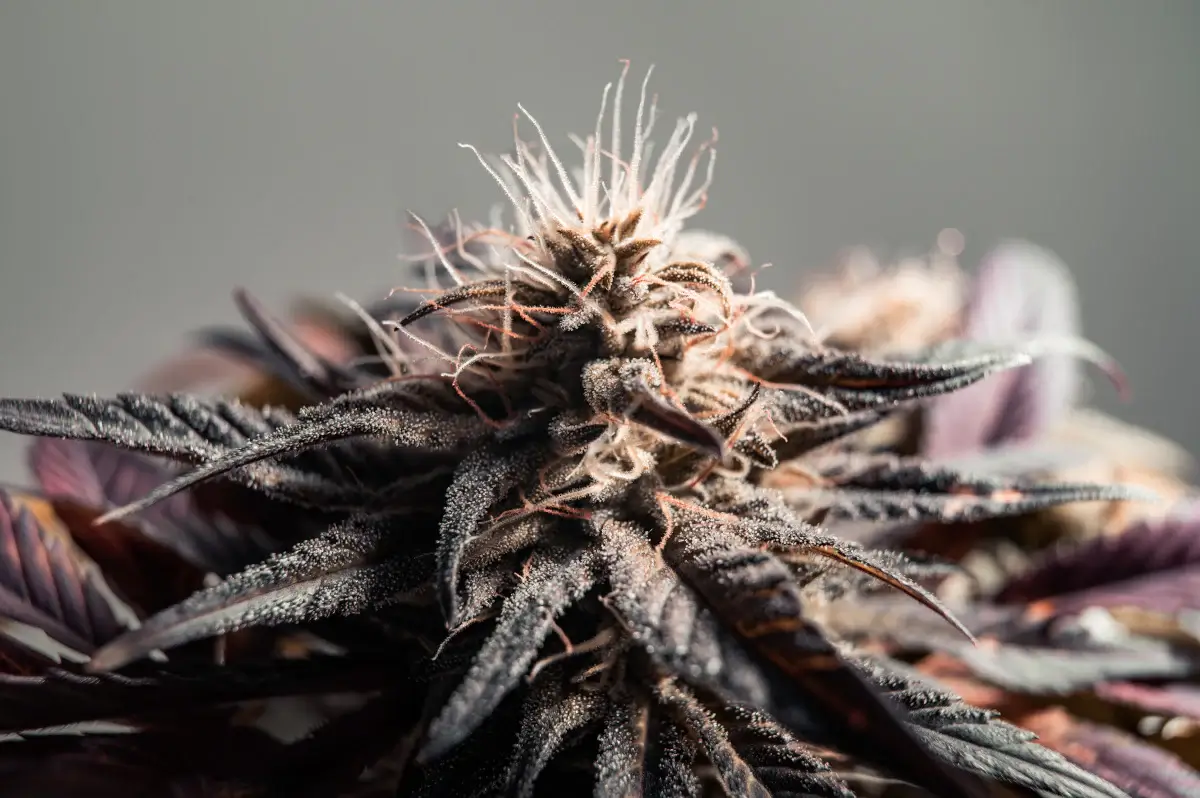
Not reliably. CBD-dominant plants can display the same broad range of plant structures, flower colours and aromas found in other cannabis cultivars. Cannabinoid profile cannot be identified by looking at a seed or flower. The lifecycle and structure depend on the particular line rather than CBD content alone.
CBD-rich genetics are available in different formats. Explore the distinction between feminised seed varieties and autoflower varieties in our Australian cannabis seed buyer’s guide.
An Example: Charlotte’s Web
Charlotte’s Web Feminised is one of the CBD-associated varieties previously featured in the Sacred Seeds catalogue. Check its current product listing for the breeder’s stated profile, availability and format; do not assume the cultivar name alone establishes a particular CBD percentage.
Frequently Asked Questions
Will CBD cannabis seeds produce THC-free plants?
Not necessarily. CBD-dominant genetics may still produce THC. Only appropriate testing can establish a particular sample’s cannabinoid composition.
Does a 1:1 CBD:THC ratio mean there will be no intoxicating effect?
No. A balanced ratio can still contain substantial THC. Ratios describe proportions rather than a guaranteed experience.
Can I identify a high-CBD seed by its colour or pattern?
No. Seed appearance cannot establish cannabinoid genetics or the eventual CBD:THC ratio.
Do CBD varieties have different flowering times or yields?
Those characteristics vary by cultivar and seed format. CBD content by itself does not determine a plant’s lifecycle or productivity.
How should collectible cannabis seeds be stored?
Protect seeds from excessive heat, moisture and light, and follow the supplier’s storage instructions. See our seed storage guide for Australian conditions.
Does Sacred Seeds offer a germination guarantee?
Quality support is governed by Sacred Seeds’ current published policies, including any conditions for replacement support. Do not assume that a support arrangement means an unconditional refund or a guaranteed result.
Are CBD products and cannabis cultivation legal throughout Australia?
No. Rules differ between prescribed medicinal products, cannabis seeds and cultivation, and vary by jurisdiction. Check current local requirements and seek qualified advice where appropriate.
The Bottom Line
The most useful way to evaluate CBD cannabis genetics is to look beyond broad wellness claims. Understand the intended CBD:THC profile, the breeder’s evidence, the seed format and the limits of any reported percentages. Start with our CBD seed collection, or explore the full Sacred Seeds catalogue for other genetic categories.
This article is educational and does not provide medical or legal advice. Australian laws vary by jurisdiction and can change.
🧑🎓 Need helping choosing what to buy? Have a read of this strain guide.
🧑🎓 Learn here how we test our seeds and the best way to store seeds.