Feminised · Photoperiod
Green Crack
Green Crack seeds is the daytime sativa built for energy, and a favourite around here for the flavour and the vibe. A cross of Skunk #1 and an Afghani landrace indica, it leads with a big,…
Shop now →🐨 Free Express Post on orders $300+ | ⭐️2,613 5-Star Reviews



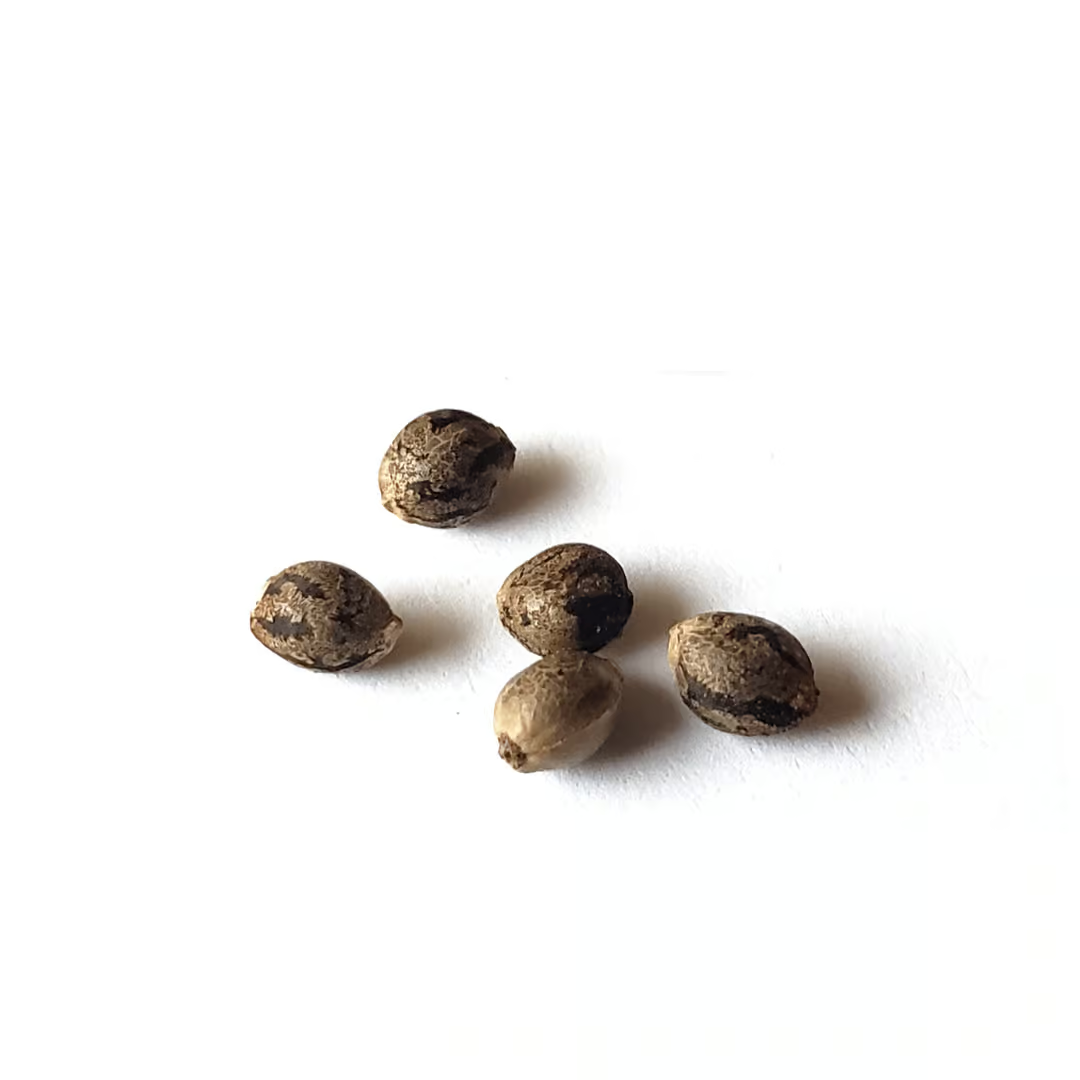
From Original price was: $80.00.$75.00Current price is: $75.00.
🍍 Auto Pineapple Express delivers all the tropical flavour and upbeat energy of the classic strain — now in a fast 10–12 week seed-to-harvest format. Compact, reliable, and beginner-friendly, it’s prized for its pineapple-citrus terps, balanced effects, and smooth daytime vibe. A holiday to Hawaii in a plant.
Every order ships with bonus seeds. One free seed per five purchased — added automatically.
Free Express Post on orders $300+. Automatic upgrade · Australia-wide
Contact us for bulk pricing.
Auto Pineapple Express seeds carry the Trainwreck × Hawaiian genetics that made Pineapple Express one of the most recognisable cannabis strains of the 2000s, on a fixed 70 to 77 day seed-to-harvest timeline that flowers automatically without a light schedule change.
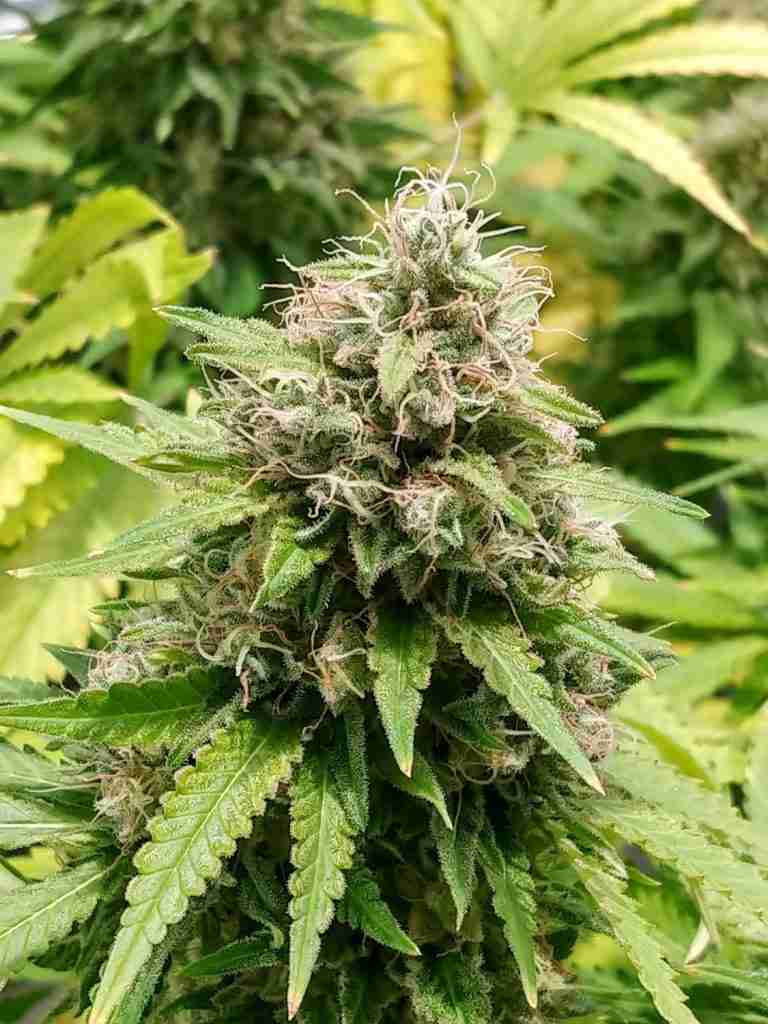
The original Pineapple Express was built around Trainwreck's structural vigour and potency with Hawaiian's tropical-fruit character: the ripe pineapple, citrus, and mango profile that made it immediately distinctive. The name references the meteorological phenomenon, the Pacific storm track carrying warm, moisture-laden air from Hawaii across the Pacific Northwest. The exact origin is debated, with G13 Labs most often credited with stabilising the modern cut. The auto version preserves what made the strain worth growing: the tropical-fruit terpenes, the clear-headed, energising sativa-leaning effect, and the smooth daytime experience, on a fixed timeline with no light flip.
What Auto Pineapple Express seeds deliver:
One thing worth clearing up: the 2008 Seth Rogen film made the name mainstream, but the Trainwreck × Hawaiian genetics existed before the film. The strain is a legitimate cross with a well-established terpene profile and effect character, the film connection is incidental to genetics that stand on their own.
Auto Pineapple Express Lineage
Onset (10–15 minutes): a warm, upbeat lift, mood brightens, energy rises, thoughts become more fluid. The Hawaiian sativa genetics drive the onset, clean and tropical rather than sharp or racy, consistent with the limonene-forward profile.
Early phase (20–60 minutes): clear and sociable, good for conversation, creative work, physical activity, or simply being present and engaged. The Trainwreck component provides physical backing without pulling toward heaviness, body ease rather than weight. The pineapple and citrus flavour is most noticeable in this window.
Mid-phase (60–120 minutes): the indica side becomes more present and physical relaxation deepens gradually. Still functional at moderate doses, the sativa character keeps it from tipping into the couch at typical daytime levels. Good for sustained light activity or passive enjoyment.
Late-phase (2+ hours): a gradual taper with physical ease as the main remaining sensation. In the evening or at higher doses it leans toward rest, at daytime doses the comedown is smooth without a crash or grogginess.
Duration: 2 to 3 hours at typical doses, returning to baseline gently.
Potency note: at ~19 to 22% THC this is solid and appropriate for a wide range of users, not overwhelming at moderate doses. The sativa-leaning effect feels less intense than equivalent THC in a heavy indica. New users should start with one or two draws and assess before more.
Flavour: ripe pineapple and citrus on the inhale, distinctive and tropical, with soft mango in the middle and fresh pine on the exhale from the Trainwreck and pinene side. Smooth, clean smoke. With a proper 3 to 4 week cure the pineapple character sharpens noticeably, the tropical-fruit expression rewards patience in the jar. If you want a sativa-forward daytime profile, browse the sativa-dominant range.
Pineapple Express is limonene-forward, the reason it reads tropical-citrus rather than earthy or skunky like most autos:
For how these compounds shape flavour and effect, see our cannabis terpenes guide.
(Strictly for ACT residents with a licence or those overseas where cultivation is legal.)

Experience level: beginner-friendly. Pineapple Express is widely regarded as forgiving and resistant to mould and common pests, which makes it one of the easier autos to run. Two honest caveats: the Trainwreck side is vigorous and stretch-prone, so the sativa-leaning structure needs LST and a bit of height planning, and the volatile tropical terpenes mean the flavour really depends on a proper cure. As with any auto, the fixed timeline gives no recovery window for early errors. Our cannabis seedling care guide covers a strong start.
Critical auto rules, before germination:
Height and structure: compact to medium at 60 to 100 cm, more vertical than compact indica autos because of the sativa genetics, with moderate early-flower stretch. LST from week 2 to 3 manages it and improves light penetration to lateral bud sites, of which there are more here than on single-cola autos.
Harvest: flowering initiates at 3 to 4 weeks from germination and most phenotypes finish at 70 to 77 days, though some push to 12 weeks. Check trichomes from week 9 and harvest at 15 to 25% amber for the characteristic energising, clear-headed effect, later harvest shifts toward more body ease. Our amber trichomes guide covers reading them, and the drying and curing guide covers the slow dry these volatile terpenes need.
Auto Pineapple Express is a moderate feeder. The Trainwreck genetics are more tolerant than OG or pure-haze derivations, but the fixed timeline still makes early overfeeding a permanent problem. The limonene-dominant tropical-fruit profile, the pineapple and citrus, benefits from conservative nitrogen in late flower and a proper flush before harvest. Start at quarter strength in weeks 1 to 3 and build on plant response only.
All EC values assume quality base nutrients. Australian tap water typically runs 0.2 to 0.5 EC, so factor that into your target and measure after mixing.
| Phase / Week | Soil EC | Coco EC | Soil pH | Coco pH | Notes |
|---|---|---|---|---|---|
| Weeks 1–2 Seedling |
0.4–0.6 | 0.5–0.8 | 6.2–6.5 | 5.8–6.0 | Start conservative, week 1 to 2 overfeeding is permanent on a fixed timeline. Plain water or quarter strength. Water in a ring around the seedling. |
| Weeks 3–4 Early veg / pre-flower |
0.8–1.2 | 1.0–1.4 | 6.0–6.5 | 5.8–6.2 | Build to half strength. Nitrogen-forward. LST in progress. Pre-flowers around day 21 to 28. Trainwreck genetics handle EC better than OG-derived autos. |
| Weeks 4–5 Pre-flower transition |
1.0–1.4 | 1.2–1.6 | 6.0–6.5 | 5.8–6.2 | Reduce nitrogen, introduce bloom nutrients. Begin potassium support, important for the limonene-dominant tropical-fruit development. |
| Weeks 5–8 Peak flower |
1.2–1.6 | 1.4–1.8 | 6.0–6.5 | 5.8–6.2 | High P and K. Sustained K drives the pineapple-citrus terpenes. Back off nitrogen from week 6, excess N mutes the tropical character. |
| Weeks 9–10 Late flower / ripening |
1.0–1.4 | 1.2–1.6 | 6.0–6.5 | 5.8–6.2 | Taper EC down. The plant draws on reserves. Monitor runoff EC. Check trichomes from day 63. |
| Final 7–10 days Flush |
0.0–0.4 | 0.0–0.5 | 6.2 | 5.8–6.0 | Plain pH water until runoff EC drops below 0.5. The pineapple and citrus expression is noticeably cleaner after a proper flush. |
Pre-loaded nutrients: quality potting mix runs 1.0 to 1.5 EC on its own in weeks 1 to 3, so plain water or quarter strength is correct early. Feed only once runoff EC drops below 0.8.
Runoff monitoring: water to 10 to 20% runoff and measure it. Runoff more than 0.4 above feed-in indicates salt buildup, so flush with twice the pot volume of plain pH water. The tropical-fruit terpenes are one of the first casualties of salt accumulation.
Watering frequency: every 2 to 3 days in veg, every 1 to 2 days in peak flower, letting the top 2 to 3 cm dry between waterings. The sativa-leaning structure transpires harder than compact indica autos in warm conditions, the pot will feel lighter by weeks 6 to 7.
Feeding frequency: once daily in veg, twice daily in peak flower. Never let coco dry out completely, consistent hydration in weeks 5 to 8 supports the limonene-dominant terpene development.
pH in coco: 5.9 to 6.1 at every feed. The limonene profile is sensitive to pH drift, below 5.8 the bright pineapple and citrus character diminishes before visible deficiency appears.
CalMag in coco: 1 to 2 ml/L from week 1 through flush. Coco binds calcium and magnesium. Brown spots on mid-canopy leaves are often calcium, so check pH first, then CalMag, before reducing EC.
Nitrogen timing in coco: back off nitrogen firmly from week 6. The tropical-fruit character suffers with excess N in late flower, faster in coco than soil given the absence of buffering.
| What You're Seeing | Likely Cause | Action |
|---|---|---|
| Tip burn weeks 1 to 3 | EC too high for the seedling, or pre-loaded soil plus added feed compounding | Drop to plain water for one or two waterings, check whether the soil already provides nutrients, then resume lower. Early damage is permanent on a fixed timeline. |
| Pineapple aroma flat in late flower | Excess nitrogen suppressing limonene, pH drift, or insufficient cure | Check pH first, back off nitrogen from week 6. If flat at harvest, jar for 3 to 4 weeks, the tropical character develops significantly during cure. |
| Dark green, clawing leaves mid-flower | Nitrogen toxicity | Reduce EC and the nitrogen proportion. The pineapple terpenes suffer noticeably with excess N in weeks 6 to 9. |
| Runoff EC well above feed-in | Salt buildup in the medium | Flush with twice the pot volume of plain pH water, aiming for runoff below 1.0 before resuming. |
| Yellowing between leaf veins | Iron or manganese lockout from pH drift | Correct pH immediately. In coco, drop to 5.8 to 5.9 for a few feeds then return to 5.9 to 6.1. |
Auto Pineapple Express runs 70 to 77 days on a consistent timeline. The main management points are LST timing before the early-flower stretch, consistent feeding through peak flower, and patience at harvest, since both the tropical terpene peak and the sativa-leaning effect need the trichomes to reach 15 to 25% amber.
| Phase / Week | What's Happening | Key Actions | Watch Out For |
|---|---|---|---|
| Weeks 1–2 Seedling |
Taproot establishing. The sativa-leaning structure shows early, slightly more open than compact indica autos. | Plain water or quarter strength. 18/6. 60 to 70% RH. Final container from day one. | Overwatering and overfeeding, the standard early auto mistakes. Do not push EC in weeks 1 to 2. |
| Weeks 3–4 Early veg / pre-flower |
Vigorous growth. Pre-flowers around day 21 to 28. Sativa-leaning structure with wider internodal spacing than compact indica autos. | Begin LST from week 2 to 3. Build to half strength. EC 0.8 to 1.2 soil / 1.0 to 1.4 coco. 50 to 60% RH. | Missing the LST window, the sativa genetics stretch in early flower. Starting LST before pre-flowers makes canopy management much easier. |
| Weeks 5–7 Early-mid flower |
Bud sites developing. Pineapple and citrus aroma building from week 5 to 6. Moderate sativa stretch. | Transition to bloom. EC 1.2 to 1.6 soil / 1.4 to 1.8 coco. Potassium boost from week 5. Carbon filter from week 6. Drop RH to 45 to 50%. Back off nitrogen from week 6. | Excess nitrogen, the limonene profile is sensitive to N in late flower. Build K, reduce N, and watch the tropical aroma build. |
| Weeks 8–10 Late flower / ripening |
Dense, aromatic buds with the pineapple-citrus aroma at peak. Trichomes moving cloudy to amber. The harvest window approaches. | Check trichomes from day 56. Drop RH to 40 to 45%. Begin flush at 10 to 15% amber. Harvest at 15 to 25% amber for the energising effect. | Early harvest. Chopping at mostly cloudy misses the terpene peak. Wait for 15 to 25% amber, later (25%+) shifts toward more body relaxation. |
| Days 70–77 Flush & harvest |
Final ripening, dense pineapple-citrus aromatic buds, natural leaf yellowing. | Plain pH water for 7 to 10 days. Harvest at 15 to 25% amber. Slow dry at 15 to 18 °C, 55 to 60% RH for 10 to 14 days. | Rushing the dry. The limonene tropical terpenes are volatile, a fast hot dry loses the pineapple character. Slow and cool. |
| Post-harvest Cure |
The full pineapple-citrus-mango complexity develops in the jar. Fresh-dried is decent, but after 3 to 4 weeks it tastes like Pineapple Express. | Jar at 60 to 65% RH, burp daily for two weeks. 3 weeks minimum, 4-plus for the full tropical character. | Judging it on fresh-dried material. The limonene-forward profile develops during cure, the reputation is built on properly cured material. |
Two things consistently make or break Auto Pineapple Express: the flush and the cure. The limonene-dominant tropical-fruit profile is one of the most volatile in the catalogue, genuinely sensitive to both residual salt in the buds and to drying conditions. Flush properly for 7 to 10 days until runoff EC drops below 0.5, dry slowly at 15 to 18 °C, then jar it and wait.
The temptation with this strain is to open the jar at one or two weeks and declare the flavour disappointing. Give it four weeks before you make that call. The pineapple-citrus character develops in the jar in a way that is not fully expressed at harvest, and the difference between week one and week four is more pronounced with limonene-dominant genetics than with most other profiles.
On feeding, the tropical-fruit character suffers noticeably with excess nitrogen in late flower. Back off nitrogen from week 6 regardless of what the leaves look like, the plant needs phosphorus and potassium to finish bud and terpene development, not more N. It is the most strain-specific feeding decision here, and it directly affects the flavour you end up with.
| Feature | Auto Pineapple Express (this page) |
Pineapple Express Feminised |
|---|---|---|
| Type | Autoflower | Photoperiod |
| Seed to harvest | 70–77 days fixed | 9–10 wk flower + veg |
| THC | ~19–22% | ~19–26% |
| Indoor yield | Up to 400 g/m² | Higher with extended veg |
| Outdoor yield | 50–150 g/plant | 450–650 g/plant |
| Height | 60–100 cm | Larger with extended veg |
| Light schedule | Any, no flip required | 12/12 to flower |
| Best for | Fixed timeline, multiple cycles, compact grows | Maximum yield, full veg control |
Choose Auto Pineapple Express for a fixed 70 to 77 day timeline, multiple outdoor cycles per season, and compact height without managing a light flip. Choose the Pineapple Express Feminised for maximum yield, full veg control, and larger plants.
Still comparing options? Our full strain lineup guide covers the range, or browse the autoflower range, the sativa-dominant range, or the complete cannabis seeds catalogue.
Paraphrased from verified customer reviews and grower communications.
⭐⭐⭐⭐⭐ "Literally tastes like pineapple, the best-tasting strain I have grown. The effect is upbeat and social, happy without being overwhelming. A genuinely good daytime option.", Verified grower
⭐⭐⭐⭐⭐ "Fruity, piney, and earthy, the flavour is exactly what you would want from Pineapple Express. Gives you the head lift with the energy to get things done. One of the better functional daytime autos I have run.", Verified grower
Auto Pineapple Express seeds are an autoflowering feminised version of the Trainwreck × Hawaiian cross that made Pineapple Express famous, a sativa-leaning hybrid with a limonene-dominant tropical-fruit profile (pineapple, citrus, mango) and a clear-headed, energising daytime effect. The exact origin is debated, with G13 Labs most often credited with the modern cut. Ruderalis genetics trigger flowering automatically at 3 to 4 weeks from germination regardless of light cycle, with seed to harvest running roughly 70 to 77 days.
Approximately 70 to 77 days (10 to 11 weeks) from germination for most phenotypes, with some sativa-leaning phenos pushing to 12 weeks. Check trichomes from day 56. Harvest at 15 to 25% amber for the characteristic energising, clear-headed effect, later harvest (25 to 35% amber) shifts toward more physical relaxation. Do not harvest at predominantly cloudy trichomes, the tropical terpene peak develops in this window.
Up to 400 g/m² indoors under quality lighting with LST, and 50 to 150 g per plant outdoors, with 15 to 20 L containers and full sun approaching the upper end. The auto's advantage over the photoperiod is timing flexibility and multiple cycles per season, not equivalent per-plant yield.
Yes, with a proper cure. The limonene-dominant Hawaiian genetics drive a genuine tropical-fruit character, pineapple and citrus on the inhale, soft mango in the middle, pine on the finish. The key is the cure: fresh-dried material is decent, but the full expression develops over 3 to 4 weeks in sealed jars. Excess nitrogen in late flower and insufficient cure time are the two most common reasons the flavour falls short of the strain's reputation.
Yes, it is one of the more beginner-friendly autos. The genetics are widely regarded as forgiving and resistant to mould and common pests. Two things to manage: the Trainwreck side is stretch-prone, so run LST from week 2 to 3 and plan for 60 to 100 cm, and the volatile tropical terpenes mean a proper cure matters for flavour. As with any auto, start in the final container, feed light early, and respect the fixed timeline.
Two to three in warm states. Plant September for a November-December harvest, plant November-December for January-February, plant January for March-April. The fixed 70 to 77 day timeline makes planning predictable, and QLD and northern NSW growers get the most benefit from multiple-cycle outdoor growing with this strain.
Yes, with fast domestic shipping and discreet packaging, and most orders arrive within a few business days. All seeds are batch-tested with the paper towel method at ~22 °C and stored cold and dry to preserve viability.
Not sure this is the right strain for you?
Answer six quick questions and we will give you three strains we feel best for you based on your setup, experience, and goals.




Discover the latest additions to Sacred Seeds Australia — from legendary old-school strains to exciting modern hybrids, each selected for its distinctive character, lineage and reputation.
Explore all latest drops →Green Crack seeds is the daytime sativa built for energy, and a favourite around here for the flavour and the vibe. A cross of Skunk #1 and an Afghani landrace indica, it leads with a big,…
Shop now →
Auto Maui Wowie brings the classic Hawaiian landrace sativa into autoflowering form. Maui Wowie Auto keeps the bright pineapple-citrus flavour and clean, energetic daytime lift, but finishes in about 9 to 10 weeks from seed with…
Shop now →
Hindu Kush seeds bring you one of the world's last great pure indica landraces. Born high in the rugged mountains between Afghanistan and Pakistan, this resin-rich classic delivers earthy spice, deep relaxation, and genetics that have…
Shop now →
..
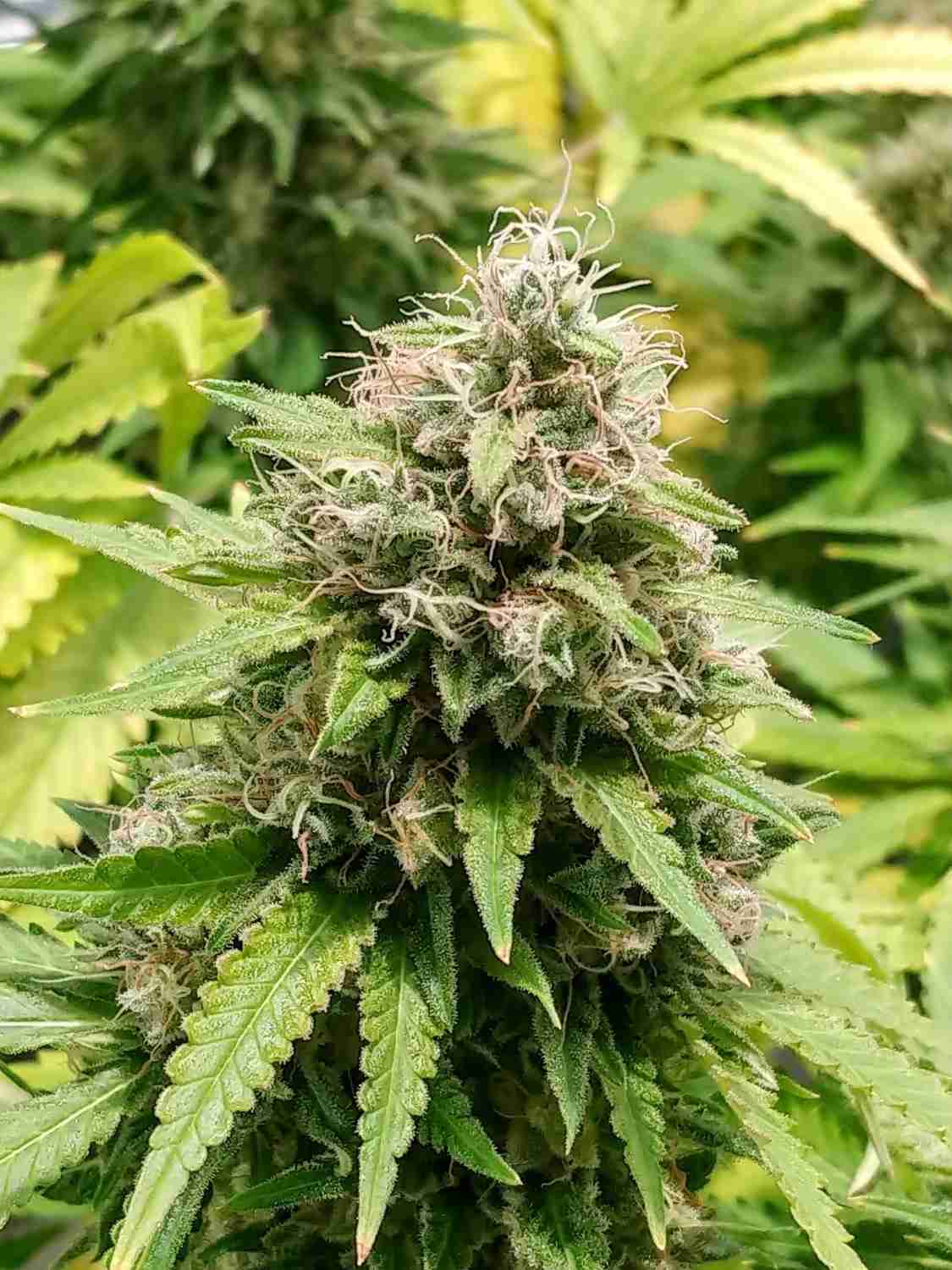
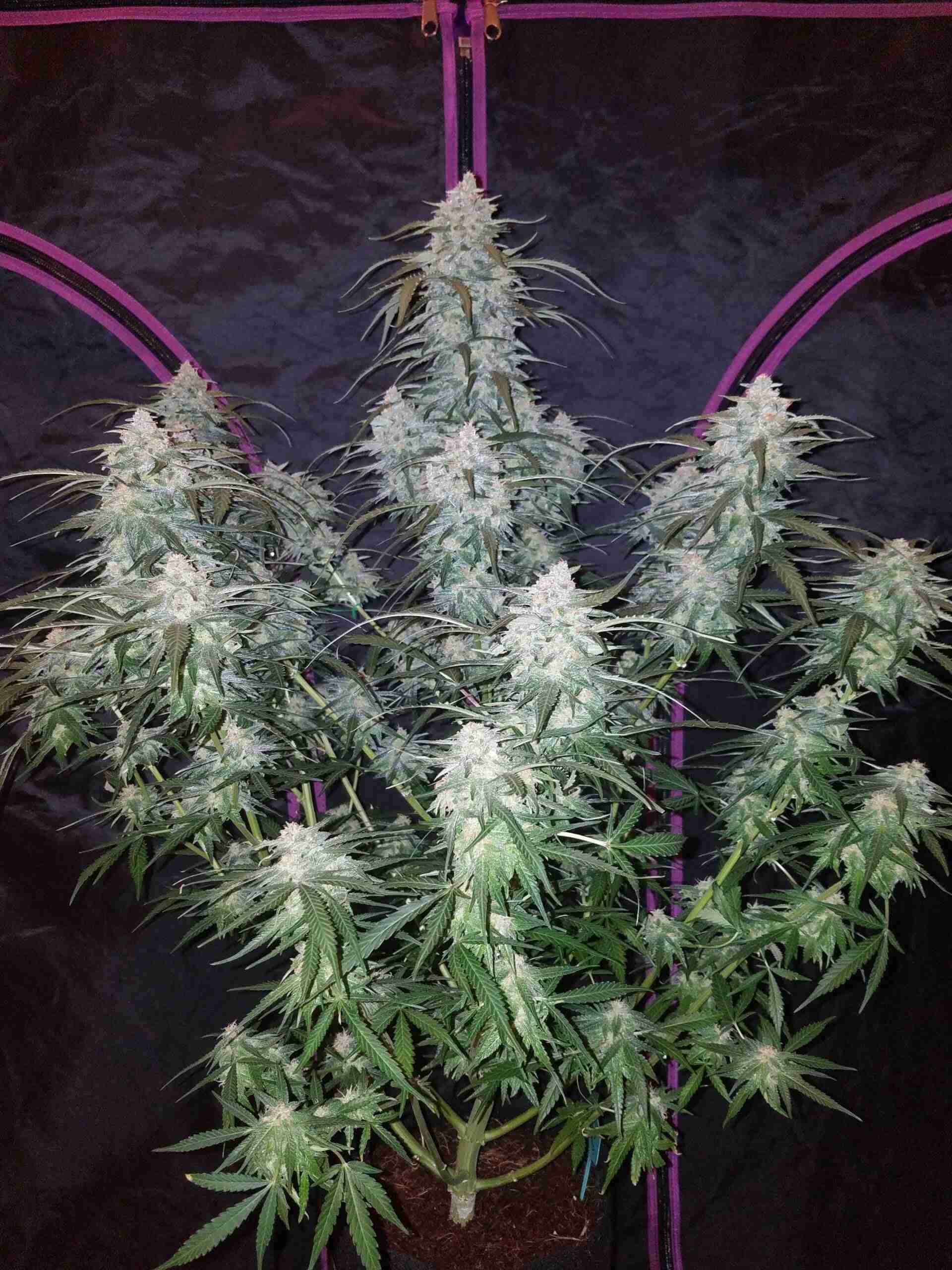
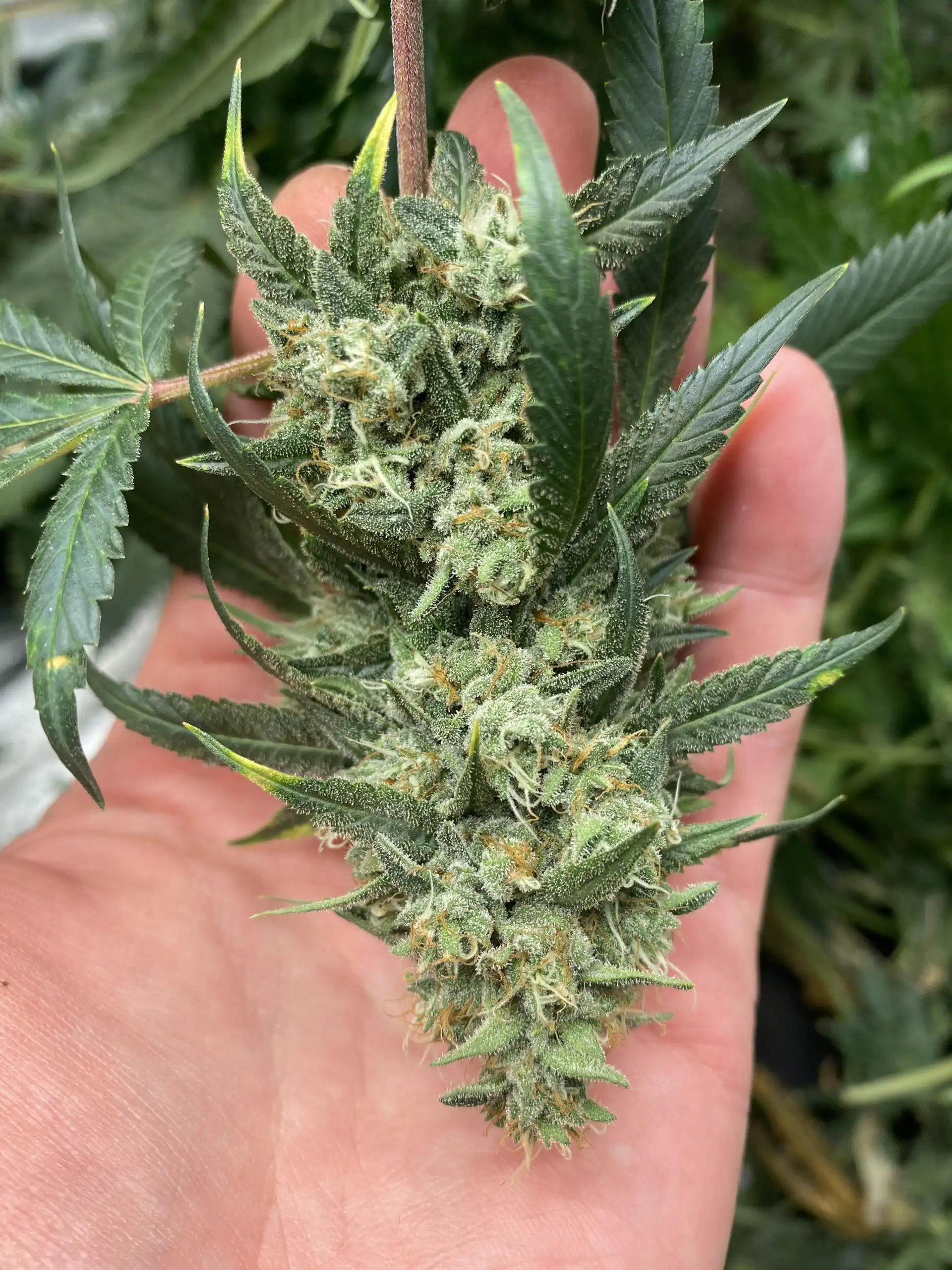
Flowering at week 7
Very happy
Growing really well