Feminised · Photoperiod
Green Crack
Green Crack seeds is the daytime sativa built for energy, and a favourite around here for the flavour and the vibe. A cross of Skunk #1 and an Afghani landrace indica, it leads with a big,…
Shop now →🐨 Free Express Post on orders $300+ | ⭐️2,636 5-Star Reviews




From Original price was: $80.00.$75.00Current price is: $75.00.
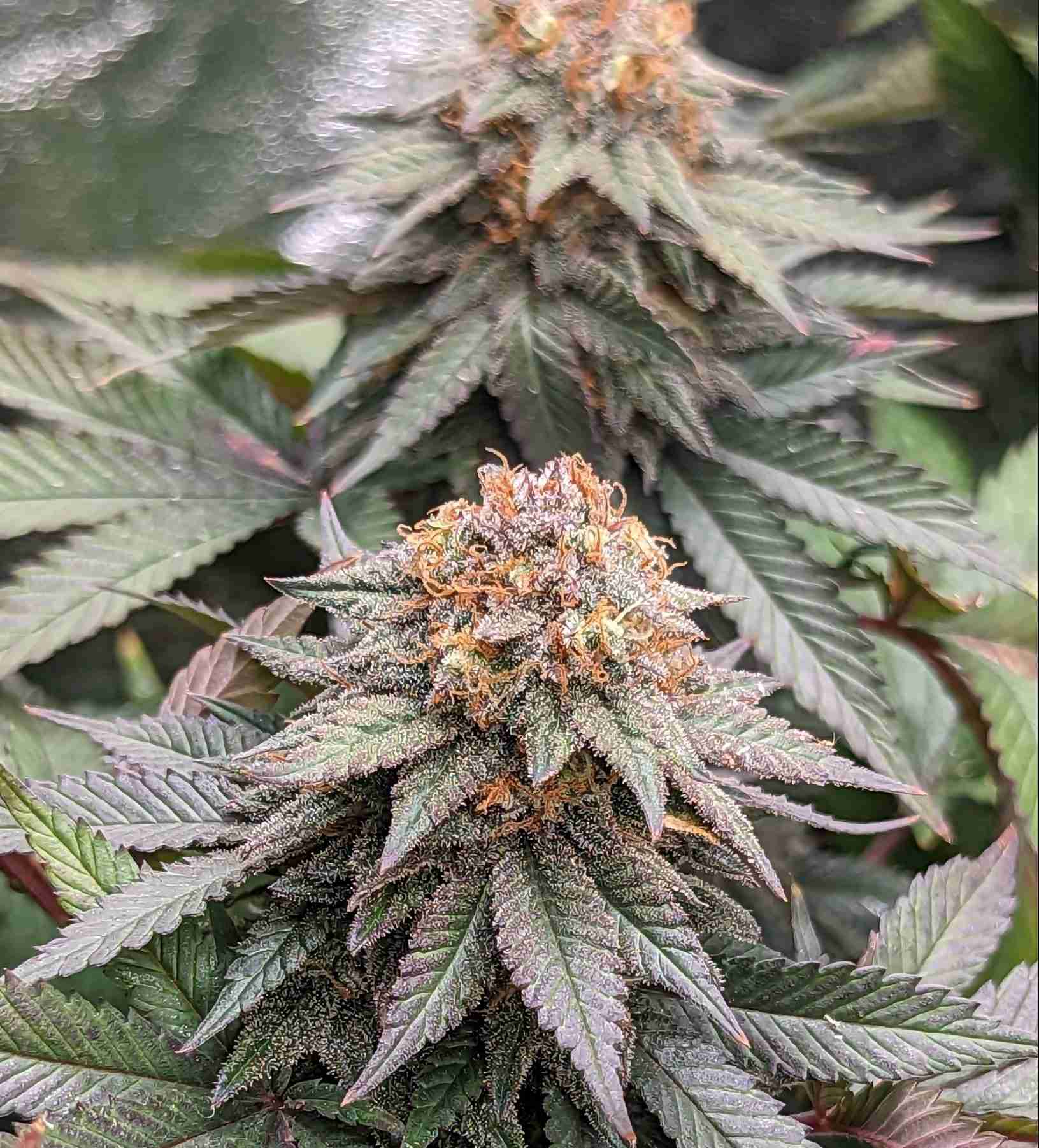
🍍 Pineapple Express seeds. Unlike most strains made famous by Hollywood, this one actually lives up to the reputation. Combining Trainwreck and Hawaiian genetics, Pineapple Express delivers tropical fruit terpenes, uplifting effects, and the kind of easy-going versatility that’s kept it popular long after the movie stopped being quoted.
Every order ships with bonus seeds. One free seed per five purchased — added automatically.
Free Express Post on orders $300+. Automatic upgrade · Australia-wide
Contact us for bulk pricing.
Pineapple Express seeds carry the Trainwreck and Hawaiian genetics behind one of the most culturally recognisable strains of the 2000s: ripe pineapple and citrus terpenes, a clear-headed, uplifting sativa-dominant effect, and substantial yields, in feminised photoperiod format with full veg control.
Few strains have crossed into mainstream culture the way Pineapple Express did, and fewer still have backed up the name with genetics worth growing. The Trainwreck parentage (itself an Afghani, Mexican, and Thai blend) contributes structural vigour, potency, and a grounding body note that keeps the Hawaiian sativa from tipping into a racy edge. The Hawaiian side drives the tropical fruit profile, the ripe pineapple and citrus that is immediately distinctive, and the clear-headed, energising, sociable effect the strain is known for. It is one of the standout sativa-dominant options in the catalogue.
Behind the cultural moment: the 2008 film made the name famous, but the Trainwreck and Hawaiian cross is older than the film, and its exact origin is genuinely debated. G13 Labs is most often credited with the original mid-2000s cross, and well-regarded versions exist from several breeders since. What matters for the grow is that the genetics are genuine: the myrcene and limonene terpene profile, the sativa-leaning balanced effect, and the outdoor yield potential all hold up across grows. We curate small-batch lots from trusted EU and US breeders, double-test for viability, and release in limited numbers.
What Pineapple Express seeds do well:
Pineapple Express Lineage
Onset (10–20 minutes): Warm, uplifting, and sociable. The Hawaiian side drives the beginning: mood brightens, mental energy rises, and conversation flows naturally. The limonene contributes a citrus brightness. Clean, clear-headed, and functional from the start.
Early phase (20–60 minutes): Focus and motivation at their clearest, the window for creative work, social settings, or activity. The Trainwreck side contributes a steady, grounding physical ease building underneath the mental uplift without pulling toward sedation. The sweet pineapple flavour is most present here.
Mid-phase (60–120 minutes): The sativa-dominant character stays primary while physical comfort deepens. Still functional at typical doses, with the Trainwreck body note keeping it grounded. Appetite may increase, and motivation for active tasks gradually gives way to comfortable engagement.
Late-phase (2+ hours): A gradual, smooth taper without a harsh drop. The body ease becomes primary as the clarity fades. Relaxed and pleasant at moderate doses, and more settling at higher doses as the Trainwreck contribution comes through.
Duration: 2.5 to 4 hours at typical doses, longer at higher doses, consistent with the balanced sativa-dominant profile.
Potency note: at 19 to 26% THC across phenotypes, Pineapple Express is genuinely potent at the upper end, stronger than its easy-going film-era reputation suggests. The sativa-leaning effect feels more functional than equivalent THC in a heavy indica, but the upper phenotypes command respect, so start conservatively with unfamiliar cuts. The strongest cuts sit in our high-THC range.
Flavour: Ripe pineapple and citrus on the inhale, soft mango in the middle, fresh pine on the exhale. The tropical fruit character is the defining feature. Smooth, clean smoke, and with a proper 3 to 4 week cure the pineapple and citrus complexity sharpens significantly, so assess the genetics at four weeks in the jar rather than at one week post-harvest.
The tropical fruit aroma is the signature of the strain, built on a myrcene base with limonene driving the character:
For how these compounds shape flavour and effect, see our cannabis terpenes guide.
(Strictly for ACT residents with a licence or those overseas where cultivation is legal.)
Experience level: Intermediate. This is not the most demanding photoperiod in the catalogue, since the Trainwreck vigour adds robustness and the medium height is manageable with standard training. The main skills are managing the flip timing, supporting the sativa structure through the flowering stretch, and harvesting at the right trichome window for the tropical fruit effect. Growers with a photoperiod run behind them will find it rewarding and consistent. For the early weeks, our cannabis seedling care guide covers getting a plant established well.
Veg phase: grow under 18/6 until the plant is the size you want to flower. 4 to 6 weeks suits most indoor setups, while 6 to 8 weeks with SCROG produces the canopy needed to approach the upper yield range. The Trainwreck vigour pushes growth actively in veg, and the plant takes well to early topping (node 4 to 5) and progressive LST to manage the branchy structure.
Height and structure: medium at 80 to 140 cm, manageable with standard training but worth planning for, since the Hawaiian genetics add a 30 to 50% height increase in the first two to three weeks of flower. Topping at node 4 to 5 in veg produces a multi-cola structure that manages this stretch more evenly.
Training:
Flowering: flip to 12/12 at the desired size, for 8 to 10 weeks of flower (sativa-leaning phenotypes run toward the 10-week end). Check trichomes from week 7 and harvest at 15 to 20% amber for the characteristic energising effect (a later 20 to 30% amber harvest shifts toward more body relaxation and less clarity). Our amber trichomes guide covers reading them.
Common issues: underestimating the flowering stretch (the Hawaiian genetics push real vertical growth in weeks 1 to 3, so plan tent height and light distance), harvesting at cloudy-only trichomes (the terpene peak and the sativa effect both need 15 to 20% amber), and rushing the cure (the limonene pineapple character develops over 3 to 4 weeks in the jar).
Pineapple Express is a moderate feeder. The Trainwreck vigour makes it more robust than sensitive OG or GSC-derived genetics, but the Hawaiian side means the limonene-driven tropical fruit profile is sensitive to excess nitrogen in late flower. Start conservatively in seedling, build through veg, and back off nitrogen from flower weeks 4 to 5. The pineapple and citrus character is one of the profiles most improved by a proper flush and cure.
All EC values assume quality base nutrients. Australian tap water typically runs 0.2 to 0.5 EC, so factor that into your target and measure after mixing.
| Phase | Soil EC | Coco EC | Soil pH | Coco pH | Notes |
|---|---|---|---|---|---|
| Seedling Weeks 1–2 |
0.4–0.6 | 0.5–0.8 | 6.2–6.5 | 5.8–6.0 | Start conservative, plain water in week 1. |
| Early veg Weeks 3–5 |
0.8–1.2 | 1.0–1.4 | 6.0–6.5 | 5.8–6.2 | Nitrogen-forward. The Trainwreck vigour allows a slightly faster EC build than sensitive genetics. |
| Late veg Weeks 5–8 |
1.2–1.6 | 1.4–1.8 | 6.0–6.5 | 5.8–6.2 | Maintain nitrogen. SCROG filling or LST in progress. Flip when the plant is at the desired size. |
| Early flower Flower weeks 1–4 |
1.2–1.6 | 1.4–1.8 | 6.0–6.5 | 5.8–6.2 | Reduce nitrogen, increase P and K. Sativa stretch occurring, so adjust light distance regularly. Begin K support from flower week 3. |
| Peak flower Flower weeks 4–7 |
1.4–1.8 | 1.6–2.0 | 6.0–6.5 | 5.8–6.2 | High P and K. Back off nitrogen from flower weeks 4 to 5, since the limonene pineapple and citrus character suffers with excess N in late flower. |
| Late flower Flower weeks 7–9 |
1.0–1.4 | 1.2–1.6 | 6.0–6.5 | 5.8–6.2 | Reduce overall EC. Check trichomes from flower week 7. Target 15 to 20% amber for the energising effect. |
| Flush Final 10–14 days |
0.0–0.4 | 0.0–0.5 | 6.2 | 5.8–6.0 | Plain pH water only. Flush until runoff EC drops below 0.5. The pineapple expression is noticeably cleaner after a proper flush. |
| What You're Seeing | Likely Cause | Action |
|---|---|---|
| Pineapple and citrus aroma flat in late flower | Excess nitrogen suppressing limonene, pH drift, or insufficient cure time | Check pH first. Back off nitrogen from flower weeks 4 to 5. If flat at harvest, cure 3 to 4 weeks, since the pineapple character develops in the jar. Assess at 4 weeks. |
| Excessive stretch in early flower | Normal for sativa-dominant genetics, a 30 to 50% increase in weeks 1 to 3 | Expected. Adjust light distance proactively. Supercrop gently if branches approach the light, and LST horizontally through the stretch. |
| Dark green, clawing leaves in flower | Nitrogen toxicity, N not backed off at the flower transition | Reduce EC and the nitrogen proportion. The profile needs P and K in flower, not N. The Hawaiian genetics show this specifically. |
| Runoff EC well above feed-in through flowering | Salt buildup across the extended flower period | Flush with 2x pot volume of plain pH water. The longer sativa flowering window means more feeding cycles and higher accumulation risk than a compact indica. |
| Pale green in mid-to-late veg | Underfeeding, since the Trainwreck vigour uses nitrogen actively in veg | Increase nitrogen at the next watering. Unlike sensitive genetics, pale green here tends to signal genuine deficiency. |
| Phase | What's Happening | Key Actions | Watch Out For |
|---|---|---|---|
| Early veg Weeks 1–4 |
Strong vegetative growth from the Trainwreck vigour. Lateral branching establishing, responsive to early training | Top at node 4 to 5. Begin LST. 18/6. EC 0.8 to 1.2 (soil). Build feed with plant response | Underfeeding. Pale green in mid-veg is usually a feeding signal here, not normal |
| Late veg Weeks 4–8 |
Canopy building. SCROG filling if used. Multi-cola structure developing from topping | Continue LST or SCROG. EC 1.2 to 1.6 (soil). Flip when the plant is at target size and the screen is 60 to 70% full | Flipping too early with SCROG, which leaves yield potential unfilled |
| Early flower Flower weeks 1–4 |
Sativa stretch, a 30 to 50% height increase. Bud sites establishing. Tropical aroma from flower week 3 to 4 | Transition to bloom nutrients. Adjust light distance regularly. Begin K support. Drop RH to 50%. EC 1.2 to 1.6 (soil) | The stretch. Adjust light distance proactively, and support and train the stretching branches |
| Peak flower Flower weeks 4–7 |
Dense bud development. Pineapple and citrus aroma building strongly. Trichome production increasing | Peak bloom EC 1.4 to 1.8 (soil). Back off N from flower weeks 4 to 5. Carbon filter essential. Drop RH to 45 to 50% | Excess nitrogen, which mutes the pineapple and citrus character. Back off N regardless of leaf colour |
| Late flower Flower weeks 7–9 |
Buds fattening. Tropical aroma at peak. Trichomes transitioning from cloudy to amber | Check trichomes from flower week 7. Drop RH to 40 to 45%. Begin the flush at 10 to 15% amber. Target 15 to 20% amber | Harvesting at cloudy-only trichomes, which misses both the terpene peak and the balanced effect |
| Flush & harvest | Dense, aromatic buds at peak, trichomes at 15 to 20% amber | Plain pH water 10 to 14 days. Harvest at 15 to 20% amber. Slow dry at 15 to 18 °C, 55 to 60% RH for 10 to 14 days | Rushing the dry. Limonene is volatile, so a fast hot dry loses the tropical character |
| Cure | The full pineapple, citrus, and mango complexity develops in the jar. At 4 weeks it tastes like Pineapple Express | Jar at 60 to 65% RH. Burp daily for 2 weeks, then seal. 3 weeks minimum, 4 for full complexity | Assessing at 1 week post-harvest. The character develops during the cure, so assess at 4 weeks |
The stretch is the thing that catches people out. The Hawaiian sativa genetics push the plant upward in weeks 1 to 3 of flower more than the medium-height description suggests. I adjust light distance every two or three days through the stretch rather than weekly, because it can add 10 cm in a few days when it is moving. LST any branches getting close to the light, bending them gently horizontal rather than fighting the stretch.
The nitrogen back-off timing matters more here than with most strains. The limonene tropical fruit character is one of the profiles most sensitive to excess nitrogen in late flower, so I back off N from flower week 4 regardless of what the leaves look like. If they go a little lighter green in week 6 I am not concerned, since that is the plant finishing properly rather than struggling.
On the cure, the difference between week 1 and week 4 is the difference between smelling like cannabis and smelling like Pineapple Express. The limonene and myrcene development in the jar is real with these genetics. I jar at 60 to 65% RH, burp daily for two weeks, then seal and leave it another two to three weeks. Assess the genetics properly before forming any opinion about whether the grow worked.
| Feature | Pineapple Express Photo (this page) |
Auto Pineapple Express |
|---|---|---|
| Type | Photoperiod | Autoflower |
| Timeline | 8–10 weeks flower plus veg | 70–77 days fixed |
| Indoor yield | 400–550 g/m² | Up to 400 g/m² |
| Outdoor yield | 450–650 g/plant | 50–150 g/plant |
| THC | ~19–26% | ~19–22% |
| Height | 80–140 cm, training recommended | 60–100 cm compact |
| Light schedule | 18/6 veg, 12/12 flower | Any, no flip required |
| Outdoor cycles | 1 per season (April or May harvest) | 2–3 per season |
| Best for | Maximum yield, SCROG, full plant control | A fixed timeline, multiple cycles, simplicity |
Choose this photoperiod for maximum yield per cycle, full veg control, and the complete Trainwreck and Hawaiian terpene expression. Choose the Auto Pineapple Express for a fixed timeline, multiple outdoor cycles per season, and compact height without a light flip.
Still comparing options? Our full strain lineup guide covers the range, or browse the feminised photoperiod range, the sativa-dominant range, or the complete cannabis seeds catalogue.
Paraphrased from verified customer reviews and grower communications.
⭐⭐⭐⭐⭐ "Energetic, euphoric, and happy. Heavy with trichomes and a very sweet tropical smell. A genuinely productive high, with the motivation to get things done. Fair warning: I also ate half the fridge.", Verified customer (paraphrased)
⭐⭐⭐⭐⭐ "Yet to find another strain that puts me in an uplifted, happy mood this reliably. Something about the Pineapple Express effect just works. Highly recommendable.", Verified customer (paraphrased)
Pineapple Express is a feminised photoperiod strain bred from Trainwreck × Hawaiian, a cross of a potent California hybrid and tropical Hawaiian sativa genetics. Its exact origin is debated, with G13 Labs most often credited as the originator and the 2008 film popularising the name. It produces a tropical fruit terpene profile (ripe pineapple, citrus, mango, pine finish) and a balanced sativa-dominant effect: uplifting and creative early, settling into comfortable body ease over the following hour or two.
More balanced than a pure sativa. The Trainwreck component (itself Afghani, Mexican, and Thai) grounds the Hawaiian energy into something functional, uplifting and creative early, with a steady body note underneath that keeps the experience from running racy. It is genuinely social and daytime-usable at moderate doses, with potency in the upper phenotypes (up to 26% THC) that commands respect.
8 to 10 weeks from the 12/12 flip, with sativa-leaning phenotypes toward the 10-week end. Add veg time: 4 to 6 weeks for a standard indoor plant, or 6 to 8 weeks for a SCROG. Total indoor timeline is typically 12 to 18 weeks from seed. Check trichomes from flower week 7 and harvest at 15 to 20% amber for the energising effect, since a later harvest shifts toward more body relaxation.
450 to 650 g/plant with optimal conditions: a full summer veg from an October or November planting, 20 to 30 L containers, full sun (8+ hours), and consistent management. Regional harvest windows fall across April and May. Growers planting late, using smaller containers, or with partial shade typically land in the 250 to 400 g range. For a fixed-timeline alternative with multiple cycles per season, the Auto Pineapple Express produces 50 to 150 g/plant.
Yes, with the right post-harvest treatment. The limonene-driven Hawaiian character needs three things: conservative nitrogen from flower weeks 4 to 5 (excess N mutes the tropical profile), a proper 10 to 14 day flush (until runoff EC drops below 0.5), and 3 to 4 weeks of cure in sealed jars at 60 to 65% RH. Fresh-dried material tastes decent, but after four weeks of cure the pineapple and citrus complexity is fully expressed.
80 to 140 cm indoors, with a 30 to 50% height increase in weeks 1 to 3 of flower from the Hawaiian stretch. Topping at node 4 to 5 in veg followed by progressive LST produces a multi-cola structure that manages it well, and SCROG is the highest-yield indoor approach (set the screen at 40 to 50 cm and flip when 60 to 70% full). Outdoors, expect 100 to 160 cm over a full season, and stake from week 3 to 4 of flower.
The origin is genuinely debated. G13 Labs is most often credited with the original Trainwreck × Hawaiian cross in the mid-2000s, and the 2008 film cemented the name. Several breeders have released their own versions since, and the genetics on the market vary, which is part of why sourcing from a seller that double-tests and curates its lots matters with this strain.
Not sure this is the right strain for you?
Answer six quick questions and we will give you three strains we feel best for you based on your setup, experience, and goals.




Discover the latest additions to Sacred Seeds Australia — from legendary old-school strains to exciting modern hybrids, each selected for its distinctive character, lineage and reputation.
Explore all latest drops →Green Crack seeds is the daytime sativa built for energy, and a favourite around here for the flavour and the vibe. A cross of Skunk #1 and an Afghani landrace indica, it leads with a big,…
Shop now →
Auto Maui Wowie brings the classic Hawaiian landrace sativa into autoflowering form. Maui Wowie Auto keeps the bright pineapple-citrus flavour and clean, energetic daytime lift, but finishes in about 9 to 10 weeks from seed with…
Shop now →
Hindu Kush seeds bring you one of the world's last great pure indica landraces. Born high in the rugged mountains between Afghanistan and Pakistan, this resin-rich classic delivers earthy spice, deep relaxation, and genetics that have…
Shop now →
I cannot recommend enough! They are super helpful and patient. As a beginner, I had so many questions about what to plant and how to care for my garden. They took the time to explain everything clearly and taught me so much.
Through all my learning still pulled off a great harvest.
Thanks guys i cant thank you enough for all of your help.
Love pineapples 😊
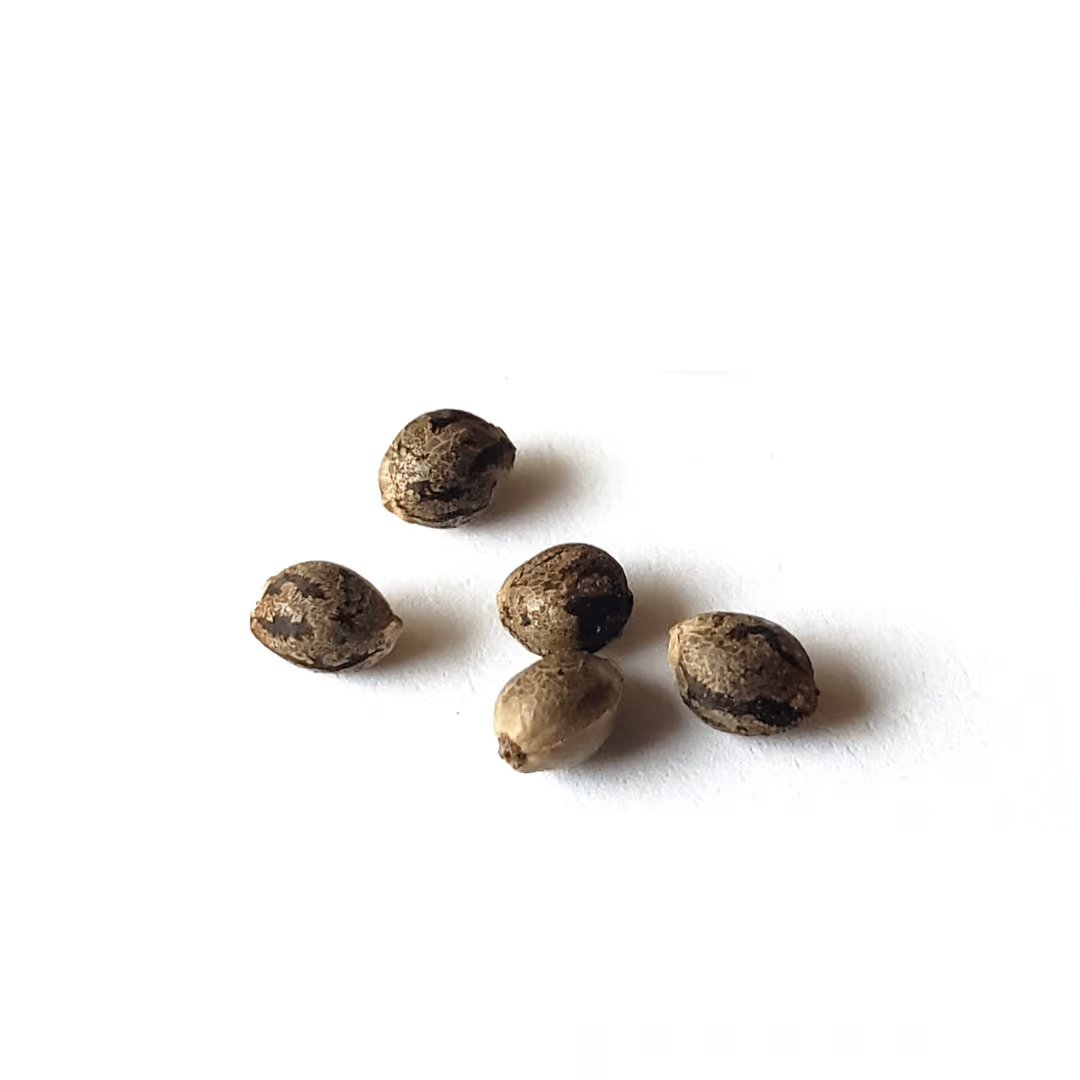
Top job all 5 pineapple express popped