Terpenes are aromatic compounds that help distinguish cannabis strains, even when their THC percentages are similar. They’re what makes Amnesia Haze smell like freshly peeled lemons and hit with a clean cerebral lift, while Godfather OG smells like earthy pine and grape and puts you on the couch. THC content is one factor in potency; terpene profiles offer important clues about aroma and flavour, although they cannot reliably predict an individual’s experience.
Explore our Cannabis Seeds Australia collection and Australian cannabis seed buyer’s guide to compare genetics and seed formats. Understanding terpenes changes how you think about strain selection — and how you grow. This post covers what the major terpenes are, what research suggests about their possible interactions with cannabinoids, and why their preservation matters.
What Are Terpenes?
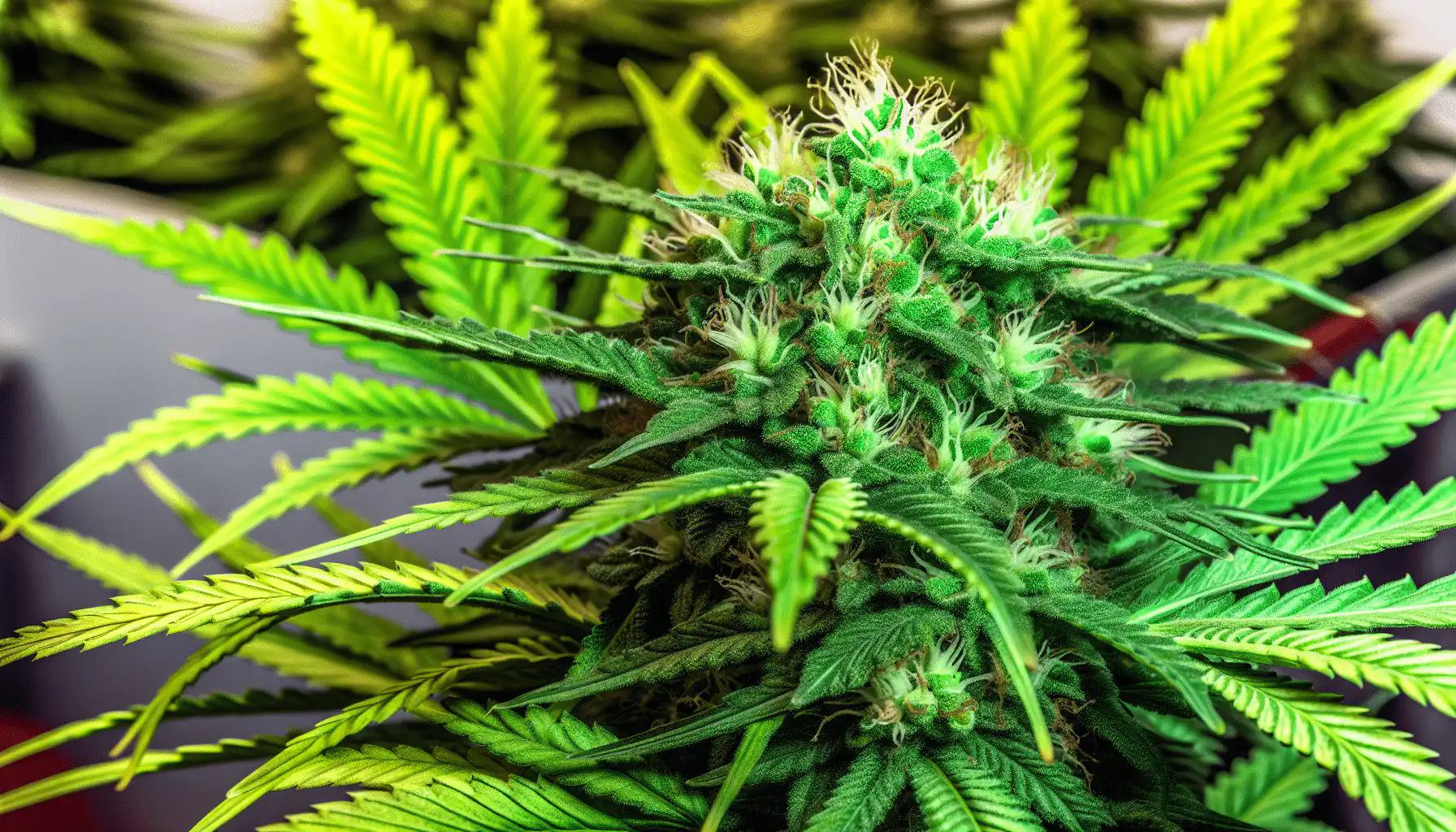
Terpenes are aromatic compounds produced in the trichomes of cannabis plants — the same resin glands that produce THC and CBD. They evolved primarily as a defence mechanism: repelling predators, resisting pathogens, and attracting pollinators. The same compounds that make a plant smell distinctive to insects and animals create the flavour and aroma profiles that growers and consumers recognise in individual strains.
Cannabis produces over 150 known terpenes, though most strains are dominated by a handful. These dominant terpenes — typically two or three — define the strain’s aroma profile and, in combination with its cannabinoid content, may contribute to the overall experience, although evidence for predicting effects from terpene profiles alone remains limited. This is why looking at a strain’s terpene profile alongside its THC percentage provides a more complete chemical description than THC percentage alone.
Jason: The first thing I do when evaluating a strain is smell it. Not look at the THC number — smell it. An earthy, musky profile or a sharp citrus note tells me something about the aromatic character. But smell alone cannot confirm a dominant terpene or predict the effects — for that, a laboratory profile and cautious interpretation are more useful.
The Major Cannabis Terpenes — What They Are and What They Do
Myrcene
Myrcene is the most abundant terpene in most commercially available cannabis strains and is responsible for the earthy, musky, slightly fruity aroma characteristic of indica-dominant genetics. It has been studied for possible sedative activity, but claims that myrcene reliably increases THC transport across the blood-brain barrier in humans are not established. A relaxing experience does not prove myrcene dominance. Commonly discussed in connection with Godfather OG, Northern Lights and other Kush-lineage genetics.
Caryophyllene
Caryophyllene is the only terpene known to directly activate cannabinoid receptors — specifically CB2 receptors, which are concentrated in the immune system and peripheral tissues and are involved in inflammation and pain response. This makes it unique among terpenes: it functions partly as a cannabinoid. Its interaction with CB2 receptors is scientifically interesting, but it does not establish that a particular caryophyllene-rich strain will treat inflammation or produce a predictable physical effect. The aroma is spicy, peppery, and woody. Often discussed in connection with Gorilla Glue #4, Girl Scout Cookies and other modern hybrids.
Limonene
Limonene produces the sharp citrus aroma — lemon, orange, lime — found in many Haze genetics and sativa-dominant strains. Limonene has been investigated for possible effects on mood and stress, but those findings do not mean a limonene-rich cannabis strain will reliably feel uplifting or reduce anxiety. Associated with citrus-forward cultivars such as Amnesia Haze and Super Lemon Haze.
Pinene
Pinene — the dominant terpene in pine trees — produces a sharp, clean pine aroma and has a counterintuitive effect on the cannabis experience: it has been studied for several biological activities. Claims that pinene reliably counteracts THC-related memory impairment in people are not established, and its presence does not guarantee a clearer-headed experience. Common in Jack Herer, Blue Dream, and many landrace sativa genetics.
Linalool
Linalool is the terpene that gives lavender its characteristic aroma and is found in cannabis strains with floral, slightly spicy notes. It has been studied for possible calming properties, but the presence of linalool does not establish that a cannabis strain treats anxiety or prevents THC-related discomfort. Common in some Kush crosses and strains with Afghan landrace in the lineage.
Humulene
Humulene produces an earthy, woody, slightly hoppy aroma — it’s the same terpene found in hops. It has been studied for possible biological effects, but claims that humulene in cannabis reliably suppresses appetite or reduces inflammation in humans remain unproven. Significant in Gelato, some OG genetics, and strains with a more complex earthy-floral aroma profile.
Terpinolene
Terpinolene has a complex, multi-layered aroma — floral, herbal, pine, and citrus simultaneously — and is sometimes associated with particular subjective effects, although these cannot be predicted reliably from terpinolene content alone. It’s less common as a dominant terpene but characteristic of Jack Herer and some Haze genetics. Strains where terpinolene dominates tend to be the most aromatically complex.

The Entourage Effect — Why Whole-Plant Matters
The entourage effect is a hypothesis that cannabinoids and other cannabis compounds may interact in ways that influence their overall effects. Research is ongoing, and the clinical importance of individual terpene–cannabinoid combinations is not yet established.
Some compounds have demonstrated biological activity in laboratory settings; for example, beta-caryophyllene can interact with CB2 receptors. But results from isolated compounds do not establish predictable effects from a whole cannabis strain in humans. For a deeper discussion, see our cannabis entourage effect guide.
The practical implication for growers is that preserving the terpene profile of a strain matters as much as the THC percentage. A high-THC strain that’s been grown too hot, harvested early, or dried and cured poorly will have degraded terpenes — and the effect will be flatter and less nuanced than the genetics are capable of producing. Genetics, environment and handling can all influence the final aromatic profile.
Jason: I’ve grown the same strain twice — once in a hot summer run where temperatures in flower pushed above 28°C, and once in autumn with cool nights and controlled conditions. Same genetics, same inputs, wildly different terpene expression in the final product. The hot run was potent but flat. The autumn run had the full flavour profile the genetics are capable of. Temperature in late flower is the single biggest environmental variable for terpene expression.
Terpene Profiles of Key Strains
The following profiles are for the strains we stock. These are commonly reported aromatic associations, not verified laboratory profiles for every batch. Terpene composition can vary among phenotypes and growing conditions, and aroma does not guarantee a particular effect.
Northern Lights — Myrcene dominant, with caryophyllene and pinene. Myrcene is often associated with earthy aromas; reported effects vary by product and person. The pinene adds a clean pine note to the earthy baseline aroma. A straightforward terpene profile that does exactly what it says.
Gorilla Glue #4 — Caryophyllene dominant, with limonene and myrcene. Caryophyllene contributes peppery notes, while limonene may contribute citrus notes; these compounds do not establish a guaranteed effect profile. The aroma is sour diesel with earthy and spicy notes.
Amnesia Haze — Limonene and pinene dominant, with caryophyllene. Citrus and pine notes are part of the strain’s aromatic reputation, although individual effects cannot be inferred from those notes alone. Jess’s pick precisely because of this profile.
White Widow — Myrcene, pinene, and caryophyllene. These compounds contribute to the strain’s aromatic profile; reported effects vary. The combination makes it more versatile than either pure indica or pure sativa genetics.
Jack Herer — Terpinolene dominant, with caryophyllene and myrcene. Terpinolene dominance gives Jack Herer its complex, multi-layered aroma — floral, herbal, pine, and spice simultaneously. Its reported effects vary between individuals and samples. One of the more distinctive terpene profiles in the range.
Zkittlez — Caryophyllene, humulene, and linalool. A fruity-sweet aroma profile underpinned by the earthy caryophyllene and humulene base. Linalool and humulene may contribute floral and woody notes, but neither guarantees relaxation or appetite suppression.
How to Maximise Terpene Expression in Your Grow
Terpenes are volatile compounds — they evaporate readily at elevated temperatures and degrade with light exposure, oxygen, and rough handling. The genetics set the ceiling for what a strain can produce. The grow, harvest, and cure determine how close you get to that ceiling.
Temperature in late flower is the most significant controllable variable. Temperature, oxygen, light exposure and handling can affect volatile aromatic compounds. There is no universal temperature threshold that guarantees a particular terpene profile, and results vary with genetics and conditions.
Light exposure and plant development may influence secondary metabolites, but claims that a particular training method or UV exposure reliably increases terpene density need strain-specific evidence.
Post-harvest handling affects aroma, but claims about mandatory flushing or universal drying and curing schedules should be treated cautiously. For more on the subject, see our cannabis drying guide and curing guide.
Looking for a strain with a specific terpene profile?
Answer six questions and Jess will match you to three strains based on your setup, experience, and goals.
Cannabis Terpenes — Frequently Asked Questions
What are terpenes in cannabis?
Terpenes are aromatic compounds produced in the trichomes of cannabis plants — the same resin glands that produce THC and CBD. They determine a strain’s aroma and flavour profile and, in combination with cannabinoids, may contribute to the overall experience, although evidence for predicting effects from terpene profiles alone remains limited. Over 150 terpenes have been identified in cannabis, though most strains are dominated by two or three.
Do terpenes affect how cannabis makes you feel?
Possibly, but the strength and clinical significance of individual terpene effects in whole cannabis products are still being studied. A terpene profile is useful for understanding aroma; it cannot reliably predict how a strain will feel.
What is the entourage effect?
The entourage effect is a hypothesis about interactions between cannabinoids and other cannabis compounds. Some interactions are supported by laboratory findings, but specific benefits of whole-plant combinations in humans remain uncertain.
Which terpene is best for sleep?
No single cannabis terpene has been established as the best treatment for sleep. Myrcene and linalool have been investigated for possible calming effects, but strain-level outcomes cannot be guaranteed.
Which terpene is responsible for the citrus smell in cannabis?
Limonene is a major contributor to citrus aromas, though a strain’s overall smell comes from a mixture of volatile compounds.
How do I preserve terpenes during growing and curing?
Terpenes are volatile, and temperature, oxygen, light and handling can affect aroma. There is no single universal growing or curing schedule that guarantees maximum terpene retention.
What is the most common terpene in cannabis?
Myrcene is common in many cannabis samples, but the dominant terpene varies by cultivar, phenotype and batch.
Related Reading
Indica-dominant cannabis seeds — myrcene and caryophyllene-dominant genetics for body effect and sedation.
Sativa-dominant cannabis seeds — limonene and pinene-dominant genetics for uplifting, cerebral effects.
High-THC cannabis seeds — where THC ceiling and terpene profile combine for maximum effect.
Full strain selection guide — Jason’s complete breakdown of the Sacred Seeds lineup by genetics, effect, and growing characteristics.
Seeds are sold strictly as novelty collector’s items. They contain no THC or CBD. This page does not constitute medical or legal advice. By purchasing you agree to our terms and conditions. Always check local laws before germinating or cultivating cannabis.