Feminised · Photoperiod
Green Crack
Green Crack seeds is the daytime sativa built for energy, and a favourite around here for the flavour and the vibe. A cross of Skunk #1 and an Afghani landrace indica, it leads with a big,…
Shop now →🐨 Free Express Post on orders $300+ | ⭐️2,632 5-Star Reviews


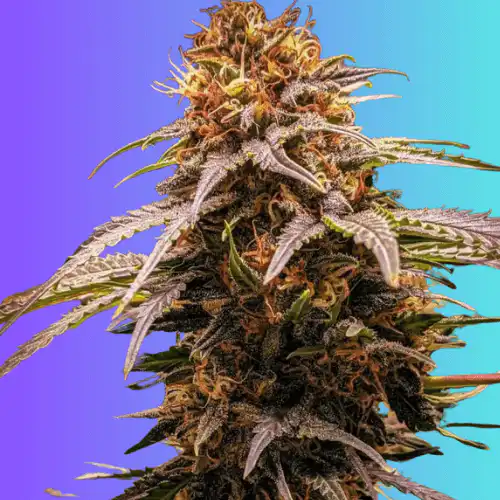
From Original price was: $80.00.$75.00Current price is: $75.00.
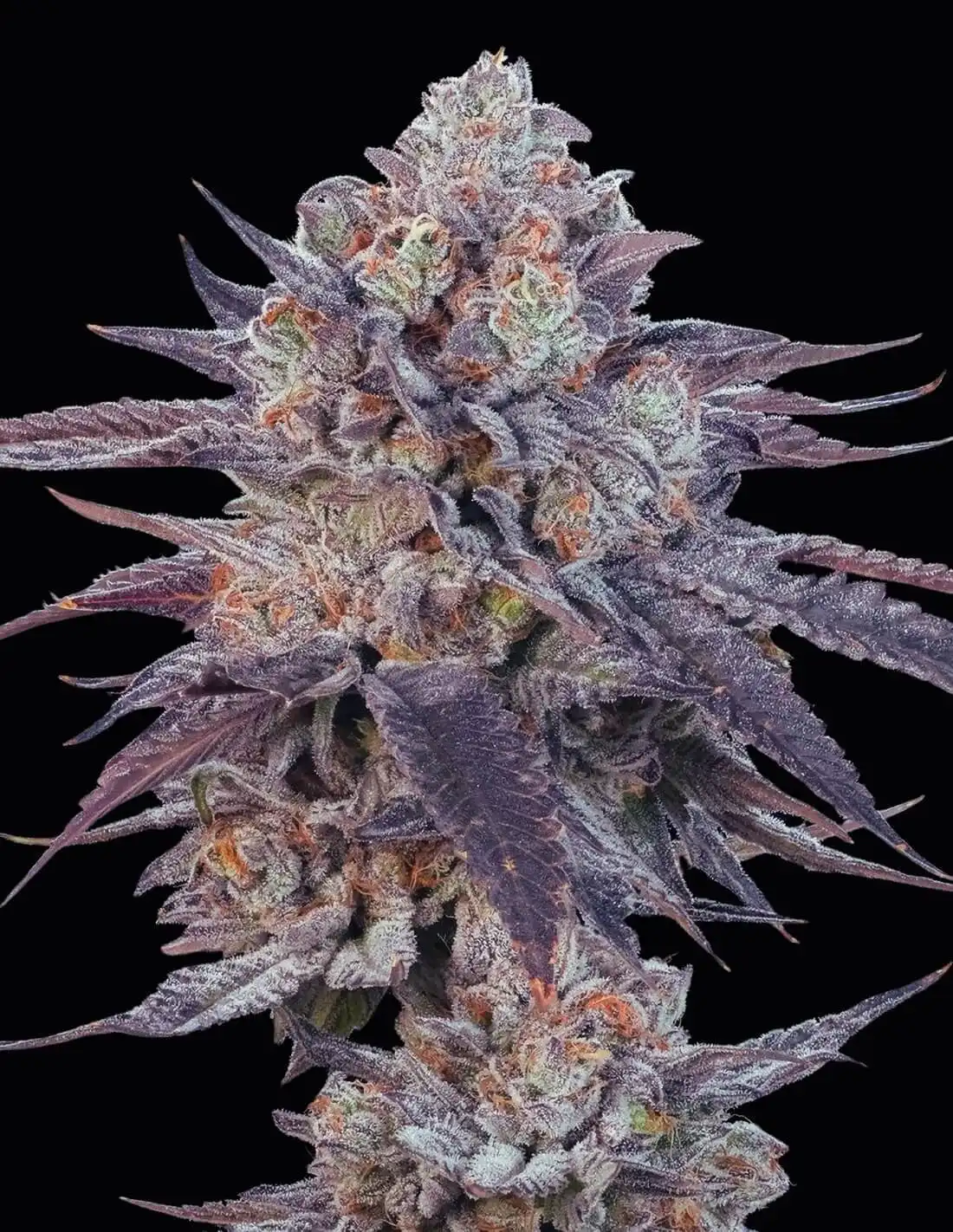
🍇 Granddaddy Purple seeds. If Northern Lights is the wise old king of indicas, GDP is the jazz musician who keeps telling everyone to slow down and enjoy the evening. Famous for its deep purple colours, sweet grape aromas, and soothing effects, this legendary Purple Urkle × Big Bud hybrid remains the benchmark for purple genetics.
Every order ships with bonus seeds. One free seed per five purchased — added automatically.
Free Express Post on orders $300+. Automatic upgrade · Australia-wide
Contact us for bulk pricing.
Granddaddy Purple feminised seeds carry the genetics that changed what growers and consumers expected from indica cannabis: a 2015 High Times Cannabis Cup Best US Indica winner, bred by Ken Estes to deliver deep full-body relaxation with an unusually clear head.
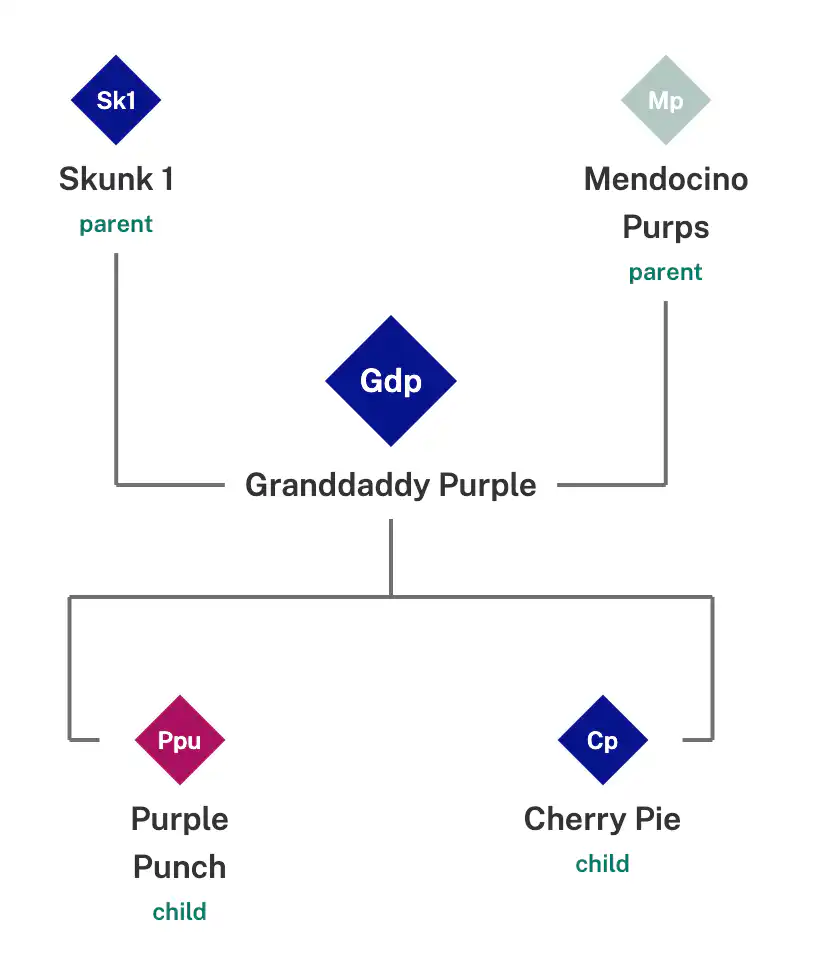
In 2003, Ken Estes, a former motocross athlete with access to California Bay Area genetics, set out to breed a heavy indica with a specific brief: deep physical relaxation that did not cloud the head the way most potent indicas of the era did. He crossed Purple Urkle with Big Bud, and the result became Granddaddy Purple, one of the standout indica-dominant strains in the catalogue. Our Granddaddy Purple strain review covers the breeding story and the Bay Area scene it came out of in full.
Why the design shows: most strains are bred for potency, yield, or looks. GDP was bred around a specific effect, heavy body relaxation without the mental fog, and that intention is visible in the experience: complete physical sedation with surprising mental clarity for the potency level. It is the trait the strain has always been known for.
What made GDP a cultural landmark: before GDP, purple cannabis was an inconsistent novelty, a trait some growers chased but could not reliably produce. Granddaddy Purple changed that. The deep purple to near-black colouration develops predictably from its anthocyanin genetics whenever night temperatures drop to 15 to 18 °C. It gave growers a reliable path to visually spectacular flowers and gave the market a purple benchmark everything since has been measured against. Paired with a grape terpene profile so accurate it is routinely compared to grape candy, GDP spread through California before social media existed, by word of mouth, clone trades, and underground networks in the mid-2000s.
What the genetics contributed:
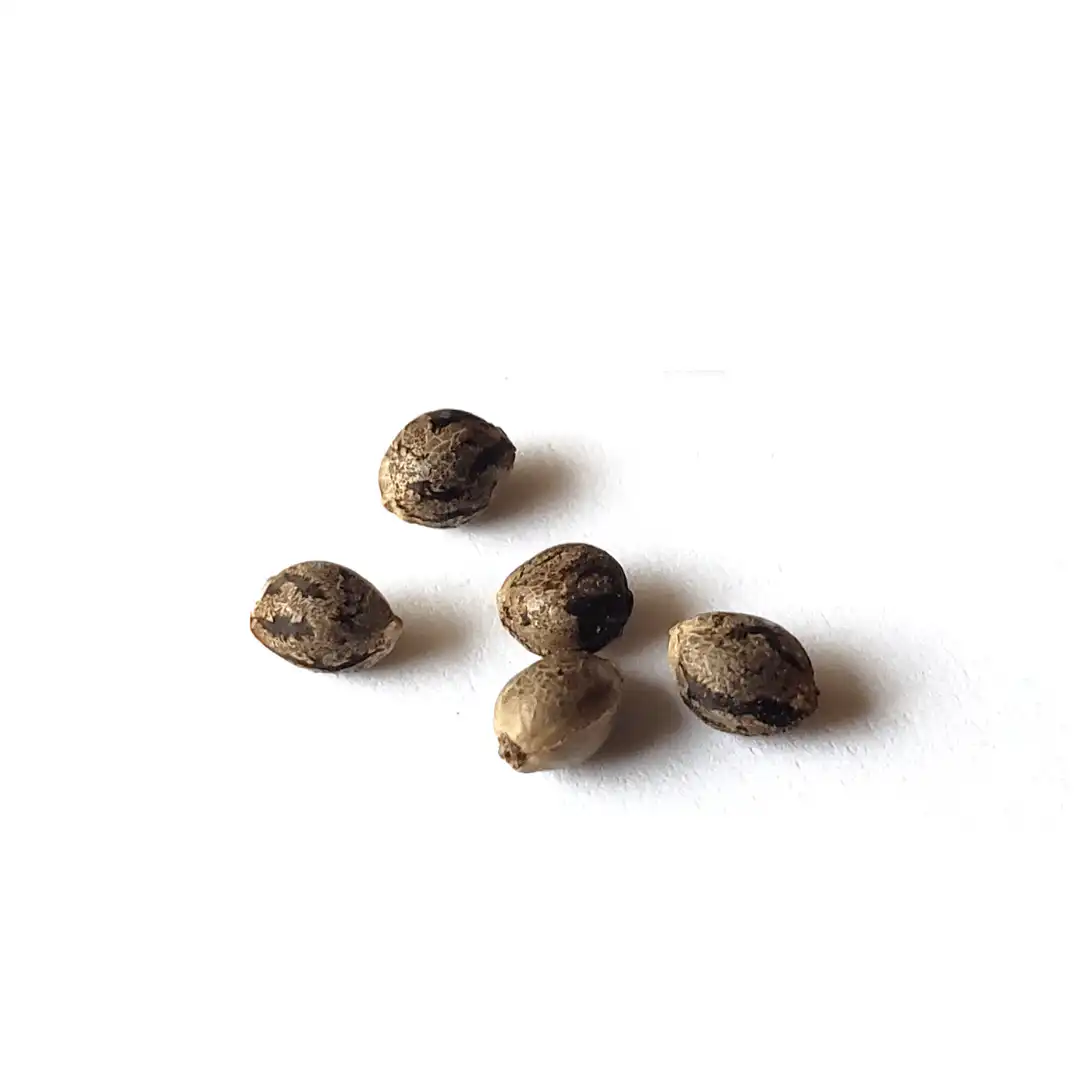
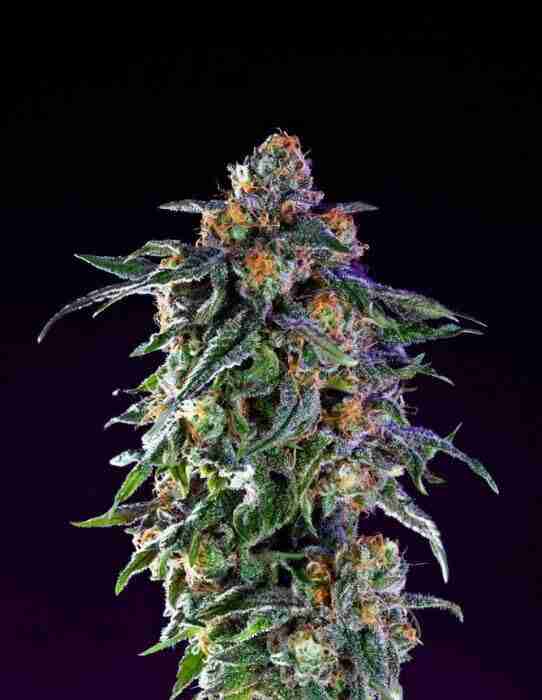
What you get today: deep purple to near-black flowers with fiery orange pistils and dense trichome coverage, one of the most visually distinctive harvests in the catalogue. The aroma from mid-flower onward is unmistakably grape and berry, on dense, heavy colas that justify the Big Bud heritage. The effect has held up for over twenty years because the genetics are consistent.
Growing GDP in Australia: the Australian autumn is almost ideally suited to GDP's purple expression. Temperatures across most of the country in March and April hit the 15 to 18 °C range that triggers maximum anthocyanin production without any intervention, and the 8 to 10 week flowering period lines up with that autumn timing. Growers in Queensland, NSW, Victoria, SA, and WA consistently report deep colour and strong results from an October planting through an April harvest. For the full seasonal picture, see our guide to growing cannabis outdoors in Australia.
Granddaddy Purple Lineage
Onset (10–15 minutes): Gentle rather than sudden. A mild euphoria arrives first, mood brightens and a calm settles in that signals what is coming. No cerebral rush, no racing thoughts, just a quiet shift downward before the body effects establish themselves.
Peak (30–90 minutes): Full indica body effects dominate. The body settles into deep relaxation and physical tension releases. The couch-lock is genuine: you can move if you need to, but the motivation to drops sharply. What sets GDP apart from heavier indicas is that the head stays unusually clear at this stage. The physical relaxation is complete without the cognitive fog that strains like Northern Lights or Godfather OG produce at equivalent doses. That clarity alongside heavy body relaxation is the GDP signature.
Duration: 2 to 3 hours of peak effects, with residual relaxation extending 4 to 6 hours. The long, smooth tail makes it an end-of-evening and pre-sleep strain rather than something that drops off abruptly.
Mental state: Calm, introspective, peaceful. This is not a creative or productive strain. It is an end-of-day choice for situations where physical relaxation is the goal: evening wind-down, quiet pursuits like music or reading, and settling before sleep. Avoid it for anything needing coordination or sustained mental output.
Potency note: at 20 to 27% THC, GDP is genuinely potent and sits in our high-THC range. The onset is gradual but the destination is heavy, so anyone newer to strong indicas should start conservatively. Higher doses produce real couch-lock and the chance of next-morning grogginess.
Flavour: sweet grape dominates the inhale, unmistakably fruity and genuinely close to grape candy rather than a subtle hint. Mixed berry notes follow with floral undertones, and an earthy myrcene base grounds the sweetness. The smoke is smooth for the potency level. The flavour is one of GDP's enduring draws, one of the most accurately fruit-flavoured strains in the catalogue.
Best suited to: evening relaxation, winding down after physical work, quiet downtime, and settling before sleep. A classic end-of-day strain rather than a daytime one.
The grape and berry signature comes from a myrcene-led profile:
The grape itself comes from anthocyanin pigments rather than terpenes. For how these compounds shape flavour and effect, see our cannabis terpenes guide.
(Strictly for ACT residents with a licence or those overseas where cultivation is legal.)
Experience level: Intermediate. GDP is more forgiving than many high-THC indicas, with stable genetics and a manageable structure, but the dense bushy canopy needs consistent airflow in late flower to avoid mould, and the cost of getting that wrong in week 8 or 9 is high. It is a good second or third strain rather than a first grow. The main areas to watch are canopy airflow and harvest timing. For the early weeks, our cannabis seedling care guide covers getting a plant established well.
Best environments: performs well indoors and outdoors. The compact bushy structure suits most indoor setups, and outdoors it is particularly well-matched to Australian conditions: warm summers for veg and cool autumn nights that trigger the purple naturally.
Flowering time: 8 to 10 weeks from the 12/12 flip, with most phenotypes around 9 weeks. Do not harvest early, since the final week is where trichome production peaks and the purple intensifies most. Watch trichomes from week 7 and harvest at 20 to 30% amber for the characteristic relaxation-with-clarity effect (later harvests deepen the sedation and reduce the clarity). Our amber trichomes guide covers reading them.
Total grow time:
Height and structure: medium and bushy, classic indica architecture with strong lateral branching. Indoor plants typically reach 70 to 120 cm with a moderate 30 to 40% stretch from flip height, and outdoor plants reach 120 to 150 cm with a full summer veg. The bushy growth creates a dense canopy that needs opening for airflow and light penetration.
Purple colouration, how it works: the deep purple to near-black colour is produced by anthocyanins, the same pigments in blueberries and red grapes, and it is triggered by cool temperatures. Drop night temps to 15 to 18 °C for the final 2 to 3 weeks of flower and the colour develops reliably. No pH manipulation, nutrient starvation, or stress techniques are needed or recommended. Indoors this needs climate control, while outdoors in Australia April's natural cool nights do the work. The colour is not cosmetic: it indicates full genetic expression, including the complete terpene and flavonoid profile. The strain review goes further into where GDP's purple genetics came from and why they proved so much more reliable than what came before.
Training:
GDP is a moderate-to-heavy feeder, since the Big Bud genetics reward consistent nutrition, and the dense bud development benefits from phosphorus and potassium support.
Common issues: mould in late flower is the main risk (the dense buds trap humidity without airflow, so prevention beats cure, and you should check inner bud sites from week 7), harvesting too early chasing the purple (let the trichomes finish at 20 to 30% amber), nitrogen excess in late flower (back off from week 6), and trying to force purple with stress or pH (unnecessary and damaging, since the anthocyanin expression is genetic and temperature-triggered).
GDP is one of the better-matched strains in the catalogue to the Australian outdoor season, since the flowering window lands naturally on the cool autumn nights that drive the colour. Our outdoor growing calendar sets out planting and harvest timing in more detail.
GDP is an 8 to 10 week photoperiod with a distinctive final phase where the purple develops and trichome production peaks together. Patience in the final two weeks is the difference between good and exceptional.
| Phase / Week | What's Happening | Key Actions | Watch Out For |
|---|---|---|---|
| Veg weeks 1–3 Seedling / early veg |
Roots establishing. The bushy indica structure beginning to show. First true leaves developing | Start at half-strength nutrients. 18/6 light. Humidity 55 to 65%. Top at the 4th to 5th node once established | Overfeeding early. Tip burn is the first signal to back off before damage accumulates |
| Veg weeks 4–6 Mid-late veg / training |
Lateral branching developing strongly from topping. Plant filling its space. SCROG branches trained through the net | Progressive LST to open the canopy. Build to full nutrients. Flip when the screen is 60 to 70% full, or at the desired height for other methods | Crowding. The bushy structure needs space, and airflow through the canopy from veg helps prevent late-flower mould |
| Flower weeks 1–3 Stretch / early flower |
A 30 to 40% height increase from flip height. Bud sites establishing across the even canopy. A faint grape aroma beginning | Transition to bloom nutrients, reducing N and building P and K. EC 1.6 to 2.0. Light defoliation at the flip to open the inner canopy | Height. Tuck or supercrop any branches pushing above the canopy |
| Flower weeks 4–6 Mid flower / bud development |
Dense buds stacking rapidly. The grape and berry aroma now strong and distinctive. Carbon filtration essential from week 5 | Peak feeding, EC 1.8 to 2.2. Potassium boost from week 5. Drop RH to 40 to 45%. Second light defoliation at week 3 if dense. Back off N firmly from week 6 | Stagnant air in the dense canopy. Run oscillating fans continuously, since this is when mould risk begins. Check inner bud sites weekly |
| Flower weeks 7–9 Late flower / purple development |
Purple developing visibly as nights cool. Trichome production at peak. Buds hardening. GDP at its most spectacular | Drop night temps to 15 to 18 °C, the trigger for maximum purple. Check trichomes from day 49. Drop RH below 40%. Begin the flush at 10 to 15% amber | Harvesting too early. The final week is where trichome production peaks alongside the colour, so check trichomes, not the calendar |
| Flush & harvest Days 56–70 |
Deep purple to near-black buds with orange pistils and dense trichome coverage, one of the most visually impressive harvests in the catalogue | Plain pH-adjusted water for 10 to 14 days. Harvest at 20 to 30% amber. Slow dry at 15 to 18 °C, 55 to 60% RH for 10 to 14 days | Rushing the dry. The grape and berry terpenes are volatile, so a fast hot dry destroys the flavour |
| Post-harvest Cure |
The grape profile sharpens and sweetens in the jar. The flavour at 4 to 6 weeks of cure is materially better than at 2 weeks | Jar at 60 to 65% RH. Burp daily for two weeks, then seal. Minimum 4 weeks, with 6 noticeably better for full grape expression | Opening jars too early. The grape candy aroma does not fully develop until a proper cure is complete |
The purple that made GDP famous develops naturally with the right temperature, 15 to 18 °C at night through the final 2 to 3 weeks. You do not force it, you do not stress the plant into it, and you do not manipulate pH or starve nutrients. You drop the night temperature and let the anthocyanins express. Indoors that is climate control. Outdoors in Australia, that is just April.
Here is what most people miss: the colour is not only aesthetic. The anthocyanins behind the purple are part of the full terpene and flavonoid expression, so deep purple to near-black colour is a sign of full genetic expression, not just bag appeal. That is why growing it at the right temperature matters beyond looks.
The other thing, and it costs more growers a harvest than anything else, is airflow in that bushy canopy. Do not crowd plants. Use oscillating fans. Light defoliation at the flip and again at week 3 opens the inner canopy to air movement. The buds get heavy and dense by week 7, which is exactly what you want from Big Bud genetics, but stagnant air in there is how you lose a harvest to mould in the final week. I have seen beautiful GDP make it to week 9 and lose yield in the last few days because someone backed off the fans when the plants looked healthy. Keep the air moving all the way to harvest.
| Feature | GDP Photo (this page) |
Auto GDP |
|---|---|---|
| Type | Photoperiod | Autoflower |
| Seed to harvest | Light-cycle dependent | ~9–10 weeks fixed |
| Indoor yield | Up to 500 g/m² | Up to 400 g/m² |
| Outdoor yield | Up to 600 g/plant | 80–150 g/plant |
| THC | 20–27% | ~18–20% |
| Height | 70–150 cm | 60–100 cm |
| Light schedule | 12/12 to flower | Any, no flip |
| Cloning | Yes, keep mother plants | Not practical |
| Best for | Maximum yield, full control, mother plants | A fixed timeline, season flexibility, compact grows |
Choose this photoperiod for maximum yield, full control over plant development, and the ability to keep mother plants. Choose the Auto GDP for a fixed timeline, compact height, or outdoor season flexibility without managing a light flip.
Still comparing options? Our full strain lineup guide covers the range, or browse the indica-dominant range, the balanced hybrid range, the feminised photoperiod range, or the complete cannabis seeds catalogue.
Paraphrased from verified customer reviews and grower communications.
⭐⭐⭐⭐⭐ "As soon as I cracked the jar I knew it was real GDP: pure grape soda smell and dark purple buds that were almost black. The relaxation hits in waves without any mental fog. Exactly what I remember from California years ago. One I'll keep growing.", Indoor grower, Melbourne
⭐⭐⭐⭐⭐ "Relaxes every muscle without messing with my head: I can still think clearly, just without the physical tension. One of the only indicas that doesn't leave me groggy the next morning.", Verified customer (paraphrased)
⭐⭐⭐⭐⭐ "Planted mid-October in Sydney, harvested early April. Grew to about 130 cm with minimal training. The buds turned deep purple naturally from the cool April nights, no tricks needed. Pulled 520 g off one plant in a 30 L pot.", Outdoor grower, Sydney
⭐⭐⭐⭐⭐ "Ran it SCROG in a 1.2 m tent, 5 weeks veg, 9 weeks flower, and got 480 g from 2 plants. The colour after dropping night temps was extraordinary, near black with orange hairs through the trichome layer. Properly cured, the grape flavour is exactly what the reputation promises.", Indoor grower, Brisbane
Granddaddy Purple (GDP) is a 70/30 indica-dominant hybrid bred by Ken Estes in California's Bay Area in 2003. A former motocross athlete, Estes crossed Purple Urkle with Big Bud to create a heavy indica that delivered deep body relaxation without the mental fog most potent indicas of the era produced. The result won 1st Place Best US Indica at the 2015 High Times Cannabis Cup and became the strain that defined the purple cannabis category, a benchmark that has held for over two decades.
Yes, reliably, with cool nights. GDP's purple comes from anthocyanins, pigments that activate when night temperatures drop to 15 to 18 °C during the final 2 to 3 weeks of flower. Indoors this needs climate control, while outdoors in Australia April's natural cool nights do the work across most states. No pH manipulation, nutrient starvation, or stress techniques are needed. The genetics are present and reliable, and temperature is the only trigger required.
Not directly. Purple colour indicates anthocyanin expression, not THC content. In GDP the purple and the potency are both present because of the genetics, but they are separate traits, and a GDP grown warm without purple will have comparable THC to one with full colour. The colour is a reliable indicator of full genetic expression in this specific strain, but it does not cause potency on its own.
8 to 10 weeks of flowering from the 12/12 flip, plus your chosen veg period, with most phenotypes around 9 weeks. Total from seed is typically 12 to 16 weeks depending on veg length. Outdoor growers in Australia planting in late October and harvesting in early April run roughly 22 to 24 weeks with a full summer veg. Do not rush harvest, since the final week is where trichome production peaks alongside the purple.
Up to 500 g/m² indoors under quality lighting with SCROG or topping, which is achievable for competent growers rather than a theoretical maximum. Outdoor plants in good conditions produce 400 to 600 g, with in-ground plants from October regularly reaching the upper range. The Big Bud genetics make GDP one of the stronger-yielding indica-dominant strains in the catalogue for its potency level.
It is more forgiving than many high-THC indicas, but not genuinely beginner-friendly. The main challenge is airflow in the dense bushy canopy, since inadequate circulation in late flower leads to mould, and losing a harvest in week 9 to poor airflow is the most common GDP failure. Growers who have completed a successful run of a forgiving indica like Northern Lights will find GDP a natural next step. True beginners should build that experience first.
At 20 to 27% THC it sits in the upper tier of indica potency, comparable to Black Domina and above most mid-range commercial indicas. What sets the effect apart is the mental clarity at peak body relaxation: most strains at this potency produce cognitive fog alongside the body effect, while GDP keeps the head unusually clear, which is part of why it became a benchmark.
Late March to mid-April depending on region, not the September or October date copied onto many seed bank pages from Northern Hemisphere sources. The Australian April timing actually works in GDP's favour, since the cool nights that arrive then are exactly what triggers the purple, often giving better natural colour than a Northern Hemisphere October finish. Our Australian climate strain guide sets out harvest windows region by region.
Before GDP, purple cannabis was inconsistent, a trait some genetics showed occasionally that breeders could not reliably reproduce. The Purple Urkle cross gave breeders a dependable anthocyanin source that produced predictable, temperature-triggered colour. After GDP, purple became a breeding goal that dozens of later strains were built around, and most reliable purple indicas in modern cannabis trace their colour genetics back to GDP or Purple Urkle. Our GDP strain review traces that influence through the strains that followed.
Yes, and this is one of the photoperiod version's main advantages. GDP clones reliably with standard techniques, with a good strike rate and full parent characteristics retained. Keeping a GDP mother lets you run consistent genetics across multiple cycles without buying new seeds each time, which many growers do specifically with this strain.
Very strong from week 5 to 6 onward, intensifying through harvest, and it carries well beyond the grow space, so indoor growers need carbon filtration running before week 5. The aroma is fruity rather than skunky, which some growers find easier to manage, but it is present at high intensity in the final weeks regardless.
Choose feminised for maximum yield (up to 600 g outdoor), full control over plant development, and the ability to clone. Choose Auto GDP for a fixed seed-to-harvest timeline, compact height, or outdoor season flexibility without a light flip. The auto carries the same genetics at reduced yield and slightly lower THC (~18 to 20% versus 20 to 27%).
Not sure this is the right strain for you?
Answer six quick questions and we will give you three strains we feel best for you based on your setup, experience, and goals.


Discover the latest additions to Sacred Seeds Australia — from legendary old-school strains to exciting modern hybrids, each selected for its distinctive character, lineage and reputation.
Explore all latest drops →Green Crack seeds is the daytime sativa built for energy, and a favourite around here for the flavour and the vibe. A cross of Skunk #1 and an Afghani landrace indica, it leads with a big,…
Shop now →
Auto Maui Wowie brings the classic Hawaiian landrace sativa into autoflowering form. Maui Wowie Auto keeps the bright pineapple-citrus flavour and clean, energetic daytime lift, but finishes in about 9 to 10 weeks from seed with…
Shop now →
Hindu Kush seeds bring you one of the world's last great pure indica landraces. Born high in the rugged mountains between Afghanistan and Pakistan, this resin-rich classic delivers earthy spice, deep relaxation, and genetics that have…
Shop now →
Strong consistent strains, quality!
GOING AND IT PERLING A LONG I CAN'T WAIT TO SEE WHAT COMES
So far a magnificent plant and it can only gets better.
Beautiful plants produced!
Excellent quality and Jess is extremely helpful
Would 100% recommend
Jess is very helpful. Highly recommend