
Feminised · Photoperiod
AK-47
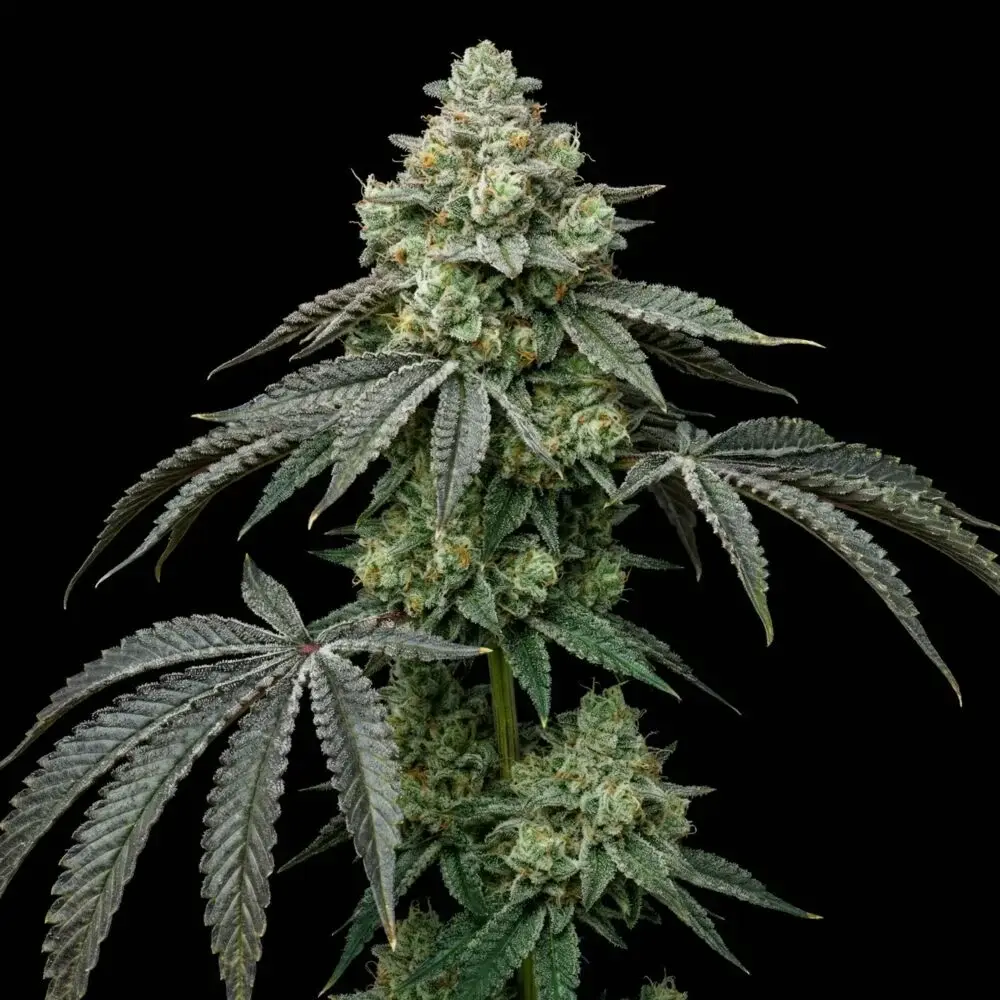
AK-47 seeds are the most awarded genetics in cannabis, full stop. More than 27 competition wins across three decades, and the only strain to take a Cannabis Cup in both the Sativa and the Indica categories,…
Shop now →🐨 Free Express Post on orders $300+ | ⭐️2,509 5-Star Reviews

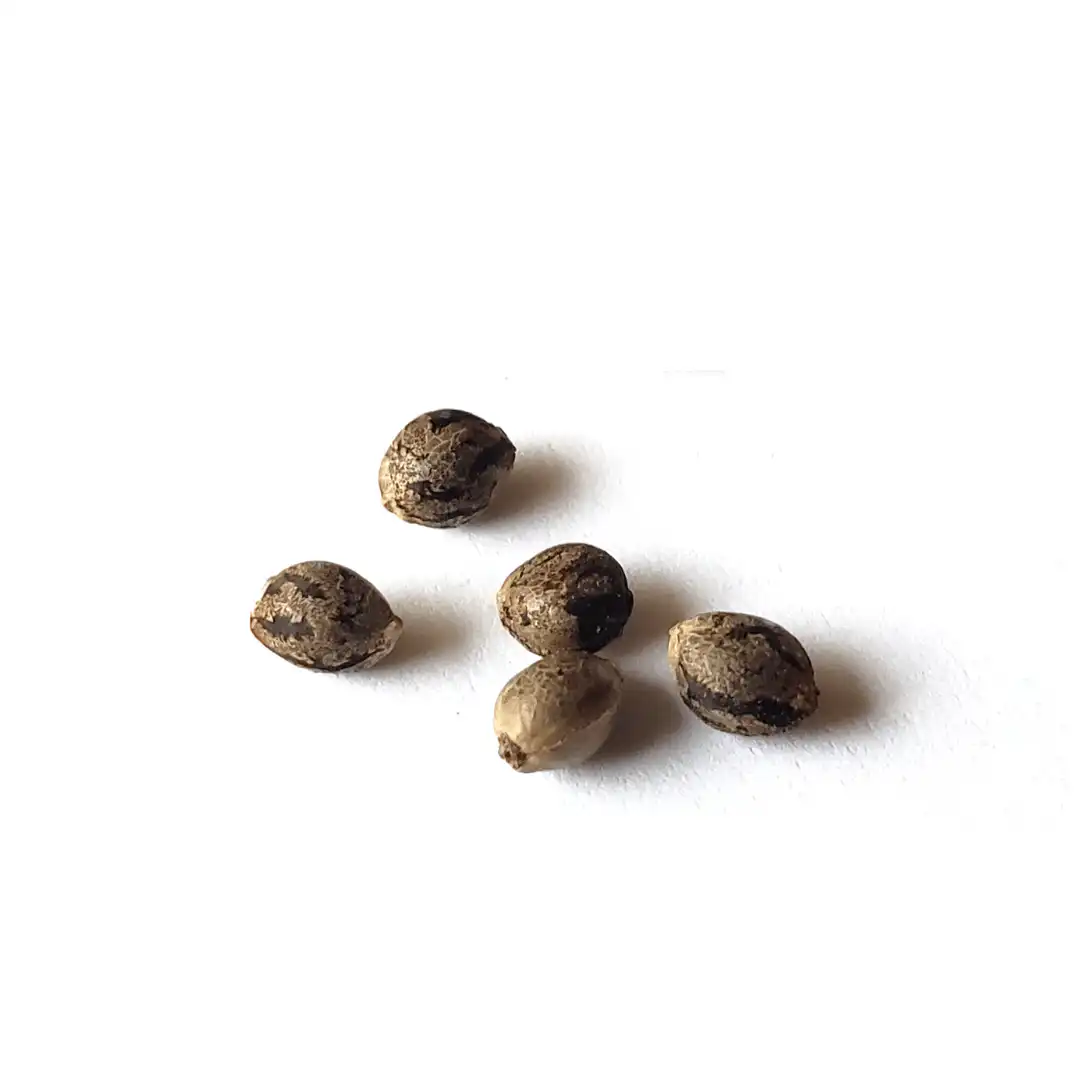
From Original price was: $80.00.$75.00Current price is: $75.00.
Hindu Kush seeds bring you one of the world’s last great pure indica landraces. Born high in the rugged mountains between Afghanistan and Pakistan, this resin-rich classic delivers earthy spice, deep relaxation, and genetics that have shaped modern cannabis for generations. 🏔️
Every order ships with bonus seeds. One free seed per five purchased — added automatically.
Free Express Post on orders $300+. Automatic upgrade · Australia-wide
Contact us for bulk pricing.
Hindu Kush is not a bred hybrid but a landrace, a pure indica shaped over centuries by the mountains it is named after, and the genetic foundation that almost every modern Kush is built on.
The Hindu Kush range runs some 800 kilometres across Afghanistan and northern Pakistan into southeastern Tajikistan. High altitude, thin air, arid soil, intense ultraviolet light, and sharp swings between hot days and cold nights: these conditions did the selecting long before any breeder did. Plants that survived were short, stocky, fast to finish, and coated in a thick blanket of resin that shielded them from UV and cold. Generations of farmers then selected further, not for smoking but for hashish, concentrating the most resinous plants for hand-rubbed charas and pressed hash. The result is a plant refined by environment and tradition rather than a breeding programme. The full story of the mountains, the charas tradition, and how these genetics reached the West is told in our Hindu Kush strain review.
How it reached the West: seeds travelled out of the region with 1970s overland travellers on the Hippie Trail and reached growers in Europe and North America, where breeders immediately recognised what they had. Fast flowering, compact size, heavy resin, and a deep physical effect were exactly the traits needed to grow cannabis indoors and in cooler climates. Hindu Kush became one of the handful of imported cultivars that launched the European seed industry, standing alongside Skunk #1 as a foundation stone of modern breeding, and its genetics run through the entire Kush family: Purple Kush, OG Kush and its descendants, and countless others trace back to this mountain stock. Our cannabis genetics family tree maps how these lines branch out.
What you are actually buying: a stabilised feminised line descended from that imported landrace, not a modern hybrid wearing a heritage name. There is no cross here, and no sativa in the background. Hindu Kush does one thing exceptionally well and makes no attempt to be complicated: it is a hardy, fast, resin-heavy pure indica with an old-world hash character that modern hybrids have largely bred out. The reach of these mountains goes further than the Kush family alone, since the Afghani parent that anchors Skunk #1 came from this same region, a thread traced in our Skunk #1 strain review. It sits in our indica-dominant range, part of the wider cannabis seeds Australia catalogue.
What Hindu Kush seeds do well:
Hindu Kush Lineage
Hindu Kush is a straightforward, deeply physical indica. There is no complexity to decode and no cerebral edge to manage, which is precisely why it has held its place for so long.
Onset (10–20 minutes): a warm, mildly euphoric wave arrives first, lifting mood gently rather than sharply. It is a soft opening, more a settling than a rush, with none of the racy quality that sativa-leaning genetics can bring.
Early phase (20–60 minutes): the body takes over. Physical relaxation spreads through the limbs, heavy and comfortable, while the mind stays clear but unhurried. This is the phase the strain is known for, a grounded, weighted calm that arrives without drama.
Mid-phase (1–2 hours): full-body ease at its deepest. Motivation for anything active drops away, the munchies are reliable, and the effect settles into a still, contented heaviness. At higher doses this leans firmly toward the couch.
Late-phase (2+ hours): a long, slow taper. Hindu Kush eases off gradually rather than dropping, holding its comfortable weight well into the tail of the session.
Duration: 2.5 to 4 hours at typical doses, and it lingers longer than most at the physical end.
Potency note: at ~18 to 22% THC, Hindu Kush is solidly potent without chasing the extremes of modern hybrids, and the effect feels heavier than the number suggests because it is so purely physical. Newer users should approach it in moderation, since the body weight arrives quickly.
When it suits: evening, unambiguously. This is a wind-down strain for the end of the day, when there is nothing left that needs doing. It is a poor match for daytime, work, or anything requiring momentum.
Flavour: old-world hash. Earthy sandalwood leads, layered with incense-like spice, sweet pine, and a musky resinous depth. Breaking a cured bud open releases an aroma that reads as genuinely ancient next to modern candy and fuel profiles. The smoke is thick and creamy with a lingering hash finish.
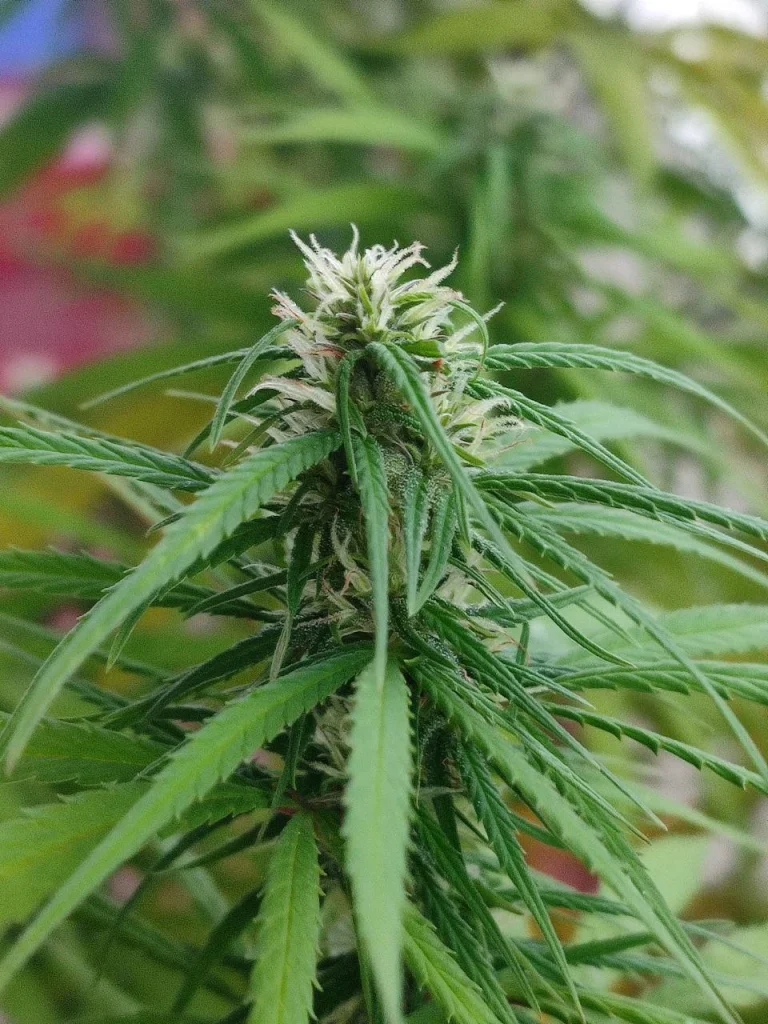
Hindu Kush runs the classic earthy, resinous profile that defines the Kush category, and which every Kush descendant inherited in some form:
For how these compounds shape flavour and effect, see our cannabis terpenes guide.
(Strictly for ACT residents with a licence or those overseas where cultivation is legal.)
Experience level: beginner-friendly, and genuinely so. Hindu Kush is one of the easiest photoperiods you can grow. Centuries of adaptation to a harsh environment produced a plant with real tolerance for imperfect conditions, and because it is a photoperiod there is a recovery window: if something goes wrong early, you can simply hold it in vegetative growth until it recovers before flipping. Combined with uniform phenotypes and a short flower, it is a forgiving first grow. Our cannabis seedling care guide covers getting established.
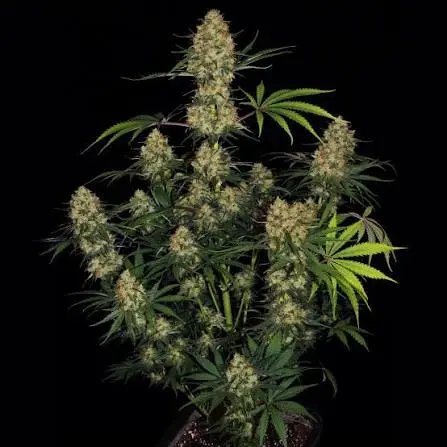
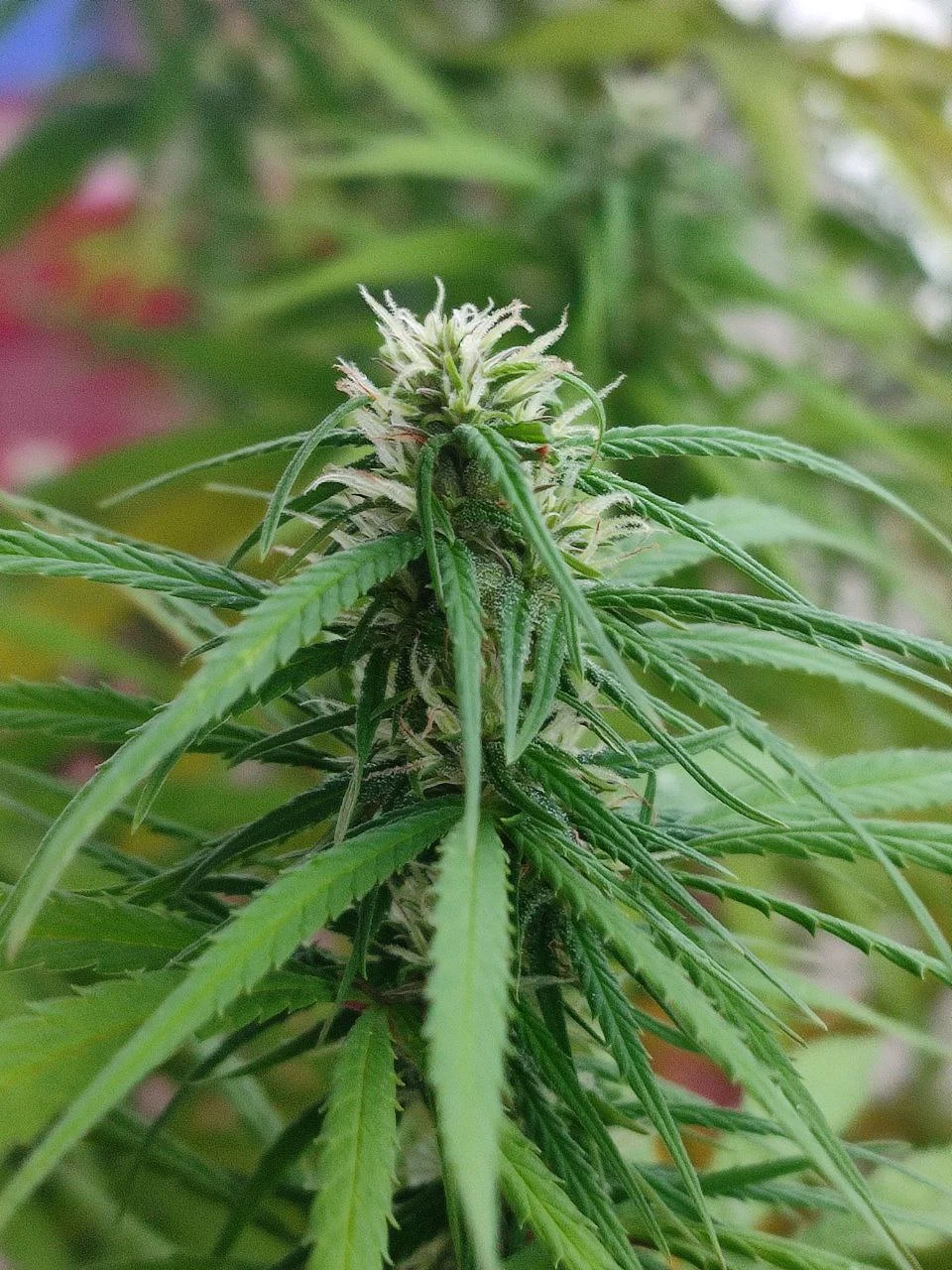
Structure and training: Hindu Kush grows short and stocky with tight internodal spacing, thick branching, and broad, waxy, dark green fan leaves. Most of the plant's energy goes into one dominant central cola with modest lateral branching, and flowering stretch is minimal, often well under the doubling you would plan for with a hybrid. That structure makes it a natural Sea of Green candidate: keep vegetative growth short, pack plants closer, and let each produce a single dense cola. If you would rather run fewer plants, top once above the fourth or fifth node to create several even colas, and use light LST to open the canopy.
Flowering and harvest: Hindu Kush finishes in about 7 to 9 weeks, fast for a photoperiod and one of the shortest flowers in the catalogue. Check trichomes from week 6. Harvesting at 10 to 20% amber keeps the effect a little brighter, while 25 to 30% amber pushes it deeper into the heavy physical end that the strain is prized for. Our amber trichomes guide covers reading the window.
Resin and hash: this is the strain's speciality. The trichome coverage that the mountains and generations of hash farmers selected for is still there, and it makes Hindu Kush the best candidate in the catalogue for dry sift, hash, or any resin-focused processing. Handle the buds gently at harvest, keep the trim, and work cold.
Australian climate fit, and the honest caveat: Hindu Kush evolved in a dry, high-altitude climate with cold nights, and that is where it performs best. Inland New South Wales, South Australia, Western Australia, Victoria, and anywhere with a warm, dry finish suit it exceptionally well, and the cool autumn nights those regions get will often bring out deep purple colouring in the leaves and buds. The caveat is humidity: these are dense, tightly packed buds on a plant that never adapted to damp air, so in coastal Queensland and northern New South Wales, botrytis is a genuine risk. The short flower helps by finishing before the worst of the autumn wet, but humid-region growers should prioritise airflow, space plants generously, and monitor from week 5. Our Australian climate strain guide covers regional timing.
Hindu Kush runs a short, predictable cycle with few surprises, which is a large part of its appeal. The main things to manage are humidity in late flower and deciding your harvest window.
| Phase | What's Happening | Key Actions | Watch Out For |
|---|---|---|---|
| Veg Weeks 1–3 |
Steady, compact growth. Short internodes and broad waxy leaves developing. Sturdy from the start. | 18/6. Keep veg short for SOG, or top once above node four or five for multiple colas. 50 to 60% RH. | Overfeeding. Landrace genetics are used to poor soil, so it wants less than a modern hybrid. |
| Early flower Flower weeks 1–2 |
Minimal stretch, often far less than a hybrid. Bud sites forming quickly on the central cola. | Transition to bloom nutrients. Light defoliation to open the canopy. RH down to 45 to 50%. | Over-training. The plant is compact by nature, so heavy intervention is unnecessary. |
| Mid flower Flower weeks 3–5 |
Dense buds packing on fast. Resin production ramping up hard, the trait the strain is built on. | Phosphorus and potassium emphasis. Keep airflow moving through the tightening canopy. RH 40 to 45%. | Humidity in the canopy. Dense indica buds trap moisture, so airflow matters more than usual here. |
| Late flower Flower weeks 6–9 |
Buds hardening, trichomes thickening to a heavy frost. Purple tones may appear with cool nights. | Check trichomes from week 6. Cool the nights for colour and resin. Begin flush at 10% amber. | Botrytis in the densest colas. Inspect the middle of the biggest buds, not just the surface. |
| Harvest | Thick resin coverage across dense, compact flowers with the full sandalwood-hash aroma. | Plain pH water the final 7 to 10 days. Handle gently to preserve trichomes. Slow dry at 15 to 18 °C, 55 to 60% RH. | Knocking the resin off. If hash is the plan, handle minimally and keep every scrap of trim. |
| Cure | The incense and sandalwood depth develops properly in the jar over 3 to 4 weeks. | Jar at 60 to 65% RH. Burp daily for two weeks. 3 weeks minimum, 4 to 6 better. Our drying and curing guide covers it. | Drying too fast. Dense buds dry unevenly, so slow and cool prevents a harsh, hay-like finish. |
If someone asks me what to grow first, Hindu Kush is near the top of the list, and the reason is the genetics rather than anything clever you need to do. This plant spent centuries surviving thin soil, cold nights and hard sun in the mountains, and that toughness is still in it. It will forgive a missed watering, a temperature swing, or a slightly wrong feed in a way most modern hybrids will not. It is also a photoperiod, so if the first few weeks go badly you can just keep it in veg and let it recover before flipping. That safety net is worth a lot when you are learning.
The one thing I would push back on is feeding. People see a heavy indica and assume it wants heavy nutrients. It does not. Landrace genetics evolved in poor mountain soil, and this plant reads generous feeding as excess. Run it leaner than you would a commercial hybrid, watch the leaf tips, and you will get better resin for it. Overfed Hindu Kush turns dark, claws, and loses the sandalwood depth that makes it worth growing.
Where it really earns its place in an Australian garden is the dry inland. This is a strain built for hot days and cold nights with low humidity, so if you are growing in inland New South Wales, South Australia or the Victorian interior, it will feel at home in a way that a Dutch hybrid never quite does, and those cold autumn nights often bring out deep purple through the buds. On the humid coast it is more of a trade: the short flower gets you out early, but keep space between plants and check inside the fat colas, because dense Kush buds and coastal humidity are an old argument.
These two are closely related, since Purple Kush descends directly from Hindu Kush genetics. The difference is what was done after the mountain: Hindu Kush is the unaltered landrace with an earthy, hash-forward character, while Purple Kush is the selected, sweeter, more colourful descendant.
| Feature | Hindu Kush (this page) |
Purple Kush |
|---|---|---|
| Genetics | Pure landrace, no cross | Hindu Kush descendant, selected line |
| Aroma | Sandalwood, incense, hash, pine | Sweeter, grape and berry over earth |
| Flowering | 7–9 weeks | Comparable, slightly longer |
| Resin | Exceptional, the hash specialist | Heavy, but bred more for flower |
| Ease | Beginner-friendly landrace hardiness | Straightforward, slightly more particular |
| Best for | Heritage character, resin, dry climates | Sweeter flavour and purple colour |
Choose Hindu Kush for the original landrace character, the resin, and genuine hardiness. Choose Purple Kush for a sweeter, fruitier take on the same family. If you want the Kush weight on a fixed autoflower timeline instead, there is also Auto Purple Kush, and for another heritage indica built on Afghani genetics, see Northern Lights.
Still comparing options? Our full strain lineup guide covers the range, or browse the indica-dominant range, the feminised photoperiod range, or the complete cannabis seeds catalogue.
Hindu Kush is a pure indica landrace from the mountain range of the same name, spanning Afghanistan and northern Pakistan. It is not a bred hybrid but a plant shaped over centuries by high altitude, cold nights, and arid conditions, then selected further by local farmers for hashish production. It is the genetic foundation of the entire Kush family, and what you buy today is a stabilised feminised line descended from that original mountain stock. For the parallel story of the other great foundation strain of modern breeding, see our Skunk #1 review.
Pure indica, with no sativa influence and no hybrid background. That shows in every part of the plant: short and stocky with broad, waxy leaves, tight internodal spacing, dense resinous buds, a fast flower, and a deeply physical effect. It is about as close to an unaltered indica as you can grow.
Around 18 to 22% THC, solidly potent without reaching modern hybrid extremes. Because the effect is so purely physical, it tends to feel heavier than the number suggests. Newer users should start low and go slow, since the body weight arrives quickly and settles in for a few hours.
About 7 to 9 weeks (49 to 63 days) indoors, which is fast for a photoperiod and one of the shorter flowering times in the catalogue. Outdoors in Australia it finishes from mid-March in the north through to mid-April further south, making it one of the earliest harvests available.
Yes, and it is one of the better first grows available. Landrace genetics give it real hardiness and tolerance for imperfect conditions, phenotypes are uniform so there are few surprises, and the compact structure needs little training. Because it is a photoperiod, there is also a recovery window: if the early weeks go badly, you can hold it in vegetative growth until it recovers before flipping to flower.
Because that is exactly what it was selected for. The thick trichome blanket began as an adaptation to intense high-altitude ultraviolet light and cold, then generations of farmers in the region selected the most resinous plants specifically for hand-rubbed charas and pressed hash. That double selection pressure produced resin coverage few strains match, which makes Hindu Kush the standout choice in the catalogue for dry sift and hash. Our review of the Hindu Kush strain covers the hash-making tradition these genetics came from.
A great many. Seeds carried west in the 1970s became foundational to modern breeding, and the Kush family descends directly from this mountain stock, including Purple Kush, OG Kush, and their many descendants. The influence reaches beyond the Kush line too: the Afghani genetics at the heart of Skunk #1 seeds came from this same mountain region, which places the whole skunk family a step removed from these genetics as well. The traits it contributed, fast flowering, compact size, heavy resin, and a deep physical effect, are what made indoor cultivation practical in the first place. You can follow the branches in our guide to cannabis genetics and family trees.
Very well in dry regions, and with care in humid ones. Its mountain heritage suits hot days, cool nights, and low humidity, so inland NSW, South Australia, Western Australia, and Victoria are excellent matches, and cool autumn nights often bring out deep purple colouring. In coastal Queensland and northern NSW the dense buds are vulnerable to mould, so prioritise airflow, space plants generously, and inspect the biggest colas from week 5. The short flowering time helps by finishing before the worst of the autumn wet.
Cool night temperatures in late flower trigger anthocyanin expression in the leaves and buds, producing deep purple tones. It is a genuine trait of the genetics, inherited from a mountain environment with sharp day-to-night temperature swings, and it is why so many purple-tinged strains trace back to this family. Growers in southern Australian regions with cold autumn nights see it most reliably.
Up to 450 g/m² indoors with good lighting and a well-filled canopy, and up to 500 g per plant outdoors from a spring planting in good conditions. The compact landrace structure caps what a single plant produces, which is why Sea of Green suits it so well: more plants, each finishing one dense central cola, makes far better use of the space than trying to push individual plants larger.
Yes, with fast domestic shipping and discreet packaging, and most orders arrive within a few business days. All seeds are batch-tested with the paper towel method at ~22 °C and stored cold and dry to preserve viability.
Not sure this is the right strain for you?
Answer six quick questions and we will give you three strains we feel best for you based on your setup, experience, and goals.



Meet the latest arrivals in the Sacred Seeds catalogue, from old-school favourites to varieties we’ve been looking forward to sharing.
Explore all latest drops →AK-47 seeds are the most awarded genetics in cannabis, full stop. More than 27 competition wins across three decades, and the only strain to take a Cannabis Cup in both the Sativa and the Indica categories,…
Shop now →
Maui Wowie seeds deliver the original Hawaiian sativa, all bright pineapple flavour and clean creative energy. Tall, tough, and practically mould-proof thanks to that airy island structure, it just asks you to keep the pruning shears…
Shop now →
The original UK Cheese. A single Skunk #1 plant, picked in late-80s England for one unmistakable trait: a sharp, tangy, aged-cheddar funk that nothing since has managed to copy. Preserved as a clone, spread by the…
Shop now →
Reviews
There are no reviews yet.