


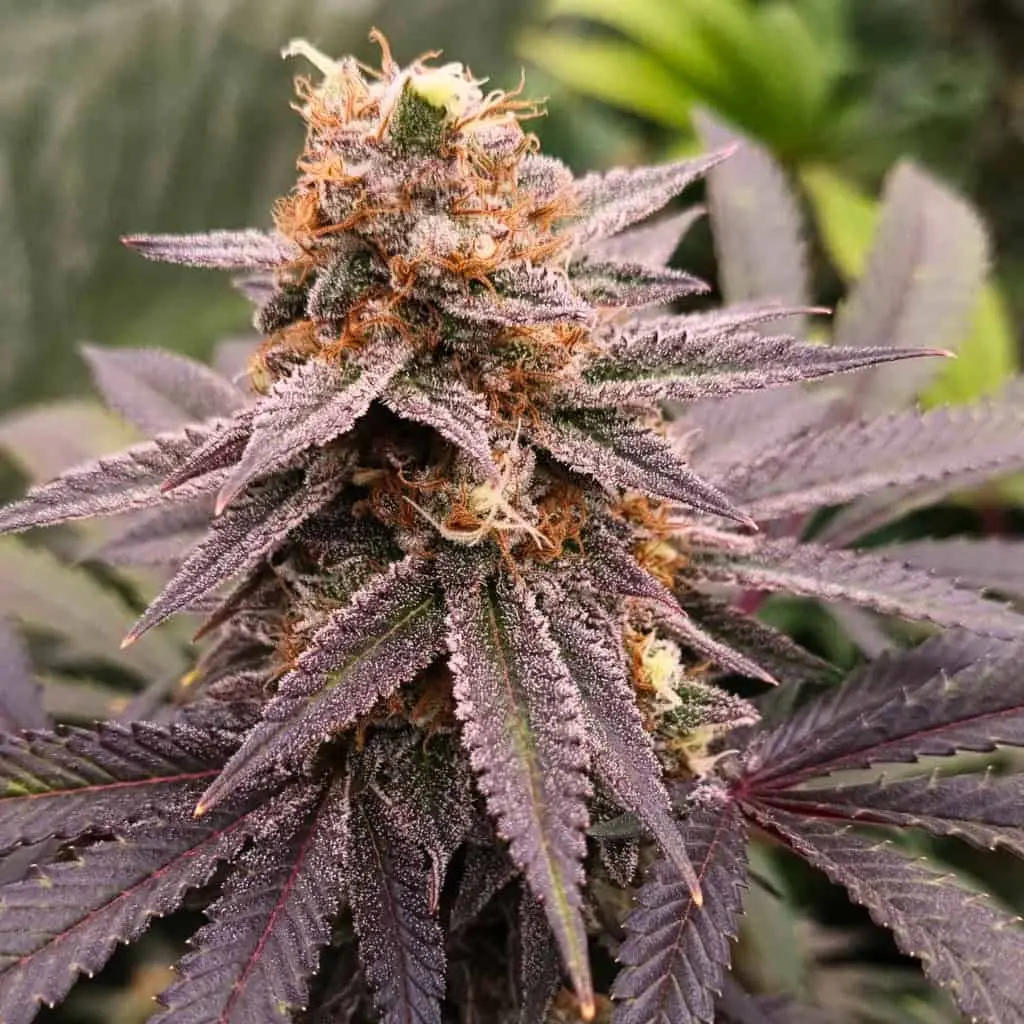
Purple Kush Feminized Seeds
From Original price was: $80.00.$75.00Current price is: $75.00.
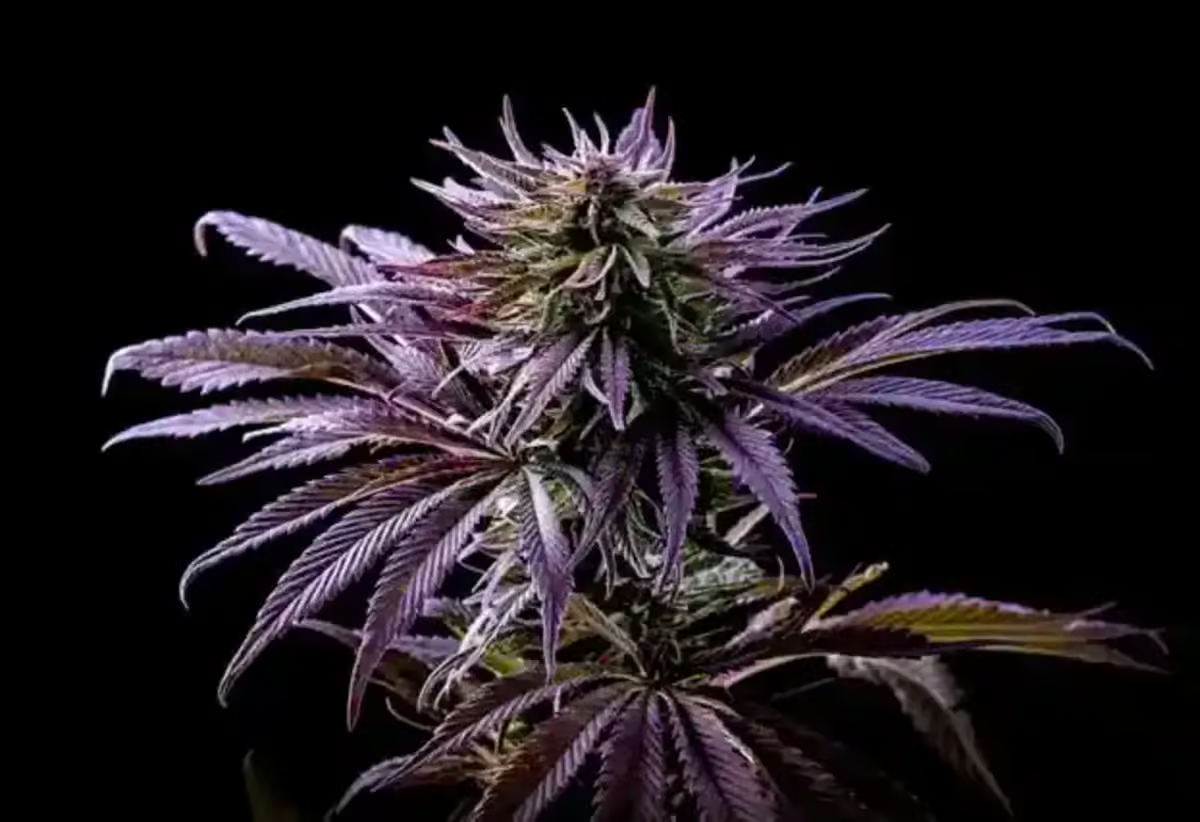
💜 Purple Kush seeds remind us that some classics never go out of fashion. This legendary Hindu Kush × Purple Afghani pure indica combines vivid purple colours, sweet earthy aromas, and a deeply relaxing body stone that has earned devotees around the world. Potent, beautiful, and unmistakably old-school.
Every order ships with bonus seeds. One free seed per five purchased — added automatically, no catch. Contact us for bulk order pricing.

Germination Guarantee
Every batch is tested for quality and backed by our germination guarantee.

Fast, Local Shipping
Tracked Australia Post. Express or Standard. Plain, discreet packaging.

4.9⭐ ProductReview Rating
Independent Australian review platform. Read verified customer experiences.
Purple Kush Feminized Seeds
From Original price was: $80.00.$75.00Current price is: $75.00.
💜 Purple Kush seeds remind us that some classics never go out of fashion. This legendary Hindu Kush × Purple Afghani pure indica combines vivid purple colours, sweet earthy aromas, and a deeply relaxing body stone that has earned devotees around the world. Potent, beautiful, and unmistakably old-school.
Every order ships with bonus seeds. One free seed per five purchased — added automatically, no catch. Contact us for bulk order pricing.
Germination Guarantee
Every batch is tested for quality and backed by our germination guarantee.
Fast, Local Shipping
Tracked Australia Post. Express or Standard. Plain, discreet packaging.
4.9⭐ ProductReview Rating
Independent Australian review platform. Read verified customer experiences.
🌿 Purple Kush Seeds: Hindu Kush × Purple Afghani, the Classic Pure Indica
Purple Kush seeds carry the Hindu Kush × Purple Afghani genetics that made this one of the most recognisable pure indica strains in cannabis: a deep, complete body effect, sweet berry and earthy kush flavour, and the striking purple hue the strain is named for, in feminised photoperiod format with full veg control and up to 600 g per plant outdoors.
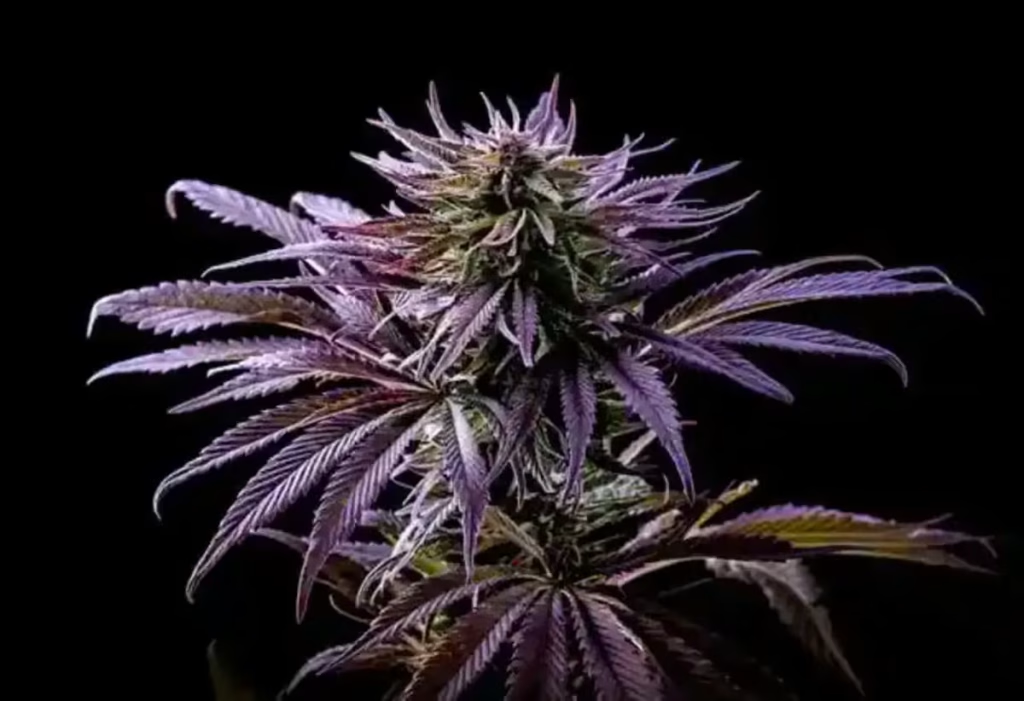
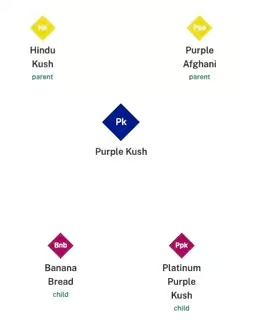
Purple Kush emerged from the Oaksterdam area of Oakland, California, as a cross of two established landrace indica lines: Hindu Kush, from the mountain range spanning Afghanistan and Pakistan, selected for heavy resin and a deep body effect, and Purple Afghani, which contributes the anthocyanin pigmentation and the earthy-berry character that defines the strain's look and flavour. The result is a 100% indica that delivers one of the most thorough body experiences available from pure landrace genetics, and one that earned a place on High Times' list of the Top 10 Kush Strains.
The photoperiod advantage: full control over veg time means you decide plant size before triggering flower with a 12/12 flip. Longer veg produces larger plants and the 550 g/m² indoor and 600 g per plant outdoor figures. The photoperiod format also gives you precise control over the purple trigger, since deliberately dropping night temperature to 16 to 18 °C from week 6 of flower maximises the colour in a way the auto's fixed timeline cannot match.
Purple Kush shares the anthocyanin trait with the strain that made purple cannabis a category in its own right. For how that colour genetics story began and why it proved so reliable, our Granddaddy Purple strain review traces it from the Purple Urkle line forward.
What Purple Kush seeds do well:
- A complete pure indica body effect: the Hindu Kush × Purple Afghani lineage produces a progressive, thorough, deeply relaxing experience, an evening and nighttime strain
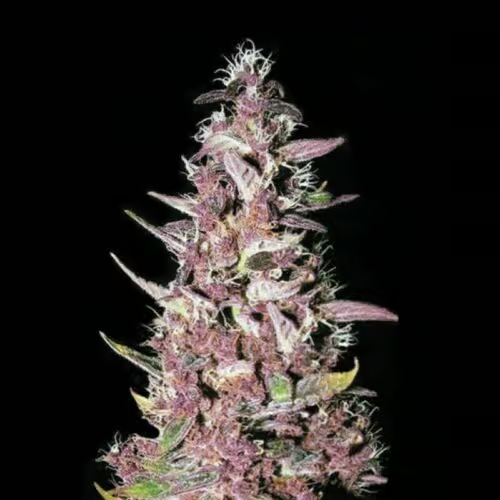
- Striking purple colour: the anthocyanin pigmentation from Purple Afghani activates under cool nights, and the photoperiod lets you control exactly when and how long to apply the trigger for deep purple across buds and leaves
- Sweet berry and earthy kush terpenes: myrcene-dominant with grape character from Purple Afghani and pine from the Hindu Kush side, rich and layered with a proper cure
- Substantial yield for a pure indica: up to 550 g/m² indoor and 600 g per plant outdoor from compact genetics
- Manageable structure: 80 to 120 cm with a dense bushy profile, no sativa height challenges, and a good response to LST and topping
Purple Kush Lineage
🌿 Purple Kush Seeds Effects and Experience
Onset (10–20 minutes): gentle and warm. The Hindu Kush genetics bring a calm mental ease alongside the initial physical warmth, mood softens, thoughts quieten. This is not a sharp or energising onset, and the myrcene dominance is there from the start, earthy and grounding.
Early phase (20–60 minutes): body relaxation building progressively as the Hindu Kush and Purple Afghani landrace genetics both contribute depth. Mentally calm and present rather than active, well suited to music, passive entertainment, or quiet conversation, with physical comfort increasing steadily.
Mid-phase (60–120 minutes): the full indica body effect establishes. Deep physical ease, appetite picking up, mental engagement settling into comfortable background contentment. This is the characteristic kush body experience, complete and couch-oriented, with caryophyllene adding a peppery depth alongside the myrcene-dominant ease.
Late-phase (2+ hours): settling and sedating at typical doses, with sleep following naturally for most. At lower doses it is a comfortable winding-down rather than full sedation.
Duration: 3 to 4 hours at typical doses. The myrcene-dominant pure indica profile produces a sustained body effect.
Potency note: at ~18 to 22% THC in a 100% indica, Purple Kush is meaningfully potent, and the body effect builds progressively, so it is easy to underestimate early and overconsume before the full effect arrives. Start with one to two draws in the early evening and allow 20 minutes. Daytime use is not practical, this is an evening and nighttime strain.
Flavour: sweet berry and earthy kush, the myrcene earthy base with the grape character of the Purple Afghani genetics and pine undertones on the exhale from the Hindu Kush side. Smooth, rich smoke. With 3 to 4 weeks of cure the berry and grape character sharpens and the full kush depth develops, so assess at 4 weeks in the jar, not fresh-dried.
🍇 Terpene Profile
Purple Kush is myrcene-dominant, which is the foundation of its earthy character and its heavy, settling body effect:
- Myrcene (dominant): the earthy, slightly fruity base that drives the relaxed, grounded body experience
- Pinene: a fresh pine note on the exhale from the Hindu Kush side, lifting the otherwise earthy profile
- Caryophyllene: a peppery spice that adds depth, and the one terpene that binds directly to CB2 receptors
The sweet berry and grape notes come from the Purple Afghani genetics and develop in the jar. For how these compounds shape flavour and effect, see our cannabis terpenes guide.
🌱 Growing Purple Kush Seeds in Australia
(Strictly for ACT residents with a licence or those overseas where cultivation is legal.)
Experience level: Purple Kush is one of the more forgiving photoperiods in the catalogue. The robust landrace genetics, the compact structure with no significant flowering stretch, and the short 8 to 9 week flower all make it approachable for newer growers. The one skill that matters is late-flower airflow, since the dense indica buds trap humidity. Get that right and it is a straightforward grow. Our cannabis seedling care guide covers getting a plant established well.
Veg and structure: grow under 18/6 until the plant is the size you want to flower. Four to six weeks of veg produces a medium plant that suits most indoor setups. The compact 100% indica structure produces tight internodes and very little vertical stretch in flower, so it stays manageable in height. Top from week 3 to 4 and run LST to open the dense canopy, which improves light penetration and airflow across the inner bud sites.
The purple trigger: drop night temperature to 16 to 18 °C from week 6 of flower while holding days at 22 to 26 °C. That 6 to 10 °C differential activates the anthocyanin expression in the Purple Afghani genetics. The photoperiod lets you sustain the differential across the remaining 3 to 4 weeks of flower for the most complete colour. The colour is purely cosmetic and does not affect potency or flavour, but it is one of the more visually impressive grows in the indica catalogue. This is the same temperature mechanism behind Granddaddy Purple's cool-night colour, explained in full in the review. Outdoors, Australian autumn nights provide the cool temperatures naturally, so April to May finishes often produce the most vivid colour.
Airflow, the main risk: the dense pure indica bud structure needs active airflow from flower week 5. Keep humidity below 45% and run oscillating fans across the inner canopy. The tight bud development holds humidity more than open sativa genetics, and easing off environmental management late in flower is the most common cause of bud rot with this strain.
Harvest later than you might expect: check trichomes from week 7 and harvest at 20 to 30% amber for the characteristic deep body effect, a later amber target than sativa-dominant strains. Harvesting at predominantly cloudy trichomes produces a lighter, more cerebral result that does not represent the Hindu Kush × Purple Afghani genetics. Our amber trichomes guide covers reading them, and the drying and curing guide covers the slow dry that protects the berry-kush profile.
🏠 Indoor Growing
- Veg: 4 to 6 weeks under 18/6
- Flower: 8 to 9 weeks from the 12/12 flip
- Yield: up to 550 g/m² with LST and a consistent environment
- Container: 15 to 20 L, since the genetics develop a strong, dense root system
- Height: 80 to 120 cm, compact, so a standard 150 cm tent is adequate with very little light-distance adjustment through flower
- Purple trigger: 16 to 18 °C nights from flower week 6, days at 22 to 26 °C, sustained for the remaining 3 to 4 weeks
- Airflow: critical from flower week 5, humidity below 45%, with carbon filtration as the earthy-sweet aroma builds from week 4 to 5
- Harvest: 20 to 30% amber for the characteristic deep body effect
🌿 Outdoor Growing (Australia)
- Planting: October to November for a full Australian summer veg
- Harvest: late April to early May as the days shorten and flowering triggers naturally
- Yield: up to 600 g per plant with a full summer veg, full sun, and 20 to 30 L containers. A late planting or small containers will land closer to 250 to 400 g
- Height: 100 to 140 cm outdoors over a full season, so stake from week 4 of flower for the heavy colas
- Purple outdoors: autumn nights provide the cool temperatures that trigger colour, so April to May finishes often produce the most vivid purple. Our guide to growing cannabis outdoors in Australia covers timing the finish to catch those nights
- Humidity: the dense bud structure is mould-prone in humid coastal conditions, so choose an open, airy site and avoid still, damp spots. Our Australian climate strain guide covers regional fit
🧪 Purple Kush Seeds EC and Feeding Guide: Soil and Coco
Purple Kush is a moderate feeder, and the pure landrace indica genetics are robust and forgiving compared with OG or Cookies-derived strains. The myrcene-dominant earthy-berry terpene profile benefits from conservative nitrogen in late flower and a thorough flush before harvest. The dense compact root zone also makes overwatering a more consistent risk than overfeeding, so water management matters as much as feeding here.
All EC values assume quality base nutrients. Australian tap water typically runs 0.2 to 0.5 EC, so factor that into your target and measure after mixing.
📊 EC and pH Target Table: Soil vs Coco
| Phase | Soil EC | Coco EC | Soil pH | Coco pH | Notes |
|---|---|---|---|---|---|
| Seedling Weeks 1–2 |
0.4–0.6 | 0.5–0.8 | 6.2–6.5 | 5.8–6.0 | Plain water in week 1. Dense indica root zone is prone to overwatering from the start. |
| Early veg Weeks 3–5 |
0.8–1.2 | 1.0–1.4 | 6.0–6.5 | 5.8–6.2 | Nitrogen-forward. Build on plant response. Robust landrace genetics tolerate more than OG or Cookies types. Overwatering is the more common mistake. |
| Late veg Weeks 5–8 |
1.2–1.6 | 1.4–1.8 | 6.0–6.5 | 5.8–6.2 | Maintain nitrogen. Topping and LST in progress. Flip when the plant is at the size you want. |
| Early flower Flower weeks 1–3 |
1.2–1.6 | 1.4–1.8 | 6.0–6.5 | 5.8–6.2 | Reduce nitrogen, raise P and K. Minimal stretch, so no frequent light-distance adjustments. Begin K support from flower week 2. |
| Peak flower Flower weeks 3–6 |
1.4–1.8 | 1.6–2.0 | 6.0–6.5 | 5.8–6.2 | High P and K. Back off nitrogen from flower week 4. Begin 16 to 18 °C nights from week 6 for purple. Airflow critical from week 5. |
| Late flower Flower weeks 6–8 |
1.0–1.4 | 1.2–1.6 | 6.0–6.5 | 5.8–6.2 | Taper EC down. Cool nights ongoing. Check trichomes from week 7. Target 20 to 30% amber. |
| Flush Final 10–14 days |
0.0–0.4 | 0.0–0.5 | 6.2 | 5.8–6.0 | Flush until runoff EC drops below 0.5. Continue cool nights. The sweet berry kush profile is noticeably cleaner after a proper flush. |
💡 Feeding Key Principles
- Overwatering is the primary risk: more so than overfeeding with these genetics, so lift the pot before watering rather than watering on a schedule
- Purple is temperature, not nutrition: drop night temperature to 16 to 18 °C from flower week 6, since no nutrient product produces the colour
- Back off nitrogen from flower week 4: the earthy-berry myrcene character benefits from lower nitrogen in the second half of flower
- Airflow from flower week 5: the dense bud structure is a mould risk, so keep humidity below 45% with active inner-canopy airflow
- Flush and cure: a 10 to 14 day flush until runoff drops below 0.5, then 3 to 4 weeks in sealed jars
🗓️ Purple Kush Seeds Week-by-Week Grow Timeline
| Phase | What's Happening | Key Actions | Watch Out For |
|---|---|---|---|
| Early veg Weeks 1–4 |
Dense, compact growth. Multiple lateral branches from tight indica internodes. Responds well to early training | Top at node 4 to 5. Begin LST. 18/6. EC 0.8 to 1.2 (soil). Water carefully | Overwatering, the primary risk with a compact indica root zone. Lift the pot before watering |
| Late veg Weeks 4–8 |
Bushy canopy filling. Multi-cola structure from topping. Final shaping before the flip | Continue LST. EC 1.2 to 1.6 (soil). Flip to 12/12 when at target size | Flipping too early. Let the plant fill out through training first, since it does not need long veg but benefits from being shaped |
| Early flower Flower weeks 1–3 |
Minimal stretch, very little height increase. Dense bud sites establishing rapidly across the compact canopy | Transition to bloom. Begin K support. EC 1.2 to 1.6. Drop RH to 50%. Carbon filter from week 3 | Airflow complacency. Start managing inner-canopy airflow early, since the bud sites close up fast |
| Peak flower Flower weeks 3–6 |
Dense buds fattening rapidly. Earthy-sweet kush aroma building. Resin increasing. Cool nights begin from week 6 | Peak EC 1.4 to 1.8. Back off N from week 4. Drop RH to 45%. Begin 16 to 18 °C nights from week 6. Strong inner airflow | Mould in dense bud sites, the most common late-flower problem here. Keep airflow active, humidity below 45% from week 5 |
| Late flower Flower weeks 6–8 |
Purple developing across leaves and bud sites with cool nights. Trichomes transitioning. Sweet berry aroma at peak | Check trichomes from week 7. Drop RH to 40 to 45%. Begin flush at 15 to 20% amber. Target 20 to 30% amber for harvest | Early harvest. The deep body effect and the full berry peak both need 20 to 30% amber, so do not harvest at cloudy only |
| Flush, harvest & cure | Dense, purple-tinged buds at peak with the sweet berry kush aroma at full intensity. The full complexity develops in the jar | Plain pH water 10 to 14 days. Harvest at 20 to 30% amber. Slow dry at 15 to 18 °C, 55 to 60% RH. Jar at 60 to 65% RH, burp daily 2 weeks, 4 weeks for full berry-kush depth | Rushing the dry, which strips the myrcene berry character. Assess the genetics at 4 weeks of cure, not at 1 week |
🧠 Jason's Tip: Growing Purple Kush
The purple is what everyone wants from this strain, and it is completely achievable, but only with temperature management. From flower week 6 I drop my tent nights to around 17 °C while keeping days at 23 to 24 °C. That differential is what switches on the anthocyanin expression in the Purple Afghani genetics. Give it a week and the leaves start shifting, and by week 8 the bud sites follow. Without the temperature drop you still get a perfectly good Purple Kush, you just miss the visual payoff that makes the strain worth the name.
The other thing I watch closely is airflow in late flower. The pure indica structure closes up densely by week 5 to 6, and the inner bud sites trap humidity in still air. Oscillating fans across the inner canopy, humidity below 45%, and active monitoring for any sign of moisture. It matters more with pure indica genetics than with anything sativa-leaning in the catalogue.
And the cure is where this strain earns its name. The sweet berry and grape character of the Purple Afghani genetics develops in the jar, not on the plant. Fresh Purple Kush tastes like earthy kush, but after 4 weeks of cure the berry and grape notes come forward, the kush depth fills out, and the profile is noticeably richer. Assess it at 4 weeks in the jar, not at 1 week.
⚖️ Purple Kush Feminised Seeds vs Auto Purple Kush: Which Format Suits You
| Feature | Purple Kush Photo (this page) |
Auto Purple Kush |
|---|---|---|
| Type | Photoperiod | Autoflower |
| Timeline | 8–9 weeks flower plus veg | 70–77 days fixed |
| Indoor yield | Up to 550 g/m² | Up to 450 g/m² |
| Outdoor yield | Up to 600 g/plant | 80–120 g/plant |
| THC | ~18–22% | ~18–22% |
| Height | 80–120 cm | 50–90 cm |
| Light schedule | 18/6 veg, 12/12 flower | Any, no flip required |
| Purple control | Precise, sustain cool nights across late flower | Autumn outdoor runs trigger it naturally |
| Best for | Maximum yield, full veg control, best colour | A fixed timeline, multiple outdoor cycles |
Choose Purple Kush feminised seeds for maximum yield, full control over plant size, and precise management of the purple trigger. Choose the Auto Purple Kush for a fixed 70 to 77 day timeline, multiple outdoor cycles, and compact height without a light flip.
🎯 Is Purple Kush Feminised Right for Your Grow?
✅ Purple Kush Feminised is the right choice if:
- You want a deep, complete pure indica body effect at photoperiod yield scale
- Evening and nighttime use is the goal, since this is a settling indica, not a balanced hybrid
- Maximum yield per cycle matters, where up to 600 g per plant outdoors well outproduces the auto
- You want to produce the purple colour at full intensity with precise temperature control
- You want a forgiving, compact grow and can stay on top of late-flower airflow
❌ Consider the alternatives if:
- A fixed timeline with no light flip suits you better, where the Auto Purple Kush gives the same genetics on a fixed schedule
- Daytime or functional use is what you are after, where the sativa-leaning Blue Dream is a better fit
- You want another deep pure-indica option to compare, where Black Domina is the catalogue's heaviest
- Multiple short outdoor cycles suit you better than a single large annual harvest
Still comparing options? Our full strain lineup guide covers the range, or browse the indica-dominant range, the feminised photoperiod range, or the complete cannabis seeds catalogue. For another classic indica, see Northern Lights.
🌟 Purple Kush Customer Experiences
Paraphrased from verified customer reviews and grower communications.
⭐⭐⭐⭐⭐ "One bowl and every muscle let go. Body went to jelly, mind went calm, no tension, just complete stillness. Exactly what a pure indica should do.", Indoor grower, Australia
⭐⭐⭐⭐⭐ "One of the best body experiences I've had, mellowed me right out and had me giggling at everything. Now I get why Purple Kush has been a classic for three decades. The purple colour after dropping my nights was genuinely impressive.", Indoor grower, Australia
❓ Frequently Asked Questions: Purple Kush Seeds
What are Purple Kush seeds?
Purple Kush seeds are a 100% indica feminised photoperiod strain, a Hindu Kush × Purple Afghani cross that emerged from the Oaksterdam area of Oakland, California. Hindu Kush contributes a deep body effect and heavy resin, while Purple Afghani contributes the anthocyanin pigmentation (the purple colour under cool temperatures) and the earthy-berry terpene character. Purple Kush has appeared on High Times' Top 10 Kush Strains and remains one of the most recognisable pure indicas for its complete body experience and striking appearance.
How do I get the purple colour?
Drop night temperature to 16 to 18 °C from week 6 of flower while holding days at 22 to 26 °C. The 6 to 10 °C differential activates the anthocyanin pigmentation in the Purple Afghani genetics. Without the temperature drop the plant grows green regardless of genetics, since the colour is genetic potential that needs a thermal trigger. Sustain the cool nights across the remaining 3 to 4 weeks of flower for the deepest colour. The purple is purely cosmetic and does not affect potency or flavour. The same mechanism is covered in depth in our Granddaddy Purple strain review, if you want the full science of how anthocyanin expression works.
How long do Purple Kush seeds take from seed to harvest?
Four to six weeks of veg plus 8 to 9 weeks of flower, for a total of roughly 12 to 15 weeks from seed depending on veg length. The 100% indica genetics produce minimal flowering stretch, so there is no significant height increase in flower. Harvest at 20 to 30% amber trichomes for the characteristic deep body effect, later than sativa-dominant strains and worth waiting for.
What yields can I expect from Purple Kush seeds?
Up to 550 g/m² indoors with LST, topping, and a consistent environment, and up to 600 g per plant outdoors with an October to November planting, 20 to 30 L containers, and full sun. Both figures need the full setup. A late planting, small containers, or partial shade will land closer to 250 to 400 g per plant.
Are Purple Kush seeds easy to grow?
Yes, for the most part. The robust landrace genetics, the compact structure with no real stretch, and the short 8 to 9 week flower make it one of the more forgiving photoperiods. The one skill that matters is late-flower airflow, since the dense indica buds trap humidity and are mould-prone from week 5. Keep humidity below 45% with active inner-canopy airflow and it is a straightforward grow.
Is Purple Kush suitable for daytime use?
No, this is an evening and nighttime strain. The 100% Hindu Kush × Purple Afghani body effect is progressive and settling at typical doses, with deep couch comfort at moderate doses and sleep following naturally at higher ones. For a daytime-functional, sativa-leaning effect, Blue Dream is a better fit. Purple Kush is for growers who specifically want the complete pure indica experience in the evening.
How does the photoperiod compare to Auto Purple Kush?
Same Hindu Kush × Purple Afghani genetics, same body effect and terpene profile, with the differences being yield, timeline, and control. The photoperiod produces up to 600 g per plant outdoors versus 80 to 120 g for the auto, allows full veg control over plant size, and gives precise control of the temperature differential for purple colour across the full late-flower window. The Auto Purple Kush runs on a fixed 70 to 77 day timeline with no light flip and suits multiple outdoor cycles per season.
Do you ship Purple Kush seeds across Australia?
Yes, with fast domestic shipping and discreet packaging, and most orders arrive within a few business days. All seeds are batch-tested and stored in optimal conditions before dispatch.
75 reviews for Purple Kush Feminized Seeds
Not sure this is the right strain for you?
Answer six quick questions and we will give you three strains we feel best for you based on your setup, experience, and goals.
Related products
-
 AUTO
AUTOAuto Girl Scout Cookies Feminized Seeds
From Original price was: $80.00.$75.00Current price is: $75.00. -

Girl Scout Cookies Feminized Seeds
From Original price was: $80.00.$75.00Current price is: $75.00. -

Durban Poison Feminized Seeds
From Original price was: $80.00.$75.00Current price is: $75.00. -
 AUTO
AUTOClassic Mix-Auto Feminised cannabis seeds
Original price was: $320.00.$240.00Current price is: $240.00. -
Moby Dick Feminized Seeds
From Original price was: $80.00.$75.00Current price is: $75.00. -
 AUTO
AUTOAuto Amnesia Haze Feminized Seeds
From Original price was: $80.00.$75.00Current price is: $75.00. -
 AUTO
AUTOAuto Gorilla Glue Feminized Seeds
From Original price was: $80.00.$75.00Current price is: $75.00. -

Gorilla Glue Feminized Seeds
From Original price was: $80.00.$75.00Current price is: $75.00.

The purple glam kush/purple kush is a no fuss plant that is stacking nicely at day 47.
I'd definitely recommend this girl for sure on the basis of my growing experience so far.
I think this is my new favourite strain to grow. 100% couldn't recommend more than
Thanks Jess
Cheers Jess!
One of the best out there
35yrs Ive waited to get a purple seed strain.❤️❤️❤️❤️❤️
Bought some Purple Glam Kush seeds, put 2 in, both germinated and doing well so far, thanks.