Feminised · Photoperiod
Green Crack
Green Crack seeds is the daytime sativa built for energy, and a favourite around here for the flavour and the vibe. A cross of Skunk #1 and an Afghani landrace indica, it leads with a big,…
Shop now →🐨 Free Express Post on orders $300+ | ⭐️2,638 5-Star Reviews


From Original price was: $80.00.$75.00Current price is: $75.00.
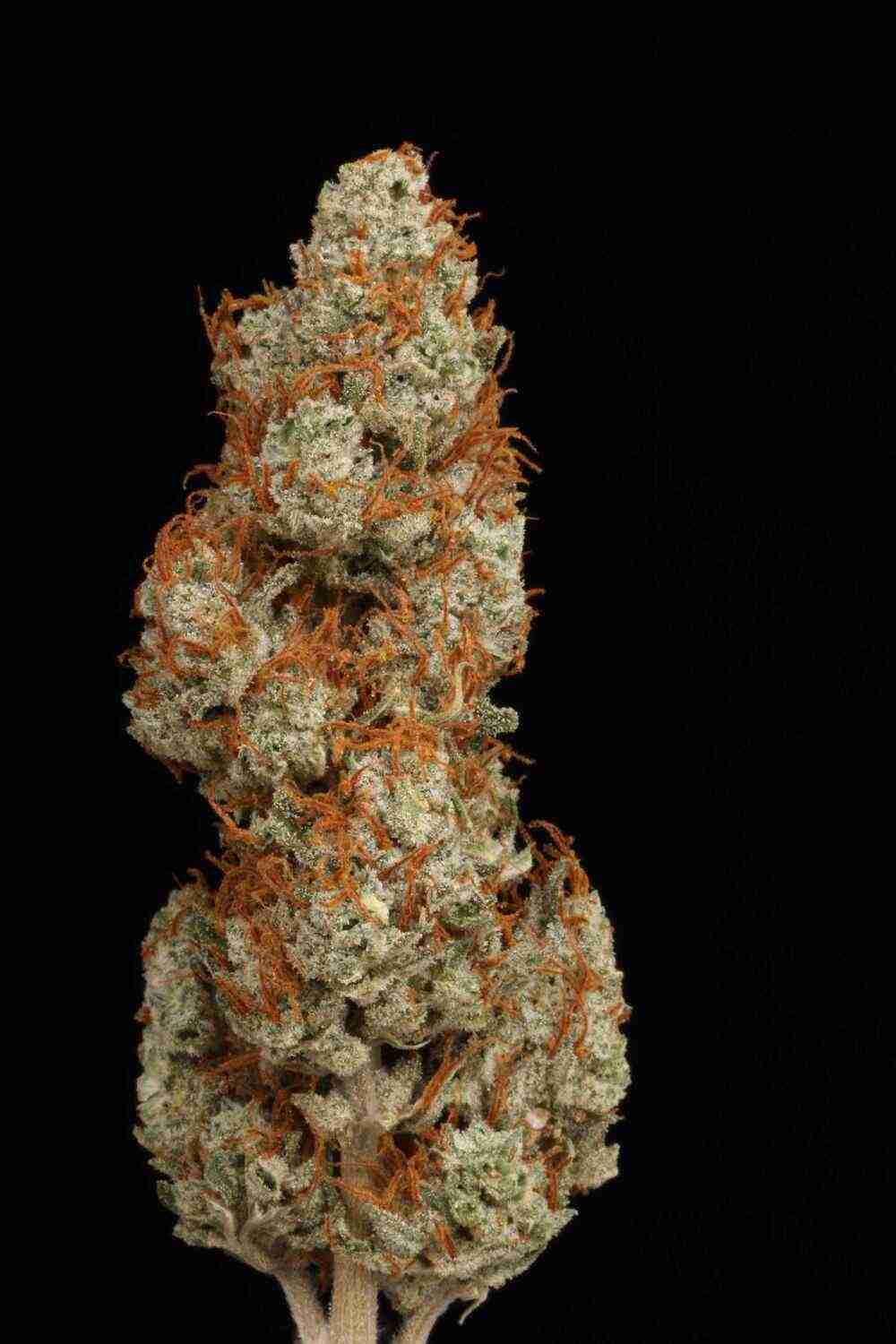
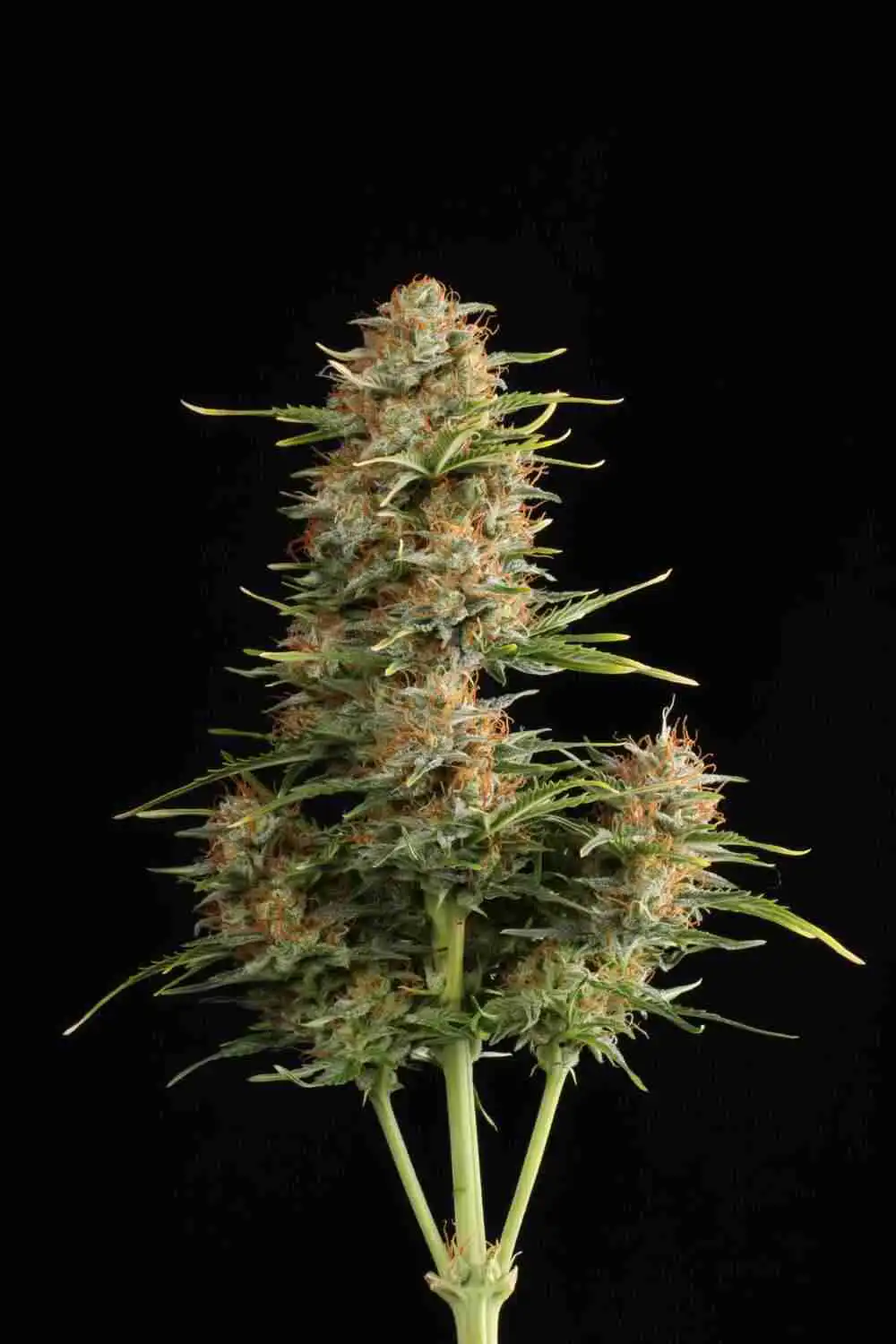
Auto Super Skunk seeds carry the genetics that helped put skunk on the map. This Cannabis Cup-winning Skunk #1 × Afghani classic delivers 20–24% THC, excellent resin production, and the sort of pungent aroma that made Super Skunk famous decades before autoflowers existed. Some legends fade with time. This one just got faster.
Every order ships with bonus seeds. One free seed per five purchased — added automatically.
Free Express Post on orders $300+. Automatic upgrade · Australia-wide
Contact us for bulk pricing.
Auto Super Skunk seeds carry the Skunk #1 × Afghani genetics of Sensi Seeds' Cannabis Cup-winning Super Skunk, the strain that set the benchmark for intensely aromatic, resin-heavy cannabis in 1990, on a fixed 63 to 70 day seed-to-harvest timeline that flowers automatically without a light schedule change.
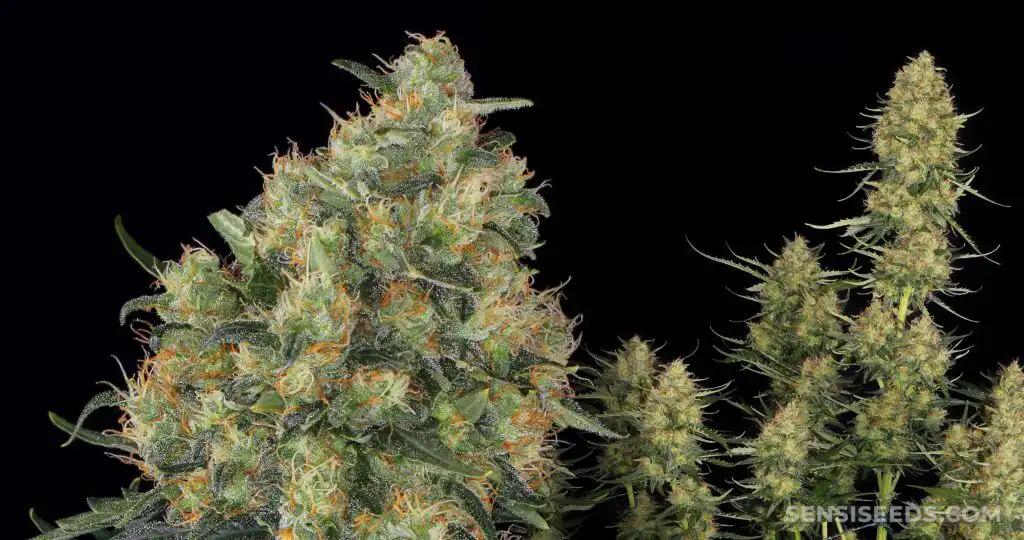
Super Skunk was built from two foundational lines: Skunk #1, the hybrid (Colombian × Mexican × Afghani) that revolutionised breeding in the 1970s and remains one of the most influential varieties ever developed, and an Afghani hash-plant selection chosen for extreme resin production and the deep, earthy hashish character of traditional Afghan cannabis. The combination produced an indica-dominant strain that won a Cannabis Cup, became essential breeding stock for countless modern hybrids, and defined what heavy, aromatic cannabis could be.
The ruderalis cross brings those genetics onto a fixed timeline without diluting them. At 20 to 24% THC, Auto Super Skunk seeds sit among the more potent high-THC autos in the catalogue. The pungent skunk aroma, sharp, funky, and immediately recognisable, is fully intact, and the Afghani resin production translates directly into the auto format. For growers who want proven, awarded genetics with a real track record rather than modern hype, this is the choice. What sets it apart in the auto range is exactly that aroma: most autos run earthy, sweet-berry, or tropical-fruit, while Auto Super Skunk produces something categorically different, the loud, classic skunk that connoisseurs who grew up with late-1980s and 1990s genetics recognise immediately.
What Auto Super Skunk seeds do well:
Auto Super Skunk Lineage
The effect is more balanced than the 80% indica figure suggests. The Skunk #1 sativa component provides enough cerebral uplift in the first phase that Auto Super Skunk does not produce the flat couch heaviness of a pure indica auto. It starts functional and sociable, builds into body ease, and only tips toward the couch at higher doses or later in the session.
Onset (5–15 minutes): faster than most auto indicas. The Skunk #1 genetics come through early, mood lifts, mental energy picks up. The onset is uplifting and social rather than settling and heavy, functional from the start.
Early phase (15–60 minutes): cerebral uplift at its clearest, creative, focused, sociable. The Afghani indica genetics begin contributing warm physical ease underneath the mental lift. Good for conversation, creative work, or active relaxation. The myrcene-dominant profile contributes a smooth body relaxation that builds without overpowering the sativa character.
Mid-phase (60–120 minutes): the 80% indica genetics assert themselves. Physical relaxation deepens as the body settles and comfort increases. Still mentally engaged at typical doses, since the Skunk #1 component keeps the effect from tipping fully toward the couch at moderate consumption. The munchies are reliable.
Late-phase (2+ hours): comfortable body ease with quieter mental engagement, a natural evening wind-down. At moderate doses this is relaxed and pleasant without being heavy, while higher doses or a later harvest amber (20 to 30%) lean more settling.
Duration: 2.5 to 3.5 hours at typical doses, consistent with the balanced Skunk #1 × Afghani genetics.
Potency: at 20 to 24% THC with Afghani genetics that amplify the physical effect through the myrcene and caryophyllene profile, Auto Super Skunk is meaningfully potent. The relatively fast onset means the effect arrives before you have fully assessed the first hit, so start with one to two hits and wait 15 minutes.
Flavour: pungent skunk dominates, sharp, funky, bold. Sweet notes from the Skunk #1 genetics follow, and earthy hashish depth from the Afghani component grounds the sharpness, with a subtle citrus brightness on the exhale from the limonene. The smoke is smooth despite the intensity of the aroma. With a proper 3 to 4 week cure the sweet-skunk complexity sharpens, so assess the genetics at 4 weeks in the jar, not at 1 week post-harvest.
The pungent character comes from a myrcene-led profile:
For how these compounds shape flavour and effect, see our cannabis terpenes guide.
(Strictly for ACT residents with a licence or those overseas where cultivation is legal.)
Experience level: accessible to intermediate. The Afghani genetics add genuine robustness. Temperature variation, minor feeding inconsistencies, and brief environmental fluctuations that would stress OG or Cookies-derived autos are handled better here, making this one of the more forgiving autos in the catalogue. That said, the standard auto rules apply, and the intense aroma needs active planning from week 5 onward. The single most important management decision is not feeding or training, it is carbon filtration. Our cannabis seedling care guide covers a strong start.
Critical auto rules, before germination:
Flowering: Auto Super Skunk initiates flowering at 3 to 4 weeks from germination. Seed to harvest runs approximately 63 to 70 days, with the genuine window at the later end and heavier or cooler runs sometimes a little longer. Dense, resinous, compact indica bud structure develops from week 5. Check trichomes from week 8 and harvest at 10 to 20% amber for the balanced skunk effect, or later (20 to 30% amber) for a heavier finish. Our amber trichomes guide covers reading them.
Height and structure: compact at 50 to 90 cm. The 80% indica genetics produce a dense, bushy plant with tight internodes and multiple productive lateral bud sites. LST from week 2 to 3 opens the canopy and improves light penetration, and the Afghani structure benefits from airflow management from week 6 given the dense bud development.
Aroma management: the defining operational requirement for indoor grows. The pungent skunk smell develops noticeably from week 5 and becomes intense and unmistakable by week 7 to 8. Size your carbon filter and extraction fan for your space from the start, rather than waiting until the smell is a problem. Outdoor growers should consider prevailing wind direction and proximity to neighbours.
Harvest and cure: the Afghani resin production peaks in the final week of the window, so do not rush. After harvest, the full skunk-sweet complexity develops in the jar over 3 to 4 weeks. Burp jars daily for the first two weeks, then seal. Our drying and curing guide covers the finish.
Auto Super Skunk seeds are moderate feeders. The Afghani genetics add robustness that makes this one of the more forgiving autos in the catalogue compared to OG or Cookies-derived genetics. That robustness is tolerance for environmental variation, not an invitation to push feeding hard. Start at quarter strength, build on plant response, and back off nitrogen from week 5 to 6 to protect the pungent skunk myrcene expression in late flower. The Afghani resin production responds well to consistent potassium through the peak flower window.
All EC values assume quality base nutrients. Australian tap water typically runs 0.2 to 0.5 EC, so factor that into your target and measure after mixing.
| Phase / Week | Soil EC | Coco EC | Soil pH | Coco pH | Notes |
|---|---|---|---|---|---|
| Weeks 1–2 Seedling |
0.4–0.6 | 0.5–0.8 | 6.2–6.5 | 5.8–6.0 | Start conservative despite the Afghani robustness. Plain water in week 1. The fixed timeline makes early damage permanent regardless of genetics. |
| Weeks 3–4 Early veg / pre-flower |
0.8–1.2 | 1.0–1.4 | 6.0–6.5 | 5.8–6.2 | Nitrogen-forward. LST in progress. Pre-flowers around day 21 to 28. The Afghani genetics tolerate EC better than OG or Cookies autos, so you can build slightly faster. |
| Weeks 4–5 Pre-flower transition |
1.0–1.4 | 1.2–1.6 | 6.0–6.5 | 5.8–6.2 | Reduce nitrogen, introduce bloom nutrients. Begin potassium support, important for the Afghani resin density and the skunk myrcene expression. |
| Weeks 5–8 Peak flower |
1.2–1.6 | 1.4–1.8 | 6.0–6.5 | 5.8–6.2 | Sustained K supports the Afghani resin development. Back off nitrogen from week 5 to 6, the skunk myrcene character suffers with excess N. Carbon filtration essential by week 5. |
| Weeks 8–9 Late flower / ripening |
1.0–1.4 | 1.2–1.6 | 6.0–6.5 | 5.8–6.2 | Reduce overall EC. The Afghani resin production peaks here, so do not rush to flush. Check trichomes from day 56. Harvest at 10 to 20% amber. |
| Final 7–10 days Flush |
0.0–0.4 | 0.0–0.5 | 6.2 | 5.8–6.0 | Plain pH water until runoff EC drops below 0.5. The pungent skunk profile is noticeably cleaner and more complex after a proper flush. |
Pre-loaded nutrients: quality potting mix runs 1.0 to 1.5 EC on its own in weeks 1 to 3, so plain water in week 1. The Afghani robustness handles minor nutrient variation better than OG or sativa-derived autos, but the fixed timeline still makes early overfeeding a permanent problem. Feed only when runoff EC drops below 0.8.
Runoff monitoring: water to 10 to 20% runoff and measure EC. Runoff more than 0.4 above feed-in indicates salt buildup, so flush with twice the pot volume of plain pH water. The skunk myrcene profile benefits from regular runoff monitoring through the peak flower window.
Container size: the Afghani genetics develop a strong root system that responds to container size. 15 L rather than 11 L makes a noticeable difference in final yield, around 15 to 20% more per plant outdoor. Use the larger container if space allows.
Feeding frequency: once daily in veg, twice daily in peak flower. The Afghani genetics handle brief dryness better than sensitive sativa autos, but consistent hydration through weeks 5 to 8 still directly supports resin development.
pH in coco: 5.9 to 6.1 at every feed. Consistent pH matters for the myrcene-dominant skunk expression in late flower, and coco has no buffering capacity to correct drift, so check every feed.
CalMag in coco: 1 to 2 ml/L from week 1 through flush, the standard coco requirement.
Nitrogen in late flower: back off from week 5 to 6. The pungent skunk myrcene character suffers with excess nitrogen in late flower, faster in coco than soil.
| What You're Seeing | Likely Cause | Action |
|---|---|---|
| Tip burn weeks 1 to 3 | EC too high despite Afghani robustness, or pre-loaded soil plus added feed | Drop to plain water for one or two waterings, then resume lower. The Afghani tolerance does not override the fixed-timeline rule, early damage is permanent. |
| Skunk aroma flat in late flower | Excess nitrogen suppressing myrcene, or insufficient cure | Back off nitrogen from week 5 to 6. If flat at harvest, cure 3 to 4 weeks, the pungent character sharpens in the jar. Assess at 4 weeks, not 1. |
| Moisture issues in late-flower canopy | Dense Afghani bud structure with inadequate airflow | Increase inner-canopy airflow. Drop RH below 45%. Active airflow matters more with dense Afghani buds than with open sativa genetics. |
| Aroma detectable through carbon filter | Filter undersized for extraction rate, or filter saturation | A filtration capacity issue, not a plant problem. Check filter-to-fan ratio, and replace the activated carbon if the filter is older. This is not a strain to run with a marginal setup. |
| Runoff EC well above feed-in | Salt buildup in the medium | Flush with twice the pot volume of plain pH water. Target runoff below 1.0 before resuming. |
Auto Super Skunk runs 63 to 70 days. The decisions that matter most are carbon filtration planning before germination, nitrogen back-off from week 5 to 6, airflow from week 6 for the dense Afghani bud structure, and harvest patience for the trichome window that delivers the full resin production.
| Phase / Week | What's Happening | Key Actions | Watch Out For |
|---|---|---|---|
| Weeks 1–2 Seedling |
Taproot establishing. Dense compact indica structure showing early, tight internodes and bushy lateral development. | Plain water or quarter strength. 18/6. 60 to 70% RH. Final container from day one. Carbon filter installed and ready. | Overfeeding, the Afghani robustness is not an invitation to push EC early. Week 1 to 2 damage is permanent. |
| Weeks 3–4 Early veg / pre-flower |
Vigorous bushy growth. Multiple lateral shoots. Pre-flowers around day 21 to 28. The compact Skunk × Afghani structure filling out. | Begin LST from week 2 to 3. Build to half strength. EC 0.8 to 1.2 soil. 50 to 60% RH. | Missing the LST window, the compact canopy closes up quickly. Open it at week 3 for light and airflow. |
| Weeks 5–7 Early-mid flower |
Dense Afghani bud sites stacking rapidly. The pungent skunk aroma builds noticeably from week 5, immediately recognisable. Resin accumulating. | Transition to bloom nutrients. EC 1.2 to 1.6 soil. K boost from week 5. Carbon filter essential from week 5. RH 45 to 50%. Back off nitrogen from week 5 to 6. | Inadequate carbon filtration, the week 5 aroma is not subtle. Also begin active inner-canopy airflow. |
| Weeks 8–9 Late flower / resin peak |
Dense, heavily coated buds. The Afghani resin production at its most visible. Pungent aroma at full intensity. Trichomes moving cloudy to amber. | Check trichomes from day 56. RH 40 to 45%. Begin flush at 5 to 10% amber. Maintain strong inner-canopy airflow. | Harvesting at week 8, the marketing figure. The genuine window is week 9 to 10 at 10 to 20% amber, when resin peaks. |
| Days 63–70 Flush & harvest |
Dense, heavily resinous buds. Pungent aroma at peak. Trichomes at 10 to 20% amber. The genuine harvest window. | Plain pH water 7 to 10 days. Harvest at 10 to 20% amber. Slow dry at 15 to 18 °C, 55 to 60% RH for 10 to 14 days. | Rushing the dry, the myrcene skunk terpenes are volatile. A fast, hot dry loses the pungent character. |
| Post-harvest Cure |
The full skunk-sweet complexity develops and sharpens in the jar. Fresh-dried is good, but after 3 to 4 weeks the pungent character is at its most complete. | Jar at 60 to 65% RH. Burp daily for two weeks, then seal. 3 weeks minimum, 4 produces full depth. | Assessing on fresh-dried material. The profile sharpens during cure, so judge at 4 weeks, not 1. |
The aroma is the thing to plan for first, before you germinate. Auto Super Skunk develops a pungent skunk smell that builds from week 5 and becomes intense by week 7 to 8. Indoors, size your carbon filter properly for your extraction setup before the first seed goes in the medium, because a filter that handles other autos might not be enough for this one. Outdoors, think about wind direction and what is downwind from week 5 onward. The smell is part of what makes this strain what it is, but it asks for operational awareness that other autos do not.
Container size matters more than people expect here. The Afghani genetics want a strong root system, and moving from 11 L to 15 L makes a noticeable difference in final yield, I would say 15 to 20% more per plant. Start in your final container and give the roots room from day one.
On harvest timing, week 9 looks ready. Wait. The Afghani resin production genuinely peaks in the final 7 to 10 days, and the difference between chopping at day 59 and day 67 is significant in both weight and trichome density. Check trichomes on the buds directly, target 10 to 20% amber, and do not let impatience cost you a week of resin these genetics are built to produce.
| Feature | Auto Super Skunk (this page) |
Super Skunk Feminised |
|---|---|---|
| Type | Autoflower | Photoperiod |
| Seed to harvest | 63–70 days fixed | 8–10 wk flower + veg |
| Indoor yield | Up to 400 g/m² | Higher with extended veg |
| Outdoor yield | 50–100 g/plant | Up to 600 g/plant |
| THC | ~20–24% | Higher range achievable |
| Height | 50–90 cm | Larger with extended veg |
| Light schedule | Any, no flip required | 12/12 to flower |
| Cloning | Not practical | Yes, can run mothers |
| Best for | Fixed timeline, multiple cycles, compact grows | Maximum yield, full plant control, cloning |
Choose Auto Super Skunk for a fixed 63 to 70 day timeline, compact height, and the Cannabis Cup Super Skunk genetics on a rolling schedule without a light flip. Choose the Super Skunk Feminised for maximum yield per cycle, full veg control, and the ability to clone and run mothers from proven phenos.
Still comparing options? Our full strain lineup guide covers the range, or browse the autoflower range, the indica-dominant range, or the complete cannabis seeds catalogue.
⭐⭐⭐⭐⭐ "Grew this on my balcony in Adelaide, planted mid-December, harvested late February. About 78 g off one plant in a 15 L pot. The skunk smell was noticeable from week 6 but manageable outdoors. Quality exceeded my expectations for an auto, smooth smoke with that classic funky flavour." Outdoor grower, South Australia
⭐⭐⭐⭐⭐ "I use this before writing or painting sessions. Chilled and focused, just the right balance. Not too sleepy, not too heady, keeps creativity going without mental fog. The skunk aroma after a 4-week cure is classic and unmistakable." Indoor grower, Australia
Paraphrased from verified customer reviews and grower communications.
Very strong, and this is not marketing exaggeration. The pungent skunk smell develops noticeably from week 5 to 6 and becomes intense and unmistakable by week 7 to 8. Indoor growers need carbon filtration sized for this strain specifically, not a general auto setup. Outdoor growers should factor wind direction and proximity to neighbours into site selection. The aroma is part of what made Super Skunk famous over three decades, but it needs planning that some lighter autos do not.
At 20 to 24% THC the auto preserves strong potency, matching or exceeding many photoperiod indicas. The pungent aroma carries through fully, and the Afghani resin production translates well. The main differences are yield (50 to 100 g per plant outdoor for the auto versus up to 600 g for the photoperiod with full veg) and timeline (63 to 70 days fixed versus 8 to 10 week flower plus veg). Effect quality and resin character are comparable when the auto is grown to its full timeline. For maximum yield and the ability to clone, the Super Skunk Feminised is the right choice.
Approximately 63 to 70 days (9 to 10 weeks) from germination, with the genuine window at the later end. The Afghani resin production peaks in days 63 to 70, so harvesting at day 56 costs significant yield and trichome density. Check trichomes from day 56 but plan for day 63 to 70, and harvest at 10 to 20% amber for the balanced Skunk × Afghani effect.
More balanced than the 80% indica figure suggests. The Skunk #1 sativa genetics drive an uplifting, sociable, creative onset, then the Afghani indica genetics build body ease progressively over the first hour without immediately suppressing the sativa character. At moderate doses you stay functional and creative while physically relaxed, while higher doses lean toward the couch, though that is not the guaranteed outcome at typical levels. For a heavier, more relaxing indica experience, Auto Purple Kush or Auto Granddaddy Purple are the better choices.
Up to 400 g/m² indoors under quality LED or HPS lighting with LST and a consistent environment, with 300 to 380 g/m² realistic for competent grows. Outdoor plants produce 50 to 100 g each, and the Adelaide balcony grower above hit 78 g from a 15 L pot, representative of a well-executed run. Container size matters: 15 L produces noticeably more than 11 L. The 63 to 70 day timeline allows 5 to 6 indoor runs annually.
Yes, one of the better auto options for it. The Afghani hash-plant genetics deliver trichome coverage above average for an autoflower and visibly so by late flower. Trim day is noticeably stickier than most other autos, scissor hash collects readily, and extraction yields are meaningful for the format, with the pungent skunk character carrying through into extracts.
Yes, with fast domestic shipping and discreet packaging, and most orders arrive within a few business days. All seeds are batch-tested with the paper towel method at ~22 °C and stored cold and dry to preserve viability.
Not sure this is the right strain for you?
Answer six quick questions and we will give you three strains we feel best for you based on your setup, experience, and goals.




Discover the latest additions to Sacred Seeds Australia — from legendary old-school strains to exciting modern hybrids, each selected for its distinctive character, lineage and reputation.
Explore all latest drops →Green Crack seeds is the daytime sativa built for energy, and a favourite around here for the flavour and the vibe. A cross of Skunk #1 and an Afghani landrace indica, it leads with a big,…
Shop now →
Auto Maui Wowie brings the classic Hawaiian landrace sativa into autoflowering form. Maui Wowie Auto keeps the bright pineapple-citrus flavour and clean, energetic daytime lift, but finishes in about 9 to 10 weeks from seed with…
Shop now →
Hindu Kush seeds bring you one of the world's last great pure indica landraces. Born high in the rugged mountains between Afghanistan and Pakistan, this resin-rich classic delivers earthy spice, deep relaxation, and genetics that have…
Shop now →
Quick starters
Good growth
Awesome guys!
Cheers!
Sacred Seeds. Best around.
Wouldn’t shop anywhere else
Thank you Jess 🙏❤️
Next time one at a time.. all medicine for the body.