Feminised · Photoperiod
Green Crack
Green Crack seeds is the daytime sativa built for energy, and a favourite around here for the flavour and the vibe. A cross of Skunk #1 and an Afghani landrace indica, it leads with a big,…
Shop now →🐨 Free Express Post on orders $300+ | ⭐️2,632 5-Star Reviews



From Original price was: $80.00.$75.00Current price is: $75.00.
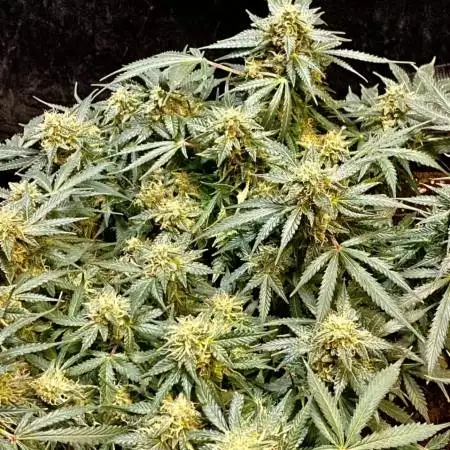
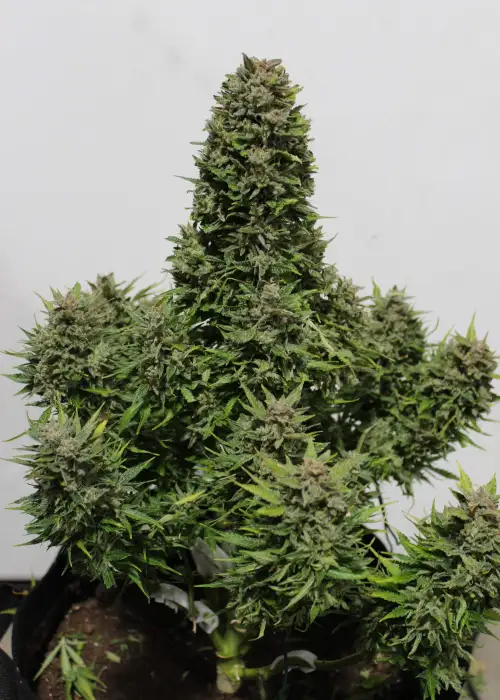
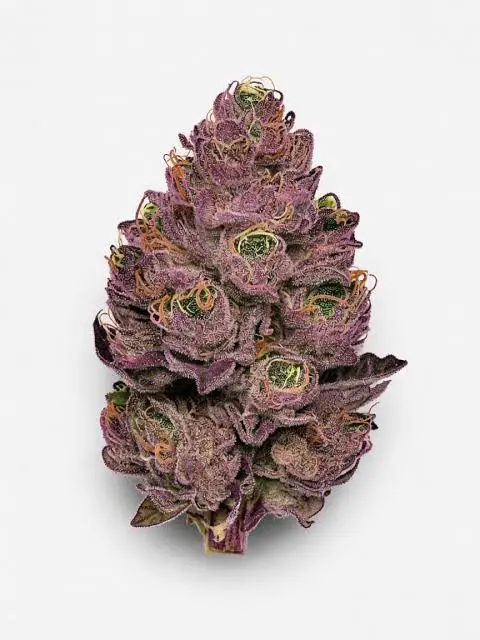
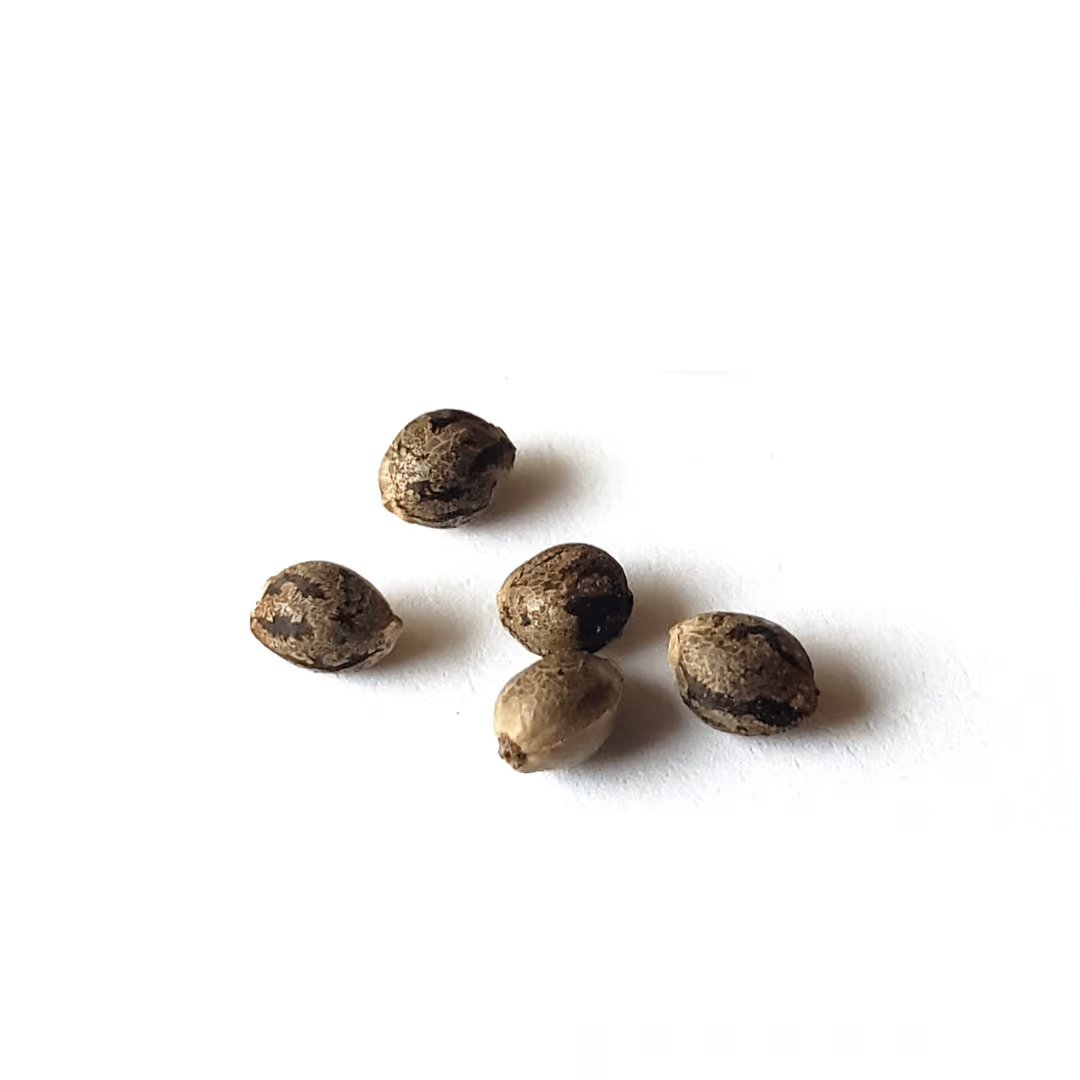
Auto Maui Wowie brings the classic Hawaiian landrace sativa into autoflowering form. Maui Wowie Auto keeps the bright pineapple-citrus flavour and clean, energetic daytime lift, but finishes in about 9 to 10 weeks from seed with no light flip. Compact enough for a balcony or small tent, and Maui Wowie Autoflower carries the heat tolerance and mould resistance of its tropical island parent. A fast, discreet way to grow a piece of Hawaiian cannabis history.”
Every order ships with bonus seeds. One free seed per five purchased — added automatically.
Free Express Post on orders $300+. Automatic upgrade · Australia-wide
Contact us for bulk pricing.
Maui Wowie Autoflower takes the bright, tropical Hawaiian landrace sativa and crosses it with ruderalis, trading the photoperiod's towering height and long season for a compact plant that runs seed to harvest in about 9 to 10 weeks on a fixed timeline, no light flip required.
The original Maui Wowie is a pure sativa landrace shaped on the volcanic slopes of Maui, famous for a clean, energetic, pineapple-forward character that surfers carried from Hawaii to the mainland in the 1970s. Its one drawback for a lot of growers is size and patience: the photoperiod runs tall and takes a long season to finish. The autoflower answers exactly that. By crossing the Hawaiian line with ruderalis, Auto Maui Wowie keeps the tropical flavour and the bright sativa lift while finishing fast and staying compact enough for a balcony, a small tent, or a discreet corner of the garden. The fuller heritage of the strain is covered in our Maui Wowie strain review.
What the ruderalis cross keeps: the things that made Maui Wowie worth growing carry through. The pineapple-citrus terpene profile, the clear and energetic daytime effect, and the airy, mould-resistant bud structure that handles warm, humid conditions all survive the cross. Maui Wowie Auto is also one of the more resilient autos you can run, with the heat tolerance and disease resistance of its tropical island parent.
What the cross costs: THC eases from the photoperiod's ~17 to 20% down to ~15 to 18% for the autoflower, so the effect is a touch lighter, and indoor yield sits around 400 g/m² rather than the larger photoperiod harvest. The trade is speed, size, and season flexibility. Where the photoperiod is a tall, long-season commitment, the auto is a compact, fast, plant-and-forget option. It sits in our sativa-dominant range, part of the wider cannabis seeds Australia catalogue.
Why growers choose Maui Wowie Auto:
Auto Maui Wowie Lineage
Maui Wowie Auto delivers the clear, energetic, upbeat character the Hawaiian line is known for, in a lighter form than the photoperiod but with the same bright, daytime personality.
Onset (5–15 minutes): a quick, upward lift. Mood brightens and energy rises, with the clear-headed, optimistic quality that defines a tropical sativa. The onset is fast and unmistakably sativa.
Early phase (15–45 minutes): clear, creative and sociable. Focus sharpens, conversation flows, and physical activity feels easy. This is Maui Wowie Autoflower at its best, a functional, motivating headspace that suits doing things.
Mid-phase (45 minutes–1.5 hours): the energy mellows into a sustained, contented brightness, still clear-headed, with a light physical ease settling in underneath that never tips toward heaviness.
Late-phase (1.5+ hours): a gentle, even return to baseline. The autoflower tapers smoothly without a crash, leaving a light, easy afterglow.
Duration: around 2 hours at typical doses, with the clearest, most functional phase in the first hour.
Potency note: at ~15 to 18% THC, Maui Wowie Auto is moderate, and that suits the strain. The appeal is the bright, clean, functional character and the tropical flavour rather than raw strength, and the full terpene profile makes it feel more rounded than the number suggests. Approachable for a wide range of tolerances.
When it suits: daytime, clearly. Mornings, creative work, social settings, and anything active. This is a get-up-and-go autoflower, not an evening wind-down.
Flavour: tropical fruit, front and centre. Fresh pineapple leads, layered with citrus, sweet tropical notes, and a faint pine edge. It is bright, sweet and clean, and the flavour carries through the smoke. A proper cure sharpens the tropical clarity, since these bright terpenes are easily lost to a rushed dry.
Auto Maui Wowie carries the bright, fruit-forward profile of the Hawaiian line, led by myrcene and limonene:
For how these compounds shape flavour and effect, see our cannabis terpenes guide.
(Strictly for ACT residents with a licence or those overseas where cultivation is legal.)
Experience level: accessible. Maui Wowie Autoflower is one of the more forgiving autos in the catalogue: the airy sativa structure resists mould, and the tropical genetics tolerate heat and humidity that would stress a dense hybrid. It tolerates minor errors better than many modern autos. That said, it is still an autoflower, so the standard discipline applies: the fixed timeline gives no recovery window, which is the one reason it is not a true beginner's plant. Our cannabis seedling care guide covers a strong start.
Critical auto rules before germination:
Height and structure: this is where the autoflower earns its place. Where the photoperiod Maui Wowie runs to 2 metres and needs serious height management, Maui Wowie Auto stays compact at 70 to 120 cm indoors and up to around 150 cm outdoors. It keeps the open, airy sativa structure, so airflow comes naturally and the plant suits small tents, balconies and discreet spots without heavy training.
Flowering and harvest: the plant begins flowering automatically at 3 to 4 weeks from germination, with seed to harvest around 9 to 10 weeks (63 to 70 days). Check trichomes from week 8 and harvest at 10 to 20% amber to keep the effect at its bright, energetic best. Our amber trichomes guide covers reading the window.
Training: LST is the pick, tying down the main stem from week 2 to 3 to even the canopy and expose more bud sites. The compact, airy structure suits a Sea of Green well too. Topping is not recommended on the fixed timeline, since there is no room to recover for a net gain. Keep defoliation light in early flower.
Australian climate fit: this is the autoflower's second big advantage over the photoperiod. The long-flowering photoperiod Maui Wowie only finishes outdoors in warm northern regions; the auto's fixed 9 to 10 week cycle means it can run in almost any Australian climate, including the cooler south, because it does not depend on the season to trigger or finish flowering. Plant across the warm months and harvest on schedule. The mould resistance is a genuine advantage in humid coastal areas. Our Australian climate strain guide covers regional timing.
Maui Wowie Auto is a moderate feeder and more forgiving than most autos, but the standard auto approach still applies: start conservative, build on plant response, and do not push EC higher than the plant shows it needs. It responds well to organic amendments through flower, which lift the tropical terpene expression.
All EC values assume quality base nutrients. Australian tap water typically runs 0.2 to 0.5 EC, so factor that into your target and measure after mixing.
| Phase / Week | Soil EC | Coco EC | Soil pH | Coco pH | Notes |
|---|---|---|---|---|---|
| Weeks 1–2 Seedling |
0.4–0.6 | 0.5–0.8 | 6.2–6.5 | 5.8–6.0 | Robust for an auto, but the seedling phase still needs restraint. Plain water or quarter strength. |
| Weeks 3–4 Early veg / pre-flower |
0.8–1.2 | 1.0–1.4 | 6.0–6.5 | 5.8–6.2 | Nitrogen-forward feed. LST in progress. Pre-flowers around day 21 to 28. |
| Weeks 4–6 Pre-flower / stretch |
1.0–1.4 | 1.2–1.6 | 6.0–6.5 | 5.8–6.2 | Reduce nitrogen, introduce bloom nutrients. The sativa stretch runs here. |
| Weeks 6–8 Peak flower |
1.2–1.6 | 1.4–1.8 | 6.0–6.5 | 5.8–6.2 | Phosphorus and potassium forward. Organic amendments (kelp, molasses) lift the tropical terpenes. |
| Weeks 8–9 Late flower / ripening |
1.0–1.4 | 1.2–1.6 | 6.0–6.5 | 5.8–6.2 | Taper EC down. Monitor runoff. Trichomes transitioning. |
| Final 7–10 days Flush |
0.0–0.4 | 0.0–0.5 | 6.2 | 5.8–6.0 | Plain pH water until runoff EC drops below 0.5. Protects the bright tropical terpene expression. |
Pre-loaded nutrients: quality potting mix often runs 1.0 to 1.5 EC on its own in weeks 1 to 3, so plain water or very light feeding is correct for the seedling phase. Feed only once runoff EC drops below 0.8.
Organic amendments: Maui Wowie Auto responds especially well to a living-soil approach. Kelp, compost teas and molasses through mid to late flower bring out the pineapple-citrus character more than heavy synthetics do.
Watering frequency: every 2 to 3 days in veg, every 1 to 2 days in peak flower. Wait until the top 2 to 3 cm is dry and the pot is noticeably lighter.
Feeding frequency: coco must be fed to 10 to 20% runoff at every watering and never allowed to dry out completely. Once daily in veg, twice daily in peak flower with a developed canopy.
pH in coco: 5.8 to 6.1 at every feed. Coco has no buffering capacity, so what goes in at the wrong pH hits the roots at the wrong pH.
CalMag in coco: 1 to 2 ml/L from week 1 through flush. Calcium deficiency, brown spots on mid-canopy leaves, is often misread as overfeeding, so check pH first, then consider CalMag before cutting EC.
Runoff monitoring: target runoff EC within 0.2 to 0.3 of feed-in. Higher means salt buildup, so flush; much lower means heavy uptake, so consider a small increase next feed.
| What You're Seeing | Likely Cause | Action |
|---|---|---|
| Tip burn weeks 1–3 | EC too high for seedling stage, or pre-loaded soil nutrients plus added feed | Drop to plain water for one watering. Check whether the medium is already feeding before adding more. Resume lower. |
| Slow, pale growth in veg | Underfeeding, EC too low for the vigorous sativa growth | Raise EC by 0.2 to 0.3 and reassess in a few days. Autos grow fast and want feeding to match once established. |
| Yellowing between leaf veins, green veins | Iron or manganese lockout from pH drift above 6.8 (soil) or 6.3 (coco) | Correct pH first. In coco, drop to 5.8 to 5.9 for 2 to 3 waterings then return to 5.9 to 6.1. |
| Dark green leaves, clawing tips | Nitrogen toxicity, EC or nitrogen ratio too high | Reduce EC by 0.2 to 0.3 next watering. Cut the nitrogen proportion as the plant moves into flower. |
| Runoff EC well above feed-in | Salt buildup in the medium | Flush with twice the pot volume of plain pH water. Target runoff below 1.0 before resuming. |
Maui Wowie Autoflower runs a predictable 9 to 10 week cycle. The two things to stay on top of are the early sativa stretch and protecting the bright terpenes through a slow dry and cure.
| Phase / Week | What's Happening | Key Actions | Watch Out For |
|---|---|---|---|
| Weeks 1–2 Seedling |
Taproot establishing. Early sativa structure showing, narrow leaves and open spacing. | Plain water or quarter strength. 18/6. 60 to 70% RH. Final container from day one. | Overwatering. Water in a ring around the seedling and let the medium dry between. |
| Weeks 3–4 Early veg / pre-flower |
Vigorous growth. Pre-flowers around day 21 to 28. The open sativa frame developing. | Begin LST from week 2 to 3. Build to half strength. EC 0.8 to 1.2 soil. 50 to 60% RH. | Do not top. LST only, since the fixed timeline gives no recovery. |
| Weeks 4–6 Stretch / early flower |
The sativa stretch. Elongated bud sites forming along the branches. Aroma beginning. | Bloom nutrients. EC 1.2 to 1.6 soil. Keep LST working the canopy even. RH 45 to 50%. | Letting it get leggy. Keep the canopy level so light reaches the lower sites. |
| Weeks 6–9 Peak / late flower |
Elongated buds stacking and frosting. The pineapple-citrus aroma building through. | P and K focus, organic amendments for terpenes. RH 40 to 45%. Check trichomes from week 8. | Harvesting too early. Wait for 10 to 20% amber for the bright effect. |
| Days 63–70 Flush & harvest |
Final ripening. Frosty, elongated sativa buds. Aroma at peak. | Plain pH water for 7 to 10 days. Harvest at 10 to 20% amber. Slow dry at 15 to 18 °C, 55 to 60% RH. | A fast, hot dry, which strips the volatile citrus terpenes. |
| Post-harvest Cure |
The tropical clarity sharpens in the jar over 3 to 4 weeks. | Jar at 60 to 65% RH. Burp daily for two weeks. 3 weeks minimum, 4 better. Our drying and curing guide covers it. | Cutting the cure short, which leaves the bright top notes underdeveloped. |
The whole reason to choose the auto over the photoperiod is size and season, so lean into that. The photoperiod Maui Wowie is a beautiful plant but it is a two-metre commitment that only finishes outdoors in the warm north. The auto gives you the same tropical flavour in something you can tuck on a balcony or run in a short tent, and it finishes on its own clock anywhere in the country. If height or a cool-climate season is what has kept you off Maui Wowie, this is the version that solves it.
It is a forgiving auto, but do not read that as license to push it. The tropical genetics are tough on heat, humidity and mould, which covers the things that kill most autos, but it is still a moderate feeder on a fixed clock. Feed it lean, train it gently with a bit of LST from week two, and never top it. The airy structure means airflow mostly looks after itself, which is a real bonus for our humid-coast growers.
The flavour is the payoff, and it lives or dies in the dry and cure. This is a terpene strain, not a potency strain, so treat the last fortnight and the jar time as the most important part of the grow. Feed organic through flower, flush it clean, dry it slow and cool, and give it a proper few weeks in the jar. Rush it and you throw away the pineapple that is the entire point.
| Feature | Auto Maui Wowie (this page) |
Maui Wowie Photoperiod |
|---|---|---|
| Type | Autoflower | Photoperiod |
| Seed to harvest | 9–10 weeks fixed | 9–11 week flower + veg |
| Height | Compact, 70–120 cm | Tall, 150–215 cm |
| THC | ~15–18% | ~17–20% |
| Indoor yield | Up to 400 g/m² | 450–550 g/m² |
| AU outdoor | Finishes anywhere on fixed cycle | Warm northern regions only |
| Best for | Compact size, cool climates, fast fixed finish | Maximum yield and the full expression |
Choose Maui Wowie Autoflower for a compact plant, a fixed fast finish, and the flexibility to grow it anywhere in Australia including the cooler south. Choose the photoperiod Maui Wowie for maximum yield, a little more THC, and the full-size original expression.
Still comparing options? Our full strain lineup guide covers the range, or browse the autoflower range, the sativa-dominant range, or the complete cannabis seeds catalogue.
Auto Maui Wowie is an autoflowering version of the Hawaiian landrace sativa Maui Wowie, crossed with ruderalis so it flowers automatically at 3 to 4 weeks from germination regardless of light cycle. It keeps the pineapple-citrus flavour and the bright, energetic daytime effect of the original while finishing fast, around 9 to 10 weeks from seed, and staying compact. The fuller heritage is covered in our Maui Wowie strain review.
About 9 to 10 weeks (63 to 70 days) from germination on a fixed timeline. It begins flowering automatically around 3 to 4 weeks in. Check trichomes from week 8 and harvest at 10 to 20% amber to keep the bright, energetic character.
Compact, 70 to 120 cm indoors and up to around 150 cm outdoors. This is the autoflower's biggest advantage over the photoperiod Maui Wowie, which runs to 2 metres and needs serious height management. The auto suits small tents, balconies and discreet spots with only light training.
~15 to 18% THC for the autoflower against ~17 to 20% for the photoperiod. The difference is modest and the auto is still recognisably Maui Wowie, bright, tropical and functional. For the fuller expression and a little more THC, the photoperiod Maui Wowie is the one to choose.
It is one of the more forgiving autos. The airy sativa structure resists mould and the tropical genetics handle heat and humidity well, so it tolerates minor errors better than most autos. The standard auto discipline still applies: final container from day one, no transplanting, conservative early feeding, and no recovery window on the fixed timeline, which is the one reason it is not a true beginner's plant.
Very well, and in more of the country than the photoperiod. Because the auto runs on a fixed 9 to 10 week cycle rather than depending on the season, it finishes anywhere in Australia, including the cooler south where the long-flowering original cannot. The mould resistance and heat tolerance make it a strong outdoor choice in warm, humid coastal regions too. Our Australian climate strain guide covers regional timing.
Up to 400 g/m² indoors under quality lighting with LST, and 80 to 180 g per plant outdoors. The compact size caps per-plant production, but the fast fixed cycle allows multiple runs a year, which changes the annual total.
Tropical fruit, led by fresh pineapple with citrus, sweet tropical notes and a faint pine edge, driven by a myrcene and limonene dominant profile. It is bright and clean, and the character sharpens noticeably after a 3 to 4 week cure. More on how terpenes shape it in our cannabis terpenes guide.
Yes, with fast domestic shipping and discreet packaging, and most orders arrive within a few business days. All seeds are batch-tested with the paper towel method at ~22 °C and stored cold and dry to preserve viability.
Not sure this is the right strain for you?
Answer six quick questions and we will give you three strains we feel best for you based on your setup, experience, and goals.




Discover the latest additions to Sacred Seeds Australia — from legendary old-school strains to exciting modern hybrids, each selected for its distinctive character, lineage and reputation.
Explore all latest drops →Green Crack seeds is the daytime sativa built for energy, and a favourite around here for the flavour and the vibe. A cross of Skunk #1 and an Afghani landrace indica, it leads with a big,…
Shop now →
Hindu Kush seeds bring you one of the world's last great pure indica landraces. Born high in the rugged mountains between Afghanistan and Pakistan, this resin-rich classic delivers earthy spice, deep relaxation, and genetics that have…
Shop now →
AK-47 seeds are the most awarded genetics in cannabis, full stop. More than 27 competition wins across three decades, and the only strain to take a Cannabis Cup in both the Sativa and the Indica categories,…
Shop now →
3 reviews for Auto Maui Wowie Feminised Seeds