Feminised · Photoperiod
Green Crack
Green Crack seeds is the daytime sativa built for energy, and a favourite around here for the flavour and the vibe. A cross of Skunk #1 and an Afghani landrace indica, it leads with a big,…
Shop now →🐨 Free Express Post on orders $300+ | ⭐️2,616 5-Star Reviews




From Original price was: $80.00.$75.00Current price is: $75.00.
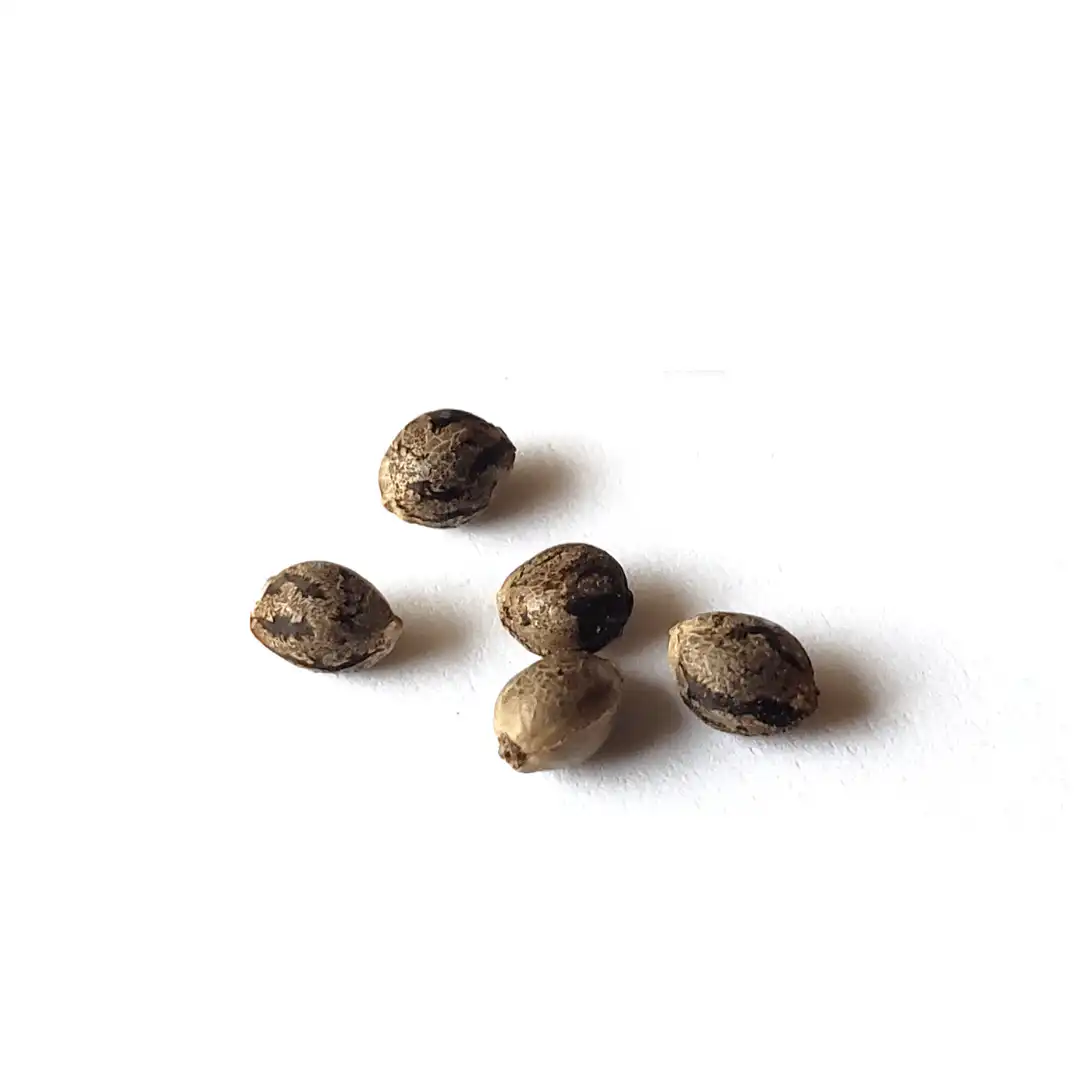
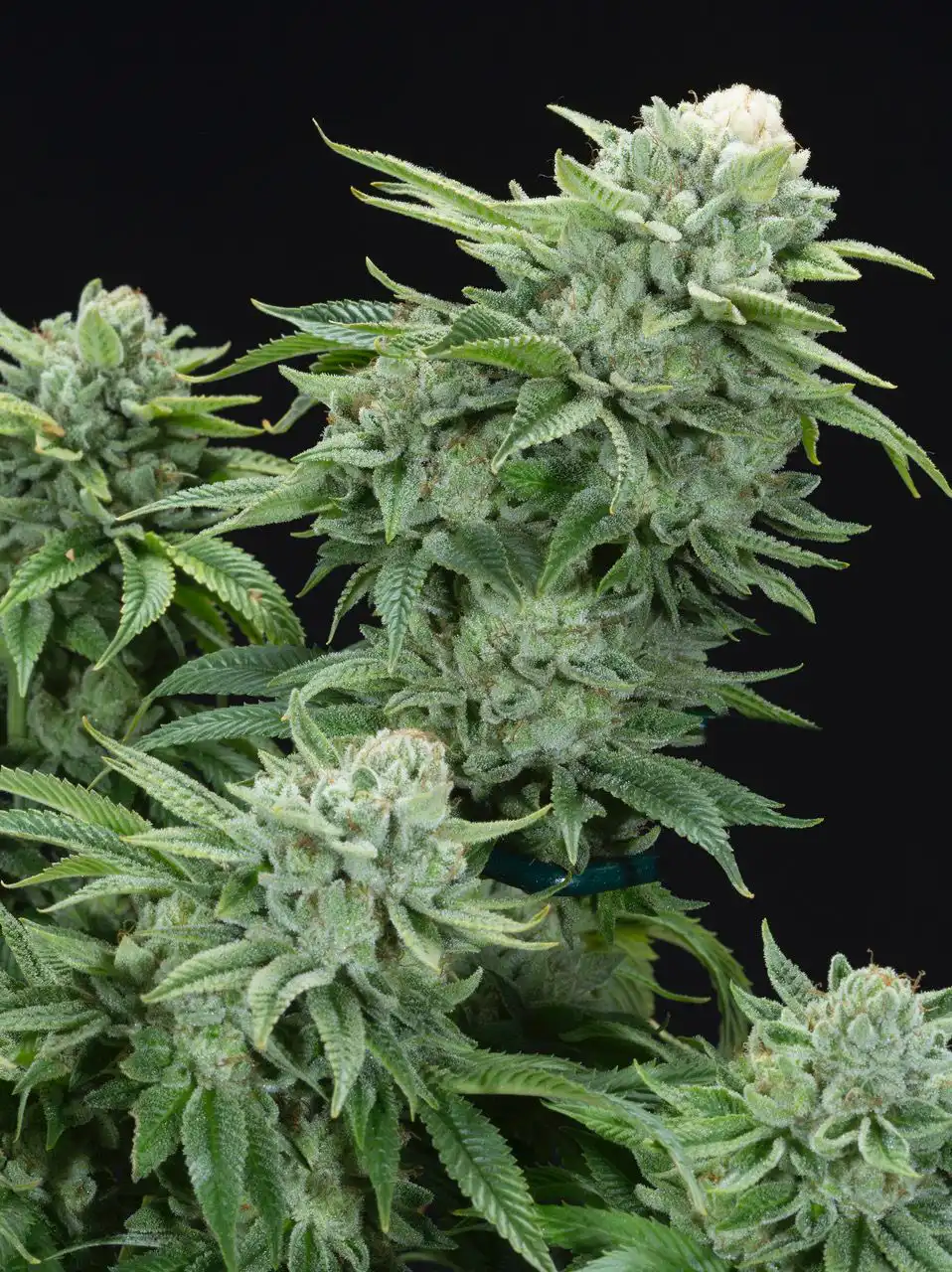
Gorilla Glue Autoflower, also known as Auto Gorilla Glue brings the legendary GG4 experience to growers who don’t enjoy waiting around. Famous for resin production so excessive it allegedly glued trimming scissors together, this award-winning autoflower delivers 22–26% THC, earthy chocolate-diesel terpenes, and heavy euphoric effects in a faster, more compact package. Sticky, potent, and still one of our most popular autos for good reason.
Every order ships with bonus seeds. One free seed per five purchased — added automatically.
Free Express Post on orders $300+. Automatic upgrade · Australia-wide
Contact us for bulk pricing.
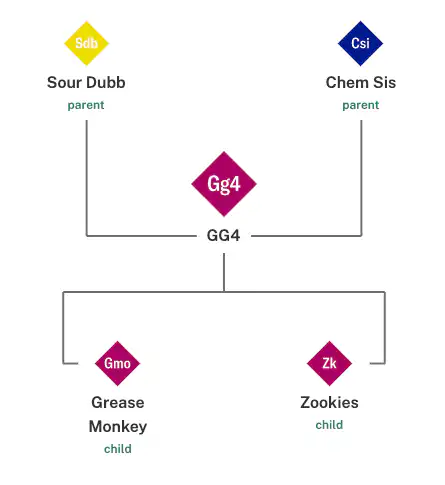
Auto Gorilla Glue seeds are an autoflowering version of GG4, carrying the Chem's Sister × Sour Dubb × Chocolate Diesel genetics of the 2014 Cannabis Cup Best Hybrid on a fixed 70 to 77 day seed-to-harvest timeline.

Gorilla Glue #4 earned its reputation through an accidental pollination that produced one of the most resin-dense, fuel-forward strains of the 2010s. The trichome production was so extreme that scissors seized up mid-trim, which is where the name came from. That trait carries into the auto: dense, heavily frosted buds with the same earthy diesel and pine aroma the photoperiod is known for, on a timeline that needs no light flip and finishes in 10 to 11 weeks from seed. For the full origin story and the deep genetics breakdown, see our Gorilla Glue strain review.
Why the auto makes sense for most growers: the photoperiod Gorilla Glue needs a 12/12 flip, controlled light management, and extended veg to reach full yield. The auto removes all of that. Plant in the final container, harvest 70 to 77 days later on any light schedule. For outdoor growers without light control, balcony setups, or indoor perpetual cycles without separate veg and flower spaces, the auto delivers the GG4 genetics without the infrastructure the photoperiod demands, and multiple outdoor runs per Australian season are achievable.
What the ruderalis cross costs: THC sits slightly below the photoperiod's top end, around 20 to 26%. Indoor yield reaches up to 450 g/m² versus the photoperiod's higher potential with extended veg, and outdoor yield is 100 to 200 g per plant versus the larger photoperiod plant. The terpene profile carries through well, the diesel-pine-sour GG4 character is present and recognisable with a proper flush and cure.
What Gorilla Glue autoflower seeds do well:
Auto Gorilla Glue Lineage
Onset (10–15 minutes): the mental shift happens quickly, stress eases, mood lifts, thoughts slow. Not racy or anxious. The onset is smooth and deliberate, in keeping with the balanced hybrid genetics, and the diesel terpene character translates into a clean, clear-headed early effect before the indica side establishes.
Early phase (20–60 minutes): still functional at moderate doses, present, relaxed, and sociable. The physical backing is there from the start, but the sativa component keeps it from becoming sedating immediately. Good for evening social settings, low-output creative work, or winding down from an active day.
Mid-phase (60–120 minutes): the body effect builds steadily, tension eases, the body settles, and the motivation for active tasks drops. This is where the "glue" comparison earns its name, not paralysed, but the couch becomes genuinely appealing. The caryophyllene-dominant profile amplifies the physical character through CB2 receptor activity.
Late-phase (2+ hours): full body ease, with sleep following naturally for most at typical doses. The comedown is gradual, no harsh drop, and the duration runs longer than most autos at equivalent THC thanks to the depth of the GG4 genetics.
Duration: 2.5 to 4 hours at typical doses, longer for lower-tolerance users.
Potency note: at ~20 to 26% THC this is a genuinely potent auto. Start with one or two draws if you are assessing tolerance, since the onset is smooth enough that newer users underestimate where it is heading. Higher doses lean strongly toward sedation, so it is an evening strain.
Flavour: earthy diesel fuel leads, the classic GG4 "fuel station meets pine forest" character, with pine and sour funk following. Some phenotypes show coffee or chocolate undertones from the Chocolate Diesel parent, particularly after a proper 4-week cure. The terpene blend is one of the most distinctive in the catalogue.
Auto Gorilla Glue is caryophyllene-dominant, unusual among the catalogue's mostly myrcene-led strains, and the reason its character is more "fuel and spice" than sweet or earthy:
For how these compounds shape flavour and effect, see our cannabis terpenes guide.
(Strictly for ACT residents with a licence or those overseas where cultivation is legal.)

Experience level: intermediate. Auto Gorilla Glue is more robust than many high-potency autos, since the GG4 genetics are stable and the ruderalis cross adds resilience. But the fixed timeline means early mistakes carry through to harvest without a recovery window, and the dense bud structure in late flower needs active airflow. Growers with one auto run behind them will find it manageable and consistent. Our cannabis seedling care guide covers getting a strong start.
Critical auto rules, before germination:
Height and structure: medium at 70 to 120 cm with a bushy lateral structure and multiple productive bud sites. Moderate stretch in early flower, a 30 to 50% increase from pre-flower. LST from week 2 to 3 opens the canopy, improves light penetration, and, critically, improves airflow through what becomes a very sticky, resin-covered canopy by week 6 to 7.
Training: LST is the recommended approach, tie down the main stem from week 2 to 3 to open the canopy and expose lateral bud sites. Topping is not recommended, since the fixed timeline does not allow the recovery topping needs to pay off. Defoliate only lightly in early flower, removing fan leaves directly blocking bud sites.
Airflow, the strain-specific point: the GG4 trichome density creates a stickier, more humid canopy in late flower than most autos. From week 6, still air above 50% RH at the inner canopy invites moisture problems. Run oscillating fans across the inner canopy from week 5 and keep humidity below 50% from mid-flower. This is the single most important management point for Auto Gorilla Glue.
Harvest: the plant initiates flowering at 3 to 4 weeks from germination and finishes around 70 to 77 days from seed. Check trichomes from week 9 and harvest at 20 to 30% amber for the characteristic GG4 body-leaning relaxation. Do not harvest early, since the trichome density peaks in the final week. Our amber trichomes guide covers reading them, and the drying and curing guide covers the slow dry that protects the diesel-pine profile.
The GG4 lineage tolerates feeding reasonably well, more robust than many modern hybrid autos. The main strain-specific consideration is potassium support from week 4 onward, since the extreme trichome production that defines GG4 needs consistent K through flower. The other factor is early nitrogen sensitivity, since the GG4 genetics show overfeeding stress faster than ruderalis-heavy autos in weeks 1 to 3.
All EC values assume quality base nutrients. Australian tap water typically runs 0.2 to 0.5 EC, so factor that into your target and measure after mixing.
| Phase / Week | Soil EC | Coco EC | Soil pH | Coco pH | Notes |
|---|---|---|---|---|---|
| Weeks 1–2 Seedling |
0.4–0.6 | 0.5–0.8 | 6.2–6.5 | 5.8–6.0 | Plain water or quarter strength. GG4 shows overfeeding faster than ruderalis-heavy autos. Water in a ring around the seedling. |
| Weeks 3–4 Early veg / pre-flower |
0.8–1.2 | 1.0–1.4 | 6.0–6.5 | 5.8–6.2 | Build to half strength. Nitrogen-forward. LST in progress. Pre-flowers appear around day 21 to 28. Watch tips. |
| Weeks 4–5 Pre-flower transition |
1.0–1.4 | 1.2–1.6 | 6.0–6.5 | 5.8–6.2 | Reduce nitrogen, introduce bloom nutrients. Begin potassium support, critical for GG4 trichome production. |
| Weeks 5–8 Peak flower |
1.2–1.6 | 1.4–1.8 | 6.0–6.5 | 5.8–6.2 | High P and K. Potassium support from week 5 drives the trichome production. Back off nitrogen firmly from week 6. |
| Weeks 9–10 Late flower / ripening |
1.0–1.4 | 1.2–1.6 | 6.0–6.5 | 5.8–6.2 | Taper EC down. The plant draws on reserves. Monitor runoff EC. Check trichomes from day 63. |
| Final 7–10 days Flush |
0.0–0.4 | 0.0–0.5 | 6.2 | 5.8–6.0 | Plain pH water until runoff EC drops below 0.5. A proper flush noticeably improves the diesel-pine GG4 flavour. |
Pre-loaded nutrients: quality potting mix (Biocanna, Canna Terra, similar) runs 1.0 to 1.5 EC on its own in weeks 1 to 3, so plain water or very light feeding is correct for the seedling phase. Feed only once runoff EC drops below 0.8.
Runoff monitoring: water to 10 to 20% runoff and measure it. Runoff EC more than 0.4 above feed-in indicates salt buildup, so flush with twice the pot volume of plain pH water. GG4 in soil benefits from regular runoff checks given the medium-high feeding in peak flower.
Watering frequency: every 2 to 3 days in veg, every 1 to 2 days in peak flower. The bushy GG4 structure pulls water hard in flower, so lift the pot to assess moisture rather than following a schedule. Overwatering restricts oxygen to the roots, and the GG4 genetics dislike wet feet more than compact ruderalis autos.
pH in soil: 6.0 to 6.5 throughout. Slow bud development with purple stems is often a pH-related phosphorus issue rather than a feeding shortfall, so check pH before adding more P.
Feeding frequency: once daily in veg, twice daily in peak flower. Coco must never dry out completely, and since the GG4 trichome production peaks in weeks 6 to 9, consistent hydration at that stage directly supports resin density.
pH in coco: 5.9 to 6.1 at every feed. Coco has no buffering capacity, so what goes in at the wrong pH hits the roots at the wrong pH. Below 5.8, phosphorus and calcium uptake drops, and pH drift shows up in terpene quality before it shows as visible deficiency.
CalMag in coco: 1 to 2 ml/L from week 1 through flush. Coco binds calcium and magnesium, and calcium deficiency (brown spots on mid-canopy leaves) is often misread as overfeeding. Check pH first, then CalMag, before cutting EC.
Runoff monitoring in coco: target runoff EC within 0.3 of feed-in, and flush if it runs more than 0.5 above. More common in coco than soil given the higher feeding intensity through weeks 5 to 8.
| What You're Seeing | Likely Cause | Action |
|---|---|---|
| Tip burn weeks 1 to 3 | EC too high for GG4 at seedling stage, or pre-loaded soil nutrients plus added feed | Drop to plain water for one watering. In soil, check whether the medium is already feeding the plant before adding more. Resume at lower EC once tips stabilise. |
| Slow trichome development weeks 5 to 7 | Insufficient potassium, or pH drift reducing P uptake | Check pH first. If correct, raise the bloom ratio or add a dedicated PK booster. GG4's resin production needs consistent K, the most strain-specific feeding requirement. |
| Dark green clawing leaves mid-flower | Nitrogen too high in the bloom phase | Back off nitrogen sharply from week 6. GG4 needs P and K in flower, not N, and the diesel terpene profile suffers with excess late nitrogen. |
| Moisture issues in the canopy weeks 7 to 10 | Inadequate airflow, not a feeding issue. The GG4 trichome density traps humidity | Increase fan coverage to the inner canopy and drop RH below 45%. Do not cut EC in response, fix the airflow and humidity instead. |
| Runoff EC well above feed-in | Salt buildup in the medium | Flush with twice the pot volume of plain pH water. Recheck runoff EC, aiming below 1.0 before resuming feeding. |
Auto Gorilla Glue runs 70 to 77 days on a consistent timeline. The trichome production builds from week 5 and peaks in the final week, so the main focus in the second half is airflow through the increasingly sticky canopy.
| Phase / Week | What's Happening | Key Actions | Watch Out For |
|---|---|---|---|
| Weeks 1–2 Seedling |
Taproot establishing, first true leaves emerging. The bushy GG4 structure shows early, strong and compact. | Plain water or quarter strength only. 18/6. 60 to 70% RH. Final container from day one. | Overwatering. Water in a ring around the seedling, not over it. GG4 dislikes wet feet early. |
| Weeks 3–4 Early veg / pre-flower |
Vigorous growth. Pre-flowers around day 21 to 28. Bushy lateral branching with multiple bud sites forming. | Begin LST from week 2 to 3. Build to half strength. EC 0.8 to 1.2 soil / 1.0 to 1.4 coco. 50 to 60% RH. | Do not top or FIM, the fixed timeline does not allow recovery. LST only, and do not over-train. |
| Weeks 5–7 Early-mid flower |
Dense bud sites stacking. Trichome production building visibly from week 5. Diesel and pine aroma building from week 6. | Transition to bloom. EC 1.2 to 1.6 soil / 1.4 to 1.8 coco. Potassium boost from week 5. Drop RH to 45 to 50%. Fans on the inner canopy from week 5. | Airflow. The trichome density builds earlier than most autos, so start airflow management now, not at week 8. |
| Weeks 8–10 Late flower / ripening |
Dense, resin-coated buds at peak trichome production. The "sticky scissors" look established. Pistils darkening, diesel aroma at full intensity. | Check trichomes from day 56. Drop RH to 40 to 45%. Begin flush at 15 to 20% amber. Keep inner-canopy airflow, the most vulnerable window. | Harvesting too early. The trichome density peaks in the final 7 to 10 days, so chopping at mostly cloudy misses the full GG4 expression. |
| Days 70–77 Flush & harvest |
Final ripening. Extremely resinous buds, the trichome coverage at maximum. Natural leaf yellowing, diesel aroma at peak. | Plain pH water for 7 to 10 days. Harvest at 20 to 30% amber. Slow dry at 15 to 18 °C, 55 to 60% RH for 10 to 14 days. | Rushing the dry. The diesel-pine character is volatile, so slow and cool preserves the terpenes you spent 10-plus weeks building. |
| Post-harvest Cure |
The full diesel-pine complexity develops in the jar, and some phenotypes only show the coffee/chocolate undertones after a proper cure. | Jar at 60 to 65% RH, burp daily for two weeks. 3 to 4 weeks minimum, 5 for the full aroma. | Judging the genetics from fresh-dried material, since week 1 and week 4 of cure are noticeably different. |
The first 3 to 4 weeks decide your final harvest with this genetics. Give it a 20 L fabric pot from day one, keep the root zone around 22 to 24 °C, and resist the urge to overfeed early. The GG4 genetics show nitrogen stress faster than ruderalis-dominant autos in weeks 1 to 3, so start at quarter strength and watch the tips. Any browning at week 2 means back off before it accumulates.
On training, I have seen growers over-train GG4 autos thinking more intervention means more yield. It does not with this genetics. The bushy structure develops productive lateral sites on its own, so gentle LST by week 2 to 3 to open the canopy is all it needs. A calm, steady run with moderate feeding consistently beats hero moves with autoflowers, and GG4 shows this more clearly than most.
Late-flower tip: around week 7 to 8, drop humidity as low as you can and increase airflow. This strain produces a sticky, trichome-covered canopy that traps moisture in still air, and I have seen otherwise clean grows lose late-harvest material because the grower eased off the fans thinking the plant was nearly done. Good air movement is the difference between a clean GG4 harvest and bud rot in the final fortnight. Keep the fans running all the way to chop.
| Feature | Auto GG (this page) |
Fast Version | Standard |
|---|---|---|---|
| Type | Autoflower | Photoperiod | Photoperiod |
| Seed to harvest | 70–77 days fixed | 7–8 week flower + veg | 8–9 week flower + veg |
| Indoor yield | Up to 450 g/m² | Up to 700 g/m² | Up to 600 g/m² |
| Outdoor yield | 100–200 g/plant | 150–250 g/plant | 200–300 g/plant |
| Light schedule | Any, no flip needed | 12/12 to flower | 12/12 to flower |
| Veg control | None, fixed timeline | Full control | Full control |
| Best for | Simple setup, multiple cycles, no flip | Maximum yield, fast photoperiod cycle | Traditional grow, full veg control |
Choose Auto Gorilla Glue for a fixed 70 to 77 day timeline, no light management, and multiple cycles a year. Choose the Fast Version for maximum yield on a shorter photoperiod flower, or the Standard Feminised for traditional photoperiod growing with full veg control.
Still comparing options? Our full strain lineup guide covers the range, or browse the autoflower range, the high-THC range, or the complete cannabis seeds catalogue.
Paraphrased from verified customer reviews and grower communications.
⭐⭐⭐⭐⭐ "Proper Glue vibes. Trimming was a sticky mess and the buds came out dense with that fuel and pine smell. Exactly what I wanted from GG4 genetics, the auto delivers, run after run.", Indoor grower, Perth
⭐⭐⭐⭐⭐ "Starts happy and calm, then turns into full body relaxation, definitely an evening one for me. The cure at 4 weeks brought out some chocolate undertones I wasn't expecting, genuinely impressive for an auto.", Indoor grower, Sydney
Auto Gorilla Glue seeds are an autoflowering feminised version of Gorilla Glue #4 (Original Glue), the Chem's Sister × Sour Dubb × Chocolate Diesel cross that won Best Hybrid at the 2014 Cannabis Cup and the High Times Jamaican World Cup. Ruderalis genetics flower the plant automatically at 3 to 4 weeks from germination regardless of light cycle, with seed to harvest at roughly 70 to 77 days. The characteristic GG4 resin density, diesel-pine terpenes, and body-leaning effect all carry through. For the full background, see our Gorilla Glue strain review.
Around 70 to 77 days (10 to 11 weeks) from germination on a fixed timeline. Most phenotypes hit the window between day 70 and 77. Check trichomes from day 56 but plan for day 70 to 77 as the realistic target, and harvest at 20 to 30% amber, since the trichome density peaks in the final week.
Up to 450 g/m² indoors under quality lighting with LST, achievable for competent growers rather than a ceiling only exceptional runs reach. Outdoor plants produce 100 to 200 g each. The compact size limits per-plant production, but the 70 to 77 day timeline allows 5 to 6 indoor runs a year.
Among the better auto genetics for hash and concentrate production. The GG4 trichome density, the trait that gave the original strain its name, carries through the ruderalis cross, so the sticky resin coverage that makes trimming an isopropyl-alcohol job translates directly into bubble hash, dry sift, and rosin yields that exceed most autos at equivalent weight.
Intermediate. The GG4 genetics are stable and the ruderalis cross adds resilience, but the fixed timeline means early mistakes carry through to harvest. The main strain-specific requirement is airflow from week 5 onward, since the trichome density creates a sticky late-flower canopy that holds humidity differently to lighter autos. The standard auto practices apply: final container from day one, no transplanting, LST only (no topping), and conservative early feeding.
Auto Gorilla Glue (this page): 70 to 77 days from seed, any light schedule, no flip, up to 450 g/m² indoor, 100 to 200 g outdoor. Fast Version: photoperiod, 7 to 8 week flower, 12/12 required, up to 700 g/m², 150 to 250 g outdoor. Standard Feminised: photoperiod, 8 to 9 week flower, 12/12 required, full veg control, up to 600 g/m², 200 to 300 g outdoor. Choose the auto for simplicity and multiple cycles, the photoperiods for maximum yield and control.
Yes, with fast domestic shipping and discreet packaging, and most orders arrive within a few business days. All seeds are batch-tested with the paper towel method at ~22 °C and stored cold and dry to preserve viability.
Not sure this is the right strain for you?
Answer six quick questions and we will give you three strains we feel best for you based on your setup, experience, and goals.




Discover the latest additions to Sacred Seeds Australia — from legendary old-school strains to exciting modern hybrids, each selected for its distinctive character, lineage and reputation.
Explore all latest drops →Green Crack seeds is the daytime sativa built for energy, and a favourite around here for the flavour and the vibe. A cross of Skunk #1 and an Afghani landrace indica, it leads with a big,…
Shop now →
Auto Maui Wowie brings the classic Hawaiian landrace sativa into autoflowering form. Maui Wowie Auto keeps the bright pineapple-citrus flavour and clean, energetic daytime lift, but finishes in about 9 to 10 weeks from seed with…
Shop now →
Hindu Kush seeds bring you one of the world's last great pure indica landraces. Born high in the rugged mountains between Afghanistan and Pakistan, this resin-rich classic delivers earthy spice, deep relaxation, and genetics that have…
Shop now →
Thanks guys.
Thanks Jess ,can always count on Sacred Seeds
These guys are amazing and so reliable. 110%
Delivery always on time every time and product is A1 looking forward to nice smoke..
Highly recommended.
Your service is exceptional.
I was going to post a photo but can't work out how lol
Up fast and growing well.
Thank you
Thanks Sacred Seeds!!!
Many thanks
2 didn’t live past 4 leaf stage. 4 very healthy plants.
All popped
Looking forward to tasting these beauties. Now you guys are doing express post, fantastic. Keep up the good work. I'll be back.
Nano2go
I'm a Happy Camper!!