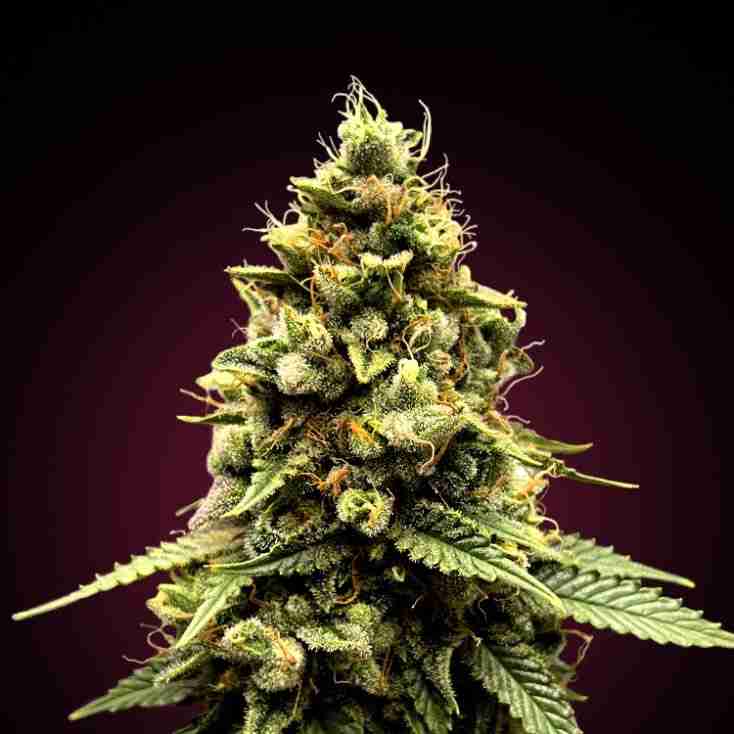
Gorilla Glue #4 (GG4), also known as Original Glue, is a resin-heavy hybrid descended from Chem’s Sister, Sour Dubb and Chocolate Diesel. Known for exceptional trichome production, a distinctive diesel-and-coffee terpene profile and multiple competition wins, GG4 remains one of the benchmark hybrids of the modern American breeding era.
I’ve been growing cannabis for a long time. When I think about resin production — what’s possible, what’s typical, what’s exceptional — Gorilla Glue #4 is still the strain I measure everything else against.
The first time I trimmed GG4 my scissors were unusable within twenty minutes. Resin coating the blades, resin on my hands, resin on the work surface, resin on everything I touched. That experience reset what I thought a resinous strain meant.
Every strain I’ve grown since — and the catalogue we’ve built at Sacred Seeds — gets weighed against the GG4 benchmark on resin output. Most don’t reach it. The ones that do are noteworthy.
That’s not just a grower’s anecdote. Properly grown GG4 is famous for exceptional trichome density, and the strain’s reputation was reinforced by major competition wins during its rapid rise in the United States. Its potency is only part of the story. The combination of resin production, Chem-and-Diesel ancestry and a distinctive terpene profile is what made GG4 so recognisable.
This article is the strain story — the accidental cross, genetics, GG phenotype family, terpene profile, effects, flavour, history and how GG4 fits Australian conditions. For detailed growing specifications for the genetics we stock, see Gorilla Glue Feminised, Gorilla Glue Fast Version and Auto Gorilla Glue.
Gorilla Glue #4 Quick Facts
| Also known as | GG4 · Original Glue |
| Genetics | Chem’s Sister × Sour Dubb × Chocolate Diesel |
| Type | Hybrid · commonly described as balanced to indica-leaning |
| THC | Typically reported in the mid-to-high 20% range |
| Dominant terpenes | Caryophyllene · myrcene · limonene |
| Flowering | Around 8–9 weeks for our photoperiod genetics |
| Aroma | Diesel · earth · pine · coffee · dark chocolate |
| Best known for | Exceptional resin and trichome production |
| Sacred formats | Feminised · Fast Version · Autoflower |
Genetics ·
GG1 vs GG3 vs GG4 vs GG5 ·
Terpenes ·
Effects ·
Flavour ·
Australia ·
Photo vs Fast vs Auto ·
FAQ
🧬 Gorilla Glue #4 Genetics — The Accidental Cross
GG4’s accepted lineage brings together Chem’s Sister, Sour Dubb and Chocolate Diesel. The story behind it is one of the better examples of how chance and selection can matter just as much as deliberate breeding.
The original cross was not the result of a carefully planned commercial breeding project. An accidental pollination produced seeds that were eventually grown out, and phenotype #4 became the standout. Its combination of extreme resin production, potency and an unusually complex fuel-heavy aroma separated it from the other expressions.
Chem’s Sister brings the unmistakable Chem family character: fuel, chemical sharpness and potency. Sour Dubb adds another layer of sour diesel influence. Chocolate Diesel contributes the darker earthy, coffee and chocolate character that helps distinguish GG4 from a simpler diesel profile.
The name came naturally from the plant. The resin was notorious for sticking scissors and hands together during trimming. Phenotype #4 became the expression that built the reputation, hence GG4.
That resin-heavy legacy is easy to recognise in descendants such as Gorilla Zkittlez, where GG genetics are paired with the much sweeter fruit-and-candy character of Zkittlez.
Gorilla Glue #1 vs #3 vs #4 vs #5
GG4 became so dominant that the other selections in the original Gorilla Glue family are often forgotten. They aren’t interchangeable, and that’s worth understanding when reading old grow reports or tracing modern Glue genetics.
| Phenotype | Common name | General character |
|---|---|---|
| GG1 | Sister Glue | A lesser-known expression from the original Glue family. |
| GG3 | Original Glue phenotype #3 | Another selection from the original phenotype hunt, but never achieved GG4’s prominence. |
| GG4 | Original Glue | The famous selection: extremely resinous, potent and fuel-forward. |
| GG5 | New Glue | A later-known Glue selection with its own following, but far less culturally dominant than GG4. |
For me, GG4 remains the important one. It’s the phenotype that became the resin benchmark, accumulated the reputation and ultimately pushed Glue genetics into breeding programmes around the world.
Gorilla Glue Terpene Profile — Caryophyllene, Myrcene & Limonene
GG4 is commonly associated with a caryophyllene-led terpene profile supported by myrcene and limonene. Caryophyllene contributes the peppery, spicy edge that sits alongside the strain’s diesel character. It is unusual among common cannabis terpenes because it can interact with CB2 cannabinoid receptors, although that chemistry should not be confused with proving a particular therapeutic effect from GG4 itself.
Myrcene contributes earthy and musky depth, while limonene supplies a brighter citrus note behind the heavier fuel and coffee aromas. The relative concentrations vary with phenotype, environment, harvest timing and cure, which is why terpene descriptions are better treated as a profile than a fixed recipe.
What is consistent is the reputation: GG4 smells and tastes far more complex than a simple high-THC diesel hybrid. Fuel dominates, but pepper, earth, pine, coffee and darker chocolate-like notes can all emerge underneath it.
🏆 Five Things Worth Knowing About Gorilla Glue #4
1. It became a benchmark for resin production. This is the defining GG4 characteristic for me. Plenty of modern cultivars test high for THC. Far fewer produce the kind of sticky, obvious resin coverage that makes itself known before you’ve even finished trimming the first branch.
2. It became an important extraction strain. GG4’s trichome production naturally made it popular with growers interested in hash and concentrates. The same resin production that makes trimming messy is exactly what makes the genetics interesting for extraction.
3. Its reputation isn’t explained by THC alone. Potency helped GG4 become famous, but plenty of cultivars now claim similarly high or higher cannabinoid figures. GG4 has lasted because the entire package — resin, aroma, potency and character — is distinctive.
4. The name describes something real. Whatever you think of modern strain naming, Gorilla Glue wasn’t invented because somebody thought it sounded premium. The sticky resin was the point. That makes the name unusually descriptive.
5. GG4 became breeding material, not just a fashionable strain. The strongest evidence of a cultivar’s influence is what breeders do with it afterwards. Glue genetics now appear throughout modern hybrid families, particularly where resin production and potency are breeding goals.
🧠 Gorilla Glue #4 Effects — What Users Commonly Report
GG4 is generally described as starting brighter and more euphoric before developing into a much heavier physical experience. That’s one reason the simplistic indica-versus-sativa label doesn’t describe it particularly well.
Early phase: reports commonly describe an initial cerebral lift, elevated mood and a relatively clear opening compared with what GG4’s heavy reputation might suggest.
Later phase: the experience is typically described as becoming substantially heavier and more physically relaxing. At higher amounts, the famous “glued to the couch” reputation starts making considerably more sense.
Potency: GG4 has long been regarded as a strong cultivar. Potency varies between genetics, phenotype and growing conditions, so I’d treat any single THC figure as a guide rather than a guarantee.
For anyone unfamiliar with high-THC cannabis, the sensible point is simply that GG4 earned its reputation in an era when it stood out sharply from average potency levels. That reputation has survived even as headline THC figures across the market have climbed.
Gorilla Glue Flavour & Aroma — Diesel, Coffee and Earth
Properly grown and cured GG4 produces one of the more recognisable aromatic profiles in modern cannabis. Diesel sits at the front — sharp, fuel-forward and unmistakable. Coffee-like and earthy notes sit underneath, with pine, pepper and darker chocolate-like character sometimes becoming clearer after curing.
Caryophyllene contributes to the peppery edge, while the Chem and Diesel ancestry explains much of the fuel character. It isn’t a sweet modern dessert strain. GG4 comes from an era when fuel, earth and chemical funk were desirable traits in their own right.
Curing matters. In my experience the darker coffee and chocolate character becomes substantially more interesting with time. If you’re new to curing, our complete cannabis curing guide explains the process in detail.

🌏 Gorilla Glue in Australia — Climate & Outdoor Fit
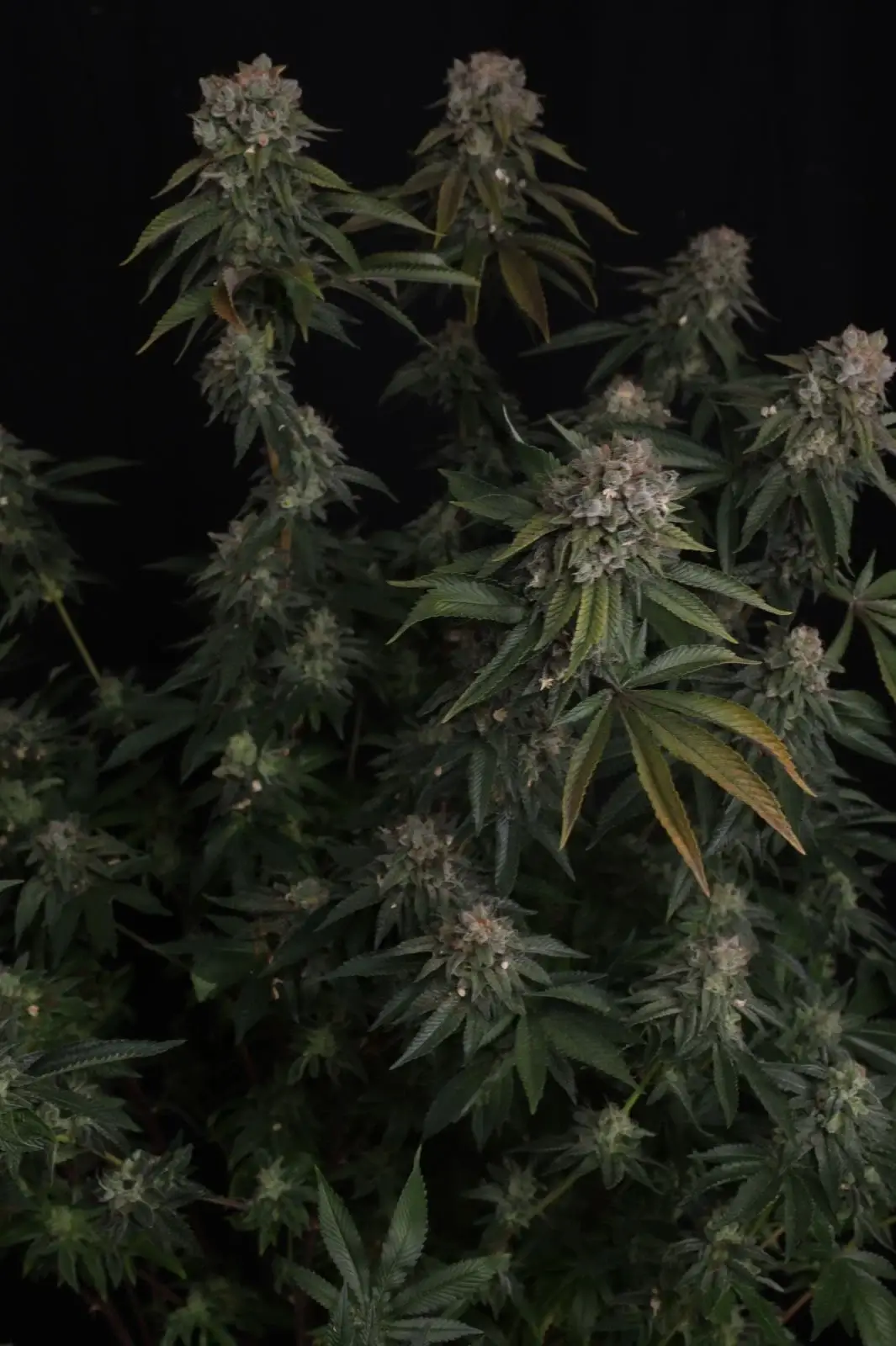
Gorilla Glue suits Australian outdoor conditions across a fairly broad range of climates. Our photoperiod genetics flower in around 8–9 weeks, giving GG4 a more comfortable autumn finish than genuinely long-flowering sativas and Haze genetics.
The main consideration isn’t whether Australia is warm enough. It’s humidity around the dense flowers late in the season.
Inland New South Wales, Victoria’s drier areas, much of South Australia and large parts of Western Australia can provide the dry autumn conditions that suit GG4 particularly well. The combination of strong sun and lower late-season humidity works nicely with a cultivar that produces dense, resin-heavy flowers.
Coastal northern NSW and Queensland are different. GG4 can absolutely work there, but airflow becomes more important as flowers develop. A breezy position with good air movement can be more valuable than squeezing another couple of hours of direct sun out of a still, humid corner.
Tasmania and southern Victoria have the opposite challenge: time. The standard photoperiod version can fit the season, but the autumn margin is smaller. That’s where the faster versions of the genetics become particularly useful.
Gorilla Glue Feminised vs Fast Version vs Auto
We stock Gorilla Glue in three formats. They’re not three different strain stories — they’re three ways of accessing Glue genetics depending on the growing window you’re working with.
| Format | Timeline | Best fit |
|---|---|---|
| Feminised | Around 8–9 weeks flowering | The traditional photoperiod choice and the format I’d pick when the season allows it. |
| Fast Version | Around 6–7 weeks flowering | Shorter outdoor seasons and growers wanting an earlier photoperiod finish. |
| Autoflower | Approximately 70–75 days seed to harvest | Fixed lifecycle, compact grows and climates where avoiding a late-autumn finish matters. |
For the detailed specifications, feeding information, training approach and harvest timing for the actual genetics we stock, use the individual product pages below rather than treating a general strain review as a grow manual.
Explore Gorilla Glue at Sacred Seeds
Choose the format that suits your growing window. Each product page contains the more detailed growing information for that version of the genetics.
Gorilla Glue Feminised Seeds →
Gorilla Glue Fast Version →
Auto Gorilla Glue →
❓ Gorilla Glue #4 FAQ
What is Gorilla Glue #4?
Gorilla Glue #4, commonly called GG4 or Original Glue, is a hybrid descended from Chem’s Sister, Sour Dubb and Chocolate Diesel. Phenotype #4 became the famous selection, developing a reputation for exceptional resin production, high potency and its distinctive diesel, earth, coffee and chocolate-like aromatic profile.
Is Gorilla Glue #4 the same as Original Glue?
Yes. GG4 became widely known as Original Glue after the Gorilla Glue name created trademark issues with the adhesive brand. You’ll still see Gorilla Glue #4, GG4 and Original Glue used to describe the famous phenotype.
How strong is Gorilla Glue #4?
GG4 has long been regarded as a high-potency cultivar, with examples commonly reported in the mid-to-high 20% THC range. Exact cannabinoid levels vary with genetics, phenotype and growing conditions, so a THC figure should be treated as a range rather than a guaranteed result from every plant.
Is Gorilla Glue indica or sativa?
GG4 is a hybrid rather than a pure indica or sativa. It’s often described as balanced or somewhat indica-leaning overall. Reports commonly describe a brighter, euphoric opening followed by a heavier and more physically relaxing later phase, which is one reason simple percentage labels don’t describe the strain particularly well.
What are the genetics of Gorilla Glue #4?
The accepted GG4 lineage is Chem’s Sister × Sour Dubb × Chocolate Diesel. The combination brings together Chem and Diesel family genetics and helps explain the strain’s fuel-heavy aroma, potency and unusually complex earthy, coffee-like character.
What’s the difference between GG1, GG3, GG4 and GG5?
They refer to different selections from the wider Gorilla Glue phenotype family. GG4 became by far the most famous and commercially influential expression and is the phenotype usually meant when people refer simply to Gorilla Glue or Original Glue. GG1, GG3 and GG5 are separate Glue selections and should not automatically be treated as interchangeable with GG4.
How long does Gorilla Glue take to flower?
Our standard Gorilla Glue feminised genetics flower in around 8–9 weeks. The Fast Version reduces that to roughly 6–7 weeks, while Auto Gorilla Glue runs on a fixed lifecycle of approximately 70–75 days from seed to harvest. Detailed growing specifications are available on the individual product pages.
What does Gorilla Glue smell and taste like?
GG4 is best known for a strong diesel and earthy profile with pepper, pine and coffee-like notes. Darker chocolate-like character can also emerge, particularly after a good cure. It’s very different from the sweet fruit and dessert profiles that dominate many newer genetics.
Why is Gorilla Glue so resinous?
Exceptional trichome production is one of the traits that made phenotype #4 famous in the first place. Properly grown GG4 can develop extremely heavy resin coverage across the flowers and surrounding leaves, which helped establish its reputation with both flower growers and concentrate makers.
Is Gorilla Glue good for outdoor growing in Australia?
It can suit a broad range of Australian climates. Drier temperate regions are particularly comfortable fits for its dense flower structure. In humid coastal areas, airflow and late-season moisture management become more important. Growers in Tasmania and southern Victoria may prefer the Fast Version or Auto where an earlier finish provides more margin before autumn weather deteriorates.
What’s the difference between Gorilla Glue Feminised, Fast Version and Auto?
Gorilla Glue Feminised is the conventional photoperiod version and flowers in around 8–9 weeks. The Fast Version remains photoperiod-dependent but finishes in roughly 6–7 weeks. Auto Gorilla Glue has a fixed lifecycle of approximately 70–75 days from seed to harvest and doesn’t depend on changing day length to begin flowering.
Where can I buy Gorilla Glue seeds in Australia?
Sacred Seeds Australia stocks Gorilla Glue Feminised Seeds, Gorilla Glue Fast Version and Auto Gorilla Glue. Each product page contains specifications and growing information for that particular format.
More than a decade after GG4 first became famous, plenty of newer genetics can compete with it on headline potency. That’s not really the point.
GG4 matters because it became a benchmark.
For me, that benchmark is still resin. I can grow something new, admire the frost, look at the trichome coverage and think it’s exceptional — and somewhere in the back of my mind I’m still comparing it with that first Gorilla Glue trim where the scissors stopped working after twenty minutes.
That’s a pretty good legacy for a strain that almost never existed.
— Jason, Sacred Seeds Australia