Cannabis Seeds Guide: Types, Storage, Germination & Selection (Australia)

Cannabis Seeds Guide: Types, Storage, Germination & Selection (Australia)


Whether you’re a dedicated collector or simply curious about botanical preservation, understanding cannabis seeds is essential for building a quality collection. This comprehensive cannabis seeds guide explores everything from seed genetics and types to proper storage techniques and selection criteria specific to Australian conditions. With the right knowledge, you can confidently navigate the world of seed collecting and preservation.

At its core, selecting quality cannabis seeds requires understanding the fundamental differences between seed types, recognizing quality indicators, and knowing how to preserve genetic material properly. Feminised seeds produce only female plants, regular seeds offer both male and female genetics, and autoflowering varieties flower based on age rather than light cycles. Proper storage in cool, dark, dry conditions can preserve seed viability for years, while quality seeds display dark coloration, firm shells, and waxy coatings that indicate genetic health and maturity.


Understanding Different Types of Cannabis Seeds

The types of cannabis seeds available to collectors have evolved significantly over the past few decades. Modern breeding techniques have created distinct seed categories, each with unique characteristics and preservation requirements. Understanding these differences forms the foundation of any serious collection strategy.

Cannabis seeds generally fall into three primary categories: feminised, regular, and autoflowering. Each type represents different breeding objectives and genetic expressions. Feminised seeds have been selectively bred to produce only female plants, eliminating male chromosomes through specialized breeding techniques. Regular seeds maintain both male and female genetics in roughly equal proportions, preserving the plant’s natural genetic diversity.

Autoflowering seeds represent a revolutionary development in cannabis genetics. These seeds contain genetics from Cannabis ruderalis, a subspecies that evolved in harsh northern climates where daylight hours vary dramatically. This genetic contribution allows plants to flower based on age rather than photoperiod, typically within 2-4 weeks regardless of light exposure.

Beyond these primary categories, collectors also encounter specialized variations. Fast version cannabis seeds combine photoperiod and autoflowering genetics to create plants that flower more quickly than traditional photoperiod varieties while maintaining the quality characteristics collectors value. These represent an exciting middle ground for those interested in diverse genetic expressions.

Photoperiod Seeds and Light Sensitivity

Photoperiod seeds respond to changes in light exposure, mimicking natural seasonal transitions. In their natural environment, these plants begin flowering when days shorten and nights lengthen, typically occurring as summer transitions to autumn. This light sensitivity is controlled by specific genes that detect photoperiod changes.

For collectors in Australia, understanding photoperiod sensitivity is particularly important. The southern hemisphere’s reversed seasons mean plants respond to different light cues than those in northern regions. Some collectors specifically seek genetics adapted to Australian conditions, while others preserve international varieties as botanical specimens.

Photoperiod varieties include both indica-dominant and sativa-dominant genetics, each with distinct growth patterns and preservation considerations. Understanding these differences helps collectors maintain genetic diversity within their collections.

Feminised vs Regular Cannabis Seeds
Featured image for Cannabis Seeds Guide: Types, Storage, Germination & Selection (Australia)

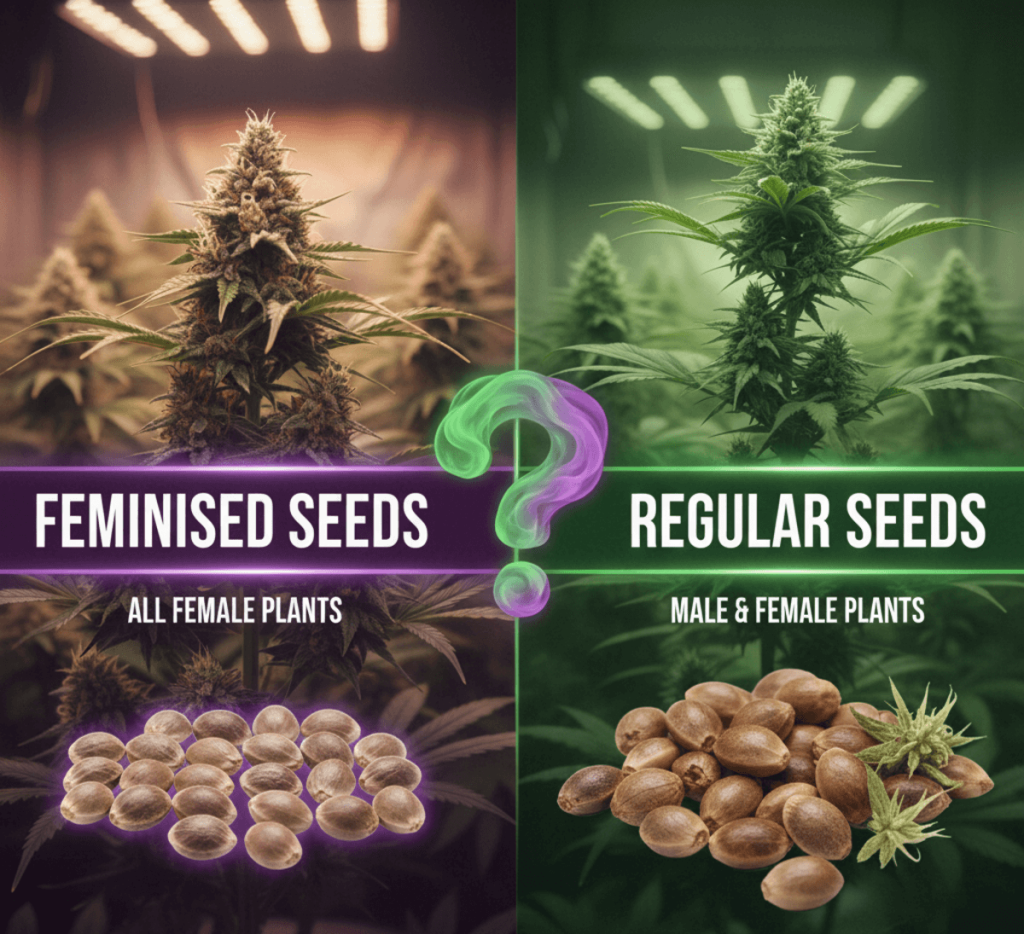
The distinction between feminised and regular seeds represents one of the most significant decisions for seed collectors. Each type offers different advantages for preservation and genetic study. Regular seeds maintain the plant’s complete genetic heritage, including both male and female chromosomes, while feminised seeds have been specifically bred to express only female genetics.

Regular seeds produce approximately 50% male and 50% female plants under typical conditions. This natural ratio mirrors wild cannabis populations and preserves genetic diversity. For collectors interested in breeding or maintaining complete genetic lines, regular seeds are essential. They allow for natural pollination and seed production, creating opportunities for genetic preservation and study.

Feminised seeds eliminate male plants from the equation entirely. Created through techniques like colloidal silver application or rodelization, these seeds produce exclusively female plants. This consistency makes feminised varieties popular among collectors who want predictable genetic expressions. However, feminised seeds cannot produce viable pollen for traditional breeding without specialized techniques.

The Breeding Science Behind Feminisation

Feminisation occurs when female plants are induced to produce pollen through stress techniques or chemical applications. This female-derived pollen contains only X chromosomes, lacking the Y chromosome that would produce male plants. When this pollen fertilizes another female plant, the resulting seeds carry only XX chromosome pairs, producing female offspring.

This process doesn’t alter the underlying genetics beyond sex expression. A feminised seed of a particular strain contains the same genetic information as a regular seed of that strain, minus the male chromosomes. Quality, potency, and other characteristics remain intact when feminisation is performed correctly using stable genetics.

Understanding this science helps collectors appreciate the sophistication of modern seed breeding. It also explains why distinguishing between male and female genetics requires understanding chromosomal differences rather than visible seed characteristics.

For more, read this complete guide to feminised weed seeds. 

Autoflowering Cannabis Seeds Explained

Autoflowering seeds represent a fascinating branch of cannabis genetics that operates independently of traditional light cycles. These seeds contain genetics from Cannabis ruderalis, a hardy subspecies that evolved in regions with extreme seasonal variations. The resulting plants flower automatically based on age rather than photoperiod changes.

The ruderalis contribution creates plants that typically begin flowering 2-4 weeks after germination, regardless of light exposure. This automatic flowering trait is controlled by specific genetic markers that trigger reproductive development at predetermined stages. For collectors, this represents a unique genetic expression worth preserving and studying.

Modern autoflowering varieties have been extensively bred to combine ruderalis genetics with premium indica and sativa strains. This hybridization preserves the automatic flowering trait while improving other characteristics like potency, yield potential, and aromatic profiles. The result is sophisticated genetics that maintain the autoflowering advantage.

Advantages of Autoflowering Genetics

Autoflowering seeds offer several distinct advantages for collectors in Australia. Their compact size and rapid development cycle make them ideal for small-space preservation projects. Many autoflowering varieties remain under one meter tall, requiring minimal space while still expressing complete genetic characteristics.

The light-independent flowering also provides flexibility for preservation under various conditions. Unlike photoperiod varieties that require specific light schedules to trigger flowering, autoflowers progress through their lifecycle regardless of lighting conditions. This resilience can be valuable when maintaining collections under non-optimal circumstances.

Additionally, autoflowering genetics often demonstrate enhanced resistance to environmental stress. The ruderalis heritage evolved in harsh climates, contributing genes for cold tolerance, pest resistance, and general hardiness. These traits make autoflowering seeds particularly interesting for collectors studying plant resilience and adaptation.

Learn more about the difference between autoflowering and photoperiod feminised seeds in this guide. 

How to Select Quality Cannabis Seeds

Selecting quality cannabis seeds requires understanding visual indicators, genetic backgrounds, and breeder reputations. While physical characteristics can provide useful clues, it’s important to recognise that natural variation exists between strains. Some genetics naturally produce paler or smaller seeds, even when they are fully mature and viable.

In general, mature cannabis seeds often show darker coloration ranging from light brown to deep brown or near black. This pigmentation usually develops as seeds reach full maturity, whereas very immature seeds may appear pale green or white. That said, colour alone isn’t definitive — certain strains consistently produce lighter-coloured seeds without any impact on viability. Firmness is a more reliable indicator: healthy seeds should feel solid when gently pressed and may have a smooth, slightly waxy outer shell that helps protect internal moisture.

Surface markings can also vary by genetics. Some strains commonly produce seeds with mottled patterns or so-called “tiger striping,” while others appear more uniform. These markings don’t guarantee viability, nor does their absence indicate a problem. What matters more is overall integrity — seeds with cracks, holes, soft spots, or obvious physical damage are best avoided, as these defects are more likely to compromise viability regardless of strain.

Evaluating Seed Genetics and Lineage

Beyond physical appearance, understanding genetic lineage helps collectors select superior seeds. Reputable breeders maintain detailed genetic records showing parent plants and breeding objectives. This transparency allows collectors to verify genetic authenticity and understand what traits a particular seed line expresses.

Stable genetics are crucial for quality collections. Seeds from well-established strains with documented breeding histories typically produce more predictable results than those from unknown or unstable genetics. Look for varieties with multiple generations of selective breeding rather than first-generation crosses that may express unpredictable traits.

Collectors should also consider the breeder’s reputation and testing protocols. At Sacred Seeds we go to great lengths to research our breeders track records and protocols.  We also offer detailed information about our testing procedures, providing transparency about seed quality and viability rates.


Proper Cannabis Seed Storage Methods

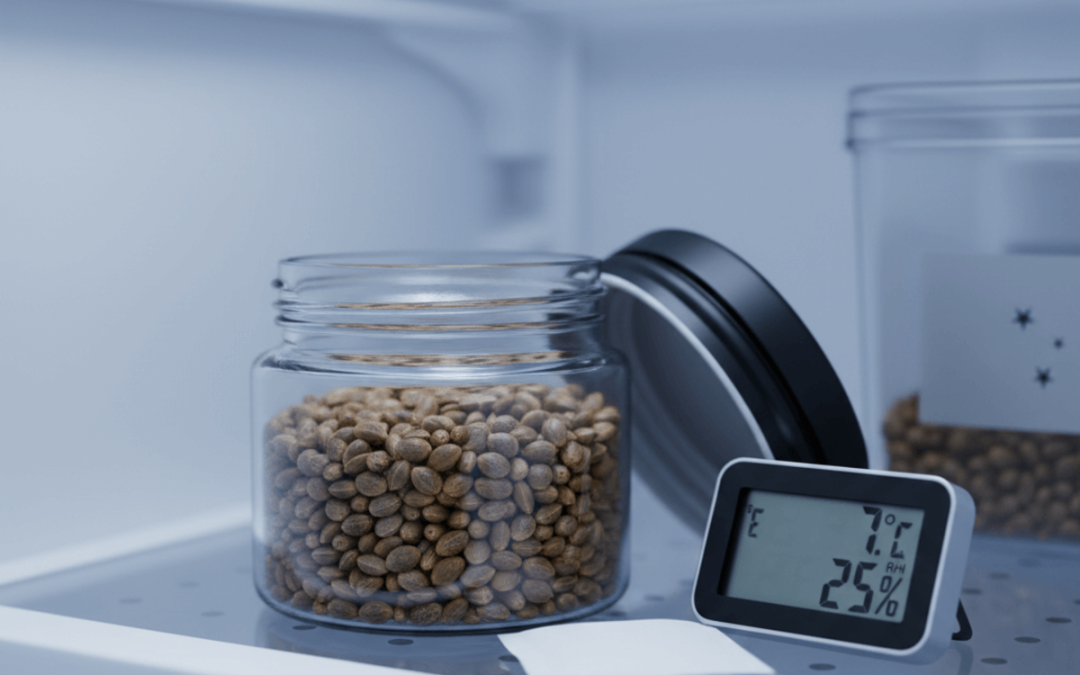
Airtight glass containers for cannabis seeds guide storage

Proper storage is perhaps the most critical factor in preserving cannabis seed viability over time. Seeds are living organisms in a dormant state, and their preservation requires careful attention to environmental conditions. Temperature, humidity, and light exposure all significantly impact long-term viability.

The ideal storage environment maintains consistent cool temperatures between 6-8°C (42-46°F). This temperature range slows metabolic processes without freezing, preserving seed viability for extended periods. Refrigerators provide suitable storage locations, though dedicated seed storage containers offer better environmental control than standard refrigerator storage.

Humidity control is equally important. Seeds should be stored at relative humidity levels between 20-30%. Higher humidity encourages premature germination or mould development, while extremely low humidity can desiccate seeds over time. Silica gel packets or specialized humidity control products help maintain optimal moisture levels within storage containers.

Light exposure accelerates seed degradation by triggering photochemical reactions that damage genetic material. Seeds should always be stored in opaque containers that block all light penetration. Even brief light exposure during handling should be minimized to preserve long-term viability. For comprehensive guidance on preservation techniques, review specific storage recommendations for Australian conditions.

Container Selection for Long-Term Storage

Container selection significantly impacts storage success. Airtight glass containers provide excellent moisture barriers while remaining inert and non-reactive. Amber or dark-colored glass offers additional light protection. Avoid plastic containers for long-term storage, as they may release chemicals over time and provide less reliable moisture barriers.

Individual seed packaging within larger containers provides extra protection. Small paper envelopes or seed tubes keep varieties separated while allowing air circulation that prevents condensation. Label all containers with strain names, collection dates, and any relevant genetic information to maintain accurate records.

For collectors maintaining extensive libraries, vacuum-sealed containers offer maximum protection. Removing air from storage containers eliminates oxygen that can degrade seeds over time. However, vacuum sealing requires careful technique to avoid crushing delicate seeds during the sealing process.

Monitoring and Maintaining Stored Seeds

Regular monitoring ensures storage conditions remain optimal. Check stored seeds quarterly for signs of moisture, mold, or pest activity. Temperature and humidity fluctuations can occur even in controlled environments, so periodic verification prevents storage failures.

Viability naturally declines over time, even under perfect conditions. Most cannabis seeds maintain high germination rates for 2-3 years under optimal storage, with gradual decline thereafter. Understanding realistic storage timeframes helps collectors plan acquisition and preservation strategies accordingly.

Cannabis Seed Germination Fundamentals

While this guide focuses primarily on seed selection and storage, understanding germination fundamentals helps collectors verify seed quality and preserve genetic lines. Germination testing reveals seed viability and allows collectors to refresh their stock by producing new seeds from stored genetics.

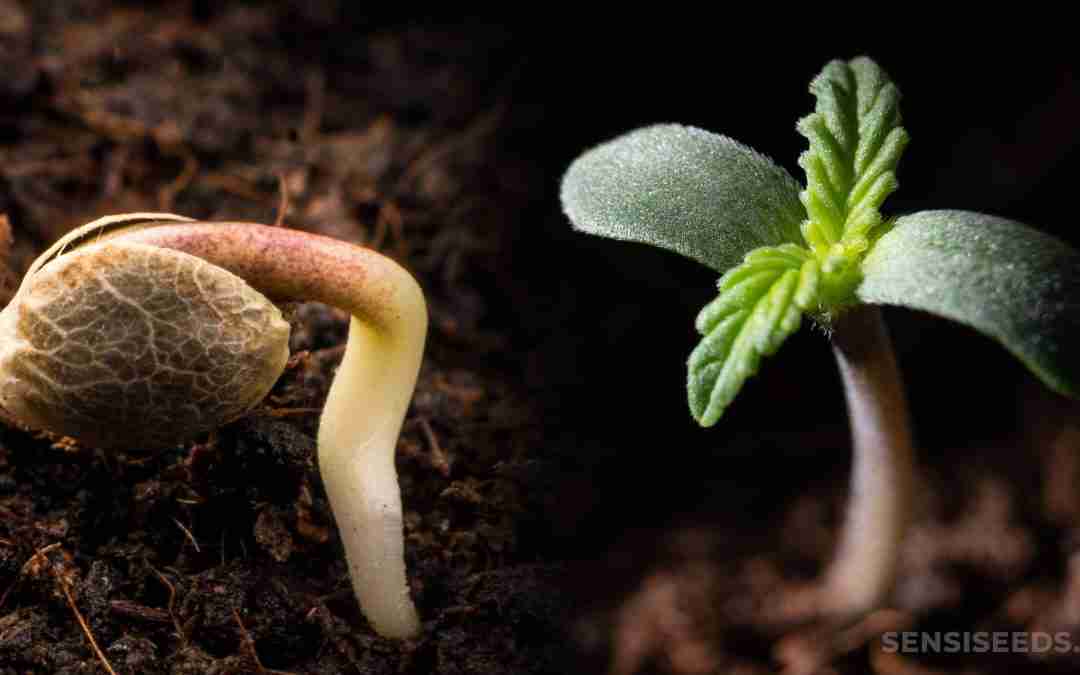
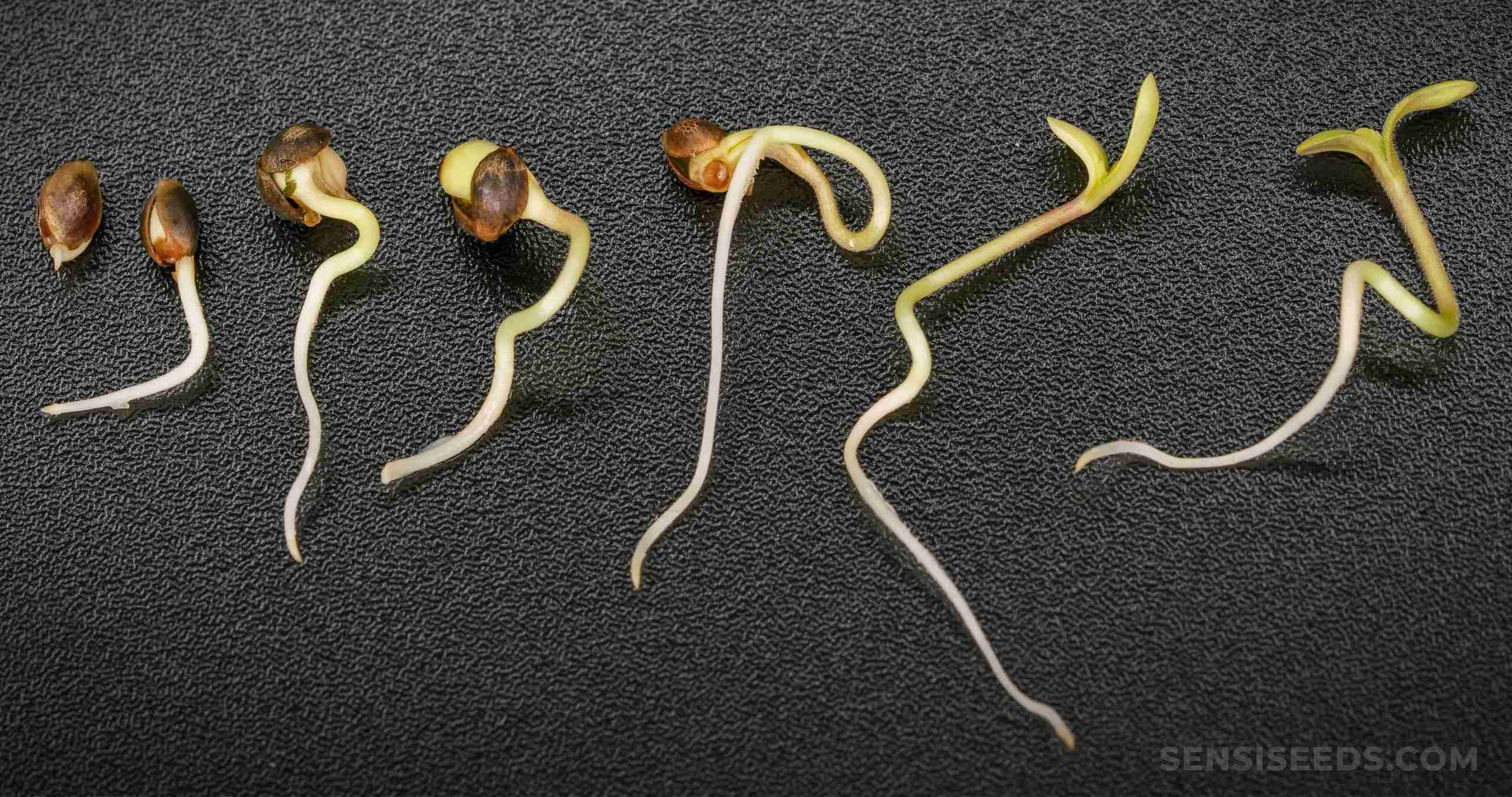
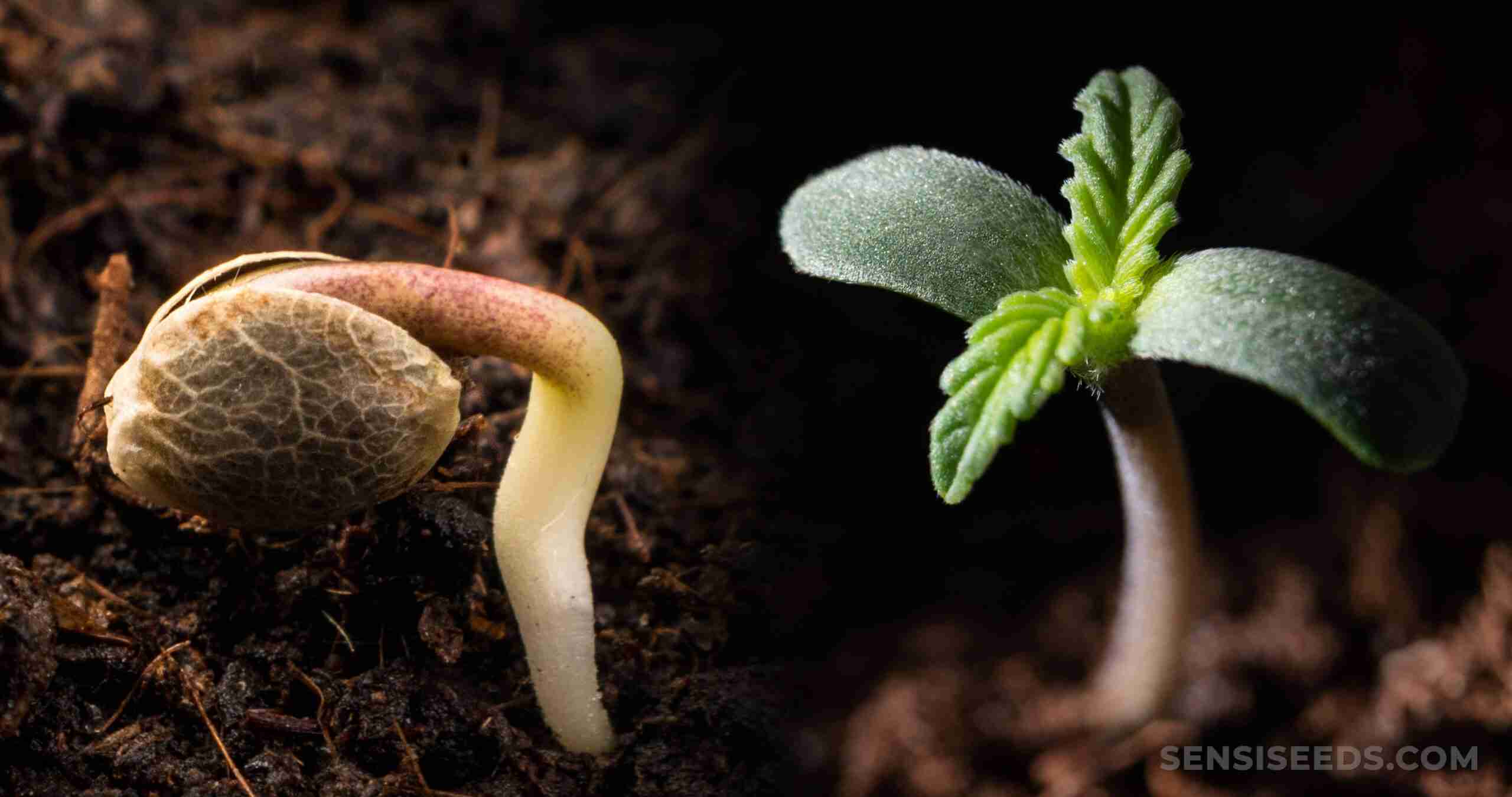
Successful germination requires three primary elements: moisture, warmth, and darkness. Seeds need adequate moisture to activate internal enzymes that initiate growth. Temperatures between 22-25°C (71-77°F) provide optimal conditions for germination, while darkness encourages the initial root development that precedes shoot emergence.

Several germination methods exist, each with advantages for different situations. The paper towel method involves placing seeds between moistened paper towels in a warm, dark location. This technique allows easy monitoring of germination progress and works well for testing small quantities. Direct soil germination offers a more natural approach, though it makes monitoring more difficult.

Water quality significantly impacts germination success. Chlorinated tap water can inhibit germination, while distilled or purified water provides neutral pH and eliminates chemical interference. Understanding water purity’s role helps collectors maximize germination rates when testing stored genetics.

Troubleshooting Germination Issues

When seeds fail to germinate, several factors may be responsible. Old seeds naturally exhibit lower germination rates, particularly those stored beyond their optimal timeframe. However, even fresh seeds may fail to germinate if exposed to extreme temperatures, excessive moisture, or contamination during storage.

Physical damage to the seed shell can prevent germination by allowing pathogens to enter before the seedling establishes itself. Inspect seeds carefully before germination attempts, discarding any with visible cracks or damage. Some collectors gently scarify very old seeds to improve water absorption, though this technique requires careful execution.

If multiple seeds from the same batch fail to germinate, the issue likely stems from storage conditions or seed age rather than germination technique. For detailed troubleshooting guidance, refer to comprehensive germination problem-solving resources that address common issues and solutions.

Germination Testing for Quality Verification

Professional collectors often conduct periodic germination tests to verify stored seed viability. Testing 5-10 seeds from each variety every 1-2 years provides data about storage effectiveness and helps identify varieties requiring refresh. Document germination rates, timing, and any abnormalities to build comprehensive quality records.

The paper towel germination method works particularly well for testing purposes, as it allows precise monitoring without soil medium variables. Record the time from moisture exposure to visible taproot emergence, as germination speed often indicates seed vigor and quality.

Genetic Considerations for Australian Collectors

Australian collectors face unique considerations when building cannabis seed collections. Climate variations across the continent, legal frameworks, and availability all influence collection strategies. Understanding these factors helps collectors make informed decisions about which genetics to acquire and preserve.

Australia’s diverse climate zones range from tropical in the north to temperate in the south, with arid interior regions. This variation means genetics suited to one region may perform differently in another. Collectors often seek varieties with proven resilience to their specific local conditions, whether that means heat tolerance, humidity resistance, or pest resilience.

Indica-dominant varieties generally prefer drier conditions with moderate temperatures, making them well-suited to many Australian regions. Sativa-dominant genetics often handle humidity better but may struggle with temperature extremes. Hybrid varieties offer balanced characteristics that adapt to varied conditions, making them popular among Australian collectors.

The legal framework surrounding cannabis in Australia continues to evolve, with varying regulations across states and territories. Collectors should understand their local laws regarding seed possession, as regulations differ significantly between jurisdictions. Seeds themselves are legal to possess in most Australian states when sold as collectibles or souvenirs.

Climate-Specific Genetic Selection

Northern Australian collectors in tropical and subtropical zones face different challenges than those in temperate southern regions. High humidity encourages mold and pest issues, making mold-resistant genetics particularly valuable. Varieties with looser bud structure allow better air circulation, reducing moisture-related problems in humid climates.

Southern collectors in cooler climates benefit from cold-resistant varieties that tolerate temperature fluctuations. Some indica varieties and certain hybrids demonstrate excellent cold tolerance, making them suitable for preservation in variable temperature conditions. Traditional indica genetics often show superior cold resistance compared to pure sativa varieties.

Arid interior regions present unique preservation challenges with extreme temperature swings and low humidity. Hardy varieties with drought tolerance and heat resistance perform best in these conditions. Collectors in these areas often focus on genetics with demonstrated resilience to environmental extremes.

Preserving Diverse Genetic Libraries

Serious collectors often maintain diverse genetic libraries representing different geographic origins, cannabinoid profiles, and growth characteristics. This diversity preserves genetic heritage while providing options for various interests and research applications. Building balanced collections requires strategic acquisition over time.

Consider including high-THC varieties, CBD-rich genetics, and balanced hybrids to represent the full spectrum of cannabis genetics. Each category offers unique preservation value and demonstrates different aspects of cannabis genetic diversity.

Common Cannabis Seed Myths Debunked

Seed Genetics cannabis seeds guide myths

Numerous myths and misconceptions surround cannabis seeds, often creating confusion for new collectors. Separating fact from fiction helps collectors make informed decisions and avoid common pitfalls. Understanding the science behind these myths provides clarity and improves collection strategies.

One persistent myth suggests seed appearance indicates plant sex. In reality, no visual seed characteristic reliably predicts whether a plant will be male or female. Sex determination occurs at the chromosomal level, invisible without genetic testing. Only feminised seeds guarantee female plants, and this results from breeding techniques rather than seed appearance.

Another common misconception claims that darker seeds are always superior to lighter ones. While dark coloration often indicates maturity, color alone doesn’t determine quality. Some varieties naturally produce lighter seeds even when fully mature. Shell firmness, surface condition, and genetic verification provide more reliable quality indicators than color alone.

The myth that freezing extends seed viability indefinitely persists despite evidence to the contrary. While freezing can preserve seeds, improper freezing technique often causes more damage than benefit. Ice crystal formation can rupture cell walls, destroying viability. Professional long-term storage uses ultra-cold temperatures with controlled moisture levels, very different from standard freezer storage.

Understanding Seed Genetics vs. Environmental Factors

Many collectors mistakenly believe seed genetics alone determine plant characteristics. In reality, phenotypic expression results from genetic and environmental factors interacting. The same seed can produce plants with different characteristics depending on growing conditions, nutrient availability, and environmental stress.

This genotype-phenotype relationship explains why seeds from the same batch may express varying characteristics. Genetics provide the potential range of expressions, while environment determines which traits manifest. Collectors interested in consistent expressions should understand this relationship and its implications for preservation.

For comprehensive myth-busting, review detailed analysis of common seed misconceptions that addresses breeding, storage, and germination myths with scientific explanations.

Frequently Asked Questions

What’s the difference between feminised and regular cannabis seeds?

Feminised seeds produce only female plants because they contain only X chromosomes, created through specialized breeding techniques. Regular seeds contain both male and female chromosomes, producing approximately 50% male and 50% female plants. Feminised seeds offer predictability, while regular seeds maintain complete genetic diversity and allow traditional breeding.

How long can cannabis seeds remain viable in storage?

Under optimal storage conditions (cool temperatures of 6-8°C, low humidity of 20-30%, and complete darkness), cannabis seeds typically maintain high germination rates for 2-3 years. With proper care, many seeds remain viable for 5 years or longer, though germination rates gradually decline over time. Storage quality significantly impacts longevity.

Can you tell if a cannabis seed will be male or female by looking at it?

No visual characteristic reliably indicates seed sex. Gender determination occurs at the chromosomal level, which cannot be seen without genetic testing. Only feminised seeds guarantee female plants, achieved through breeding techniques rather than physical seed traits. Claims about seed shape, size, or markings predicting sex lack scientific basis.

What are autoflowering cannabis seeds?

Autoflowering seeds contain genetics from Cannabis ruderalis and automatically flower based on age rather than light cycles. These plants typically begin flowering 2-4 weeks after germination, regardless of light exposure, making them ideal for collectors with space limitations. The automatic flowering trait is controlled by specific genetic markers that trigger reproductive development at predetermined stages, allowing for rapid seed-to-harvest cycles.

What should I look for in a reputable seed bank?

A reputable seed bank should demonstrate several key qualities that indicate reliability and quality. Look for established companies with a proven track record, transparent customer reviews across multiple platforms, and clear information about their testing procedures and germination guarantees. Quality seed banks provide detailed strain information, including genetic lineage, expected characteristics, and growing difficulty levels. They should also offer secure payment options, discreet packaging, and reliable customer support. Many premium seed banks provide germination rate data and genetic verification certificates for their products. Additionally, check whether they source seeds from established breeders with documented breeding histories rather than unknown or unstable genetics. A reputable seed bank will be transparent about their sourcing, testing protocols, and willing to answer questions about their products and procedures.

How do I know if my seeds are too old or no longer viable?

Several indicators suggest seeds may have lost viability or are too old. The most reliable method is conducting a germination test by soaking a sample of seeds in water for 24-48 hours and observing how many develop a taproot. If fewer than 50% of seeds germinate, viability has likely declined significantly. Visually, very old seeds may appear pale, cracked, or have a dull surface rather than the glossy, waxy coating of fresh seeds. Seeds stored in poor conditions—exposed to light, high humidity, or temperature fluctuations—will show reduced viability regardless of age. If seeds have been stored for more than 5 years, even under optimal conditions, germination rates typically decline noticeably. You can also perform a float test: place seeds in water and observe if they sink (viable) or float (potentially non-viable), though this method is less reliable than germination testing. When in doubt, test a small sample before committing to a full planting.

Can I store different seed types together, or should I keep them separate?

Different seed types can be stored together in the same container as long as proper storage conditions are maintained. However, there are practical reasons to keep them organized and separated within the container. Using individual paper envelopes or seed tubes for each variety allows you to maintain accurate records, track germination rates by type, and easily identify which seeds are which without opening the main storage container repeatedly. Separating seeds also helps prevent cross-contamination and makes it easier to monitor specific varieties for signs of mold or deterioration. If storing together, ensure all seeds are equally dry and the container maintains uniform temperature and humidity throughout. Label each individual packet clearly with the strain name, collection date, and any relevant genetic information. This organizational approach maximizes the lifespan of your entire collection while making it easy to access specific varieties when needed.

What’s the difference between seeds and clones, and which should I choose?

Seeds and clones represent two fundamentally different propagation methods, each with distinct advantages. Seeds are produced through pollination and contain genetic material from both parent plants, resulting in genetic diversity within a seed batch. This genetic variation means plants from the same seed batch may express slightly different characteristics. Clones, by contrast, are cuttings taken from a mother plant and are genetically identical to the parent. Seeds offer the advantage of genetic diversity, potentially discovering unique phenotypes, and are easier to transport and store. Clones provide consistency—you know exactly what you’re getting—and can be ready to flower more quickly since they’re already mature plant tissue. For collectors interested in genetic preservation and diversity, seeds are ideal. For those seeking predictable, consistent results, clones are preferable. Seeds are also more practical for long-term storage and collection building, while clones require living plant maintenance. Your choice depends on whether you prioritize genetic diversity and preservation or consistency and predictability.

How do environmental factors like temperature and humidity affect seed genetics?

Environmental factors don’t alter the underlying genetic code of seeds, but they significantly impact how those genetics are expressed in growing plants. This relationship between genetics (genotype) and environmental expression (phenotype) is crucial for collectors to understand. The same seed can produce plants with different characteristics depending on growing conditions, nutrient availability, light exposure, and environmental stress. For example, a strain genetically predisposed to produce purple coloration may only express this trait under specific temperature conditions. Similarly, cannabinoid profiles, growth rates, and plant size can all vary based on environmental factors even though the genetic potential remains unchanged. During storage, environmental conditions dramatically affect seed viability and longevity but not the genetic information itself. Temperature fluctuations, humidity exposure, and light penetration degrade seed viability over time without altering genetics. This is why proper storage is so critical—you’re preserving the genetic potential, not changing it. Understanding this genotype-phenotype relationship helps collectors maintain genetic diversity while recognizing that environmental optimization is key to expressing desired traits.

Are there differences between seeds from different breeders, and how do I choose between them?

Yes, significant differences exist between seeds from different breeders, even for the same strain name. Different breeders have distinct breeding philosophies, selection criteria, and genetic lines they use as parents. This means two “Blue Dream” seeds from different breeders may express noticeably different characteristics, potency levels, growth patterns, and aromatic profiles. When choosing between breeders, consider their reputation within the community, the transparency of their breeding information, and customer reviews of their specific strains.

Established breeders with long track records typically provide more stable, predictable genetics than newer or unknown breeders. Look for breeders who document their breeding history, explain their selection criteria, and offer detailed strain descriptions. Premium breeders often provide germination guarantees, genetic testing data, and customer support. Reading reviews from other collectors can reveal whether a particular breeder’s seeds consistently produce the characteristics advertised. For serious collectors, investing in seeds from reputable, established breeders ensures better quality, stability, and genetic authenticity than purchasing from unknown sources. Building relationships with trusted breeders over time allows you to develop confidence in their genetics and consistency.
The Best Purple Weed Seeds for Colorful Cannabis Cultivation

The Best Purple Weed Seeds for Colorful Cannabis Cultivation

💜 Purple Weed Seeds Explained

Most people just see a pretty colour.
But experienced growers know that the deep purple in a cannabis bud is a signal.
It’s a clue about the plant’s unique genetics, its potential flavour, and the relaxing effects to come.


🌿 Purple Weed Seeds Explained in Simple Terms

Let’s get one thing straight — the colour of your weed doesn’t make it stronger.

But there’s no denying that a bag full of deep purple buds just hits different.
The bag appeal is off the charts. It looks special because, a lot of the time, it is.

The reason it’s special isn’t the colour itself — the colour is just a signpost.
It’s a clue pointing to the unique genetics and the specific, often fruity and relaxing, experience that comes with purple weed.

It’s what we look for when we’re choosing strains for the collection at Sacred Seeds Australia; we’re chasing the quality genetics that the colour points to — like in the classic Granddaddy Purple.


🧠 Key Takeaways

😌 Most Purple Strains Are Relaxing

Many of the most popular purple strains are Indica-dominant, making them a go-to choice for users seeking relaxation, stress relief, and better sleep.


🧬 Genetics Are the Most Important Factor

A plant will only express purple colours if it has the genetic code to do so.
You cannot force a green strain to turn purple.


❄️ Cooler Temperatures Act as a Trigger

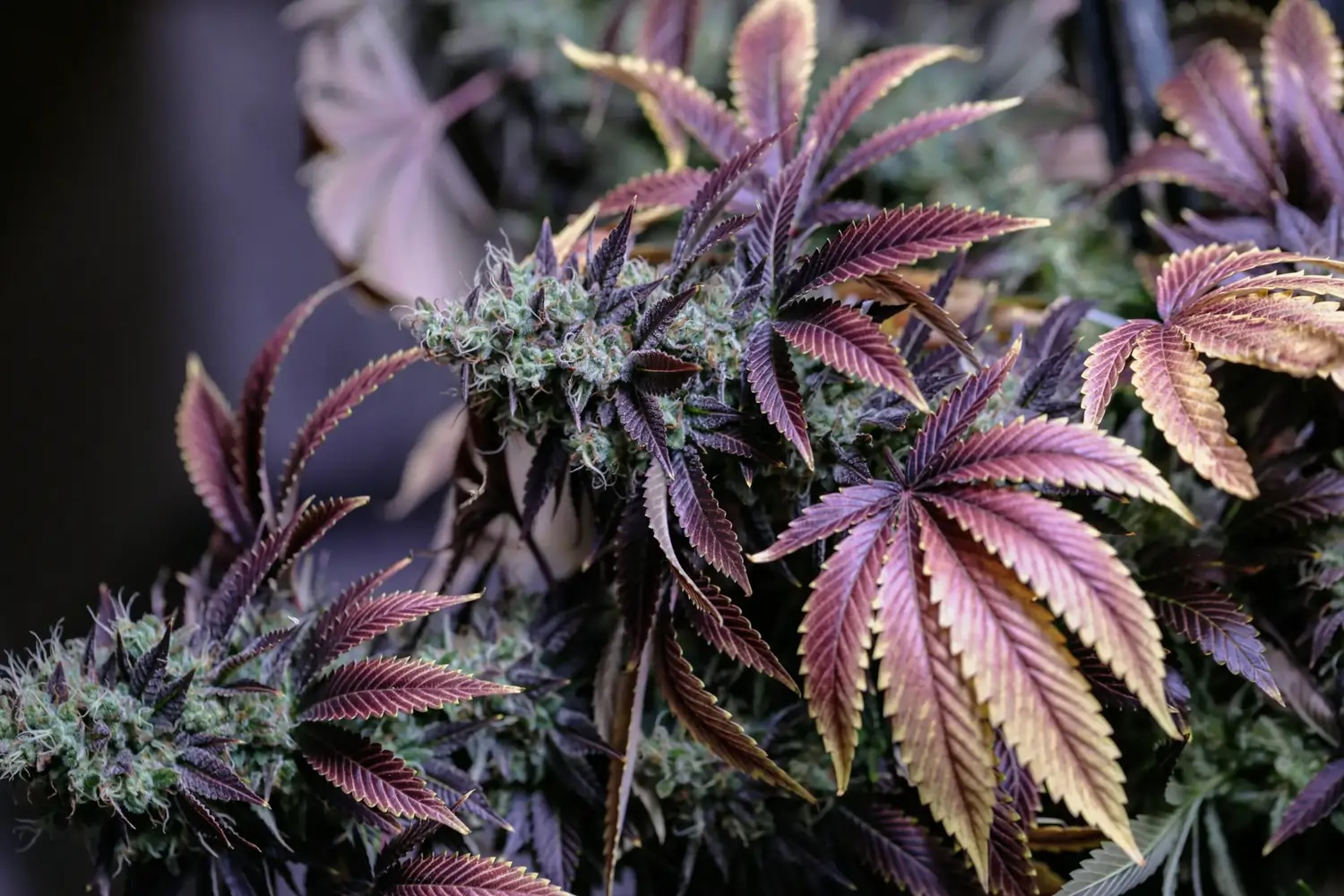
Exposing a genetically predisposed plant to cooler temperatures late in its flowering stage can enhance and deepen its purple hues.

purple weed seeds sacred seeds australia

🍇 Most Purple Strains Have Relaxing Effects and Fruity Flavours

While the stunning appearance is a huge draw, purple weed seeds produce plants that are highly valued for their effects and aromas.

Because many of the most famous purple strains have a strong Indica-dominant heritage, they are often associated with powerful, full-body relaxation. Many people use these strains to help manage anxiety, stress, and chronic pain.

The terpene profiles in the strains also play a big role.
According to an analysis by Dutch Passion, purple strains frequently have a rich terpene blend that creates sweet, fruity, and earthy aromas.
Notes of grape and sweet berry are very common — making the taste and smell just as appealing as the vibrant colour.


💜 Granddaddy Purple and Purple Kush Are Some of the Finest Options in This Category

Granddaddy Purple is arguably the most famous.

Created in 2003 by breeder Ken Estes, Granddaddy Purple was a genetic milestone. By crossing Purple Urkle with Big Bud, he created a high-yielding Indica-dominant hybrid with a powerful body high and an unmistakable “grape Kool-Aid” aroma.

Before GDP, purple buds were a rarity — after, they became an icon.

Purple Kush is another West Coast classic.
It’s a pure Indica strain born from crossing Hindu Kush with a Purple Afghani.
It’s famous for its deeply relaxing, sedative effects, which make it a top choice for people dealing with chronic pain or insomnia.
Its earthy, sweet kush flavour is as legendary as its potent high.

Mimosa is another, one of the most delicious and stunning balanced hybrids.  Sometimes referred to as Purple Mimosa, she is a powerhouse strain created by crossing the zesty Clementine with the fruity, indica-leaning Purple Punch. This fusion delivers one of the most vibrant citrus-forward strains in existence, combining high THC levels with balanced effects and eye-catching bag appeal. Thanks to its purple heritage, Mimosa plants may express rich violet tones in cooler grow conditions.


🌈 Natural Pigments Called Anthocyanins Create the Purple Colour

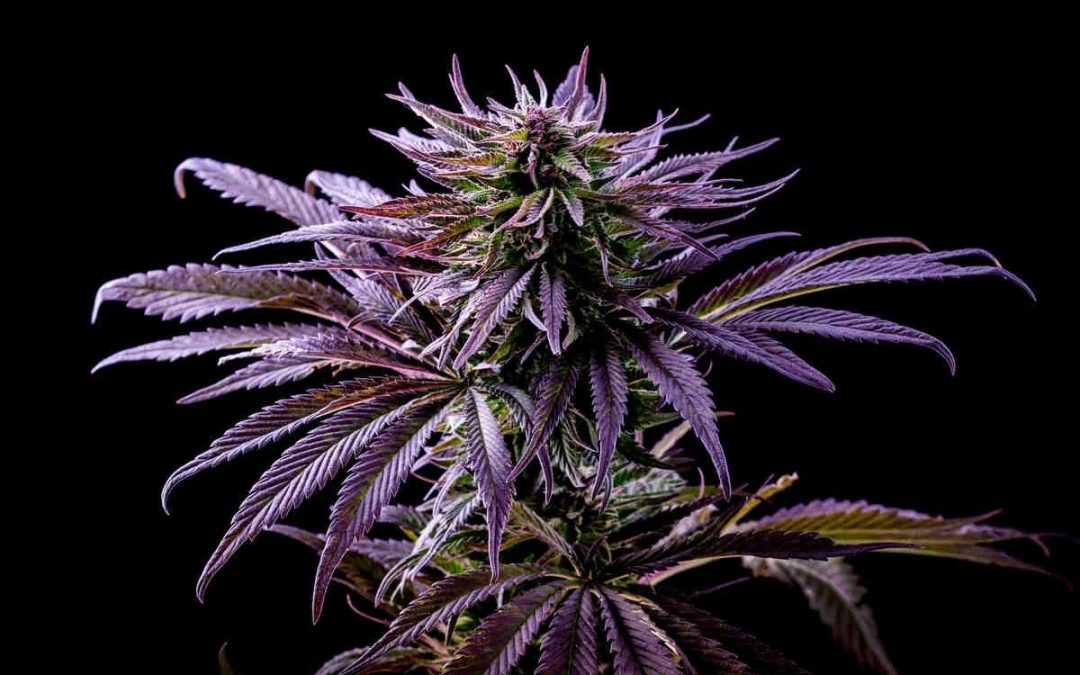
That striking purple colour is completely natural — produced by pigments called anthocyanins.

In a normal green cannabis plant, chlorophyll is so dominant that it masks the underlying colours.
But in purple cannabis strains, the genetics are different. As the plant matures and approaches harvest, it produces less chlorophyll, allowing the purple pigments that were always present to show through.

The process turns the leaves, flowers, and buds into beautiful violet shades.


❄️ Cooler Night Temperatures Will Bring Out the Deepest Purples

While a plant’s ability to turn purple is locked in its genetics, growers can use a few tricks to enhance the colour.

The most common method is to introduce cooler night temperatures.
Late in the flowering stage, letting the temperature drop a few degrees when lights are off mimics natural autumn conditions.

This signal slows chlorophyll production, allowing the vibrant purple hues to come through more strongly.
You don’t want to freeze your plants, but a gentle temperature drop makes a huge difference in final visual appeal.


🧬 Indica vs. Sativa: All Purple Effects Aren’t the Same

It’s a common mistake to think all purple weed will put you to sleep.
While many purple strains like Granddaddy Purple are Indica-dominant and deeply relaxing, that’s not the whole story — there are also sativa-dominant purple strains.

The legendary Purple Haze is the best example.
A cross of Haze and Purple Thai, it’s known for producing an energetic, creative, and almost psychedelic high.

It just goes to show — you’ll find a purple strain for every mood.


🌱 You Won’t Get Purple Buds Without the Right Genetics

You cannot force a plant to turn purple if it doesn’t have the right DNA.
All the tricks in the world won’t make a green strain show purple buds.

That’s why sourcing authentic seeds is so important when growing purple varieties.
At Sacred Seeds Australia, we work with top breeders to provide genuine genetics for legendary strains.

Our collection of feminised purple cannabis seeds and autoflower purple cannabis seeds is carefully selected.
With us, you’re definitely starting with the real deal.

purple kush sacred seeds australia

💬 Frequently Asked Questions (FAQs)

🌿 Are all purple strains Indicas?

No, but many of the most famous ones are Indica-dominant.
The relaxing effects are part of the classic purple weed profile.

However, there are also famous balanced purple strains, like Mimosa, which is known for its creative and euphoric effects.


🍇 Does the purple colour affect the taste of the buds?

Yes, in a way.
The anthocyanin pigments that cause the purple colouration are related to flavonoids, which contribute to the overall flavour profile.

This is why so many purple strains share a characteristic sweet berry or grape taste.


🔥 What is the THC content of most purple strains?

The THC levels depend on the strain.
Some, like Purple #1, are more moderate — around 10–15% THC.

Others are very potent.
For example, Cannabis Training University notes that Purple Kush typically contains 18–21% THC.


The list is always growing.
Strains like Purple Punch and Purple Lemonade have become very popular recently.

Purple Punch is an Indica-dominant cross known for its knockout effects, while Purple Lemonade Auto is a fast-finishing autoflower with a zesty citrus and sweet flavour.


🌾 Do purple strains give good yields?

Yes, many are high-yielding varieties.
Breeders know that growers want both good looks and heavy harvests.

Strains like Granddaddy Purple were bred with Big Bud, a famous high-yielding strain, specifically to produce large yields of dense, resinous purple buds.


The rules are the same for all cannabis seeds.
In Australia, it is illegal to germinate or grow cannabis plants unless you are in the ACT or have a specific medical license.

All seeds — including purple weed seeds — are sold as adult souvenirs.
Always be aware of your local laws.


🧑‍🎓 Need helping choosing what to buy? Have a read of this strain guide.

🧑‍🎓 Learn here how we test our seeds and the best way to store seeds.  

Top Exotic Cannabis Seeds for Enthusiasts: Grow Unique Strains Today

Top Exotic Cannabis Seeds for Enthusiasts: Grow Unique Strains Today

🌺 Discovering Exotic Cannabis Seeds

You’ve heard of the big names like White Widow and Northern Lights.
But after a while, you start to wonder what else is out there.

There’s a whole world of rare, unusual, and powerful cannabis strains that offer completely new flavours and experiences.
Let’s get into it.


🔥 What’s the Big Deal About Exotic Cannabis Seeds?

The term “exotic cannabis seeds” describes strains with rare lineage, unique characteristics, and often very high potency.

The demand for premium genetics is growing fast.
A 2025 report from Cognitive Market Research points to a rapid rise in sales for the exotic cannabis seed market, driven by a clear consumer preference for novelty and potency.

It’s easy to see why breeders are producing exotic strains with incredible THC levels — some, like Future #1 by Anesia Seeds, have lab-tested THC levels of 37%!


🌿 Key Takeaways

💎 It’s About Rarity and Quality

Exotic strains are defined by their unique and hard-to-find genetics.
They are often a cross of award-winning or legendary parent strains.


🍋 Expect Unique Flavours and Aromas

A major part of what makes these strains exotic is their complex terpene profiles.
That results in unusual and powerful flavours and aromas you won’t find in more common varieties.


⚡ Potency Is Often High

Many exotic cannabis strains are bred for extreme THC levels.
It’s not uncommon to see them test well over 20% or even 30% THC.


🧠 They’re for the Connoisseur

Exotic marijuana seeds are made for the grower or collector who wants to explore something new and appreciates the fine qualities of top-shelf cannabis.

exotic cannabis seeds future #1 sacred seeds australia

🌿 What Makes a Strain “Exotic”?

First, it comes down to genetics.
Many exotic weed strains are the result of cutting-edge breeding projects. According to a report from Extreme Seeds, breeders often create them by crossing highly sought-after American strains with classic Dutch and Spanish varieties. The goal is to produce something new and exciting.

Next are the terpene profiles.
A study in the journal PLOS One highlights how terpenes create the distinct flavours and smells of a strain. Exotic strains are famous for having unusual aromas — think mint, strawberry, grape, or even gasoline.

Finally, there’s the potency.
While not always the case, many exotic cannabis strains are known for their incredibly high THC levels.


🇦🇺 Where to Find Real Exotic Genetics in Australia

The key to getting your hands on real exotic genetics is to go through a reputable seed bank that is transparent about where seeds come from.

That’s why a trusted local source is so important for cannabis enthusiasts.
At Sacred Seeds Australia, we have direct relationships with the breeders who create these exotic cannabis seeds. We spend a lot of time and energy finding and building relationships with artisan, expert breeders. 

Our collection of exotic weed seeds is carefully selected.


🌸 A Look at Some Examples

Some strains that were once considered exotic, like Girl Scout Cookies and Cherry Pie, have become so popular that they are now modern classics.

Today’s exotic marijuana strains continue to push the boundaries.
You have strains like Blue Dream and Durban Poison, which are sativa-dominant and known for a high that sparks creativity.

On the other end, you might find a heavy indica-dominant hybrid like Purple Kush, famous for its deep, relaxing effects and sweet berry flavours.
The goal of these unique cannabis strains is to always offer you a brand-new experience.


🍓 Why Exotic Strains Smell and Taste Different

While high THC levels get a lot of attention, the real magic of exotic cannabis strains is in their terpenes.
Terpenes are the aromatic compounds in the plant that create the incredible range of flavours and smells.

Standard strains might smell earthy, piney, or citrusy — but exotic weed strains are where you find truly strange and wonderful aromas: strawberry, mint, candy, cookies, and even gasoline.

A study in the PLOS One journal highlighted how these complex terpene profiles are directly linked to a strain’s unique qualities.
They don’t just create the flavours; they also work with cannabinoids to influence the effects — helping to create a high that sparks creativity or produces deep relaxation.

Learn about the entourage effect here. 


🌱 Are Exotic Strains Hard to Cultivate?

You might think that something so rare would be difficult to cultivate- but that’s not always the case.
A report from Extreme Seeds notes that many modern exotic seeds are specifically bred to be robust and grower-friendly.

Most are sold as feminized seeds, meaning you don’t have to worry about identifying and removing male plants.
Many are also available as autoflowering varieties- plants that begin to flower automatically after a few weeks, allowing for faster harvests.

These advancements make many exotic strains accessible even to less experienced growers.


🌬️ Don’t Ruin Your Harvest: How to Dry and Cure

Growing the plant is only half the battle.
The final steps — drying and curing — are where you either preserve those exotic flavours or destroy them.
Here’s how to do it right.

🪴 1. The Slow Dry Is Key

After you harvest, hang the individual branches in a cool, dark room with gentle air movement.
A closet or tent with a small fan works well.

You’re aiming for a slow dry over 7 to 14 days.
You’ll know it’s ready when the smaller stems snap instead of bending.

⚠️ Rushing this process with heat or too much air will make your buds taste like hay.


🍯 2. The Cure Develops the Flavour

Once the buds are dry, trim them off the branches and place them into airtight glass jars.
For the first couple of weeks, open each jar once a day for 5–10 minutes — a process called burping — to release moisture and prevent mould.

This step is essential for developing the rich, complex aromas of your strain.
After two weeks, burp every few days.
A good cure should last at least a month.

exotic cannabis seeds australia

💬 Frequently Asked Questions (FAQs)

💰 Are exotic seeds more expensive?

Yes, they often are.
The price of exotic marijuana seeds reflects their rarity, the difficulty in breeding them, and the high demand.
According to Premium Cultivars, pricing often fluctuates based on these factors.


🌿 Do exotic strains always have high THC?

Not always, but many are bred for high potency.
While you will find plenty of exotic cannabis strains with very high THC levels, others are considered exotic because of their rare terpene profiles, unique flavours, or unusual lineage.


🌸 What are some other examples of exotic strains?

The list is always growing.
Some other popular strains that are often considered exotic include Pink Panties, Blue Moonrock, and a wide range of Cherry Pie and Girl Scout Cookies crosses.
Each one offers a distinct and memorable experience.


⚡ Do exotic seeds come in autoflowering versions?

Yes.
Many breeders now offer their best exotic strains as autoflowering feminized seeds, giving growers access to top-shelf genetics in a fast and easy-to-grow format.

🧑‍🎓 Need helping choosing what to buy? Have a read of this strain guide.

🧑‍🎓 Learn here how we test our seeds and the best way to store seeds.  

Discover the Best Wholesale Cannabis Seeds for Your Growing Needs

Discover the Best Wholesale Cannabis Seeds for Your Growing Needs

Tired of buying one seed pack at a time?
There’s a smarter, more cost-effective way to build your collection or stock your shelves.
Let’s talk about buying your cannabis seeds in bulk.


How Smart Buyers Get Wholesale Cannabis Seeds

The cannabis seed market is booming.
According to a 2025 report by Cognitive Market Research, the global market is projected to surpass $2.25 billion, with wholesale cannabis seeds making up a huge share.

For serious growers and retailers, buying in bulk is the logical next step — securing a consistent supply of premium genetics at a far better price.
At Sacred Seeds Australia, we offer flexible options for buying bulk cannabis seeds — from small bundle deals to large-scale wholesale orders.


Key Takeaways

🌿 It’s a Smart Business Move

Buying bulk marijuana seeds drastically lowers your cost per seed.
That means better profit margins for resellers, or a more affordable way to achieve a large, uniform harvest.

🌿 Consistency Is Everything

For any serious operation, uniformity matters.
Bulk cannabis seeds ensure your plants share the same genetics, characteristics, and potency across every crop.

🌿 You Don’t Need to Be a Big Shot

“Bulk” doesn’t always mean thousands of seeds.
Smart options like seed bundles give you wholesale pricing on packs as small as 20 seeds.

🌿 Your Supplier Is a Partner

A trustworthy supplier is everything.
Look for stable genetics, high germination rates, and secure shipping — all essential for long-term success.

Wholesale Cannabis Seeds

🌿 The Main Reasons to Buy in Bulk

The most obvious reason is the cost saving.

Buying bulk seeds offers a significant price advantage over single-pack purchases. According to OG Distribution, it leads to better profit margins for those who sell seeds. For a grower, it just means you save a lot of money on your setup costs for production.

But the real advantage for a grower is consistency.

When you’re growing multiple plants, you want a uniform crop that behaves predictably. Sourcing bulk seeds of the same strain from a trusted source of original genetics provides your plants with the same growth patterns and final quality. You avoid the lottery of using a random mix of seeds.


🌱 What the Pros Do Before Buying in Bulk


🔍 First, They Often Do a Small Test Run

Instead of committing to a huge bulk order of a single strain, they might purchase a smaller bundle with a mix of different cannabis strains they are interested in. This allows them to run a real-world test on the genetics.

They check the germination rate, watch how the plants grow, and assess the final quality and yield of the harvest for themselves. Only after they have personally verified the viability and characteristics of the strains do they commit to a large purchase.

🤝 Second, They Build a Relationship with Their Seed Bank

They don’t just treat them like a faceless website. They communicate with them, ask questions, and become a valued long-term customer. The approach leads to better service, bigger discounts, and sometimes even exclusive access to new cannabis genetics before they hit the general market.

Smart buyers play the long game. They don’t just find a cheap price online and order a thousand seeds blindly. They do their homework to protect their investment and get the absolute best quality.


🌾 Try Out Sacred Seeds’ Bundle

Thinking about wholesale doesn’t mean you have to order hundreds of seeds at once. A great way to get bulk discounts without the massive commitment is with a seed bundle. It’s a perfect middle ground.

At Sacred Seeds Australia, for example, we have pre-made bundles like the Medicinal Indica Mix or the High THC Mix. They are 20-seed packs that give you a variety of carefully selected strains with a 20% discount.

We also have a “Mix & Match” deal. You just choose any four 5-seed packs you like, and you get the same 20% off at checkout. It’s a flexible way to get a special price on a collection of different cannabis strains.

For those who want to test sample up to 5 different strais before making a bigger order, we have introduced Mystery Mix bundles, in photo or auto, or a blend of both. 


🌍 What to Look For in a Wholesale Supplier

First, they should be able to prove their genetics are stable and come from respected breeders. Consistency is the most important factor in the bulk market.

Next, look for a commitment to quality. Industry surveys show that many wholesale suppliers will guarantee germination rates of 90% or higher. Sacred Seeds offers a qualoity guarantee which works in the same way: customers of theirs know they are well looked after, in a responsible way. 


🇦🇺 Why a Local Partner is a Better Choice for You

When you’re investing in bulk seeds, you need a partner who understands the Australian market. Sacred Seeds Australia takes pride in helping growers and collectors scale up.

We offer everything from our flexible 20-seed bundles to larger wholesale inquiries. Because we’re a local Aussie business, our customers get fast, discreet shipping, and you never have to worry about customs hassles. We provide access to a wide selection of the world’s best feminized and autoflowering seeds, right here in Australia.

Wholesale Cannabis Seeds- close up purple flower

💬 Frequently Asked Questions (FAQs)

❓ What is the minimum order for wholesale cannabis seeds?

It varies a lot between seed banks. For our own program, our discounted bundles start at just 20 seeds, and you can contact us for more info on larger wholesale prices.


📦 How are bulk seeds packaged for shipping and storage?

Proper packaging is vital. Bulk seeds should be sent in secure, crush-proof packaging to protect them during shipping.
For long-term storage, they need to be kept in a cool, dark, and dry place with a stable temperature to maintain their viability.


🌏 Do you ship wholesale orders worldwide?

Our main focus is on serving our Australian customers with fast local shipping.
However, for international inquiries about whether we ship worldwide to your specific country, please contact us directly to discuss the legal options.


🌸 Are feminized seeds the only option for bulk sale?

No, but they are the most popular. Feminized seeds are in high demand because they guarantee female plants, simplifying the growing process by eliminating male plants.
Sacred Seeds offers only feminized seeds.


🌿 What if I have a special request for a particular strain?

If you’re after a specific strain for a large bulk order that you don’t see on our page, it’s always worth getting in touch.
Since we work with many different breeders, we may be able to source specific cannabis genetics upon request.


⚡ What’s the main advantage of autoflowering seeds for a large harvest?

Autoflowering seeds are excellent for production because they have a fixed, fast lifecycle.
They begin to flower automatically after a few weeks, allowing commercial growers to plan for predictable, quick harvest cycles both indoors and outdoors.

🧑‍🎓 Need helping choosing what to buy? Have a read of this strain guide.

🧑‍🎓 Learn here how we test our seeds and the best way to store seeds.  

Zkittlez Strain Review: Complete Growing Guide for Australian Growers (2025)

Zkittlez Strain Review: Complete Growing Guide for Australian Growers (2025)

Introduction to Zkittlez Strain

Zkittlez is an award-winning cannabis strain that has earned a reputation as one of the most flavourful varieties available to Australian growers. With its candy-like taste profile and balanced effects, this indica-dominant hybrid delivers 19-23% THC alongside a terpene-rich experience that truly lives up to its name.

[Learn more about terpenes here –>]

Bred by 3rd Gen Family and Terp Hogz, Zkittlez won 1st place at the prestigious 2016 Emerald Cup and continues to dominate cannabis competitions worldwide. Whether you’re considering feminized Zkittlez seeds or the faster-growing Zkittlez auto seeds, this comprehensive guide covers everything you need to know about cultivation, effects, and where to source quality genetics in Australia.


Quick Facts: Zkittlez at a Glance

Attribute Details
Strain Type Indica-Dominant Hybrid (60% Indica / 40% Sativa)
THC Content 19-23% (High Potency)
CBD Content <1%
Genetics Grape Ape x Grapefruit x Unknown Strain
Breeders 3rd Gen Family & Terp Hogz
Flowering Time 8-10 weeks (photoperiod)
Total Grow Time 10-12 weeks (auto), 14-16 weeks (photoperiod)
Yield (Indoor) 400-500g/m²
Yield (Outdoor) 500-600g per plant
Difficulty Medium
Awards 1st Place 2016 Emerald Cup, Multiple Cannabis Cup wins
Primary Terpenes Caryophyllene, Humulene, Limonene
Dominant Flavours Sweet berry, tropical fruit, grape, citrus
Best For Stress relief, creativity, evening relaxation, pain management


Zkittlez Strain Genetics & History


The Lineage Behind the Legend

Zkittlez comes from carefully selected genetics that combine three powerful parent strains:

  • Grape Ape: Contributes deep grape flavours and relaxing indica effects
  • Grapefruit: Adds sharp citrus notes and uplifting sativa qualities
  • Unknown Third Strain: The breeders keep this secret, adding to the mystique

This genetic combination creates a strain that balances the best of both indica and sativa characteristics, resulting in a 60/40 indica-dominant hybrid that offers mental clarity alongside physical relaxation.

Award-Winning Recognition

Zkittlez burst onto the cannabis scene and immediately captured attention:

  • 2016 Emerald Cup: 1st Place (Best Indica Flower)
  • Multiple Cannabis Cup wins across various categories
  • High Times recognition for flavour and potency
  • Consistent top performer at regional competitions

These accolades aren’t just marketing hype. They represent genuine recognition from cannabis judges, cultivators, and connoisseurs who understand what makes an exceptional strain.


zkittles strain review- sacred seeds

Flavour, Aroma & Terpene Profile

Why Zkittlez Strain Tastes Like Candy

The name Zkittlez isn’t just clever marketing. This strain genuinely delivers a candy-like flavour experience that sets it apart from typical cannabis varieties. When you open a jar of properly cured Zkittlez, you’re hit with an intense aroma of mixed berries, tropical fruit, and sweet grape.

Aroma Profile:

  • Primary: Sweet berries and tropical fruit
  • Secondary: Grape and citrus undertones
  • Tertiary: Subtle earthy and herbal notes

Flavour Profile:

  • Inhale: Sweet berry and grape with citrus highlights
  • Exhale: Smooth, candy-like finish with lingering fruit notes
  • Aftertaste: Clean, sweet, with minimal harshness

The Terpene Science

Zkittlez’s exceptional flavour comes from its rich terpene profile. Terpenes are aromatic compounds that give cannabis its distinctive smell and contribute to the overall effects.

Primary Terpenes in Zkittlez:

Caryophyllene (Dominant)

  • Contributes spicy, peppery notes
  • Known for anti-inflammatory properties
  • May help with pain and anxiety
  • Also found in black pepper and cloves

Humulene

  • Adds earthy, woody undertones
  • Provides appetite-suppressing qualities (unusual for cannabis)
  • May offer anti-inflammatory benefits
  • Common in hops and coriander

Limonene

  • Delivers bright citrus notes from the Grapefruit parent
  • Uplifting and mood-enhancing properties
  • May help with stress and depression
  • Found in lemon rinds and citrus fruits

Secondary Terpenes:

  • Myrcene: Contributes to the relaxing body effects
  • Linalool: Adds floral notes and calming properties
  • Pinene: Provides subtle pine aroma and mental clarity

This terpene combination is what makes Zkittlez a true connoisseur strain. The flavour isn’t just pleasant; it’s a complex, multi-layered experience that changes from the first inhale to the final exhale.


Zkittlez Strain Effects & THC Content


Potency Profile

Zkittlez delivers a substantial THC content that typically ranges between 19-23%, with premium phenotypes occasionally testing higher. This places it firmly in the high-potency category without reaching the overwhelming levels of some modern hybrids that exceed 28-30% THC.

The CBD content remains below 1%, making this a THC-dominant strain focused on psychoactive effects rather than CBD-based therapeutic benefits.

The Zkittlez strain Experience: What to Expect

Onset (0-15 minutes)

The effects come on relatively quickly, especially when smoked or vaped. Users typically report:

  • Gentle pressure around the eyes and temples
  • Immediate mood elevation
  • Increased awareness and focus
  • Mild euphoria without anxiety

Peak Effects (15-60 minutes)

As the high develops, the balanced nature of Zkittlez becomes apparent:

Mental Effects:

  • Enhanced creativity and ideation
  • Improved focus on tasks or conversations
  • Giggly, social, and talkative
  • Mild time dilation
  • Heightened sensory perception (especially taste and sound)

Physical Effects:

  • Warm, relaxing body sensation
  • Tension melts away from muscles
  • Pain relief without heavy sedation
  • Comfortable physical ease
  • Strong appetite stimulation (prepare snacks!)

Duration (2-3 hours)

Zkittlez provides a moderate duration high that tapers gradually rather than dropping off suddenly. The comedown is gentle, leaving users relaxed but functional.

The Perfect Balance

What makes Zkittlez special is its ability to deliver strong relaxation without couch-lock. Unlike pure indicas that can leave you immobilized, Zkittlez maintains mental clarity and physical capability. This makes it ideal for:

  • Afternoon use: Wind down without writing off your evening
  • Social situations: Relaxed and talkative without paranoia
  • Creative projects: Focused but relaxed state of mind
  • Evening activities: Comfortable relaxation before bed

Potential Side Effects

Like all cannabis strains, Zkittlez can produce some unwanted effects, particularly at higher doses:

  • Dry mouth (very common)
  • Dry eyes (common)
  • Increased appetite (almost guaranteed)
  • Mild dizziness (in novice users)
  • Slight paranoia (rare, usually dose-dependent)

Starting with a small amount and working up to your desired effect level helps minimize these side effects.


Medical Benefits of Zkittlez

While this article focuses on recreational cultivation and use, many Australian medical cannabis patients have reported benefits from Zkittlez and similar indica-dominant hybrids. This is not medical advice and is purely anecdotal.

Potential Therapeutic Applications

Stress and Anxiety

The uplifting onset combined with deep physical relaxation makes Zkittlez potentially useful for managing stress and anxiety. The caryophyllene content may contribute to anxiolytic (anti-anxiety) effects by interacting with CB2 receptors.

Chronic Pain

The combination of THC and caryophyllene provides potential pain-relieving properties. Users report relief from:

  • Muscle tension and spasms
  • Inflammatory pain conditions
  • Headaches and migraines
  • General body aches

Insomnia

While not as sedating as pure indica strains, Zkittlez’s relaxing qualities can help with sleep when used in the evening. The gradual comedown allows for natural sleep onset without heavy grogginess the next morning.

Appetite Stimulation

Zkittlez is known for producing significant appetite stimulation, which may benefit those dealing with:

  • Nausea and lack of appetite
  • Side effects from medical treatments
  • Eating disorders (under medical supervision)

Mood Disorders

The uplifting, euphoric onset may provide temporary relief from symptoms of depression and mood disorders, though this should never replace professional medical treatment.

Important Medical Disclaimer

Cannabis affects everyone differently. If you’re considering Zkittlez or any cannabis strain for medical purposes, consult with a healthcare professional familiar with medical cannabis. Self-medication carries risks, and cannabis may interact with other medications or conditions.


Growing Zkittlez: Complete Cultivation Guide (for those in ACT or overseas)


Difficulty Level: Medium

Zkittlez sits at a medium difficulty level for cultivation. It’s not the most forgiving strain for absolute beginners, but growers with one or two successful harvests under their belt should find it manageable and rewarding.

Why Medium Difficulty?

  • Nutrient-sensitive during flowering
  • Benefits from training techniques
  • Requires attention to environmental conditions
  • Can develop deficiencies if not properly fed

Indoor Growing Guide

Setup Requirements

Zkittlez thrives indoors with proper environmental control. Here’s what you need:

Lighting:

  • LED: 400-600W for 1m² space
  • HPS: 600W (more heat management required)
  • Light schedule: 18/6 for veg, 12/12 for flowering (photoperiod)
  • Light schedule: 18/6 or 20/4 for entire grow (autoflower)

Climate:

  • Vegetative temperature: 22-26°C
  • Flowering temperature: 20-24°C (cooler temps enhance purple colours)
  • Humidity: 60-70% (veg), 40-50% (flowering), 30-40% (late flowering)
  • Air circulation: Essential to prevent mold

Growing Medium:

  • Quality organic soil (recommended for flavour)
  • Coco coir with nutrients
  • Hydroponic systems (for experienced growers)

Plant Characteristics

Size and Structure

Zkittlez displays typical indica-dominant growth patterns:

  • Height: 100-120cm indoors (manageable)
  • Structure: Bushy with strong lateral branching
  • Internodal spacing: Tight to medium
  • Leaves: Broad, dark green, may show purple hues late in flower

Training Techniques

Zkittlez responds excellently to training:

Low Stress Training (LST):

  • Bend and tie down branches to create an even canopy
  • Increases light penetration to lower bud sites
  • Results in more uniform, higher-quality buds
  • Start early in vegetative growth

Topping:

  • Remove the main growing tip early (around 4-5 nodes)
  • Encourages lateral branching
  • Creates multiple main colas instead of one
  • Perform during vegetative stage only

Screen of Green (ScrOG):

  • Use a horizontal screen to train branches
  • Excellent technique for maximizing yield
  • Requires patience during vegetative growth
  • Highly effective with Zkittlez’s bushy structure

Defoliation:

  • Remove large fan leaves blocking bud sites
  • Improves air circulation (reduces mold risk)
  • Do selectively, not aggressively
  • Best performed in early and mid-flowering

Nutrients and Feeding

Zkittlez has a healthy appetite, particularly during the flowering phase. Underfeeding will result in smaller yields and less potent buds.

Vegetative Stage:

  • Nitrogen-rich nutrients
  • Start at 1/4 strength, work up to full strength
  • Monitor for nitrogen deficiency (yellowing lower leaves)
  • Cal-Mag supplements if using RO water or coco

Flowering Stage:

  • Switch to bloom nutrients (higher P and K)
  • Increase feeding gradually
  • Watch for nutrient burn (brown, crispy leaf tips)
  • Bloom boosters in weeks 3-6 of flowering
  • Begin flush 1-2 weeks before harvest

Common Nutrient Issues:

  • Nitrogen deficiency: Lower leaves yellow and drop off
  • Phosphorus deficiency: Purple stems, dark leaves
  • Calcium deficiency: Brown spots on newer growth
  • Nutrient lockout: Usually pH-related, affects nutrient uptake

pH Management:

  • Soil: 6.0-7.0 (optimal around 6.5)
  • Hydro/Coco: 5.5-6.5 (optimal around 5.8-6.0)
  • Test regularly and adjust as needed

Flowering Time and Harvest

Photoperiod Zkittlez:

  • Flowering time: 8-10 weeks after switching to 12/12
  • Total grow time: 14-16 weeks (including 4-6 weeks veg)

Zkittlez Auto:

  • Total time: 10-12 weeks from seed to harvest
  • Begins flowering around week 3-4 automatically

Harvest Indicators:

Don’t harvest too early! Zkittlez needs the full flowering time to develop its signature flavour and potency.

Trichome Method (Most Accurate):

  • Clear trichomes: Too early, low potency
  • Cloudy/milky trichomes: Peak THC, harvest window opens
  • Amber trichomes: More sedating, CBN development
  • Optimal: 70-80% cloudy, 20-30% amber

Other Indicators:

  • Pistils: 70-90% have darkened and curled in
  • Buds: Dense, swollen, trichome-covered
  • Leaves: Natural fade, yellowing (if flushed properly)

Expected Yields

Indoor:

  • 400-500g per square meter (with proper training)
  • 50-150g per plant (depending on veg time and training)

Outdoor:

  • 500-600g per plant (in optimal conditions)
  • Harvest: Late April to early May in Australia (photoperiod)
  • Multiple harvests possible with autos

Outdoor Growing in Australia

Zkittlez can be grown outdoors in most Australian climates, with some considerations:

Best Regions:

  • NSW North Coast: Excellent climate, but watch humidity
  • QLD: Great for multiple auto runs, mind the wet season
  • VIC/SA: Photoperiod works well, time harvest before cold
  • WA: Ideal climate in many regions

Outdoor Challenges:

  • Humidity and mold (especially in tropics)
  • Pests (caterpillars, spider mites, aphids)
  • Security and privacy concerns
  • Weather extremes

Outdoor Tips:

  • Choose a spot with 6-8 hours direct sunlight
  • Use quality outdoor soil or large pots
  • Consider a greenhouse for climate control
  • Companion planting to deter pests
  • Regular inspection for problems

Common Growing Problems and Solutions

Problem: Nutrient Burn

  • Symptoms: Brown, crispy leaf tips and edges
  • Cause: Overfeeding nutrients
  • Solution: Flush with pH-balanced water, reduce nutrient strength

Problem: Stunted Growth

  • Symptoms: Slow growth, small plants
  • Cause: Overwatering, root issues, or severe underfeeding
  • Solution: Check roots for rot, adjust watering schedule, gradually increase nutrients

Problem: Mold/Bud Rot

  • Symptoms: White powdery substance or brown, dying buds
  • Cause: High humidity, poor air circulation
  • Solution: Lower humidity, increase airflow, remove affected areas immediately

Problem: Pest Infestation

  • Symptoms: Visible bugs, damaged leaves, webbing
  • Cause: Spider mites, aphids, thrips, or other pests
  • Solution: Neem oil, insecticidal soap, predatory insects, or appropriate pesticides (not during late flowering)

Problem: Light Stress or Heat Stress

  • Symptoms: Bleached or burnt leaf tips closest to light, curling
  • Cause: Light too close or too intense, temperatures too high
  • Solution: Raise lights, reduce wattage, improve ventilation and cooling

Problem: Purple Leaves (Unintended)

  • Symptoms: Purple coloration spreading through plant
  • Cause: Phosphorus deficiency or temperatures too cold
  • Solution: Check pH and increase phosphorus, raise temperatures

Zkittlez Seeds vs Zkittlez Auto Seeds: Which to Choose?

When shopping for Zkittlez seeds, you’ll encounter two main options: feminized photoperiod seeds and autoflowering seeds. Both produce genuine Zkittlez genetics, but they get there differently.

Feminized Zkittlez Seeds (Photoperiod)

How They Work:

Photoperiod plants respond to light cycles. They remain in vegetative growth as long as they receive 18+ hours of light daily. To trigger flowering, you switch to a 12/12 light schedule (12 hours light, 12 hours complete darkness).

Advantages:

  • Complete control over plant size
  • Longer vegetative time allows for extensive training
  • Generally higher yield potential
  • Can take clones for identical plants
  • More forgiving if problems occur (you can extend veg to recover)

Disadvantages:

  • Longer total grow time (14-16 weeks)
  • Requires light schedule management
  • Needs complete darkness during flowering (light leaks cause problems)
  • Not ideal for outdoor growing in all seasons

Best For:

  • Experienced growers wanting maximum control
  • Indoor growers with dedicated flower rooms
  • Anyone wanting the highest possible yields
  • Growers interested in cloning and perpetual harvests

Zkittlez Auto Seeds (Autoflowering)

How They Work:

Autoflowers contain genetics from Cannabis ruderalis, a hardy variety that flowers based on age rather than light cycles. Zkittlez autos flower automatically around 3-4 weeks after germination, regardless of light schedule.

Advantages:

  • Fast: Seed to harvest in 10-12 weeks
  • No light schedule changes needed
  • More forgiving light schedule (18/6 or 20/4 throughout)
  • Smaller, more discreet plants
  • Multiple outdoor harvests per year possible
  • Great for beginners
  • Less chance of light-related stress

Disadvantages:

  • Cannot clone autoflowers
  • Fixed vegetative time (can’t extend if problems occur)
  • Generally lower yields per plant
  • Less control over final plant size
  • Training must be done carefully and early

Best For:

  • Beginner growers wanting simplicity
  • Anyone wanting fast results
  • Smaller grow spaces or tents
  • Outdoor growers wanting multiple harvests
  • Situations where light schedules are difficult to manage

Detailed Comparison Table

Feature Feminized Photoperiod Autoflower
Total Grow Time 14-16 weeks 10-12 weeks
Vegetative Control Complete (you decide when to flower) None (automatic)
Height Control High Low to Medium
Yield Per Plant (Indoor) 50-150g+ 40-100g
Yield Per m² 400-500g 300-400g
Training Tolerance Excellent Moderate (no high-stress)
Cloning Yes No
Light Schedule Must change to 12/12 Can stay 18/6 or 20/4
Recovery Time Can extend veg to recover Limited recovery time
Difficulty Medium Easy to Medium
Outdoor Harvests/Year 1-2 3-4 possible
Discretion Larger plants Smaller, more discreet

Our Recommendation

Choose Zkittlez Auto Seeds if:

  • You’re a beginner or intermediate grower
  • You want results fast (10-12 weeks)
  • You have a small grow space
  • You’re growing outdoors and want flexibility
  • You want the simplest possible process

Choose Feminized Zkittlez Seeds if:

  • You have growing experience
  • You want maximum yields
  • You have space for larger plants
  • You want to use advanced training techniques
  • You’re interested in cloning
  • You have a proper flowering room setup

Honest Opinion: Both are excellent choices. I’ve had great results with both versions. The autos are incredibly convenient and still produce top-shelf flower. The photoperiod gives you more control and yield potential. You really can’t go wrong either way.

[Read this guide to Auto vs Photperiod seeds]


auto zkittlez strain- sensi seeds grow

Where to Buy Zkittlez Seeds in Australia 

Cannabis seeds occupy a grey area in Australian law. While cultivation remains illegal in most states without proper licensing, seed possession and purchase exists in a legal grey zone. Many Australians successfully purchase seeds online for collection purposes.

Important Note: This article provides information only. You are responsible for understanding and complying with your local laws. Always check current regulations in your state or territory.

Finding Reputable Seed Banks

When searching for Zkittlez seeds or Zkittlez auto seeds, look for seed banks with:

Essential Qualities:

  • Established reputation (check reviews on forums and Reddit)
  • Discreet shipping practices
  • Stealth packaging options
  • Delivery guarantees to Australia
  • Responsive customer service

International Seed Banks

Several established international seed banks ship to Australia:

What to Look For:

  • Guaranteed delivery or reship policies
  • Stealth packaging options
  • Good track record of Australian deliveries
  • Secure payment methods
  • Authentic Zkittlez genetics from reputable breeders

Popular Options: Search for established names like ILGM (I Love Growing Marijuana), Seedsman, Crop King Seeds, or similar well-known international seed banks. Check recent reviews specifically about Australian shipping success rates.

Australian Seed Banks

A small number of Australian-based seed banks have emerged, offering faster domestic shipping:

Advantages:

  • No customs concerns
  • Faster delivery times
  • Australian customer support
  • Better understanding of local growing conditions

Research Required: The Australian seed bank scene changes frequently. Search for current reviews and recommendations on Australian cannabis forums and communities.

Tips for Buying Seeds Online

Before Ordering:

  1. Research the seed bank thoroughly (Reddit, forums, Trustpilot)
  2. Verify they have Zkittlez in stock from reputable breeders
  3. Check their Australian shipping policy
  4. Look for stealth shipping options
  5. Use secure payment methods

      Harvest, Drying, and Curing

      Harvesting Your Zkittlez

      When to Cut:

      • Trichomes are 70-80% cloudy, 20-30% amber
      • 70-90% of pistils have darkened
      • Buds are dense and swollen
      • Leaves show natural fade (if properly flushed)

      How to Harvest:

      1. Stop watering 1-2 days before harvest
      2. Prepare drying space before cutting
      3. Cut branches or take the whole plant
      4. Remove large fan leaves (wet trim) or leave them (dry trim)
      5. Hang branches in drying space

      Drying Process

      Ideal Drying Conditions:

      • Temperature: 18-21°C
      • Humidity: 45-55%
      • Darkness or very dim light
      • Gentle air circulation (not directly on buds)
      • 7-14 days typical drying time

      How to Tell When Dry:

      • Small stems snap rather than bend
      • Buds feel dry on outside but not crumbly
      • Stems still have some flex

      Avoid:

      • Drying too fast (harsh smoke, poor flavour)
      • Drying too slow (mold risk)
      • High temperatures (degrades terpenes and THC)

      Curing for Maximum Flavour

      This step is crucial for bringing out Zkittlez’s legendary flavour profile.

      Basic Curing Process:

      1. Trim buds (if dry trimming) and place in airtight glass jars
      2. Fill jars 75% full (don’t pack tight)
      3. Burp jars daily for first 2 weeks:
        • Open jars for 5-10 minutes
        • Let moisture escape
        • Check for mold or ammonia smell
      4. Continue curing for 2-8 weeks total:
        • Burp every few days after first 2 weeks
        • Store in cool, dark place
      5. Long-term storage:
        • Boveda or Integra humidity packs (62% RH)
        • Keep in cool, dark location

      Curing Timeline:

      • 2 weeks: Smokeable, decent flavour
      • 4 weeks: Good flavour, smooth smoke
      • 6-8 weeks: Excellent flavour, very smooth
      • 3+ months: Peak flavour and smoothness (for connoisseurs)

      Signs of Problems:

      • Ammonia smell: Too wet, mold risk, dry buds immediately
      • Too dry/crumbly: Add humidity pack, may have lost some terpenes
      • Mold visible: Discard affected buds, check others carefully

      Storing Your Harvest

      Short-term (1-6 months):

      • Airtight glass jars
      • Humidity packs (62% RH)
      • Cool, dark location
      • Check monthly

      Long-term (6+ months):

      • Vacuum-sealed bags or jars
      • Freezer storage (for very long-term)
      • Humidity packs
      • Label with strain and date

      Zkittlez: Final Verdict

      After extensive growing experience with both Zkittlez photoperiod and auto varieties, I can confidently say this strain lives up to its reputation. Here’s my honest assessment:

      What Zkittlez Does Best

      Flavour: ⭐⭐⭐⭐⭐ (5/5) Absolutely exceptional. The candy-like taste is real, not exaggerated. Properly cured Zkittlez offers a complex, sweet, fruity profile that stands out even among other elite strains.

      Effects: ⭐⭐⭐⭐½ (4.5/5) Near-perfect balance. The uplifting onset paired with relaxing body effects makes this versatile for multiple situations. Not quite perfect because it may be too relaxing for some daytime activities.

      Bag Appeal: ⭐⭐⭐⭐⭐ (5/5) Stunning. Dense, colourful buds covered in trichomes. The purple and blue hues that can develop make this a showpiece strain.

      Growing Ease: ⭐⭐⭐½ (3.5/5) Medium difficulty. Manageable for growers with some experience, but the nutrient sensitivity and need for training bump it up from beginner level. Autos are easier.

      Yield: ⭐⭐⭐⭐ (4/5) Solid producer. Not the highest-yielding strain available, but very respectable, especially considering the quality of the buds.

      Overall: ⭐⭐⭐⭐½ (4.5/5)

      Who Should Grow Zkittlez?

      Perfect For:

      • Connoisseurs who prioritize flavour
      • Growers with at least one successful harvest
      • Anyone wanting a balanced indica-dominant hybrid
      • Those seeking a strain for evening/afternoon use
      • Medical users managing stress, pain, or insomnia

      Maybe Not Ideal For:

      • Complete beginners (try easier strains first, or opt for the auto version)
      • Those seeking maximum yields above all else
      • People wanting pure sativa effects
      • Anyone needing low-odour strains (Zkittlez is loud!)

      Is It Worth the Hype?

      Yes, absolutely. Zkittlez earns its reputation through:

      • Genuinely unique and exceptional flavour
      • Reliable, balanced effects suitable for many users
      • Beautiful plant with excellent bag appeal
      • Award-winning genetics from reputable breeders
      • Available in both photoperiod and auto varieties

      The awards, the reviews, the continued popularity—it’s all justified. This isn’t a flavour-of-the-month hype strain that fades away. Zkittlez has staying power because it delivers on every level.

      My Personal Recommendation

      If you’re considering Zkittlez, here’s my advice based on experience:

      For Beginners: Start with Zkittlez auto seeds. They’re more forgiving, faster, and still produce excellent flower. Learn the basics, get a harvest or two under your belt, then try the photoperiod version.

      For Experienced Growers: Go for the feminized photoperiod seeds. Take your time in veg, train them properly, and push for maximum yield. You won’t be disappointed.

      For Everyone: Don’t skip the cure! Zkittlez needs at least 3-4 weeks of proper curing to really bring out those candy flavours. Rush the cure and you’re doing yourself a disservice.

      Zkittlez reminds you why you fell in love with cannabis in the first place. It’s fun, it’s delicious, and it brings a smile to your face. In a market flooded with new strains every month, Zkittlez remains a classic for good reason.

      Zkittlez strain buds showing purple hues and trichome coverage<br />

      Frequently Asked Questions About Zkittlez


      What is Zkittlez strain?

      Zkittlez is an award-winning indica-dominant hybrid cannabis strain (60% indica, 40% sativa) created by crossing Grape Ape, Grapefruit, and an unknown third strain. It’s famous for its candy-like flavour profile and balanced effects that combine mental clarity with physical relaxation.

      How much THC is in Zkittlez?

      Zkittlez typically contains 19-24% THC, placing it in the high-potency category. Some premium phenotypes have tested higher, but most commercial Zkittlez falls within this range. CBD content is below 1%.

      Is Zkittlez indica or sativa?

      Zkittlez is an indica-dominant hybrid with an approximate 60/40 indica-to-sativa ratio. This balance provides the relaxing body effects of indica genetics while maintaining the mental clarity and uplift of sativa influence.

      What does Zkittlez taste like?

      Zkittlez delivers a sweet, candy-like flavour profile featuring berry, grape, and citrus notes. The taste genuinely resembles mixed fruit candy, with smooth smoke and a lingering sweet aftertaste. Properly cured Zkittlez is considered one of the most flavourful strains available.

      What are Zkittlez auto seeds?

      Zkittlez auto seeds are autoflowering seeds that contain ruderalis genetics. These plants automatically begin flowering based on age (around 3-4 weeks) rather than requiring light cycle changes. They go from seed to harvest in just 10-12 weeks and are ideal for beginners or quick grows.

      How long does Zkittlez take to grow?

      Growing time depends on seed type. Zkittlez autoflower seeds complete their entire lifecycle in 10-12 weeks from germination to harvest. Photoperiod Zkittlez requires 8-10 weeks of flowering time, plus 4-6 weeks of vegetative growth, for a total of 14-16 weeks.

      What are the effects of Zkittlez?

      Zkittlez produces balanced effects that begin with a happy, uplifting cerebral buzz that enhances creativity and focus. This transitions into a relaxing body high that relieves tension without causing couch-lock. The strain is known for maintaining mental clarity while providing physical relaxation, making it ideal for afternoon or evening use. Common effects include happiness, relaxation, focus, appetite stimulation, and stress relief.

      What terpenes are in Zkittlez?

      The primary terpenes in Zkittlez are caryophyllene (spicy, anti-inflammatory), humulene (earthy, appetite-suppressing), and limonene (citrus, mood-lifting). Secondary terpenes include myrcene, linalool, and pinene. This terpene profile creates the strain’s distinctive candy-like aroma and contributes to its therapeutic effects.

      Is Zkittlez good for beginners to grow?

      Zkittlez photoperiod plants are rated medium difficulty due to nutrient sensitivity and training requirements, making them better suited for growers with some experience. However, Zkittlez auto seeds are much more beginner-friendly, offering a simpler growing process with faster results and more forgiving light schedules.

      How much does Zkittlez yield?

      Indoor yields typically range from 400-500g per square meter for photoperiod plants, or 50-150g per plant depending on growing methods. Zkittlez auto plants produce 40-100g per plant, or 300-400g per square meter. Outdoor photoperiod plants can yield 500-600g per plant in optimal conditions.

      What does Zkittlez smell like?

      Zkittlez has a powerful sweet, fruity aroma dominated by berry and grape notes with citrus undertones. The smell is often described as similar to opening a bag of fruit candy. The aroma is quite strong, so odour control is recommended for discreet growing.

      Can you grow Zkittlez outdoors in Australia?

      Yes, Zkittlez grows well outdoors in most Australian climates. Photoperiod plants should be planted in spring for a late summer/autumn harvest (April-May). Autoflowers can be grown multiple times per year. Northern regions (NSW, QLD) offer excellent conditions but require humidity management. Southern regions (VIC, SA) work well but require timing to avoid cold weather during late flowering.

      Where can I buy Zkittlez seeds in Australia?

      Zkittlez seeds can be purchased from international seed banks that ship to Australia with discreet packaging, as well as from right here at Sacred Seeds.

      What’s better: Zkittlez seeds or Zkittlez auto seeds?

      The choice depends on your experience level and goals. Zkittlez auto seeds are better for beginners, smaller spaces, and faster harvests (10-12 weeks total). Photoperiod Zkittlez seeds offer more control, higher yield potential, and the ability to clone, but require more experience and take longer (14-16 weeks). Both produce high-quality Zkittlez cannabis with the signature flavour profile.

      Does Zkittlez help with anxiety?

      Many users report that Zkittlez helps manage anxiety and stress due to its uplifting onset and relaxing body effects. The caryophyllene terpene may contribute anti-anxiety properties. However, cannabis affects everyone differently, and high doses may increase anxiety in some users. Start with small amounts and consult a healthcare professional for medical conditions.

      How do I get the purple colours in Zkittlez?

      Zkittlez has genetic potential for purple and blue hues, but cooler temperatures during late flowering help bring out these colours. Night temperatures of 15-18°C (compared to 20-24°C during lights on) can enhance purple expression. However, don’t sacrifice plant health for colour—maintain appropriate temperature ranges and never shock the plant with extreme temperature drops.


      Sources and Additional Reading

      Strain Information:

      • Emerald Cup Competition Results (2016)
      • Breeder Information: 3rd Gen Family & Terp Hogz
      • Cannabis Cup Awards Database
      • Terpene research from cannabis science journals

      Growing Guides:

      • General cannabis cultivation principles apply
      • Nutrient manufacturers’ feeding schedules
      • Training technique guides from experienced growers

      Legal Disclaimer: This article is for informational and educational purposes only. Cannabis cultivation remains illegal in most Australian states and territories without proper licensing. Readers are responsible for understanding and complying with their local laws and regulations. This article does not constitute legal advice or encouragement to break the law.

      Medical Disclaimer: This article does not provide medical advice. The information about potential therapeutic applications is based on user reports and preliminary research, not clinical studies. Cannabis affects individuals differently and may cause adverse effects or interact with medications. Always consult qualified healthcare professionals before using cannabis for medical purposes.


      Article Last Updated: October 2025 Word Count: ~7,500 words Reading Time: ~30 minutes

      How to Germinate Weed Seeds Successfully

      How to Germinate Weed Seeds Successfully

      People make germinating seeds sound like delicate surgery. It’s not. You don’t need a science lab or secret potions; you only need to give a seed what it’s naturally waiting for to germinate properly. Let’s clear up the confusion and look at the simple ways to get it done.

      How to Germinate Weed Seeds

      The first step in any grow is figuring out how to germinate weed seeds. That’s just the fancy term for getting a seed to send out its first root. The goal is to signal to the seed that it’s safe to come out. We’ll cover the different ways you can send that signal, from a simple glass of water to letting it happen naturally right in the pot.


      Key Takeaways


      • There’s More Than One Way. The paper towel method is famous, but soaking seeds in water or planting them directly in soil are also simple and effective options for germinating cannabis. (Please note that we use the paper towel method for our testing, and recommend you do the same.)

      • Warmth and Moisture Are King. No matter how you do it, every attempt at successful germination needs warmth, darkness, and consistent moisture (please only use pure/ distilled or rain water/ no town water). Without those two things, a seed will stay a seed.

      • A Good Seed Is Everything. Your choice of germination method matters, but not nearly as much as the quality of the seed itself. 

      How To Germinate Weed Seeds

      3 Things You Need to Wake Up Your Seeds

      Before we get into the different techniques, remember that they are all trying to achieve the same simple goal. They are designed to trick a seed into thinking it’s springtime. To do this, you only need to provide three things:

      • Warmth: A steady, warm temperature signals that winter is over. Research from Royal Queen Seeds suggests that a temperature between 22-25°C is perfect.

      • Moisture: Water is the key to everything. It penetrates the seed’s outer shell and tells the life inside to get going.

      • Darkness: A seed’s first root—the taproot—hates light. Keeping the seed in a dark, moist place encourages the root to push out and search for a place to anchor itself.


      Best Weed Germination Methods (All DIY)

      Every method below is just a different way of delivering the same amazing result.

      Method 1: The Paper Towel Method (The Famous One & the only method we support)

      This is the one everyone talks about, and for good reason. It works, and you get to see it happen. You just lay your marijuana seeds on a moist paper towel, fold it over, place it between two plates, and leave it in a warm, dark place.

      Its popularity comes from the fact that you can visually confirm your seeds germinate before you even touch any soil. Learn more here. 

      Method 2: The Soaking Method: (we do NOT recommend this method)

      This is a fantastic, low-effort way to germinate marijuana seeds. It’s especially good for seeds with very hard shells, as it guarantees they get fully saturated with water.

      All you need is a glass of water or another small container. Many growers use lukewarm water, which could either be spring water, distilled water, or just tap water that’s been sitting out for a few hours. The idea of letting it sit out is to let the chlorine evaporate.

      Simply place seeds in the glass and put it in a dark, warm spot like a cupboard.

      Now, you just wait.

      A 24-48 hour soak is usually enough to soften the seed coat. You’ll see the seeds sink after a while.

      After a day or two, you should see a tiny crack in the shell and the little white taproot starting to emerge.

      The moment you see that root, it’s time to plant germinated seeds. If you leave a sprouted seed in water for too long, it will drown.

      Method 3: Direct Planting (we do NOT recommend this method)

      This is how seeds sprout in nature, and it’s a great method if you want to avoid disturbing the young plants in their earliest, most fragile moments.

      First, prepare your starter pot with a light, loose growing medium. Water the soil before you plant, so it’s nicely moist all the way through.

      Then, poke a small hole in the centre of the soil. A depth of about 10-15mm is perfect, according to Royal Queen Seeds.

      Gently place the dry seed into the hole and lightly brush some soil over it. You can cover the pot with some plastic wrap, if you like. That creates a mini humidity dome effect, which keeps the humidity high.

      Put the pot in a warm spot and keep the soil moist. Within just a few days to a week, you should see your seedling pop its head out of the soil.

      The only real drawback here is that you can’t be 100% sure germination has happened until you see the sprout.

      How To Germinate Weed Seeds CLOSEUP SEEDLING

      Final Thought: Seed Quality Matters More Than Planting Techniques

      Great technique won’t rescue a bad seed. Old, pale green, white seeds, or damaged seeds just don’t have the stored energy required to sprout. The genetic code inside that shell dictates the entire future of your cannabis plant.

      That’s why starting with fresh, viable weed seeds from a trusted source is the real first step to success when you grow your own cannabis. Providing those quality genetics is what we do at Sacred Seeds Australia.


      FAQs


      What if my seeds are old? Is there any way to help them?


      Older seeds have lower germination rates. Some growers try to gently scuff the outer shell of an old seed with a piece of fine sandpaper to help moisture penetrate. Soaking them is also a good idea, sometimes with a tiny drop of hydrogen peroxide.

      How many seeds should I try to germinate at once?

      Only as many as you have space for and are legally allowed to grow. Even with the best seeds, you might have one that doesn’t pop, so some people germinate an extra one just in case.

      Why lukewarm water for soaking? Is cold or hot water okay?

      Cold water can shock the seed and slow down the process, while hot water can damage or even cook it. Lukewarm water mimics the gentle warmth of springtime conditions in the soil.

      How do I know if a seed is a dud without trying to germinate it?

      It’s tough to know for sure, but you can look for visual cues. Healthy, viable seeds are usually hard, dark seeds that feel solid. Soft, pale, or cracked seeds are unlikely to sprout.

      My seedling came up, but still has the seed shell stuck on it. Should I pull it off?

      This is called “helmet head.” It’s best to leave it alone. You can mist it with a spray bottle to soften the shell, which usually helps it fall off on its own. Trying to pull it off often results in you accidentally decapitating your new seedling.

      Do I need a heat mat?

      You don’t need one, but it’s a useful tool. A heat mat placed under your germination setup provides a gentle, consistent temperature, which can speed up the process and increase your germination rates, especially if your house is a bit cold.

      What happens after my seeds sprout?

      After your seeds have sprouted, the first week is spent as young seedlings. For the first few weeks, they need gentle light, so keep grow lights at a normal distance. Once they are stronger and have a few sets of leaves, they will enter the vegetative stage.


      Why no town water/ tap water?

      Chlorine and heavy metals are terrible for seeds and seedlings. Make sure you get a quality filter for your garden hose. 

      🧑‍🎓 Need helping choosing what to buy? Have a read of this strain guide.

      🧑‍🎓 Learn here how we test our seeds. 

      🧑‍🎓 Learn here about the most common reason that seedlings die