Terpenes are the compounds responsible for why two strains with similar THC percentages can produce completely different experiences. They’re what makes Amnesia Haze smell like freshly peeled lemons and hit with a clean cerebral lift, while Godfather OG smells like earthy pine and grape and puts you on the couch. THC percentage tells you about intensity. Terpene profile tells you about character.
Understanding terpenes changes how you think about strain selection — and how you grow. This post covers what the major terpenes are, what they do, how they interact with cannabinoids, and what you can do in the grow to maximise their expression.
What Are Terpenes?
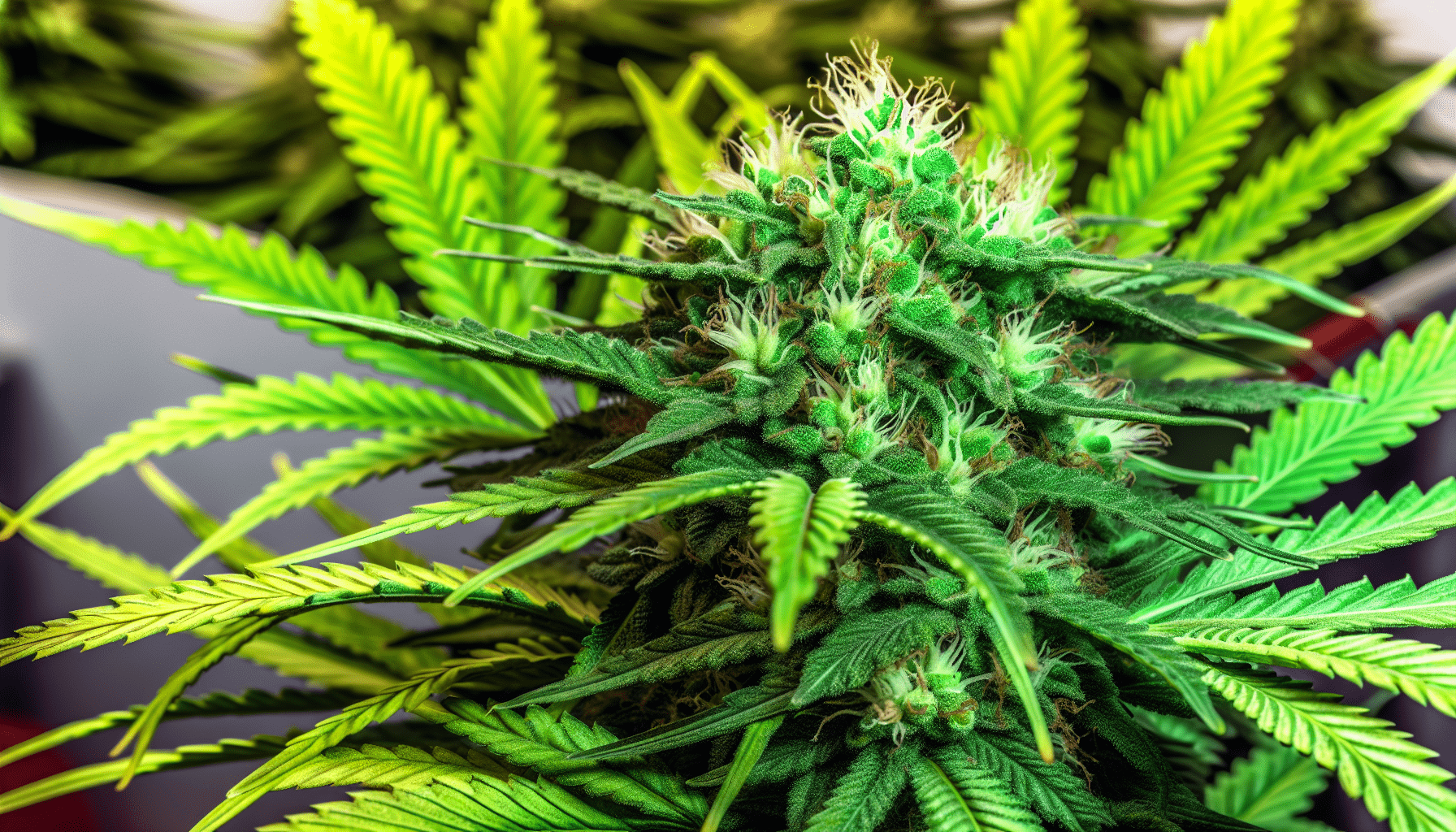
Terpenes are aromatic compounds produced in the trichomes of cannabis plants — the same resin glands that produce THC and CBD. They evolved primarily as a defence mechanism: repelling predators, resisting pathogens, and attracting pollinators. The same compounds that make a plant smell distinctive to insects and animals create the flavour and aroma profiles that growers and consumers recognise in individual strains.
Cannabis produces over 150 known terpenes, though most strains are dominated by a handful. These dominant terpenes — typically two or three — define the strain’s aroma profile and, in combination with its cannabinoid content, shape the character of the effect. This is why looking at a strain’s terpene profile alongside its THC percentage gives you far more information about what it will actually produce than THC percentage alone.
Jason: The first thing I do when evaluating a strain is smell it. Not look at the THC number — smell it. A heavy myrcene profile has a characteristic earthy, musky note that tells me it’s going to be sedative and body-heavy regardless of whether it’s labelled indica or sativa. A sharp citrus note means limonene dominance and a more uplifting effect. The nose is a faster guide to what the strain does than any spec sheet.
The Major Cannabis Terpenes — What They Are and What They Do
Myrcene
Myrcene is the most abundant terpene in most commercially available cannabis strains and is responsible for the earthy, musky, slightly fruity aroma characteristic of indica-dominant genetics. It has sedative properties and — critically — facilitates THC crossing the blood-brain barrier, which is why myrcene-dominant strains tend to produce a heavier, faster-onset effect than their THC percentage alone would suggest. If a strain makes you sink into the couch, myrcene is almost certainly the dominant terpene. High in Godfather OG, Northern Lights, most Kush-lineage genetics, and the majority of indica-dominant hybrids.
Caryophyllene
Caryophyllene is the only terpene known to directly activate cannabinoid receptors — specifically CB2 receptors, which are concentrated in the immune system and peripheral tissues and are involved in inflammation and pain response. This makes it unique among terpenes: it functions partly as a cannabinoid. Strains dominant in caryophyllene tend to produce a physically relaxing effect with notable anti-inflammatory depth, without the heavy sedation of myrcene dominance. The aroma is spicy, peppery, and woody. Dominant in Gorilla Glue #4, Girl Scout Cookies, Permanent Marker, and Zkittlez.
Limonene
Limonene produces the sharp citrus aroma — lemon, orange, lime — found in many Haze genetics and sativa-dominant strains. It’s associated with mood elevation, stress reduction, and anxiolytic effects, which is why limonene-dominant strains produce the uplifting, clear-headed experience that gets attributed to “sativa” genetics. The effect distinction between a limonene-dominant and myrcene-dominant strain can be as significant as the distinction between two strains with 5% THC difference. Dominant in Amnesia Haze, Super Lemon Haze, and citrus-forward Haze crosses.
Pinene
Pinene — the dominant terpene in pine trees — produces a sharp, clean pine aroma and has a counterintuitive effect on the cannabis experience: it’s a bronchodilator and has been found to improve alertness and short-term memory retention. This matters because high THC causes temporary memory impairment through CB1 receptor activation, and pinene partially offsets this. Strains with significant pinene content alongside high THC tend to produce a more functional, clear-headed effect than strains where myrcene dominates at the same THC level. Common in Jack Herer, Blue Dream, and many landrace sativa genetics.
Linalool
Linalool is the terpene that gives lavender its characteristic aroma and is found in cannabis strains with floral, slightly spicy notes. It has calming, anxiolytic properties and is found in strains that produce a gentle, relaxed effect without strong sedation. Useful for growers whose primary use case is anxiety management — linalool-dominant strains tend to reduce THC-induced anxiety rather than amplify it. Common in some Kush crosses and strains with Afghan landrace in the lineage.
Humulene
Humulene produces an earthy, woody, slightly hoppy aroma — it’s the same terpene found in hops. It has anti-inflammatory properties and, notably, is an appetite suppressant, which explains why some high-THC strains don’t produce the strong munchies effect associated with cannabis generally. Significant in Gelato, some OG genetics, and strains with a more complex earthy-floral aroma profile.
Terpinolene
Terpinolene has a complex, multi-layered aroma — floral, herbal, pine, and citrus simultaneously — and produces an uplifting, mildly sedative effect that’s distinct from either the heavy myrcene body effect or the clean limonene lift. It’s less common as a dominant terpene but characteristic of Jack Herer and some Haze genetics. Strains where terpinolene dominates tend to be the most aromatically complex.

The Entourage Effect — Why Whole-Plant Matters
The entourage effect is the hypothesis — supported by a growing body of research — that cannabinoids and terpenes produce different effects in combination than they do in isolation. Isolated THC and whole-plant cannabis with the same THC content produce measurably different experiences, and the difference is attributed primarily to the terpene profile modifying the cannabinoid activity.
The mechanism is partly understood. Myrcene facilitates THC uptake. Caryophyllene activates CB2 receptors independently. Pinene inhibits the enzyme that breaks down acetylcholine, partially counteracting THC’s short-term memory effects. Limonene interacts with serotonin and dopamine receptors. These are not vague synergies — they’re specific biochemical interactions.
The practical implication for growers is that preserving the terpene profile of a strain matters as much as the THC percentage. A high-THC strain that’s been grown too hot, harvested early, or dried and cured poorly will have degraded terpenes — and the effect will be flatter and less nuanced than the genetics are capable of producing. The terpene profile you’re targeting is only achieved if the grow, harvest, and cure support it.
Jason: I’ve grown the same strain twice — once in a hot summer run where temperatures in flower pushed above 28°C, and once in autumn with cool nights and controlled conditions. Same genetics, same inputs, wildly different terpene expression in the final product. The hot run was potent but flat. The autumn run had the full flavour profile the genetics are capable of. Temperature in late flower is the single biggest environmental variable for terpene expression.
Terpene Profiles of Key Strains
The following profiles are for the strains we stock. Dominant terpenes are listed first — these drive the primary effect character. Secondary terpenes add depth and complexity to both the aroma and the experience.
Northern Lights — Myrcene dominant, with caryophyllene and pinene. The myrcene dominance drives the classic indica body effect — heavy, relaxing, sedative. The pinene adds a clean pine note to the earthy baseline aroma. A straightforward terpene profile that does exactly what it says.
Gorilla Glue #4 — Caryophyllene dominant, with limonene and myrcene. The caryophyllene drives a deep physical effect with anti-inflammatory depth. The limonene adds an uplifting quality that prevents the heavy sedation of pure myrcene dominance — GG4 is physically potent but more functional than a pure indica. The aroma is sour diesel with earthy and spicy notes.
Amnesia Haze — Limonene and pinene dominant, with caryophyllene. The limonene/pinene combination produces the sharp citrus aroma and the clean, energetic, cerebral effect that makes Amnesia Haze distinctive. It’s the clearest example in our range of what a limonene-dominant terpene profile does — uplifting, functional, and sustained. Jess’s pick precisely because of this profile.
White Widow — Myrcene, pinene, and caryophyllene. A balanced profile that produces the characteristic White Widow effect — an initial cerebral lift from the pinene, settling into a comfortable physical ease driven by myrcene. The combination makes it more versatile than either pure indica or pure sativa genetics.
Jack Herer — Terpinolene dominant, with caryophyllene and myrcene. Terpinolene dominance gives Jack Herer its complex, multi-layered aroma — floral, herbal, pine, and spice simultaneously. The effect is uplifting and creative without being anxious. One of the more distinctive terpene profiles in the range.
Zkittlez — Caryophyllene, humulene, and linalool. A fruity-sweet aroma profile underpinned by the earthy caryophyllene and humulene base. The linalool contributes the calming quality — Zkittlez produces a relaxed, comfortable effect without the heavy sedation of myrcene-dominant strains. The humulene also means it’s one of the less munchie-inducing strains despite solid THC content.
How to Maximise Terpene Expression in Your Grow
Terpenes are volatile compounds — they evaporate readily at elevated temperatures and degrade with light exposure, oxygen, and rough handling. The genetics set the ceiling for what a strain can produce. The grow, harvest, and cure determine how close you get to that ceiling.
Temperature in late flower is the most significant controllable variable. Terpene evaporation accelerates above 26°C, and the loss is permanent — terpenes that evaporate from buds don’t come back. Keeping the grow space below 24°C in the final two to three weeks of flower, with cool nights where possible, preserves the terpene profile and is visible in the final product. Outdoor growers in Australia who harvest in autumn — when nights cool down — consistently get better terpene expression than those harvesting in the heat of summer.
Low-stress training and adequate light penetration improve terpene density by ensuring more bud sites receive direct light, which drives trichome and terpene production. UV exposure in particular has been shown to increase trichome density — outdoor grows in high UV environments often produce more aromatic material than indoor runs, provided temperature is managed.
Flushing in the final week to ten days, a slow dry at 15–18°C and 55–60% RH, and a proper cure of four to six weeks minimum all contribute to the final terpene expression. Terpenes continue to develop in the jar during the cure — material that smells decent at harvest often smells significantly better after six weeks of proper curing. Rushing this process is the most common way to undermine an otherwise good grow.
Looking for a strain with a specific terpene profile?
Answer six questions and Jess will match you to three strains based on your setup, experience, and goals.
Cannabis Terpenes — Frequently Asked Questions
What are terpenes in cannabis?
Terpenes are aromatic compounds produced in the trichomes of cannabis plants — the same resin glands that produce THC and CBD. They determine a strain’s aroma and flavour profile and, in combination with cannabinoids, shape the character of the effect. Over 150 terpenes have been identified in cannabis, though most strains are dominated by two or three.
Do terpenes affect how cannabis makes you feel?
Yes — and more significantly than most growers realise. Terpenes interact with cannabinoid receptors, neurotransmitters, and other biological pathways. Myrcene facilitates THC uptake and has sedative properties. Caryophyllene activates CB2 receptors directly. Limonene interacts with serotonin receptors. Pinene counteracts THC-induced short-term memory impairment. The terpene profile is a more accurate predictor of a strain’s effect character than its THC percentage.
What is the entourage effect?
The entourage effect is the hypothesis that cannabinoids and terpenes produce different — generally more nuanced and therapeutically effective — effects in combination than in isolation. Whole-plant cannabis with a complex terpene profile produces a different experience to isolated THC at the same dose. The specific mechanisms include terpenes modifying cannabinoid receptor activity, facilitating cannabinoid uptake, and producing their own independent biological effects.
Which terpene is best for sleep?
Myrcene is the most directly sedative terpene and the strongest choice for sleep. It facilitates THC crossing the blood-brain barrier, amplifying the sedative effect. Linalool also has calming properties and reduces anxiety that might otherwise interfere with sleep. Strains with high myrcene and linalool — most Kush-lineage genetics and heavy indica-dominant strains — consistently outperform other types for sleep use.
Which terpene is responsible for the citrus smell in cannabis?
Limonene. It’s the same terpene that gives lemons, limes, and oranges their characteristic scent. In cannabis it’s associated with uplifting, mood-elevating effects and reduced anxiety — strains with limonene dominance tend to produce the clear, energetic “sativa” experience. Amnesia Haze is the most pronounced example in our range.
How do I preserve terpenes during growing and curing?
Keep temperatures below 24°C in late flower — terpenes are volatile and evaporate at elevated temperatures. Dry slowly at 15–18°C and 55–60% RH for 10–14 days. Cure in sealed glass jars at 60–65% RH for a minimum of four weeks, burping daily for the first two weeks. The terpene profile continues to develop during the cure — material that’s decent at harvest is often significantly better after six weeks properly jarred.
What is the most common terpene in cannabis?
Myrcene is the most abundant terpene in most commercially available cannabis strains. It’s responsible for the earthy, musky baseline aroma characteristic of indica-dominant genetics and is the primary driver of the sedative body effect associated with that type.
Related Reading
Indica-dominant cannabis seeds — myrcene and caryophyllene-dominant genetics for body effect and sedation.
Sativa-dominant cannabis seeds — limonene and pinene-dominant genetics for uplifting, cerebral effects.
High-THC cannabis seeds — where THC ceiling and terpene profile combine for maximum effect.
Full strain selection guide — Jason’s complete breakdown of the Sacred Seeds lineup by genetics, effect, and growing characteristics.
Seeds are sold strictly as novelty collector’s items. They contain no THC or CBD. This page does not constitute medical or legal advice. By purchasing you agree to our terms and conditions. Always check local laws before germinating or cultivating cannabis.