Can cannabis improve your sleep?
The short answer is YES. But it’s worth digging deeper.
This guide examines the effects of THC and CBD on sleep, the efficacy of different strains, consumption methods, and the best strains for the night. Whether you’re curious about how cannabis sleep aids might benefit you or cautious of potential risks, you’ll find the insights you need.
Key Takeaways
-
Cannabis contains cannabinoids like THC and CBD, which can affect sleep by interacting with the body’s endocannabinoid system, potentially altering sleep architecture and influencing disorders such as insomnia, sleep apnea, and restless legs syndrome.
-
Different methods of cannabis consumption (smoking, vaporizing, edibles, and tinctures) have varying onset times and effects on sleep, while strain types (indica, sativa, hybrid) are also significant in determining the impact on sleep quality.
-
While some individuals have reported improved sleep quality when using cannabis as a sleep aid, concerns remain about potential dependency, disruption of normal sleep patterns, and negative interactions with other medications, highlighting the need for more comprehensive research and personalized approaches.
Understanding Sleep Disorders and the Need for Aid
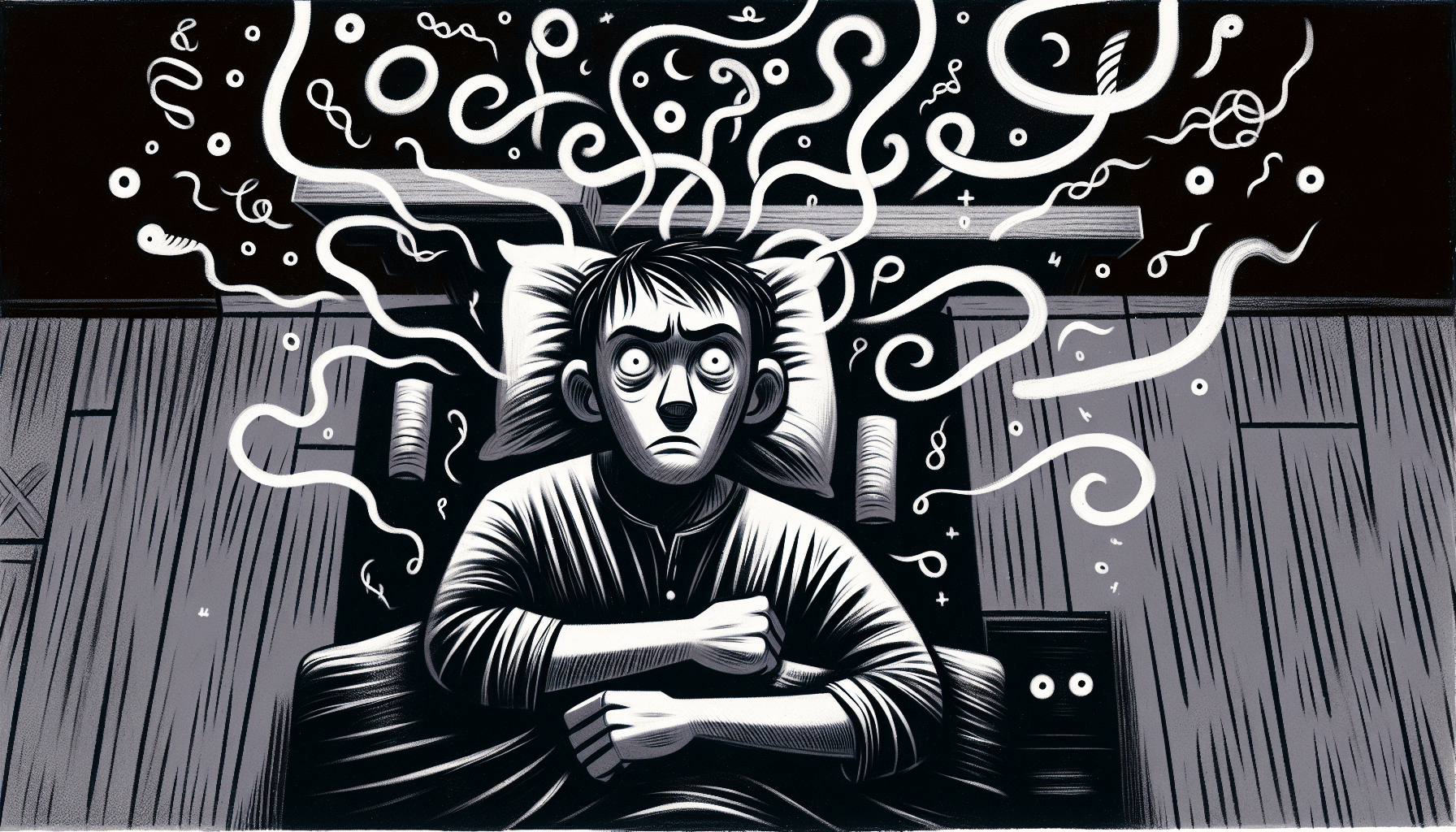
Sleep disorders are a widespread issue that affects millions of people worldwide. In America alone, more than 50 million people suffer from chronic sleep disorders, with similar prevalence rates reported in other parts of the world. Sleep-wake disorders can be associated with medical conditions or other mental health issues, such as depression and anxiety.
With such staggering numbers, it’s clear that effective sleep aids are needed to improve mental and physical health by enhancing the quality of sleep and overall well-being.
Insomnia
Insomnia, a prevalent sleep disorder, is characterized by:
-
Difficulty falling or staying asleep
-
These sleep issues occur at least three nights a week for no less than three months
-
Significantly impacting the quality of life.
With chronic pain and posttraumatic stress disorder often exacerbating poor sleep and chronic insomnia, finding effective sleep medicine, sleep aids, and pain relief is crucial.
Obstructive Sleep Apnea
Obstructive sleep apnea is a sleep disorder characterized by repeated interruptions in breathing during sleep, leading to excessive daytime sleepiness. This disorder is more frequently diagnosed in men, older adults, and certain racial and ethnic groups, highlighting the need for effective sleep aids tailored to these demographics.
Restless Legs Syndrome
Restless Legs Syndrome, recognized as a sleep-wake disorder, can disrupt sleep and impact overall well-being. An effective sleep aid could significantly less insomnia medications improve the quality of life for individuals affected by this disorder.
The Science Behind Cannabis and Sleep

Unveiling the science behind how cannabis affects us and sleep brings us to THC and CBD, the main components of the cannabis plant that influence sleep. THC typically acts as a sedative, while CBD can influence alertness or sleepiness depending on the dosage. These cannabinoids promote sleep by binding to cannabinoid receptors, increasing adenosine levels. This process can suppress the brain’s arousal systems, potentially enhancing the duration of NREM sleep while reducing the amount of REM sleep.
Interestingly, the method of cannabis consumption can influence the effectiveness of THC as a sleep aid. This is due to the differing rates of bioavailability; for instance, inhaled THC has a higher bioavailability compared to orally ingested forms found in edibles. This leads us to the exploration of cannabis consumption methods and their impact on sleep.
THC and Sleep
THC, one of the cannabinoids in the cannabis plant, has a significant impact on sleep. It interacts with cannabinoid receptors, leading to increased levels of the sleep-promoting chemical adenosine and suppressing the brain’s arousal systems. These interactions can impact sleep architecture, potentially lengthening the duration of NREM sleep and reducing time in REM sleep.
However, the effectiveness of THC on sleep is influenced by the method of consumption. For instance, vaporizing cannabis with low doses of THC increases non-REM sleep during the light phase, although these effects may only last for the first hour after consumption. Furthermore, vaporizing cannabis can cause reductions in the power of high-frequency brain waves during wakefulness and REM sleep, suggesting subtle impacts on cognitive processing.
CBD and Sleep
The other key component of the cannabis plant, CBD, holds varying effects on sleep depending on the dosage. Here are some key points to note about CBD and sleep:
-
At lower doses, CBD may increase alertness
-
At higher doses, CBD has the potential to promote sleep
-
CBD can be beneficial in reducing symptoms of REM sleep behavior disorder
-
CBD may help alleviate daytime sleepiness
Understanding how these cannabis components interact with other sleep disorders is crucial, but it’s equally important to recognize the impact of different methods of cannabis consumption on sleep.
Cannabis Consumption Methods and Their Impact on Sleep

Distinct methods of cannabis consumption can result in varying effects on sleep. Smoking or vaporizing cannabis typically leads to quicker onset of sleep due to faster absorption and immediate effects. On the other hand, cannabis edibles take longer to induce sleep due to delayed absorption through the digestive system.
Despite the time differences in onset, both methods can significantly impact sleep quality, with some users reporting more restful sleep while others experience disturbances.
Smoking and Vaporizing
Smoking and vaporizing cannabis provide rapid effects due to the high bioavailability of inhaled cannabis. A significant proportion of the THC content is absorbed into the bloodstream, resulting in faster sleep onset. The effects of THC from inhaled cannabis typically peak around 10 minutes post-inhalation, illustrating the method’s rapid onset of action.
This quick absorption allows individuals to fall asleep faster, potentially improving good night’s sleep quality.
Edibles and Tinctures
In contrast to smoking and vaporizing, edibles and tinctures have a slower onset due to the digestive processes involved. When cannabis is ingested as edibles, only 4% to 20% of THC is absorbed, resulting in lower bioavailability compared to smoked cannabis. This high variability in how edibles can affect sleep is due to differences in individual digestive system processing and the bioavailability of THC.
Despite their slower onset, edibles and tinctures can lead to longer sleep duration compared to inhalation methods.
Strains Matter: How Different Types of Cannabis Affect Sleep

Beyond the components and consumption methods, the type of cannabis strain also plays a crucial role in affecting sleep. The main terms used when discussing cannabis strains for sleep are indica, sativa, and hybrid, each associated with distinct effects on sleep.
Indica Strains
Indica strains are commonly associated with a calming effect, which can contribute to relaxation and potentially improve sleep quality. Due to their sedative effect, indica strains are often preferred for pain management and inducing sleepiness in individuals seeking natural sleep aids. However, the effects can vary significantly among individuals, underscoring the need for personalized approaches to using cannabis as a sleep aid.
Sativa Strains
Sativa strains, on the other hand, are known for their ‘head high’ effects, characterized by uplifting and euphoric feelings that can enhance creativity and energy. Due to their high THC content, sativa strains can disrupt sleep patterns and inhibit deep sleep. Some cannabis users may experience an increase in anxiety and paranoia with sativa strains, further interfering with sleep.
However, certain sativa strains with specific terpenes or minor cannabinoids may still provide some sleep aid benefits, particularly for individuals without anxiety.
Hybrid Strains
Hybrid strains, as the name suggests, offer a mix of indica and sativa traits, aiming to provide a balance between the effects of both. These strains are bred to achieve specific effects that may be physical, cerebral, or a combination of both. Users report that hybrid strains can provide a balance of sedative and uplifting effects, beneficial for sleep. Some popular hybrid strains include:
1: Zkittles
2: Gorrilla Glue
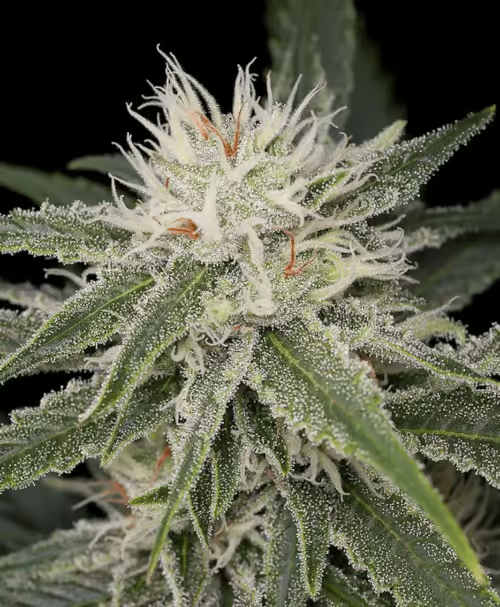
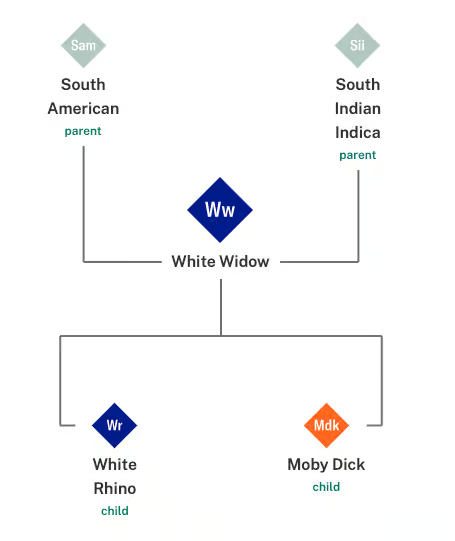
3: Auto White Widow
4: Northern Lights
However, the effects on sleep can vary widely depending on the dominant strain traits and the individual’s response. Some hybrid strains are reported to help with sleep due to their ability to induce relaxation without excessive drowsiness.
Potential Benefits of Cannabis as a Sleep Aid
Cannabis, particularly THC, can provide significant benefits as a sleep aid. It has sedative effects that can expedite sleep onset and increase sleep quality, benefiting those with chronic pain, PTSD, and multiple sclerosis. THC has been shown to reduce the time spent in REM sleep, which can be particularly advantageous for PTSD patients by decreasing the frequency of nightmares.
In a study at Hybrid Pharm, 39% of patients with sleep disorders who used medical cannabis were able to decrease or stop using their prescription sleep medications. Additionally, 71% of the patients studied reported subjective improvements in sleep quality after initiating medical cannabis use. These findings underscore the potential benefits of cannabis as a sleep aid.
Drawbacks and Risks of Using Cannabis for Sleep
While cannabis can provide notable benefits for sleep, it’s crucial to acknowledge the potential drawbacks and risks associated with its use. If taken in high doses at night, THC may lead to drowsiness and impaired memory the next day. It is important to be mindful of the potential effects when consuming THC in high amounts in the evening. Regular users of cannabis typically report more sleep disturbances, and a significant percentage of adults experience difficulty sleeping during attempts to discontinue cannabis use, which can contribute to dependency.
Furthermore, the effects of cannabis on sleep patterns have been studied extensively. Frequent, long-term use may result in less overall sleep, diminished time in deep sleep, longer sleep onset, and more frequent awakenings. Withdrawal from cannabis can lead to anxiety, restlessness, tremor, and significant insomnia, with disturbed sleep and vivid dreams persisting for weeks, often worsening anxiety, mood, and contributing to suicidal ideation.
Interactions with Other Medications and Treatments
Cannabis can interact with a variety of medications, leading to potentially dangerous side effects. These include interactions with:
-
Sedatives
-
Anti-anxiety medications
-
Antidepressants
-
Pain medications
-
Anticonvulsants
-
Anticoagulants
Pharmacists, particularly those in San Diego, are actively involved in educating the public on the risks of combining cannabis with prescription medications and are committed to supporting patients with cannabis-based therapy management.
Moreover, substances and medications that may interact negatively with medical cannabis include:
-
Benzodiazepines
-
Certain antidepressants
-
Opioids
-
Antipsychotics
-
Some antihistamines
-
St. John’s wort
-
Kava
Furthermore, CBD in medical cannabis may inhibit the hepatic enzyme CYP2C19, resulting in delayed breakdown and potential adverse effects of various other medications metabolized by this enzyme.
Alternative Therapies and Approaches to Improve Sleep
While cannabis can serve as an effective sleep aid for some, it’s important to consider alternative therapies for those who may not want to use cannabis or those for whom cannabis may not be effective. These alternatives can include meditation and mindfulness, which can improve sleep by reducing muscle tension and quieting the mind while enhancing melatonin levels.
Regular low-to-moderate intensity exercise, including activities like tai chi and yoga, can also enhance sleep quality. Acupuncture, a practice from traditional Chinese medicine, may improve sleep quality. Sleep hypnosis by a health professional can lead to behavioral changes conducive to better sleep. Herbal remedies like valerian root and chamomile have been traditionally used for treating insomnia, though their efficacy requires more evidence.
Light therapy and consistent exercise regimes are nonpharmacological approaches with efficacy in managing insomnia.
Clinical Research and Future Developments in Cannabis Sleep Aids
Current research on cannabis for sleep is limited, with promising initial results but a need for larger and longer-term clinical trials to establish its efficacy and safety. To date, there is only one randomized controlled trial conducted on healthy patients with insomnia, contributing to the dearth of strong evidence for cannabinoid use as sleep aids. A comprehensive review aimed at updating the current literature found little convincing evidence for significant improvements in sleep disorders with cannabis products.
Despite the limited data, the potential of cannabis products for treating conditions such as sleep apnea has been recognized, alongside calls for larger and longer-term trials to adequately evaluate these effects. As such, the future of cannabis as a sleep aid holds promise, but also requires rigorous scientific investigation to ensure its safety and efficacy.
Summary
Cannabis holds potential as a sleep aid, with THC and CBD playing key roles in influencing sleep. Various consumption methods and cannabis strains can impact sleep onset, duration, and quality. While there are potential benefits, it’s crucial to consider the drawbacks, potential dependency, and interactions with other medications. Alternative therapies offer additional options for improving sleep. While current research shows promise, more comprehensive studies are needed to fully understand the efficacy and safety of cannabis as a sleep aid.
Frequently Asked Questions
What type of cannabis is best for sleep?
For better sleep, it’s best to use indica cannabis, which is known for its calming effects and ability to promote relaxation and sleep. Sativa, on the other hand, is more stimulating and often used for an energy boost.
What is the effect of THC on sleep?
THC can promote sleep by increasing adenosine levels and altering sleep stages, potentially increasing NREM sleep and reducing REM sleep
What are the potential benefits of cannabis as a sleep aid?
Cannabis, especially THC, can offer significant benefits as a sleep aid by promoting sleep onset and improving sleep quality, which can be particularly helpful for individuals with chronic pain, PTSD, or multiple sclerosis.
What are the potential drawbacks and risks of using cannabis for sleep?
Using cannabis for sleep may lead to drowsiness and impaired memory the next day due to high THC doses. Additionally, regular use of cannabis can result in more sleep disturbances and difficulty sleeping when trying to stop, potentially leading to dependency.