Black Domina Seeds: Australia’s Ultimate Indica Powerhouse

Black Domina Seeds: Australia’s Ultimate Indica Powerhouse

Most people think they know heavy indica strains until they encounter Black Domina. This isn’t your garden-variety couch-lock cannabis—it’s a genetic masterpiece that redefined what potent indica effects could be. Developed by the legendary Sensi Seeds in the 1990s, Black Domina seedsrepresent four decades of selective breeding compressed into one devastatingly effective strain.
 

 I’ve been around cannabis for over two decades, and Black Domina still commands respect. The name alone hints at its dominance—this strain doesn’t just relax you, it takes complete control. For Australian cannabis enthusiasts seeking serious indica genetics with reliable performance and knockout effects, Black Domina cannabis delivers everything you could want from premium genetics.

This guide covers everything from its complex four-way genetic heritage to understanding its effects and medical applications. Whether you’re dealing with chronic pain, insomnia, or simply want to experience what a properly bred indica can achieve, understanding Black Domina strain will change how you think about cannabis potency.

The Dark Genetics: How Black Domina Came to Rule

Black Domina seeds emerged from Sensi Seeds’ obsession with creating the ultimate indica experience. Rather than settling for simple crosses, they undertook something ambitious—combining four legendary indica genetics into a single, devastating strain.

The genetic foundation includes:

  • Northern Lights providing the backbone of resin production and stability
  • Ortega contributing intense physical effects and fast flowering
  • Hash Plant adding that distinctive hashy aroma and heavy stone
  • SA (South African indica) bringing unexpected vigor and unique terpene expressions

This 95% indica, 5% sativa combination creates something special. The tiny sativa influence prevents the complete catatonia that pure indicas sometimes deliver, leaving just enough mental awareness to appreciate the journey.
Why Sensi Seeds Called It “Black Domina”

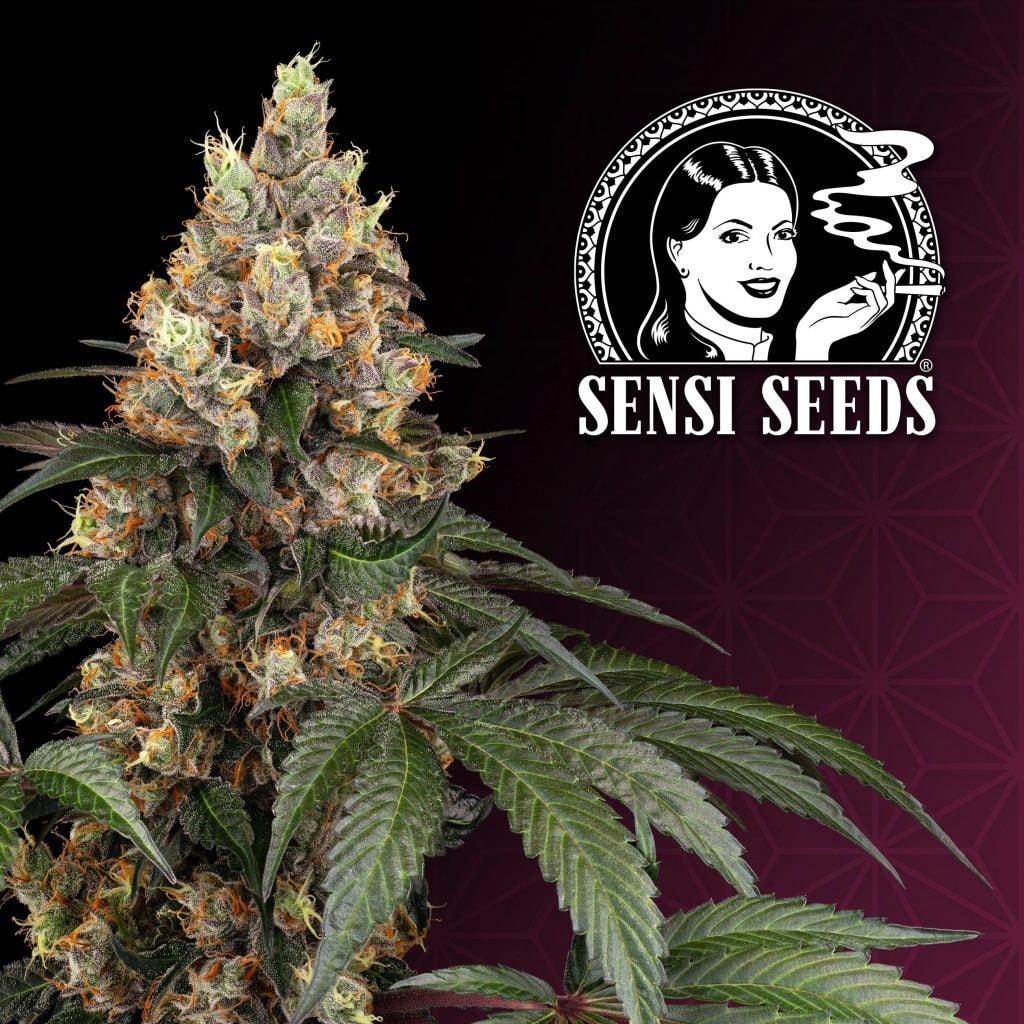
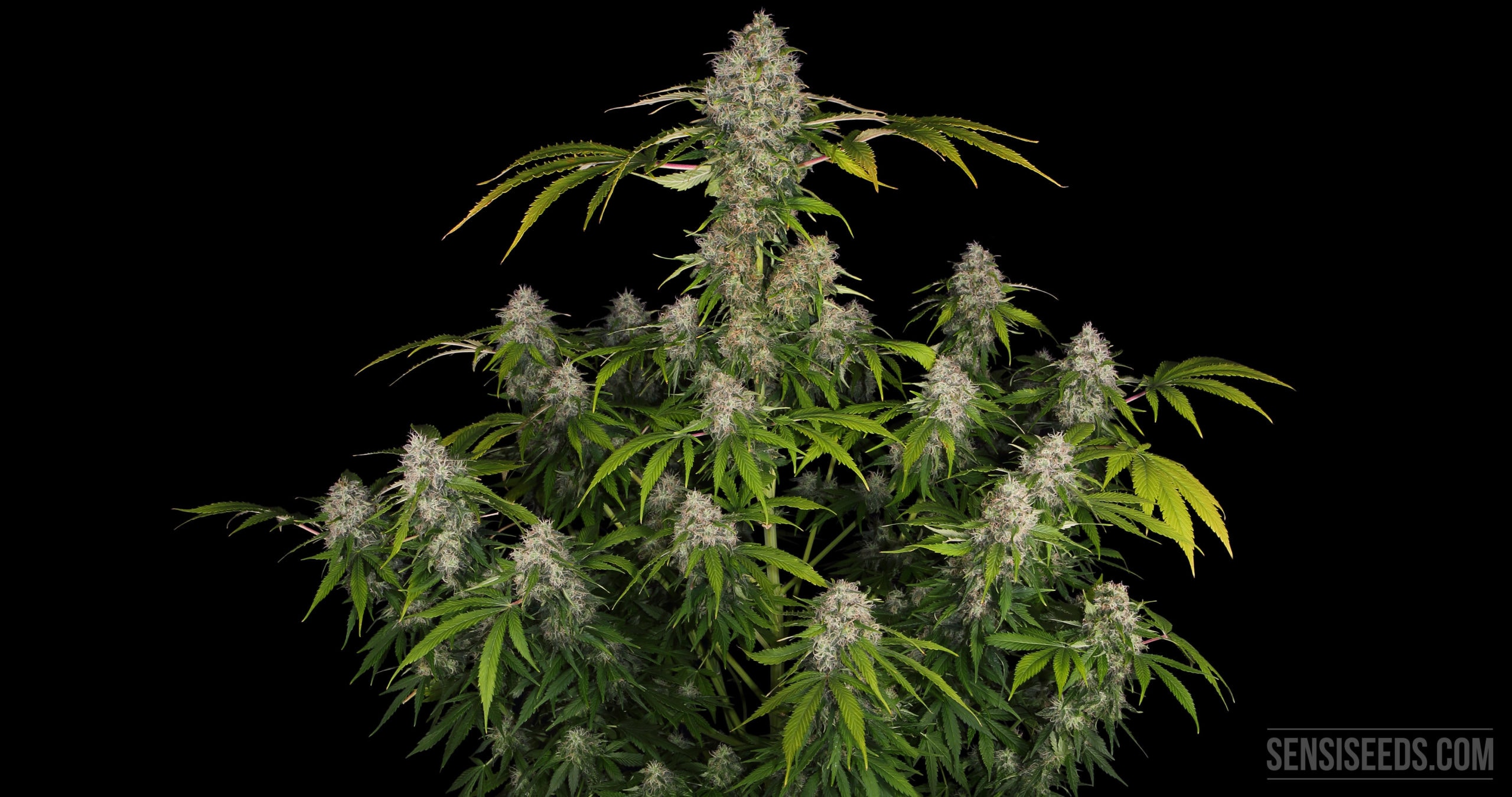
The name reflects both the strain’s appearance and effects. Properly cultivated Black Domina cannabis develops deep purple-black hues that justify the name. The “Domina” part speaks to its commanding presence—this strain doesn’t negotiate with your tolerance or plans for the evening.

Sensi Seeds knew they’d created something extraordinary when early test grows consistently produced thick, resinous buds with effects that impressed even Amsterdam’s most jaded coffee shop patrons. The strain quickly earned recognition at cannabis competitions throughout the 1990s, establishing its reputation as serious medicine for serious conditions.


Black Domina’s Chemical Signature: Understanding the Power

Black Domina strain produces a cannabinoid profile that explains its legendary effects:

THC Content: 20-25% (some phenotypes pushing 28%) CBD Levels: 0.5-1.2% (higher than many modern indicas) CBN Content: 1.5-3% (contributing to sedative effects) CBG Presence: 0.8-1.5% (adding to the body stone)

The elevated CBN levels set Black Domina cannabis apart from other potent indicas. CBN forms when THC degrades, creating the drowsy, sedative effects that make this strain legendary for sleep disorders. Many commercial indica strains lack significant CBN, but Black Domina’s genetics naturally produce higher levels.

The Terpene Arsenal

Black Domina seeds produce plants rich in sedating terpenes:

Primary Terpenes:

  • Myrcene (40-55%): Creates the heavy body effects and enhances THC uptake
  • Caryophyllene (15-25%): Provides spicy aromatics and anti-inflammatory effects
  • Limonene (8-15%): Adds subtle citrus notes and mood elevation
  • Linalool (5-12%): Contributes lavender undertones and anxiolytic properties

The high myrcene content explains why Black Domina strain hits so hard. Myrcene acts as a potentiator, helping THC cross the blood-brain barrier more efficiently. Combined with the strain’s naturally high cannabinoid levels, this creates effects that feel disproportionate to the THC percentage alone.

Aroma Profile: Breaking apart quality Black Domina releases waves of earthy hash, followed by spicy pepper notes and subtle sweet undertones. The smell is unmistakably indica—deep, musky, and rich with the kind of complexity that only comes from proper genetic selection.

 

The Black Domina Experience: What to Expect

Black Domina strain effects unfold in predictable stages, making it reliable medicine for those who need consistent results.

The Onset (15-30 minutes)

Effects begin with subtle warmth spreading through the chest and shoulders. Unlike racy sativas that hit like a freight train, Black Domina cannabis announces itself gently. You’ll notice increased appetite and a growing sense of physical comfort.

The mental effects start as mild euphoria—not the giggly, social kind, but a deep contentment that makes everything feel manageable. Stress dissolves without dramatic mental shifts. Anxiety fades into distant memory.

Peak Effects (30 minutes – 2 hours)

The full Black Domina strain experience reveals itself during peak effects. Your body feels like it’s sinking into whatever surface you’re on, but in the most pleasant way possible. Muscle tension disappears completely. Physical discomfort becomes irrelevant.

Mentally, you remain present but deeply relaxed. Thoughts slow to a comfortable pace. The racing mental chatter that defines modern life simply stops. This makes Black Domina cannabis ideal for meditation, gentle creative work, or intimate conversations.

The Comedown (2-4 hours)

Rather than dropping off a cliff, Black Domina seeds produce effects that gradually fade into natural sleepiness. Many users report the best sleep of their lives after sessions with this strain. The transition feels organic rather than forced.

Medical Applications: Where Black Domina Excels

This is not medical advice. Anecdotally speaking, Medical cannabis patients consistently report success with Black Domina strain for specific conditions:

Sleep Disorders

The combination of THC, CBN, and myrcene creates ideal conditions for natural sleep induction. Unlike pharmaceutical sleep aids, Black Domina cannabis doesn’t leave you groggy the next morning. Many patients find they sleep more deeply and wake more refreshed.

Chronic Pain Management

The strain’s high cannabinoid content and anti-inflammatory terpenes provide significant pain relief. Black Domina seeds produce medicine particularly effective for arthritis, fibromyalgia, and injury-related pain. The effects last long enough for meaningful relief without constant redosing.

Severe Anxiety and PTSD

For anxiety so severe that lighter strains prove inadequate, Black Domina strain offers deep calm without mental confusion. Veterans and trauma survivors often find its grounding effects help process difficult emotions safely.

Appetite Stimulation

Cancer patients undergoing chemotherapy report that Black Domina cannabis not only stimulates appetite but makes food taste better. The strain counters nausea while encouraging proper nutrition during treatment.

Muscle Spasms and Seizures

The strain’s muscle-relaxing properties extend to neurological conditions. Some epilepsy patients find Black Domina seeds produce cannabis that reduces seizure frequency, though individual responses vary significantly.

Black Domina Seed Variations: Understanding Your Options

Black Domina seeds express remarkable consistency compared to many polyhybrid strains, but subtle phenotype variations exist.

Phenotype Expressions

Hash Plant-Dominant Phenotype: Emphasizes the hashy, spicy aromatics with intense resin production. These plants produce the most distinctive indica character with traditional bag appeal.

Northern Lights-Influenced Phenotype: Shows cleaner, sweeter aromatics with balanced effects. Often displays improved stability and consistency across growing conditions.

Ortega Expression: Displays the deepest purple coloration with intense sedative effects. Often the most potent phenotype for medical applications requiring maximum relaxation.

South African Influence: Rare but special—shows unique terpene expressions and increased vigor while maintaining indica structure and effects.

Black Domina vs. Other Heavy Indicas

Having experienced most legendary indica strains over the years, I can definitively say Black Domina strain occupies unique territory in the cannabis world. Understanding how it compares to other heavy hitters helps appreciate what makes it special.

Black Domina vs. Northern Lights

Northern Lights provides cleaner, more predictable effects with beginner-friendly characteristics. Black Domina cannabis delivers more complex effects with greater sedative potential but demands more respect from users.

Northern Lights offers sweet, earthy aromatics that most people find pleasant. Black Domina seeds produce pungent, hashy scents that announce their presence across the room. If you want subtlety, choose Northern Lights. If you want character, Black Domina wins.

Effects comparison: Northern Lights provides gentle, manageable relaxation suitable for evening social situations. Black Domina strain delivers profound sedation better suited for solo consumption or intimate settings. Northern Lights says “let’s chill.” Black Domina says “time to surrender.”

Medical applications: Both work for sleep and pain, but Black Domina cannabis excels for severe conditions requiring maximum relief. Northern Lights handles mild to moderate symptoms, while Black Domina tackles the serious stuff.

Black Domina vs. Afghan Kush

Afghan Kush offers pure landrace genetics with straightforward effects and traditional hash-making potential. Black Domina seeds produce more complex aromatics and hybrid vigor despite similar indica dominance.

Genetic heritage: Afghan Kush represents single-origin genetics with thousands of years of natural selection. Black Domina strain combines multiple elite genetics through modern breeding techniques. Both approaches have merit, but they create different experiences.

Growing characteristics: Afghan Kush grows with landrace consistency but limited genetic diversity. Black Domina cannabis shows hybrid vigor with improved resin production and phenotype variation.

Choose Afghan Kush for: Traditional hash production, simple genetics, authentic landrace experience, cultural connection to cannabis history.

Choose Black Domina for: Modern medicine, complex effects, maximum potency, breeding projects requiring hybrid vigor.

Black Domina vs. Granddaddy Purple

Granddaddy Purple provides similar purple coloration with more accessible, social effects. Black Domina strain delivers deeper sedation with superior medical applications.

Visual appeal: Both strains produce stunning purple flowers, but through different mechanisms. GDP develops purple through specific phenotype expression, while Black Domina seeds create purple through environmental response and genetic predisposition.

Effects profile: Granddaddy Purple maintains enough mental clarity for conversation and light activities. Black Domina cannabis pushes users toward introspection and eventual sleep. GDP works for evening entertainment; Black Domina works for ending the day.

Medical comparison: GDP handles stress and mild pain effectively. Black Domina strain tackles severe insomnia, chronic pain, and anxiety disorders that require heavy intervention.

Black Domina vs. Master Kush

Master Kush offers balanced indica effects with social potential and manageable intensity. Black Domina cannabis provides more intense effects with greater therapeutic potential but less social flexibility.

Flavor profiles: Master Kush delivers classic earthy-sweet indica flavors that most people enjoy. Black Domina seeds produce more challenging hashy, spicy flavors that reward experienced palates.

Versatility: Master Kush works for various situations and tolerance levels. Black Domina strain excels in specific scenarios but might overwhelm casual users or inappropriate settings.

Cultural significance: Both strains represent important cannabis breeding achievements. Master Kush shows Dutch expertise with Hindu Kush genetics. Black Domina cannabis demonstrates complex multi-parent breeding success.

Black Domina vs. Bubba Kush

Bubba Kush provides popular commercial appeal with consistent, pleasant effects. Black Domina strain offers more intense experiences with superior medical potential.

Commercial success: Bubba Kush achieved mainstream popularity through accessible effects and appealing flavor. Black Domina seeds remained more specialized, appealing to serious medical users and indica connoisseurs.

Potency comparison: Both strains deliver significant effects, but Black Domina cannabis hits harder with more complex cannabinoid profiles. Bubba Kush provides reliable relaxation; Black Domina provides therapeutic intervention.

User recommendations: Choose Bubba Kush for recreational use, social consumption, and general relaxation. Choose Black Domina strain for medical applications, serious relaxation needs, and maximum potency requirements.
Understanding Black Domina’s Legacy

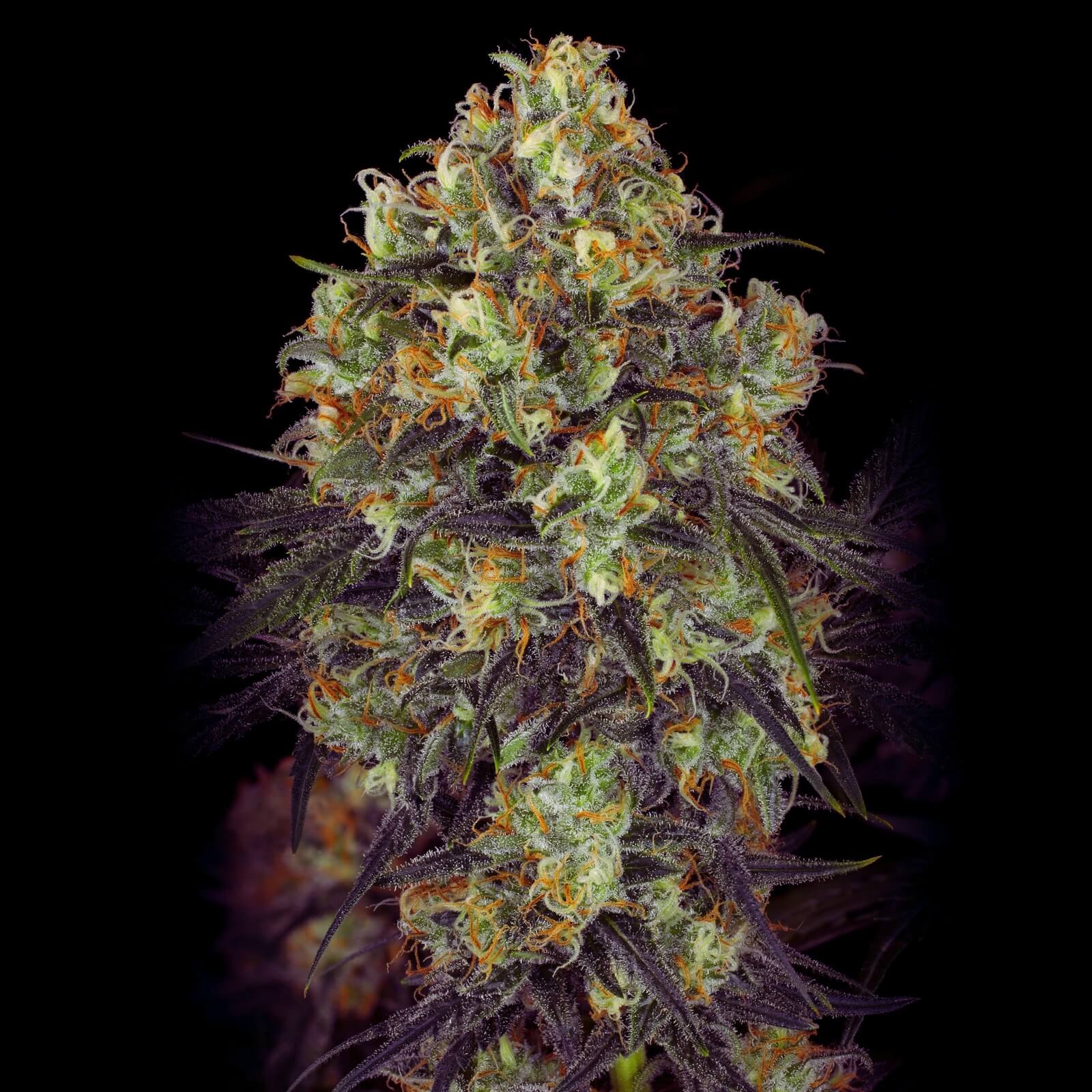
Black Domina strain represents a specific moment in cannabis breeding history—the 1990s intersection of landrace preservation with modern hybrid techniques. Understanding this context helps appreciate why the strain remains relevant decades later.

The Sensi Seeds Era

During the 1990s, Sensi Seeds led cannabis breeding innovation through systematic approach to genetic combination. Rather than random crossing, they analyzed specific traits from proven genetics and combined them purposefully.

Black Domina seeds emerged from this methodical breeding philosophy. Each parent strain contributed specific characteristics: Northern Lights provided stability and resin production, Ortega added intense effects and fast flowering, Hash Plant contributed distinctive aromatics and stone, while the South African genetics brought vigor and unique expressions.

This four-way approach required extensive testing and selection across multiple generations. Most breeders settled for simple F1 crosses, but Sensi Seeds stabilized Black Domina cannabis through careful backcrossing and phenotype selection.

Competition Success and Recognition

Black Domina strain earned recognition at major cannabis competitions throughout the late 1990s and early 2000s, most notably the 1st place award at the THC Cup in Valencia in 2011. These victories weren’t just marketing achievements—they represented validation from experienced judges comparing hundreds of entries.

The strain’s competition success came from delivering consistent, distinctive experiences that stood out from countless other indica varieties. Black Domina seeds produced cannabis that judges remembered and patients requested repeatedly.

Medical Cannabis Movement Impact

As medical cannabis programs developed across various jurisdictions, Black Domina cannabis found its niche among patients requiring serious therapeutic intervention. The strain’s high CBN content and complex effects profile made it valuable for conditions that lighter strains couldn’t address effectively.

Medical cannabis dispensaries consistently stocked Black Domina strain because patients specifically requested it for sleep disorders, chronic pain, and severe anxiety. This medical validation helped establish the strain’s reputation beyond recreational markets.

Breeding Influence on Modern Genetics

Contemporary cannabis breeders continue using Black Domina seeds in breeding projects, seeking to capture its distinctive effects and resin production in new combinations. The strain’s stable genetics and dominant traits make it valuable for adding indica characteristics to hybrid projects.

Modern “Cookies” and “Gelato” genetics might dominate current markets, but serious breeders appreciate Black Domina cannabis for foundational breeding work. The strain provides genetic stability and proven performance that trendy genetics often lack.

Preservation Efforts and Genetic Banking

Several organizations work to preserve authentic Black Domina strain genetics through seed banking and mother plant maintenance. These preservation efforts ensure future access to original genetics as commercial breeding moves toward high-THC, fast-flowering varieties.

Genetic preservation becomes increasingly important as cannabis legalization expands. Black Domina seeds represent breeding achievements that modern techniques might struggle to replicate without access to the original parent genetics.

Common Questions About Black Domina

Strain Characteristics and Effects

How potent is Black Domina compared to other indica strains? Black Domina cannabis ranks among the more potent indica varieties available. With THC levels of 20-25% and significant CBN content, the effects feel stronger than percentages suggest due to the complex terpene profile and cannabinoid synergy. The strain’s reputation for intensity comes from this entourage effect rather than just raw THC numbers.

Is Black Domina suitable for daytime use? Black Domina strain is primarily an evening and nighttime variety. The sedative effects make daytime use challenging for most people, though some medical patients use small amounts for anxiety or pain management during low-activity periods. The strain’s design promotes rest and relaxation rather than productivity.

How long do Black Domina effects typically last? Effects from Black Domina cannabis typically persist for 3-5 hours, with some sedative effects continuing for 6-8 hours. The comedown often transitions naturally into sleep, making it ideal for end-of-day consumption. Individual responses vary based on tolerance, consumption method, and amount used.

What makes Black Domina different from other heavy indicas? Black Domina seeds produce cannabis with a unique four-way genetic heritage that creates complex effects beyond simple sedation. The combination of high CBN content, specific terpene profile, and balanced cannabinoid ratios creates experiences that feel more complete than single-parent indica strains.

Medical Applications and Dosing

What medical conditions respond best to Black Domina? Black Domina strain excels for severe insomnia, chronic pain conditions, PTSD, severe anxiety disorders, muscle spasms, and appetite loss related to medical treatments. The strain’s high CBN content makes it particularly effective for sleep disorders that don’t respond to lighter cannabis varieties.

How should medical patients approach Black Domina dosing? Medical patients should start with very small amounts due to Black Domina cannabis potency. Begin with minimal inhalation or micro-dosing and wait 20-30 minutes before considering additional consumption. The strain’s effects build gradually but can become overwhelming quickly.

Can Black Domina help with opioid reduction? Many patients report success using Black Domina seeds to produce cannabis that helps reduce opioid dependence for pain management. The strain’s complex effects provide significant pain relief while addressing the anxiety and sleep issues that often accompany opioid withdrawal. Individual results vary significantly.

Is Black Domina suitable for elderly medical patients? Black Domina strain can benefit elderly patients dealing with sleep disorders, chronic pain, and appetite issues, but the potency requires careful attention to dosing. Start with extremely small amounts and monitor responses carefully. Some elderly patients prefer lighter strains for initial cannabis experiences.
Genetics and Breeding

Are there autoflowering versions of Black Domina? Pure autoflowering Black Domina strain remains rare, though some breeders offer auto-flowering crosses incorporating Black Domina genetics. These typically finish in 9-11 weeks from seed but sacrifice some potency and complexity compared to photoperiod versions.

Can Black Domina be used for breeding projects? Black Domina seeds offer excellent breeding potential for creating new indica-dominant hybrids. The strain consistently passes resin production, sedative effects, and indica structure to offspring. Crosses with sativa strains often show improved yields while maintaining therapeutic effects.

How stable are Black Domina genetics? Black Domina cannabis shows remarkable genetic stability compared to many modern polyhybrids. Sensi Seeds’ extensive stabilization work means plants grown from seed display consistent characteristics across different phenotypes. This reliability makes the strain valuable for both medical patients and breeding projects.

What happened to the original Black Domina genetics? Original Black Domina strain genetics remain available through Sensi Seeds and select authorized distributors. Some genetic drift occurs over time, but preservation efforts maintain access to authentic genetics. Collectors and serious breeders often maintain mother plants to preserve specific phenotypes.

Why Black Domina Deserves Respect

After decades around cannabis, Black Domina strain remains one of my most respected varieties. In an era of Instagram-worthy buds with exotic names and astronomical THC percentages, Black Domina represents something more substantial—consistency, complexity, and genuine therapeutic potential.

Black Domina seeds produce cannabis that serves specific purposes exceptionally well. This isn’t party cannabis or social consumption weed—it’s serious medicine for serious conditions. The strain doesn’t try to be everything to everyone or chase market trends. It knows its purpose and delivers that experience reliably, generation after generation.

The Authenticity Factor

Modern cannabis markets overflow with strains named after desserts, fruits, and celebrity endorsements. Marketing departments create exotic backstories and inflated potency claims. Black Domina cannabis comes from a different era—when strains earned reputations through performance rather than promotion.

The name “Black Domina” reflects the strain’s actual characteristics rather than marketing appeal. The genetics come from documented breeding work rather than mysterious origins. The effects match the description rather than disappointing after purchase.

Medical Significance

For patients dealing with severe conditions that lighter strains can’t address, Black Domina strain provides solutions that improve quality of life significantly. Chronic pain sufferers find relief that allows normal daily function. Insomniacs experience natural sleep without pharmaceutical dependency. Anxiety patients discover calm that doesn’t impair cognitive function.

These aren’t recreational benefits—they’re medical necessities. Black Domina seeds produce medicine that addresses conditions where few other options exist. The strain’s therapeutic value extends beyond cannabis enthusiasm into genuine healthcare applications.

Genetic Heritage Value

Black Domina cannabis connects current cannabis culture to breeding achievements from cannabis’s medical renaissance period. The strain preserves genetic combinations that modern breeding trends might overlook in favor of commercial priorities.

Each Black Domina strain plant grown maintains living genetic history. The four-way cross represents breeding expertise that required years of selection and testing. These genetics might prove invaluable for future breeding projects as cannabis breeding matures beyond current commercial focus.


Quality Over Quantity Philosophy

In markets obsessed with maximum THC percentages and fastest flowering times, Black Domina seeds represent quality-focused breeding. The strain prioritizes effect complexity over simple potency. It emphasizes therapeutic value over commercial appeal.

This philosophy becomes increasingly rare as cannabis commercialization accelerates. Black Domina cannabis reminds us that exceptional cannabis comes from thoughtful breeding rather than just higher numbers.

The Long View

Cannabis legalization continues expanding globally, bringing new patients, consumers, and commercial interests into the market. Black Domina strain provides an anchor point—proven genetics with documented performance that won’t disappoint as markets mature.

While trendy strains come and go based on social media popularity, Black Domina seeds produce cannabis that remains relevant because it addresses fundamental human needs: pain relief, sleep improvement, and anxiety reduction. These needs don’t change with fashion trends.

A Personal Reflection

I’ve watched cannabis culture evolve from underground medicine to mainstream commodity. Throughout these changes, certain strains maintain their relevance because they serve essential purposes excellently. Black Domina cannabis belongs in this category of enduring varieties.

When someone asks me about serious indica genetics for medical applications, Black Domina strain always enters the conversation. Not because it’s trendy or profitable, but because it works. The strain delivers the effects that patients need with reliability that medical applications require.

Black Domina seeds represent cannabis breeding focused on outcomes rather than marketing appeal. In an industry increasingly driven by commercial considerations, this strain reminds us why people originally fought for cannabis access—because the plant provides medicine that improves lives.

Every time someone experiences relief from Black Domina cannabis effects, they participate in the continuing validation of cannabis as legitimate medicine. The strain connects patients to decades of breeding work focused on therapeutic outcomes rather than recreational popularity.

Explore our Black Domina photoperiod or autoflower. or browse our complete indica strain selection.
Cannabis Seed Myths Debunked: Separating Fact from Fiction

Cannabis Seed Myths Debunked: Separating Fact from Fiction

Key Takeaways


  • Cannabis seed viability isn’t determined by appearance or floating tests alone
  • Genetics play a more significant role in plant outcomes than growing techniques
  • Feminized seeds are not inherently weaker or less stable than regular seeds
  • Proper storage can maintain seed viability for 5+ years under optimal conditions
  • Seeds from the same strain can produce plants with varying characteristics

In the rapidly evolving cannabis cultivation landscape, misinformation about cannabis seeds spreads as quickly as the plants themselves. Whether you’re a commercial grower, home cultivator, or simply curious about cannabis horticulture, understanding the truth behind common seed myths is essential for making informed decisions. This article separates scientific facts from persistent fiction surrounding cannabis seeds, genetics, and industry marketing claims.

Myth #1: You Can Judge Seed Quality by Appearance Alone


Many cultivators believe they can determine a seed’s viability and genetic quality simply by examining its appearance. This myth suggests that dark, tiger-striped seeds are superior, while pale or greenish seeds are immature and worthless.

The Reality: While appearance can provide some basic information, it’s far from definitive. Research from agricultural universities shows that:

  • Seed coloration varies naturally between strains and phenotypes
  • Some perfectly viable seeds may appear lighter or lack tiger striping
  • Properly matured seeds come in various colors from light tan to nearly black
  • Immature seeds tend to be soft and easily crushed, regardless of color

The definitive test of a seed’s quality is whether it germinates successfully and produces a healthy plant—not how it looks. Internal genetic quality simply cannot be determined through visual inspection.

Myth #2: The Float Test Accurately Determines Seed Viability


A common practice among growers is placing seeds in water and discarding those that float, based on the belief that floating seeds are non-viable.

The Reality: While the float test can provide some indication of seed density, it’s not a reliable method for determining viability. Research demonstrates that:

  • Some viable seeds may float due to their natural composition
  • Some non-viable seeds may sink due to water absorption
  • Various cannabis strains naturally produce seeds with different densities
  • Environmental factors during seed formation affect density

More reliable germination testing methods include proper germination in quality growing medium or using standardized paper towel germination procedures under controlled temperature and humidity conditions.

Myth #3: Growing Techniques Matter More Than Genetics

A persistent myth suggests that with the right growing techniques, nutrients, and equipment, any cannabis seed can produce exceptional results.

The Reality: While cultivation practices are undeniably important, they can’t fundamentally transform genetic potential. Scientific breeding studies confirm that:

  • Genetic factors determine 70-80% of a plant’s potential characteristics
  • Environmental factors and growing techniques can only optimize what’s genetically possible
  • No amount of cultivation skill can make genetically average seeds produce elite results
  • Genetic ceiling is real—plants can only express traits contained in their DNA

This explains why experienced growers prioritize genetic selection first, then optimize growing conditions to fully express that genetic potential.

Myth #4: Feminized Seeds Are Genetically Weaker Than Regular Seeds

Some traditional growers maintain that feminized seeds produce weaker plants more prone to hermaphroditism and genetic issues compared to regular (non-feminized) seeds.

The Reality: Modern feminization techniques have evolved significantly. Contemporary research indicates:

  • Properly produced feminized seeds from reputable breeders show no inherent genetic weaknesses
  • Modern feminization uses controlled stress techniques or silver thiosulfate rather than harmful chemicals
  • Hermaphroditic tendencies are primarily genetic traits passed down from parent plants, not a result of feminization itself
  • Today’s feminized seeds undergo multiple testing generations to ensure stability

Stress-induced hermaphroditism can occur in both feminized and regular seed plants when exposed to environmental stressors like light leaks, temperature extremes, or physical damage.

Myth #5: Cannabis Seeds Expire Quickly

Many cultivators believe cannabis seeds remain viable for only a year or two after production.

The Reality: With proper storage, cannabis seeds can remain viable for much longer periods:

  • Under optimal conditions (cool, dark, dry, and stable), seeds can remain viable for 5+ years
  • Germination rates gradually decline over time rather than suddenly dropping to zero
  • Proper refrigeration in airtight containers with desiccants can extend viability to 10+ years
  • Different genetic strains have varying natural seed longevity

The key factors affecting seed longevity are temperature stability, humidity control, light exposure, and physical protection from damage.

Myth #6: F1 Hybrids Always Produce Consistent Plants


Many growers believe that F1 hybrid seeds (first-generation crosses between two stable parent lines) always produce identical plants with uniform characteristics.

The Reality: While F1 hybrids do offer greater consistency than later generations, perfect uniformity is a misconception:

  • Natural genetic variation exists even among F1 siblings
  • Environmental factors influence phenotypic expression
  • Different phenotypes can emerge from the same seed batch
  • True uniformity requires vegetative cloning, not seed propagation

F1 hybrids do typically show more consistency than F2 or later generations, but some variation should still be expected.

Myth #7: Autoflowering Strains Always Produce Lower Quality Cannabis


A persistent myth suggests that autoflowering varieties inherently produce lower quality cannabis with reduced potency compared to photoperiod strains.

The Reality: Modern autoflowering genetics have evolved dramatically:

  • Early autoflower generations (2008-2012) did produce lower cannabinoid levels
  • Modern autoflowering strains (post-2015) can produce THC levels comparable to photoperiod varieties
  • Breeding programs have successfully maintained terpene profiles in autoflowering versions
  • Yield differences have narrowed significantly through selective breeding

Today’s premium autoflowering genetics represent sophisticated breeding combining Cannabis ruderalis with high-quality photoperiod genetics over multiple generations of selective breeding.

Myth #8: All Seeds from the Same Strain Are Genetically Identical

Many novice growers assume all seeds labeled with the same strain name will produce identical plants.

The Reality: Cannabis strain names represent broad categories rather than genetically identical populations:

  • Seeds from the same strain batch contain genetic variation
  • Different seed banks may sell dramatically different genetic versions of identically named strains
  • Without protected genetic patents, strain names are used inconsistently across the industry
  • Even stabilized strains exhibit natural variation between individual seeds

This explains why experiences with the “same strain” can vary significantly between growers or seed banks.


Conclusion

The cannabis seed market thrives partly due to persistent myths that confuse beginners and sometimes even experienced growers. By understanding the scientific reality behind these misconceptions, cultivators can make better-informed decisions, set realistic expectations, and achieve more successful outcomes.

As cannabis cultivation continues to professionalize and expand, evidence-based practices will increasingly replace folklore and marketing claims. The future of cannabis cultivation lies not in chasing myths but in understanding the genuine interaction between genetics, environment, and growing practices.

Glossary of Cannabis Seed Terminology

Allele: Alternative forms of a gene that influence how genetic traits are expressed in a plant.

Backcrossing: The process of crossing a hybrid with one of its parent plants to reinforce specific genetic traits.

Breeder’s Pack: Original seeds directly from the breeder, typically containing a larger number of seeds than retail packs.

Dioecious: Plants (like cannabis) that typically produce separate male and female plants.

F1 Hybrid: First-generation cross between two different pure breeding lines.

F2 Generation: The second generation produced by breeding two F1 plants together.

Feminized Seeds: Seeds genetically engineered to produce only female plants.

Genotype: The complete genetic makeup of a cannabis plant.

Hermaphrodite: A plant that develops both male and female reproductive organs.

Heterozygous: Containing different alleles of a particular gene or genes.

Homozygous: Containing identical alleles of a particular gene or genes, leading to consistent trait expression.

IBL (Inbred Line): A strain that has been inbred to produce consistent offspring.

Landrace: Naturally occurring, indigenous cannabis variety that has adapted to its local environment.

Phenotype: The observable characteristics of a cannabis plant resulting from the interaction of its genotype with the environment.

Phenohunting: The process of growing multiple plants from the same seed stock to identify individuals with superior traits.

Regular Seeds: Non-feminized seeds that produce approximately equal numbers of male and female plants.

Stabilized Genetics: Cannabis strains that have been bred over multiple generations to produce consistent traits.

Frequently Asked Questions

How can I tell if cannabis seeds are viable without germinating them?

While no method is 100% accurate without actual germination, viable seeds typically have a hard outer shell, are dark in color (though color varies by strain), and feel firm when gently squeezed. The float test provides limited information but isn’t definitive. The only absolutely reliable viability test is attempting germination under optimal conditions.

Do old cannabis seeds produce weaker plants?

No, older seeds that successfully germinate do not inherently produce weaker plants. While germination rates decline with age, seeds that do germinate typically develop normally. The plant’s strength and quality are determined by genetics and growing conditions, not seed age. However, very old seeds may have slower initial growth during the seedling stage.

Are white or light-colored cannabis seeds always immature?

Not necessarily. While seed color can indicate maturity in some strains, certain cannabis varieties naturally produce lighter-colored seeds even when fully mature. Premature seeds are typically small, fragile, and easily crushed between fingers, regardless of color. Viable light-colored seeds will still have a complete, hard seed coat and proper development.

Why do seeds from the same strain produce different plants?

Cannabis strains are not genetically identical clones but rather populations sharing similar characteristics. Natural genetic variation, different phenotypic expressions, and varying environmental conditions all contribute to differences between plants grown from the same strain’s seeds. True genetic uniformity can only be achieved through cloning, not seed propagation.

Do feminized seeds have a higher chance of becoming hermaphrodites?

Modern, properly produced feminized seeds from reputable breeders do not have inherently higher hermaphroditic tendencies than regular seeds. Hermaphroditism is primarily determined by the genetic stability of the parent plants and environmental stress factors. Low-quality feminized seeds produced using harsh chemical methods may show higher hermaphroditic tendencies, which is why source matters significantly.

Can you tell a strain’s effects from looking at the seeds?

No, it’s impossible to determine a strain’s effects, potency, or chemical profile by examining the seeds. These characteristics are determined by genetics and growing conditions, which cannot be visually assessed from seed appearance. The only way to determine a strain’s effects is to grow it to maturity, properly cure the harvest, and either consume it or have it laboratory tested.

References and Further Reading

  1. Small, E., & Cronquist, A. (2022). A practical and natural taxonomy for Cannabis. Taxon, 71(2), 207-249. https://doi.org/10.1002/tax.12594
  2. Salentijn, E. M., Zhang, Q., Amaducci, S., Yang, M., & Trindade, L. M. (2019). New developments in fiber hemp (Cannabis sativa L.) breeding. Industrial Crops and Products, 68, 32-41. https://doi.org/10.1016/j.indcrop.2014.08.011
  3. Russo, E. B. (2019). The Case for the Entourage Effect and Conventional Breeding of Clinical Cannabis: No “Strain,” No Gain. Frontiers in Plant Science, 9, 1969. https://doi.org/10.3389/fpls.2018.01969
  4. Olaizola, M. A., Campbell, B. J., Lowe, S. J., & Darling, J. A. (2021). Cannabis Genetics and Genomics: A Call to Action. Plants, 10(9), 1764. https://doi.org/10.3390/plants10091764
  5. Journal of Cannabis Research. (2021). Special Issue: Cannabis Breeding and Genetics. Journal of Cannabis Research, 3. https://jcannabisresearch.biomedcentral.com/articles/collections/cannabis-breeding-and-genetics
  6. Clarke, R. C., & Merlin, M. D. (2016). Cannabis: Evolution and Ethnobotany. University of California Press. https://www.ucpress.edu/book/9780520292482/cannabis
  7. Greene, M. (2020). Testing stability in cannabis indica L. and cannabis ruderalis feminized seeds. Industrial Crops and Products, 154, 112709. https://doi.org/10.1016/j.indcrop.2020.112709
  8. Davidson, C. G., & Potter, D. J. (2022). The Association between Storage Conditions and Germination Rate in Cannabis sativa L. Seeds. Plants, 11(2), 147. https://doi.org/10.3390/plants11020147
From Landrace to Hybrid: How Cannabis Seed Genetics Have Transformed

From Landrace to Hybrid: How Cannabis Seed Genetics Have Transformed

Key Takeaways

  • Landrace cannabis strains are pure, indigenous varieties that evolved naturally in specific geographic regions over thousands of years
  • Modern hybrid cannabis strains resulted from deliberate breeding programs starting primarily in the 1960s-1970s
  • The Netherlands played a crucial role in establishing standardized breeding practices and commercializing cannabis genetics
  • Recent breeding has focused on CBD content, specific terpene profiles, and specialized medical applications
  • Genetic preservation efforts are increasingly important as original landrace varieties face extinction threats

The evolution of cannabis genetics represents one of the most fascinating chapters in botanical history. From pure landrace varieties that evolved naturally over millennia to today’s sophisticated hybrid strains, the journey of cannabis genetics tells a story of human ingenuity, cultural exchange, and scientific advancement.

The Origins: Landrace Cannabis Strains


landrace strains

Landrace cannabis strains are the original, naturally-occurring varieties that evolved in specific geographic regions without human intervention. These pure genetic lines adapted to their local environments over thousands of years, developing distinct characteristics based on climate, altitude, and other regional factors.

Key landrace regions include:

  • Hindu Kush Mountains (Afghanistan/Pakistan): Home to indica varieties characterized by compact growth, broad leaves, and sedative effects
  • Thailand/Laos/Cambodia: Birthplace to energizing sativa varieties with narrow leaves and extended flowering periods
  • Jamaica: Home to unique varieties adapted to tropical conditions
  • Mexico: Source of sativa strains that would later influence American cannabis culture
  • Morocco: Known for hash-producing varieties with resilient characteristics

These landrace strains represent cannabis in its most authentic form—genetically stable populations with consistent traits passed down through natural selection. Before global trade and modern breeding, these distinct genetic pools remained largely isolated from one another.

The First Wave of Hybridization (1960s-1970s)

The modern era of cannabis breeding began when adventurous enthusiasts—often called “strain hunters”—traveled to indigenous growing regions to collect seeds. This period saw the first deliberate crossing of previously isolated genetic lines.

Notable developments during this era:

  • Haze: Created in Santa Cruz, California by crossing landrace sativas from Colombia, Mexico, Thailand, and India
  • Skunk #1: Developed by Sacred Seeds through selective breeding of Afghan, Mexican, and Colombian varieties
  • Northern Lights: Originally bred from Afghan genetics in the Pacific Northwest

These pioneering hybrids combined traits from different landrace varieties, creating new expressions of cannabinoid profiles, terpene production, and growth characteristics. The resulting F1 hybrids demonstrated “hybrid vigor”—enhanced growth rates and yields compared to their parent strains.

The Dutch Revolution (1980s-1990s)

The Netherlands became the epicenter of cannabis breeding innovation thanks to its relatively tolerant laws. Amsterdam’s cannabis coffeeshops created consumer demand for diverse varieties, driving breeders to experiment.

Key developments:

  • Establishment of seed companies like Sensi Seeds, Dutch Passion, and Greenhouse Seeds
  • Introduction of standardized breeding practices and documentation
  • Creation of iconic strains like White Widow, Super Silver Haze, and Jack Herer
  • First Cannabis Cup competitions establishing quality standards and driving innovation

Dutch breeders pioneered techniques for stabilizing desirable traits through backcrossing and inbreeding, creating true-breeding lines that would produce consistent offspring. This marked the transition from chance hybridization to methodical breeding programs.

The CBD Renaissance and Medical Breeding (2000s-Present)

The discovery of CBD’s therapeutic potential revolutionized breeding objectives. While early hybrid development focused primarily on THC potency and recreational effects, modern breeding encompasses a broader range of goals.

Recent genetic developments include:

  • High-CBD strains like Charlotte’s Web, developed specifically for medical applications
  • Balanced THC varieties offering more nuanced effects
  • Terpene-focused breeding for specific aromatic profiles and entourage effects
  • Autoflowering strains incorporating ruderalis genetics for easier cultivation
  • Feminized seed technology eliminating male plants in crops

Today’s breeding programs often utilize genetic testing to identify specific cannabinoid and terpene profiles, allowing for increasingly precise trait selection. Some advanced breeders employ marker-assisted selection to identify desirable genetic traits without waiting for plants to mature.

Historical Timeline of Cannabis Breeding


Time Period Key Development Significance
Pre-1960s Natural landrace evolution Distinct regional varieties developing through natural selection
1960s First collected landrace seeds brought to Western countries Beginning of intentional cross-breeding
1970s Creation of first notable hybrids (Skunk #1, Haze) Foundation for modern cannabis varieties
1976 Sacred Seeds established in California First organized breeding program
1983 First Cannabis Cup in Amsterdam Established competitive standards for quality
1985 Founding of Sensi Seeds in Netherlands Commercialization of cannabis genetics
1990s Dutch seed banks catalog and standardize genetics Global distribution of stable hybrid varieties
1996 California legalizes medical cannabis Expanded breeding for medical applications
2009 High-CBD strains identified and isolated Beginning of CBD-focused breeding
2011 Charlotte’s Web strain developed Medical-specific breeding mainstreamed
2018 U.S. Farm Bill legalizes hemp Acceleration of industrial hemp breeding
2020s CRISPR and genomic mapping of cannabis Beginning of precision genetic breeding

The Science Behind Modern Cannabis Breeding


Modern cannabis breeding combines traditional agricultural techniques with cutting-edge science:

Phenotype Hunting: Breeders grow multiple seeds from the same cross to identify individuals with optimal expressions of desired traits.

Backcrossing: A selected hybrid is crossed back to one of its parent strains to strengthen specific desired characteristics while maintaining genetic stability.

Polyploidy: Some breeders experiment with chemical treatments to create plants with extra sets of chromosomes, potentially increasing potency and vigor.

Genetic Mapping: Research institutions are sequencing cannabis genomes to better understand the genetic basis for various traits.

The Future of Cannabis Genetics

As legal barriers continue to fall, cannabis breeding is entering an unprecedented era of innovation. Future developments may include:

  • CRISPR gene editing to create varieties with specific cannabinoid profiles
  • Resurrection of lost landrace genetics through seed preservation efforts
  • Development of varieties optimized for different extraction methods
  • Tailored medicinal strains targeting specific health conditions
  • Industrial hemp varieties with enhanced fiber or seed production capabilities

Preserving Genetic Heritage

As hybridization accelerates, there’s growing concern about landrace preservation. Original landrace varieties represent irreplaceable genetic resources that could hold traits valuable for future breeding programs, especially adaptability to climate change.

Several organizations now focus on collecting and preserving landrace genetics before they disappear due to habitat loss, conflict in native regions, or cross-pollination with introduced varieties.

Conclusion

The journey from landrace to hybrid represents a fascinating intersection of natural evolution and human intervention. Today’s cannabis diversity stems from thousands of years of natural adaptation followed by decades of intentional breeding. As cannabis continues its transition from prohibition to legitimacy, we can expect genetic development to accelerate even further, creating varieties tailored to increasingly specific consumer and industrial needs.

The true power of cannabis genetics lies in this remarkable adaptability—a plant that has evolved alongside humanity for millennia continues to transform to meet our changing needs, representing one of botany’s most dynamic success stories.

Glossary of Cannabis Breeding Terminology

Backcrossing: The process of crossing a hybrid with one of its parent strains to reinforce specific genetic traits.

Chemotype: The chemical profile of a cannabis plant, including its cannabinoid and terpene composition.

Cultivar: A cultivated variety of cannabis with distinct traits that can be maintained through proper breeding.

F1 Hybrid: First-generation cross between two different pure breeding lines.

Feminized Seeds: Seeds genetically engineered to produce only female plants.

Genotype: The genetic makeup of a cannabis plant.

Heterozygous: Containing different alleles of a particular gene or genes.

Homozygous: Containing identical alleles of a particular gene or genes, leading to consistent trait expression.

IBL (Inbred Line): A strain that has been inbred to the point of producing consistent offspring.

Landrace: Naturally occurring, indigenous cannabis variety that has adapted to its local environment.

Phenotype: The observable characteristics of a cannabis plant resulting from the interaction of its genotype with the environment.

Phenohunting: The process of growing multiple plants from the same seed stock to identify individuals with superior traits.

Ruderalis: A cannabis subspecies native to Russia with autoflowering properties.

Stabilizing: The process of breeding for consistency in traits through multiple generations.

Terpenes: Aromatic compounds in cannabis that contribute to each strain’s unique smell, taste, and effects.

Frequently Asked Questions

What is the difference between indica and sativa genetics?

Indica and sativa represent the two main subspecies of cannabis. Indica genetics typically originated in mountainous regions like the Hindu Kush, producing plants with broader leaves, shorter stature, and sedative effects. Sativa genetics, originating in equatorial regions, typically produce taller plants with narrower leaves and more energizing effects. Modern hybrids often combine both genetic lineages.

Are landrace strains more potent than modern hybrids?

Generally, no. Modern hybrids have been selectively bred for higher cannabinoid content, particularly THC. Landrace strains typically have more moderate potency but may offer unique terpene profiles and effect balances not found in modern varieties.

Why is preserving landrace genetics important?

Landrace varieties represent irreplaceable genetic diversity developed over thousands of years of natural selection. These genetics may contain valuable traits for disease resistance, climate adaptation, or unique cannabinoid/terpene profiles that could be vital for future breeding programs.

What are autoflowering cannabis genetics?

Autoflowering genetics incorporate DNA from Cannabis ruderalis, a subspecies that flowers based on plant age rather than light cycle changes. This trait allows plants to flower automatically regardless of light schedule, making cultivation easier especially in regions with short growing seasons.

How are feminized seeds created?

Feminized seeds are produced by inducing female plants to produce pollen through chemical treatment or stress techniques. When this female-derived pollen is used to pollinate another female plant, the resulting seeds have two X chromosomes, guaranteeing female offspring nearly 100% of the time.

How has cannabis genomic research advanced breeding?

Genomic research has identified specific genes responsible for cannabinoid production, terpene synthesis, and growth characteristics. This allows breeders to test plants at early growth stages to identify desirable traits without waiting for full maturation, significantly accelerating the breeding process.

References and Further Reading

  1. Russo, E. B. (2019). The Case for the Entourage Effect and Conventional Breeding of Clinical Cannabis: No “Strain,” No Gain. Frontiers in Plant Science, 9, 1969. https://doi.org/10.3389/fpls.2018.01969
  2. Clarke, R. C., & Merlin, M. D. (2016). Cannabis: Evolution and Ethnobotany. University of California Press. https://www.ucpress.edu/book/9780520292482/cannabis
  3. Welling, M. T., Liu, L., Raymond, C. A., Ansari, O., & King, G. J. (2019). Developmental Plasticity of the Major Alkyl Cannabinoid Chemotypes in a Diverse Cannabis Genetic Resource Collection. Frontiers in Plant Science, 10, 1635. https://doi.org/10.3389/fpls.2019.01635
  4. McPartland, J. M. (2018). Cannabis Systematics at the Levels of Family, Genus, and Species. Cannabis and Cannabinoid Research, 3(1), 203-212. https://doi.org/10.1089/can.2018.0039
  5. Grassa, C. J., Wenger, J. P., Dabney, C., Poplawski, S. G., Motley, S. T., Michael, T. P., Schwartz, C. J., & Weiblen, G. D. (2021). A complete Cannabis chromosome assembly and adaptive admixture for elevated cannabidiol (CBD) content. BioRxiv. https://doi.org/10.1101/458083
  6. Small, E., & Cronquist, A. (1976). A practical and natural taxonomy for Cannabis. Taxon, 25(4), 405-435. https://doi.org/10.2307/1220524
  7. Journal of the International Hemp Association. (Various issues). Historical documentation of breeding programs. http://www.internationalhempassociation.org/
  8. Sawler, J., Stout, J. M., Gardner, K. M., Hudson, D., Vidmar, J., Butler, L., Page, J. E., & Myles, S. (2015). The Genetic Structure of Marijuana and Hemp. PLOS ONE, 10(8), e0133292. https://doi.org/10.1371/journal.pone.0133292