Bruce Banner Harvest Guide Australia
Growing Bruce Banner in Australia requires understanding the precise harvest timing that maximizes this legendary strain’s potent THC content and complex terpene profile. This sativa-dominant powerhouse—named after the Hulk’s alter ego—delivers impressive yields when cultivated properly, but choosing between autoflower and photoperiod versions significantly impacts your harvest timeline and approach. Australian growers face unique challenges including variable climate conditions and seasonal light patterns that directly influence optimal harvest windows.
For Australian growers, Bruce Banner autoflower versions typically reach harvest readiness in 8-9 weeks from germination, while photoperiod versions require 9-10 weeks of flowering after the vegetative stage. The optimal harvest window occurs when 60-70% of trichomes display a cloudy appearance with approximately 20% amber coloration, indicating peak THC levels. Auto Bruce Banner varieties offer faster turnaround with multiple yearly harvests possible, while photoperiod versions provide larger yields per plant with greater control over plant size through vegetative manipulation.
Auto Bruce Banner vs Photoperiod: Harvest Timeline Comparison
The fundamental distinction between autoflowering and photoperiod Bruce Banner varieties centers on their harvest schedules and cultivation requirements. Autoflower genetics incorporate ruderalis heritage that triggers flowering based on plant maturity rather than light cycle changes, creating predictable timelines regardless of seasonal variations. This characteristic makes Auto Bruce Banner particularly valuable for Australian growers working within restricted growing seasons or seeking multiple harvests annually.
Photoperiod Bruce Banner requires specific light cycle manipulation—typically 12 hours of darkness—to initiate flowering, giving cultivators precise control over vegetative growth duration. This flexibility allows experienced growers to develop larger plants with extensive canopy development before triggering the flowering phase. However, outdoor photoperiod cultivation in Australia becomes constrained by natural seasonal light patterns, limiting harvest opportunities to specific annual windows determined by latitude and regional daylight variations.
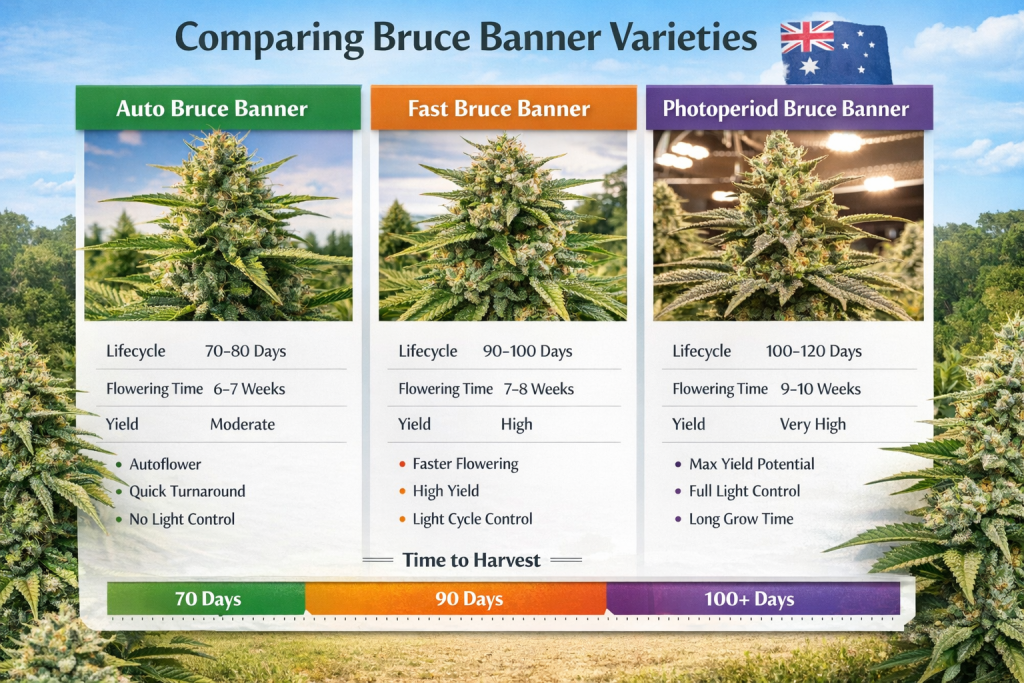
Auto Bruce Banner completes its entire lifecycle in approximately 70-80 days from seed germination to harvest readiness. This compressed timeline includes a brief 2-3 week vegetative period followed by 6-7 weeks of flowering development. The Auto Bruce Banner Feminised Seeds from Sacred Seeds Australia exemplify this rapid cultivation cycle, delivering impressive potency despite the accelerated growth schedule.
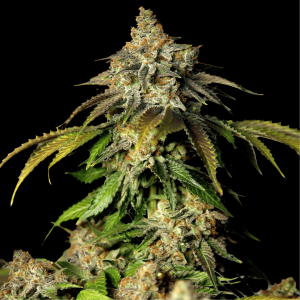
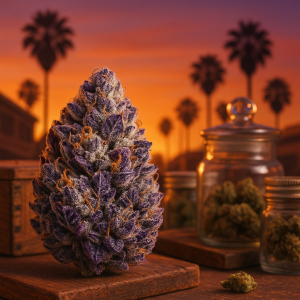
Photoperiod Bruce Banner demands substantially longer total cultivation periods, though flowering duration remains comparable at 9-10 weeks once initiated. The vegetative phase can extend anywhere from 4-8 weeks depending on grower preferences and space constraints, bringing total cultivation time to 13-18 weeks minimum. This extended timeline creates opportunities for training techniques like topping, LST (low-stress training), and SCROG (screen of green) methods that significantly boost final yields beyond autoflower capabilities.
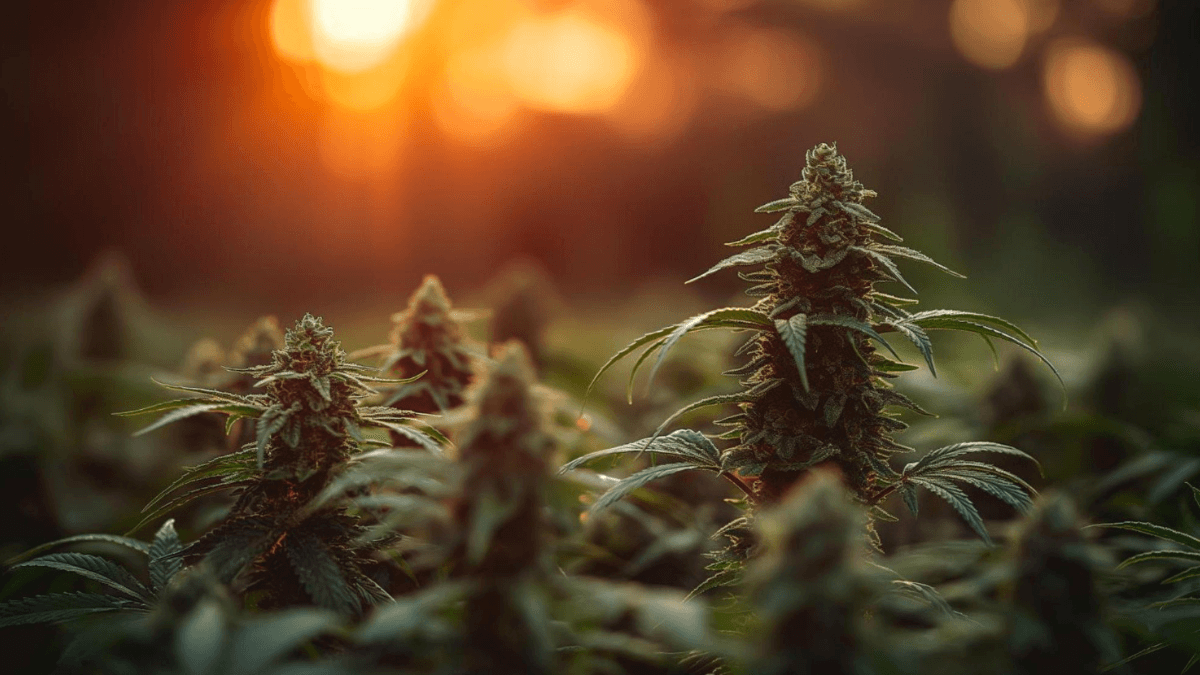
Identifying Perfect Harvest Timing: Trichome Assessment
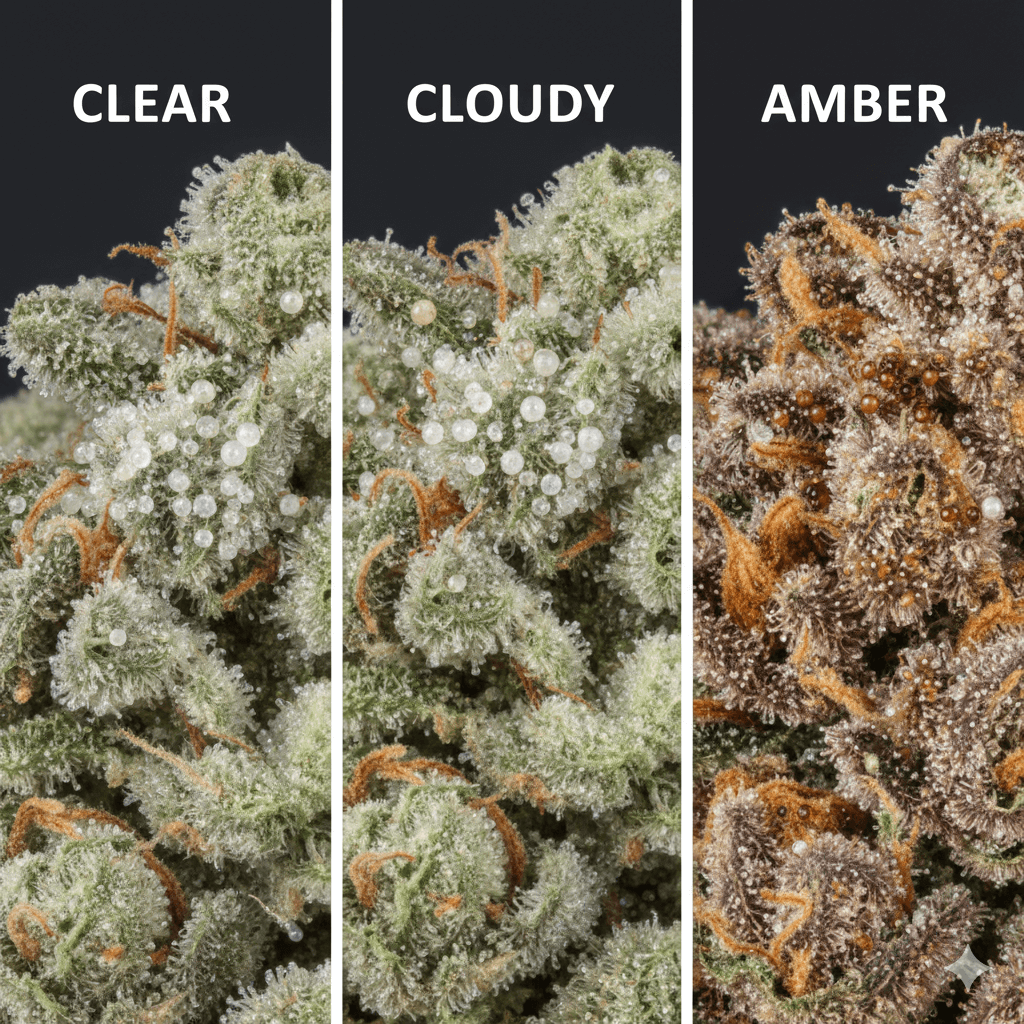
Accurate harvest timing determination requires systematic trichome examination using quality magnification equipment. Jeweler’s loupes with 60x magnification or digital microscopes provide sufficient detail to assess trichome maturity across Bruce Banner’s dense flower structures. Trichome development progresses through three distinct phases: clear (immature), cloudy (peak THC), and amber (THC degrading to CBN), with optimal harvest occurring during the cloudy-dominant phase mixed with early amber development.
For Bruce Banner specifically, harvest timing dramatically influences the experiential profile. Early harvests during the predominantly clear-to-cloudy transition produce more cerebral, energetic effects characteristic of sativa-dominant genetics. Conversely, waiting until 30-40% amber trichomes develop creates heavier, more sedative effects as THC converts to CBN. Most Australian growers targeting Bruce Banner’s signature potent, uplifting experience harvest when trichomes display 60-70% cloudy appearance with 20-30% amber coloration.
Beyond trichome assessment, secondary harvest indicators include pistil coloration changes and overall flower density. Bruce Banner pistils transition from bright white to deep orange-brown as maturity progresses, with 70-90% darkened pistils typically correlating with optimal harvest windows. Additionally, flower calyxes swell noticeably during final ripening stages, creating the dense, resinous buds Bruce Banner is renowned for producing. Monitoring these multiple indicators simultaneously provides comprehensive harvest readiness confirmation.
Australian growers should examine trichomes from multiple plant locations, as outer canopy flowers often mature faster than lower branches receiving reduced light exposure. This maturity variance occasionally necessitates staged harvesting, where top colas are removed first while allowing lower flowers additional ripening time. Understanding amber trichome development and harvest timing becomes crucial for maximizing both yield quantity and quality across the entire plant structure.
Australian Climate Zones: Regional Harvest Variations
Australia’s diverse climate zones create substantially different growing conditions that impact Bruce Banner harvest timing and cultivation approaches. Northern tropical and subtropical regions experience minimal seasonal temperature variation with extended growing seasons, allowing multiple autoflower crops or year-round photoperiod cultivation in controlled environments. Queensland’s coastal areas and Northern Territory regions provide particularly favorable conditions for extended outdoor photoperiod cultivation with natural light cycle transitions occurring gradually.
Southern temperate zones including Victoria, Tasmania, and southern coastal regions present more constrained outdoor growing windows due to pronounced seasonal variations and cooler winter temperatures. Photoperiod Bruce Banner cultivation in these areas typically requires spring planting for autumn harvest, aligning flowering periods with naturally decreasing daylight hours. Autoflower varieties offer greater flexibility in these regions, with potential for spring and summer plantings that complete before autumn temperature drops compromise plant health.
Central arid regions experience extreme temperature fluctuations between day and night, creating additional cultivation challenges that impact harvest planning. While these areas receive abundant sunlight ideal for cannabis cultivation, water availability and temperature management become critical factors. Bruce Banner’s robust genetics handle moderate environmental stress reasonably well, though extreme heat during flowering can degrade terpene profiles and reduce final potency regardless of optimal harvest timing.
Coastal humidity levels across northern Australia require careful attention to mold and fungal issues, particularly during Bruce Banner’s dense flower development. High humidity during late flowering stages increases botrytis (bud rot) risks that can devastate crops approaching harvest readiness. Growers in these regions often prefer slightly earlier harvests—sacrificing minor potency gains—to minimize mold exposure risks during extended humid periods. Understanding regional climate patterns becomes essential for successful Bruce Banner cultivation planning.
Yield Expectations: Auto vs Photoperiod Performance
Yield potential represents one of the most significant distinctions between Auto Bruce Banner and photoperiod versions. Photoperiod Bruce Banner plants, given adequate vegetative time and proper training, regularly produce 400-600 grams per square meter indoors or 600-800 grams per plant outdoors under optimal conditions. This substantial yield potential stems from extended vegetative periods allowing extensive root system development and canopy expansion before flowering initiation.
Auto Bruce Banner varieties typically yield 350-450 grams per square meter indoors or 100-200 grams per plant outdoors, reflecting their compressed growth timeline and limited vegetative development. However, this reduced per-plant yield becomes offset by dramatically faster harvest cycles enabling multiple crops annually. Australian growers can potentially achieve 3-4 autoflower harvests in the same timeframe required for single photoperiod crop completion, potentially matching or exceeding total annual production.
Plant density considerations further impact comparative yield analysis. Autoflower varieties’ compact stature permits higher plant counts per square meter—often 9-16 plants compared to 4-6 photoperiod plants—partially compensating for reduced individual plant production. This density advantage proves particularly valuable for Australian growers with space limitations or those cultivating in discrete indoor environments where vertical space constraints limit large plant development.
Environmental optimization significantly influences yield outcomes for both varieties. Bruce Banner responds exceptionally well to proper nutrient management, with balanced feeding schedules supporting the strain’s heavy flower production. Photoperiod versions tolerate aggressive training techniques and higher nutrient concentrations during extended vegetative growth, while autoflowers require gentler approaches due to limited recovery time during their accelerated lifecycle. Those interested in exploring detailed autoflower cultivation techniques can maximize yields despite genetic limitations.
Harvest Timing Strategies for Maximum Potency
Strategic harvest timing maximizes Bruce Banner’s legendary potency while preserving its complex terpene profile. This strain naturally produces exceptional THC levels—often testing 25-29%—making proper harvest timing crucial for capturing peak cannabinoid concentrations. Research indicates THC production peaks during the cloudy trichome phase, with extended ripening periods converting THC to less psychoactive cannabinoids like CBN and CBD.
For maximum THC content and characteristic Bruce Banner effects, harvest should occur when trichomes transition from predominantly cloudy to approximately 10-20% amber. This narrow window—typically lasting only 3-5 days—requires vigilant monitoring during final flowering stages. Delaying harvest beyond this point gradually reduces potency while shifting effects toward sedative profiles inconsistent with Bruce Banner’s energetic, creativity-enhancing reputation.
Terpene preservation requires additional consideration beyond cannabinoid optimization. Bruce Banner’s distinctive diesel-fuel aroma with sweet berry undertones derives from complex terpene combinations including caryophyllene, limonene, and myrcene. These volatile compounds begin degrading once trichome production ceases, making timely harvest essential for preserving aromatic and flavor complexity. Excessive ripening—indicated by 40%+ amber trichomes—typically correlates with noticeable terpene degradation regardless of maintained THC levels.
Pre-harvest flushing practices impact final product quality and smoothness. Most experienced cultivators implement 7-14 day flushing periods using plain pH-balanced water to remove residual nutrients from plant tissues. This process should begin strategically—timed to conclude precisely at optimal trichome maturity—requiring harvest planning that accounts for both trichome development rates and flushing duration. Understanding fundamental differences between autoflower and photoperiod cultivation helps growers time flushing appropriately for each variety type.
Environmental Stress and Harvest Timing
Environmental stressors during late flowering impact optimal harvest windows and final product quality. Temperature fluctuations, light cycle interruptions, or nutrient imbalances can trigger premature trichome degradation or arrested development, complicating standard harvest timing protocols. Bruce Banner demonstrates moderate stress tolerance, though severe environmental issues may necessitate earlier harvests to preserve viable flower material.
Deliberate late-stage environmental manipulation—like reduced temperatures or modified light spectrums—can enhance trichome production and anthocyanin development in Bruce Banner’s Hulk phenotypes. However, these techniques require careful implementation to avoid counterproductive stress responses. Australian growers should consider regional climate patterns when planning harvest timing strategies, as unexpected weather events can necessitate premature harvesting to prevent crop loss.
Post-Harvest Processing Comparison
Post-harvest processing requirements differ subtly between Auto Bruce Banner and photoperiod versions, primarily relating to flower density and moisture content. Photoperiod Bruce Banner typically develops larger, denser colas requiring extended drying periods to prevent interior moisture retention that promotes mold development. Optimal drying occurs over 10-14 days at 60-65°F with 55-60% relative humidity, though dense photoperiod flowers occasionally require extended periods approaching 16-18 days for thorough moisture removal.
Auto Bruce Banner’s generally smaller, less dense flower structure facilitates slightly faster drying—typically 7-10 days under identical environmental conditions. This accelerated drying timeline reduces mold risks while requiring vigilant monitoring to prevent over-drying that degrades terpene profiles and creates harsh smoke characteristics. Proper drying represents the critical first step in post-harvest processing, directly impacting final product quality regardless of cultivation method excellence.
Curing processes remain consistent across both varieties, requiring 2-8 weeks in sealed containers with periodic burping to release accumulated moisture and gases. Bruce Banner’s high resin content benefits from extended curing periods—minimum 4 weeks—that mellow harsh flavor notes while enhancing terpene complexity. Properly cured Bruce Banner develops smooth smoke characteristics with pronounced flavor profiles reflecting the strain’s genetic heritage, whether derived from autoflower or photoperiod sources.
Trimming approaches vary based on personal preference and intended use. Wet trimming—removing leaves immediately after harvest—facilitates faster, more even drying particularly beneficial for Bruce Banner’s dense flower structures. Dry trimming—waiting until after drying completion—provides superior terpene preservation and slower, more controlled moisture removal, though requiring additional labor during more delicate dried material handling. Many Australian cultivators explore feminised seed benefits that eliminate male plant concerns, simplifying harvest planning and processing logistics.
Storage Optimization for Long-Term Quality
Proper storage extends Bruce Banner’s potency and flavor profile preservation for 12-24 months beyond harvest completion. Storage containers should provide airtight seals preventing oxygen exposure while blocking light penetration that degrades cannabinoids. Glass mason jars represent the gold standard for home storage, though commercial-grade vacuum-sealed bags offer superior long-term preservation for larger quantities.
Storage environment maintenance requires consistent cool temperatures (60-70°F) and low humidity (55-62% RH) preventing mold development while minimizing cannabinoid degradation. Humidity control packs specifically designed for cannabis storage help maintain optimal moisture levels, preventing both over-drying and excess moisture accumulation. Understanding proper storage techniques for cannabis materials maximizes return on cultivation investment by preserving harvest quality over extended periods.
Quality Assessment Post-Cure
Evaluating Bruce Banner quality after curing completion involves multiple sensory and visual assessments. Properly processed Bruce Banner displays vibrant coloration—typically lime green with occasional purple hues—and intact trichome coverage appearing frosty under lighting. The distinctive aroma should present prominently without excessive hay or grass notes indicating improper drying or curing processes.
Physical flower characteristics provide additional quality indicators. Properly dried and cured Bruce Banner should feel slightly springy when squeezed, not crumbling excessively (over-dried) or feeling moist and pliable (under-dried). The burn quality test—observing ash color and smoke smoothness—offers practical quality assessment, with white ash and smooth inhalation indicating thorough flushing and proper post-harvest processing. According to cannabis cultivation research, proper post-harvest handling significantly impacts final product quality regardless of cultivation excellence.
Selecting Your Bruce Banner Variety
Choosing between Auto Bruce Banner and photoperiod versions ultimately depends on individual growing circumstances and priorities. Autoflower varieties excel for Australian growers seeking rapid harvests, discrete cultivation, or multiple annual crops within space-constrained environments. The compressed timeline and predictable scheduling eliminate photoperiod lighting complexities while delivering impressive potency despite genetic yield limitations.
Photoperiod Bruce Banner suits experienced cultivators prioritizing maximum yields and complete environmental control throughout extended cultivation periods. The ability to manipulate vegetative duration, implement aggressive training techniques, and precisely time flowering initiation provides optimization opportunities unavailable with autoflower genetics. For those building comprehensive seed collections, exploring Sacred Seeds’ complete catalog reveals diverse genetic options beyond Bruce Banner varieties.
Both varieties deliver Bruce Banner’s legendary potency and distinctive effects when cultivated properly with attention to strain-specific requirements. Australian growers should assess their regional climate patterns, available space, experience level, and harvest timeline preferences when selecting appropriate Bruce Banner genetics. Regardless of variety selection, understanding optimal harvest timing and post-harvest processing techniques remains essential for maximizing this exceptional strain’s potential.
Fast Bruce Banner: The Middle Path
Fast Bruce Banner offers a practical middle ground between autoflower convenience and photoperiod performance. Created by crossing Bruce Banner photoperiod genetics with a ruderalis-derived fast-flowering line, Fast Version plants retain the structure, potency, and yield potential of traditional photoperiod Bruce Banner while significantly reducing flowering time.
For Australian growers, Fast Bruce Banner typically flowers in 7–8 weeks, roughly 1–2 weeks faster than standard photoperiod Bruce Banner, making it especially valuable in regions with shorter outdoor seasons or unpredictable late-season weather. This reduced flowering window lowers the risk of mold, humidity damage, and early autumn temperature drops while still allowing growers to use familiar photoperiod training techniques.
Unlike autoflower varieties, Fast Bruce Banner still relies on light cycle changes to initiate flowering, meaning growers retain full control over vegetative growth duration and plant size. This makes Fast Version genetics ideal for cultivators who want photoperiod yields and control with a more forgiving harvest timeline.
In practice, Fast Bruce Banner often delivers larger yields than autoflower versions while finishing earlier than standard photoperiod plants, making it one of the most flexible Bruce Banner options available to Australian growers.