


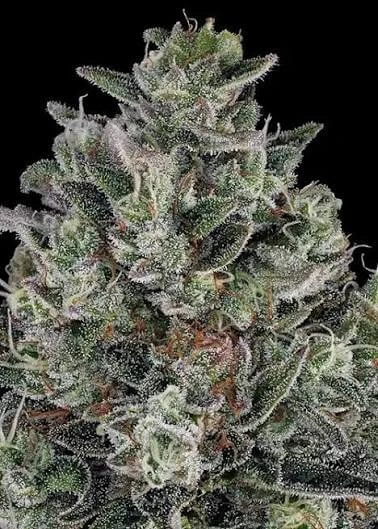
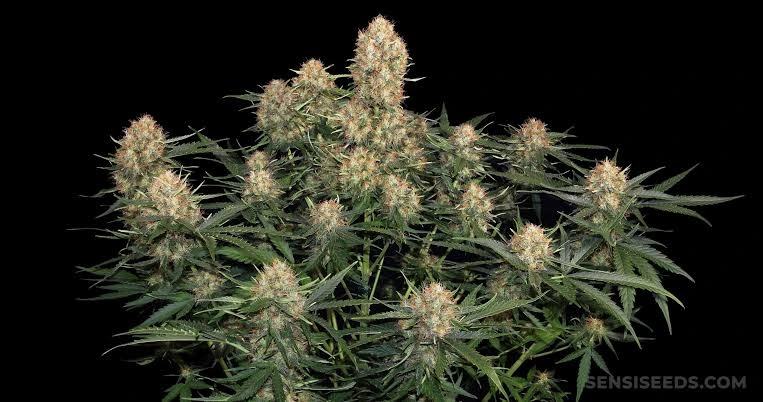
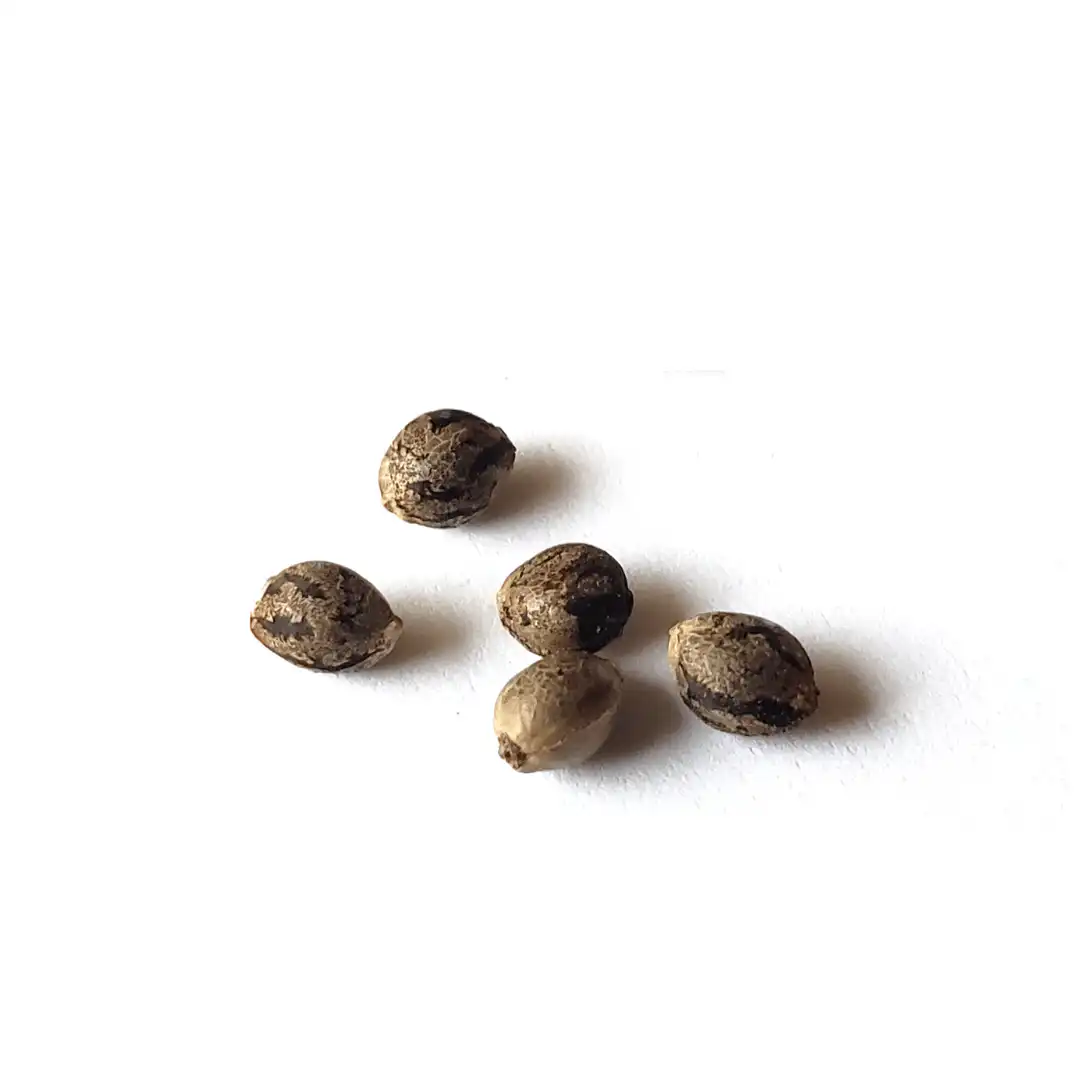
Auto Skunk #1 Feminised Seeds
From Original price was: $80.00.$75.00Current price is: $75.00.
Auto Skunk #1 seeds bring the genetics that changed cannabis forever to a simple seed-to-harvest timetable. Fast, forgiving, and unmistakably skunky, this legendary hybrid still delivers the balanced character that made Skunk #1 the blueprint for modern cannabis. Some legends never go out of style. 🦨
Every order ships with bonus seeds. One free seed per five purchased — added automatically, no catch. Contact us for bulk order pricing.
🦨 Auto Skunk #1 Seeds: The Original Skunk on a Fixed Timeline
Auto Skunk #1 seeds carry the three-landrace genetics of the most important hybrid in cannabis history, the first genuinely stable, true-breeding cross, on a fixed 63 to 70 day seed-to-harvest timeline that flowers automatically with no light-schedule change.
The original Skunk #1 was bred in 1970s California by an underground collective known as Sacred Seeds, who crossed a hardy Afghani indica with two uplifting landrace sativas, Colombian Gold and Acapulco Gold, and stabilised it into the first cannabis hybrid that grew the same way every time. That reliability made it the template for modern breeding, and the pungent aroma it carried is the reason "skunk" became a word for potent cannabis. For the fuller heritage, see the photoperiod Skunk #1 Feminised page.
What the ruderalis cross preserves: the defining Skunk #1 traits carry through the auto reliably, the classic earthy, sweet-and-sour skunk aroma, the balanced hybrid effect, and the robust, forgiving growth the strain has always been known for. Auto Skunk #1 is compact, fast, and one of the more resilient autos you can run, with the mould and pest resistance the original was deliberately bred for.
What the ruderalis cross costs: THC eases from the photoperiod's 15 to 19% down to ~13 to 17% for the auto, so the effect is lighter at equivalent doses, present and genuinely enjoyable but not the photoperiod at full expression. Indoor yield sits at up to 350 g/m² against the photoperiod's higher potential. The auto is the right choice when the fixed timeline, compact size, or outdoor season flexibility matter more than maximum yield and potency. It sits in our balanced hybrid range.
Why growers choose Auto Skunk #1:
- Heritage genetics on a fixed timeline: the first stabilised hybrid in cannabis history, on a 63 to 70 day schedule without a light flip
- Genuinely robust: the mould and pest resistance bred into the original carries through, making this one of the more forgiving autos in the catalogue
- The original skunk aroma: the earthy, sweet-and-sour funk that gave "skunk" its meaning in cannabis
- Compact and discreet: 60 to 100 cm suits small tents, balconies, and low-profile grows
- Fast and repeatable: 5 to 6 complete indoor runs annually on the fixed timeline
- Season flexibility outdoors: plant spring through early autumn in Australia and harvest on schedule regardless of light cycle
Auto Skunk #1 Lineage
🌿 Auto Skunk #1 Seeds Effects and Experience
Auto Skunk #1 runs the balanced character the strain is known for: a light, sociable cerebral lift over a comfortable body calm, mellow and functional rather than heavy or sedating at moderate doses.
Onset (10–20 minutes): A gentle, uplifting head change arrives first, mood lifting, a subtle brightness, easy sociability. The sativa side of the parentage comes through even in the auto format, so this is not a heavy front-loaded effect.
Early phase (20–60 minutes): The balance sets in. Enough cerebral lift to stay engaged and social, with a warm physical ease building underneath from the Afghani side. Functional and comfortable at moderate doses, the kind of effect you can carry through an afternoon.
Mid-phase (60–120 minutes): The indica genetics come forward and the body relaxation deepens into a mellow, calm stone. Still comfortable and clear rather than couch-locked at typical doses, with the mental side settling into an easy contentment.
Late-phase (2+ hours): A gentle, even wind-down. The balanced profile means it never drops hard, just eases back toward baseline without grogginess.
Duration: 2 to 3 hours at typical doses, consistent with the ~13 to 17% THC.
Potency note: at ~13 to 17% THC, Auto Skunk #1 is moderate, and that is in keeping with the strain. The appeal has always been the balance, the aroma, and the reliability rather than raw strength, and the full terpene profile makes it feel more rounded than the number suggests. Approachable for a wide range of tolerances.
When it suits: flexible. Sociable and light enough for daytime, mellow enough for an easy evening. One of the more versatile effect profiles in the auto range. For a heavier, more indica-forward body effect on the same skunk backbone, its direct descendant Auto Super Skunk leans further toward relaxation.
Flavour: the original skunk, earthy and musky with a sweet-and-sour funk and a faintly spicy edge. It is pungent and unmistakable, the reference skunk aroma the term is named after. A proper 3 to 4 week cure sharpens and cleans up the profile, and the smell is strong from mid-flower, so carbon filtration indoors is not optional.
🧀 Terpene Profile
Auto Skunk #1 carries the classic skunk terpene profile that the original defined. Myrcene leads, driving the pungent, earthy funk:
- Myrcene (dominant): the earthy, musky base and the source of the signature skunk pungency
- Caryophyllene: a spicy, peppery depth that gives the funk structure
- Limonene: a citrus lift that cuts through the earthiness and brightens the profile
For how these compounds shape flavour and effect, see our cannabis terpenes guide.
🌱 Growing Auto Skunk #1 Seeds in Australia
(Strictly for ACT residents with a licence or those overseas where cultivation is legal.)
Experience level: accessible. Auto Skunk #1 is one of the more forgiving autos in the catalogue, since the robustness and mould and pest resistance bred into the original genetics carry through the ruderalis cross. It tolerates minor errors better than sensitive modern hybrid autos. That said, it is still an autoflower: the fixed timeline gives no recovery window, so the standard auto discipline applies. Growers with one auto run behind them will find it consistent and rewarding. Our cannabis seedling care guide covers a strong start.
Critical auto rules before germination:
- Start in the final container. 10 to 15 L indoors, 15 to 20 L outdoors. No transplanting, since stress on the fixed timeline cannot be recovered from
- Feed light in weeks 1 to 3. Start at quarter strength. The genetics are more robust than most modern auto hybrids, but the seedling phase still needs restraint
- LST from week 2 to 3. The compact, bushy structure responds well to gentle canopy opening, giving more productive bud sites and better airflow
Flowering: the plant initiates flowering at 3 to 4 weeks from germination, with seed to harvest around 63 to 70 days. It is a consistent finisher, with most phenotypes hitting the window reliably. Check trichomes from week 8 and harvest at 15 to 25% amber for the balanced effect; a later harvest shifts it toward more body relaxation and less cerebral lift. Our amber trichomes guide covers reading the window.
Height and structure: compact at 60 to 100 cm indoors and 90 to 120 cm outdoors, short and bushy with sturdy branching and dense, tightly packed buds. The structure suits standard tents without aggressive management, and the sturdy stems handle the bud weight well. LST from week 2 to 3 opens the canopy and lifts yield.
Training: LST is recommended, tying down the main stem from week 2 to 3, since the bushy structure produces multiple bud sites worth exposing and LST improves yield and airflow at once. SOG suits the compact, uniform size well. Topping is not recommended, since the fixed timeline does not allow recovery for a net gain. Keep defoliation light in early flower.
Climate and resilience: Auto Skunk #1 is genuinely adaptable, handling Australian conditions across most states well. The mould resistance is a real advantage in humid coastal regions, and the robust genetics tolerate temperature variation better than most autos. Keep humidity below 50% from mid-flower and run good airflow through the dense buds regardless, since no strain is immune in a wet coastal autumn.
🏠 Indoor Growing
- Seed to harvest: 63 to 70 days fixed, no light flip required
- Yield: up to 350 g/m² under quality lighting with LST
- Container: start and finish in 10 to 15 L, no transplanting
- Light: 18/6 recommended, 20/4 marginally better for yield
- Height: 60 to 100 cm, suits tents from 60 cm x 60 cm upward
- Training: LST from week 2 to 3; SOG effective for multiple-plant setups
- Cycles: 5 to 6 complete indoor runs annually
- Aroma: strong from mid-flower, so carbon filtration is essential indoors
🌿 Outdoor Growing (Australia)
- Harvest timing: ~63 to 70 days from planting, not season-dependent. Plant September through March for warm-weather runs
- Yield: 50 to 120 g per plant in good conditions
- Container: 15 to 20 L minimum, start in the final pot, no transplanting
- Site: full sun, 6-plus hours direct light, good drainage and airflow
- Multiple runs: two to three outdoor runs per season achievable, with September, December, and February plantings all viable in most states. Our Australian climate strain guide covers regional fit
- Climate: one of the more adaptable autos across Australian conditions, with genuine resilience to temperature swings. Warm, drier conditions suit the dense buds best; coastal Queensland and NSW need humidity management from mid-flower
- Resilience: the mould and pest resistance of the original genetics makes this a dependable outdoor performer where fussier autos struggle
🧪 Auto Skunk #1 Seeds EC and Feeding Guide: Soil and Coco
Auto Skunk #1's robust genetics make it more tolerant of feeding variation than sensitive modern autos, so it forgives minor errors better than most. The standard auto approach still applies: start conservative, build on plant response, and do not push EC higher than the plant shows it needs. Consistent potassium from mid-flower supports the dense bud structure the strain is known for.
All EC values assume quality base nutrients. Australian tap water typically runs 0.2 to 0.5 EC, so factor that into your target and measure after mixing.
📊 EC and pH Target Table: Soil vs Coco
| Phase / Week | Soil EC | Coco EC | Soil pH | Coco pH | Notes |
|---|---|---|---|---|---|
| Weeks 1–2 Seedling |
0.4–0.6 | 0.5–0.8 | 6.2–6.5 | 5.8–6.0 | More robust than many autos, but the seedling phase still needs restraint. Plain water or quarter strength. |
| Weeks 3–4 Early veg / pre-flower |
0.8–1.2 | 1.0–1.4 | 6.0–6.5 | 5.8–6.2 | Nitrogen-forward feed. LST in progress. Pre-flowers around day 21. |
| Weeks 4–5 Pre-flower transition |
1.0–1.4 | 1.2–1.6 | 6.0–6.5 | 5.8–6.2 | Reduce nitrogen, introduce bloom nutrients. Resin production beginning. |
| Weeks 5–7 Peak flower |
1.2–1.6 | 1.4–1.8 | 6.0–6.5 | 5.8–6.2 | Potassium support from week 5 for the dense bud structure. Back off nitrogen from week 6. |
| Weeks 8–9 Late flower / ripening |
1.0–1.4 | 1.2–1.6 | 6.0–6.5 | 5.8–6.2 | Taper EC down. The plant draws on reserves. Monitor runoff EC. Trichomes transitioning. |
| Final 7–10 days Flush |
0.0–0.4 | 0.0–0.5 | 6.2 | 5.8–6.0 | Plain pH water until runoff EC drops below 0.5. Important for a clean, pungent skunk terpene expression. |
🌱 Soil-Specific Notes
Pre-loaded nutrients: quality potting mix often runs 1.0 to 1.5 EC on its own in weeks 1 to 3, so plain water or very light feeding is correct for the seedling phase, not because the plant does not need nutrients but because the medium is already providing them. Feed only once runoff EC drops below 0.8.
Runoff monitoring: water to 10 to 20% runoff and measure EC. Runoff more than 0.4 above feed-in indicates salt buildup, so flush with twice the pot volume of plain pH water. The robust genetics handle minor salt accumulation better than sensitive strains, but regular monitoring still prevents late-harvest issues.
Watering frequency: every 2 to 3 days in veg, every 1 to 2 days in peak flower when the dense canopy pulls water hard. Wait until the top 2 to 3 cm is dry and the pot is noticeably lighter.
🥥 Coco-Specific Notes
Feeding frequency: coco must be fed to 10 to 20% runoff at every watering and never allowed to dry out completely. Once daily in veg is standard, twice daily in peak flower with a well-developed canopy. Coco that dries out between waterings causes salt spikes that affect bud development.
pH in coco: 5.9 to 6.1 at every feed. Coco has no buffering capacity, so what goes in at the wrong pH hits the roots at the wrong pH. Below 5.8, phosphorus and calcium uptake drops; above 6.3, iron and manganese availability decreases.
CalMag in coco: 1 to 2 ml/L from week 1 through flush, regardless of what your base line claims. Calcium deficiency here, brown spots on mid-canopy leaves, is often misread as overfeeding, so check pH first, then consider CalMag before cutting EC.
Runoff monitoring: target runoff EC within 0.2 to 0.3 of feed-in. Higher indicates salt buildup, so flush; significantly lower indicates heavy uptake, so consider a small increase at the next feed.
📋 EC Troubleshooting
| What You're Seeing | Likely Cause | Action |
|---|---|---|
| Tip burn weeks 1–3 | EC too high for seedling stage, or pre-loaded soil nutrients plus added feed | Drop to plain water for one watering. In soil, check whether the medium is already feeding before adding more. Resume at lower EC once tips stabilise. |
| Slow bud development week 5–6 | Insufficient phosphorus or potassium, or pH drift reducing uptake | Check pH first. If correct, raise the bloom ratio or add a PK booster from week 5. |
| Yellowing between leaf veins, green veins intact | Iron or manganese lockout from pH drift above 6.8 (soil) or 6.3 (coco) | Correct pH immediately. In coco, drop to 5.8 to 5.9 for 2 to 3 waterings then return to 5.9 to 6.1. In soil, flush with correctly pH'd water. |
| Dark green leaves, clawing downward | Nitrogen toxicity, EC too high or nitrogen ratio too high | Reduce EC by 0.2 to 0.3 at the next watering. In late flower, cut the nitrogen proportion sharply, since the plant wants P and K from week 6 onward. |
| Runoff EC well above feed-in | Salt buildup in the medium | Flush with twice the pot volume of plain pH water. Measure runoff after; target below 1.0 before resuming. More common in coco than soil. |
💡 Feeding Key Principles
- The robustness is real: Auto Skunk #1 tolerates minor EC variation better than most modern hybrid autos. That does not mean push EC hard; it means a slightly wider margin for error
- Potassium supports the dense buds: consistent K from week 5 supports the tight, resinous bud structure the strain is known for. Do not cut potassium in late flower the way you cut nitrogen
- Flush matters for the aroma: the pungent skunk profile is sharpened by a clean 7 to 10 day flush until runoff drops below 0.5
- pH before EC, always: incorrect pH makes EC management meaningless, so fix pH first and adjust EC second
🗓️ Auto Skunk #1 Seeds Week-by-Week Grow Guide
Auto Skunk #1 runs 63 to 70 days on a consistent, predictable timeline. The robust genetics make it one of the more forgiving autos week to week, but the dense buds still reward good airflow in late flower.
| Phase / Week | What's Happening | Key Actions | Watch Out For |
|---|---|---|---|
| Weeks 1–2 Seedling |
Taproot establishing. The compact, bushy structure begins showing early, sturdy from the start. | Plain water or quarter strength only. 18/6. 60 to 70% RH. Final container from day one. | Overwatering. Water in a ring around the seedling. The robustness does not eliminate seedling sensitivity to waterlogged roots. |
| Weeks 3–4 Early veg / pre-flower |
Vigorous vegetative growth. Pre-flowers around day 21. Bushy branching developing. | Begin LST from week 2 to 3. Build to half strength. EC 0.8 to 1.2 soil / 1.0 to 1.4 coco. 50 to 60% RH. | Do not top or FIM, since the fixed timeline gives no recovery. LST only. Transition to bloom nutrients when pre-flowers appear. |
| Weeks 5–6 Peak flower |
Dense buds stacking. The pungent skunk aroma building strongly from week 5. | Bloom nutrients. EC 1.2 to 1.6 soil / 1.4 to 1.8 coco. Potassium from week 5. Carbon filter running. RH 45 to 50%. | Aroma. The skunk smell is strong and early, so filtration must be running well before now. |
| Weeks 7–9 Late flower / ripening |
Dense, resin-covered buds at peak. Pistils darkening, trichomes transitioning. | Check trichomes from day 56. RH 40 to 45%. Begin flush when 10 to 15% amber is visible. Maintain airflow through the dense canopy. | Harvesting too early. Wait for 15 to 25% amber for the balanced effect. |
| Days 63–70 Flush & harvest |
Final ripening. Dense, frosty buds. Natural leaf yellowing. Aroma at peak. | Plain pH water for 7 to 10 days. Harvest at 15 to 25% amber. Slow dry at 15 to 18 °C, 55 to 60% RH for 10 to 14 days. | Rushing the dry. The pungent terpenes are volatile, so a fast, hot dry flattens the skunk character. |
| Post-harvest Cure |
The classic skunk profile sharpens and cleans up in the jar over 3 to 4 weeks. | Jar at 60 to 65% RH. Burp daily for two weeks. 3 weeks minimum, 4 to 5 noticeably better. Our drying and curing guide covers it. | Assessing from fresh-dried material. The characteristic profile is not fully expressed until the cure is well underway. |

🧠 Jason's Tip: Growing Auto Skunk #1
Auto Skunk #1 is one of the most dependable autos in the catalogue, and that comes straight from the genetics. The original Skunk #1 was bred for stability and resilience decades ago, and that robustness carries through the ruderalis cross. It handles minor temperature and humidity swings, shrugs off the small mistakes that set back fussier autos, and finishes on schedule run after run. For a grower who wants a reliable result without babysitting, this is a strong pick.
The one thing to plan for is the smell. Skunk #1 earned its name honestly, and even in the auto format the aroma is loud from week five onward. Indoors that means a proper carbon filter running before you think you need it, not after. Outdoors it means thinking about where the plant sits. This is not a discreet strain by aroma, whatever its discreet size suggests.
And give it the cure. The moderate potency on this strain is fine, the character is in the terpenes, and terpenes are made or lost in the dry and cure. Slow and cool, three to four weeks in the jar, and you get that clean, old-school skunk that no percentage can fake. Rush it and you throw away the best part.
⚖️ Auto Skunk #1 vs Skunk #1 Feminised: Which Suits You
| Feature | Auto Skunk #1 (this page) |
Skunk #1 Feminised |
|---|---|---|
| Type | Autoflower | Photoperiod |
| Seed to harvest | 63–70 days fixed | 7–8 week flower + veg |
| THC | ~13–17% | ~15–19% |
| Indoor yield | Up to 350 g/m² | Up to 600 g/m² |
| Height | 60–100 cm | ~100 cm (50–150) |
| Light schedule | Any, no flip required | 12/12 to flower |
| Cycles per year | 5–6 indoor | 4–5 indoor |
| Best for | Fixed timeline, compact grows, season flexibility | Maximum yield and the fuller expression |
Choose the auto for a fixed timeline, compact height, or outdoor season flexibility without managing a light flip. Choose the Skunk #1 Feminised for maximum yield, higher potency, and full control over veg time.
🎯 Is Auto Skunk #1 Right for Your Grow?
✅ Auto Skunk #1 is the right choice if:
- You want heritage Skunk #1 genetics on a fixed 63 to 70 day timeline without managing a light flip
- You want one of the more forgiving, robust autos, with genuine mould and pest resistance
- Height is a constraint, 60 to 100 cm is compact and discreet in small tents or balconies
- Multiple fast cycles matter, 5 to 6 indoor runs annually with consistent results
- You want the original skunk aroma and a balanced, versatile effect usable day or evening
- You are growing outdoors and want a dependable auto that handles Australian conditions well
❌ Consider Skunk #1 Feminised if:
- Maximum yield is the priority, up to 600 g/m² against up to 350 g/m² for the auto
- You want the higher potency, 15 to 19% against ~13 to 17%
- You want a heavier, more indica-forward auto, where the Auto Super Skunk suits better
- You have the setup to manage a 12/12 flip and want full control over veg time
- A single larger harvest suits your grow better than multiple smaller ones
- You want the fuller expression of the original Cup-winning genetics
Still comparing options? Our full strain lineup guide covers the range, or browse the autoflower range, the balanced hybrid range, or the complete cannabis seeds catalogue.
❓ Frequently Asked Questions: Auto Skunk #1 Seeds
What is Auto Skunk #1?
Auto Skunk #1 is an autoflowering version of the original Skunk #1, the (Afghani × Colombian Gold × Acapulco Gold) cross that was the first stabilised hybrid in cannabis history, with ruderalis added to trigger flowering automatically at 3 to 4 weeks from germination regardless of light cycle. Seed to harvest runs around 63 to 70 days on a fixed timeline. The classic skunk aroma and balanced effect carry through with a proper flush and cure. The photoperiod Skunk #1 Feminised page covers the fuller heritage.
How long does it take from seed to harvest?
Approximately 63 to 70 days (9 to 10 weeks) from germination on a fixed timeline. Most phenotypes hit the window reliably. Check trichomes from week 8 and harvest at 15 to 25% amber for the balanced effect, since a later harvest shifts toward more body relaxation.
How does the potency compare to the photoperiod Skunk #1?
~13 to 17% THC for the auto against 15 to 19% for the photoperiod. The difference is real at equivalent doses, so the auto produces a lighter version of the balanced Skunk #1 effect. It is genuinely enjoyable and recognisably Skunk #1. For the fuller expression, the Skunk #1 Feminised photoperiod is the right choice.
Is Auto Skunk #1 easy to grow?
It is one of the more forgiving autos in the catalogue. The robustness and mould and pest resistance bred into the original Skunk #1 carry through, so it tolerates minor errors better than sensitive modern hybrid autos. The standard auto discipline still applies: final container from day one, no transplanting, conservative early feeding, and no recovery window on the fixed timeline. The main thing to manage is the strong aroma from mid-flower.
What yields can I expect?
Up to 350 g/m² indoors under quality lighting with LST. Outdoor plants produce 50 to 120 g each. These are honest, achievable figures, since the compact size limits per-plant production, but the 63 to 70 day timeline allows 5 to 6 indoor runs annually, which changes the annual yield equation.
What does Auto Skunk #1 smell and taste like?
The original skunk: earthy and musky with a sweet-and-sour funk and a faintly spicy edge. It is pungent and unmistakable, the reference skunk aroma the slang term is named after. The character sharpens noticeably after a 3 to 4 week cure. More on how terpenes shape it in our cannabis terpenes guide.
Do you ship Auto Skunk #1 seeds across Australia?
Yes, with fast domestic shipping and discreet packaging, and most orders arrive within a few business days. All seeds are batch-tested with the paper towel method at ~22 °C and stored cold and dry to preserve viability.
1 review for Auto Skunk #1 Feminised Seeds
Not sure this is the right strain for you?
Answer six quick questions and we will give you three strains we feel best for you based on your setup, experience, and goals.
Related products
-
 AUTO
AUTOAuto Super Skunk Feminized Seeds
From Original price was: $80.00.$75.00Current price is: $75.00. -
Medicinal Indica Mix Feminised cannabis seeds – 20 seeds
Original price was: $320.00.$240.00Current price is: $240.00. -
 AUTO
AUTOClassic Mix-Auto Feminised cannabis seeds
Original price was: $320.00.$240.00Current price is: $240.00. -

Moby Dick Feminized Seeds
From Original price was: $80.00.$75.00Current price is: $75.00. -

Amnesia Haze Feminized Seeds
From Original price was: $80.00.$75.00Current price is: $75.00. -
 AUTO
AUTOAuto Amnesia Haze Feminized Seeds
From Original price was: $80.00.$75.00Current price is: $75.00. -
 AUTO
AUTOAuto Purple Kush Feminized Seeds
From Original price was: $80.00.$75.00Current price is: $75.00. -
 AUTO
AUTOAuto Northern Lights Feminized Seeds
From Original price was: $80.00.$75.00Current price is: $75.00.

Sacred Seeds always has the best Seeds for your grow.