



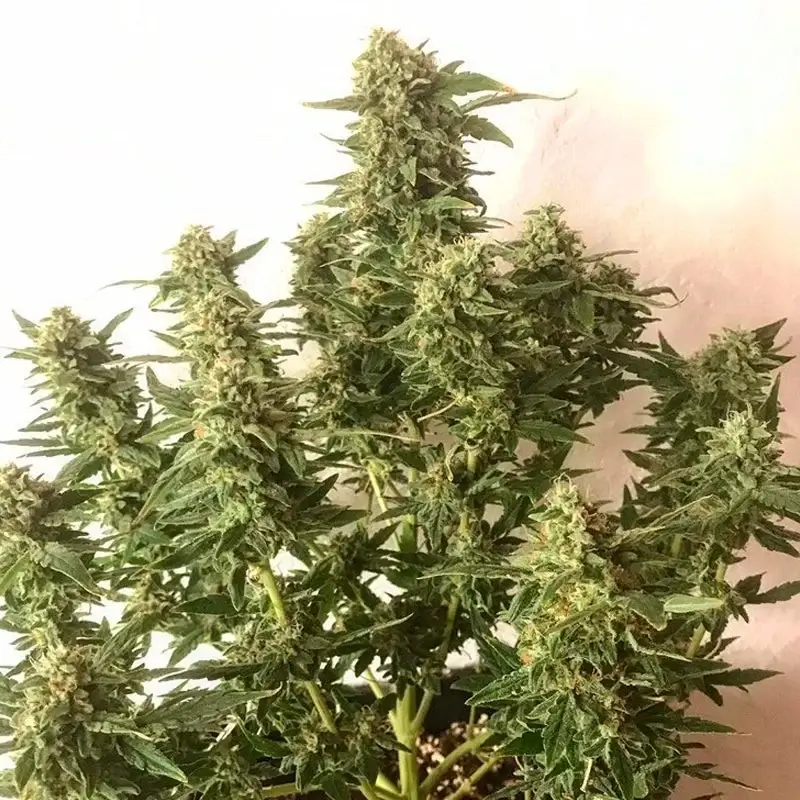
Auto Moby Dick Feminized Seeds
From Original price was: $80.00.$75.00Current price is: $75.00.
Auto Moby Dick seeds are not for the faint-hearted — this high-THC hybrid delivers a tsunami of euphoric energy and powerful focus. With hints of citrus, pine, and vanilla, and bonus THCV content for appetite-suppression and clarity, it’s the ultimate daytime rocket fuel for creatives, go-getters, and adventurers. 🌊🔥
Every order ships with bonus seeds. One free seed per five purchased — added automatically, no catch. Contact us for bulk order pricing.

Germination Guarantee
Every batch is tested for quality and backed by our germination guarantee.

Fast, Local Shipping
Tracked Australia Post. Express or Standard. Plain, discreet packaging.

4.9⭐ ProductReview Rating
Independent Australian review platform. Read verified customer experiences.
Auto Moby Dick Feminized Seeds
From Original price was: $80.00.$75.00Current price is: $75.00.
Auto Moby Dick seeds are not for the faint-hearted — this high-THC hybrid delivers a tsunami of euphoric energy and powerful focus. With hints of citrus, pine, and vanilla, and bonus THCV content for appetite-suppression and clarity, it’s the ultimate daytime rocket fuel for creatives, go-getters, and adventurers. 🌊🔥
Every order ships with bonus seeds. One free seed per five purchased — added automatically, no catch. Contact us for bulk order pricing.
Germination Guarantee
Every batch is tested for quality and backed by our germination guarantee.
Fast, Local Shipping
Tracked Australia Post. Express or Standard. Plain, discreet packaging.
4.9⭐ ProductReview Rating
Independent Australian review platform. Read verified customer experiences.
🐋 Auto Moby Dick Seeds: High-Potency Sativa Auto with Exceptional Yield
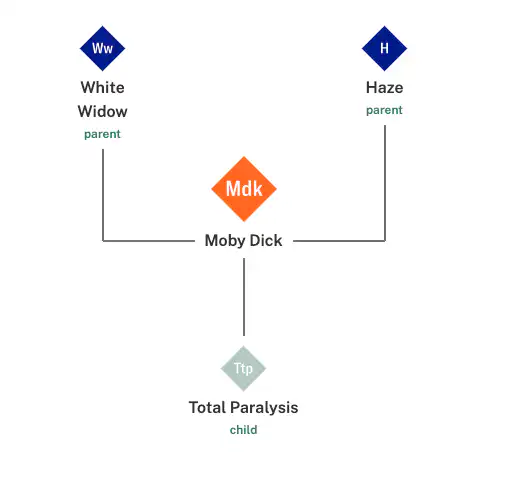
Auto Moby Dick seeds carry the Haze × White Widow genetics of Dinafem's celebrated Moby Dick, one of the most productive sativa-dominant hybrids ever released, on a fixed 77 to 84 day seed-to-harvest timeline that flowers automatically with no light-schedule change.
The ruderalis cross trims yield and THC against the photoperiod, but the core Moby Dick character carries through into the auto: the terpinolene-dominant citrus and pine haze terpene profile, the energising clear-headed sativa effect, and the White Widow resin contribution. At 20 to 25% THC with notable THCV, Auto Moby Dick sits among the most functional and cerebral effect profiles in the auto catalogue. It is one of the sativa-leaning picks in our sativa-dominant range and among the stronger options in the high-THC range.
Most high-potency autoflowers lean heavily indica-dominant and produce sedating, body-heavy effects. Auto Moby Dick is sativa-dominant at 60/40, so the Haze genetics drive a fast-onset, clear-headed, energising effect that suits daytime use and productive work. The notable THCV contributes a cleaner, more focused quality, and the terpinolene-dominant profile carries the classic haze citrus-pine character that is genuinely uncommon in autoflower format.
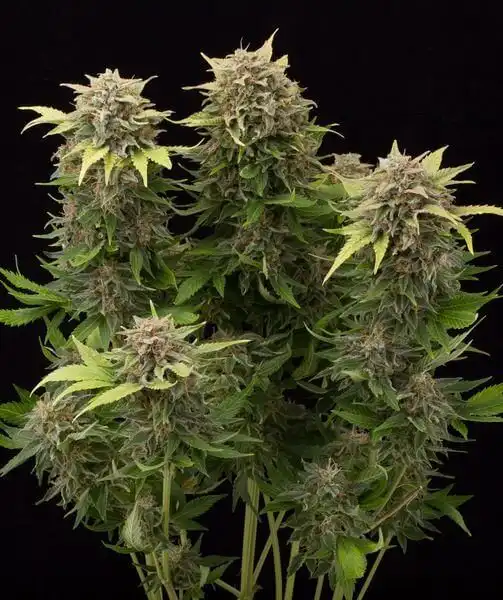
This is not a standard compact auto. It produces taller plants (100 to 140 cm) than most autos in the catalogue, runs longer (77 to 84 days against the typical 70 to 77 days for indica-dominant autos), and needs more vertical space. Those are honest characteristics worth planning for: tents under 180 cm will be too short, and outdoor plants need staking. The payoff is one of the most complete sativa-dominant effects available in auto format, with above-average yields for the timeline.
What Auto Moby Dick does well:
- Haze × White Widow terpene profile: the terpinolene-dominant citrus, pine, and classic haze character of the photoperiod carries through, and experienced haze users recognise it with a proper cure
- Sativa-dominant energising effect: fast onset, clear-headed, focused, one of the most functional effect profiles in the auto catalogue and the best fit for daytime use
- Above-average auto yield: up to 500 g/m² indoors is notably stronger than most auto genetics at equivalent skill, driven by the White Widow structural contribution
- Notable THCV: inherited from the photoperiod parent, it contributes to the clean, energising quality and the faster onset compared to autos that carry none
- Multiple outdoor cycles: the 77 to 84 day fixed timeline allows two to three complete outdoor runs per Australian season in warm states
Auto Moby Dick Lineage
🌿 Auto Moby Dick Seeds Effects and Experience
Auto Moby Dick is a daytime sativa-dominant hybrid through and through: cerebral and energetic up front, easing into a gentle physical calm without sedation.
Onset (5–15 minutes): Fast, the notable THCV contributes to a rapid, clean onset. Cerebral stimulation arrives quickly, with mental clarity, mood elevation, and rising energy. The classic haze lift is immediately noticeable. No racy or scattered edge at moderate doses, and the terpinolene profile adds a slightly floral quality early.
Early phase (15–60 minutes): Mental clarity and focus at their peak. The Haze genetics dominate this window: thoughts flow, creative connections come easily, and concentration holds rather than scatters. The most productive window, good for complex work, creative projects, active social settings, or physical activity. The White Widow indica component provides physical backing without pulling toward sedation.
Mid-phase (60–120 minutes): The intensity settles into steady, functional energy. Mental engagement remains but eases, and a gentle physical relaxation develops as the 40% indica side expresses. Still highly usable for sustained work or activity, with the sativa character staying primary.
Late-phase (2+ hours): Energy tapers naturally, mental stimulation eases, and physical ease increases. Still functional at typical doses rather than sedating, just gentler. The comedown is clean, without crash or irritability.
Duration: 2 to 3 hours at typical doses, slightly shorter than the equivalent THC in a myrcene-dominant indica auto, consistent with the THCV. Returns to baseline positively.
Potency note: At 20 to 25% THC this is meaningfully potent, and the fast onset means the effect builds quicker than most autos. Start with one or two draws and wait the full 15 minutes before assessing. The energising sativa character can tip toward uncomfortable at excessive doses.
Common uses (anecdotal): Daytime productivity and focus-heavy work, creative projects, social settings, and outdoor activity. Decidedly a daytime strain, since the energetic character makes it a poor fit close to sleep. Many growers keep it for mornings or early afternoons.
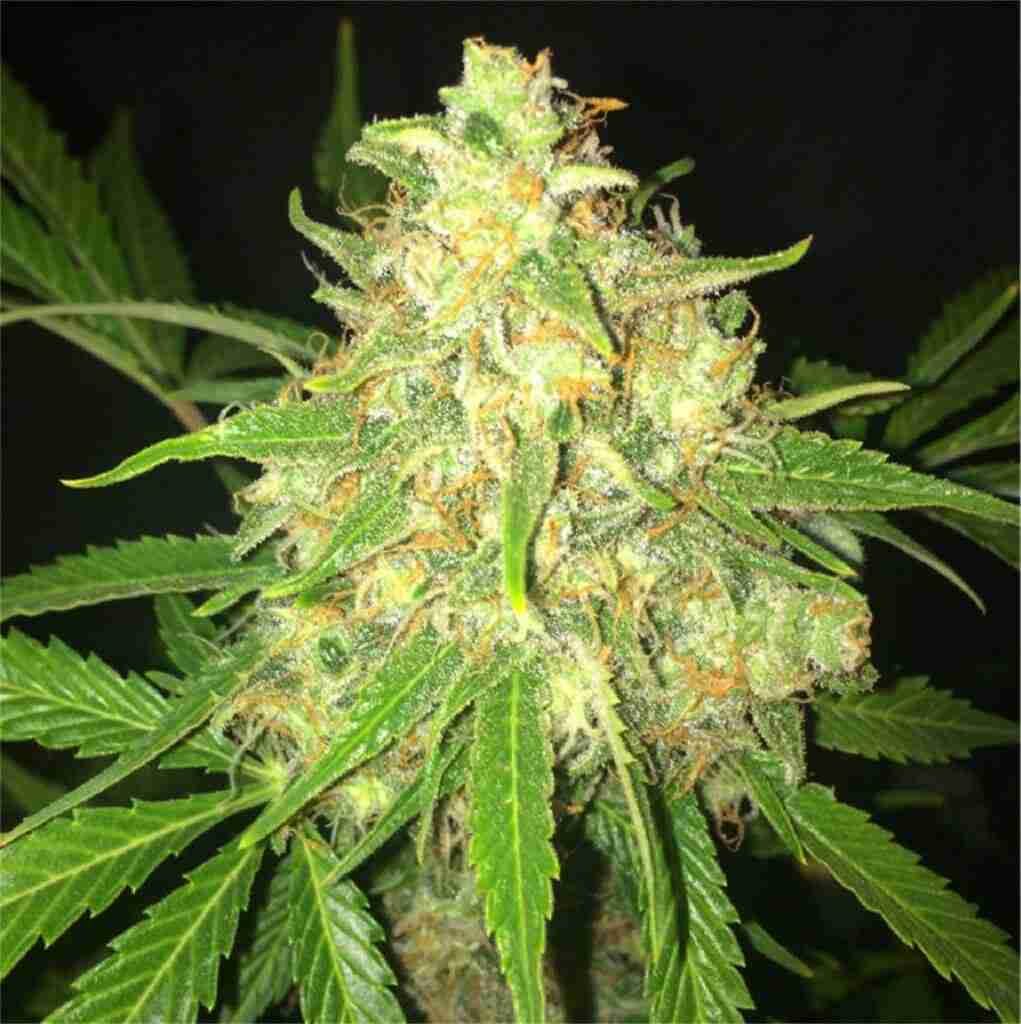
Flavour: Bright citrus and sharp pine on the inhale, where the terpinolene-dominant haze character is immediately recognisable, with sweet vanilla undertones and earthy depth on the exhale. Smooth smoke with a slightly more expansive quality than compact indica autos given the sativa genetics. A proper 3 to 4 week cure sharpens the citrus-pine profile significantly, so assess the genetics at 4 weeks in the jar, not at 1 week post-harvest.
🍊 Terpene Profile
The aroma is distinctive for an auto: bright citrus and pine over a classic haze base, with sweet vanilla beneath. The chemistry behind it:
- Terpinolene (dominant): the floral, herbal, citrus-pine note that creates the unmistakable haze character, and a relatively rare dominant terpene
- Myrcene: the earthy depth beneath the brightness
- Ocimene: a sweet, floral, citrus lift that rounds out the top of the profile
- Pinene: a light pine note that adds to the fresh, clear edge
For how these compounds shape flavour and effect, see our cannabis terpenes guide.
🌱 Growing Auto Moby Dick Seeds in Australia
(Strictly for ACT residents with a licence or those overseas where cultivation is legal.)
Experience level: intermediate. Auto Moby Dick is more demanding than compact indica-dominant autos. The taller structure (100 to 140 cm) needs more vertical space and planning, the 77 to 84 day timeline asks for more patience, and the sativa genetics want slightly different management. Growers with two or three successful auto runs behind them and adequate tent height will find it manageable and rewarding. First-time growers are better served starting with a compact indica auto. Our cannabis seedling care guide covers a strong start.
Critical auto rules before germination:
- Confirm your tent height first. 180 cm minimum. Plants reach 100 to 140 cm and you need clearance for lights and pot height. Tents under 180 cm are not suitable
- Start in the final container. 15 to 20 L indoors, 20 to 30 L outdoors. No transplanting, since the fixed timeline cannot recover development time lost to root disturbance
- Feed lean early. The sativa genetics are moderate feeders, but overfeeding in weeks 1 to 3 on a fixed timeline is permanent damage
- Plan for staking outdoors. The taller sativa structure needs support from week 6 onward in exposed positions
Flowering: the plant initiates flowering at 3 to 4 weeks from germination, with seed to harvest running roughly 77 to 84 days, longer than most autos in the catalogue due to the sativa genetics. Check trichomes from week 9. The final week (days 77 to 84) adds noticeable weight and sharpens the terpene profile. Harvest at 20 to 30% amber for the characteristic clear-headed Moby Dick effect, and do not harvest early.
Height and structure: tall and open, 100 to 140 cm with longer internodal spacing and thinner leaves than compact indica autos. Expect more vertical stretch in early flower (weeks 3 to 5) than most autos, around a 30 to 60% increase from pre-flower height. LST from week 2 to 3 manages this, opens the canopy, and improves light penetration across the longer window.
Training: LST is the most important technique here. Begin tying down the main stem at week 2 to 3, before the sativa stretch, and keep adjusting as the plant stretches in early flower. Topping is not recommended, since the fixed timeline does not allow recovery for a net yield benefit, and LST manages the height without the development cost. Defoliation stays light to moderate: the open sativa structure already has good light penetration, so remove fan leaves blocking bud sites but do not strip heavily.
Common issues: insufficient vertical space is the most common problem, and if the plant grows into the light by week 8 it is too late to fix, so confirm 180 cm+ height before germinating. Impatience is next: the final 7 to 10 days add real weight and complete the terpenes, so do not pull early. And underfeeding, since pale green leaves at weeks 7 to 8 usually mean this moderate-to-heavier feeder needs more, not less. Our amber trichomes guide covers reading the harvest window.
🏠 Indoor Growing
- Seed to harvest: 77 to 84 days fixed, no light flip required
- Yield: up to 500 g/m² under quality lighting with LST, strong for an auto
- Container: start and finish in 15 to 20 L, no transplanting. Bigger pots produce bigger plants with this genetics
- Light: 18/6 recommended, 20/4 marginally better for yield. The sativa genetics respond well to extended light hours
- Height: 100 to 140 cm, needs a tent 180 cm minimum. Standard 200 cm tents work well; not suitable under 180 cm
- Training: LST from week 2 to 3 before the sativa stretch begins, adjusting through early flower
- Aroma: citrus-pine-haze from week 6, so carbon filtration is essential indoors
🌿 Outdoor Growing (Australia)
- Harvest timing: ~77 to 84 days from planting, not season-dependent
- Yield: 100 to 200 g per plant, with 20 to 30 L containers in full sun pushing toward the upper end
- Container: 20 to 30 L minimum, since the taller sativa structure benefits from root space more than compact indica autos
- Site: full sun, 8-plus hours minimum. The sativa genetics respond particularly well to light intensity
- Staking: essential from week 5 to 6 in exposed positions. The taller sativa branches are more wind-vulnerable than compact indica autos
- Multiple runs: QLD and Northern NSW can fit two to three full cycles (September for a November/December harvest, January for a March/April harvest); Victoria and SA two runs; WA three, the Mediterranean climate suiting the sativa genetics well. Our Australian climate strain guide covers regional fit
- Climate: the Haze genetics handle Australian heat well and tolerate up to 32 to 33 °C without significant stress, and the more open sativa bud structure resists mould better than compact indica autos
🧪 Auto Moby Dick Seeds EC and Feeding Guide: Soil and Coco
Auto Moby Dick is a moderate-to-heavier feeder than most autos in the catalogue. The sativa genetics and longer 77 to 84 day timeline mean higher total nutrient demand and a longer peak flower window to support. The Haze component handles EC variation well, while the White Widow contribution adds some sensitivity in the early phase. Start at quarter strength in weeks 1 to 3, build based on plant response, and sustain potassium support through the extended peak. The terpinolene-dominant citrus-pine profile benefits from conservative nitrogen in late flower and a thorough flush before harvest.
All EC values assume quality base nutrients. Australian tap water typically runs 0.2 to 0.5 EC, so factor that into your target and measure after mixing.
📊 EC and pH Target Table: Soil vs Coco
| Phase / Week | Soil EC | Coco EC | Soil pH | Coco pH | Notes |
|---|---|---|---|---|---|
| Weeks 1–2 Seedling |
0.4–0.6 | 0.5–0.8 | 6.2–6.5 | 5.8–6.0 | Plain water or quarter strength. White Widow genetics carry some early sensitivity. Week 1 to 2 overfeeding is permanent on a fixed timeline. |
| Weeks 3–4 Early veg / pre-flower |
0.8–1.2 | 1.0–1.4 | 6.0–6.5 | 5.8–6.2 | Build to half strength. Nitrogen-forward. Begin LST. Pre-flowers around day 21 to 28. The sativa genetics build EC tolerance faster than compact indica autos. |
| Weeks 4–5 Pre-flower transition |
1.0–1.4 | 1.2–1.6 | 6.0–6.5 | 5.8–6.2 | Reduce nitrogen, introduce bloom nutrients. Begin potassium support, important for White Widow resin density and terpinolene citrus-pine expression. |
| Weeks 5–9 Extended peak flower |
1.2–1.6 | 1.4–1.8 | 6.0–6.5 | 5.8–6.2 | A longer peak window than compact autos. Sustain potassium throughout. Back off nitrogen from week 7. The citrus terpene character suffers with excess N in late flower. |
| Weeks 10–11 Late flower / ripening |
1.0–1.4 | 1.2–1.6 | 6.0–6.5 | 5.8–6.2 | Taper EC down. The plant draws on reserves. Monitor runoff EC. Check trichomes from day 70. |
| Final 7–10 days Flush |
0.0–0.4 | 0.0–0.5 | 6.2 | 5.8–6.0 | Plain pH water until runoff EC drops below 0.5. The citrus-pine-vanilla expression is noticeably cleaner after a proper flush, which matters with terpinolene-dominant genetics. |
🌱 Soil-Specific Notes
Pre-loaded nutrients: quality potting mix runs 1.0 to 1.5 EC on its own in weeks 1 to 3, so plain water or quarter strength is correct for the seedling phase. Feed only once runoff EC drops below 0.8.
Feeding level: Auto Moby Dick runs a somewhat higher EC than compact indica autos given the longer timeline and sativa genetics. If leaves are pale green at weeks 7 to 8, increase base nutrients, since this is a moderate-to-heavier feeder and underfeeding is more common here than overfeeding.
Runoff monitoring: water to 10 to 20% runoff and measure EC. Runoff 0.4 above feed-in indicates salt buildup, so flush with twice the pot volume of plain pH water. The longer peak window (weeks 5 to 9) means salt can accumulate over more feeding cycles, so regular monitoring matters more here.
Watering frequency: every 2 to 3 days in veg, every 1 to 2 days in peak flower. The taller sativa structure transpires more actively in warm conditions, and the pot will feel lighter between waterings by weeks 6 to 8.
🥥 Coco-Specific Notes
Feeding frequency: once daily in veg, twice daily in peak flower. Never let coco dry out, since consistent hydration across the extended timeline directly supports the terpinolene development.
pH in coco: 5.9 to 6.1 at every feed. The terpinolene citrus profile is sensitive to pH drift, and below 5.8 the bright citrus character fades before any visible deficiency appears. Check every feed.
CalMag in coco: 1 to 2 ml/L from week 1 through flush. The sativa genetics have higher magnesium demand than compact indica autos, particularly through weeks 5 to 9.
Nitrogen timing: back off nitrogen firmly from week 7. The terpinolene and ocimene profile suffers with excess nitrogen in late flower, and the effect is faster and more direct in coco than soil.
📋 EC Troubleshooting
| What You're Seeing | Likely Cause | Action |
|---|---|---|
| Pale green leaves weeks 7–8 | Underfeeding, more common with this genetics than overfeeding at this stage | Increase base nutrients by 0.2 to 0.3 EC at the next watering and monitor over 3 to 4 days. The sativa genetics and longer timeline mean higher demand. |
| Citrus aroma flat or absent in late flower | Excess nitrogen suppressing terpinolene, pH drift, or insufficient cure | Check pH first. Back off nitrogen from week 7. If flat at harvest, jar for 3 to 4 weeks, since the citrus-pine character develops significantly during cure. |
| Tip burn weeks 1–3 | EC too high for the White Widow-influenced genetics at seedling stage | Drop to plain water for one to two waterings, then resume at lower EC. Week 1 to 3 overfeeding is permanent on a fixed timeline. |
| Yellowing between leaf veins | Magnesium deficiency, more common with sativa genetics, or pH drift | Check pH first. If correct, add CalMag at 2 ml/L for the next 2 to 3 waterings. Sativa genetics have higher magnesium demand. |
| Runoff EC well above feed-in | Salt buildup, more likely over the extended peak window | Flush with twice the pot volume of plain pH water. Target runoff below 1.0 before resuming. |
💡 Feeding Key Principles
- Feed more than a compact indica auto: the sativa genetics and longer timeline mean higher total demand. Pale green at weeks 7 to 8 usually means more feeding is needed, not less
- Sustain potassium through the extended peak: the peak window runs weeks 5 to 9, longer than most autos. Consistent K drives the White Widow resin density and terpinolene citrus development
- Back off nitrogen from week 7: the citrus-pine character suffers with excess N in late flower, earlier than compact autos given the longer timeline
- CalMag matters more here: the sativa genetics have higher magnesium demand, particularly in coco
- Flush and cure for terpene quality: a 7 to 10 day flush until runoff drops below 0.5, then 3 to 4 weeks in the jar, since the terpinolene profile develops significantly during cure
🗓️ Auto Moby Dick Seeds Week-by-Week Grow Guide
Auto Moby Dick runs 77 to 84 days, the longest timeline in the auto catalogue due to the sativa genetics. The main challenges are height planning before germination, LST timing to manage the sativa stretch in early flower, sustained feeding through the extended peak window, and patience in the final 7 to 10 days when yield builds significantly.
| Phase / Week | What's Happening | Key Actions | Watch Out For |
|---|---|---|---|
| Weeks 1–2 Seedling |
Taproot establishing. The sativa structure showing early, with longer internodal spacing than compact indica autos. | Plain water or quarter strength. 18/6. 60 to 70% RH. Final container from day one. Confirm tent height before this step. | Overwatering and overfeeding. Don't compensate for the longer timeline by feeding harder. |
| Weeks 3–4 Early veg / pre-flower |
Rapid sativa vegetative growth. Pre-flowers around day 21 to 28. Already noticeably taller than compact indica autos at this stage. | Begin LST before the stretch starts. Build to half strength. EC 0.8 to 1.2 soil / 1.0 to 1.4 coco. 50 to 60% RH. | Missing the LST window. Start LST before pre-flowers appear for the best canopy management. |
| Weeks 5–7 Early flower / stretch |
Height increasing 30 to 60% from pre-flower height. The citrus-pine haze aroma builds from week 6. Dense buds forming on Haze-length internodes. | Bloom nutrients. EC 1.2 to 1.6 soil / 1.4 to 1.8 coco. Potassium boost from week 5. Carbon filter from week 6. RH 45 to 50%. Adjust light distance. Back off nitrogen from week 7. | Light distance, the stretch brings the canopy close fast. Pale-green leaves may mean the sativa genetics want more feeding. |
| Weeks 8–10 Extended peak flower |
Dense, resinous buds with White Widow resin density on a Haze structure. Citrus-pine-haze aroma intensifying. The extended peak window unique to this sativa timeline. | Maintain peak EC. Sustain potassium. RH 40 to 45%. Check trichomes from day 70. The final week-plus adds significant yield. | Harvesting early, the most common mistake. The final 7 to 10 days add 15 to 20% to weight and complete the terpenes. Wait for 20 to 30% amber. |
| Days 77–84 Flush & harvest |
Final ripening. Trichomes at full development. Dense, resinous, citrus-haze buds at their peak with natural leaf yellowing. | Plain pH water for 7 to 10 days. Harvest at 20 to 30% amber. Slow dry at 15 to 18 °C, 55 to 60% RH for 10 to 14 days. | Rushing the dry. The terpinolene citrus-pine terpenes are volatile, so slow and cool preserves them. |
| Post-harvest Cure |
The full terpinolene citrus-pine-vanilla complexity develops in the jar. After 3 to 4 weeks the characteristic haze profile is fully present. | Jar at 60 to 65% RH. Burp daily for two weeks. 3 weeks minimum; 4 to 5 weeks produces the full citrus-haze complexity. Our drying and curing guide covers it. | Assessing the genetics at 1 week post-harvest. The terpinolene character sharpens dramatically during cure, more than most other profiles. |
🧠 Jason's Tip: Growing Auto Moby Dick
Auto Moby Dick is the tallest auto I regularly recommend. If you are used to compact 70 to 80 cm autos, the 120 to 130 cm height will surprise you. Make absolutely sure your tent is 180 cm minimum before you germinate. I have seen growers try to fit this in 160 cm tents and end up with plants growing into the lights by week 8, and at that point there is nothing you can do. Check the tent height first.
Use bigger pots than you think you need. I run these in 20 L fabric pots and the difference from 15 L is noticeable, probably 15 to 20% more yield. The longer timeline and sativa genetics benefit from extra root space in a way that compact 10-week autos do not.
And do not underfeed it. A lot of growers apply compact indica auto feeding rates to this strain and then wonder why yields are mediocre. The last week matters more than most expect too: I used to harvest at day 77 and get decent results, and now I wait until the trichomes are properly 20 to 30% amber, usually day 82 to 84, for a consistent bump in weight and flavour. That extra week adds 15 to 20% to final yield and completes the citrus-haze terpene development. Be patient.
⚖️ Auto Moby Dick vs Moby Dick Feminised: Which Suits You
| Feature | Auto Moby Dick (this page) |
Moby Dick Feminised |
|---|---|---|
| Type | Autoflower | Photoperiod |
| Seed to harvest | ~77–84 days fixed | 9–10 week flower + veg (17–22 weeks total) |
| THC | ~20–25% | 22–26% |
| Indoor yield | Up to 500 g/m² | Up to 650 g/m² |
| Outdoor yield | 100–200 g/plant | Up to 750 g/plant |
| Height | 100–140 cm | 150–250 cm+ |
| Light schedule | Any, no flip required | 12/12 to flower |
| Training | LST only, no topping | SCROG, topping, LST all valid |
| Best for | Fixed timeline, multiple cycles, no light flip | Maximum yield and the full expression |
Choose Auto Moby Dick for a fixed 77 to 84 day timeline, multiple outdoor cycles per Australian season, and the sativa effect without managing a 12/12 flip. Choose the Moby Dick Feminised for maximum yield (up to 750 g per plant outdoor), the full 22 to 26% THC expression, and complete control over veg time and plant size.
🎯 Is Auto Moby Dick Right for Your Grow?
✅ Auto Moby Dick is the right choice if:
- You want the Haze × White Widow citrus-pine haze profile and the sativa-dominant energising effect on a fixed timeline with no flip
- You have a tent 180 cm or taller, the single most important requirement for this strain
- You want the most functional, daytime-suited effect in the auto catalogue, the 60/40 sativa genetics and THCV are uncommon in auto format
- Above-average auto yield matters, up to 500 g/m² is stronger than most auto genetics
- You want multiple outdoor cycles per Australian season in warm states
- You have two or three successful auto grows behind you and can manage a taller, longer-running plant
❌ Consider alternatives if:
- Your tent is under 180 cm, Auto Moby Dick will outgrow it
- Maximum outdoor yield is the priority, up to 750 g per plant for the photoperiod versus 100 to 200 g for the auto is a large gap
- You want a 10-week compact auto, this runs 77 to 84 days and 100 to 140 cm tall
- This is your first auto grow, start with a compact indica auto and come back once you know the format
- You want heavily sedating evening effects, the 60% sativa profile is energising, not sedating
Still comparing options? Our full strain lineup guide covers the range, or browse the autoflower range, the sativa-dominant range, or the complete cannabis seeds catalogue.
🌟 Auto Moby Dick Customer Experiences
Paraphrased from verified customer reviews and grower communications.
⭐⭐⭐⭐⭐ "Pulled 180 g from one plant in a 30 L pot on my balcony in Brisbane. The plant was 125 cm tall, needed staking from week 6, but zero problems. The citrus-haze flavour after a 4-week cure is incredible, and the effect is energising and focused, nothing like the compact indica autos I've grown before.", Balcony grower, Queensland
⭐⭐⭐⭐⭐ "Easily the most energising auto I've had. Perfect for getting things done, focused and creative without jitters. The haze genetics really carry through into the auto format.", Indoor grower
❓ Frequently Asked Questions: Auto Moby Dick Seeds
What is Auto Moby Dick?
Auto Moby Dick is an autoflowering feminised version of Dinafem's Moby Dick, the Haze × White Widow cross that pairs soaring cerebral sativa effects with White Widow's resin production and yield. Ruderalis genetics trigger flowering automatically at 3 to 4 weeks from germination regardless of light cycle, with seed to harvest running roughly 77 to 84 days on a fixed timeline. The terpinolene-dominant citrus-pine-haze profile, the sativa-dominant energising effect, and the notable THCV all carry through into the auto. Our Moby Dick strain review covers the genetics and the THCV in depth.
How long does it take from seed to harvest?
Approximately 77 to 84 days (11 to 12 weeks) from germination, longer than most autos due to the 60% sativa genetics. This is a fixed timeline. Check trichomes from day 70 but plan for day 77 to 84 as the realistic target, and harvest at 20 to 30% amber for the characteristic clear-headed effect. The final 7 to 10 days add 15 to 20% to yield and complete the terpenes, so do not harvest early.
Is Auto Moby Dick difficult to grow?
Intermediate, more demanding than compact indica-dominant autos. The specifics: a taller structure (100 to 140 cm needs 180 cm+ tent height, confirm before germinating), a longer timeline (77 to 84 days), somewhat higher feeding than compact autos, and staking outdoors. Growers with two or three successful auto grows behind them will manage it. First-time auto growers are better served starting with a compact indica auto.
What yields can I expect?
Up to 500 g/m² indoors under quality lighting with LST, notably above average for auto genetics. Outdoor plants produce 100 to 200 g each, with 20 to 30 L containers and full sun pushing toward the upper end. These are honest achievable figures.
How does it perform outdoors in Australia?
Well in warm states. Queensland and Northern NSW can fit two to three complete cycles between September and May, which the fixed 77 to 84 day timeline enables where photoperiod timing does not. Victoria and SA can run two cycles in the warmer months, and Western Australia's Mediterranean climate suits the sativa genetics particularly well. The taller plants need staking from week 5 to 6 in exposed positions, and 20 to 30 L containers rather than the 15 L compact autos can use.
How does the auto compare to the photoperiod Moby Dick?
The auto keeps most of the photoperiod's character. THC eases from 22 to 26% down to ~20 to 25%, a real but modest gap, and the terpene profile and sativa-dominant effect carry through well with a proper cure. What the auto loses is mainly yield per plant (100 to 200 g against up to 750 g for the photoperiod outdoors) and the ability to extend veg. For the full Moby Dick experience at maximum yield, the Moby Dick Feminised photoperiod is the right choice. The auto is right when the fixed timeline and outdoor season flexibility make the photoperiod impractical.
Does Auto Moby Dick taste like the photoperiod?
Yes, with a proper cure, and the cure matters more with terpinolene-dominant genetics than most other profiles. The citrus-pine-vanilla haze character develops significantly in the jar over 3 to 4 weeks. Fresh-dried material is decent; properly cured material is recognisably Moby Dick. Assess the genetics at 4 weeks in the jar, not at 1 week post-harvest.
Do you ship Auto Moby Dick seeds across Australia?
Yes, with fast domestic shipping and discreet packaging, and most orders arrive within a few business days. All seeds are batch-tested with the paper towel method at ~22 °C and stored cold and dry to preserve viability.
58 reviews for Auto Moby Dick Feminized Seeds
Not sure this is the right strain for you?
Answer six quick questions and we will give you three strains we feel best for you based on your setup, experience, and goals.
Related products
-
 AUTO
AUTOAuto CBD Charlotte’s Web Feminized Seeds
From Original price was: $80.00.$75.00Current price is: $75.00. -
 AUTO
AUTOAuto Super Skunk Feminized Seeds
From Original price was: $80.00.$75.00Current price is: $75.00. -
 AUTO
AUTOClassic Mix-Auto Feminised cannabis seeds
Original price was: $320.00.$240.00Current price is: $240.00. -

Classic Mix – Feminised cannabis seeds
Original price was: $320.00.$240.00Current price is: $240.00. -

Black Domina Feminized Seeds
From Original price was: $80.00.$75.00Current price is: $75.00. -

Jack Herer Feminized Seeds
From Original price was: $80.00.$75.00Current price is: $75.00. -
 AUTO
AUTOAuto Northern Lights Feminized Seeds
From Original price was: $80.00.$75.00Current price is: $75.00. -
 AUTO
AUTOAuto White Widow Feminized Seeds
From Original price was: $80.00.$75.00Current price is: $75.00.

Will be back for more.
Great strain and easy to grow
Excellent customer service. Would highly recommend
Thanks Sacred Seeds!!!
Recommended
I also wanted to thanks Jess for her great customer service!
All seeds Germinated
Will definitely buy more 🙂
Up in 4 days thanks jess