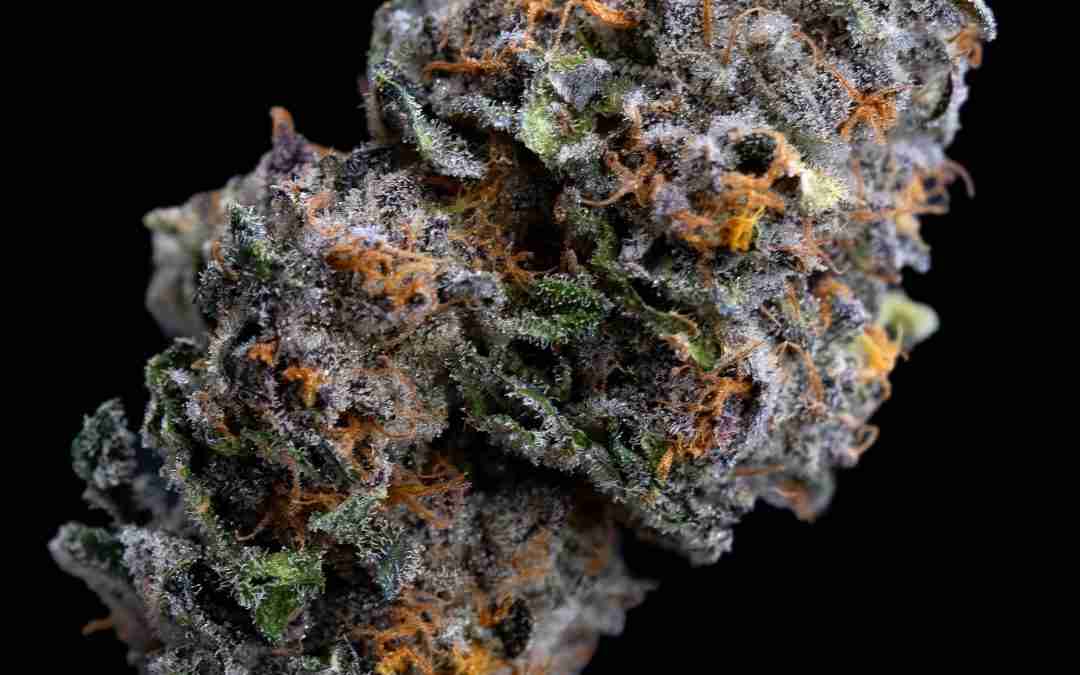
Permanent Marker Seeds Strain Review: The Loudest Drop of 2025 Has Landed

Permanent Marker Seeds Strain Review: The Loudest Drop of 2025 Has Landed
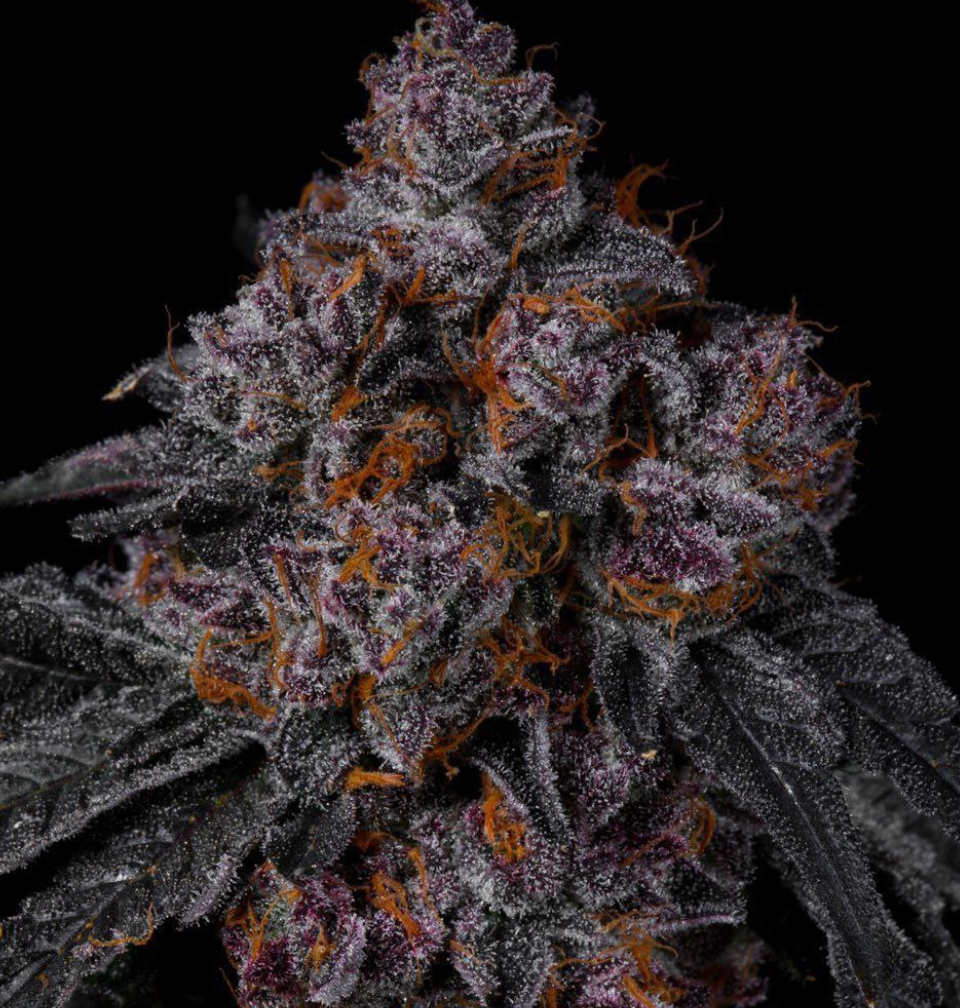
Our real life experience with Permanent Marker seeds

I still remember the first time I cracked a jar of Permanent Marker. It was in a mate’s studio in LA — late night, music spilling out of the speakers, the scent of pine cleaner and candy hitting the air like a punch. We all just stopped. This wasn’t your average smoke — it was smooth but loud. In your face. Funky. A little offensive, in the best way. It’s rare a strain makes an entrance like that.

Now, I’m bloody thrilled to say that Permanent Marker seeds are finally available here in Australia — and in proper form. We’ve just dropped this strain at Sacred Seeds in limited batch, and trust me, this isn’t one you want to sleep on. Permanent marker reviews have already started rolling in, with both the community and expert reviewers praising its unique aroma, taste, and standout effects.

What Is Permanent Marker?

If you haven’t heard the buzz yet, here’s the scoop: Permanent Marker is a modern heavy-hitter bred by Seed Junky Genetics — the same LA-based legends behind strains like Wedding Cake and Jealousy.

This one’s a complex trifecta:

  • Jealousy × Biscotti × Sherb Bx1 (with the x Sherb Bx cross playing a key role in its unique profile)

That’s elite lineage, plain and simple. The Sherb Bx1 brings the creamy sweetness, Biscotti adds gas and backbone, and Jealousy injects funk and depth. The result is something that’s both nostalgic and wildly new — like candy dipped in cleaning fluid with a diesel tail.

Why It’s Winning Awards (and Bowls)

Permanent Marker didn’t just cause a stir — it blew the doors off the scene. In 2022, it was crowned Strain of the Year by High Times, and followed up with Leafly’s Strain of the Year in 2023.

Here’s why it stands out:

  • 🔥 THC levels consistently clock in around 25-30%… but yes, some mad dog breeders are claiming 30–34% — the potency is no joke.

  • 👃 Flavour & aroma: candy funk, chemical gas, pine, sweet cream, and a unique aroma with strong citrus notes. The flavor and taste are complex, blending fruity, citrus, and earthy undertones for a memorable sensory experience.

  • 💭 Effects: euphoric, creatively buzzing, then deep and heavy — the kind of smoke that starts in your forehead and settles behind your eyes, delivering a powerful body high with couch locking effects thanks to its strong potency.

  • 🧠 Mental state: lifted, inspired, and eventually zoned — great for studio work, couch sessions, or staring at a painting for two hours straight

It’s one of those strains that tastes exactly how it smells, with a unique aroma and rich flavor profile. The smell is intense and instantly recognizable. The kind that leaves a resin ring around your grinder and your mind a little sideways. Each session offers a unique experience due to its diverse genetics and potent effects. I wouldn’t recommend it for lightweights — but for flavour chasers and high-tolerance heads, this is it.

Permanent Marker’s parent strains — Biscotti, Jealousy, and Sherb BX — are legends in their own right, each bringing their own unique qualities to the mix.

If you’re after a potent, flavorful strain with a memorable body high and unique experience, Permanent Marker is a great choice.

Grower Notes (For Those in Legal Regions)

If you’re lucky enough to live somewhere cannabis cultivation is legal, Permanent Marker is a joy to grow — but she’s got attitude.

  • Flowering time: 9–10 weeks; monitor harvest time closely to ensure plants are at peak potency and quality before you produce your final yield (give it extra time to cure… 4-6 weeks)

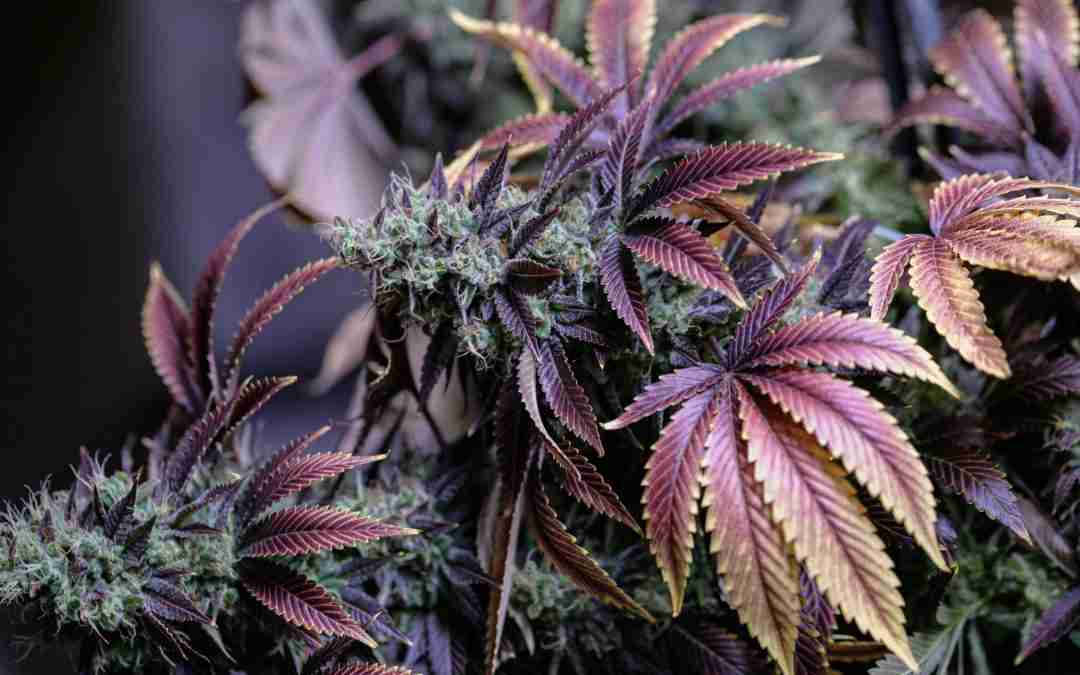
  • Structure: medium-tall plant, dense buds, chunky calyxes; permanent marker plants often display vigorous growth and a robust branching pattern

  • Aroma in flower: intense — carbon filters recommended

  • Response to training: loves LST and topping; LST and defoliation are recommended to improve light penetration, which helps lower buds develop and increases overall yield

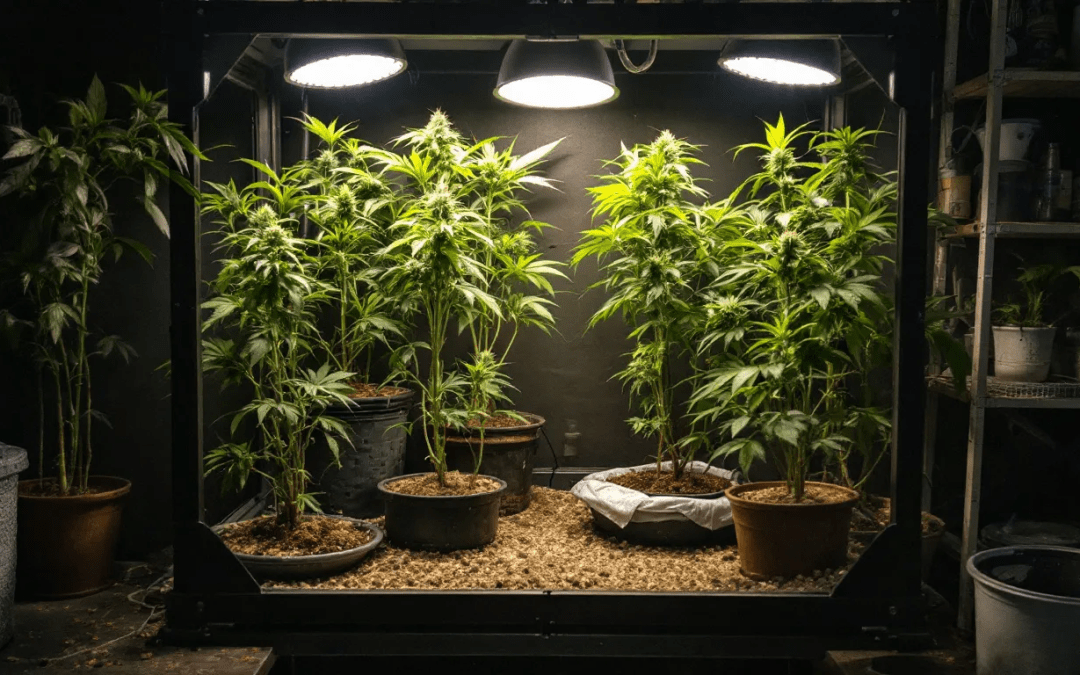
  • Indoor yields: plants produce generous harvests with care; responds well to organics, CO₂, and coco coir as a growing medium to optimize growth and THC production

Keep humidity in check during late flower — the buds can get thick and sticky. Terpene-heavy strains like this need good airflow.

Permanent Marker plants adapt well to various climatic conditions, making them suitable for both indoor and outdoor environments. The strain is resilient to stress from environmental changes or disease, ensuring a reliable harvest. During the vegetative phase, focus on developing a strong plant structure to maximize yield and bud quality.

(And yes — for everyone else: this is sold as a souvenir only. Always comply with your local laws.)

Real Talk: What It Feels Like

Some strains are subtle. This one isn’t.

It hits fast. A warm forehead buzz creeps into the temples, then a pressure behind the eyes. The first 20 minutes are usually creative — chatty, observational, often hilarious. Then it turns… still. Meditative. Like your mind got wrapped in warm velvet.

Many users report that this strain provides significant relief from pain and stress, making it a popular choice for those seeking therapeutic effects. Its relaxing properties can also help users achieve a good night’s sleep.

I’ve shared it with old-school heads and new-school dabbers alike. Every time, same reaction: “What the fck is that?!”*


Limited Batch Now Available

We’re beyond proud to stock this strain. At Sacred Seeds, we only bring in small-batch, high-integrity gear — and Permanent Marker has been on our wishlist for a while.

It’s now available in limited quantity here in our store, and like all rare drops — once it’s gone, it’s gone.

We expect this one to sell fast, especially with the awards and the word-of-mouth heat it’s been getting.

Don’t miss out on our promotional offers—keep an eye out for buy-one-get-one free seeds deals, where you can score extra seeds at no additional cost.

Final Thoughts

Permanent Marker isn’t just another hype strain. It’s the kind of cultivar that redefines what cannabis can be — flavourful, intense, memorable, and artistic in every sense.

If you’re a collector, a flavour nerd, or someone who simply wants to try what the best growers are raving about — don’t miss this one.

Smoke it slow. Respect the power. Hot tip- cure for 4-6 weeks. Thank us later.
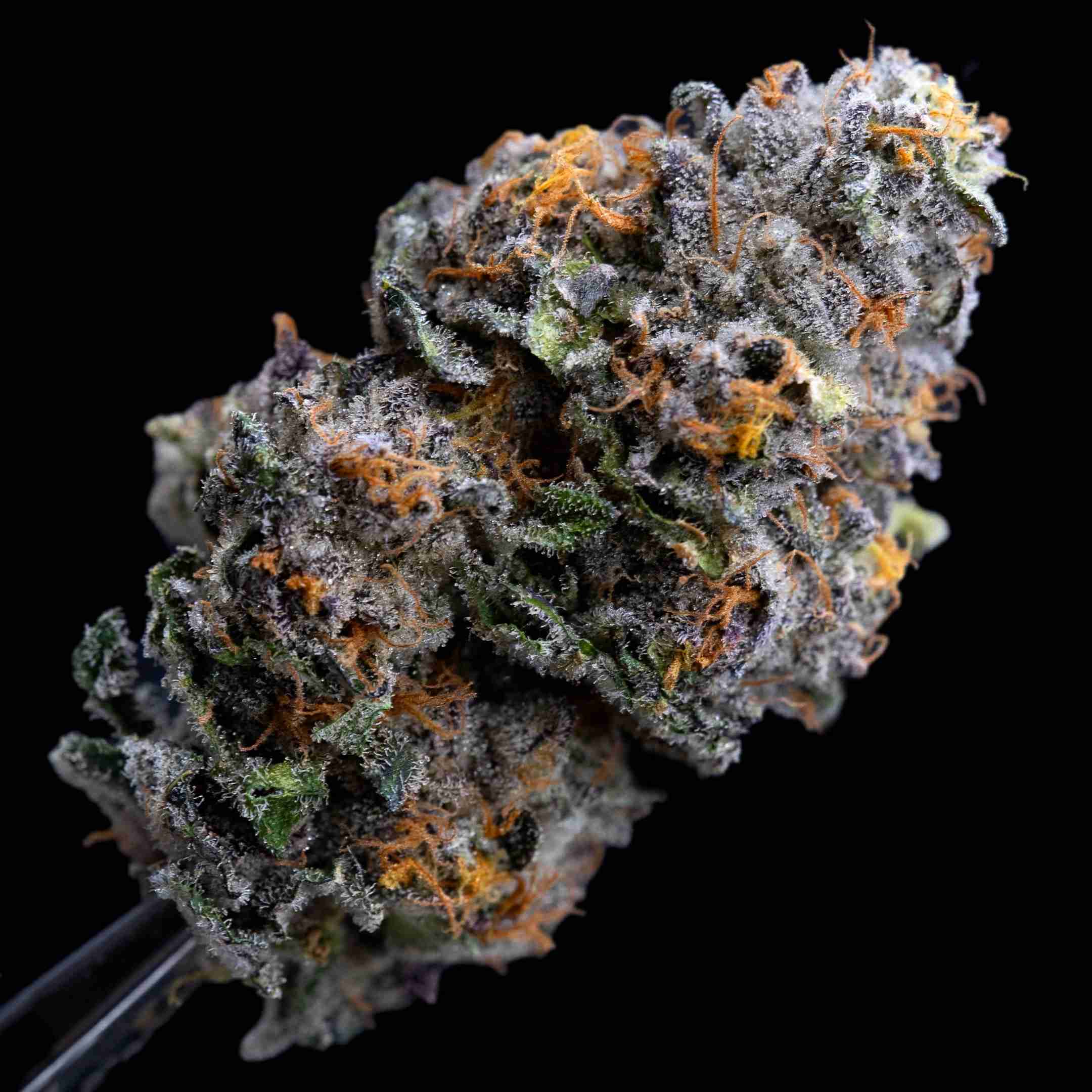
Overview of the Permanent Marker Strain

  • The key characteristics that set Permanent Marker apart include its unique aroma, potent effects, and impressive resin production, making it stand out from other strains.

  • Permanent Marker has won several awards, including being named a Leafly strain of the year and receiving the High Times Strain of the Year award.

  • In a world full of amazing strains, Permanent Marker’s quality and appeal have made it popular not only locally but also in the global cannabis market, making it a sought-after strain among growers and enthusiasts.

Genetics and Origin

  • Permanent Marker is an Indica-dominant hybrid, with 70% Indica and 30% Sativa genetics, offering a balanced experience that combines the relaxing effects of its indica side with the uplifting qualities typical of sativas.

  • The strain was bred by Seed Junky Genetics, a renowned seed bank known for producing high-quality, unique cannabis strains that can produce impressive yields of potent, resinous buds.

  • Permanent Marker seeds are available as feminized seeds, ensuring consistent phenotypes and optimized yields. Growers can expect dense, frosty permanent marker buds with a striking appearance, rich aroma, and exceptional bag appeal.

  • The strain’s parent strains, including Jealousy and Sunset Sherbet, are well-regarded in the cannabis community for their unique flavors and potent effects.

  • Seed Junky Genetics’ Jbeezy is credited with breeding Permanent Marker, which has become a flagship strain for the company.
Cannabis Seed Myths Debunked: Separating Fact from Fiction

Cannabis Seed Myths Debunked: Separating Fact from Fiction

Key Takeaways


  • Cannabis seed viability isn’t determined by appearance or floating tests alone
  • Genetics play a more significant role in plant outcomes than growing techniques
  • Feminized seeds are not inherently weaker or less stable than regular seeds
  • Proper storage can maintain seed viability for 5+ years under optimal conditions
  • Seeds from the same strain can produce plants with varying characteristics

In the rapidly evolving cannabis cultivation landscape, misinformation about cannabis seeds spreads as quickly as the plants themselves. Whether you’re a commercial grower, home cultivator, or simply curious about cannabis horticulture, understanding the truth behind common seed myths is essential for making informed decisions. This article separates scientific facts from persistent fiction surrounding cannabis seeds, genetics, and industry marketing claims.

Myth #1: You Can Judge Seed Quality by Appearance Alone


Many cultivators believe they can determine a seed’s viability and genetic quality simply by examining its appearance. This myth suggests that dark, tiger-striped seeds are superior, while pale or greenish seeds are immature and worthless.

The Reality: While appearance can provide some basic information, it’s far from definitive. Research from agricultural universities shows that:

  • Seed coloration varies naturally between strains and phenotypes
  • Some perfectly viable seeds may appear lighter or lack tiger striping
  • Properly matured seeds come in various colors from light tan to nearly black
  • Immature seeds tend to be soft and easily crushed, regardless of color

The definitive test of a seed’s quality is whether it germinates successfully and produces a healthy plant—not how it looks. Internal genetic quality simply cannot be determined through visual inspection.

Myth #2: The Float Test Accurately Determines Seed Viability


A common practice among growers is placing seeds in water and discarding those that float, based on the belief that floating seeds are non-viable.

The Reality: While the float test can provide some indication of seed density, it’s not a reliable method for determining viability. Research demonstrates that:

  • Some viable seeds may float due to their natural composition
  • Some non-viable seeds may sink due to water absorption
  • Various cannabis strains naturally produce seeds with different densities
  • Environmental factors during seed formation affect density

More reliable germination testing methods include proper germination in quality growing medium or using standardized paper towel germination procedures under controlled temperature and humidity conditions.

Myth #3: Growing Techniques Matter More Than Genetics

A persistent myth suggests that with the right growing techniques, nutrients, and equipment, any cannabis seed can produce exceptional results.

The Reality: While cultivation practices are undeniably important, they can’t fundamentally transform genetic potential. Scientific breeding studies confirm that:

  • Genetic factors determine 70-80% of a plant’s potential characteristics
  • Environmental factors and growing techniques can only optimize what’s genetically possible
  • No amount of cultivation skill can make genetically average seeds produce elite results
  • Genetic ceiling is real—plants can only express traits contained in their DNA

This explains why experienced growers prioritize genetic selection first, then optimize growing conditions to fully express that genetic potential.

Myth #4: Feminized Seeds Are Genetically Weaker Than Regular Seeds

Some traditional growers maintain that feminized seeds produce weaker plants more prone to hermaphroditism and genetic issues compared to regular (non-feminized) seeds.

The Reality: Modern feminization techniques have evolved significantly. Contemporary research indicates:

  • Properly produced feminized seeds from reputable breeders show no inherent genetic weaknesses
  • Modern feminization uses controlled stress techniques or silver thiosulfate rather than harmful chemicals
  • Hermaphroditic tendencies are primarily genetic traits passed down from parent plants, not a result of feminization itself
  • Today’s feminized seeds undergo multiple testing generations to ensure stability

Stress-induced hermaphroditism can occur in both feminized and regular seed plants when exposed to environmental stressors like light leaks, temperature extremes, or physical damage.

Myth #5: Cannabis Seeds Expire Quickly

Many cultivators believe cannabis seeds remain viable for only a year or two after production.

The Reality: With proper storage, cannabis seeds can remain viable for much longer periods:

  • Under optimal conditions (cool, dark, dry, and stable), seeds can remain viable for 5+ years
  • Germination rates gradually decline over time rather than suddenly dropping to zero
  • Proper refrigeration in airtight containers with desiccants can extend viability to 10+ years
  • Different genetic strains have varying natural seed longevity

The key factors affecting seed longevity are temperature stability, humidity control, light exposure, and physical protection from damage.

Myth #6: F1 Hybrids Always Produce Consistent Plants

Many growers believe that F1 hybrid seeds (first-generation crosses between two stable parent lines) always produce identical plants with uniform characteristics.

The Reality: While F1 hybrids do offer greater consistency than later generations, perfect uniformity is a misconception:

  • Natural genetic variation exists even among F1 siblings
  • Environmental factors influence phenotypic expression
  • Different phenotypes can emerge from the same seed batch
  • True uniformity requires vegetative cloning, not seed propagation

F1 hybrids do typically show more consistency than F2 or later generations, but some variation should still be expected.

Myth #7: Autoflowering Strains Always Produce Lower Quality Cannabis

A persistent myth suggests that autoflowering varieties inherently produce lower quality cannabis with reduced potency compared to photoperiod strains.

The Reality: Modern autoflowering genetics have evolved dramatically:

  • Early autoflower generations (2008-2012) did produce lower cannabinoid levels
  • Modern autoflowering strains (post-2015) can produce THC levels comparable to photoperiod varieties
  • Breeding programs have successfully maintained terpene profiles in autoflowering versions
  • Yield differences have narrowed significantly through selective breeding

Today’s premium autoflowering genetics represent sophisticated breeding combining Cannabis ruderalis with high-quality photoperiod genetics over multiple generations of selective breeding.

Myth #8: All Seeds from the Same Strain Are Genetically Identical

Many novice growers assume all seeds labeled with the same strain name will produce identical plants.

The Reality: Cannabis strain names represent broad categories rather than genetically identical populations:

  • Seeds from the same strain batch contain genetic variation
  • Different seed banks may sell dramatically different genetic versions of identically named strains
  • Without protected genetic patents, strain names are used inconsistently across the industry
  • Even stabilized strains exhibit natural variation between individual seeds

This explains why experiences with the “same strain” can vary significantly between growers or seed banks.


Conclusion

The cannabis seed market thrives partly due to persistent myths that confuse beginners and sometimes even experienced growers. By understanding the scientific reality behind these misconceptions, cultivators can make better-informed decisions, set realistic expectations, and achieve more successful outcomes.

As cannabis cultivation continues to professionalize and expand, evidence-based practices will increasingly replace folklore and marketing claims. The future of cannabis cultivation lies not in chasing myths but in understanding the genuine interaction between genetics, environment, and growing practices.

Glossary of Cannabis Seed Terminology

Allele: Alternative forms of a gene that influence how genetic traits are expressed in a plant.

Backcrossing: The process of crossing a hybrid with one of its parent plants to reinforce specific genetic traits.

Breeder’s Pack: Original seeds directly from the breeder, typically containing a larger number of seeds than retail packs.

Dioecious: Plants (like cannabis) that typically produce separate male and female plants.

F1 Hybrid: First-generation cross between two different pure breeding lines.

F2 Generation: The second generation produced by breeding two F1 plants together.

Feminized Seeds: Seeds genetically engineered to produce only female plants.

Genotype: The complete genetic makeup of a cannabis plant.

Hermaphrodite: A plant that develops both male and female reproductive organs.

Heterozygous: Containing different alleles of a particular gene or genes.

Homozygous: Containing identical alleles of a particular gene or genes, leading to consistent trait expression.

IBL (Inbred Line): A strain that has been inbred to produce consistent offspring.

Landrace: Naturally occurring, indigenous cannabis variety that has adapted to its local environment.

Phenotype: The observable characteristics of a cannabis plant resulting from the interaction of its genotype with the environment.

Phenohunting: The process of growing multiple plants from the same seed stock to identify individuals with superior traits.

Regular Seeds: Non-feminized seeds that produce approximately equal numbers of male and female plants.

Stabilized Genetics: Cannabis strains that have been bred over multiple generations to produce consistent traits.

Frequently Asked Questions

How can I tell if cannabis seeds are viable without germinating them?

While no method is 100% accurate without actual germination, viable seeds typically have a hard outer shell, are dark in color (though color varies by strain), and feel firm when gently squeezed. The float test provides limited information but isn’t definitive. The only absolutely reliable viability test is attempting germination under optimal conditions.

Do old cannabis seeds produce weaker plants?

No, older seeds that successfully germinate do not inherently produce weaker plants. While germination rates decline with age, seeds that do germinate typically develop normally. The plant’s strength and quality are determined by genetics and growing conditions, not seed age. However, very old seeds may have slower initial growth during the seedling stage.

Are white or light-colored cannabis seeds always immature?

Not necessarily. While seed color can indicate maturity in some strains, certain cannabis varieties naturally produce lighter-colored seeds even when fully mature. Premature seeds are typically small, fragile, and easily crushed between fingers, regardless of color. Viable light-colored seeds will still have a complete, hard seed coat and proper development.

Why do seeds from the same strain produce different plants?

Cannabis strains are not genetically identical clones but rather populations sharing similar characteristics. Natural genetic variation, different phenotypic expressions, and varying environmental conditions all contribute to differences between plants grown from the same strain’s seeds. True genetic uniformity can only be achieved through cloning, not seed propagation.

Do feminized seeds have a higher chance of becoming hermaphrodites?

Modern, properly produced feminized seeds from reputable breeders do not have inherently higher hermaphroditic tendencies than regular seeds. Hermaphroditism is primarily determined by the genetic stability of the parent plants and environmental stress factors. Low-quality feminized seeds produced using harsh chemical methods may show higher hermaphroditic tendencies, which is why source matters significantly.

Can you tell a strain’s effects from looking at the seeds?

No, it’s impossible to determine a strain’s effects, potency, or chemical profile by examining the seeds. These characteristics are determined by genetics and growing conditions, which cannot be visually assessed from seed appearance. The only way to determine a strain’s effects is to grow it to maturity, properly cure the harvest, and either consume it or have it laboratory tested.

References and Further Reading

  1. Small, E., & Cronquist, A. (2022). A practical and natural taxonomy for Cannabis. Taxon, 71(2), 207-249. https://doi.org/10.1002/tax.12594
  2. Salentijn, E. M., Zhang, Q., Amaducci, S., Yang, M., & Trindade, L. M. (2019). New developments in fiber hemp (Cannabis sativa L.) breeding. Industrial Crops and Products, 68, 32-41. https://doi.org/10.1016/j.indcrop.2014.08.011
  3. Russo, E. B. (2019). The Case for the Entourage Effect and Conventional Breeding of Clinical Cannabis: No “Strain,” No Gain. Frontiers in Plant Science, 9, 1969. https://doi.org/10.3389/fpls.2018.01969
  4. Olaizola, M. A., Campbell, B. J., Lowe, S. J., & Darling, J. A. (2021). Cannabis Genetics and Genomics: A Call to Action. Plants, 10(9), 1764. https://doi.org/10.3390/plants10091764
  5. Journal of Cannabis Research. (2021). Special Issue: Cannabis Breeding and Genetics. Journal of Cannabis Research, 3. https://jcannabisresearch.biomedcentral.com/articles/collections/cannabis-breeding-and-genetics
  6. Clarke, R. C., & Merlin, M. D. (2016). Cannabis: Evolution and Ethnobotany. University of California Press. https://www.ucpress.edu/book/9780520292482/cannabis
  7. Greene, M. (2020). Testing stability in cannabis indica L. and cannabis ruderalis feminized seeds. Industrial Crops and Products, 154, 112709. https://doi.org/10.1016/j.indcrop.2020.112709
  8. Davidson, C. G., & Potter, D. J. (2022). The Association between Storage Conditions and Germination Rate in Cannabis sativa L. Seeds. Plants, 11(2), 147. https://doi.org/10.3390/plants11020147
Why Seedlings Die: Examining Stem Rot and Damping Off

Why Seedlings Die: Examining Stem Rot and Damping Off

Stem rot and damping off are common yet frequently misunderstood problems that plague cultivators, leading to seedlings dying, particularly those new to growing. These issues are primary reasons why seedlings die, yet they often get misattributed to “bad genetics” or seed quality, when in reality they’re primarily environmental problems that can be prevented with proper knowledge and technique.


Understanding Why Seedling Death Occurs


Many growers experience the frustration of “seedling died” situations without knowing why. Before assuming “bad genetics” is the cause of your “floppy seedling” problems, it’s important to understand the two most common culprits behind why seedlings die: stem rot and damping off. Affected seedlings often exhibit shriveled stem bases and a tendency to flop over quickly.


Understanding Seedling Vulnerabilities

Seedlings are delicate and face numerous challenges that can hinder their growth and survival. One of the primary threats to young plants is soil-borne fungi, which can lead to damping off and other fungal diseases. These pathogens thrive in overly moist conditions and can quickly devastate a batch of seedlings. Additionally, leggy seedlings, which result from inadequate light, are more prone to disease and pest attacks due to their weakened state.


Temperature fluctuations, whether too hot or too cold, can also stress seedlings, making them more susceptible to disease and potentially leading to seedling death. Overwatering and underwatering are common pitfalls that can either drown the roots or deprive them of essential moisture, further stressing the seedlings and increasing the risk of them dying. Understanding these vulnerabilities is crucial for providing the optimal care needed to nurture healthy seedlings.


What is Stem Rot?

Stem rot in seedlings is a fungal disease that occurs when the tender stem tissue becomes infected and begins to decay. The stem typically develops a pinched, discolored appearance at soil level, and the seedling eventually topples over and dies. This condition is most common in overly wet growing media, where the seedling’s stem remains saturated for too long.

What is Damping Off?

Damping off is a disease of seedlings caused by pathogenic fungi and water molds, primarily Pythium spp., Rhizoctonia spp., and Fusarium spp. The symptoms closely resemble stem rot – seedlings fail to emerge from soil, or the seedling’s stem thins and becomes water-soaked near the soil surface, the plant wilts, and eventually collapses.


Identifying Why Seedlings Die: Damping Off Symptoms

  • Seedlings fail to emerge from the soil
  • Cotyledons (first seedling leaves) and stems appear water-soaked, soft, mushy, and may show gray to brown discoloration
  • Stems become thin, almost thread-like where infected
  • Young leaves wilt and turn green-gray to brown
  • Roots are absent, stunted, or have grayish-brown sunken spots
  • Fluffy white cobweb-like growth may appear on infected plant parts under high humidity conditions

Protecting seedlings from these symptoms involves maintaining proper environmental conditions and practicing good sanitation.


Common Causes

When you find yourself dealing with a “floppy seedling” that eventually falls over or a “seedling died” situation, don’t rush to blame “bad genetics.” Instead, consider these common environmental causes:

  1. Excessively wet media – Overwatering is the primary culprit behind stem rot and damping off
  2. Poor drainage – Growing media that doesn’t allow proper water drainage keeps roots and stems wet
  3. Inadequate air circulation – Stagnant, humid air creates perfect conditions for pathogens
  4. Contaminated growing media – Low-quality or reused soil may already contain harmful pathogens
  5. Planting too deep – Burying the seed too far below the surface forces the seedling to struggle through dense, wet media
  6. Cool temperatures – Soil that’s too cool for optimal germination slows growth and increases disease susceptibility
  7. Low light conditions – Insufficient lighting weakens seedlings and makes them more vulnerable
  8. High salt levels – Over-fertilization can stress young seedlings
  9. Lack of compost tea – Using compost tea can enhance soil health by promoting a balanced microbial environment, which helps prevent damping off and other fungal diseases

How Soil Borne Fungi and Other Pathogens Spread

The fungi and water molds responsible for damping off persist in soil and plant debris. They can be introduced into seedling trays through:

  • Previously used pots, tools, and growing media that weren’t properly sterilized
  • Airborne spores (particularly Fusarium)
  • Insect vectors like fungus gnats
  • Contaminated hands and tools
  • Hose ends that have contacted soil or debris
  • Splashing irrigation water

Once introduced, these pathogens easily move from plant to plant by growing through the potting media or in shared irrigation water.


Environmental Factors

The environment in which seedlings grow plays a pivotal role in their development and overall health. Adequate light is essential for photosynthesis, enabling seedlings to grow strong and robust. However, too much light can cause stress, while too little can result in leggy seedlings that are more vulnerable to disease. Temperature is another critical factor; most seedlings thrive in daytime temperatures between 65-75°F (18-24°C) and nighttime temperatures around 55-65°F (13-18°C). Maintaining consistent moisture levels is equally important. Overwatering can lead to root rot and fungal diseases, while underwatering can cause the seedlings to dry out and die. Proper air circulation is also vital to prevent the buildup of humidity, which can create a breeding ground for pathogens. By carefully managing these environmental factors, you can ensure healthy seedling growth and reduce the risk of disease.

Prevention Strategies: Stop Wondering Why Seedlings Die

Proper Growing Media

Use high-quality growing media specifically formulated for seedlings or create your own mix with:

  • Organic potting soil with no additives
  • Sterilized coco coir (see sterilization methods below)
  • Perlite (10-20%) to improve drainage and aeration

For tiny seeds like basil, mustard, and carrots, sow them on the soil’s surface and lightly cover with a layer of vermiculite or fine granite to prevent fungal diseases.

Importantly, avoid garden soil for seedlings, as it often contains damping off pathogens.

Proper Planting Depth

One of the most common mistakes is planting germinated seeds too deeply. Follow these guidelines:

  • Plant germinated seeds no deeper than 1 cm (about ⅜ inch)
  • Position the tap root pointing downward
  • Gently cover with a thin layer of growing medium

Ideal Environment

Create optimal conditions for seedling development:

  • Maintain temperature between 70-80°F (21-27°C)
  • Use a heating pad under trays to warm soil to optimal germination temperature
  • Keep humidity at 70-80% during early seedling stage
  • Use a humidity dome or clear cover with slight ventilation
  • Provide gentle airflow once seedlings emerge
  • Ensure 12-16 hours of proper lighting (fluorescent or grow lights, not just window light)

Watering Protocol

Proper watering is critical for preventing stem rot and damping off:

  • Start with pre-moistened (not wet) growing media
  • In a properly humidified environment, additional watering may be unnecessary for the first 3-5 days
  • When watering becomes necessary, water gently around the perimeter of the container, not directly at the stem
  • Use clean, warm water (68-77°F/20-25°C) – cold water (50°F/10°C) slows growth and increases infection risk
  • Allow the top layer of medium to become slightly dry before watering again
  • Ensure pots have drainage holes to prevent water accumulation

Sterilizing Equipment and Media

Proper sterilization is essential for prevention:

Sterilizing Pots and Tools:

  1. Soak used pots, trays and tools in 10% household bleach solution (1 part bleach to 9 parts water) for 30 minutes
  2. Rinse thoroughly and allow to dry
  3. Store tools in clean locations when not in use

Hydrogen Peroxide Method for Media:

  1. Mix 3% hydrogen peroxide with water (1 part H₂O₂ to 9 parts water)
  2. Thoroughly soak the growing medium
  3. Allow to drain completely
  4. Use after medium has reached appropriate moisture level

Heat Sterilization Method for Media:

  1. Spread growing medium on a baking sheet
  2. Bake at 180°F (82°C) for 30 minutes
  3. Allow to cool completely before use

Fertilization Guidelines: Using Diluted Liquid Fertilizer

  • Do not apply fertilizer to seedlings until several true leaves have developed
  • When starting fertilization, use only ¼ strength of standard soluble fertilizer
  • Be aware that many potting mixes already contain slow-release fertilizers and may not require additional feeding

Treatment Options

If you notice early signs of stem rot or damping off:

  1. Improve air circulation – Remove humidity domes or increase ventilation
  2. Reduce moisture – Allow growing medium to dry slightly
  3. Apply fungicide – Organic options include:
    • Neem oil solution (diluted as per manufacturer instructions)
    • Cinnamon powder sprinkled lightly around the stem (has natural antifungal properties)
    • Chamomile tea spray (cooled, diluted 1:1 with water)

Transplant Shock and Recovery

Transplant shock is a common issue that occurs when seedlings are moved from one environment to another, causing stress that can stunt growth, yellow leaves, or even lead to seedling death. To minimize transplant shock, it’s essential to harden off seedlings by gradually exposing them to outdoor conditions before transplanting. Using a well-draining seed starting mix can help prevent waterlogging and root rot. After transplanting, providing adequate light and water is crucial for helping seedlings recover. Additional care, such as pruning damaged leaves, applying a diluted liquid fertilizer, and monitoring for pests and diseases, can support the seedlings’ recovery. With proper attention and care, seedlings can overcome transplant shock and continue to grow into healthy, productive plants.

Signs of Healthy Seedlings

Healthy seedlings will:

  • Maintain a robust, straight stem
  • Develop vibrant green color
  • Produce symmetrical cotyledons (seed leaves)
  • Develop true leaves with serrated edges
  • Show steady growth progress


Conclusion

Stem rot and damping off in seedlings are preventable with proper techniques, reducing the risk of seedlings dying. By maintaining appropriate moisture levels, using quality growing media, creating optimal environmental conditions, and practicing good sanitation, cultivators can dramatically increase seedling survival rates.

When you experience “floppy seedling” issues or find your “seedling died” suddenly, resist the urge to blame “bad genetics.” In most cases, these problems are the result of environmental factors that can be controlled with the methods outlined in this article.

Remember that once plants have developed mature leaves and a well-established root system, they become naturally more resistant to the pathogens that cause damping off. There is a critical period between germination and early growth when seedlings are most vulnerable and require special attention.

By focusing on prevention rather than treatment, growers can achieve consistently successful germination and seedling development, setting the foundation for healthy, productive plants throughout the entire growth cycle.

Master the Paper Towel Method for Seed Germination

Master the Paper Towel Method for Seed Germination

Please note if you are in a country, state or area that is legal to cultivate, we recommend using the following cannabis seed germination method. We write this article specifically for those in ACT or overseas. We do not support or endorse the germination of cannabis seeds, and sell seeds strictly as souvenir, collectable items.

This method is also great for all heirloom herb seeds.

This technique delivers higher germination rates, allows for effortless monitoring, and is space-efficient. Our guide not only walks you through how to implement this method for cannabis seeds but also reveals its benefits for a wider range of seeds, complete with troubleshooting tips.

Key Takeaways

  • The paper towel method is a widely used germination technique for cannabis seeds due to its ability to provide consistent moisture and temperature, resulting in higher and faster germination rates.
  • This method allows for clear visibility and easy monitoring of germination, helping gardeners pick the healthiest seedlings for soil transfer, and it is highly space-efficient, perfect for areas with limited space.
  • Although especially effective for cannabis, the paper towel method can also be applied to a variety of other seeds such as vegetables, herbs, and flowers, making it a versatile choice for different types of gardeners.

Illustration of germinating cannabis seeds

Why has the paper towel method become such a go-to for germinating seeds, especially cannabis seeds?

The answer lies in three key advantages: improved germination rates, enhanced visibility and control over the germination process, and the superior space efficiency it offers.

Improved Germination rates and speed

The paper towel method creates an ideal environment for seed germination, fostering successful growth and development. Placing seeds between moist paper towels in a warm location aids in maintaining steady moisture and temperature levels. These conditions are ideal for encouraging seeds to sprout, often leading to higher germination rates compared to planting seeds directly in soil.

Moreover, the regulated heat and moisture conditions inside a plastic baggie can expedite the germination process, often leading to sprouting within a few days. This rapid germination is particularly beneficial for vegetable seeds that traditionally have longer germination times, such as cannabis seeds, asparagus and chili pepper seeds.

Easy Monitoring

The paper towel method offers the following advantages:

  • Improved visibility and control over the germination process
  • Transparent sandwich bags allow for clear observation of the seeds
  • Helps identify and discard any seeds that do not germinate, saving time and resources.

Plus, it also enables gardeners to identify and choose the most vigorous seedlings for transferring to soil using seed starting trays, ensuring they are planted just above the soil line.

Space Efficiency

For gardeners with limited space, the paper towel method proves to be a game-changer. Using paper towels offers the following benefits:

  • Takes up very little space compared to traditional seed trays or pots
  • Can fit a good 15 or more seeds per bag, maximizing usage of available space
  • Provides efficiency at its best

Step-by-Step Guide to the Paper Towel Method

With a clear understanding of the benefits of the paper towel method, let’s proceed to a step-by-step guide. You’ll go from preparing seeds and materials all the way to monitoring and transplanting.

Moistening the Paper Towel

With your seeds prepared, the next step involves readying the paper towel. Properly dampening the paper towel is critical for optimal seed germination, as it provides the necessary moisture for seeds without oversaturation. You can lightly dampen the paper towel, ensuring it is moist throughout without accumulating excess water.

Avoid soaking the paper towel, as overly wet conditions can lead to seed rot and hamper germination. Only use distilled, spring, rain or filtered water! Town/ Tap water can kill seeds.

Placing Seeds and Folding

Next, we’ll discuss how to properly place your seeds when starting seeds. Here are the steps to follow:

  1. Place the seeds on the top half of a damp paper towel.
  2. Leave about an inch of space between each seed to allow room for growth.
  3. After placing the seeds, fold the paper towel.

The folded paper towel with seeds should then be placed inside a Ziploc bag to maintain essential moisture for germination, simulating a mini greenhouse effect.

Finding the Ideal Location

But where should you place the bag? For optimal germination conditions, bags with paper towels and seeds should be placed in warm household areas, with good heat and humidity levels, like a south-facing window, bathroom, or laundry room. A Ziploc bag with a moist paper towel can create a mini greenhouse effect, which is crucial for maintaining the necessary moisture for seed growth.

Using a seedling heat mat under the seeds ensures a consistently warm germination environment, leading to a faster sprouting process. Some people put them on top of the fridge.

Monitoring and Transplanting

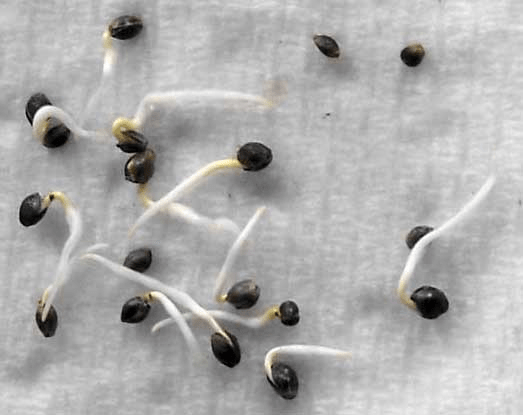
Monitoring and transplanting constitute the final step in the process. Daily monitoring of the seeds is required to check for emergence of a small white root and to ensure that the paper towel remains moist.

Once the radicle, which is the embryonic root, reaches an cm or two in length, it is the ideal time to transplant the germinated seed to soil. Handle the delicate seedling by the seed coat with tweezers or a gentle grip to avoid damage during transplantation.

Just to state the obvious: THE ROOT/ RADICLE GOES DOWN into the soil.

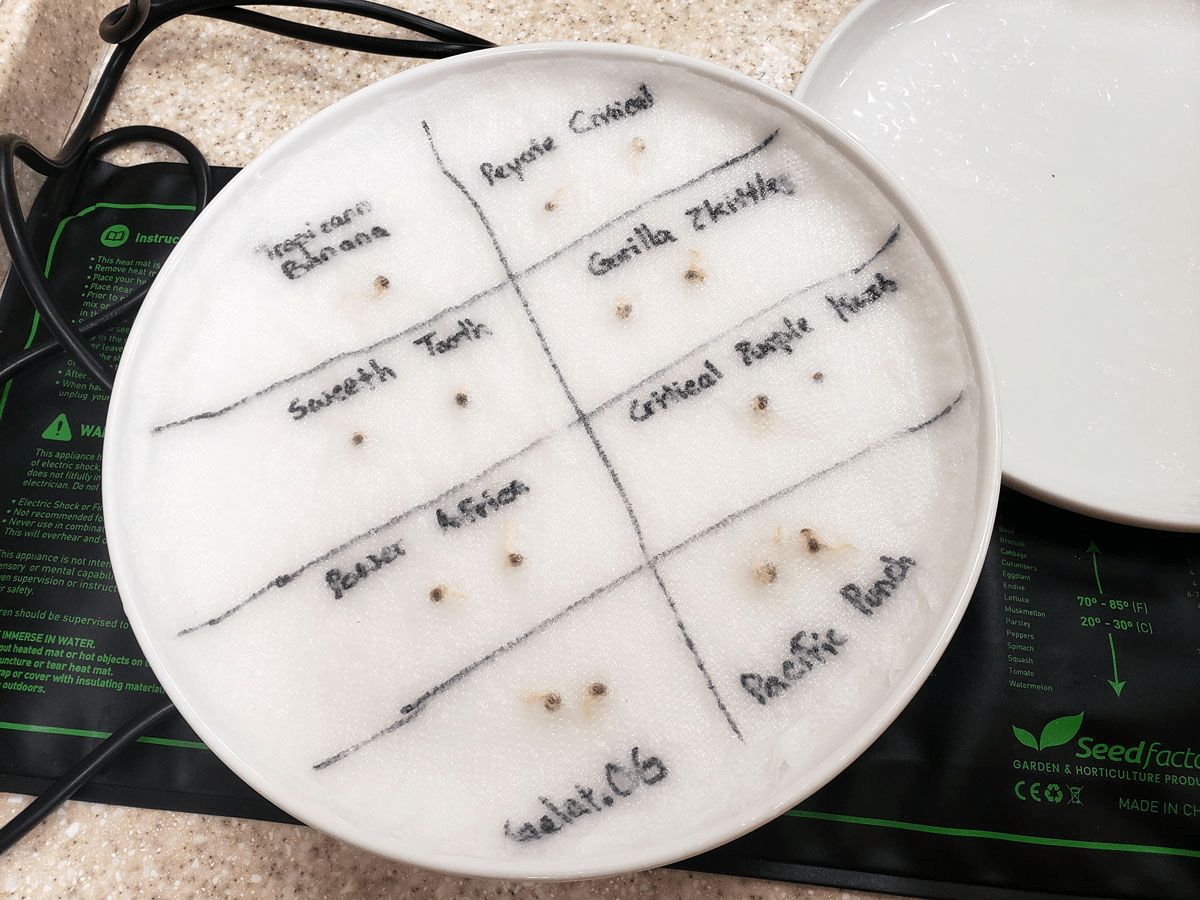
Pro tip!

If you are germinating several different varieties or strains, you can split the paper towel into sections using a pen, and clearly label each section.

Troubleshooting Common Issues

Despite its apparent simplicity, the paper towel method can occasionally pose a few challenges. Let’s troubleshoot some common issues that may arise when you’re germinating seeds using this method.

Non-Germinating Seeds

At times, regardless of your best efforts, some seeds may fail to germinate. This can be due to several factors such as:

  • The paper towel being either too wet, which can lead to rot
  • The paper towel being too dry, failing to provide consistent moisture necessary for germination
  • A lack of oxygen when seeds are sealed in a bag for several days using the paper towel method, which can inhibit germination.
  • Toxic water (town water contains chlorine, fluoride and other chemicals).

Older seeds may also fail to germinate effectively due to decreased viability over time, particularly after the first couple of years, and even within a few weeks of being germinated seeds. This is why it’s important to consider other seeds as alternatives when planting, ensuring that seeds germinate successfully.

Root Growth in Paper Towels

Roots embedding into the paper towel is another frequent issue encountered. To avoid this, it’s recommended to transfer the germinated seed to soil or another growing medium before the roots grow too long. Coffee filters are recommended for the paper towel method to keep roots from growing into the fibers.

And if roots do become enmeshed in the paper, don’t panic. To transplant the cutting, simply trim around the base and place it in a pot along with the paper. This method allows for easy transfer and ensures successful growth.

Helmet Head – 🪖Seedling Shell Stuck

Finally, you may observe a seedling shell adhering to the newly sprouted seedling, a condition commonly known as ‘helmet head’.

The seed coat will naturally detach when the first leaves, or cotyledons, emerge, so premature removal is not advised.

If it’s been a while and the shell is still stuck, you can gently soak just the seed coat in warm water to facilitate its removal without causing damage to the seedling.

Summary

In a nutshell, the paper towel method for germinating cannabis seeds offers a host of benefits from improved germination rates to easy monitoring and space efficiency.

It works well with a variety of seeds, particularly those with longer germination times. By following the step-by-step guide and taking note of the troubleshooting tips, you can master this method and kickstart your gardening journey with ease and confidence.

Here is the technique again:

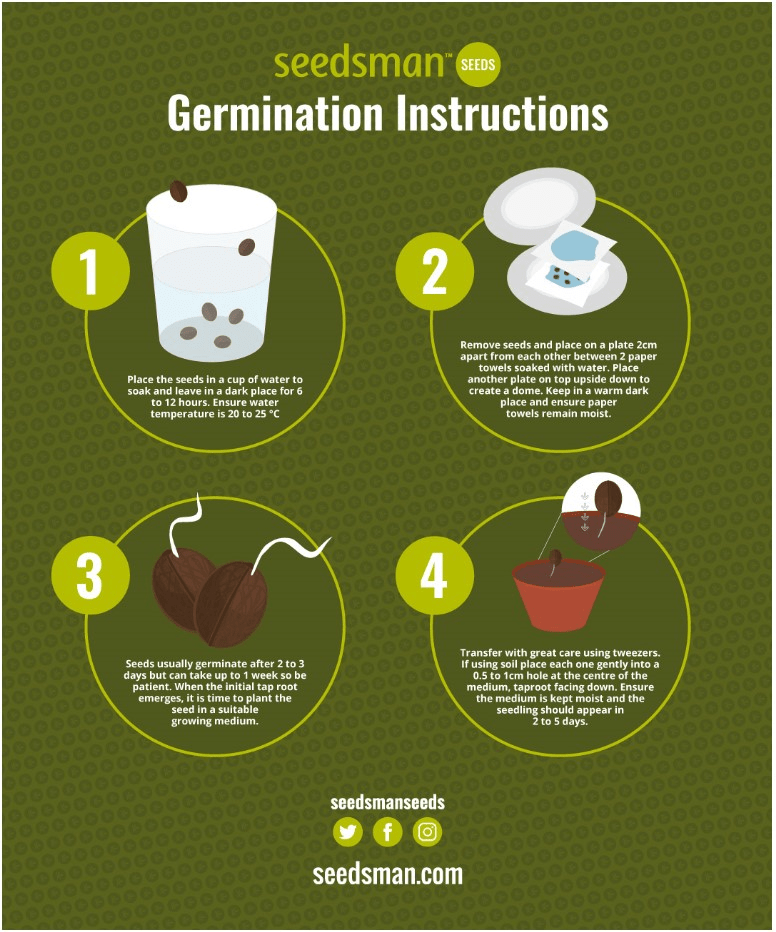
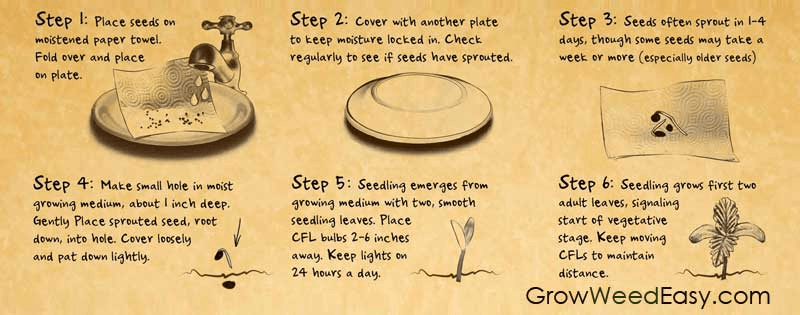
Step 1. Place the seeds in a cup of water to soak and leave them in a dark place for 6-12 hours. Ensure water temperature is between 20 and 25 degrees Celsius.

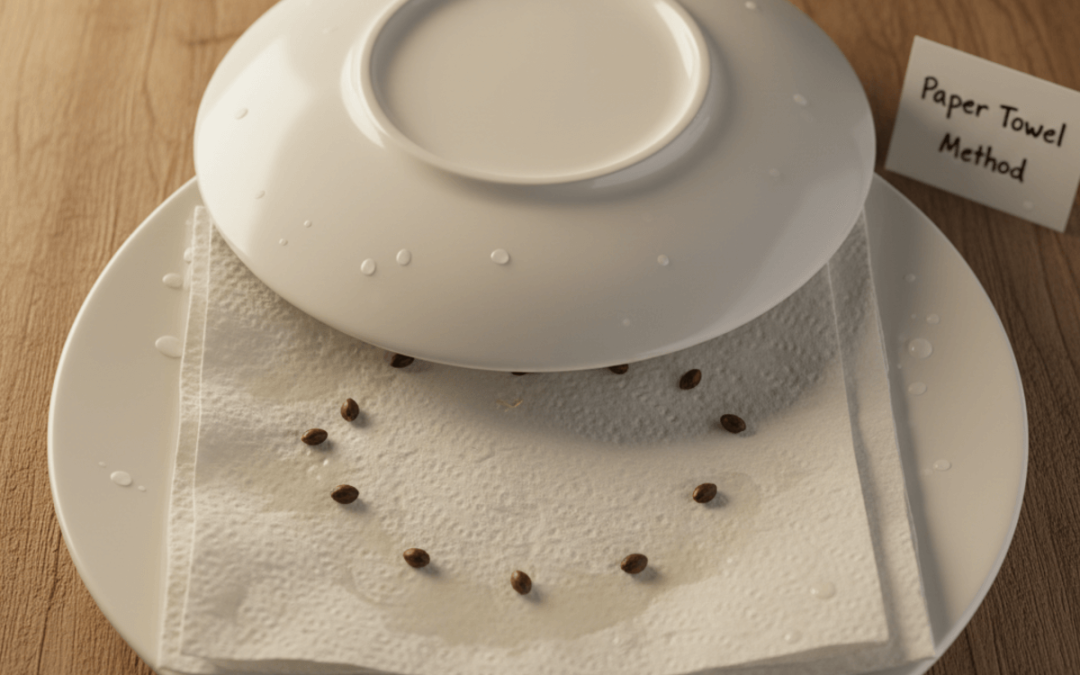
Step 2. Remove the seeds and place them on a hard plate 2cm apart from each other between two paper towels lightly dampened with water. Place another hard plate over the top to create a dome. Place in a warm dark place and ensure that the paper towels remain lightly moist.

Step 3. Seeds usually will germinate after 2-3 days, but can take up to a week so be patient. When the tap root emerges, it is time to plant the seed in a suitable growing medium.

Step 4. Be careful when transferring your seed as we recommend using tweezers. If using soil,  place your seed gently into a 0.5 to 1 cm hole in the center of your growing medium. You will want the taproot facing down. Ensure your growing medium is kept wet and you should see a seedling within 2-5 days.

Important: Do not plant seeds directly in the ground or soil. In order to properly germinate, the plants need oxygen. Planting directly in the ground or soil may cause the seeds to rot before germination.

Frequently Asked Questions

Should I plant seeds directly in soil?

No, Planting directly in the ground or soil may cause the seeds to rot before germination.

Can I use the paper towel method for any kind of seeds?

Yes, you can use the paper towel method for a variety of seeds including vegetables, fruits, herbs, and flowers, especially those with longer germination times. Try it out with different seeds and see how it works for you!

What’s the ideal location for germinating seeds using the paper towel method?

The ideal location for germinating seeds using the paper towel method is a warm area with good heat and humidity levels, such as a south-facing window, bathroom, or laundry room. This environment will promote successful germination. Your want a nice warm spot, but not too much direct sun.

My seeds are not germinating. What could be the problem?

Your seeds may not be germinating due to factors such as excessive moisture, inadequate oxygen, or the age of the seeds.

The roots are growing into the paper towel. What should I do?

It’s best to carefully cut around the roots and plant the whole thing in a pot, including the paper. In the future, consider using a coffee filter to prevent this from happening.

The seedling shell is stuck on the newly emerged seedling. How can I remove it?

You can soak the seed coat in warm water to help remove it without harming the seedling. Be gentle!

Cannabis For Sleep: The Pros and Cons

Cannabis For Sleep: The Pros and Cons


Can cannabis improve your sleep?

The short answer is YES. But it’s worth digging deeper.

This guide examines the effects of THC and CBD on sleep, the efficacy of different strains, consumption methods, and the best strains for the night. Whether you’re curious about how cannabis sleep aids might benefit you or cautious of potential risks, you’ll find the insights you need.


Key Takeaways


  • Cannabis contains cannabinoids like THC and CBD, which can affect sleep by interacting with the body’s endocannabinoid system, potentially altering sleep architecture and influencing disorders such as insomnia, sleep apnea, and restless legs syndrome.

  • Different methods of cannabis consumption (smoking, vaporizing, edibles, and tinctures) have varying onset times and effects on sleep, while strain types (indica, sativa, hybrid) are also significant in determining the impact on sleep quality.

  • While some individuals have reported improved sleep quality when using cannabis as a sleep aid, concerns remain about potential dependency, disruption of normal sleep patterns, and negative interactions with other medications, highlighting the need for more comprehensive research and personalized approaches.

Understanding Sleep Disorders and the Need for Aid

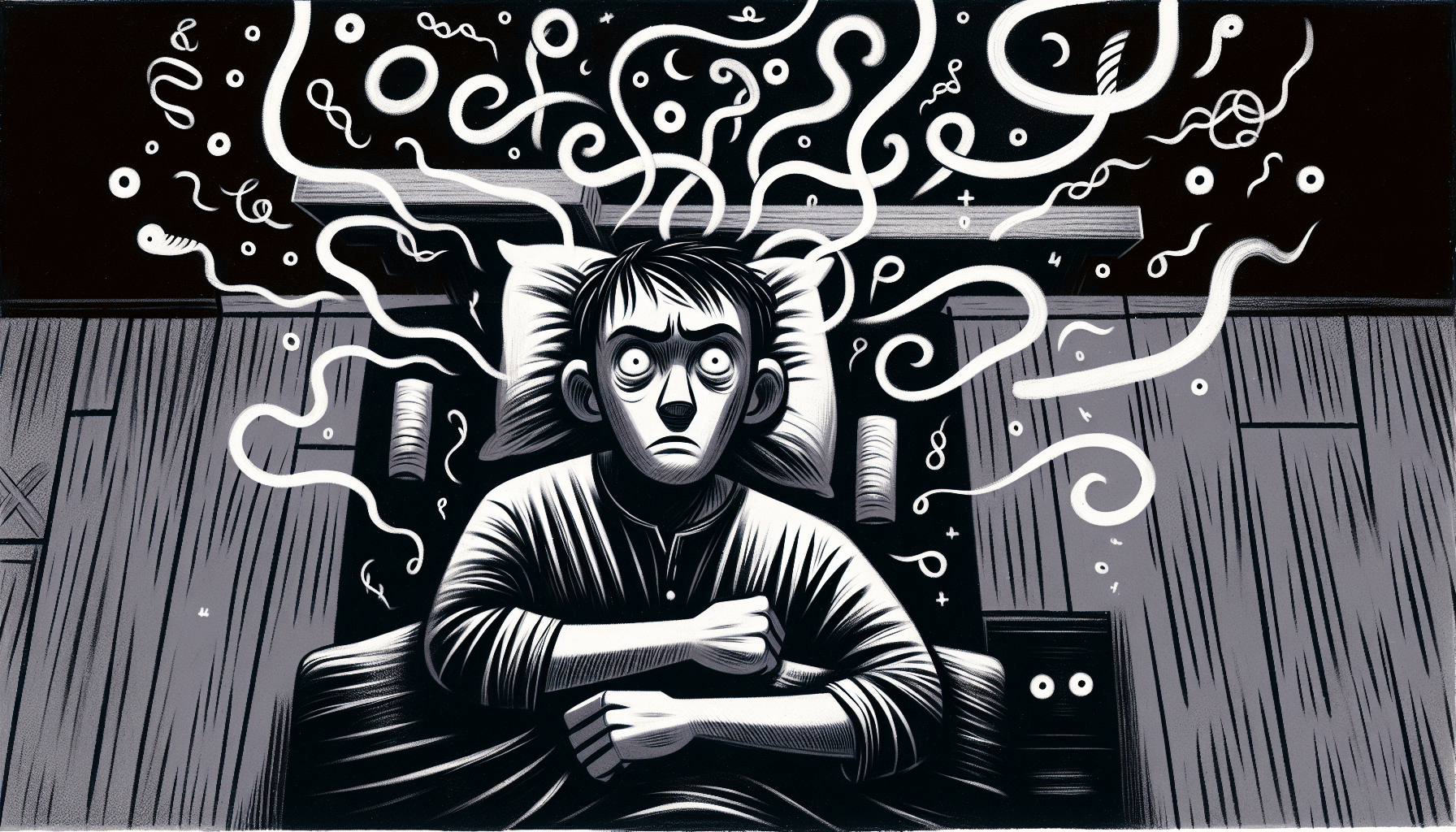
Illustration of a person struggling to sleep

Sleep disorders are a widespread issue that affects millions of people worldwide. In America alone, more than 50 million people suffer from chronic sleep disorders, with similar prevalence rates reported in other parts of the world. Sleep-wake disorders can be associated with medical conditions or other mental health issues, such as depression and anxiety.

With such staggering numbers, it’s clear that effective sleep aids are needed to improve mental and physical health by enhancing the quality of sleep and overall well-being.


Insomnia

Insomnia, a prevalent sleep disorder, is characterized by:

  • Difficulty falling or staying asleep

  • These sleep issues occur at least three nights a week for no less than three months

  • Significantly impacting the quality of life.

With chronic pain and posttraumatic stress disorder often exacerbating poor sleep and chronic insomnia, finding effective sleep medicine, sleep aids, and pain relief is crucial.


Obstructive Sleep Apnea


Obstructive sleep apnea is a sleep disorder characterized by repeated interruptions in breathing during sleep, leading to excessive daytime sleepiness. This disorder is more frequently diagnosed in men, older adults, and certain racial and ethnic groups, highlighting the need for effective sleep aids tailored to these demographics.

Restless Legs Syndrome


Restless Legs Syndrome, recognized as a sleep-wake disorder, can disrupt sleep and impact overall well-being. An effective sleep aid could significantly less insomnia medications improve the quality of life for individuals affected by this disorder.

The Science Behind Cannabis and Sleep


Illustration of cannabis components interacting with cannabinoid receptors

Unveiling the science behind how cannabis affects us and sleep brings us to THC and CBD, the main components of the cannabis plant that influence sleep. THC typically acts as a sedative, while CBD can influence alertness or sleepiness depending on the dosage. These cannabinoids promote sleep by binding to cannabinoid receptors, increasing adenosine levels. This process can suppress the brain’s arousal systems, potentially enhancing the duration of NREM sleep while reducing the amount of REM sleep.

Interestingly, the method of cannabis consumption can influence the effectiveness of THC as a sleep aid. This is due to the differing rates of bioavailability; for instance, inhaled THC has a higher bioavailability compared to orally ingested forms found in edibles. This leads us to the exploration of cannabis consumption methods and their impact on sleep.


THC and Sleep


THC, one of the cannabinoids in the cannabis plant, has a significant impact on sleep. It interacts with cannabinoid receptors, leading to increased levels of the sleep-promoting chemical adenosine and suppressing the brain’s arousal systems. These interactions can impact sleep architecture, potentially lengthening the duration of NREM sleep and reducing time in REM sleep.

However, the effectiveness of THC on sleep is influenced by the method of consumption. For instance, vaporizing cannabis with low doses of THC increases non-REM sleep during the light phase, although these effects may only last for the first hour after consumption. Furthermore, vaporizing cannabis can cause reductions in the power of high-frequency brain waves during wakefulness and REM sleep, suggesting subtle impacts on cognitive processing.


CBD and Sleep


The other key component of the cannabis plant, CBD, holds varying effects on sleep depending on the dosage. Here are some key points to note about CBD and sleep:

  • At lower doses, CBD may increase alertness

  • At higher doses, CBD has the potential to promote sleep

  • CBD can be beneficial in reducing symptoms of REM sleep behavior disorder

  • CBD may help alleviate daytime sleepiness

Understanding how these cannabis components interact with other sleep disorders is crucial, but it’s equally important to recognize the impact of different methods of cannabis consumption on sleep.

Cannabis Consumption Methods and Their Impact on Sleep


girl, sleep, rose

Distinct methods of cannabis consumption can result in varying effects on sleep. Smoking or vaporizing cannabis typically leads to quicker onset of sleep due to faster absorption and immediate effects. On the other hand, cannabis edibles take longer to induce sleep due to delayed absorption through the digestive system.

Despite the time differences in onset, both methods can significantly impact sleep quality, with some users reporting more restful sleep while others experience disturbances.


Smoking and Vaporizing


Smoking and vaporizing cannabis provide rapid effects due to the high bioavailability of inhaled cannabis. A significant proportion of the THC content is absorbed into the bloodstream, resulting in faster sleep onset. The effects of THC from inhaled cannabis typically peak around 10 minutes post-inhalation, illustrating the method’s rapid onset of action.

This quick absorption allows individuals to fall asleep faster, potentially improving good night’s sleep quality.


Edibles and Tinctures


In contrast to smoking and vaporizing, edibles and tinctures have a slower onset due to the digestive processes involved. When cannabis is ingested as edibles, only 4% to 20% of THC is absorbed, resulting in lower bioavailability compared to smoked cannabis. This high variability in how edibles can affect sleep is due to differences in individual digestive system processing and the bioavailability of THC.

Despite their slower onset, edibles and tinctures can lead to longer sleep duration compared to inhalation methods.


Strains Matter: How Different Types of Cannabis Affect Sleep

Illustration of different cannabis strains with contrasting effects

Beyond the components and consumption methods, the type of cannabis strain also plays a crucial role in affecting sleep. The main terms used when discussing cannabis strains for sleep are indica, sativa, and hybrid, each associated with distinct effects on sleep.

Indica Strains


Indica strains are commonly associated with a calming effect, which can contribute to relaxation and potentially improve sleep quality. Due to their sedative effect, indica strains are often preferred for pain management and inducing sleepiness in individuals seeking natural sleep aids. However, the effects can vary significantly among individuals, underscoring the need for personalized approaches to using cannabis as a sleep aid.

Sativa Strains

Sativa strains, on the other hand, are known for their ‘head high’ effects, characterized by uplifting and euphoric feelings that can enhance creativity and energy. Due to their high THC content, sativa strains can disrupt sleep patterns and inhibit deep sleep. Some cannabis users may experience an increase in anxiety and paranoia with sativa strains, further interfering with sleep.

However, certain sativa strains with specific terpenes or minor cannabinoids may still provide some sleep aid benefits, particularly for individuals without anxiety.

Hybrid Strains

Hybrid strains, as the name suggests, offer a mix of indica and sativa traits, aiming to provide a balance between the effects of both. These strains are bred to achieve specific effects that may be physical, cerebral, or a combination of both. Users report that hybrid strains can provide a balance of sedative and uplifting effects, beneficial for sleep. Some popular hybrid strains include:

1: Zkittles

2: Gorrilla Glue

3: Auto White Widow

4: Northern Lights

However, the effects on sleep can vary widely depending on the dominant strain traits and the individual’s response. Some hybrid strains are reported to help with sleep due to their ability to induce relaxation without excessive drowsiness.

Potential Benefits of Cannabis as a Sleep Aid

Cannabis, particularly THC, can provide significant benefits as a sleep aid. It has sedative effects that can expedite sleep onset and increase sleep quality, benefiting those with chronic pain, PTSD, and multiple sclerosis. THC has been shown to reduce the time spent in REM sleep, which can be particularly advantageous for PTSD patients by decreasing the frequency of nightmares.

In a study at Hybrid Pharm, 39% of patients with sleep disorders who used medical cannabis were able to decrease or stop using their prescription sleep medications. Additionally, 71% of the patients studied reported subjective improvements in sleep quality after initiating medical cannabis use. These findings underscore the potential benefits of cannabis as a sleep aid.

Drawbacks and Risks of Using Cannabis for Sleep

While cannabis can provide notable benefits for sleep, it’s crucial to acknowledge the potential drawbacks and risks associated with its use. If taken in high doses at night, THC may lead to drowsiness and impaired memory the next day. It is important to be mindful of the potential effects when consuming THC in high amounts in the evening. Regular users of cannabis typically report more sleep disturbances, and a significant percentage of adults experience difficulty sleeping during attempts to discontinue cannabis use, which can contribute to dependency.

Furthermore, the effects of cannabis on sleep patterns have been studied extensively. Frequent, long-term use may result in less overall sleep, diminished time in deep sleep, longer sleep onset, and more frequent awakenings. Withdrawal from cannabis can lead to anxiety, restlessness, tremor, and significant insomnia, with disturbed sleep and vivid dreams persisting for weeks, often worsening anxiety, mood, and contributing to suicidal ideation.

Interactions with Other Medications and Treatments

Cannabis can interact with a variety of medications, leading to potentially dangerous side effects. These include interactions with:

  • Sedatives

  • Anti-anxiety medications

  • Antidepressants

  • Pain medications

  • Anticonvulsants

  • Anticoagulants

Pharmacists, particularly those in San Diego, are actively involved in educating the public on the risks of combining cannabis with prescription medications and are committed to supporting patients with cannabis-based therapy management.

Moreover, substances and medications that may interact negatively with medical cannabis include:

  • Benzodiazepines

  • Certain antidepressants

  • Opioids

  • Antipsychotics

  • Some antihistamines

  • St. John’s wort

  • Kava

Furthermore, CBD in medical cannabis may inhibit the hepatic enzyme CYP2C19, resulting in delayed breakdown and potential adverse effects of various other medications metabolized by this enzyme.


Alternative Therapies and Approaches to Improve Sleep


While cannabis can serve as an effective sleep aid for some, it’s important to consider alternative therapies for those who may not want to use cannabis or those for whom cannabis may not be effective. These alternatives can include meditation and mindfulness, which can improve sleep by reducing muscle tension and quieting the mind while enhancing melatonin levels.

Regular low-to-moderate intensity exercise, including activities like tai chi and yoga, can also enhance sleep quality. Acupuncture, a practice from traditional Chinese medicine, may improve sleep quality. Sleep hypnosis by a health professional can lead to behavioral changes conducive to better sleep. Herbal remedies like valerian root and chamomile have been traditionally used for treating insomnia, though their efficacy requires more evidence.

Light therapy and consistent exercise regimes are nonpharmacological approaches with efficacy in managing insomnia.


Clinical Research and Future Developments in Cannabis Sleep Aids


Current research on cannabis for sleep is limited, with promising initial results but a need for larger and longer-term clinical trials to establish its efficacy and safety. To date, there is only one randomized controlled trial conducted on healthy patients with insomnia, contributing to the dearth of strong evidence for cannabinoid use as sleep aids. A comprehensive review aimed at updating the current literature found little convincing evidence for significant improvements in sleep disorders with cannabis products.

Despite the limited data, the potential of cannabis products for treating conditions such as sleep apnea has been recognized, alongside calls for larger and longer-term trials to adequately evaluate these effects. As such, the future of cannabis as a sleep aid holds promise, but also requires rigorous scientific investigation to ensure its safety and efficacy.


Summary


Cannabis holds potential as a sleep aid, with THC and CBD playing key roles in influencing sleep. Various consumption methods and cannabis strains can impact sleep onset, duration, and quality. While there are potential benefits, it’s crucial to consider the drawbacks, potential dependency, and interactions with other medications. Alternative therapies offer additional options for improving sleep. While current research shows promise, more comprehensive studies are needed to fully understand the efficacy and safety of cannabis as a sleep aid.


Frequently Asked Questions


What type of cannabis is best for sleep?


For better sleep, it’s best to use indica cannabis, which is known for its calming effects and ability to promote relaxation and sleep. Sativa, on the other hand, is more stimulating and often used for an energy boost.

What is the effect of THC on sleep?


THC can promote sleep by increasing adenosine levels and altering sleep stages, potentially increasing NREM sleep and reducing REM sleep


What are the potential benefits of cannabis as a sleep aid?


Cannabis, especially THC, can offer significant benefits as a sleep aid by promoting sleep onset and improving sleep quality, which can be particularly helpful for individuals with chronic pain, PTSD, or multiple sclerosis.


What are the potential drawbacks and risks of using cannabis for sleep?

Using cannabis for sleep may lead to drowsiness and impaired memory the next day due to high THC doses. Additionally, regular use of cannabis can result in more sleep disturbances and difficulty sleeping when trying to stop, potentially leading to dependency.