
Feminised · Photoperiod
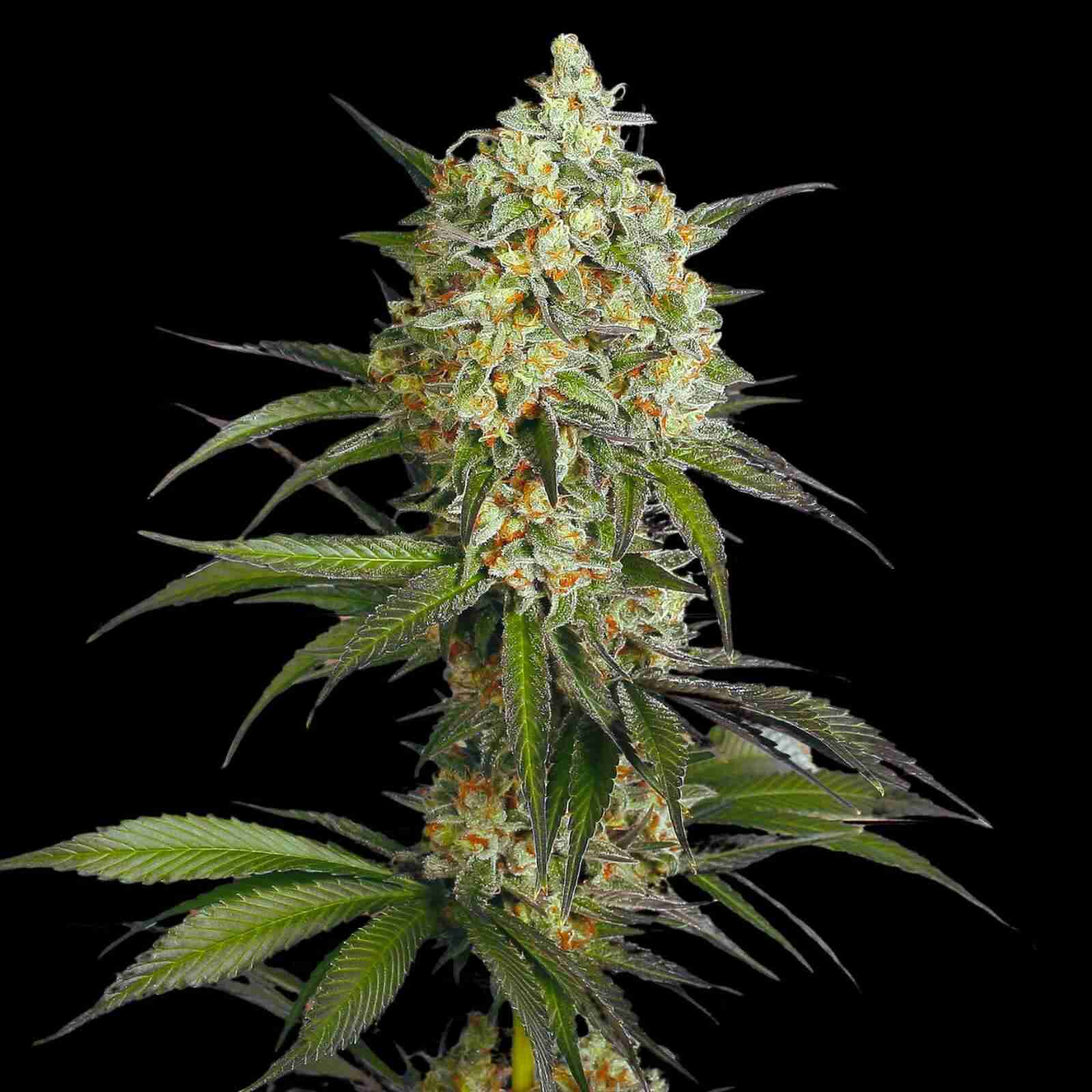
Green Crack
Green Crack seeds is the daytime sativa built for energy, and a favourite around here for the flavour and the vibe. A cross of Skunk #1 and an Afghani landrace indica, it leads with a big,…
Shop now →🐨 Free Express Post on orders $300+ | ⭐️2,620 5-Star Reviews




From Original price was: $80.00.$75.00Current price is: $75.00.
Fast Sour Diesel seeds carry the Chemdawg × Super Skunk genetics of the East Coast original — pungent diesel fuel and citrus terpenes at 20–25% THC — with flowering cut to 6–7 weeks and Australian outdoor harvests landing in March. The most daytime-functional, energising strain in the fast version range. Plants can triple in height after the flip — flip at ⅓ of target size, not ⅔. Still requires a 12/12 flip — photoperiod, not an auto.
Every order ships with bonus seeds. One free seed per five purchased — added automatically.
Free Express Post on orders $300+. Automatic upgrade · Australia-wide
Contact us for bulk pricing.
| 🏷️ Lineage | Chemdawg × Super Skunk — East Coast US, early 1990s. Fast Version photoperiod line. |
| 🧬 Genetics | Chemdawg × Super Skunk × early-flowering photoperiod line |
| 🍬 Also Known As | Sour D Fast, Fast SD, Sour Diesel FV |
| 🌱 Type | Fast Version Feminised Photoperiod 70% Sativa / 30% Indica — still requires 12/12 to flower |
| 🔥 THC / 💧 CBD | THC ~20–25% • CBD <1% |
| ⏱ Flowering Time | 6–7 weeks from 12/12 flip — 2–3 weeks faster than standard Sour Diesel |
| 🌾 Yield (Guide) | Indoor: 450–550 g/m² • Outdoor: 600–700 g/plant |
| 📏 Height | Tall (100–180 cm) — can triple in height after flip if untrained. Flip at ~⅓ of target size |
| ⛽ Flavour & Aroma | Diesel fuel, citrus zest, earthy spice, skunk musk — extreme aroma intensity |
| 🧪 Terpene Profile | Limonene • Myrcene • Caryophyllene • Terpinolene |
| 🌤 Outdoor Harvest (AU) | North: early–mid March • Mid: mid–late March • South: early April |
| 🧪 Handling | Batch-tested at ~22 °C (paper towel method). Stored cold/dry prior to dispatch. Learn how we test seeds here. |
| ⚠️ Legal Notice | Sold strictly as souvenirs/collectibles in accordance with local laws. |
Fast Sour Diesel seeds carry the Chemdawg × Super Skunk genetics of the East Coast strain that defined what a sativa-dominant daytime cannabis experience could be — pungent diesel and citrus terpenes, fast cerebral uplift, long-lasting creative energy — with flowering time cut to 6–7 weeks through an early-flowering photoperiod line cross. Sour Diesel emerged on the East Coast of the US in the early 1990s, most commonly attributed to a Chemdawg and Super Skunk cross, and quickly spread from New York to Amsterdam as the reference point for energising, cerebral, functional cannabis. The limonene and terpinolene-forward fuel-citrus terpene profile — loud, pungent, immediately recognisable — made it one of the most distinctive aromas in cannabis, and the uplifting, creative, non-sedating effect made it the choice for daytime use across three decades.
What the Fast Version changes — and what it doesn't: Fast Sour Diesel seeds are produced by crossing stable Sour Diesel photoperiod genetics with an early-flowering photoperiod line — not Ruderalis. The plant still requires a 12/12 light flip to trigger flower. The 6–7 week bloom window is 2–3 weeks shorter than standard Sour Diesel, achieved without diluting the core genetics. The diesel-citrus terpene profile, the 20–25% THC, and the characteristically vigorous sativa structure are all preserved. The stretch is also preserved — see the growing guide below.
What Fast Sour Diesel seeds do well:
The terpene profile is the defining characteristic and it is genuinely extreme. The limonene and terpinolene combination in Sour Diesel produces a diesel-fuel and citrus aroma that's among the loudest in cannabis — it makes other pungent strains seem subtle by comparison. From week 3 of flower the tent or outdoor position will broadcast the grow in a way that requires active management. The payoff is that the same intensity that demands serious filtration produces one of the most distinctive and sought-after flavour profiles in the catalogue. Properly cured Fast Sour Diesel tastes exactly as it smells — fuel, citrus, and earthy spice in a combination that's immediately recognisable.
The terpinolene component is worth understanding specifically. Terpinolene is less common as a dominant terpene than myrcene or limonene and contributes a particular fuel-sweet complexity that's different from either alone. It's part of what makes Sour Diesel's aroma distinctive from other diesel genetics and why it has remained identifiable across decades and many imitators.
The effect is the most purely functional in the fast version range. At 70% sativa, Fast Sour Diesel seeds produce the daytime, creative, cerebral experience that the original built its reputation on — a fast onset that clears mental fog, raises energy, and sustains focus and creative engagement across the session. It's not a strain for evening use at typical doses. It's a strain for growers who specifically want the energising, social, active daytime sativa experience at 20–25% THC in a compressed flower window.
Onset (5–15 minutes): Fast and cerebral. The Chemdawg and Super Skunk sativa genetics produce an almost immediate mental shift — focus sharpens, mood elevates, energy increases. The limonene and terpinolene terpene combination contributes a bright, citrus-electric quality to the early effect. Among the fastest onsets in the catalogue.
Early phase (15–60 minutes): The most active and functional window. Clear-headed creativity, sustained focus, social energy, motivation for physical or intellectual tasks. Sensory engagement heightened — music, conversation, and detail work all feel sharper. The sativa effect is clean and direct without the raciness or anxiety that lower-quality sativa genetics can produce. The Super Skunk indica contribution adds a light physical ease that grounds the mental energy without competing with it.
Mid-phase (60–120 minutes): The cerebral quality sustaining. Mental engagement progressively less active but still comfortable and present. Light physical ease from the indica component becoming more noticeable. The signature characteristic of Sour Diesel at this phase — often described as "rocket fuel settling into warmth" — is the gradual transition from sharp sativa clarity to comfortable, contented engagement without hitting a sedating wall.
Late-phase (2+ hours): Comfortable mental and physical ease. At typical doses this is a gradual, pleasant taper rather than a sharp drop or sedative endpoint. At higher doses the effect can drift toward mild body sedation — more than typical daytime sativa genetics, given the 30% Super Skunk indica contribution.
Duration: 3–5 hours at typical doses — one of the longer-lasting effects in the catalogue, consistent with the Chemdawg and sativa-dominant genetics.
Potency consideration: At 20–25% THC in a 70% sativa-dominant strain, Fast Sour Diesel seeds are potent but the effect reads as energising rather than overwhelming at moderate doses. Higher doses or sessions that escalate quickly can produce anxiety in less experienced users — the sativa dominance amplifies the THC effect differently than an indica at equivalent THC. Start with one to two hits and allow 15 minutes.
Flavour profile: Pungent diesel fuel leads — sharp, fuel-forward, immediately recognisable as Sour D. Citrus zest underneath from the limonene component. Earthy spice and faint skunk musk on the exhale. The terpinolene adds a fuel-sweet complexity that distinguishes this from other diesel genetics. With a proper 3–4 week cure the full diesel-citrus-spice profile is at its most complex — assess at 4 weeks in the jar.
(The following is provided for ACT licence holders and growers in legal jurisdictions overseas.)
Experience level required: Intermediate to advanced. Fast Sour Diesel seeds are vigorous and resilient — the Chemdawg and Super Skunk genetics add robustness that makes feeding errors more forgiving than with OG or Cookies-derived genetics. The challenges are primarily structural: managing the extreme post-flip stretch, maintaining canopy temperature below 27°C to prevent foxtailing, and handling the extreme aroma intensity. Growers who've managed a tall sativa-dominant photoperiod before will find this strain predictable. The stretch is the non-negotiable management priority.
Important — what "Fast Version" means: Fast Sour Diesel seeds are a photoperiod, not an autoflower. They require a 12/12 light flip to trigger flowering. Under 18/6 the plant will remain in veg. The "fast" refers to the 6–7 week bloom window achieved through an early-flowering photoperiod cross — the Sour Diesel character and potency are fully preserved.
The stretch — the defining management challenge: Fast Sour Diesel seeds can triple in height after the 12/12 flip if untrained. This is not marketing language — the Chemdawg sativa genetics drive explosive vertical growth in weeks 1–3 of flower. A plant flipped at 50 cm can reach 130–150 cm at full height. Flip at approximately ⅓ of target final height, not ⅔. This is the most significant structural difference from the other fast version genetics in the catalogue. LST, topping, and SCROG applied in veg meaningfully reduce the stretch severity and distribute it across the canopy — but the plant's sativa drive remains strong regardless of training.
Veg phase: Grow under 18/6 until the plant is at the right flip height. 3–5 weeks of veg is often sufficient given the vigorous growth rate — Fast Sour Diesel seeds establish and expand quickly. Topping from week 2–3 of veg and aggressive LST from the same point produces a multi-cola structure that controls the stretch significantly. The open lateral branching responds well to SCROG — setting the screen early and weaving through as the plant grows allows canopy management through the stretch.
Temperature management — the foxtailing risk: Canopy temperatures above 27°C cause foxtailing in this strain — buds develop abnormal elongated structures that reduce density and terpene expression. Keep canopy temperatures at 20–27°C throughout the grow, with particular attention in the peak Australian summer for outdoor grows and under high-intensity LEDs indoors. This is more temperature-sensitive than Fast Gelato or Fast OG Kush seeds.
Light intensity: Fast Sour Diesel seeds respond to strong lighting more than most genetics in the catalogue. At 800+ µmol/m² the diesel-fuel aroma is noticeably more intense and bud density increases. If running lower-intensity lighting, expect lighter yield and a less pungent expression of the terpene profile.
Nitrogen discipline: Avoid excessive nitrogen — it encourages the sativa genetics toward lanky vegetative growth rather than bud density in flower. Keep nitrogen moderate from veg, reduce at the flip, and maintain low nitrogen through the flower period. The Super Skunk genetics add robustness against nutrient stress but excess N is still counterproductive with this strain.
Aroma management: The diesel-fuel terpene profile is among the loudest in cannabis. Correctly sized carbon filtration is mandatory from week 3 of flower indoors — not sized for a standard cannabis grow, sized for Sour Diesel specifically. The aroma is pervasive, penetrating, and will carry through undersized filtration.
Common issues: Underestimating the stretch (the most common mistake — flip significantly earlier than you think you need to), foxtailing from excess temperature (keep canopy below 27°C), undersized carbon filtration (plan specifically for Sour Diesel aroma intensity before germinating), harvesting too early (true density arrives weeks 5–7 despite early stacking from week 2).
Fast Sour Diesel seeds are moderate feeders — more robust than OG or Cookies-derived genetics but with a specific nitrogen sensitivity that runs in the opposite direction to most strains: excess nitrogen encourages lanky sativa extension rather than bud density in flower. Keep nitrogen moderate throughout, reduce firmly at the flip, and sustain potassium through the peak flower window. The fuel-citrus terpene profile, driven by limonene and terpinolene, benefits from low nitrogen and consistent pH in late flower. The compressed 6–7 week flower window means bloom phase transitions need to happen on time.
All EC values assume quality base nutrients. Australian tap water typically runs 0.2–0.5 EC — factor this into your target. Measure after mixing.
| Phase | Soil EC | Coco EC | Soil pH | Coco pH | Notes |
|---|---|---|---|---|---|
| Seedling Weeks 1–2 |
0.4–0.6 | 0.5–0.8 | 6.2–6.5 | 5.8–6.0 | Plain water in week 1. Fast establishment — this strain grows quickly from the start. |
| Early veg Weeks 3–5 |
0.8–1.2 | 1.0–1.4 | 6.0–6.5 | 5.8–6.2 | Moderate nitrogen. Don't push N — excess encourages lanky sativa extension over density. Begin topping and LST. Flip height approaches faster than with slower genetics. |
| Late veg Weeks 5–8 |
1.2–1.6 | 1.4–1.8 | 6.0–6.5 | 5.8–6.2 | Maintain moderate nitrogen. SCROG filling. Flip at ~⅓ of target height — the sativa genetics can triple in height post-flip. Don't delay the flip. |
| Early flower Flower weeks 1–3 |
1.2–1.6 | 1.4–1.8 | 6.0–6.5 | 5.8–6.2 | Reduce nitrogen immediately at flip. Transition to bloom nutrients. Stretch occurring — adjust light distance every 2–3 days. Check canopy temperature — keep below 27°C to prevent foxtailing. |
| Peak flower Flower weeks 3–6 |
1.4–1.8 | 1.6–2.0 | 6.0–6.5 | 5.8–6.2 | High P and K. Nitrogen low throughout. Diesel-fuel aroma building strongly from week 3 — carbon filter essential. True density arriving from weeks 5–7. Maintain temperature discipline. |
| Late flower Flower weeks 5–7 |
1.0–1.4 | 1.2–1.6 | 6.0–6.5 | 5.8–6.2 | Taper EC down. Check trichomes from flower week 5. True density and oil production arriving. Target 15–20% amber for the Sour Diesel energising effect. |
| Flush Final 7–10 days |
0.0–0.4 | 0.0–0.5 | 6.2 | 5.8–6.0 | Flush until runoff EC drops below 0.5. The diesel-citrus fuel terpene profile is cleaner and more complex after a proper flush. Don't shorten. |
| Phase | What's Happening | Key Actions | Watch Out For |
|---|---|---|---|
| Veg Weeks 1–5+ |
Vigorous, fast vegetative growth. Open branching developing quickly. Responds strongly to topping and LST. Reaches flip height faster than most photoperiods. | Top at node 4–5 from week 2–3. Begin SCROG or LST early. 18/6. Moderate EC — avoid excess N. Flip at ~⅓ of target height. | Delaying the flip — the vigorous growth rate means the plant approaches flip height faster than expected. Flip at ⅓ of target, not ⅔. |
| Early flower Flower weeks 1–3 |
Explosive stretch — plant can triple in height. Bud sites establishing across the open sativa structure. Diesel-citrus aroma building from week 2–3. | Adjust light distance every 2–3 days. Reduce nitrogen at flip. EC 1.2–1.6. Carbon filter from flower week 2–3. Monitor canopy temperature — below 27°C. | The triple stretch — this is the most extreme vertical growth of any strain in the fast version range. Adjust light distance proactively, not reactively. Temperature above 27°C causes foxtailing. |
| Peak flower Flower weeks 3–6 |
Open sativa cola development. Diesel-fuel aroma at high intensity — most pungent in the fast version range. Buds stacking from week 2 but true density building through weeks 5–7. | Peak EC 1.4–1.8. Nitrogen low. Maintain temperature discipline. RH below 50% from flower week 4. 800+ µmol/m² if possible for terpene intensity. | Early harvest — stacking begins at week 2 but true density and oil production arrive weeks 5–7. Check trichomes from week 5 only. |
| Late flower / harvest Flower weeks 5–7 |
Full diesel-fuel aroma at peak. True bud density established. Trichomes approaching harvest amber. The genuine harvest window. | Flush from flower week 5 when 10–15% amber visible. Harvest at 15–20% amber. Slow dry at 15–18°C, 55–60% RH for 10–14 days. | Rushing the dry — limonene and terpinolene are volatile. Slow and cool preserves the diesel-citrus fuel character. |
| Cure | Full diesel-citrus-spice complexity develops in the jar. At 4 weeks it smells and tastes like Sour Diesel is supposed to. | Jar at 60–65% RH. Burp daily 2 weeks. Seal and wait. 3 weeks minimum. 4 weeks for full fuel-citrus depth. | Assessing at 1 week — the terpinolene fuel-sweet character develops during cure. Assess at 4 weeks. |
| The Myth | The Reality |
|---|---|
| "The Fast Version is an autoflower." | Fast Sour Diesel seeds are a photoperiod — they require a 12/12 light flip to trigger flowering. The "fast" refers to the 6–7 week bloom window achieved through an early-flowering photoperiod cross, not Ruderalis. Under 18/6 the plant will continue to veg. It is not an autoflower. |
| "Flip at ⅔ of target height like other photoperiods." | Fast Sour Diesel seeds can triple in height post-flip — significantly more than the doubling of Fast OG Kush or the 50–70% of Fast Gelato. The correct flip height is approximately ⅓ of target final height. Flipping at ⅔ of target with this strain consistently results in the plant outgrowing the available space during the stretch. Flip earlier than feels instinctive. |
| "More nitrogen in veg means more vigorous growth and bigger yield." | Excess nitrogen in Sour Diesel genetics encourages sativa extension — taller, lankier growth — rather than bud density and terpene expression. Pushing nitrogen produces a plant that's harder to manage and produces lighter, more airy buds. Moderate, balanced feeding with nitrogen reduced promptly at the flip produces better results than aggressive nitrogen feeding at any phase. |
| "Temperature above 27°C is fine in the Australian summer." | Fast Sour Diesel seeds are specifically temperature-sensitive in flower — canopy temperatures above 27°C cause foxtailing, where buds develop elongated, airy structures that reduce density and terpene expression. This is more temperature-sensitive than most other genetics in the catalogue. Active temperature management through peak flower is required, both indoors under high-intensity LEDs and outdoors in hot Australian summer conditions. |
| "Buds stacking at week 2 means it's close to ready." | Fast Sour Diesel seeds begin stacking visible bud development from week 2 of flower — earlier than many photoperiods. True density and oil production don't arrive until weeks 5–7. The early stacking is a characteristic of the vigorous sativa structure, not a harvest signal. Check trichomes from flower week 5 and harvest at 15–20% amber — the difference in yield and terpene expression between week 3 and week 6 is significant. |
The stretch is different from every other fast version I've grown. Fast Gelato stretches 50–70%, Fast OG Kush doubles — Fast Sour Diesel can triple if you let it go untrained and flip at the wrong height. I flip this strain at roughly ⅓ of where I want to finish. If I want to finish at 150 cm in a 200 cm tent with 30 cm of headroom above the light, I flip at 50 cm. That feels early — it is early compared to what you'd do with an indica-dominant photoperiod. But the plant will find the other 100 cm on its own in the first three weeks of flower.
SCROG is the best tool for this strain. The branch flexibility on Sour Diesel genetics is excellent — the lateral branches are pliable and the open structure fills a screen naturally without forcing. Get the screen filled in veg and the stretch becomes a canopy-building event rather than a headroom crisis.
The temperature thing is real and worth taking seriously. Above 27°C at the canopy in peak flower, these genetics produce foxtailing — elongated, airy bud extensions that look wrong and perform worse. I monitor canopy temperature actively under LEDs, particularly through weeks 3–6 of flower, and keep a fan moving across the canopy to manage hot spots. Outdoors, timing the flip so that peak flower falls in the slightly cooler late-summer period helps — a September planting in most Australian states puts peak flower in November–December when temperatures are building but not yet at their Australian summer peak.
No user reviews are available for this product yet. Be the first to share your grow experience.
Fast Sour Diesel seeds are a feminised photoperiod cannabis strain bred from the Chemdawg × Super Skunk genetics of the original East Coast Sour Diesel — the strain that defined the energising, daytime-functional, diesel-fuel terpene era of the 1990s — with an early-flowering photoperiod line crossed in to reduce bloom time to 6–7 weeks. The plant still requires a 12/12 light flip to flower; it is not an autoflower. The pungent diesel-citrus terpene profile, 20–25% THC, and characteristically vigorous sativa structure are all preserved in the fast version.
Yes — the Chemdawg × Super Skunk diesel-fuel and citrus terpene profile is fully preserved. The aroma intensity is extreme from week 3 of flower — pungent diesel leading, citrus zest underneath, earthy spice and skunk musk on the exhale. The terpinolene component contributes a fuel-sweet complexity distinctive to Sour Diesel genetics. With a proper 3–4 week cure the full diesel-citrus profile is at its most complex. Correctly sized carbon filtration is mandatory — this is among the loudest strains in the catalogue.
3–5 weeks of veg plus 6–7 weeks of flower — typically 9–12 weeks total. The fast establishment means veg time can be shorter than with slower photoperiods. The critical planning variable is the post-flip stretch: the plant can triple in height in weeks 1–3 of flower, so flip at approximately ⅓ of target final height. Check trichomes from flower week 5. True density and oil production arrive weeks 5–7 — harvest at 15–20% amber.
Flip at ~⅓ of target final height — significantly earlier than with other photoperiods that double rather than triple. A plant at 50 cm at the flip will reach 130–150 cm at full height. Apply topping from week 2–3 of veg and progressive LST or SCROG to distribute the stretch across the canopy. Adjust light distance every 2–3 days through weeks 1–3 of flower rather than weekly. SCROG with the screen set early in veg is the most effective technique for managing this strain's vertical drive.
Canopy temperatures above 27°C cause foxtailing in Sour Diesel genetics — buds develop abnormal elongated structures that reduce density and terpene expression. This is more temperature-sensitive than most other cannabis genetics and more critical than the other fast version strains in the catalogue. Monitor canopy temperature actively through peak flower (weeks 3–7), particularly under strong LEDs and in Australian summer outdoor conditions. Keep canopy temperature at 20–27°C throughout flower.
Yes — one of the stronger options in the catalogue for solventless rosin and hydrocarbon extraction. The limonene and terpinolene fuel-citrus terpene profile produces high-yield rosin with exceptional pungent fuel-citrus flavour carryover. The vigorous open sativa structure and strong light responsiveness at 800+ µmol/m² contribute to above-average trichome density at harvest. The diesel-fuel terpene character is distinctive and identifiable in the extract.
Not sure this is the right strain for you?
Answer six quick questions and we will give you three strains we feel best for you based on your setup, experience, and goals.




Discover the latest additions to Sacred Seeds Australia — from legendary old-school strains to exciting modern hybrids, each selected for its distinctive character, lineage and reputation.
Explore all latest drops →Green Crack seeds is the daytime sativa built for energy, and a favourite around here for the flavour and the vibe. A cross of Skunk #1 and an Afghani landrace indica, it leads with a big,…
Shop now →
Auto Maui Wowie brings the classic Hawaiian landrace sativa into autoflowering form. Maui Wowie Auto keeps the bright pineapple-citrus flavour and clean, energetic daytime lift, but finishes in about 9 to 10 weeks from seed with…
Shop now →
Hindu Kush seeds bring you one of the world's last great pure indica landraces. Born high in the rugged mountains between Afghanistan and Pakistan, this resin-rich classic delivers earthy spice, deep relaxation, and genetics that have…
Shop now →
Garry