


Durban Poison Feminized Seeds
From $75.00
Born from pure African landrace genetics, Durban Poison seeds deliver a clean, stimulating high like no other. This energizing, clear-headed sativa is legendary for boosting creativity, focus, and mood — all while offering the unique benefits of naturally high THCV levels. A must-have strain for daytime energy and inspired living. 🚀
Larger orders often include complimentary seeds, depending on availability.

Germination Guarantee
All batches are double-tested for quality and viability using the paper towel method.

Rapid, local Ozzy delivery
All shipments are tracked- choose express post or regular. Discreet & secure.
Durban Poison Feminized Seeds
From $75.00
Born from pure African landrace genetics, Durban Poison seeds deliver a clean, stimulating high like no other. This energizing, clear-headed sativa is legendary for boosting creativity, focus, and mood — all while offering the unique benefits of naturally high THCV levels. A must-have strain for daytime energy and inspired living. 🚀
Larger orders often include complimentary seeds, depending on availability.
Germination Guarantee
All batches are double-tested for quality and viability using the paper towel method.
Rapid, local Ozzy delivery!
All shipments are tracked- choose express post or regular. Discreet & secure.
🌿 Durban Poison Feminized Cannabis Seeds — Key Info
| 🏷️ Original Lineage | Pure African Landrace (Durban, South Africa) |
| 🧬 Genetics | 100% Sativa Landrace (naturally evolved, unmodified) |
| 🌱 Type | Feminized Photoperiod Pure Sativa — 100% sativa / 0% indica |
| 🔥 THC / 💧 CBD | THC ~18–22% • CBD <1% • THCV: 3–5% (exceptionally high) |
| ⏱ Flowering Time | ~8–10 weeks (fast for pure sativa) |
| 🌾 Yield (Guide) | Indoor: up to 550 g/m² • Outdoor: up to 650 g/plant |
| 📏 Height | Tall, vigorous sativa structure (substantial stretch) |
| 🍇 Flavour & Aroma | Spicy, sweet, earthy with distinctive anise notes |
| 🧪 Terpene Profile | Terpinolene (dominant) • Myrcene • Ocimene • Pinene |
| 🌤 Outdoor Harvest (AU) | North: mid-late Apr • Mid: late Apr-early May • South: early May |
| 🧪 Handling | Batch-tested at ~22 °C (paper towel method). Stored cold/dry prior to dispatch. Learn how we test seeds here. |
| ⚠️ Legal Notice | Sold strictly as souvenirs/collectibles in accordance with local laws. |
🌿 Durban Poison Feminised Seeds — The Pure Landrace Sativa with Exceptional THCV Content
Durban Poison feminised seeds represent one of the most legendary pure landrace genetics in cannabis history. Originating from the sun-drenched coastal hills around Durban, South Africa, this 100% sativa evolved naturally over centuries without human selective breeding, developing exceptional resilience, fast flowering (8-10 weeks despite being pure sativa), and uniquely energizing effects. Most importantly, Durban Poison produces exceptionally high THCV content (3-5%)—far beyond typical cannabis strains (which contain <0.5% THCV)—creating distinctive effects including appetite suppression, enhanced focus, and clean mental energy.
Why Durban Poison suits experienced Australian growers: This strain requires vertical space (plants easily reach 200-300cm outdoors, 150-200cm indoors without aggressive training) and experience managing sativa stretch. However, for growers with adequate height and patience for the 8-10 week flowering, Durban Poison delivers exceptional rewards: pure sativa effects without the 12-16 week flowering of equatorial landraces, high THCV for functional daytime use, and legendary genetics with decades of proven performance. Queensland and Northern NSW outdoor growers with warm long autumns achieve exceptional results. Indoor growers with tall tents (220cm+) or dedicated rooms maximize the vertical growth potential.
The breeding story and Ed Rosenthal's role: Durban Poison isn't a modern hybrid—it's a pure landrace that evolved naturally in the coastal regions around Durban, South Africa. Cannabis grew wild and semi-cultivated in this area for centuries, developing characteristics suited to the local climate: tall vigorous growth, resistance to pests and mould, fast flowering for a sativa (to complete before coastal rains), and potent energizing effects.
Cannabis pioneer Ed Rosenthal played the pivotal role in bringing Durban Poison to global prominence. During travels to South Africa in the 1970s, Rosenthal recognized the exceptional qualities of this local landrace—the vigorous growth, unique spicy-sweet aroma, clear-headed effects, and unusually fast flowering for a pure sativa. He collected seeds and introduced these genetics to American and European cannabis communities through his network of breeders and cultivators. Rosenthal's endorsement (as one of the most respected cannabis authorities) and his cultivation expertise helped establish Durban Poison as one of the most celebrated sativa strains worldwide.
What makes Durban Poison unique — exceptional THCV content: While most cannabis strains contain negligible THCV (<0.5%), Durban Poison produces 3-5% THCV—among the highest levels found in any strain. THCV (tetrahydrocannabivarin) creates distinct effects:
- Appetite suppression (opposite of typical THC "munchies")
- Increased energy and mental clarity without jitters
- Faster onset of effects (5-10 minutes vs 15-30 for pure THC)
- Shorter overall duration (2-3 hours vs 3-4 hours for pure THC strains)
- Enhanced focus and productivity without mental scatter
- Potential blood sugar regulation benefits (studied for diabetes applications)
- Reduced anxiety compared to pure THC (THCV moderates some THC effects)
This exceptional THCV content makes Durban Poison the reference strain for functional daytime cannabis—users get stimulation and focus without sedation, appetite increase, or mental fog.
Fast flowering for a pure sativa: Most equatorial sativa landraces (Thai, Colombian, Mexican) require 12-16 weeks of flowering. Durban Poison finishes in 8-10 weeks—comparable to many indica-dominant hybrids. This compressed timeline occurred through natural selection in South Africa's climate, where plants that finished faster before autumn rains survived and reproduced. The result: pure sativa effects with practical flowering times.
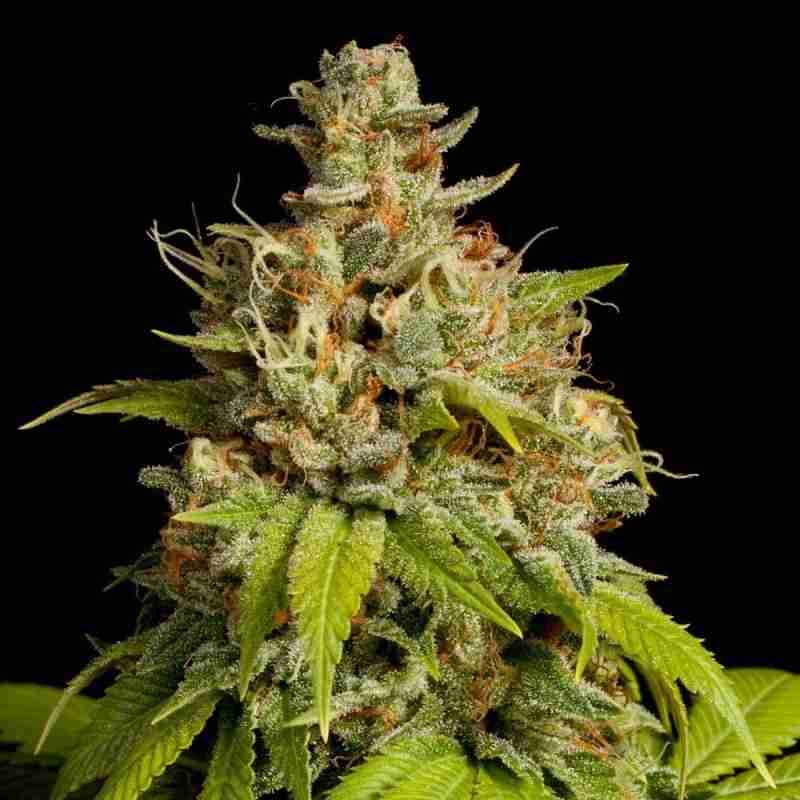
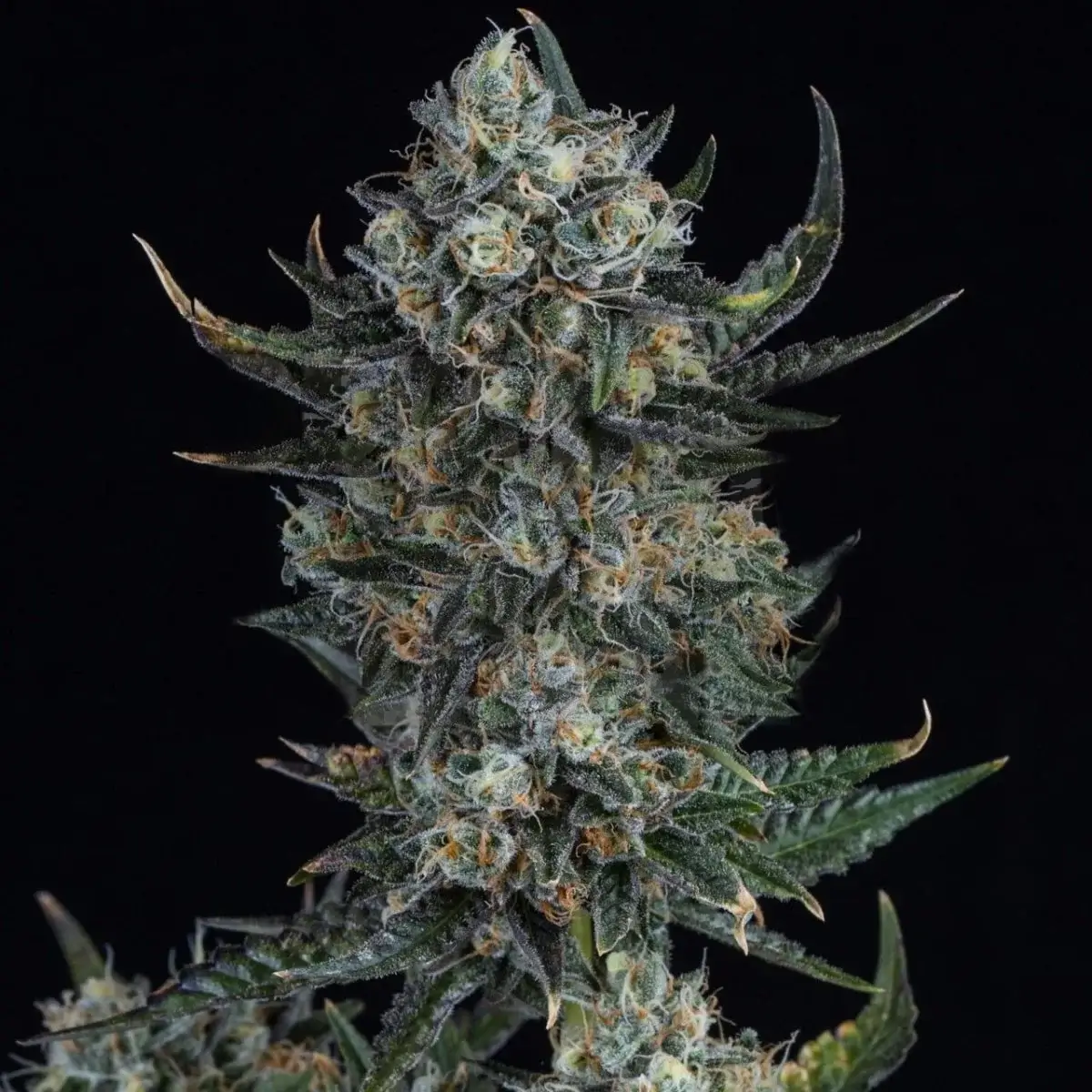
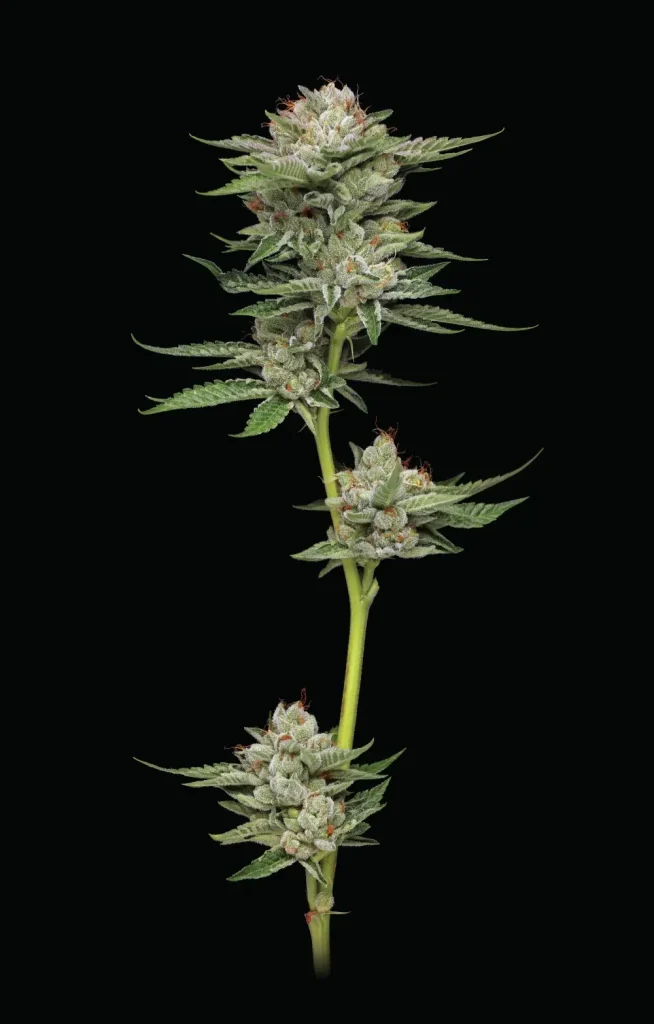
What you get: Tall, vigorous plants with classic sativa structure—long internodal spacing, thin serrated leaves, and substantial stretch (100-200% height increase in early flower). The buds are elongated rather than dense round indica flowers, but they're heavily coated in trichomes and produce substantial weight despite the airy structure. The aroma is immediately distinctive: spicy-sweet with anise (licorice) notes and earthy undertones. The terpinolene dominance creates a flavour profile unlike modern fruity hybrids—it's herbal, complex, and memorable.
Yield potential: Up to 550g/m² indoors with proper training and lighting, up to 650g per plant outdoors with extended veg (12-14 weeks) and unlimited vertical space. These are solid yields that prove landrace genetics can compete with modern hybrids. The combination of sativa vigor, extended veg potential, and reasonable flowering time allows substantial production.
Effects profile: Immediate cerebral rush with euphoria, energy, and mental clarity. The onset is fast and unmistakable—classic sativa stimulation without anxiety or paranoia. Focus sharpens dramatically, creativity flows naturally, social engagement becomes effortless, and physical energy increases noticeably. There's virtually no body sedation—this is pure mental and physical activation. The THCV content creates a "cleaner" high with enhanced productivity and shorter duration. Often described as "cannabis espresso"—wake up your mind without coffee jitters. Perfect for daytime activities, creative work, physical exercise, social situations, or any task requiring sustained mental engagement.
❤️ Why we love Durban Poison
The THCV content creates genuinely unique effects. At 3-5% THCV, Durban Poison produces effects no other common strain can match: appetite suppression instead of munchies, enhanced mental clarity and focus, increased energy without jitters, and functional productivity without sedation. For users seeking daytime cannabis that enhances rather than impairs function, this THCV content is invaluable. Medical users managing weight, ADHD, or fatigue find the THCV particularly beneficial.
It's pure landrace genetics with decades of proven performance. Durban Poison isn't a trendy novelty hybrid—it's naturally evolved genetics that have performed reliably for centuries in South Africa and decades in global cultivation. The genetic stability means consistent results across grows. The cultural significance (endorsed by Ed Rosenthal, featured in High Times countless times, parent genetics for Girl Scout Cookies and Cherry Pie) validates the quality. You're not growing experimental genetics, you're working with proven legendary stock.
The flowering time is remarkably fast for pure sativa. At 8-10 weeks, Durban Poison finishes faster than many indica-dominant hybrids and much faster than other pure sativas (which typically require 12-16 weeks). This speed makes pure sativa effects accessible without extreme patience. Indoor growers can complete 3 cycles annually. Outdoor growers in warm Australian climates harvest before worst autumn weather.
The effects are perfect for active lifestyles. Unlike sedating indica strains or scattered racy sativas, Durban Poison provides directed, functional energy. The cerebral stimulation enhances hiking, surfing, gym workouts, creative projects, housework, social events—any activity benefiting from increased energy and focus. Many Australian outdoor enthusiasts use it as their "adventure strain" for beach days, bush walks, or surf sessions.
It's naturally resistant to pests and mould. Landrace genetics that evolved in challenging conditions developed natural defenses. Durban Poison shows superior resistance to spider mites, fungus, and mould compared to modern pampered hybrids. The open sativa structure provides excellent airflow that prevents bud rot. This resilience matters in Australian outdoor grows where pests and humidity challenge plants.
The terpene profile is distinctive and complex. The terpinolene dominance creates a spicy-sweet-anise flavour that's immediately recognizable and unlike fruity modern hybrids. Combined with myrcene (earthy), ocimene (citrus), and pinene (pine), the aroma is layered and sophisticated. Cannabis connoisseurs value the "old-school" landrace character that's increasingly rare as breeders chase candy-flavoured novelties.
It's parent genetics for modern classics. Durban Poison is one parent of Girl Scout Cookies (Durban Poison × OG Kush), which itself spawned countless descendants including Gelato, Wedding Cake, and others. Growing Durban Poison connects you to the genetic foundation of modern cannabis culture. The strain that helped create the most popular hybrids of the 2010s-2020s deserves respect.
🌿 Durban Poison Effects & Experience
Onset (5-10 minutes): Effects arrive quickly—noticeably faster than most cannabis strains. The high THCV content contributes to rapid onset. Cerebral stimulation hits immediately: mental fog clears dramatically, perception sharpens, mood elevates substantially. There's a distinct "lift" feeling—sudden optimism, energy, and alertness. Thoughts become more fluid and creative. The fast onset feels clean and bright—pure sativa activation without racy anxiety or mental scatter. Some users describe a gentle "rushing" sensation behind the eyes in the first few minutes.
Peak (10-45 minutes): Mental clarity and energy reach maximum intensity. This is prime time for productive work, creative projects, physical activities, or engaging conversations. Focus is laser-sharp—you can sustain attention on complex tasks without mental wandering. Creativity flows effortlessly—connections between ideas become apparent, problem-solving feels intuitive, artistic expression is enhanced. Social inhibitions decrease—conversation is natural and enjoyable. Physical energy is substantial and directed—you feel capable and motivated for activity without restlessness. The experience is intensely stimulating but controlled, energizing but not overwhelming.
Mid-phase (45-90 minutes): Intensity stabilizes into steady, functional energy. Mental stimulation remains but becomes less pronounced than the peak. You're still engaged, focused, and energized—just more settled. Physical energy continues—good for sustained activity like hiking, cleaning, exercising, or working. Appetite remains suppressed (the THCV effect is noticeable)—no "munchies" during this window. This is still highly productive time for any task requiring mental or physical engagement.
Late-phase (90-150 minutes): Energy begins tapering naturally. Mental stimulation decreases but mood remains elevated and positive. Physical energy drops to baseline but without crash or fatigue—you simply return to normal rather than becoming depleted. Appetite may increase slightly during this window as THCV effects fade, though far less dramatically than pure THC strains. This is good for transitioning to other activities or winding down if consumed in afternoon/evening.
Duration: 2-3 hours total for most users. The THCV content creates a shorter, "cleaner" experience compared to pure THC strains (which typically last 3-4 hours). The comedown is smooth and gentle—no harsh crash, irritability, or mental fog. Users return to baseline feeling positive, accomplished, and refreshed rather than depleted or groggy. The short duration makes it practical for daytime use without affecting evening activities.
Potency consideration: At 18-22% THC plus 3-5% THCV, Durban Poison is moderately potent by modern standards but the effects feel stronger than the THC percentage suggests. The THCV amplifies and modifies the THC effects, creating greater mental clarity and energy than a 22% THC-only strain. Even experienced users should start conservatively—one or two hits to assess response. The energizing effects can become racy or anxiety-inducing at excessive doses for sensitive individuals.
Flavour profile: Spicy and sweet on the inhale with distinctive anise (licorice) notes. The exhale carries earthy undertones with subtle citrus and pine. The terpinolene dominance creates a herbal, almost medicinal character that's complex and memorable. Not fruity or candy-like—this is classic "old-school" cannabis flavour. Smooth smoke when properly cured, though the sativa genetics can create slightly more expansion than indica strains. The complex terpene blend (terpinolene, myrcene, ocimene, pinene) produces layered, evolving flavours throughout the experience.
Common uses (anecdotal): Morning and daytime productivity (work, creative projects, studying), physical activities (hiking, surfing, gym, yoga, running), creative work (writing, art, music, brainstorming), social situations and conversations, outdoor adventures and exploration, combating depression and fatigue, appetite regulation and weight management (THCV), ADHD symptom management (focus and energy without pharmaceutical stimulants), cleaning and household tasks. The functional, energizing effects make it valuable for users needing cannabis benefits during active hours.
Best consumption timing: Morning through early afternoon. Durban Poison is decidedly a daytime strain—the energizing effects make sleep difficult if consumed late. Many users consume in morning as "wake and bake" for all-day productivity, or early afternoon for active evening pursuits. Not recommended within 5-6 hours of intended sleep time due to the stimulating effects.
Dosing considerations: The combination of THC + THCV creates effects that feel more intense than THC percentage suggests. Start low—1-2 hits for effect assessment. The fast onset (5-10 minutes) means you'll know quickly if you need more. It's better to add another small dose after 15 minutes than to overconsume initially. The energizing effects can become uncomfortable (racy heart rate, anxiety) at high doses for sensitive users.
🌱 Growing Durban Poison Feminised Seeds — Complete Guide
Experience level required: Intermediate to advanced. Durban Poison is not beginner-friendly. The tall sativa structure requires active height management, the 8-10 week flowering demands patience, and the substantial stretch (100-200% in early flower) can overwhelm unprepared growers. If you've successfully grown 3-5 strains previously and have experience with training techniques and tall plants, you'll handle Durban Poison. Complete beginners should start with compact indica strains.
Best growing environments: Indoor growing with tall tents (220cm+ height) or dedicated rooms with vertical space. Outdoor growing in warm climates with long growing seasons and abundant sunshine (Queensland, Northern NSW, WA). The pure sativa genetics need space and light to express their potential. Cramped spaces or short tents create constant height battles.
Flowering time: 8-10 weeks from start of 12/12 light cycle, typically 9 weeks. Total grow time depends on veg period—typically 19-24 weeks from seed to harvest for indoor grows (10-14 weeks veg + 9 weeks flower). This is shorter than most pure sativas (which require 22-28 weeks total) but longer than fast indica hybrids.
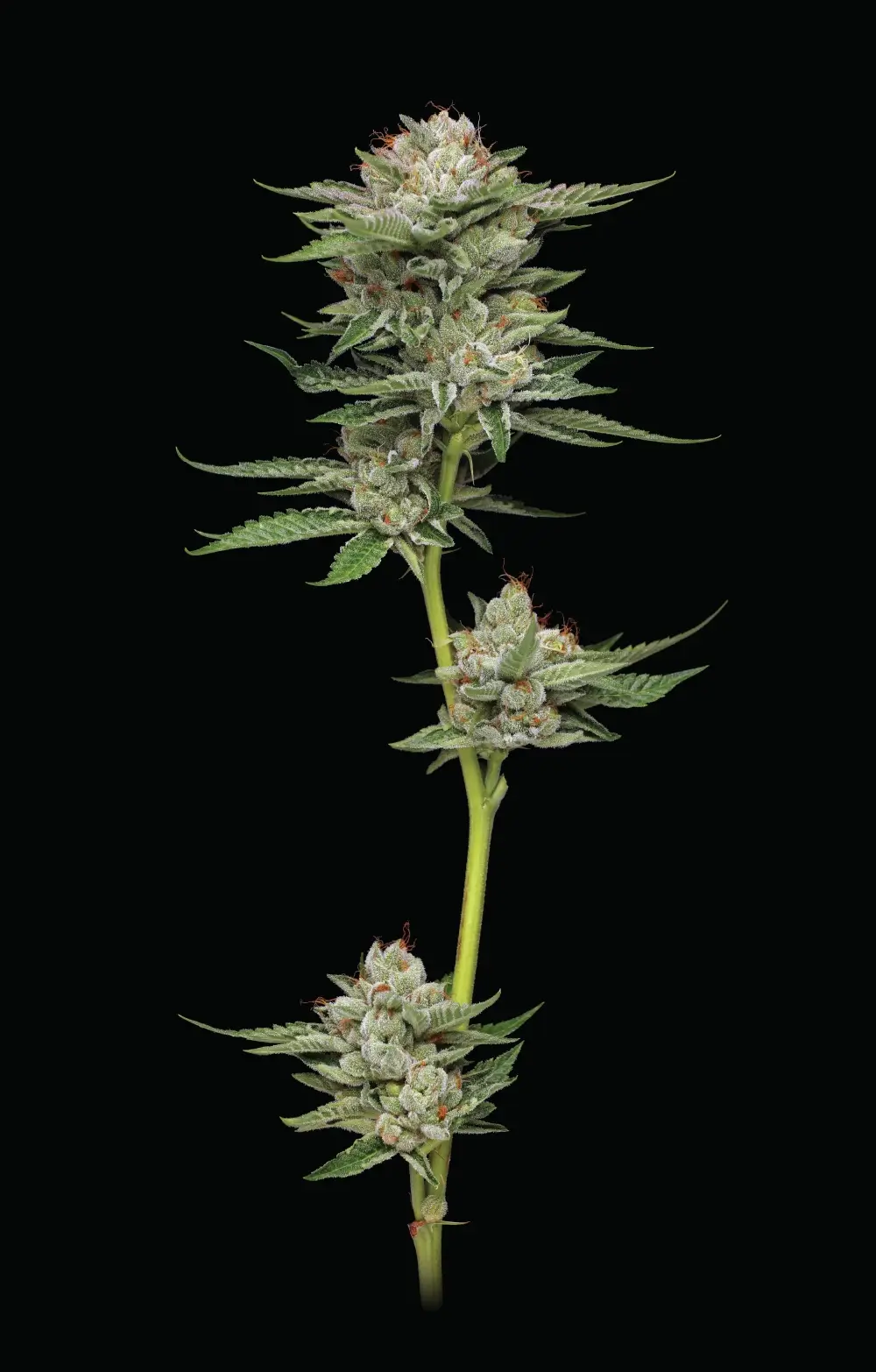
Height and stretch characteristics: Extreme sativa stretch—expect 100-200% height increase in the first 3 weeks of flower. Plants flipped at 50cm can finish at 150-200cm. Plants flipped at 80cm can exceed 250cm. The vigorous vertical growth is dramatic and can surprise growers familiar with indica genetics. Outdoor plants with 12-14 week veg periods easily reach 250-350cm, sometimes exceeding 400cm in optimal conditions. Height management is mandatory for indoor growing.
Training strategies (essential for indoor):
Topping (mandatory indoors): Top multiple times during veg to control height and create bushier structure. First topping at 4th-5th node, second topping at 3rd-4th node on resulting branches, potentially third topping depending on veg time. Aggressive topping (3-4 times) creates 8-16 main colas and drastically reduces vertical growth. Durban Poison recovers from topping in 3-5 days—the vigorous genetics barely slow down.
LST (Low-Stress Training): Essential alongside topping. Tie down branches during veg and early flower to create horizontal growth. Start LST by week 3-4 of veg and continue adjusting constantly through the stretch phase (weeks 1-3 of flower). The flexible branches bend easily. Constant repositioning required as plants grow rapidly—check daily during stretch.
SCROG (Screen of Green): Highly effective for Durban Poison. The vigorous lateral growth fills screen spaces efficiently. Use 10-15cm squares. Veg until screen is 40-50% full (not 60%—Durban Poison will massively overfill). Flip to flower when screen is half full and weave branches aggressively during the 3-week stretch phase. SCROG provides excellent height control and maximizes yield per square meter.
Supercropping: Advanced technique for emergency height control. If plants stretch more than expected in early flower, supercropping (bending stems to create 90-degree angles) can save the grow. Durban Poison's thick stems handle supercropping well. Creates stress that can actually increase resin production.
Defoliation: Moderate to heavy defoliation beneficial. The vigorous foliage can block light to lower bud sites. Remove blocking fan leaves in early flower (week 1-2) and again at week 4-5 of flower. Don't hesitate to remove 30-40% of fan leaves—Durban Poison regrows foliage quickly and benefits from improved light penetration and airflow. The open structure needs good light throughout the canopy for maximum bud development.
Feeding strategy:
Durban Poison is a moderate to heavy feeder, especially during the extended vegetative period and stretch phase.
Vegetative phase (10-14 weeks typical):
- Start at 1/2 recommended strength for first 2 weeks
- Increase to full strength by week 3-4
- Can push to 1.2x recommended strength by mid-veg if plants show vigorous growth
- EC range: 1.6-2.0 in hydro/coco systems
- Higher nitrogen for the extended vegetative growth period
- CalMag essential in coco or RO water systems—sativas show deficiencies quickly
- Silica supplements help strengthen stems for supporting tall structure
Early flower / stretch phase (weeks 1-3):
- Maintain moderate nitrogen to support explosive vertical growth
- Begin increasing phosphorus and potassium
- EC range: 1.8-2.2
- This is peak growth phase—plants need substantial nutrition
- Don't cut nitrogen too early or you'll stunt the stretch (which reduces yield)
Mid-late flower (weeks 4-9):
- Peak feeding period for bud development
- EC range: 2.0-2.4 (Durban Poison handles higher EC than many strains)
- Reduce nitrogen substantially, maximize phosphorus and potassium
- PK boosters work excellently with sativa genetics
- Increase sulfur for terpene production (brings out the anise character)
- Monitor for deficiencies—sativas show hunger quickly
Final flush (last 10-14 days):
- Plain pH-adjusted water only
- Critical for the spicy-sweet-anise flavour profile
- Unflushed Durban Poison tastes harsh and loses distinctive terpene character
- Leaves will yellow substantially—this is desired
- Start flush when trichomes are 50-60% cloudy
Climate requirements:
Temperature:
- Vegetative: 24-28°C (lights on), 18-22°C (lights off)—sativas tolerate heat well
- Flowering: 22-26°C (lights on), 18-20°C (lights off)
- Can handle brief spikes to 32-35°C without severe stress (adapted to South African heat)
- Avoid prolonged temps above 30°C (reduces terpene preservation)
- Cooler temps in late flower (20-24°C) enhance terpene retention
Humidity:
- Vegetative: 50-65% RH
- Early flower: 45-55% RH
- Mid flower: 40-50% RH
- Late flower: 35-45% RH
- The open sativa structure naturally resists mould better than dense indica buds
- Still maintain reasonable humidity—don't exceed 60% even in veg
Airflow and ventilation:
- Strong air circulation essential—use multiple oscillating fans
- The tall structure creates microclimates top to bottom—ensure air movement throughout
- Extract fan should handle tent volume efficiently
- Good airflow prevents mould and strengthens stems for supporting tall growth
Light intensity:
- High light requirements—sativa genetics evolved under intense equatorial sun
- PPFD targets: 500-700 µmol/m²/s veg, 800-1200 µmol/m²/s flower
- Can handle extreme light intensity (1200+ PPFD) with CO2 supplementation
- More light = more yield with Durban Poison (assuming environment supports it)
- Quality lighting is important—budget LEDs limit genetic potential
Common issues and solutions:
Excessive stretch: The primary challenge. Solutions: top aggressively (3-4 times during veg), flip to flower very early (when plants are only 30-40cm for standard tents), use SCROG to control height, supercrop if plants exceed space during flower, consider PGRs like kelp for stem strength.
Nutrient deficiencies: Sativas show deficiencies faster than indicas. Watch for yellowing leaves (nitrogen), interveinal chlorosis (magnesium), or brown spots (calcium). Durban Poison is hungry—don't be conservative with nutrients.
Impatience with flowering time: 9 weeks feels long compared to 7-8 week indicas. Resist the urge to harvest early—the last 2 weeks are when trichomes really develop and terpenes lock in. Premature harvest significantly reduces quality.
Foliage density blocking light: The vigorous leaf production can create canopy that blocks lower bud sites. Defoliate more aggressively than you would with indicas. Durban Poison handles heavy defoliation well.
Airy bud structure concerns: Sativa buds are naturally less dense than indica. This is genetic—don't mistake it for a problem. The elongated colas still produce substantial weight and the open structure prevents mould.
🏠 Indoor Growing (Australia)
Flowering time: 8-10 weeks under 12/12 light cycle, typically 9 weeks
Yield: 500-550g/m² under 600W+ LED or HPS with SCROG and proper feeding
Recommended veg period: 8-10 weeks minimum for standard growing. Can push to 12-14 weeks for maximum yields if height allows. SCROG growers veg 8-10 weeks and flip when screen is 40-50% full.
Height management critical: Flip to 12/12 when plants are only 30-40cm tall for standard 200-220cm tents. The 100-200% stretch will push them to 90-160cm final height. Taller tents (240cm+) allow flipping at 50-60cm. Always account for light distance from canopy (30-45cm for LED, 45-60cm for HPS) and pot height (30cm).
Cycles per year: With 9 week flower and 10 week veg, expect 2-3 complete cycles annually. The extended timeline reduces annual harvests compared to fast-flowering strains, but the quality and unique effects compensate.
Container size: 20-30L fabric pots for soil, 15-25L for coco/hydro. The vigorous sativa roots need space. Bigger pots support extended veg and heavy feeding. Fabric pots essential for preventing root binding with aggressive root systems.
Training recommendation: SCROG produces best indoor results. Top 3-4 times during veg, train under screen, flip when 40-50% full. The lateral growth fills spaces efficiently but aggressively. Constant weaving required during 3-week stretch.
Lighting requirements: Minimum 600W for 1m². Durban Poison responds dramatically to light intensity. Quantum board LEDs (600-1000W) or quality HPS (600-1000W) recommended. Budget lighting significantly limits yield potential with sativa genetics.
Popular with Australian indoor growers in: Melbourne (climate control allows year-round, tall apartments accommodate height), Sydney (dedicated grow rooms handle vertical growth), Brisbane (manageable with dehumidifier and AC), Perth (dry climate suits sativa growing). Less common in small urban apartments due to height requirements.
🌿 Outdoor Growing (Southern Hemisphere / Australia)
Harvest windows by region:
- Queensland / Northern NSW: Mid to late April (long warm autumn allows full maturation)
- Central NSW / ACT: Late April to early May
- Victoria / SA: Early May (watch weather closely—9 week flower risks late rain)
- Tasmania: Challenging—mid-May harvest risks cold and rain. Greenhouse strongly recommended.
- Western Australia: Mid to late April (Perth's Mediterranean climate ideal for sativas)
Yield: 500-650g per plant in-ground or very large containers (150L+) with 12-14 week veg. Medium containers (80-120L, shorter veg) produce 350-500g per plant.
Planting timing: Plant in late October to early November after frost risk passes. The extended veg period (12-14 weeks outdoor) combined with natural flowering trigger (late January/early February as daylight drops) means harvest happens late April/early May—later than most strains.
Site selection:
- Full sun absolutely essential—10+ hours direct sunlight ideal (sativas need intense light)
- Excellent drainage—Durban Poison evolved in well-draining South African soil
- Wind protection helpful but not critical (sturdy sativa stems handle wind reasonably)
- Privacy considerations—plants easily exceed 200cm, often reaching 250-350cm
- Southern exposure in Australia maximizes sun (opposite hemisphere from Northern guides)
Climate suitability by state:
- Queensland: Excellent. Long warm autumn, abundant sunshine, high humidity manageable with plant spacing. Ideal sativa climate.
- Northern NSW: Excellent. Warm coastal climate perfect. Inland areas even better (lower humidity).
- Central NSW / ACT: Very good. Warm summers, usually dry autumn. The 9-week flower finishes before heavy May rains in most years.
- Victoria / SA: Moderate. April-May weather unpredictable. Late harvest timing (early May) risks rain and cool temps. Covered protection recommended for insurance.
- Tasmania: Difficult. Short season and cool May temps challenge sativas. Greenhouse or indoor strongly recommended over outdoor.
- Western Australia: Excellent. Perth's Mediterranean climate with dry autumns perfect for sativa cultivation. Warm sunny days, mild nights ideal.
Container vs in-ground:
- In-ground: Maximum size potential (300-400cm possible with long veg). Unrestricted roots support massive plants and maximum yields (600-650g). Can't move if weather threatens. Soil quality dependent.
- Very large containers (150-200L): Nearly matches in-ground performance. Portable with significant effort. Controlled soil quality. Easier nutrient management. Yields 500-650g. Best compromise for most growers.
- Medium containers (80-120L): Manageable plant size (200-250cm), portable, good yields (350-500g). Requires frequent watering in summer. Good for growers with space or mobility constraints.
Weather management:
- Late autumn rains: Major concern for Durban Poison's late harvest. Monitor forecasts religiously in late April/early May. The open sativa structure resists mould better than dense buds, but prolonged rain still risks issues. Cover plants or move under shelter if heavy rain forecasted.
- Wind: Tall sativa plants handle wind better than you'd expect. The thick stems and flexible branches evolved for coastal South African winds. Still stake main stem by mid-flower for support. Major branches may need individual staking if particularly heavy.
- Late season cold: Temps below 12°C in May stress plants and slow final ripening. Cover plants overnight if cold snaps forecasted. Fleece or plastic sheeting works for temporary protection.
Outdoor training: Top 1-2 times during veg to create bushier structure. Outdoor sativas naturally grow tall—accept and support rather than fight it. Focus on creating multiple main colas rather than controlling height. Heavy staking essential by mid-flower to support tall structure.
Pest management: Caterpillars primary concern in Australian late summer/autumn. The open sativa structure makes spotting pests easier than dense indica. Inspect weekly. BT (Bacillus thuringiensis) spray in early flower for prevention. Spider mites less common outdoors. Remove any pest-damaged material immediately.
🧠 Jason's Tip — Growing Durban Poison
The stretch is wild—wilder than any other strain I grow regularly. I've had Durban Poison plants triple in height during the first 3 weeks of flower. Not double. Triple. If you're not prepared for that, you'll have plants growing into your lights by week 2.
My strategy: flip to 12/12 when plants are 35-40cm maximum in a standard 200cm tent. That's it. Even experienced growers want to veg longer because the plants look small. Don't. Trust me. A 40cm Durban Poison plant becomes 120-140cm by end of stretch. Account for lights (40cm clearance) and pots (30cm) and you're using every centimeter of tent height.
Top it 3-4 times during veg. I know that seems aggressive, but it's necessary. First top at 5th node, then all resulting branches at 3rd node, then again if you're vegging 10+ weeks. This creates 8-16 main colas and cuts the final height by 30-40%. The recovery time is nothing—Durban Poison barely notices topping.
Feed it heavily. This strain is hungry, especially during the stretch and mid-flower. I run 2.2-2.4 EC in coco through weeks 4-8 of flower without burn. Sativas need fuel. If you're seeing yellowing in week 5-6, you're underfeeding—bump nutrients immediately. The long veg and heavy feeding pay off with 500-550g/m² consistently.
🌿 Real User Experiences
⭐⭐⭐⭐⭐ "Durban Poison is my go-to for smashing tasks! Clean energy, enhanced focus, and no munchie madness. Perfect for active days and creative projects. The anise flavour is incredible." — Creative professional, productivity focus
⭐⭐⭐⭐⭐ "The ultimate daytime strain. Clear-headed, energizing, euphoric — like sipping cannabis espresso. Durban Poison wakes up your mind and mood without jitters or anxiety." — Medical user, depression/fatigue
⭐⭐⭐⭐⭐ "Durban Poison unlocked a creative floodgate for me. Whether painting, writing, or hiking, everything just flows naturally and vibrantly. No appetite increase at all—the THCV really works." — Artist, ADHD management
⭐⭐⭐⭐ "Grew outdoors in Queensland, pulled 580g from one massive 3-meter plant. Topped twice, staked heavily, finished in late April. The energy from this strain is unmatched for surf sessions and beach days." — Outdoor grower, Queensland
❓ Frequently Asked Questions — Durban Poison Feminised Seeds
🌿 What makes Durban Poison special?
Durban Poison is a pure African landrace sativa (100% sativa, no indica genetics) with exceptionally high THCV content (3-5% vs <0.5% in most strains). This THCV creates unique effects: appetite suppression instead of munchies, enhanced mental clarity and focus, increased energy, faster onset, and shorter duration. The strain also flowers remarkably fast for a pure sativa (8-10 weeks vs 12-16 weeks for equatorial landraces). Brought to prominence by cannabis pioneer Ed Rosenthal in the 1970s, it's parent genetics for Girl Scout Cookies and legendary for "cannabis espresso" effects.
⚡ How does THCV affect the experience?
THCV (tetrahydrocannabivarin) at 3-5% creates several distinct effects: Appetite suppression (opposite of typical munchies), increased energy and mental clarity (sharper focus than THC alone), faster onset (5-10 minutes vs 15-30 for pure THC), shorter duration (2-3 hours vs 3-4 hours), enhanced productivity and focus, reduced anxiety (THCV moderates some THC effects), and potential blood sugar regulation. The combination creates what users describe as "cleaner," more functional effects perfect for daytime productivity.
🌱 Is this strain beginner-friendly?
No. Durban Poison requires intermediate to advanced experience. The challenges: Extreme stretch (100-200% in early flower) requires aggressive height management, tall growth (200-300cm+ easily) needs substantial vertical space, 9 week flowering plus extended veg (19-24 weeks total) demands patience, sativa structure needs understanding of different growth patterns than indicas. If you've successfully grown 3-5 strains and have tall tents or outdoor space, you'll handle it. Beginners should start with compact indica genetics.
⏱ How long does flowering actually take?
8-10 weeks from start of 12/12 light cycle, typically 9 weeks. This is remarkably fast for a pure sativa (most require 12-16 weeks). Total grow time: 19-24 weeks from seed to harvest indoors (10-14 weeks veg + 9 weeks flower). This is longer than fast indica hybrids but much shorter than other pure sativas. The compressed flowering occurred through natural selection in South Africa's climate.
🏠 Can I grow Durban Poison in a standard tent?
Challenging but possible. Standard 200-220cm tents require aggressive training and very early flip to 12/12. You must flip when plants are only 30-40cm tall to account for 100-200% stretch. SCROG is almost mandatory. Multiple toppings essential. Taller tents (240cm+) make life much easier. Short tents (180cm or less) are not suitable—choose different genetics.
🌞 What about outdoor growing in Australia?
Excellent in warm states with long autumns. Queensland and Northern NSW are ideal—abundant sunshine, warm April-May weather. Central NSW and Perth work very well. Victoria and SA are moderate—the late April/early May harvest timing risks rain and cold. Tasmania is challenging—short season and cool May makes greenhouse essential. The tall vigorous growth and pest resistance suit Australian outdoor conditions.
📏 How tall does it actually get?
Very tall. Indoor plants: flipped at 40cm finish 120-160cm, flipped at 60cm reach 180-220cm. Outdoor plants: with 12-14 week veg easily reach 250-300cm, sometimes exceeding 350-400cm in-ground with unlimited veg. The pure sativa genetics create strong vertical growth. This is genuinely a tall strain—plan accordingly.
🌾 What yields can I realistically expect?
Indoor: 500-550g/m² under 600W+ lighting with SCROG and proper feeding. Individual plant yields: 150-200g each depending on veg time and training.
Outdoor: 500-650g per plant in-ground or very large containers (150L+) with extended veg. Medium containers (80-120L): 350-500g per plant.
These are solid yields that prove landrace genetics compete with modern hybrids.
🍇 What does it taste and smell like?
Distinctive spicy-sweet with characteristic anise (licorice) notes. The inhale carries herbal, almost medicinal character with subtle citrus. The exhale has earthy undertones with pine. The aroma during growing is moderate to strong—spicy-sweet-herbal smell from week 5 onwards. Carbon filtration recommended indoors. The terpinolene-dominant profile creates "old-school" landrace character unlike fruity modern hybrids. Complex, memorable, immediately recognizable to connoisseurs.
💪 How potent is it?
Moderately potent by THC standards but effects feel stronger than numbers suggest. At 18-22% THC plus 3-5% THCV, the combination creates more intense mental clarity and energy than a 22% THC-only strain. The THCV amplifies and modifies THC effects. Even experienced users should start conservatively. The energizing effects can become racy or anxiety-inducing at excessive doses.
🌡️ What are ideal growing conditions?
Temperature: 24-28°C veg (day), 22-26°C flower (day), 18-20°C nights
Humidity: 50-65% veg, 45-55% early flower, 40-50% mid flower, 35-45% late flower
Light cycle: 18/6 during veg, 12/12 to initiate flowering
pH: 6.0-6.5 in soil, 5.5-6.0 in coco/hydro
EC/PPM: Heavy feeder—1.6-2.4 EC (800-1200 PPM) through flower
Light intensity: High—800-1200 PPFD in flower for maximum yields
🔝 Should I top it?
Yes, absolutely essential for indoor growing. Top 3-4 times during veg to control extreme stretch and create bushier structure. First topping at 4th-5th node, second topping at 3rd-4th node on resulting branches, potentially third and fourth toppings for extended veg. The vigorous sativa genetics recover from topping in 3-5 days—barely slows growth. Topping is mandatory for height control indoors.
🌿 What training techniques work best?
SCROG (Screen of Green) is most effective indoors. Top 3-4 times during veg, train under screen, flip when 40-50% full (not 60%—the stretch will massively overfill). Aggressive LST also works. Supercropping useful for emergency height control if plants exceed space. Heavy defoliation beneficial—remove 30-40% of blocking fan leaves to improve light penetration. Don't be tentative—Durban Poison handles aggressive training well.
💧 How much should I feed it?
Durban Poison is a heavy feeder. Start at recommended strength and increase to 1.2-1.5x by mid-flower. EC range: 1.6-2.0 in veg, 2.0-2.4 in flower (higher than most strains). Sativas show hunger quickly—yellowing in mid-flower means underfeeding. Increase base nutrients and add PK boosters weeks 4-8. Flush thoroughly final 10-14 days for clean spicy-sweet flavour.
⚠️ What are common problems?
Excessive stretch: The primary issue. Top 3-4 times, flip very early (30-40cm), use SCROG, supercrop if needed.
Outgrowing tent height: Very common mistake. Always flip when plants are 1/3 your available height or less.
Nutrient deficiencies: Sativas show hunger faster than indicas. Don't be conservative with feeding.
Impatience: Growers want to harvest at 8 weeks. Wait until week 9 minimum for proper trichome development.
Mistaking airy buds for problem: Sativa buds are naturally less dense. This is genetic, not a cultivation error.
🔄 Can I clone it?
Yes, clones excellently. Durban Poison clones root in 7-14 days with standard techniques and maintain vigour through multiple generations. The vigorous genetics make it excellent for perpetual harvest and mother plant setups. Clones allow you to skip the long veg from seed and have known phenotype characteristics.
🕐 When should I harvest?
Harvest when 70-80% of trichomes are cloudy with 10-20% amber for peak sativa effects (energy + mild relaxation). Use jeweler's loupe or microscope. Harvesting earlier (mostly cloudy, minimal amber) provides maximum energy and mental clarity. Harvesting later (30-40% amber) increases physical relaxation but reduces characteristic focus. Don't harvest before 70% cloudy—premature harvest loses potency and THCV benefits.
🌈 Does it show purple colours?
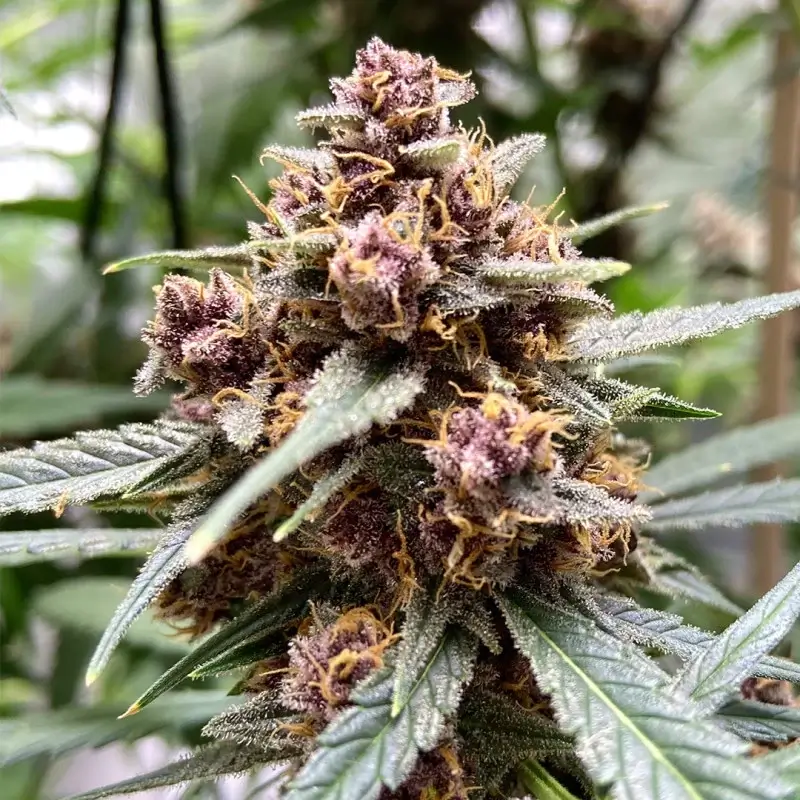
Minimal purple expression. Durban Poison typically displays bright green buds with orange pistils. Some phenotypes show slight purple hues in leaves if temps drop to 16-18°C in late flower, but vibrant purple is not characteristic. The appeal is in the energizing effects, unique terpenes, and high THCV—not visual colour.
💰 Is it worth growing vs modern hybrids?
Depends on priorities:
Choose Durban Poison if: You want pure landrace genetics, exceptional THCV for daytime function, fast flowering for a sativa, distinctive "old-school" flavour, legendary proven genetics, parent stock for breeding, or energizing effects without sedation.
Choose modern hybrids if: You have limited height, want maximum yields, need beginner-friendly growth, prefer fruity flavours, want dense indica buds, or need short total grow time.
For experienced sativa enthusiasts, Durban Poison is essential. For beginners or limited-space growers, choose compact hybrids.
🌿 What effects can I expect?
Fast onset (5-10 minutes) with immediate cerebral stimulation, mood elevation, and energy increase. Peak mental clarity and focus (10-45 minutes)—excellent for productivity, creativity, conversation, physical activity. Mid-phase steady energy with continued focus (45-90 minutes). Late-phase gentle tapering (90-150 minutes). Duration: 2-3 hours total. Best for daytime use, creative work, exercise, social situations, outdoor activities. Not suitable for sleep or sedation—this is pure activation.
💊 What medical conditions is it used for?
Anecdotally reported as effective for: depression and mood disorders (uplifting mental effects), fatigue and low energy (stimulating without pharmaceutical side effects), ADHD and focus disorders (THCV enhances concentration), appetite regulation and weight management (THCV suppresses appetite), blood sugar management (THCV studied for diabetes applications), social anxiety (reduces inhibition without paranoia), creative blocks (enhances ideation). The functional energizing effects make it valuable for medical users needing symptom relief during active hours.
📅 How many harvests per year?
Indoor: 2-3 complete cycles annually with 9 week flower + 10 week veg.
Outdoor: 1 cycle per year (plant October-November, harvest April-May).
The extended timeline reduces annual cycles compared to fast-flowering strains (which allow 4-5 indoor cycles), but the unique effects and quality compensate.
🏆 Why is it called Durban Poison?
Named after the port city of Durban in South Africa where the landrace evolved. "Poison" references the strain's potent, intoxicating effects—in the 1970s when Ed Rosenthal introduced it, the energizing clarity was so distinct and powerful it earned the "poison" moniker as a testament to its strength. The name stuck and became iconic.
🧬 What makes the genetics special?
Durban Poison is pure landrace—it evolved naturally over centuries without human selective breeding. This natural evolution in South Africa's coastal climate created genetics with: exceptional THCV production (3-5%, nearly 10x higher than typical strains), fast flowering for a sativa (adaptive advantage to finish before coastal rains), natural pest and mould resistance, vigorous growth, and distinctive terpene profile. Unlike modern hybrids bred for specific traits, landrace genetics represent cannabis in its naturally evolved form.
🌍 Where did it originate?
The coastal hills around Durban, South Africa. Cannabis grew wild and semi-cultivated in this region for centuries. The local climate (warm, sunny, coastal with autumn rains) selected for plants that grew vigorously, flowered relatively fast, and resisted pests. Cannabis pioneer Ed Rosenthal discovered this exceptional landrace during travels to South Africa in the 1970s, collected seeds, and introduced them to American/European cannabis communities, establishing Durban Poison as a global legend.
🔬 What's the terpene profile?
Dominated by terpinolene (floral, herbal, piney—creates the distinctive spicy-sweet character and uplifting effects), supported by myrcene (earthy, slightly sedative—adds depth), ocimene (sweet citrus, uplifting), and pinene (pine, mental clarity). Minor terpenes include caryophyllene (pepper, anti-inflammatory). Total terpene content typically 1.5-2.5%. The terpinolene dominance is relatively rare and creates the "old-school" landrace character that's increasingly uncommon as breeders chase fruity profiles.
💚 Is it good for hash or concentrates?
Very good. The moderate resin production creates decent concentrate yields (15-20% by weight typically). The clean terpene profile produces flavourful extracts with the characteristic spicy-anise notes. The THCV content carries through to concentrates, maintaining the unique energizing effects. Rosin, bubble hash, and dry sift all work well. Not the absolute highest yielding strain for extraction, but the quality and effects justify it.
☀️ Does it handle heat well?
Exceptionally well. Evolved in hot South African coastal climate. Can handle temps to 32-35°C without severe stress (brief exposure). Still maintain reasonable temps (22-26°C ideal) but it won't collapse during heat spikes. This heat tolerance makes it excellent for Australian summer growing—Queensland and Northern NSW heat that stresses other strains barely affects Durban Poison.
🌊 Can I grow it hydroponically?
Yes, excellent in hydro systems. The vigorous sativa growth responds dramatically to hydroponic nutrient delivery. DWC, RDWC, coco/perlite all work excellently. Expect even more aggressive stretch and higher yields than soil. Ensure your vertical space can handle it—hydro often produces taller plants. The heavy feeding requirements suit hydro's precise control.
🎨 Is it really that good for creativity?
Yes, consistently reported as exceptional for creative work. The cerebral stimulation enhances ideation, problem-solving, novel connections, and artistic expression. Many artists, writers, musicians report Durban Poison as their preferred "work strain." The THCV contributes mental clarity that keeps creative energy focused rather than scattered. Peak creativity window typically 10-60 minutes after consumption.
🍽️ Does it really suppress appetite?
Yes, noticeably. The 3-5% THCV creates substantial appetite suppression—opposite of typical cannabis. Many users report decreased food cravings and easier portion control. This makes Durban Poison valuable for weight management or users who dislike excessive munchies. The appetite suppression is most noticeable in first 90 minutes. Later phases (90+ minutes) may see slight appetite increase but far less than pure THC strains.
⚡ How does it compare to other energizing strains?
Durban Poison is among the most energizing strains available. The pure sativa genetics plus high THCV create stronger activation than sativa-dominant hybrids. Comparable strains: Jack Herer, Super Silver Haze, Sour Diesel. Durban Poison stands out for THCV content (others contain <1%), pure landrace genetics (no indica dilution), and appetite suppression. If you want maximum clean energy without sedation, Durban Poison is the reference standard.
🛡️ Is it mould resistant?
Yes, naturally resistant. The open sativa structure with good airflow between bud sites prevents moisture accumulation. Evolved in coastal South Africa with humidity and rain—natural selection favored mould resistance. More resistant than dense modern indica hybrids. Still maintain proper humidity control (under 50% in flower) and good airflow. Not immune to mould if conditions are poor, but handles imperfect conditions better than most strains.
🌱 Can I grow it on a balcony?
Possible but challenging. Requirements: 10+ hours direct sunlight (essential for sativa), containers 80L+ (the tall structure needs root space), ability to support 200-250cm plants (staking required), privacy considerations (plants are tall and visible). South-facing balconies in Australia get best sun. Works better with topped/trained plants to control height. Expect 350-500g per plant with good sun and care. Better suited to ground-level outdoor growing than elevated balconies.
🏋️ Can I use it before the gym?
Yes, excellent pre-workout choice. The energizing effects, increased focus, and physical stimulation enhance gym performance, cardio, yoga, or outdoor activities. Many athletes use Durban Poison as their "training strain." The appetite suppression (from THCV) prevents uncomfortable fullness during exercise. Consume 15-30 minutes before activity for peak effects during workout. The clean energy doesn't create jittery anxiety like caffeine.
🌍 Is it parent genetics for other strains?
Yes, extremely influential. Most famously, Durban Poison is one parent of Girl Scout Cookies (Durban Poison × OG Kush), which became one of the most popular strains of the 2010s-2020s and spawned countless descendants including Gelato, Wedding Cake, Sunset Sherbert, and hundreds of others. Growing Durban Poison means working with the genetic foundation of modern cannabis culture.
⚗️ How does it compare to other landrace sativas?
vs Thai: Durban Poison flowers faster (9 weeks vs 12-16), easier to grow, similar energy but cleaner.
vs Colombian: Faster flowering, more THCV, less racy effects.
vs Mexican: Stronger effects, better resin production, distinctive anise flavour vs Mexican's citrus.
Durban Poison is the most accessible pure landrace sativa for practical cultivation—combines authentic genetics with manageable flowering times.
🎯 Who is this strain best for?
Ideal for: Experienced growers with tall spaces, sativa enthusiasts, daytime functional users, creative professionals, athletes/active people, medical users managing depression/ADHD/fatigue, users seeking appetite control, those who appreciate cannabis history/culture, breeders looking for THCV genetics.
Not ideal for: Beginners, limited-height growers, users wanting sedation/sleep aid, those preferring sweet fruity flavours, growers needing fast total grow time, users sensitive to energizing effects.
🌟 Is the THCV really noticeable?
Yes, absolutely. At 3-5% THCV (vs <0.5% in most strains), the effects are unmistakably different. The appetite suppression is the most obvious sign—no munchies at all for most users. The mental clarity and focus are sharper than equivalent-THC strains without THCV. The shorter duration and cleaner comedown are noticeable. If you've only tried typical cannabis (high THC, low THCV), Durban Poison will feel distinctly different in a functional, energizing way.
Further reading you may enjoy
48 reviews for Durban Poison Feminized Seeds
Related products
-

Black Domina Feminized Seeds
From $75.00 -

Zkittlez Feminized Seeds
From $75.00 -

Master Kush Grand Feminized Seeds
From $75.00 -

Special Lime Haze Feminized Seeds
From $75.00 -

White Widow Feminized Seeds
From $75.00 -

Psychedelic (LSD) Feminized Seeds
From $75.00 -
 AUTO
AUTOAuto Gorilla Glue Feminized Seeds
From $75.00 -
 AUTO
AUTOAuto Jack Herer Feminized Seeds
From $75.00

Strong and healthy looking seedlings.
No problems just great service
Great service.
Hopefully they do their thing. Thank you.
It couldn't more convenient,
I find the service second to none to be honest. I'm definitely a returning customer.
Thanks again sacred seeds.
3 of 4 are following the sun. Reflecting on early 80's Hmmmm
They're now curing away nicely.
It's a lovely smoke and a great high.