



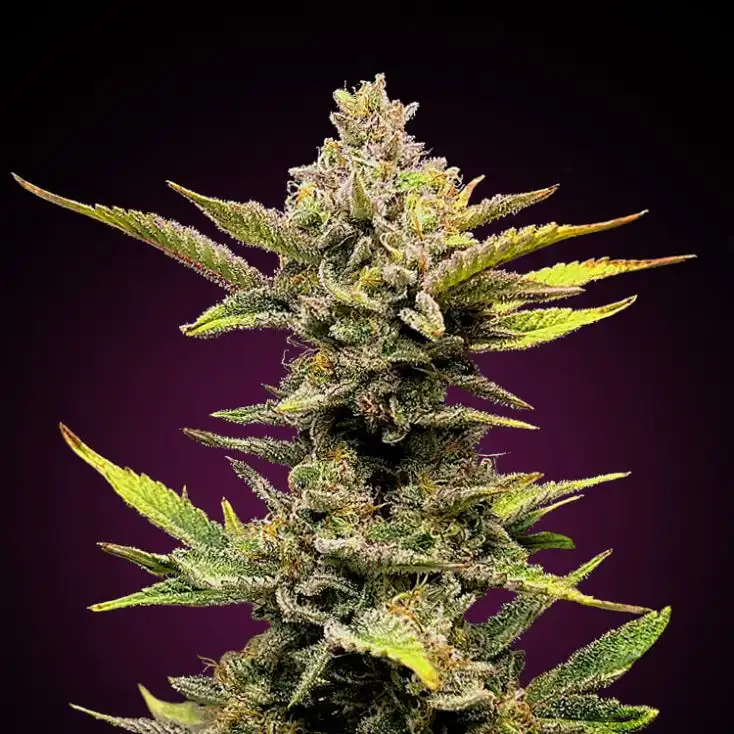

Auto Girl Scout Cookies Feminized Seeds
From $75.00
Auto Girl Scout Cookies seeds carry the OG Kush × F1 Durban genetics that made GSC famous — baked goods and mint terpenes, euphoric onset, deep body ease — on a fixed 75–80 day timeline with no light flip required. Compact at 60–100 cm. Flush it, cure it, and it smells exactly like Cookies should.
Nearly every order ships with bonus seeds. One free seed per five purchased — added automatically, no catch. Contact us for bulk order pricing.

Germination Guarantee
Every batch is tested for quality and backed by our germination guarantee.

Fast, Local Shipping
Tracked Australia Post. Express or Standard. Plain, discreet packaging.

4.9⭐ ProductReview Rating
Independent Australian review platform. Read verified customer experiences.
Auto Girl Scout Cookies Feminized Seeds
From $75.00
Auto Girl Scout Cookies seeds carry the OG Kush × F1 Durban genetics that made GSC famous — baked goods and mint terpenes, euphoric onset, deep body ease — on a fixed 75–80 day timeline with no light flip required. Compact at 60–100 cm. Flush it, cure it, and it smells exactly like Cookies should.
Nearly every order ships with bonus seeds. One free seed per five purchased — added automatically, no catch. Contact us for bulk order pricing.
Germination Guarantee
Every batch is tested for quality and backed by our germination guarantee.
Fast, Local Shipping
Tracked Australia Post. Express or Standard. Plain, discreet packaging.
4.9⭐ ProductReview Rating
Independent Australian review platform. Read verified customer experiences.
🍪 Auto Girl Scout Cookies Seeds: Cookie Fam Genetics on a Fixed Timeline
Auto Girl Scout Cookies feminised seeds carry the same OG Kush × F1 Durban genetics that made GSC one of the most influential strains ever bred, on a fixed 75 to 80 day seed-to-harvest timeline that flowers automatically without a light schedule change.
The ruderalis cross reduces yield and slightly lowers THC relative to the photoperiod, but the defining GSC characteristics carry through reliably into the auto: the baked goods and mint terpene profile, the euphoric onset that settles into body ease, and the dense, resinous bud structure. GSC is a Cookie Fam strain out of San Francisco, and the full origin story behind that line is covered in our Girl Scout Cookies review and Girl Scout Cookies grow guide. As one of the more potent high-THC Cookies-genetics autos in the catalogue, Auto GSC sits at the connoisseur end of the range.
Why choose the auto over the photoperiod: the fixed timeline is the entire reason to run this version. If you are growing outdoors in Australia without the ability to control light exposure, the photoperiod needs natural day length to trigger flowering, which locks you into a specific planting window. The auto does not. Germinate when conditions are suitable, harvest 75 to 80 days later. For indoor growers running perpetual setups, the auto allows harvests on demand without managing separate veg and flower rooms. For balcony or discreet outdoor grows where height is a constraint, the compact 60 to 100 cm profile is a practical advantage.
What the ruderalis cross costs: it is worth being direct about the trade-offs. Indoor yield sits at up to 450 g/m², achievable but below the photoperiod under equivalent conditions. THC runs ~18 to 22% versus 20 to 25%. The auto has no recovery time, so mistakes in the first three weeks carry through to harvest without the ability to hold the plant in veg to compensate. These are real differences, not minor caveats. If you have the setup to run the photoperiod properly, that version produces the definitive GSC expression. The auto is the right choice when the timeline or grow situation makes the photoperiod impractical.
What Auto Girl Scout Cookies seeds do well:
- Terpene profile: the cookie, mint, and earthy spice characteristics of GSC carry through the auto genetics well. With a proper flush and a 3 to 4 week cure, Auto GSC smells and tastes recognisably like Cookies
- Season flexibility: plant spring through early autumn in Australia and harvest on a 75 to 80 day fixed schedule, with two outdoor runs per season achievable
- Compact footprint: 60 to 100 cm suits small indoor tents, balcony grows, and discreet outdoor situations
- No light management: flowers on any schedule, whether 18/6, 20/4, or natural outdoor light, with no flip required and no light leak concerns
- Multiple indoor cycles: 4 to 5 complete runs annually are achievable with the 75 to 80 day timeline
Auto Girl Scout Cookies Lineage
🌿 Auto Girl Scout Cookies Seeds Effects and Experience
Onset (10–20 minutes): the Durban-derived sativa genetics come through first. Mood lifts clearly, thoughts brighten, and conversation flows easily. The characteristic GSC euphoria is present in the auto version, perhaps slightly softer than the photoperiod but recognisably the same opening, with no racing or edgy quality at moderate doses.
Early phase (20–45 minutes): physical ease begins alongside the mental lift. Light body relaxation, the body easing rather than heaviness. At this stage Auto GSC is sociable and functional, and creative tasks, music, and low-key social settings all work in this window.
Mid-phase (45–90 minutes): the indica genetics assert themselves. Body relaxation deepens while the mental lift settles into a comfortable haze. The munchies are reliable with GSC genetics, auto or photoperiod. Motivation for active tasks decreases.
Late-phase (90–150 minutes): at moderate doses, a gradual settling into evening relaxation. At higher doses, full body comfort and a natural wind-down toward the end of the day. Not a heavy knockout, more a gradual settling that follows the body's lead.
Duration: 2 to 3.5 hours at typical doses, slightly shorter than the photoperiod at equivalent consumption, consistent with the reduced THC, with no notable next-day grogginess.
Potency: at ~18 to 22% THC, Auto GSC is moderate-to-solid potency, more approachable than the photoperiod for lower-tolerance users. The caryophyllene-dominant terpene profile gives the effect body and depth, so it punches above its measured THC in actual experience, the same as the parent strain.
Best suited to: evening and late-afternoon use is the natural window. At moderate doses it stays functional, while higher doses lean toward couch comfort.
Flavour: sweet baked goods and cookie dough on the inhale, earthy spice and mint alongside. The exhale is clean with the sweetness lingering. The terpene expression is best after a 3 to 4 week cure, since fresh-harvested material is decent but the profile sharpens significantly in the jar. This is the most important post-harvest step with any Cookies-genetics strain.
🍪 Terpene Profile
The baked goods character comes from a caryophyllene-led profile:
- Caryophyllene: the dominant terpene, bringing the peppery, earthy spice that anchors the Cookies aroma
- Limonene: a citrus brightness that lifts the profile and supports the euphoric onset
- Linalool: a soft, sweet floral note that fills out the dessert-like character
For how these compounds shape flavour and effect, see our cannabis terpenes guide.
🌱 Growing Auto Girl Scout Cookies Seeds in Australia
(Strictly for ACT residents with a licence or those overseas where cultivation is legal.)
Experience level: intermediate. Auto GSC is not the most demanding strain to grow, but autos in general need a different mindset to photoperiods, since the fixed timeline means there is no recovery window for early mistakes. Overwatering, transplant stress, overfeeding, or root disturbance in weeks 1 to 3 all carry through to harvest with no opportunity to compensate. Attention to setup before germination matters more than reactive problem-solving during the grow. Our cannabis seedling care guide covers a strong start.
Critical auto rules, follow these before anything else:
- Start in the final container: germinate directly into the pot the plant will finish in, 10 to 15 L indoors, 15 to 20 L outdoors. Transplanting an auto causes stress during the fixed timeline that costs more yield than any other single mistake
- No transplanting: even a careful, experienced transplant sets an auto back 5 to 7 days it cannot recover
- Feed light in the first three weeks: the seedling and early veg phase is where overfeeding damage happens. Start at quarter strength and build slowly, since there is no recovering from nutrient burn in week 2 of an auto
- Do not stress it: heavy defoliation, aggressive topping, and root disturbance all cost time the fixed timeline does not allow back
Flowering: Auto GSC initiates flowering automatically at 3 to 4 weeks from germination, regardless of light cycle. Seed to harvest runs approximately 75 to 80 days. Watch trichomes from week 9 and harvest at 20 to 30% amber for the characteristic balanced effect. The GSC genetics tend to run toward the longer end of the auto window, so do not harvest early. Our amber trichomes guide covers reading them.
Height and structure: compact at 60 to 100 cm with moderate stretch in early flower, a 25 to 40% height increase is typical. The structure is bushier and more branched than many autos given the indica-dominant GSC genetics, and multiple lateral branches develop decent bud sites naturally. LST from week 2 to 3 opens the canopy and improves yield noticeably.
Training: LST is the most effective technique for Auto GSC. Begin tying down the main stem at 2 to 3 weeks to open the canopy and expose lateral bud sites. The branchy GSC structure responds particularly well, since there are more productive sites to expose than with single-cola auto genetics. Topping is not recommended, as the fixed timeline does not allow recovery. Keep defoliation minimal, removing only leaves directly blocking bud sites in early flower, since the leaves are feeding bud development during the fixed timeline.
Climate: consistent 22 to 26 °C through veg and early flower, easing to 20 to 24 °C in mid-to-late flower, with cool nights of 18 to 20 °C in the final two weeks to improve terpene expression. Avoid pushing above 28 °C, since autos are more temperature-sensitive than photoperiods. Run 50 to 60% RH in veg, dropping to 40 to 45% in late flower.
Harvest and cure: Auto GSC, like the photoperiod, rewards a proper cure out of proportion to the effort. The cookie and mint terpenes develop in the jar over 3 to 4 weeks of curing. Fresh-harvested material is decent, but properly cured material is the difference between a good auto and something that actually tastes like GSC. Burp jars daily for the first two weeks, then seal and wait. Our drying and curing guide covers the finish.
🏠 Indoor Growing (Australia)
- Seed to harvest: 75 to 80 days fixed, no light flip required
- Yield: up to 450 g/m² under good lighting with LST
- Container: start and finish in 10 to 15 L, no transplanting
- Light: 18/6 recommended, 20/4 for marginal gains, flowers on any schedule
- Height: 60 to 100 cm, suits tents from 60 cm × 60 cm upward
- Training: LST from week 2 to 3, the branchy GSC structure responds well and meaningfully improves yield
- Aroma: carbon filtration from week 4, the Cookies terpene profile is strong and early
- Cycles per year: 4 to 5 complete runs annually achievable with the fixed timeline
- Cure: 3 to 4 weeks minimum in sealed jars, critical for terpene expression
🌿 Outdoor Growing (Australia)
- Timing: ~75 to 80 days from planting, not season-dependent. Plant September through March for warm-weather runs
- Yield: 80 to 150 g per plant in good conditions, compact size limits total production
- Container: 15 to 20 L minimum, start in the final pot, no transplanting
- Site: full sun, 6+ hours direct light, good drainage. Our Australian climate strain guide covers regional timing
- Multiple runs: two outdoor runs per season achievable, plant September for a December harvest, plant January for a late-March harvest
- Humidity: the compact height makes balcony and discreet grows practical, but watch humidity in coastal Queensland and NSW from week 4 of flower
- Aroma: the Cookies profile carries, so plan the site position with discretion in mind
🧪 Auto Girl Scout Cookies Seeds EC and Feeding Guide: Soil and Coco
Auto Girl Scout Cookies seeds carry the OG Kush nutrient sensitivity of their parentage into the auto format, making this one of the more sensitive auto genetics in the catalogue. The caryophyllene-dominant terpene profile, the baked goods and mint character that defines GSC, also benefits substantially from conservative nitrogen in late flower and a thorough flush. Start at quarter strength without exception, watch the tips at every watering in weeks 1 to 3, and do not push EC higher than the plant demonstrates it needs.
All EC values assume quality base nutrients. Australian tap water typically runs 0.2 to 0.5 EC, so factor that into your target and measure after mixing.
📊 EC and pH Target Table: Soil vs Coco
| Phase / Week | Soil EC | Coco EC | Soil pH | Coco pH | Notes |
|---|---|---|---|---|---|
| Weeks 1–2 Seedling |
0.4–0.6 | 0.5–0.8 | 6.2–6.5 | 5.8–6.0 | GSC genetics show overfeeding stress faster than most autos. Water in a ring around the seedling. Plain water only in week 1. |
| Weeks 3–4 Early veg / pre-flower |
0.8–1.2 | 1.0–1.4 | 6.0–6.5 | 5.8–6.2 | Nitrogen-forward. LST in progress. Pre-flowers appearing around day 21. Watch tips at every watering, any browning signals to back off. |
| Weeks 4–5 Pre-flower transition |
1.0–1.4 | 1.2–1.6 | 6.0–6.5 | 5.8–6.2 | Reduce nitrogen, introduce bloom nutrients. Begin potassium support, important for the baked goods terpene expression and resin density. |
| Weeks 5–8 Peak flower |
1.2–1.6 | 1.4–1.8 | 6.0–6.5 | 5.8–6.2 | High P and K, do not exceed. Back off nitrogen firmly from week 6, excess N mutes the cookie and mint profile noticeably with GSC genetics. |
| Weeks 9–10 Late flower / ripening |
1.0–1.4 | 1.2–1.6 | 6.0–6.5 | 5.8–6.2 | Reduce overall EC. Plant drawing on reserves. Monitor runoff EC. Trichomes transitioning, check from day 56. |
| Final 7–10 days Flush |
0.0–0.4 | 0.0–0.5 | 6.2 | 5.8–6.0 | Plain pH water until runoff EC drops below 0.5. Critical for GSC terpene expression, the baked goods and mint character is noticeably cleaner after a proper flush. |
🌱 Soil-Specific Notes
Pre-loaded nutrients: quality potting mix typically runs 1.0 to 1.5 EC on its own in weeks 1 to 3. For GSC genetics that show overfeeding stress early, that means plain water only for the first 1 to 2 weeks in pre-loaded soil. Feed only when runoff EC drops below 0.8 or the plant shows it needs more.
Runoff monitoring: water to 10 to 20% runoff and measure it. Runoff more than 0.4 above feed-in indicates salt buildup, so flush with twice the pot volume of plain pH water. GSC genetics are less tolerant of salt accumulation than ruderalis-heavy autos, so regular runoff monitoring prevents the late-harvest terpene damage that excess salt causes.
Watering: every 2 to 3 days in veg, every 1 to 2 days in peak flower. Let the top 2 to 3 cm dry between waterings. Overwatering with GSC genetics causes the slow, droopy growth that is easy to misread as underfeeding and then compound by adding more nutrients.
🥥 Coco-Specific Notes
Feeding frequency: once daily in veg, twice daily in peak flower. Never let coco dry out, since consistent hydration in weeks 5 to 8 directly supports the caryophyllene terpene development. Dry coco between waterings causes salt concentration spikes that damage the baked goods profile specifically.
pH in coco: 5.9 to 6.1 at every feed. The caryophyllene and limonene profile is sensitive to pH drift. Below 5.8 phosphorus and calcium uptake drops, and the cookie and mint character diminishes before visible deficiency appears. Coco has no buffering capacity to correct drift, so check every feed.
CalMag in coco: 1 to 2 ml/L from week 1 through flush. Coco binds calcium and magnesium, and the shortfall (brown spots on mid-canopy leaves) is easily misread as overfeeding. Check pH first, then CalMag, before reducing overall EC.
Nitrogen in late flower: back off firmly from week 6. The caryophyllene-dominant cookie profile is more sensitive to excess late-flower nitrogen than most strains, and in coco the effect is faster and more direct, with the sweet baked goods character muting within one or two high-nitrogen feeds.
📋 EC Troubleshooting
| What You're Seeing | Likely Cause | Action |
|---|---|---|
| Tip burn weeks 1 to 3 | EC too high for GSC genetics, or pre-loaded soil plus added feed compounding | Drop to plain water for one or two waterings. Check whether the medium is already feeding before adding more. Resume at lower EC, GSC shows this faster than most autos. |
| Cookie aroma flat in late flower | Excess nitrogen suppressing caryophyllene, or pH drift, or insufficient cure | Check pH first. Back off nitrogen from week 6. If flat at harvest, jar 3 to 4 weeks minimum before assessing, the profile develops significantly during cure. |
| Slow, droopy growth | Overwatering, often misread as underfeeding with GSC genetics | Let the medium dry significantly before next watering. Do not add nutrients in response, the problem is oxygen at the roots, not deficiency. |
| Dark green clawing leaves mid-flower | Nitrogen excess, a sign N has not been backed off adequately | Reduce EC by 0.2 to 0.3 and cut the nitrogen proportion sharply. GSC wants P and K in flower, not N. |
| Runoff EC well above feed-in | Salt buildup, GSC is less tolerant of this than ruderalis-heavy autos | Flush with twice the pot volume of plain pH water. Target runoff below 1.0 before resuming at a reduced EC. |
💡 Feeding Key Principles
- Quarter strength from week one, without exception: GSC genetics show overfeeding stress faster than most autos, and tip burn in week 2 of an auto is a permanent problem. Start conservative and build only on plant response
- Back off nitrogen from week 6: this is the most strain-specific action with GSC. Excess nitrogen in weeks 7 to 9 mutes the caryophyllene cookie and mint profile, the defining characteristic of the strain
- Potassium from week 4: consistent K through peak flower supports both resin density and the baked goods terpene development
- Flush and cure are the terpene finish: a 7 to 10 day flush until runoff drops below 0.5, then 3 to 4 weeks in sealed jars, transforms the flavour from decent auto to recognisably GSC. This step is not optional with Cookies genetics
🗓️ Auto Girl Scout Cookies Seeds Week-by-Week Grow Guide
Auto GSC runs on a fixed 75 to 80 day timeline from germination. Here is what to expect at each stage and where the critical decisions are.
| Phase / Week | What's Happening | Key Actions | Watch Out For |
|---|---|---|---|
| Weeks 1–2 Seedling |
Taproot establishing. First true leaves emerging. Plant small and sensitive. | Plain water or quarter strength only. 18/6. 60 to 70% RH. | Overwatering, the most common mistake here. Water in a ring, not over the seedling, and wait until the top 2 cm is dry. |
| Weeks 3–4 Early veg / pre-flower |
Rapid vegetative growth. Pre-flowers around day 21 to 28. The plant is setting its final structure. | Begin gentle LST. Build to half strength by week 3. 50 to 60% RH. | Do not top or FIM. Significant stress here costs time the timeline will not give back. Watch for tip burn. |
| Weeks 5–7 Early-mid flower |
Buds stacking rapidly. Cookie and mint aroma building from week 5. Height gain mostly complete by week 6. | Switch to bloom nutrients. EC 1.2 to 1.6. Carbon filter from week 5. RH 45 to 50%. Continue gentle LST. | Excess nitrogen mid-flower damages the Cookies profile, so ease off N if leaves are still dark green at week 6. Keep airflow through the canopy. |
| Weeks 8–9 Late flower |
Buds fattening and hardening. Trichome production at peak. Pistils darkening. Harvest window approaching. | Check trichomes from day 56. RH 40 to 45%. Cool nights to 18 to 20 °C. Begin flush at 10 to 15% amber. | Do not harvest early. Auto GSC runs toward the longer end, so wait for 20 to 30% amber for the body effect. |
| Days 65–80 Flush & harvest |
Final ripening. Leaves yellowing naturally. Trichomes moving cloudy to amber. | Plain pH water 7 to 10 days. Harvest at 20 to 30% amber. Slow dry at 15 to 18 °C, 55 to 60% RH for 10 to 14 days. | Do not rush the dry. A fast, hot dry destroys the profile you spent 10+ weeks building. |
| Post-harvest Cure |
The cookie and mint terpenes develop in the jar, not on the plant. This is where the GSC flavour is earned or lost. | Jar at 60 to 65% RH. Burp daily for two weeks, then seal. Minimum 3 to 4 weeks before smoking, 5 to 6 is noticeably better. | Opening the jars too early is the most common way to undermine an otherwise good Auto GSC grow. |
🧠 Jason's Tip: Growing Auto GSC
The biggest thing I see go wrong with this auto is people treating it like a forgiving beginner strain because it is an auto. It is not. It is a moderately sensitive strain, the GSC genetics carry through into the auto, including the nutrient sensitivity, on a fixed timeline that does not allow recovery from early mistakes. That is a more demanding combination than a robust ruderalis-heavy auto.
Set up your container, media, and feed before the seed goes in. Start at quarter strength for the first two weeks regardless of what the nutrient manufacturer recommends. Watch the tips, since any browning is a sign to back off before the damage accumulates. The biggest yield losses I see with Auto GSC come from overfeeding in the first three weeks, not from any other single cause.
Both Jess and I spent time picking bud on the West Coast where Cookies came up, so I have a soft spot for getting this one right, and the cure is where it is won. Do not skip it. With Auto GSC the cookie character is not fully there at harvest, it develops in the jar. Three to four weeks sealed with daily burping is the difference between a grow you are happy with and one you are proud of.
⚖️ Auto GSC vs GSC Feminised: Which Suits You
| Feature | Auto GSC (this page) |
GSC Feminised |
|---|---|---|
| Type | Autoflower | Photoperiod |
| Seed to harvest | 75–80 days fixed | Light-cycle dependent |
| Indoor yield | Up to 450 g/m² | Higher potential |
| THC | ~18–22% | 20–25% |
| Height | 60–100 cm | Taller, full photoperiod stretch |
| Flowering | Fixed, no flip required | 9–10 weeks from 12/12 flip |
| Cure importance | 3–4 weeks minimum | 4–6 weeks minimum |
| Best for | Fixed timeline, compact grows, season flexibility | Maximum terpene expression and potency |
Choose the auto if you need a fixed 75 to 80 day timeline, compact height, or outdoor season flexibility. Choose the GSC Feminised if terpene expression, potency, and the full Cookie Fam genetics experience are the priority, the photoperiod is the definitive version of this strain.
🎯 Is Auto Girl Scout Cookies Right for Your Grow?
✅ Auto GSC is the right choice if:
- You need a fixed seed-to-harvest timeline and cannot manage a 12/12 light flip
- You are growing outdoors without light control, on a balcony or in a shared space
- You want multiple runs per season, with 4 to 5 indoor cycles annually achievable
- Space or height is a constraint, 60 to 100 cm fits small tents and discreet setups
- You want Cookies flavour and GSC effect at a slightly more accessible THC level
❌ Consider the alternatives if:
- Maximum terpene expression and yield are the priority, where the photoperiod GSC is the definitive version
- You want full control over veg time to shape the plant before flowering
- You are new to autos and want a more forgiving start, this one is nutrient-sensitive on a fixed timeline
- You want a faster finish, the autoflower range has quicker options
Still comparing options? Our full strain lineup guide covers the range, or browse the autoflower range, the indica-dominant range, or the complete cannabis seeds catalogue.
🍪 Real User Experiences
⭐⭐⭐⭐⭐ "Ran two in a 60 by 60 tent on 18/6. Both finished at 77 days from seed. Got 190 g total from the two plants. The cookie smell after a 4-week cure was genuinely impressive for an auto, smells like the real thing. Effects are strong, euphoric, then body-heavy. One of the better autos I have grown." Indoor grower, Sydney
⭐⭐⭐⭐⭐ "Grew two outdoors in large pots in QLD, planted in October and harvested on day 79. Around 130 g per plant. Dense, resinous buds with a strong cookie aroma through the whole garden from week 5. Compact enough to keep on the back deck. Would run again." Outdoor grower, Queensland
Paraphrased from verified customer reviews and grower communications.
❓ Frequently Asked Questions: Auto Girl Scout Cookies Seeds
What are Auto Girl Scout Cookies seeds?
Auto Girl Scout Cookies feminised seeds are an autoflowering version of the GSC strain, OG Kush × F1 Durban genetics from Cookie Fam crossed with ruderalis to create a plant that flowers automatically at 3 to 4 weeks from germination, regardless of light cycle. Seed to harvest runs approximately 75 to 80 days on a fixed timeline. The characteristic GSC terpene profile of baked goods, cookie dough, mint, and earthy spice carries through into the auto genetics with a proper flush and cure. For the background on where the Cookie Fam line came from and how GSC earned its reputation, see our Girl Scout Cookies review and Girl Scout Cookies grow guide.
How long do Auto GSC seeds take from seed to harvest?
Approximately 75 to 80 days (10 to 11 weeks) from germination on a fixed timeline. Most phenotypes hit the harvest window between day 72 and day 82. Check trichomes from week 9 and do not harvest early, the GSC genetics tend to run toward the longer end of the window and harvesting before 20% amber costs the characteristic body effect.
What yields can I expect from Auto GSC?
Up to 450 g/m² indoors under good lighting with LST. Outdoor plants produce 80 to 150 g each depending on pot size and conditions. The compact size limits total production per plant, but the 75 to 80 day timeline allows 4 to 5 indoor runs annually, which changes the per-year yield calculation significantly.
How does Auto GSC compare to the photoperiod version?
The GSC Feminised photoperiod produces higher yields, higher THC (20 to 25% versus ~18 to 22%), and gives full control over veg time to develop the plant before flowering. The auto trades those advantages for a fixed 75 to 80 day timeline and outdoor season flexibility. The terpene profile is similar in both, the Cookies character carries through the auto genetics well with a proper cure.
Does Auto GSC taste like the photoperiod GSC?
Yes, with a proper cure, which is the key qualifier. The baked goods, cookie dough, and mint characteristics carry through the ruderalis cross reliably. The main factor affecting expression is post-harvest practice: flush for 7 to 10 days before harvest and cure for 3 to 4 weeks minimum in sealed jars with daily burping for the first two weeks. Growers who skip the cure consistently report the flavour not matching the reputation, the reputation is earned by properly cured material.
Are Auto GSC seeds easy to grow?
Intermediate, not the most demanding auto in the catalogue, but not the most forgiving either. The GSC genetics carry OG Kush's nutrient sensitivity onto a fixed timeline with no recovery window, so mistakes in weeks 1 to 3 follow through to harvest. Start at quarter strength for the first two weeks, watch the tips at every watering, and do not transplant after germination. Growers with one or two auto runs behind them who respect the setup requirements get consistent, rewarding results.
Do you ship Auto GSC seeds across Australia?
Yes, with fast domestic shipping and discreet packaging, and most orders arrive within a few business days. All seeds are batch-tested with the paper towel method at ~22 °C and stored cold and dry to preserve viability.
11 reviews for Auto Girl Scout Cookies Feminized Seeds
Not sure this is the right strain for you?
Answer six quick questions and we will give you three strains we feel best for you based on your setup, experience, and goals.
Related products
-

Super Skunk Feminized Seeds
From $75.00 -
 AUTOSOLD OUT
Auto Durban Poison Feminized Seeds
From $75.00 -

Hi-Vibe Sativa Cannabis Seed Bundle- Feminised- 20 seeds
Original price was: $320.00.$240.00Current price is: $240.00. -
Medicinal Indica Mix Feminised cannabis seeds – 20 seeds
Original price was: $320.00.$229.00Current price is: $229.00. -

Black Domina Feminized Seeds
From $75.00 -

Amnesia Haze Feminized Seeds
From $75.00 -
 AUTO
AUTOAuto Amnesia Haze Feminized Seeds
From $75.00 -

Northern Lights Feminized Seeds
From $75.00

Wouldn’t shop anywhere else