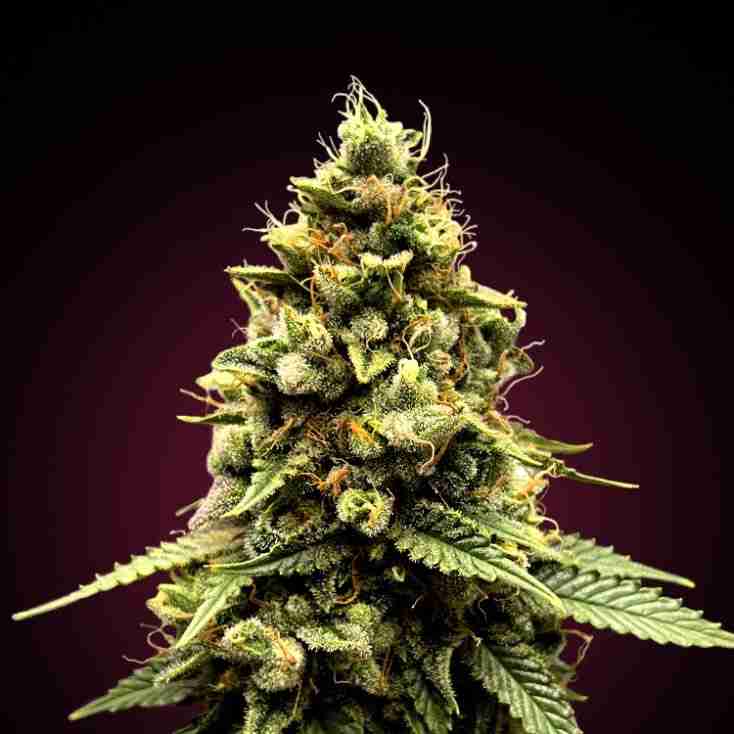
I’ve been growing cannabis for a long time. When I think about resin production — what’s possible, what’s typical, what’s exceptional — Gorilla Glue #4 is still the strain I measure everything else against. The first time I trimmed GG4 my scissors were unusable within twenty minutes. Resin coating the blades, resin on my hands, resin on the work surface, resin on everything I touched. That experience reset what I thought a resinous strain meant. Every strain I’ve grown since — and the catalogue we’ve built at Sacred Seeds — gets weighed against the GG4 benchmark on resin output. Most don’t reach it. The ones that do are noteworthy.
That’s not just a grower’s anecdote. The trichome density on properly grown GG4 is genuinely exceptional, and the strain has the awards to back it up — multiple Cannabis Cup wins between 2014 and 2015 across the United States and internationally. The 24–28% THC range puts it among the most potent feminised photoperiod genetics available, but the THC number alone doesn’t explain why GG4 hits the way it does. The terpene profile is what amplifies the experience — caryophyllene-dominant, with myrcene and limonene contributions that make the strain hit harder than the percentage suggests.
This article is the strain story — the accidental cross that produced GG4, the genetics, the terpene science, the GG phenotype family, the effects, and the awards. For full grow detail — week-by-week timeline, EC targets, training, harvest timing — head to the product pages. Gorilla Glue feminised, Gorilla Glue Fast Version, and Auto Gorilla Glue are all in the catalogue.
🧬 Gorilla Glue Genetics — The Accidental Cross That Became a Benchmark
The origin of Gorilla Glue #4 is one of the better discovery stories in modern cannabis breeding, and it matters because it explains why the strain has the character it does. Around 2012, the breeders at GG Strains in Colorado were working with a Chem’s Sister plant when an unintended hermaphrodite pollinated a Sour Dubb. The cross wasn’t planned. The seeds were nearly discarded. When the breeders eventually grew them out, what emerged was something they hadn’t been aiming for: extraordinary resin production, a terpene profile nobody had quite seen before, and potency figures that put the resulting plants in a different category from most of what was available at the time.
The genetics that produced this matter. Chem’s Sister is itself a phenotype of Chemdog — one of the most genetically influential strains in the modern American catalogue, with lineage that may trace back to Thai and Pakistani landrace genetics. Chem’s Sister contributes the diesel and chemical terpene character and the high THC ceiling. Sour Dubb — a cross of Sour Diesel and East Coast Sour Diesel — brings additional fuel notes and a sativa-influenced cerebral quality to the opening phase of the high. Chocolate Diesel adds the darker, earthier, almost coffee-like aromatic depth that distinguishes GG4’s terpene profile from other diesel-dominant genetics. Diesel strains aren’t rare. Diesel strains with this much complexity underneath the fuel are.
The name comes directly from the grow itself. The buds were so resinous that scissors and hands became literally stuck with resin during trimming — an observation that extended naturally to the effect, since users described feeling glued to whatever surface they were sitting on. GG4 — the fourth phenotype selected from the original cross — became the definitive expression and the one that accumulated the awards and the reputation. It’s worth pausing on that point: the cross was accidental, the breeders nearly discarded the seeds, and the strain that resulted has now spent more than a decade as one of the most influential genetic lines in modern cannabis. There’s a lesson in there about how much of breeding is selection rather than design. That resin-heavy legacy is easy to see in Gorilla Zkittlez, where GG4 was crossed with Zkittlez to add tropical candy terpenes.
The Terpene Science Behind the Gorilla Glue High
GG4’s dominant terpene is caryophyllene — and this matters more than most growers realise. Caryophyllene is the only terpene currently understood to directly bind to cannabinoid receptors, specifically CB2 receptors in the peripheral nervous system. CB2 activation is what produces the body-relaxing, anti-inflammatory component of GG4’s effect, and it’s why the strain has a reputation for genuine pain relief at therapeutic doses. The peppery, fuel-adjacent quality on the exhale is caryophyllene announcing itself directly. At GG4’s concentrations it’s not a supporting note — it’s a primary actor.
Myrcene is the secondary terpene, contributing the earthy depth to the aroma and — critically — facilitating THC crossing the blood-brain barrier. At 24–28% THC with high myrcene content, GG4 hits significantly harder than its raw cannabinoid content alone would suggest. This is the entourage effect in practice: the terpene profile is amplifying delivery, not just contributing flavour. Experienced users who’ve grown GG4 from quality genetics consistently report the strain performing beyond what the percentage on paper implies, and myrcene is a major part of why.
Limonene adds the faint citrus edge in the aroma and contributes mood-elevating effects through serotonin pathway modulation — supporting note rather than dominant one, but it’s what produces the euphoric, mood-lifting opening phase that comes before the indica body effect takes over. Pinene rounds the profile with the fresh pine note and counteracts some of the short-term memory impairment associated with high-THC strains, keeping GG4’s opening phase more functional than pure myrcene-dominant genetics would produce. The four terpenes working together is what makes GG4’s effect profile genuinely different from other high-THC strains rather than just stronger.

🌍 Gorilla Glue — Five Things Most Growers Don’t Know
The strain has been on the market long enough now that grower communities have built up a body of practical knowledge that doesn’t make it into seed bank descriptions. These are the details worth knowing.
1. The phenotype family is more interesting than the marketing suggests. Most cannabis brands sell GG4 as the only meaningful expression of the GG genetics, but the GG phenotype family is genuinely diverse. GG1 (Sister Glue) is slightly less potent than GG4 with stronger pine aromas and a more pronounced sativa character in the opening. GG3 is fast-acting with more cerebral effects — useful where pain management is wanted without full sedation. GG4 is the definitive balanced expression. GG5 (New Glue) leans heavier indica with stronger body sedation from the outset and less of the euphoric cerebral opening. Knowing which phenotype you’ve got matters if you’re working with seeds rather than clones.
2. It’s a hash strain before it’s anything else. The trichome density on properly grown GG4 makes it one of the most productive strains in the world for hash and rosin production. The trichome heads are large and well-formed, the stalks are robust, and the resin remains stable through extraction temperatures. Hash makers working with GG4 consistently report yields and a flavour profile that translate exceptionally well to concentrates — the caryophyllene and myrcene profile holds up through extraction better than more volatile terpene profiles. If you’re growing GG4 with concentrates in mind rather than flower, the genetics are doing some of your work for you.
3. The 50/50 split actually behaves like a 50/50 split. Most strains marketed as “balanced hybrids” lean clearly one way once you know what you’re looking for. GG4 genuinely doesn’t. The opening phase is sativa-influenced — euphoric, cerebrally clear, mood-lifting. The body effect that follows is unambiguously indica. The two phases are sequential rather than blended, which is part of what makes GG4 distinctive. You start somewhere better than where you end up, and the journey between the two is part of the experience.
4. The name is honest about both the resin and the effect. GG Strains chose the name deliberately as a double meaning — referring to both the literal resin that sticks to scissors during trimming and the effect that locks consumers to whatever surface they’re sitting on. Most modern strain names lean toward dessert imagery and aspirational marketing language. The Gorilla Glue name comes from a working observation about the plant itself, which is partly why the strain has held its reputation through more than a decade of catalogue churn — the name describes something real.
5. The award record reflects consistency, not just potency. GG4 won 1st Place at the 2014 High Times Cannabis Cup in Los Angeles and 1st Place at the 2014 Michigan Cannabis Cup in the same year — winning two separate regional cups confirmed the strain’s consistency across different grow environments and different judges. The 2015 Jamaican World Cup win extended the recognition internationally. Royal Gorilla — the European rebranded version of GG4 genetics — took 1st Place New Strains and 3rd Place Indica at the Highlife Cannabis Cup. That’s an unusual record for a strain that emerged from an accidental cross.
🧠 Gorilla Glue Effects — What to Actually Expect
Onset (10–20 minutes): Faster than the THC numbers alone would suggest, and that’s the myrcene profile doing its work. The first signal is cerebral — a clean, euphoric lift that arrives without the racing edge that pure sativas can carry. Mood elevates clearly and quickly. Within twenty minutes the cerebral component is fully present and there’s a distinct clarity to the experience that GG4’s reputation for couchlock effect doesn’t prepare new users for. The strain starts somewhere quite different from where it ends up.
Early phase (20–45 minutes): The transition begins. Caryophyllene and myrcene start asserting themselves through CB1 and CB2 pathways simultaneously. Physical tension releases first — the kind of muscle ease that’s noticeable rather than subtle. The cerebral lift is still present but the direction of travel is clear, and at moderate doses this window is genuinely functional. Less experienced users at higher doses will start to feel the body effect more rapidly than the sativa opening might have suggested.
Mid-to-late phase (45–120 minutes): Full body sedation expresses at moderate-to-high doses. The “glue” effect is real and physiological, not just psychological — the desire to remain exactly where you are isn’t laziness, it’s the caryophyllene and myrcene combination working through both cannabinoid receptor systems at once. Pain signals diminish significantly. The euphoric quality of the opening settles into a deep, comfortable contentment. Sleep follows naturally at higher doses. This is the window GG4’s reputation comes from, and it earns it.
Duration: 2.5–4 hours at typical doses, longer at higher doses. Long-lasting relative to most hybrids — another reason GG4 suits an end-of-week or evening session rather than functional daytime use.
Potency note: 24–28% THC with this terpene profile is not equivalent to 24% THC with a different profile. The myrcene amplification means GG4 hits noticeably harder than the raw percentage suggests, particularly compared with cleaner terpene profiles like limonene-dominant Haze genetics at equivalent THC levels. Newer consumers should approach with respect — start with a fraction of what you’d normally use and wait the full 30 minutes before considering more.

Gorilla Glue Flavour Profile — What the Cure Develops
Properly grown and properly cured GG4 produces one of the most immediately recognisable terpene profiles in cannabis. Diesel sits at the front — sharp, fuel-forward, unmistakable. Coffee notes sit beneath it, the Chocolate Diesel parent genetics announcing themselves clearly. Dark chocolate undertones develop with the cure, and an earthy pine quality from the Chem’s Sister lineage rounds the profile. The combination is complex enough that experienced users can identify GG4 by aroma alone with reasonable accuracy.
On the inhale: diesel-forward, with the coffee character building behind it. Caryophyllene contributes a peppery edge that’s most noticeable on the back of the tongue. On the exhale: the chocolate undertones come through more clearly, fading into a clean finish. The smoke is heavier than light hybrid genetics — the resin density translates directly to denser smoke, which is part of what makes GG4 a strong concentrate strain.
The cure is non-negotiable with this strain. GG4 at two weeks of cure is good. At six weeks it’s exceptional, and the difference is significant enough that growers who rush the cure often don’t recognise what they’ve grown. A proper cure is where the chocolate and coffee complexity actually develops — fresh-harvested material reads as one-dimensional diesel.
🌏 The Australian Angle — Why GG4 Suits Most Climate Zones
Gorilla Glue suits Australian outdoor conditions across most climate zones, and the reason matters. The 8–9 week flower time is shorter than longer-flowering Haze or Cookie genetics, which gives GG4 a more comfortable autumn harvest window than many of its high-THC competitors. The moderate plant height (100–160 cm finished) makes it more manageable in outdoor situations than tall-stretching sativa genetics. The dense bud structure that defines the strain is exceptional in dry conditions and a management challenge in humid ones — and that’s the variable that determines regional fit.
Inland New South Wales, Victoria’s drier zones, most of South Australia, and much of Western Australia provide the dry-finish conditions that suit GG4’s bud density without active intervention. Resin development holds, terpene complexity expresses, and the botrytis pressure that forces growers in humid climates to compromise on harvest timing simply isn’t the same constraint. Coastal subtropical growers — northern NSW, Queensland, the wetter parts of WA’s southwest — can absolutely work with the strain, but airflow management around the dense colas becomes more critical than sun exposure. A plant with seven hours of sun in a breezy spot will reliably outperform one with ten hours in a still, humid microclimate with this strain.
Tasmania and southern Victoria sit at the edge of the GG4 photoperiod window — the 8–9 week flower puts harvest at mid-April hard deadline before the worst of the autumn weather arrives. For those climates, the Gorilla Glue Fast Version at 6–7 weeks gives a meaningful buffer, and the Auto Gorilla Glue removes the harvest window concern entirely. The genetics carry across all three formats — what changes is the timeline.
Ready to Grow Gorilla Glue?
The complete grow guide — week-by-week timeline, EC targets, training approach, climate management, and harvest timing — is on the product pages. Three formats available depending on your timeline.
Gorilla Glue Feminised Seeds → | Gorilla Glue Fast Version → | Auto Gorilla Glue →
❓ Frequently Asked Questions — Gorilla Glue
What is Gorilla Glue #4?
Gorilla Glue #4 is a feminised photoperiod cannabis strain bred by GG Strains in Colorado around 2012, produced from an accidental cross of Chem’s Sister, Sour Dubb, and Chocolate Diesel. The fourth phenotype selected from the original seeds became the definitive GG4 expression. THC range is 24–28% with exceptional runs reaching 30%, and the terpene profile is caryophyllene-dominant — producing the distinctive diesel, coffee, and dark chocolate aroma the strain is known for. Multiple Cannabis Cup winner including 2014 LA, 2014 Michigan, and 2015 Jamaican World Cup.
Where does Gorilla Glue come from?
GG Strains in Colorado, around 2012. The cross was accidental — an unintended hermaphrodite Chem’s Sister pollinated a Sour Dubb plant — and the breeders nearly discarded the resulting seeds. The fourth phenotype selected when the seeds were eventually grown out became GG4 and the benchmark for the entire GG genetics line.
Is Gorilla Glue indica or sativa?
A true 50/50 hybrid that doesn’t fit cleanly into either classification. The opening phase is sativa-influenced — euphoric, cerebrally clear, mood-lifting. The body effect that follows is unambiguously indica-dominant — heavy, sedating, physically locking. Most experienced users describe it as indica-leaning in overall effect while acknowledging the sativa quality of the opening hour.
What does Gorilla Glue smell and taste like?
Diesel-forward with coffee and dark chocolate undertones, anchored by an earthy pine note from the Chem’s Sister lineage. Caryophyllene contributes a peppery edge most noticeable on the back of the tongue. The complexity develops significantly during the cure — fresh-harvested material reads as one-dimensional diesel. Six weeks in glass and the chocolate and coffee notes open up properly.
What makes Gorilla Glue so potent?
Three things working together. High THC (24–28%) is the foundation. Caryophyllene-dominant terpene profile activates CB2 receptors directly through a separate pathway to THC at CB1, deepening the body effect significantly. High myrcene content facilitates THC crossing the blood-brain barrier more efficiently. The combination means GG4 hits harder than its THC percentage alone would suggest — the terpene profile is amplifying and extending the cannabinoid effect through multiple receptor pathways simultaneously.
What’s the difference between GG1, GG3, GG4, and GG5?
GG1 (Sister Glue) is slightly less potent than GG4 with stronger pine aromas and a more pronounced sativa character. GG3 is fast-acting and more cerebral than GG4, useful for daytime pain management. GG4 is the definitive balanced expression — the awarded phenotype with the most complex terpene profile. GG5 (New Glue) leans heavier indica with stronger body sedation from the outset and less of the euphoric cerebral opening. GG4 is the phenotype Sacred Seeds works from.
Is Gorilla Glue good for outdoor growing in Australia?
Yes — GG4 suits most Australian climate zones. Inland temperate regions provide the dry-finish conditions that suit the dense bud structure naturally. Coastal subtropical growers can succeed but need to prioritise airflow management around the dense colas. Tasmania and southern Victoria are at the edge of the photoperiod harvest window — the Fast Version (6–7 weeks) or autoflower offer better fits in those regions. The 8–9 week photoperiod flower time gives a more comfortable autumn harvest window than longer-flowering high-THC genetics.
How does Gorilla Glue compare to the Fast Version and Auto?
Same genetics, different timelines. Gorilla Glue Fast Version finishes in 6–7 weeks of flower rather than 8–9 — same terpene profile and effect, faster harvest, ideal for southern Australian outdoor growers. Auto Gorilla Glue completes seed to harvest in approximately 70–75 days on a fixed timeline regardless of light schedule. The trade-offs in the auto are typically slightly lower THC and reduced terpene intensity. For the full GG4 expression, the photoperiod feminised is the definitive version.
Where can I buy Gorilla Glue seeds in Australia?
Sacred Seeds Australia stocks all three GG4 formats — Gorilla Glue Feminised Seeds, Gorilla Glue Fast Version, and Auto Gorilla Glue — with express Australian shipping and batch-tested seed quality. Sold strictly as novelty collector’s items in accordance with local laws.