Autoflowering cannabis has a shorter, less flexible lifecycle than conventional photoperiod varieties. That makes nutrient management worth understanding, but it does not mean every autoflower is automatically a light feeder. The growing medium, water quality, genetics and environment all affect how nutrients become available.
We’ve worked with a broad range of autoflower genetics, from Northern Lights Auto to Gorilla Glue Auto. One lesson stands out: a feeding chart is a reference, not a substitute for understanding the plant and its growing medium.
This guide explains the principles behind autoflower nutrition, common symptoms of nutrient imbalance, and how to interpret feeding advice. For the wider range of genetics, explore our autoflower cannabis seed collection.
Quick Answer: Autoflower Nutrient Basics
| Principle | Why it matters |
|---|---|
| Start with the growing medium | Pre-fertilised soil and inert coco have very different nutrient requirements. |
| Don’t assume a universal dose | Quarter-strength and half-strength labels mean different things across fertiliser brands. |
| Understand the lifecycle | Nutrient demand changes as plants develop; calendar weeks are only approximate. |
| Check pH and water quality | Root-zone conditions influence nutrient availability. |
| Diagnose before changing anything | Yellowing and burnt tips can have more than one cause. |
For an overview of the different seed formats and their characteristics, see our Australian cannabis seed buyer’s guide.
Why Autoflower Nutrition Is Different
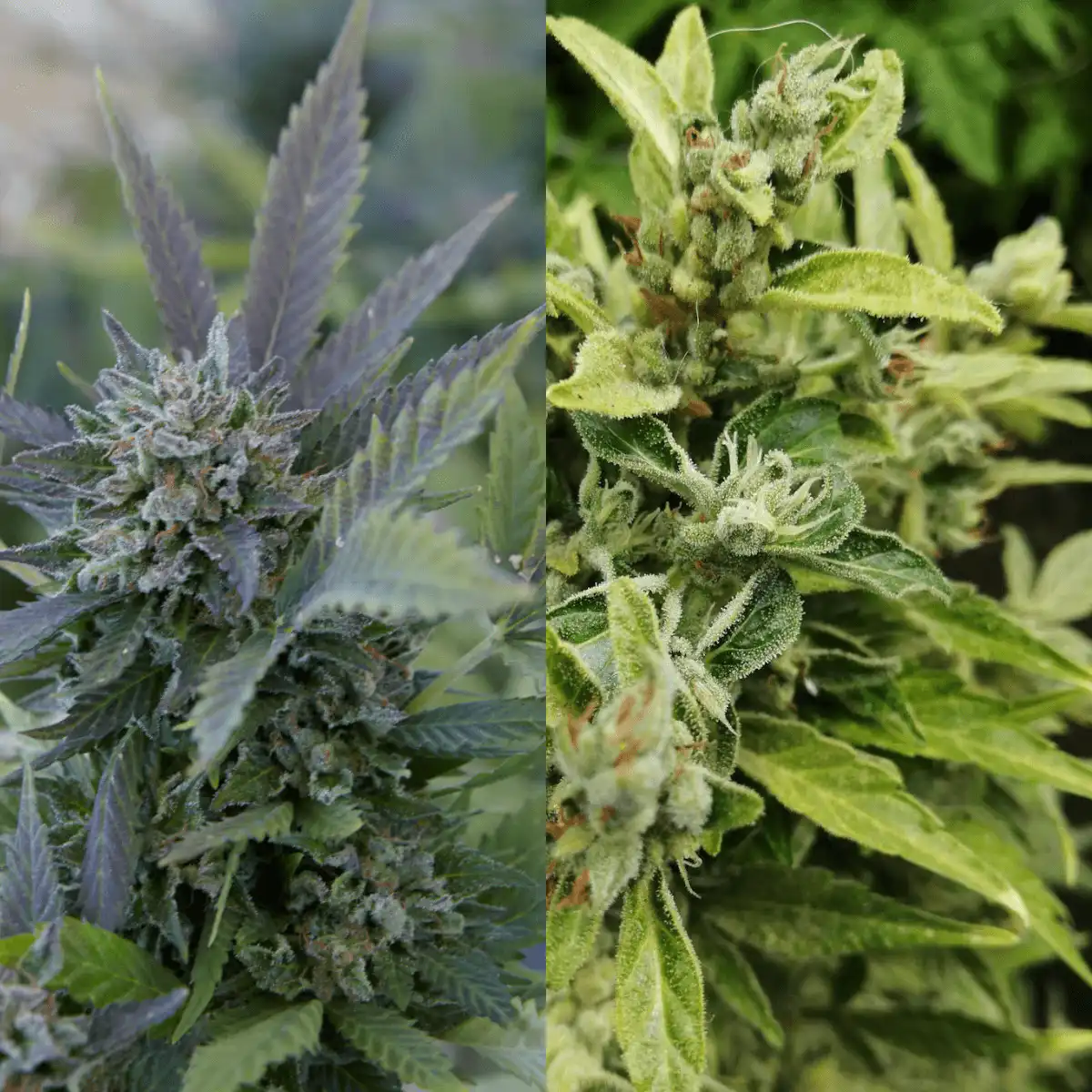
Autoflowering varieties initiate flowering primarily according to age rather than a change in day length. That makes the early development period relatively important: there is less flexibility to extend vegetative growth after a setback. But the idea that all autos need exactly one-quarter of a photoperiod feeding programme is an oversimplification.
Start by Understanding Your Growing Medium
Pre-fertilised potting mixes
Many commercial potting mixes contain nutrients that become available over time. Their initial fertility varies considerably, so the product label and the medium’s composition matter more than a universal instruction to avoid fertiliser for a fixed number of weeks.
Coco coir
Coco is different from pre-fertilised soil. Its nutrient-holding characteristics and interactions with calcium and magnesium mean advice written for soil cannot simply be transferred to coco. Check whether the coco is buffered and consult the nutrient system’s guidance.
Organic and living soils
Organic amendments are broken down by biological processes, so nutrient availability depends on the material, maturity of the compost and environmental conditions. “Organic” does not automatically mean gentle, and concentrated amendments can still create imbalances.
Understanding NPK and Secondary Nutrients
Nitrogen (N) is important for chlorophyll and vegetative growth. Phosphorus (P) contributes to energy transfer and many cellular processes. Potassium (K) supports functions including water regulation and enzyme activity. Calcium, magnesium, sulphur and micronutrients also matter throughout development.
A change in growth stage does not mean one nutrient becomes irrelevant overnight. Balanced nutrition is more complex than switching from “grow” to “bloom” on a particular calendar day.
pH, EC and PPM: What the Numbers Actually Mean
pH describes acidity and influences nutrient availability. EC measures electrical conductivity and provides an indication of dissolved ions in a solution, but it does not identify which nutrients are present. PPM readings on common handheld meters are typically calculated from EC using a conversion factor.
Two meters can show different PPM values for the same solution if one uses a 500-scale conversion and the other a 700-scale conversion. For that reason, an unexplained PPM feeding chart can create more confusion than clarity.
For more background on water characteristics, read our water quality guide. For symptoms of nutrient imbalance, see the cannabis nutrient deficiencies guide.
How to Interpret Common Warning Signs
| Visible symptom | Possible explanations | Why not to assume |
|---|---|---|
| Burnt leaf tips | Excess dissolved salts or other stress | Heat and root problems can overlap. |
| Older leaves yellowing | Nitrogen availability or natural ageing | Waterlogged roots can mimic deficiency. |
| Yellowing between veins | Possible magnesium or other nutrient imbalance | Leaf age and pH provide context. |
| Dark, clawed leaves | Potential nutrient excess or other stress | A single symptom isn’t diagnostic. |
| Pale new growth | Possible iron availability or root-zone issue | Adding more fertiliser may not address the cause. |
Our yellowing cannabis leaves troubleshooting guide explores these overlapping symptoms in greater detail.
Comparing Autoflower Genetics
Different cultivars can vary in structure, lifecycle and response to their environment. Genetics are one variable among many, so strain reputation alone is not a reliable feeding prescription. For comparisons between automatic-flowering and photoperiod varieties, read our autoflower versus photoperiod guide.
Our autoflower EC and feeding reference provides additional strain-specific context, although any numerical guidance should be interpreted alongside the nutrient system and measurement scale used.

Frequently Asked Questions
Do I need special “autoflower” nutrients?
Not necessarily. Products marketed specifically for autoflowers are not automatically superior to other balanced nutrient systems. Their composition, concentration and suitability for the growing medium matter more than the label.
What are the signs of nutrient excess?
Possible signs include burnt leaf tips, unusually dark foliage and distorted growth. However, similar symptoms can result from environmental or root-zone stress, so a visual diagnosis alone is uncertain.
Can autoflowers grow in organic living soil?
Yes. Organic soils differ in maturity, fertility and nutrient-release characteristics. Well-prepared mixes may behave very differently from fresh, heavily amended soils.
What pH should my water be?
The appropriate range depends on the growing medium and nutrient system. Soil and coco are not interchangeable, and the pH of irrigation water is not always identical to the pH around the roots.
Do autoflowers need Cal-Mag?
Calcium and magnesium are essential nutrients, but a separate supplement is not always necessary. Existing water and fertiliser may already supply them. Coco coir has particular calcium and magnesium interactions that deserve consideration.
Is it better to underfeed or overfeed?
Neither nutrient deficiency nor excess is desirable. The goal is balanced availability. Severe excess can cause damage, while sustained deficiency can also impair growth.
How often should I feed an autoflower?
There is no universal schedule that works across soil, coco and hydroponics. Feeding practices depend on the growing medium, nutrient formulation and environmental conditions.
My autoflower leaves are yellowing. Should I add more nutrients?
Not automatically. Yellowing can reflect normal leaf ageing, root stress, pH imbalance or nutrient availability. Start by identifying the pattern and checking the growing conditions. See our yellowing leaves diagnosis guide.
What PPM should I use?
PPM readings depend on the meter’s EC conversion scale, and they do not reveal the exact nutrient composition. A PPM number without a stated scale and context is not a dependable universal target.
Are bloom boosters necessary?
No particular booster is universally necessary. Additional products may change the balance of nutrients already present, so claims about improved results should be assessed critically.
Do fast-finishing autoflowers need different nutrients?
They share the same essential plant nutrient requirements. Their shorter lifecycle may affect how growers interpret feeding schedules, but it does not establish a universal quarter-strength rule.
Final Thoughts: Understand the Medium, Not Just the Chart
Autoflower nutrition makes more sense when you consider the medium, water source, nutrient formulation and genetics together. Rigid calendars and unexplained PPM targets can create false confidence.
Explore our complete cannabis seed catalogue, including autoflowering varieties, or compare seed types in the Australian cannabis seed buyer’s guide.
Related Guides
- How Autoflowers Develop: Week-by-Week Guide
- Autoflower vs Photoperiod: Complete Comparison
- Do Cannabis Plants Need Amber Trichomes Before Harvest?
- Choosing the Best Cannabis Strains for You
Disclaimer: This article is educational. Laws concerning cannabis seeds and cultivation vary by jurisdiction. Check the rules applicable where you live.