Seed germination is the essential first step in growing any plant, and water quality plays a crucial role in its success. In this article, we’ll explain why pure water is vital for germination, highlight common tap water contaminants that can affect it, and offer practical solutions to ensure your seeds thrive. By understanding these factors, you’ll be better equipped to achieve healthy, robust seedlings.
Key Takeaways
-
Using pure water for seed germination significantly enhances germination rates and seedling health.
-
Common Australian tap water contaminants like chlorine, heavy metals, and fluoride can inhibit seed development, so it’s important to be aware of water quality.
-
Gardeners can access pure water through methods like rainwater collection, carbon filtering, and reverse osmosis to ensure the best conditions for seed germination.
Understanding Seed Germination Sensitivity
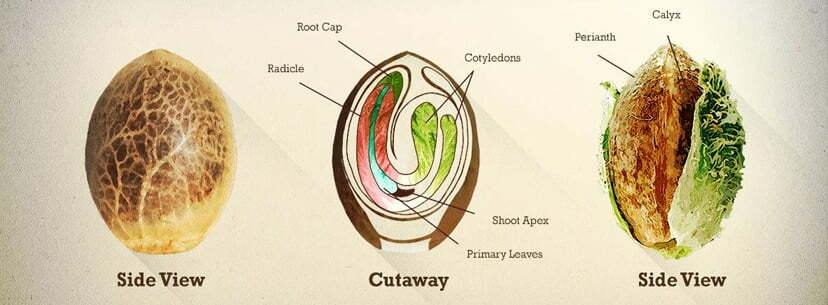
Seed germination is one of the most vulnerable stages in a plant’s life cycle. When a seed begins its journey from dormancy to active growth, it undergoes complex biochemical processes. The seed consists of an embryo, a store of nutrients, and a protective seed coat that must soften and break down for the seedling to emerge.
The initial imbibition step involves the seed absorbing water, which softens the seed coat. This triggers enzyme activation, converting stored nutrients into usable energy, and cellular division begins as the embryonic plant awakens.
Seeds are highly susceptible to environmental contaminants during this critical stage, particularly those found in ordinary tap water. For example, chlorine can disrupt enzyme activity and damage beneficial microorganisms essential for seedling development. This vulnerability underscores the importance of using high-quality water to germinate seeds.
Most seeds, whether flower seeds, native seeds, or other seeds, follow a similar germination process. However, the sensitivity to water quality can vary. Some seeds, like those with a hard seed coat, may require more moisture to soften the outer layer, while others might be more tolerant.
Regardless, ensuring the purity of water can significantly improve germination rates and the overall health of the emerging seedlings.
Common Tap Water Contaminants That Affect Germination
Many of us take for granted that tap water is safe for all uses, including watering plants. However, municipal water supplies, particularly in Australia, contain several additives and contaminants that can interfere with the optimal development of seeds. These contaminants can negatively impact the delicate germination process, reducing germination rates and weakening seedlings.
Understanding the contaminants that can affect germination is crucial for gardeners aiming to maximise their success. In the following subsections, we’ll explore how chlorine, chloramines, heavy metals, fluoride, and hard water minerals can each play a detrimental role in seed germination.
Chlorine and Chloramines
Chlorine and chloramines are commonly added to municipal water supplies as disinfectants to make water safe for human consumption. However, these chemicals can be quite harmful to seeds.
Chlorine can:
-
Damage the beneficial microorganisms that support seedling development
-
Disrupt the seed’s natural protective coating
-
Interfere with enzyme activity crucial for germination
This disruption can slow root development and overall seedling health.
Gardening enthusiasts must grasp how chlorine and chloramines affect seed germination for better results. These chemicals can reduce germination rates and lead to uneven seedling growth, making achieving a healthy, thriving garden harder.
Heavy Metals
Heavy metals such as lead, copper, and zinc can enter tap water through ageing pipes and infrastructure. Even trace amounts of these metals can accumulate in the tender tissues of emerging seedlings, disrupting cellular function during critical development stages. This can inhibit root growth and nutrient uptake, leading to long-term growth issues even after initial germination.
Heavy metals in water can severely harm many plant species. The individual cells of seedlings are highly sensitive, and any disruption can result in poor plant growth and health. Ensuring your water is free from heavy metals is a crucial step in creating a healthy environment for your seeds to germinate.
Fluoride
Fluoride is another common additive in municipal water supplies, intended to promote dental health (but some, including us, would say that its terrible for humans).
For plants, fluoride can alter enzyme activity within germinating seeds, leading to poor germination rates. It can also accumulate in plant tissues and interfere with the uptake of essential nutrients like calcium and magnesium.
Over a few weeks, the negative impact of fluoride can become evident as seedlings struggle to access the nutrients they need for healthy growth. This can lead to stunted growth and weaker plants that are less able to thrive in their environment.
Hard Water Minerals
Hard water, characterised by high levels of calcium and magnesium, can also pose problems for seed germination. These minerals can create deposits around seeds, altering the pH of the growing medium. An altered pH can reduce the effectiveness of enzymatic processes necessary for germination.
Hard water can lead to lower germination rates and weaker seedlings. Adjusting the water quality to reduce these minerals can help create a more conducive environment for seed germination.
The Measurable Benefits of Using Pure Water
Research in horticultural science has shown that using purified water for seed germination offers several measurable benefits. For instance, higher germination percentages, sometimes improving by 15-30%, are commonly observed when pure water is used. Additionally, seeds tend to emerge faster, resulting in more uniform seedling development.
Stronger initial root systems and reduced risk of fungal issues like damping off are other significant advantages. These benefits make a strong case for using pure water to germinate seeds, as healthier seedlings can lead to more robust and productive plants in the long run.
Gardeners have multiple options to access pure water and reap its benefits:
-
Rainwater collection
-
Carbon-filtered water
-
Reverse osmosis (RO) water
-
Distilled water
Each method has its own advantages and can be chosen based on the gardener’s specific needs and resources.
We will provide detailed insights into these options and practical advice for incorporating them into gardening routines.
Rainwater Collection
Collecting rainwater is one of the most sustainable and cost-effective methods to obtain pure water for seed germination. Rainwater naturally has a balanced pH, slightly acidic to neutral, which is ideal for most seeds. It is also free from municipal additives, making it a safe choice for germinating seeds.
Additionally, rainwater contains trace minerals beneficial to emerging seedlings and is an environmentally friendly option. Setting up a simple rainwater collection system can provide a reliable source of pure water for your garden.
Carbon-Filtered Water
Using a carbon filter is a practical solution for everyday watering needs. Carbon filters effectively remove chlorine and most chloramines from tap water, reducing the presence of heavy metals while maintaining beneficial mineral content. This method is relatively inexpensive and easy to implement, making it a convenient choice for many gardeners.
Carbon-filtered water preserves essential minerals while eliminating harmful substances, ensuring that your plants receive the best possible start.
Reverse Osmosis (RO) Water
Reverse osmosis (RO) systems are ideal for anyone needing precise water quality control. RO systems remove virtually all contaminants and minerals, providing consistent water quality. This is particularly beneficial for valuable or sensitive seeds that require optimal conditions for germination.
Although RO systems might be expensive, they offer flexibility by allowing the reintroduction of beneficial minerals, making them appealing for advanced gardeners.
Distilled Water
Distilled water is another ultra-pure option, completely free of minerals and contaminants. It is readily available in stores and provides consistent quality, making it an excellent choice for the most sensitive varieties of seeds.
The production process of distilled water, involving evaporation and condensation, ensures that it is free of any impurities, providing a safe and reliable option for germination.
Best Practices for Water Management During Germination
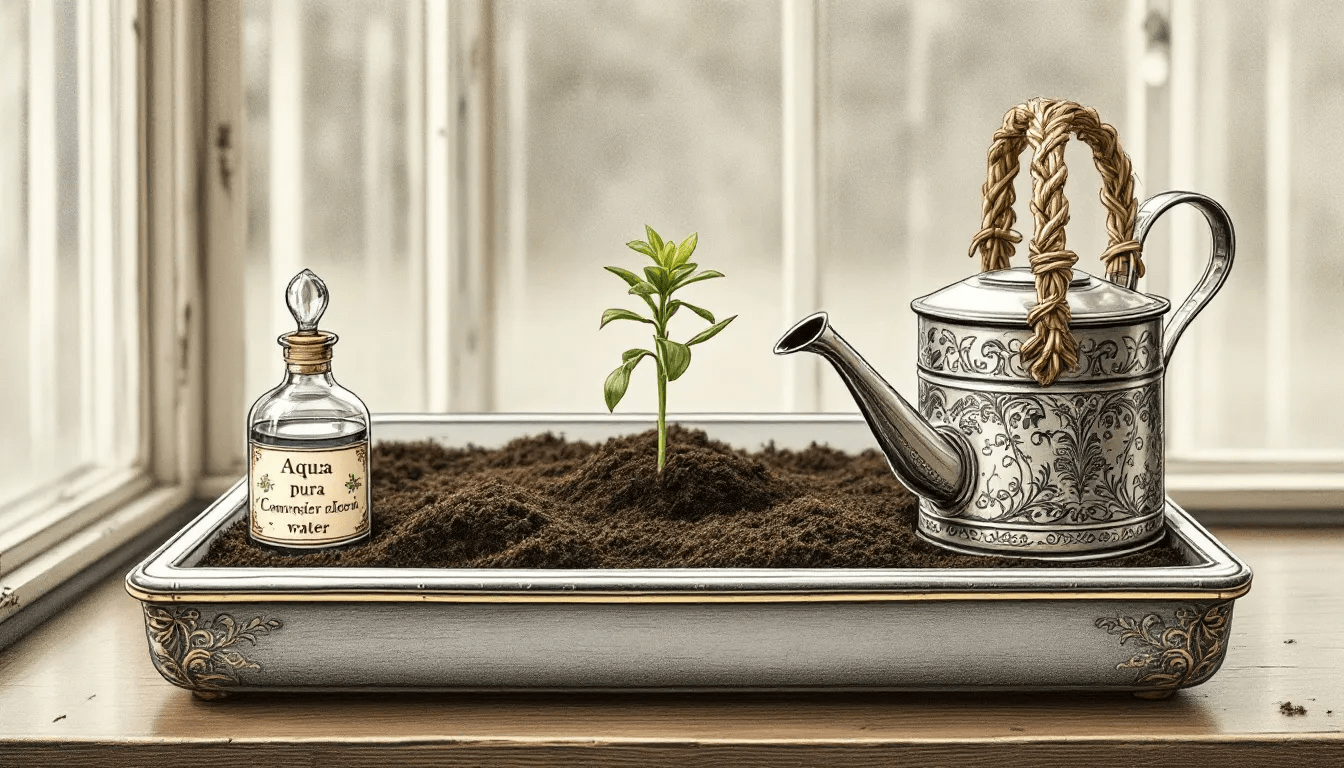
To maximize the benefits of pure water, certain best practices should be followed during the germination process. Pre-treating tap water by allowing it to stand uncovered for 24 hours can help chlorine evaporate. Maintaining an appropriate temperature of 20-25°C is ideal for most seeds, promoting optimal germination conditions.
Checking pH levels is also crucial, as a slightly acidic to neutral pH (6.0-7.0) works best for most seeds. Applying water gently to avoid displacing seeds or causing soil compaction can help ensure even moisture distribution. Bottom watering is another effective method, encouraging roots to grow downward and preventing surface fungal issues.
Specialized Applications for Advanced Growers
For advanced growers dealing with rare, expensive, or particularly challenging seeds, additional water treatments can be beneficial. A hydrogen peroxide solution (0.1-0.3%) can increase oxygen availability and reduce fungal issues. Kelp extract in dilute solutions provides trace elements that support germination, enhancing overall seedling health.
Willow water, made by soaking willow twigs, contains natural rooting hormones that can aid in the germination process, offering an organic boost to your seedlings.
Conclusion: An Investment in Germination Success
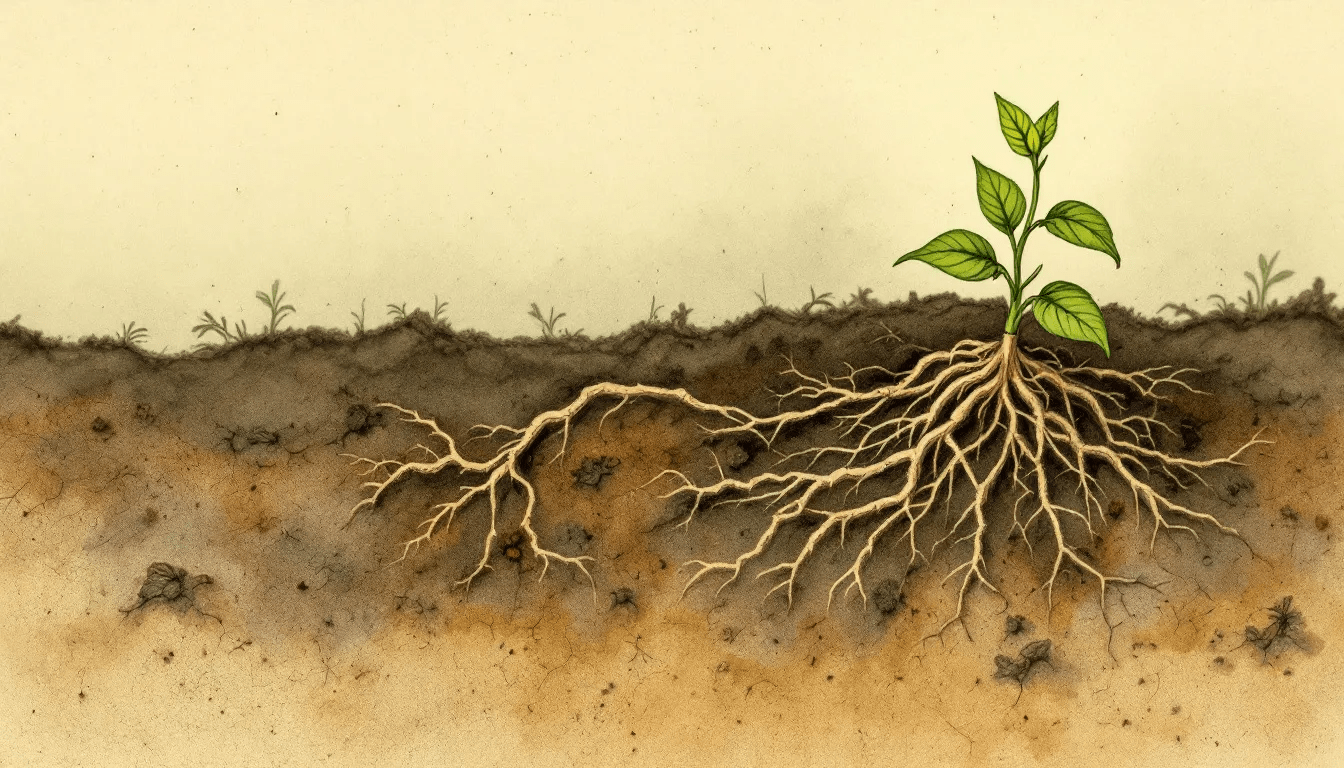
While it may seem like a minor detail, the quality of water used during seed germination can make a substantial difference in success rates. For gardeners working with prized seeds or difficult-to-germinate varieties, upgrading water quality represents one of the most impactful improvements to your propagation process.
Investing in pure water can yield substantial benefits throughout the entire life cycle of your plants.
Summary
In summary, water purity plays a critical role in the germination process. Contaminants like chlorine, heavy metals, fluoride, and hard water minerals can significantly hinder seed development. Gardeners can achieve higher germination rates and healthier seedlings by using pure water options such as rainwater, carbon-filtered water, RO water, or distilled water.
Investing in water quality is a small adjustment that can substantially improve plant growth and overall garden success. By following best practices in water management, gardeners can ensure that their seeds have the best possible start, leading to a thriving and productive garden.
Frequently Asked Questions
Why is water purity important for seed germination?
Water purity is important for seed germination because contaminants can hinder crucial biochemical processes, resulting in lower germination rates and weaker seedlings. Using clean water ensures healthier plant growth right from the start.
What are some common water contaminants that affect seed germination?
Chlorine, chloramines, heavy metals, fluoride, and hard water minerals can really mess with seed germination by disrupting enzyme activity and nutrient uptake. It’s best to use filtered or distilled water to avoid these issues!
How can I purify water for seed germination?
To purify water for seed germination, consider using rainwater collection, carbon filtration, or distilled water. These methods will give your seeds the clean start they need to thrive!
What are the benefits of using pure water for seed germination?
Using pure water for seed germination boosts germination rates, speeds up emergence, and promotes more vigorous, healthier seedlings while minimising fungal problems. It’s a simple step for better growth!