

Purchasing cannabis seeds in Australia requires careful consideration and knowledge of the available options. Whether you’re a collector seeking rare genetics or a hobbyist looking to understand seed varieties, navigating the Australian market involves understanding seed types, quality indicators, and legal considerations. This comprehensive guide walks you through every step of acquiring premium cannabis seeds whilst ensuring you make informed decisions that align with your collection goals.
The process of buying cannabis seeds in Australia centres on selecting reputable suppliers, understanding seed genetics, and choosing the right varieties for your purposes. Start by researching established seed banks that offer quality assurance, discrete shipping, and germination guarantees. Focus on suppliers who stock feminised seeds for guaranteed female plants, understand the difference between photoperiod and autoflowering varieties, and provide detailed strain information including THC/CBD profiles, growth characteristics, and expected outcomes. With proper research and careful selection, you can build a valuable seed collection that meets your specific interests.

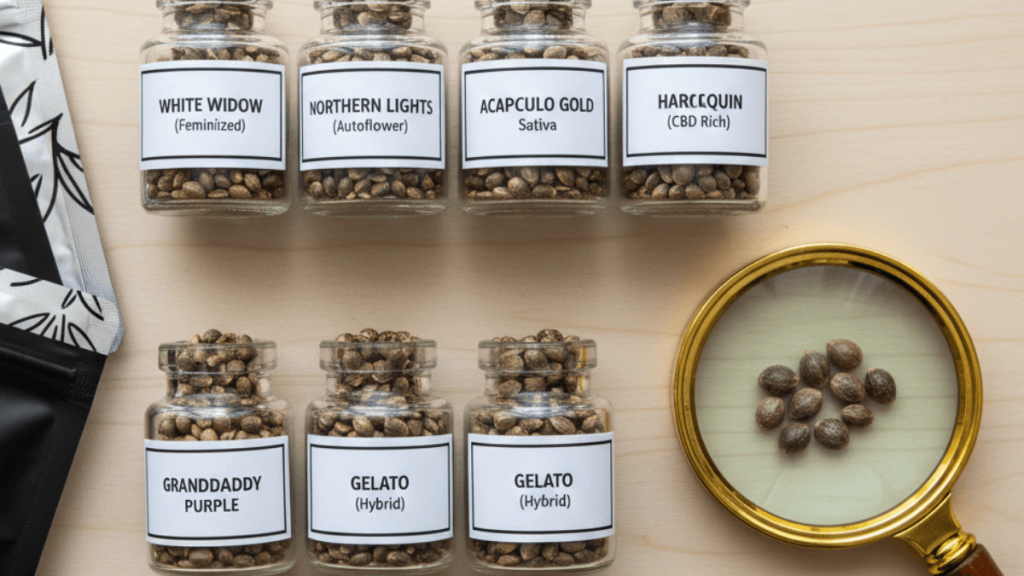
Step 1: Research Reputable Australian Seed Banks
The foundation of acquiring quality cannabis seeds begins with identifying trustworthy suppliers within Australia. Look for seed banks with established reputations, transparent business practices, and positive customer feedback. Reputable suppliers typically maintain detailed websites showcasing their complete catalogue, provide comprehensive strain descriptions, and offer customer support channels. Additionally, check for germination guarantees which demonstrate the supplier’s confidence in their seed viability.
When evaluating potential suppliers, examine their shipping policies and packaging methods. Premium seed banks employ discrete packaging to ensure privacy whilst protecting seeds during transit. Furthermore, assess their payment options—established businesses offer multiple secure payment methods and maintain SSL-encrypted checkout processes. Reading customer testimonials on independent review platforms provides valuable insights into shipping times, seed quality, and overall customer satisfaction. Take time to compare several suppliers before making your decision, as this research phase significantly impacts your overall experience.
Step 2: Understand Seed Types and Genetics
Comprehending the fundamental differences between seed varieties empowers you to make informed selections. Cannabis seeds primarily fall into three categories: regular seeds (producing both male and female plants), feminised seeds (producing exclusively female plants), and autoflowering seeds (flowering based on age rather than light cycles). For most collectors and enthusiasts, feminised seeds represent the optimal choice as they eliminate male plants, ensuring your collection focuses on desirable genetics.
Beyond gender determination, understanding photoperiod versus autoflowering characteristics proves essential. Photoperiod seeds require specific light schedules to transition from vegetative growth to flowering, offering greater control over plant size and harvest timing. Conversely, autoflowering varieties complete their lifecycle regardless of light schedules, typically maturing faster with more compact growth patterns. Our detailed comparison of autoflower versus photoperiod seeds explores these differences comprehensively, helping you determine which genetics suit your interests best.
Genetic Lineage Matters
Investigate each strain’s genetic background to understand its characteristics. Indica-dominant varieties typically exhibit compact growth and sedating effects, whilst sativa-dominant strains tend toward taller plants with energising properties. Hybrid genetics combine these traits in varying ratios, offering balanced characteristics. The botanical classification of Cannabis indica provides scientific context for understanding these genetic differences.
Step 3: Select Strains Based on Your Requirements
Choosing specific strains requires aligning seed characteristics with your collection goals. Consider factors including cannabinoid profiles (THC, CBD, THCV), terpene compositions affecting aroma and flavour, growth difficulty levels, and expected plant sizes. Beginning collectors often prefer robust, forgiving strains like Northern Lights or Blue Dream, whilst experienced enthusiasts might seek exotic genetics or landrace varieties.
For those interested in high-potency genetics, strains with elevated THC levels offer compelling characteristics worth studying. The Auto Gorilla Glue Feminized Seeds combine the renowned Gorilla Glue genetics with autoflowering convenience, delivering impressive resin production and robust growth traits that make them excellent specimens for any collection. Similarly, the Auto Runtz Feminized Seeds showcase modern breeding achievements with their distinctive purple hues and exceptional cannabinoid profiles.


When building a diverse collection, consider including various genetic backgrounds. Indica-dominant varieties offer compact growth patterns, whilst sativa genetics provide unique terpene profiles. Balanced hybrids deliver the best characteristics from both lineages, creating well-rounded specimens. Additionally, examine flowering times—autoflowers typically complete their cycle in 8-10 weeks, whilst photoperiod strains may require 10-14 weeks depending on the variety.
Step 4: Verify Quality Assurance and Testing
Premium seed banks implement rigorous quality control measures ensuring genetic stability and high germination rates. Look for suppliers who conduct regular germination testing, maintain climate-controlled storage facilities, and source genetics from reputable breeders. Quality assurance extends beyond basic viability—it encompasses genetic authenticity, meaning the seeds you receive accurately represent the advertised strain characteristics.
Transparency regarding seed testing procedures distinguishes professional operations from unreliable sources. Established seed banks often publish their testing methodologies, germination success rates, and storage protocols. Moreover, they typically offer fresh stock rotation, ensuring you receive recently harvested seeds with optimal viability rather than outdated inventory. Some suppliers even provide batch numbers or harvest dates, allowing you to track seed freshness accurately.
Examine Seed Appearance
Whilst visual inspection cannot guarantee germination, healthy cannabis seeds display characteristic traits. Quality seeds exhibit dark colouration (brown, grey, or black), a waxy coating providing moisture protection, and a firm, intact outer shell. Conversely, pale green seeds, cracked shells, or soft textures often indicate immaturity or improper storage. Reputable suppliers provide high-resolution photographs allowing you to assess seed appearance before purchasing.
Step 5: Complete Your Purchase Securely
Once you’ve selected your desired strains, proceeding through checkout requires attention to security and accuracy. Verify that the website employs SSL encryption (indicated by “https://” in the URL and a padlock icon). Review your order carefully, confirming strain names, quantities, and pricing before finalising. Most Australian seed banks accept various payment methods including credit cards, bank transfers, and sometimes cryptocurrency for enhanced privacy.
During checkout, provide accurate shipping information whilst being mindful of privacy preferences. Premium suppliers offer discrete packaging without external branding or identifiable markings. Additionally, consider purchasing during promotional periods when many seed banks offer discounted pricing or bonus seeds with orders. Some suppliers maintain loyalty programmes rewarding repeat customers with exclusive access to limited releases or preferential pricing on popular genetics.
After completing your purchase, reputable seed banks provide order confirmation emails containing tracking information once your package ships. Typical delivery timeframes within Australia range from 3-7 business days depending on your location and the supplier’s shipping methods. Throughout this process, legitimate businesses maintain professional communication channels should you require assistance or have questions regarding your order.
Proper Storage After Purchase
Preserving seed viability after purchase demands appropriate storage conditions. Cannabis seeds remain viable for extended periods when stored correctly, maintaining germination potential for several years under optimal conditions. The three primary factors affecting seed longevity include temperature, humidity, and light exposure. Ideal storage involves cool, dark, and dry environments, with many collectors utilising refrigerators for long-term preservation.
For those building extensive collections, the Master Kush Grand Feminized Seeds represent classic genetics worth preserving properly, as this legendary indica lineage has withstood the test of time through decades of breeding programmes.

Store seeds in airtight containers such as glass jars or vacuum-sealed bags to prevent moisture infiltration and oxidation. Silica gel packets placed within storage containers absorb residual moisture, further protecting seed integrity. Label containers with strain names and purchase dates to maintain organised collections. For comprehensive guidance on extending seed lifespan, consult our detailed article on how long cannabis seeds last under various storage conditions.
Temperature stability proves equally important—avoid locations experiencing significant temperature fluctuations such as windowsills or garages. Refrigerator storage maintains consistent cool temperatures, though seeds should reach room temperature before opening their containers to prevent condensation formation. When properly stored, quality cannabis seeds retain germination viability exceeding 80% for multiple years, preserving your investment and allowing you to expand your collection gradually over time.


Understanding Legal Considerations
Whilst this guide focuses on the practical aspects of purchasing cannabis seeds, understanding the legal framework proves essential for responsible collecting. In Australia, regulations vary between states and territories, with some jurisdictions permitting seed possession for collecting purposes whilst others maintain stricter interpretations. Cannabis seeds themselves contain negligible cannabinoid content, distinguishing them legally from mature plants in many contexts. However, collectors should research their local regulations thoroughly before purchasing.
Reputable seed banks operating within Australia structure their businesses around the collecting and preservation of cannabis genetics as botanical specimens. They typically include disclaimers regarding intended use and clearly state that seeds are sold strictly for collection, preservation, or as souvenirs. Responsible collectors maintain their acquisitions within legal frameworks, appreciating the genetic diversity and breeding achievements these seeds represent without crossing into prohibited activities. For current information regarding cannabis regulations, refer to resources from government health departments and legal advisories specific to your jurisdiction.
Building a Diverse Collection
As you develop your seed collection, diversity enhances both educational value and genetic preservation efforts. Consider acquiring representatives from different genetic families—classic landrace varieties, modern polyhybrids, and specialty genetics focusing on unique cannabinoid profiles. Cannabis seed bundles offer economical approaches to diversifying collections, often featuring curated selections showcasing particular characteristics such as high THC content, CBD-rich varieties, or specific terpene profiles.
Documenting your collection adds significant value to the collecting experience. Maintain records including strain names, breeders, purchase dates, and genetic lineages. This information proves invaluable when assessing genetic diversity within your collection and planning future acquisitions. Furthermore, staying informed about breeding developments through resources like our guide to cannabis genetics evolution deepens your appreciation for the specimens you’ve acquired and helps identify emerging genetics worth adding to your collection.
Additionally, consider joining collector communities and forums where enthusiasts share knowledge, discuss breeding achievements, and exchange insights about rare genetics. These communities often provide early information about upcoming releases, limited edition drops, and sought-after genetics that might otherwise escape notice. Building relationships within the collecting community enhances your understanding whilst connecting you with like-minded individuals who share your passion for cannabis genetics preservation and appreciation.