


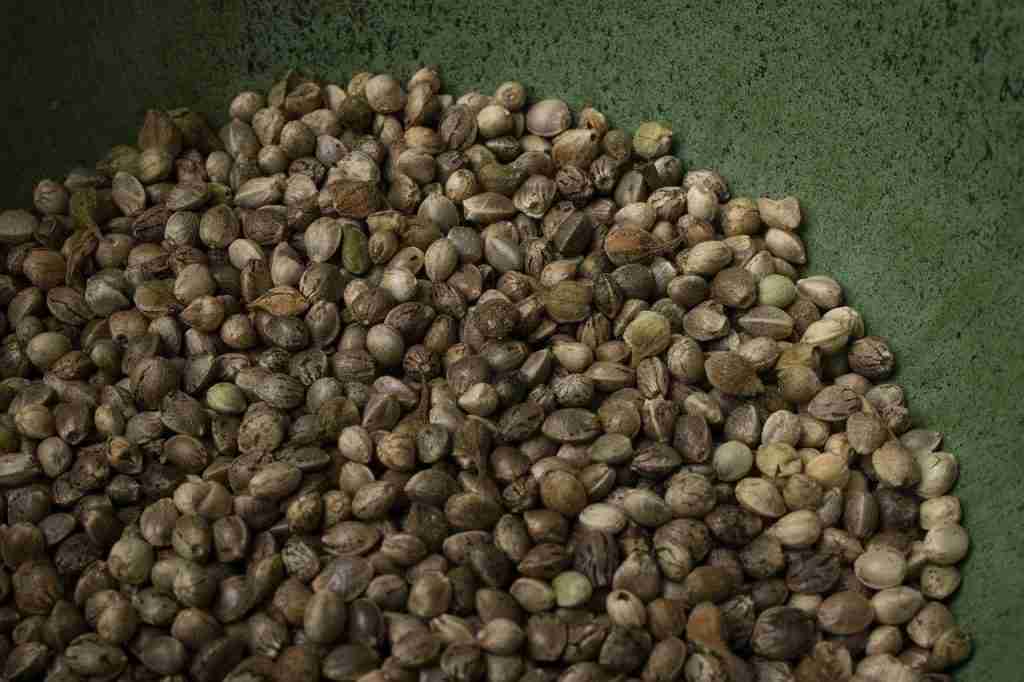
How We Test Our Seeds
At Sacred Seeds, we know that seed quality of utmost importance. That is why every batch we release is put through 2 layers of internal testing to make sure it meets our expectations for freshness, structure, and viability.
This post gives you a look behind the curtain at how we test seeds before they ever reach our shelves.
To learn more about seed storage, click here.
Why We Test
Cannabis seeds are living material. That means natural variation is unavoidable — some will always be stronger than others. To keep our quality consistent, our breeders sample and test each batch, and then we do the same. If results don’t meet their benchmark, the entire lot is pulled and replaced before it reaches us, and if what reaches us doesn’t meet our 95% benchmark, we pull it and replace before it reaches any customers. This double testing method ensures we know that what we ship to customers has been thoroughly vetted for quality.

How We Test: The Paper Towel Method
For consistency, we only use one process: the paper towel method. It’s simple, repeatable, and reliable. This is the gold standard across the industry for a good reason. The beauty of this method is that you can see what is going on before transferring to medium.
Here’s how we do it:
1: A layer of damp tissue is placed on a plate, container or in a jiffy bag. We prefer open jiffy bag for some air flow. We use distilled or rain water. (NOT TOWN WATER)
2: Seeds are spread out evenly on top. Always use tweezers. Not not touch with fingers.
3: Another damp tissue is placed over them, and a second plate is inverted over the top to keep the environment dark and moist.
4: The setup is kept at a steady ~22-25 °C. We check every couple of days and mist tissues if needed.
Under these conditions, most seeds show signs of life within a few days, while some may take a little longer. Please give it up to 7 days.
What We Look For
-
Speed of response — strong seeds usually show activity quickly.
-
Consistency across the batch — we look for uniform results, not just one or two standouts.
-
Healthy structure — emerging roots should be clean and robust, not weak or discoloured.
What Happens If a Batch Fails
On the rare occasion a batch performs below our standards, it never reaches our customers. We replace it with new stock from the same breeder line and retest before offering it for sale.
Why It Matters
This process is part of what makes our seeds collector-grade. By standardising how we test, we can keep our quality high and our results consistent.
Our Germination Guarantee
Because we know this method works, this is the only method by which our Germination guarantee can be invoked. All other methods (direct in soil, cubes, plugs etc) fall outside our zone of support and guarantee.
FAQ: How We Test Our Seeds
Q: What type of water do you use in your tests?
We only use pure, clean water — ideally rainwater or filtered water. Tap water can contain chlorine or other additives that may interfere with testing.
Q: Why do you always use tweezers?
Handling seeds directly with fingers can introduce oils, dirt, or pressure that damages delicate seed coats. We always use clean tweezers when moving seeds during testing to keep the process sterile and consistent.
Q: Why the paper towel method and not soil or pellets?
The paper towel method gives us a controlled, repeatable environment: stable temperature, moisture, and light. Soil, peat pellets, or hydro setups add too many outside variables, so they aren’t part of our testing process.
Q: How do you control moisture levels?
Towels are kept damp but never soaked. We make sure there’s no standing water, which can suffocate seeds or encourage mould.
Q: Why keep seeds in the dark?
Light isn’t needed at this stage. We keep seeds enclosed with a plate or foil so they stay in a dark, humid environment, which mirrors how they’d naturally start underground.
Q: How long do you run your tests?
We typically check once daily for up to five days (120 hours). Some seeds show activity sooner, but we allow the full time to account for natural variation. For some strains we have seen them take up to 7/8 days, but with strong results. This is because some strains have a naturally thicker shell than others.
Q: What happens if a seed shows signs of stress or mould during testing?
That seed is marked as non-viable. If a pattern emerges across the batch, we pull the entire lot from sale and replace it before it ever reaches customers.
Q: How do you decide if a batch passes or fails?
We look at overall consistency, speed of response, and root health. A healthy batch should show strong, clean taproots across the sample. Anything below our threshold is rejected.