

When growers talk about the most powerful cannabis strains available today, one name consistently dominates the conversation: Gorilla Glue, also known as GG4 or Original Glue. This legendary strain has earned its reputation not just through marketing hype, but through consistently delivering some of the highest THC levels found in modern cannabis genetics. For beginners entering the world of cannabis cultivation, understanding what makes Gorilla Glue so exceptionally strong—and what that means for your growing journey—is essential knowledge that will shape your expectations and approach to cultivation.
Gorilla Glue strength stems from multiple factors working in harmony: exceptional genetics combining Chem’s Sister, Sour Dubb, and Chocolate Diesel; a unique terpene profile dominated by caryophyllene, limonene, and myrcene; and cannabinoid levels that regularly test between 25-30% THC. This potency translates to intensely resinous flowers that literally glue scissors together during trimming, a powerful euphoric yet relaxing effect profile, and yields that reward skilled growers with abundant harvests of premium-quality buds. For cultivation purposes, Gorilla Glue demonstrates vigorous growth, moderate difficulty suitable for attentive beginners, and an 8-9 week flowering period that produces dense, trichome-covered flowers with exceptional bag appeal.
Understanding GG4 Genetics and Lineage
The remarkable strength of Gorilla Glue traces directly back to its exceptional genetic heritage. Created accidentally by breeder Joesy Whales when a Chem’s Sister plant hermaphrodited and pollinated his Sour Dubb, the resulting seeds were then crossed with Chocolate Diesel to create the powerhouse we know today. This genetic accident proved fortunate, as each parent contributed specific traits that amplified the overall potency profile.
Chem’s Sister brought diesel-fuel aromatics and intense cerebral effects, Sour Dubb contributed complex terpenes and dense bud structure, whilst Chocolate Diesel added sweetness and enhanced resin production. The combination created a hybrid that expresses the best traits of each parent whilst minimising weaknesses. This balanced hybrid typically shows 50/50 indica-sativa genetics, though some phenotypes may lean slightly in either direction.
The “GG4” designation refers to the fourth phenotype discovered during initial breeding trials, which demonstrated superior characteristics compared to other phenotypes. This particular expression became the most sought-after version, eventually becoming the standard for all Gorilla Glue genetics. Understanding this lineage helps growers appreciate why certain characteristics appear during cultivation, from growth patterns to final cannabinoid profiles.


The Cannabinoid Profile: Breaking Down the Numbers
When discussing gorilla glue strength, THC content naturally takes centre stage. Quality Gorilla Glue genetics consistently produce flowers testing between 25-30% THC, with exceptional phenotypes and growing conditions occasionally pushing beyond 30%. To put this in perspective, average cannabis strains typically range between 15-20% THC, making Gorilla Glue significantly more potent than standard varieties.
However, THC percentage alone doesn’t tell the complete story. Gorilla Glue also produces moderate levels of other cannabinoids including CBD (typically 0.1-0.3%), CBG (0.5-1.5%), and CBC (0.2-0.8%). Whilst these percentages seem small compared to THC, they contribute significantly to the overall effect through what researchers call the entourage effect, where multiple compounds work synergistically to enhance therapeutic and psychoactive properties.
The ratio between cannabinoids influences how the strain affects different individuals. Gorilla Glue’s high THC-to-CBD ratio creates predominantly psychoactive effects, yet the presence of other minor cannabinoids moderates the experience, preventing the anxiety or paranoia sometimes associated with pure THC extracts. For beginners, this means effects that are powerful but generally well-tolerated when consumed responsibly.
Testing labs use advanced chromatography techniques to measure cannabinoid content, but results can vary based on growing conditions, harvest timing, curing methods, and testing procedures. Responsible breeders provide representative test results, understanding that individual grows may produce slightly different profiles. When evaluating gorilla glue strength through lab reports, look for tests from reputable facilities that measure the full cannabinoid spectrum, not just THC.
Terpene Composition and Strength Synergy
Beyond cannabinoids, terpenes play a crucial role in gorilla glue strength and overall effects. These aromatic compounds don’t just provide the strain’s distinctive fuel-and-earth scent—they actively modulate how cannabinoids interact with our bodies. Gorilla Glue’s terpene profile is dominated by three primary compounds that work together to enhance potency and shape the experience.
Caryophyllene, typically the most abundant terpene in Gorilla Glue, contributes spicy, peppery notes whilst also binding to CB2 receptors in the endocannabinoid system. This unique characteristic means caryophyllene acts as both a terpene and a dietary cannabinoid, potentially contributing anti-inflammatory effects. Limonene adds citrus brightness whilst promoting mood elevation and stress relief, complementing THC’s euphoric properties. Myrcene, known for its earthy, musky aroma, may enhance THC’s ability to cross the blood-brain barrier, potentially intensifying psychoactive effects.
The concentration of these terpenes in cannabis can reach 2-3% of total flower weight in well-grown Gorilla Glue, which represents exceptional terpene density. This high terpene content contributes to the strain’s intense aroma, complex flavour profile, and enhanced effects through entourage synergy. Growers can maximise terpene production through proper environmental control, particularly during the final weeks of flowering when terpene synthesis peaks.
Growing Considerations for Maximum Potency
Achieving legendary gorilla glue strength requires more than just planting quality genetics—cultivation techniques significantly impact final potency. Gorilla Glue plants demonstrate vigorous vegetative growth, typically doubling or tripling in height during the flowering transition. This stretch characteristic requires adequate vertical space and may necessitate training techniques like topping, LST (low-stress training), or SCROG (screen of green) to manage canopy height.
Nutrient requirements follow typical hybrid patterns, with moderate nitrogen during vegetative growth transitioning to increased phosphorus and potassium during flowering. However, Gorilla Glue can be sensitive to overfeeding, particularly nitrogen excess during late flowering, which may reduce final THC percentages whilst promoting leafy growth. Conservative feeding with quality nutrients typically produces superior results compared to aggressive fertilisation schedules.


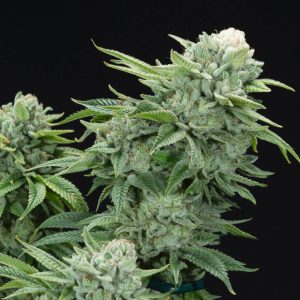

Environmental parameters critically influence cannabinoid and terpene production. Gorilla Glue thrives with daytime temperatures between 22-26°C during flowering, dropping to 18-22°C during dark periods. Humidity should gradually decrease from 60-65% in early flowering to 40-45% during final ripening to prevent mould whilst encouraging resin production. Adequate airflow prevents stagnant microclimates that harbour pathogens, particularly important given Gorilla Glue’s dense bud structure.
Lighting intensity and spectrum affect both yield and potency. Whether growing under photoperiod conditions with HPS, LED, or CMH lighting, providing adequate photon density (typically 600-1000 PPFD during flowering) ensures robust cannabinoid synthesis. Many growers report enhanced terpene profiles when incorporating UV-B supplementation during late flowering, though this requires careful implementation to avoid plant stress.
Effect Profile: What Gorilla Glue Strength Means
Understanding how gorilla glue strength translates to actual effects helps beginners set appropriate expectations and consumption guidelines. The high THC content produces potent psychoactive effects that typically begin with cerebral euphoria and mental uplift, creating a sense of happiness and sometimes giggly sociability. This initial head-focused phase gradually transitions into profound physical relaxation that spreads through the body without inducing complete sedation in most users.
The balanced hybrid genetics create what users describe as a “couch-lock” effect at higher doses, where the combination of mental contentment and physical relaxation makes movement seem unnecessary and undesirable. However, at moderate doses, many users report functional relaxation that doesn’t completely impair productivity. This versatility makes Gorilla Glue popular for various consumption contexts, from creative pursuits to evening relaxation.
Duration of effects typically extends 2-4 hours depending on consumption method, individual tolerance, and dosage. The comedown generally progresses smoothly without the crash sometimes associated with high-THC strains, likely due to the moderating influence of minor cannabinoids and terpenes. For beginners, starting with minimal doses (particularly when consuming concentrates or edibles made from Gorilla Glue) prevents overwhelming experiences whilst allowing gradual familiarity with the strain’s powerful effects.
Medicinal users appreciate Gorilla Glue for potential applications including chronic pain management, insomnia relief, stress reduction, and appetite stimulation. The pain-relieving properties stem from both THC’s analgesic effects and the anti-inflammatory potential of caryophyllene. However, the high potency means this strain may not suit those sensitive to THC or seeking primarily CBD-focused therapeutic benefits.
Cultivation Challenges and Solutions
Whilst Gorilla Glue’s strength makes it desirable, certain cultivation challenges require attention from beginners. The strain’s vigorous growth and substantial stretch during flowering transition can catch inexperienced growers off-guard, potentially resulting in plants that outgrow available space. Implementing height management techniques early in vegetative growth prevents this issue—topping plants at the 4th-6th node and using LST to create horizontal canopy development maintains manageable heights.
Heavy resin production, whilst desirable for potency, creates sticky conditions that can complicate maintenance tasks. Trimming scissors require frequent cleaning with isopropyl alcohol to maintain functionality, and excessive handling of flowers during growth can damage delicate trichome heads. Many growers wear nitrile gloves when working directly with plants during late flowering to prevent trichome damage and sticky hands.
The dense bud structure that contributes to impressive yields also creates microclimates within flower clusters where humidity accumulates. This characteristic makes Gorilla Glue somewhat susceptible to botrytis (bud rot) if environmental conditions aren’t properly managed. Maintaining proper airflow, controlling humidity during late flowering, and inspecting dense bud sites regularly helps prevent this devastating pathogen from destroying hard-earned harvests.
Nutrient sensitivity, particularly regarding nitrogen, requires attentive feeding management. Beginning growers often assume that stronger nutrients produce stronger plants, but Gorilla Glue responds better to conservative feeding that prevents toxicity. Following proven growing techniques and starting with half-strength nutrient solutions, gradually increasing only if plants show deficiency symptoms, produces superior results compared to aggressive feeding schedules.
Harvest Timing for Peak Potency
Determining optimal harvest timing critically influences final gorilla glue strength and effect profile. Trichome maturation follows a predictable progression that growers can observe using magnification tools like jeweller’s loupes or digital microscopes. During early flowering, trichome heads appear clear and glassy, indicating immature cannabinoid profiles with lower potency. As maturation progresses, trichomes transition to cloudy or milky appearance, signalling peak THC content.
For maximum psychoactive potency, most Gorilla Glue growers harvest when 70-80% of trichomes show cloudy colouration with minimal amber degradation. This window typically occurs around week 8-9 of flowering, though phenotype variation and environmental factors can shift timing by several days. Harvesting at this stage preserves peak THC levels whilst maintaining the uplifting cerebral characteristics that balance the strain’s physical relaxation.
Allowing trichomes to develop more amber colouration before harvest shifts the effect profile toward increased sedation as THC degrades into CBN (cannabinol). Some growers preferring more narcotic effects deliberately extend flowering until 20-30% of trichomes show amber colouration. This approach sacrifices some peak THC percentage but may enhance sleep-promoting properties valued by medicinal users treating insomnia.
Beyond trichome observation, other maturation indicators include pistil colouration (70-90% darkened and curled), swollen calyxes, and the cessation of new pistil production. However, trichome development remains the most reliable indicator of cannabinoid maturity. Taking small sample buds from different plant areas and examining them under magnification helps ensure accurate assessment, as maturation can vary between top colas and lower branches.


Comparing Auto, Photo, and Fast Versions
Modern breeders offer Gorilla Glue genetics in multiple formats, each with distinct characteristics affecting cultivation approach and final strength. Traditional photoperiod Gorilla Glue remains the standard by which others are measured, requiring light cycle manipulation (typically 18/6 vegetative, 12/12 flowering) to trigger and maintain flowering. These plants offer unlimited vegetative growth potential, allowing growers to achieve substantial sizes and yields whilst maintaining the authentic GG4 potency profile.
Autoflowering Gorilla Glue varieties incorporate ruderalis genetics that trigger flowering based on age rather than light cycles. Early autoflowering versions sacrificed potency. Modern auto genetics have closed this gap significantly. Quality auto GG4 now reaches 22–26% THC. While slightly below photoperiod versions, it remains exceptionally strong. Autos complete their lifecycle in 10–12 weeks and require no light cycle changes.
Fast version Gorilla Glue represents a middle ground, combining photoperiod control with accelerated flowering similar to autoflowers. These plants require traditional light cycle manipulation. However, they complete flowering in 6–7 weeks instead of 8–9. This shorter cycle offers high potency with reduced cultivation time. Fast versions are ideal for outdoor growers in regions with shorter summers. Sacred Seeds Australia offers fast version genetics that maintain exceptional potency whilst reducing total cultivation duration.
Check out Fast Goriila Glue here.
Which Version Is Right for You?
Choosing between versions depends on individual growing situations and priorities. Photoperiod GG4 suits growers seeking maximum potency and yield without time constraints. Autoflowers benefit those wanting quick, simple grows with respectable strength. Fast versions appeal to growers balancing potency with shorter flowering periods. All versions maintain the fundamental characteristics that define gorilla glue strength, adjusted to different cultivation parameters and experience levels.
The legendary status of Gorilla Glue comes from exceptional genetics, high cannabinoid content, and rich terpene profiles. Its cultivation traits also reward attentive growers. For beginners, understanding gorilla glue strength—from genetics to harvest timing—creates a strong foundation for successful grows. Whilst the strain’s potency demands respect both during cultivation and consumption, proper techniques and realistic expectations allow even novice growers to achieve impressive results. Whether choosing photoperiod, autoflowering, or fast version genetics, the GG4 lineage offers a masterclass in what modern cannabis breeding can achieve. By applying the principles outlined in this guide and starting with quality genetics from reputable sources, growers can experience firsthand why Gorilla Glue continues dominating potency discussions years after its accidental creation.
Frequently Asked Questions
How strong is Gorilla Glue (GG4)?
Gorilla Glue typically tests between 25–30% THC, making it one of the strongest cannabis strains available. Some phenotypes can exceed 30% under ideal conditions.
Is Gorilla Glue too strong for beginners?
Gorilla Glue can be overwhelming for beginners due to its high THC content. New users should start with very small doses and gradually increase as tolerance builds.
What makes Gorilla Glue so potent?
Its strength comes from elite genetics and high THC levels. A terpene profile rich in caryophyllene, limonene, and myrcene further enhances effects through the entourage effect.
Does autoflower Gorilla Glue have the same strength?
Autoflower Gorilla Glue is slightly less potent than photoperiod versions. It typically reaches 22–26% THC but still delivers strong effects. Faster growth and easier cultivation make it a popular choice.